


Ball Gown vs A-Line: Which Silhouette Should You Choose?
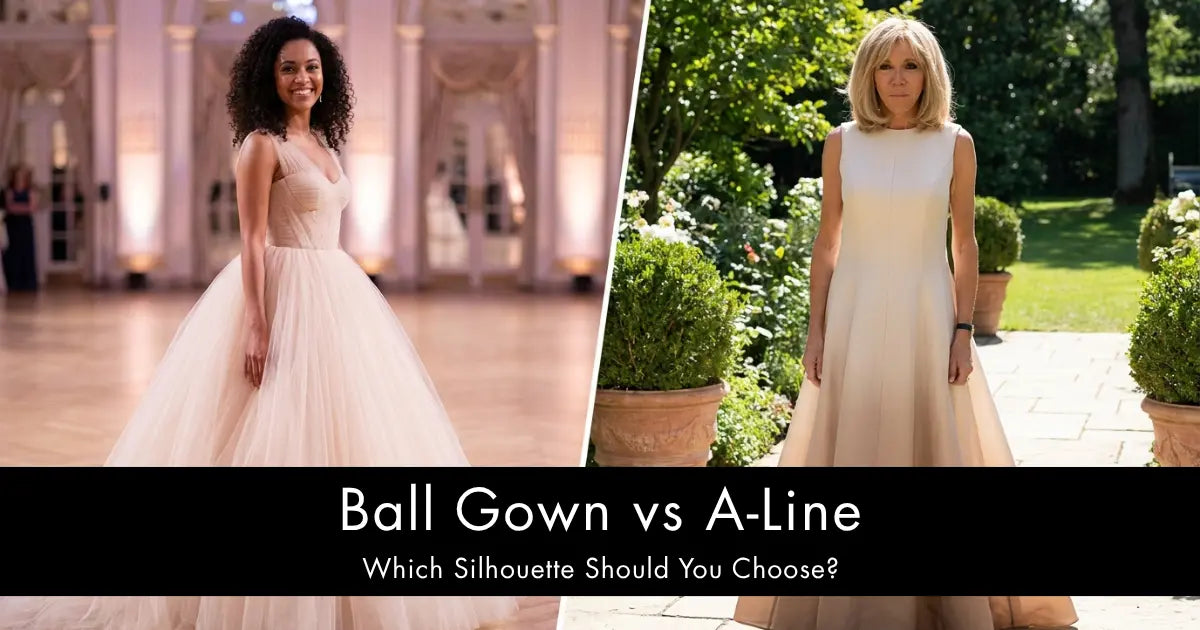
Choose a ball gown if you want a dramatic, full skirt and a formal, princess-style entrance. Choose an A-line if you want a softer flare, easier movement, and a shape that suits almost every body type. Ball gown dresses fit close through the bodice and explode into volume at the waist. A-line dresses skim the waist and widen gently to the hem.
That is the short answer. The longer answer depends on three things: your body shape, your venue, and how long you plan to stay on your feet. Both silhouettes are formal. Both photograph beautifully. They simply do different jobs.
This guide breaks down the real differences, the fit details most shoppers miss, and how to pick with confidence the first time. At Formal Dress Shops, we fit thousands of customers a year for prom, weddings, quinceañeras, and black-tie events, and the same handful of questions decides it almost every time.
What Is a Ball Gown Dress?
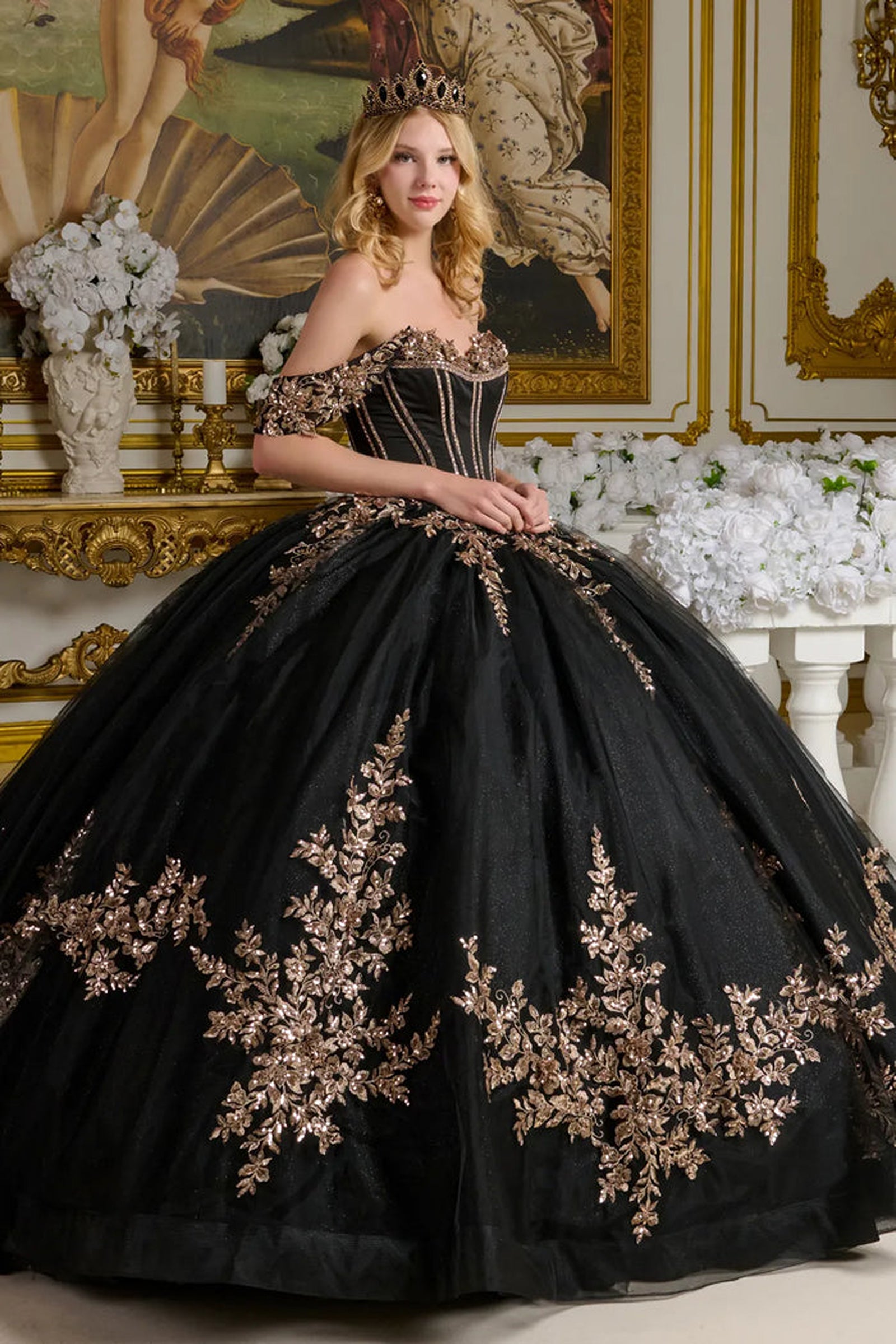
A ball gown has a fitted bodice, a defined waistline, and a very full floor-length skirt. The volume comes from construction, not just fabric. Underneath, you will usually find layers of tulle, horsehair braid, netting, or a crinoline slip that pushes the skirt outward.
The silhouette is the most formal shape in eveningwear and the one people picture when they think of a fairy-tale gown. The ball gown is the most formal and dramatic silhouette, built on a fitted bodice with a full skirt that carries serious volume to the floor. Historically it comes from European court dress, and it still signals the highest level of formality on an invitation.
Ball gown dresses do three things very well. They cinch and highlight the smallest part of your waist. They hide the hips, thighs, and legs completely. They fill a room and command attention in photos, especially on a staircase or a wide dance floor.
They also come with trade-offs. The skirt is heavy. You need space to sit, walk through doors, and get in and out of a car. And because the skirt is stiff, a poor fit at the bodice shows immediately.
What Is an A-Line Dress?
An A-line dress is fitted through the bodice, nips in at the natural waist, and flows outward in a straight line to the hem, forming the shape of the letter A. There is no crinoline pushing it out and no sudden burst of volume. The line is continuous and clean.
The style was named by Christian Dior in his 1955 collection, and it has never really left. A-line dresses fit through the bodice and flare gradually from the waist, which is why they work for nearly every body type, venue, and level of formality. Stylists still call it the most universally flattering shape in formalwear, and it is the safe pick when you are shopping online and cannot try before you buy.
A-line dresses give you shape without weight. You can dance, sit at a long dinner, climb stairs, and walk on grass without fighting your skirt. They also stretch further across occasions. The same A-line gown can work for a wedding guest look, a graduation dinner, and a company gala with a change of shoes and jewelry.
The trade-off is drama. An A-line gown will not create the same gasp as a full princess skirt. If your goal is a grand entrance, it is the quieter choice.
Ball Gown vs A-Line at a Glance
| Feature | Ball Gown Dresses | A-Line Dresses |
|---|---|---|
| Skirt shape | Full and round, built out from the waist | Gradual triangle, close to the body at the waist |
| Formality | Highest, best for black tie | Flexible, semi-formal to formal |
| Support underneath | Crinoline, tulle layers, horsehair | Light lining, usually no crinoline |
| Ease of movement | Limited, needs space | Easy, good for dancing and walking |
| Best at hiding | Hips, thighs, legs | Tummy, hips, uneven proportions |
| Travel and storage | Bulky, needs careful packing | Packs and hangs easily |
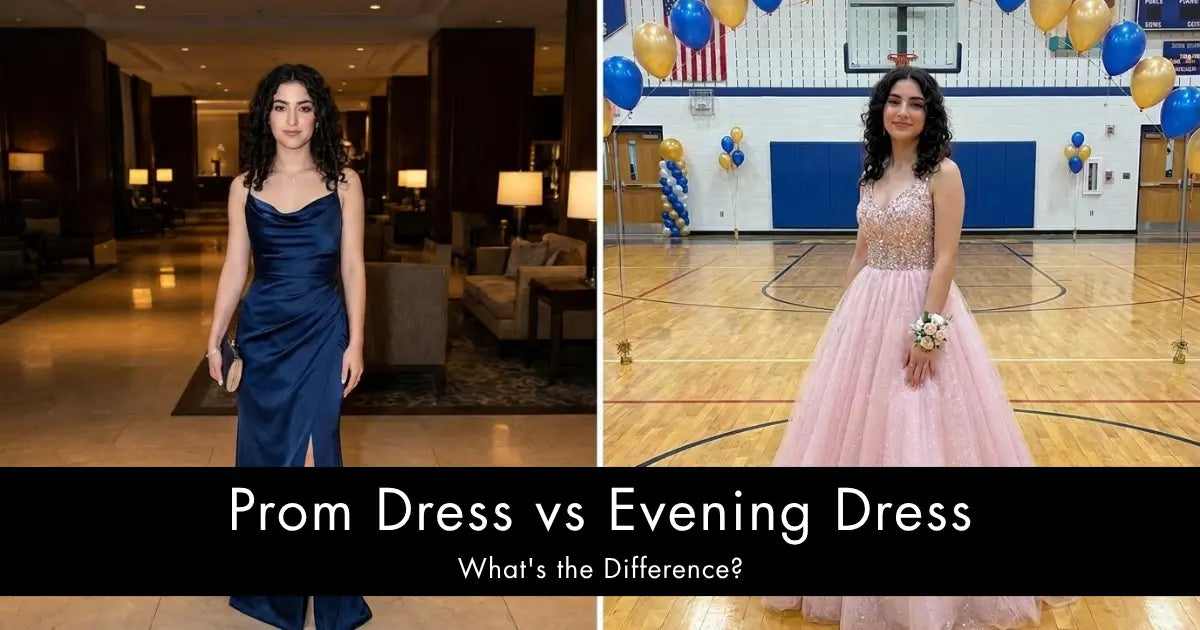
Read More: Prom Dress vs Evening Dress: What's the Difference?
Which Silhouette Suits Your Body Shape?
Body shape is a starting point, not a rule. The goal is balance, and both shapes can be tailored to almost anyone.
Pear and triangle shapes
If your hips are wider than your shoulders, both silhouettes work in your favor. A ball gown skirt covers the lower half completely and pulls the eye to your waist and neckline. An A-line does the same job with less fabric. If you want definition without feeling swallowed by the skirt, the A-line usually wins.
Apple and round shapes
Look for A-line dresses with an empire or slightly raised waist. The fabric releases just above the tummy and skims down instead of clinging. Ball gowns can also flatter here, but check that the bodice is boned and structured. A soft, unstructured bodice on a heavy skirt tends to collapse and add bulk.
Hourglass shapes
You have the most freedom. A ball gown with a fitted, corset-style bodice shows off a defined waist better than any other silhouette. An A-line in a fluid fabric like satin or crepe will follow your natural line more closely. Choose based on the event, not the shape.
Rectangle and athletic shapes
If your waist is not strongly defined, a ball gown creates one instantly. The contrast between the fitted top and the full skirt does the work for you. A-line gowns with a belt, a basque waist, or a beaded waistband achieve a similar effect with less volume.
Petite and plus size notes
Petite shoppers often assume ball gowns are off limits. They are not. The key is a higher waist seam, a lighter skirt, and a hem finished to your exact height so the volume does not start too low. For plus sizes, both shapes deliver, and the deciding factor is bodice construction. Built-in boning, wide straps or sleeves, and a supportive lining matter far more than the silhouette label on the tag.
Match the Silhouette to Your Event
The invitation usually answers this faster than the mirror does.
Prom and quinceañera. This is ball gown territory. These events are built around an entrance, a court, and a lot of photos. Ball gown dresses in tulle, glitter mesh, or satin dominate for a reason. That said, if your prom is at a smaller venue, or you plan to dance all night, an A-line in a sparkle fabric gives you the same glamour with far less effort.
Weddings, as a bride. Ball gowns suit ballrooms, cathedrals, and traditional receptions. A-line gowns suit gardens, beaches, vineyards, and any venue with uneven ground or an outdoor ceremony. Think about where you will stand for photos, not just where you will walk down the aisle.
Bridesmaids and wedding guests. A-line is the practical standard. It works across a mixed group of body types, sizes, and heights, and it does not compete with the bride. A full ball gown as a guest can read as overdressed unless the invitation says black tie.
Military balls, galas, and charity events. Both work. If the event includes a receiving line, a long seated dinner, or tight table spacing, an A-line will keep you comfortable for four hours. If it is a grand ballroom with a formal program, a ball gown fits the setting.
Mother of the bride and evening formal. A-line dresses tend to win here, especially with sleeves or a jacket. They are elegant, comfortable through a full day, and easy to move in during photos and the reception.
Comfort, Movement, and the Venue Test
Here is a simple test we use in the fitting room. Picture your evening minute by minute. Will you sit at a round table with eight other guests? Will you ride in a compact car? Are there stairs, grass, gravel, or a narrow aisle? Will you be on your feet for more than two hours?
If you answered yes to more than two of those, an A-line gown will serve you better. A crinoline takes up real space. It can crowd a table, catch on chairs, and make a small car ride uncomfortable.
If your event is in a large hall with space to move and you want the full effect, the ball gown is worth every bit of the effort. Just plan for it. Bring a friend who can help with the skirt, and choose a bathroom-friendly design if you can.
Fabric and Construction Change Everything
Two dresses can share the same silhouette and look completely different because of fabric.
For ball gowns, tulle gives soft, cloud-like volume and hides the body well. Satin and Mikado create a smooth, sculpted, structured skirt that reads more modern and formal. Organza sits between the two, crisp but light.
For A-line dresses, chiffon and georgette flow and move, which works for outdoor and summer events. Crepe and satin fall straighter and give a sleeker, more polished line. Lace over lining adds texture without adding weight.
One detail worth checking before you buy is the waist seam. A natural waist seam is the most flattering placement for most people. A basque waist, which dips into a V at the front, lengthens the torso and slims the middle. An empire waist sits under the bust and is the most forgiving through the stomach.
Sizing, Length, and Alterations
Formalwear sizing does not match everyday clothing sizing. Most gown brands run smaller and use their own size charts, so always measure your bust, natural waist, and hips and compare them to the chart on the product page rather than ordering your usual size.
When measurements land between two sizes, order the larger one. Taking a gown in is straightforward for a tailor. Letting one out is limited by the seam allowance, and on a boned bodice it is often impossible.
Hem length is where the two silhouettes differ most. A ball gown must be hemmed with your exact shoes and any crinoline in place, because the skirt sits differently once the underlayer is added. An A-line is simpler and cheaper to hem. As a general rule, expect a floor-length gown to clear the ground by about half an inch at the front so you do not step on it.
Build in time. Standard alterations usually need two to three weeks, and busy prom and wedding seasons run longer. Order early rather than paying rush fees.
Also Read: Ball Gown Dress Trends for 2026
Five Questions That Decide It
- Is the dress code black tie or below? Black tie leans ball gown.
- Will you be dancing or seated for most of the night? Dancing leans A-line.
- Do you want the focus on your waist or your overall line? Waist leans ball gown.
- Is the venue indoors with open space, or outdoors on grass or sand? Outdoors leans A-line.
- Will you wear this dress again? Reuse leans A-line.
If you answered ball gown to three or more, go with the volume. If not, the A-line is your dress.
Frequently Asked Questions
Is a ball gown or an A-line more flattering?
A-line dresses are more universally flattering because the gradual flare skims the hips and stomach without adding bulk. Ball gowns are more flattering if your goal is a defined waist and full coverage of the lower body. Both work well when the bodice is fitted properly.
Can a short person wear a ball gown?
Yes. Choose a higher waist seam, a lighter skirt fabric like tulle, and hem the gown to your exact height with your shoes on. Avoid heavy horsehair skirts with a low waist seam, since they cut the body in half visually.
What is the difference between an A-line and a fit-and-flare?
An A-line flares from the natural waist in a straight line. A fit-and-flare stays close to the body through the hips before releasing lower down. Fit-and-flare shows more of your figure and A-line skims over it.
Are ball gowns only for weddings and prom?
No. Ball gown dresses are appropriate for any black-tie event, including galas, military balls, quinceañeras, opera openings, and formal award nights. Match the formality of the invitation rather than the occasion type.
Which silhouette is easier to alter?
A-line dresses are easier and usually cheaper to alter. Ball gowns require the crinoline and shoes in place for hemming, and skirt work takes more labor.
The Bottom Line
Neither silhouette is better. They serve different moments. Pick a ball gown when the event is grand, the venue is roomy, and you want the entrance. Pick an A-line when you want elegance you can move in and a dress that earns its place in your closet more than once.
Browse both silhouettes side by side at Formal Dress Shops, where you can compare fabrics, waistlines, and size charts before you commit. If you are stuck between two favorites, our team can help you match the shape to your event and your measurements.


Dejar un comentario
Este sitio está protegido por hCaptcha y se aplican la Política de privacidad de hCaptcha y los Términos del servicio.