




Article: Can You Rewear Your Homecoming Dress?
Can You Rewear Your Homecoming Dress?
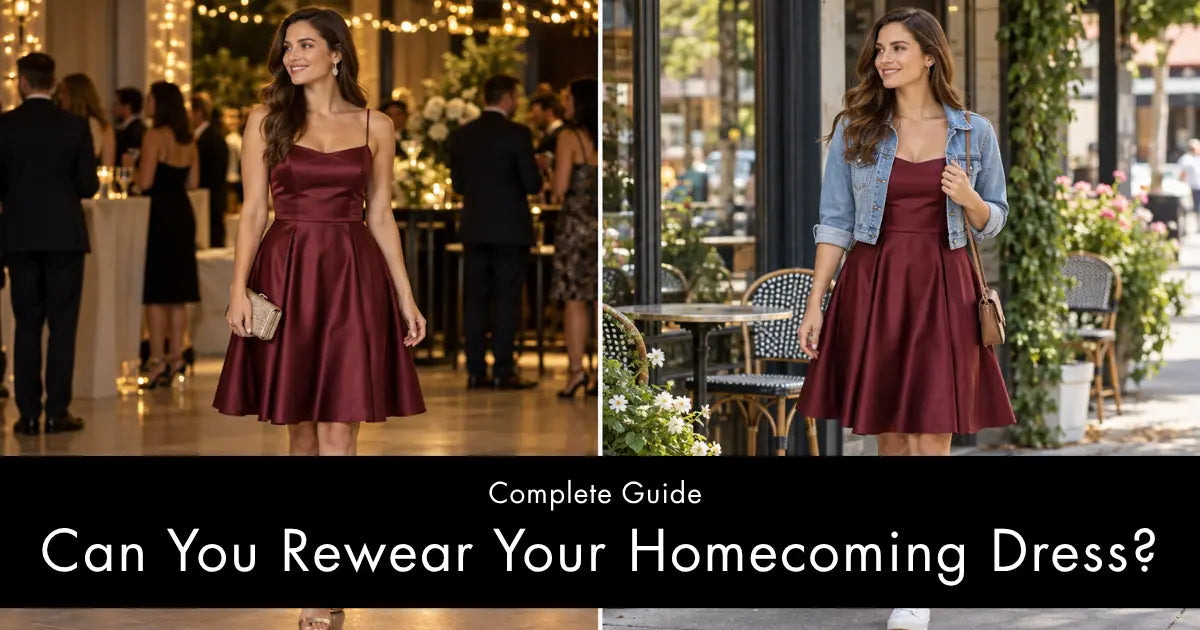
Yes, you can rewear your homecoming dress for birthday dinners, holiday parties, date nights, and other celebrations. Many homecoming dresses can also work for weddings or daytime outings when the fabric, length, and dress code fit the occasion. Changing your shoes, adding a layer, or wearing a sweater over the bodice can give the same dress a different look.
The key is to work with the dress you already own. A simple satin mini offers different styling options than a beaded dress with a full tulle skirt. Neither needs to sit untouched in your closet, but each will suit different settings.
Before buying another outfit, try these seven ways to wear your dress again. You may already have most of the pieces you need.
What Makes Homecoming Dresses Easy to Rewear?
The most versatile dresses fit comfortably and pair well with everyday wardrobe pieces. Simple straps, smooth fabrics, and skirts with less volume usually make layering easier. However, a dress does not need to be plain to earn a second outing.
Start by looking at its strongest feature. If the dress has sequins, keep the surrounding pieces simple. If it has a bold color, build the outfit around that shade. If the neckline feels very formal, covering part of the bodice may change the overall look.
Try the dress on before planning an outfit. Walk, sit, and raise your arms. Check the zipper, straps, lining, and hem. A dress that needs constant adjusting will still feel uncomfortable with different accessories.
Also, separate what styling can change from what it cannot. Sneakers can make satin feel more relaxed, but they will not make a heavily structured ball-gown skirt practical for a casual lunch.
Read More: Ball Gown vs A-Line: Which Silhouette Should You Choose?
1. Add a Denim Jacket and Sneakers for a Casual Outing
A denim jacket can soften the look of a dress you previously wore with heels and statement jewelry. This combination works especially well with a simple A-line dress, a satin slip style, or a floral dress with limited embellishment.
Choose clean, low-profile sneakers that feel balanced with the skirt. White, cream, or another neutral shade is an easy starting point. A small crossbody bag adds a practical touch for a casual birthday lunch, shopping trip, or relaxed afternoon outing.
Jacket length matters. With a fuller skirt, try a jacket that ends near your waist so it does not cover the shape of the dress. A slightly longer jacket can work with a fitted dress, provided the hem remains visible.
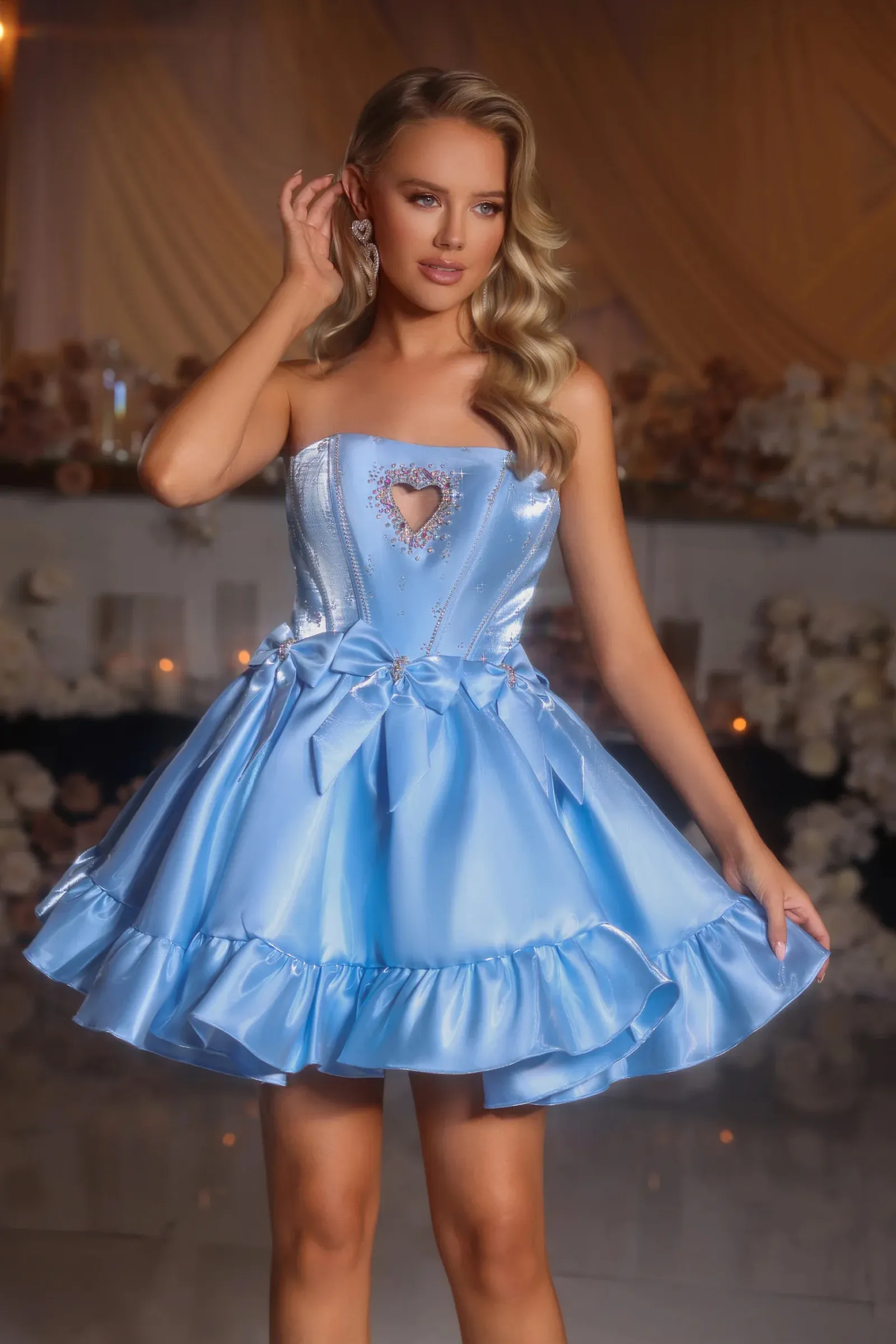
For example, pair a pale blue satin mini with a light denim jacket, white sneakers, and small silver studs. The dress still adds interest, while the other pieces make it feel less like a school-dance outfit.
Skip rough jacket seams or bulky hardware if they catch on delicate lace or beading. Move your arms during the fitting to check for rubbing.
2. Wear a Sweater Over It to Create a Skirt Outfit
Wearing a sweater over your dress changes how much of the original outfit people see. Once the bodice is covered, the skirt becomes the main feature.
This approach works well with pleated, satin, and softly flared skirts. Choose a sweater that sits near the waist or ends slightly below it. Too much thick fabric can bunch around the bodice, especially if the dress already has boning, ruffles, or a structured waist.
A cropped knit is often the easiest option because you do not need to tuck or secure it. If you prefer a longer sweater, try a soft, lightweight style and check the shape from the side. It should fall comfortably without creating a bulky roll.
For a fall outfit, wear a cream sweater over a burgundy dress and add ankle boots. For a lighter look, pair a pastel knit with a floral skirt and ballet flats.
Be careful with sequins and prongs that can snag knitwear. Smooth dresses generally work better under sweaters than heavily embellished styles. Also, avoid fastening a belt tightly over beads just to hold the sweater in place.
3. Style It as a Wedding Guest Dress
Some homecoming dresses make suitable wedding guest dresses, particularly for cocktail or semi-formal celebrations. The decision should depend on the invitation, venue, ceremony, and couple’s expectations.
Start with the length and coverage. A dress that feels comfortable on a dance floor may ride up too far when you sit through a ceremony. Try sitting in it at home and check whether the neckline and hem stay where you want them.
A simple knee-length or midi dress often needs only understated shoes, a small bag, and a light wrap. A shorter style may also work, but consider how formal the wedding is before choosing it.
Avoid white, ivory, or dresses that look strongly bridal unless the couple has specifically requested them. If the color or style seems uncertain, ask rather than relying on accessories to make it appropriate.
For example, a navy A-line dress can feel fresh with pearl earrings, low heels, and a soft wrap. You do not need to recreate your homecoming hairstyle or wear the same sparkling clutch.
A very short party dress will not suit every formal wedding. When the dress code calls for something different, save it for another event.
4. Pair It With a Blazer for Dinner or a Celebration
A blazer adds structure and can make a playful dress feel more suited to a restaurant dinner, an evening performance, or a graduation celebration. It works particularly well over fitted dresses and simple slip styles.
Choose the blazer according to the dress’s shape. A cropped blazer can sit neatly above a full skirt. A longer blazer may work better with a straight skirt, where the layers do not compete for space.
Check the fit through the shoulders and arms. You should be able to sit and reach comfortably without pulling the dress straps or bunching the neckline.
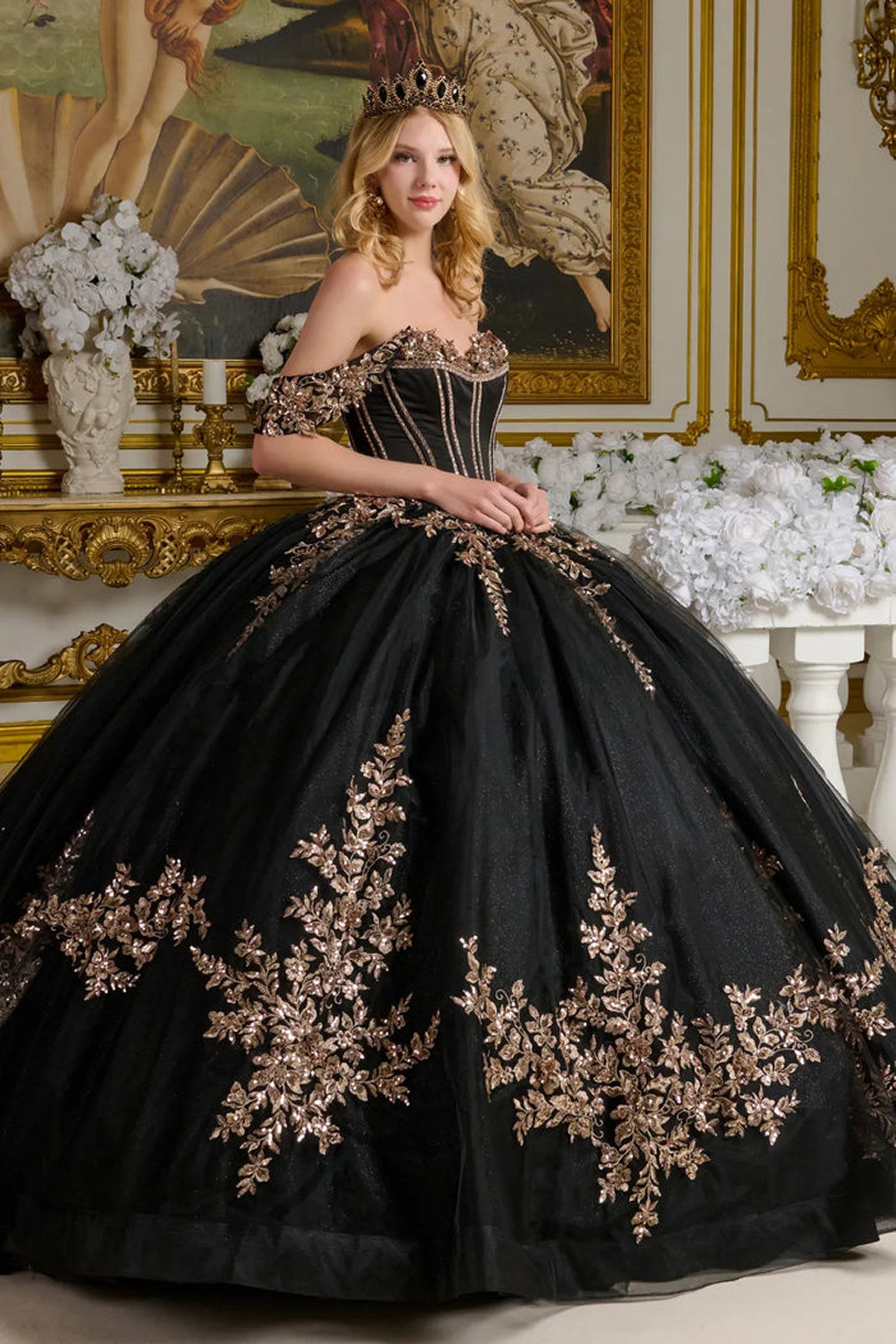
Black homecoming dresses offer an easy base for this look. Try one with a cream blazer, pointed flats, and a small shoulder bag. For a bright dress, choose a jacket in a quieter shade that lets the color remain the focus.
Keep the rest of the outfit simple if the dress already has shine or texture. A blazer does not automatically make a mini dress suitable for an office or professional event, but it can work well for social occasions that call for a polished outfit.
5. Add Tights and Boots for Cooler Weather
You can bring a shorter dress into your fall or winter wardrobe by adding tights, boots, and a suitable outer layer. This works especially well with velvet, darker florals, and dresses that have enough structure to sit smoothly over hosiery.
Opaque tights create more coverage, while sheer tights give a lighter visual effect. Choose based on the weather, the occasion, and your comfort. Neither replaces a warm coat when temperatures drop.
Ankle boots are a useful starting point for casual evening plans. Knee-high boots can also work with a mini dress, but check the proportions in a full-length mirror. The combination should feel comfortable when you walk and sit.
Try an emerald velvet dress with black tights, simple black boots, and a wool coat. Small earrings may be enough because the fabric already gives the outfit depth.
Check for friction before heading out. Rough boot zippers, bag hardware, and tights can catch on an uneven or embellished hem. If the dress has a clingy lining, test the whole outfit together to see whether the skirt rides up as you move.
6. Refresh It for Another Party With Different Accessories
A dress does not always need to become casual to be useful again. Sometimes, the best second outing is another party with a different set of accessories.
Choose a new direction instead of replacing every item. If you originally wore silver heels, a glitter clutch, and chandelier earrings, try simpler shoes, a smooth bag, and a bracelet. You can change the overall effect without buying an entirely new collection of accessories.
Let the neckline guide your jewelry. A detailed halter neckline may work best without a necklace. A simple strapless bodice leaves more room for a necklace or larger earrings, depending on the look you prefer.
Sequin homecoming dresses can work especially well for evening birthday celebrations and holiday parties. Keep bags and shoes relatively simple so the outfit does not feel crowded.
Hair also changes how a dress looks. Wearing it up reveals the neckline and shoulders, while wearing it down creates a softer frame around the bodice.
For a practical example, rewear a red fit-and-flare dress with black block heels, gold hoops, and a small black bag. The dress stays the same, but the styling gives it a clear new setting.
7. Make a Small Alteration for More Wear
If you like the dress but keep avoiding it, identify what stops you from wearing it. The answer may be a slipping strap, an awkward hem, or a waist that never felt quite right.
A small fit adjustment can make more difference than new accessories. Ask a tailor whether they can shorten straps, secure a loose neckline, repair a closure, or adjust the hem while preserving the dress’s shape.
More noticeable changes need careful planning. Removing an oversized bow might be straightforward if it is attached separately. Removing a skirt layer may affect volume, coverage, and how the hem hangs.
Lace borders, beadwork, and sequin patterns can make alterations more involved. Before committing, ask:
- Will the change affect the lining or coverage?
- Can the original detail be restored?
- What will the alteration cost compared with the dress’s value to you?
Get a quote before any cutting begins. If the dress holds sentimental value, start with repairs and reversible changes. Avoid assuming that every formal dress can become a simple everyday outfit through tailoring.
Match the Styling to the Dress You Own
Before trying every idea, narrow the options based on the dress’s construction. This saves time and helps you avoid buying pieces that never quite work.
| Dress style | A useful way to rewear it | What to check |
|---|---|---|
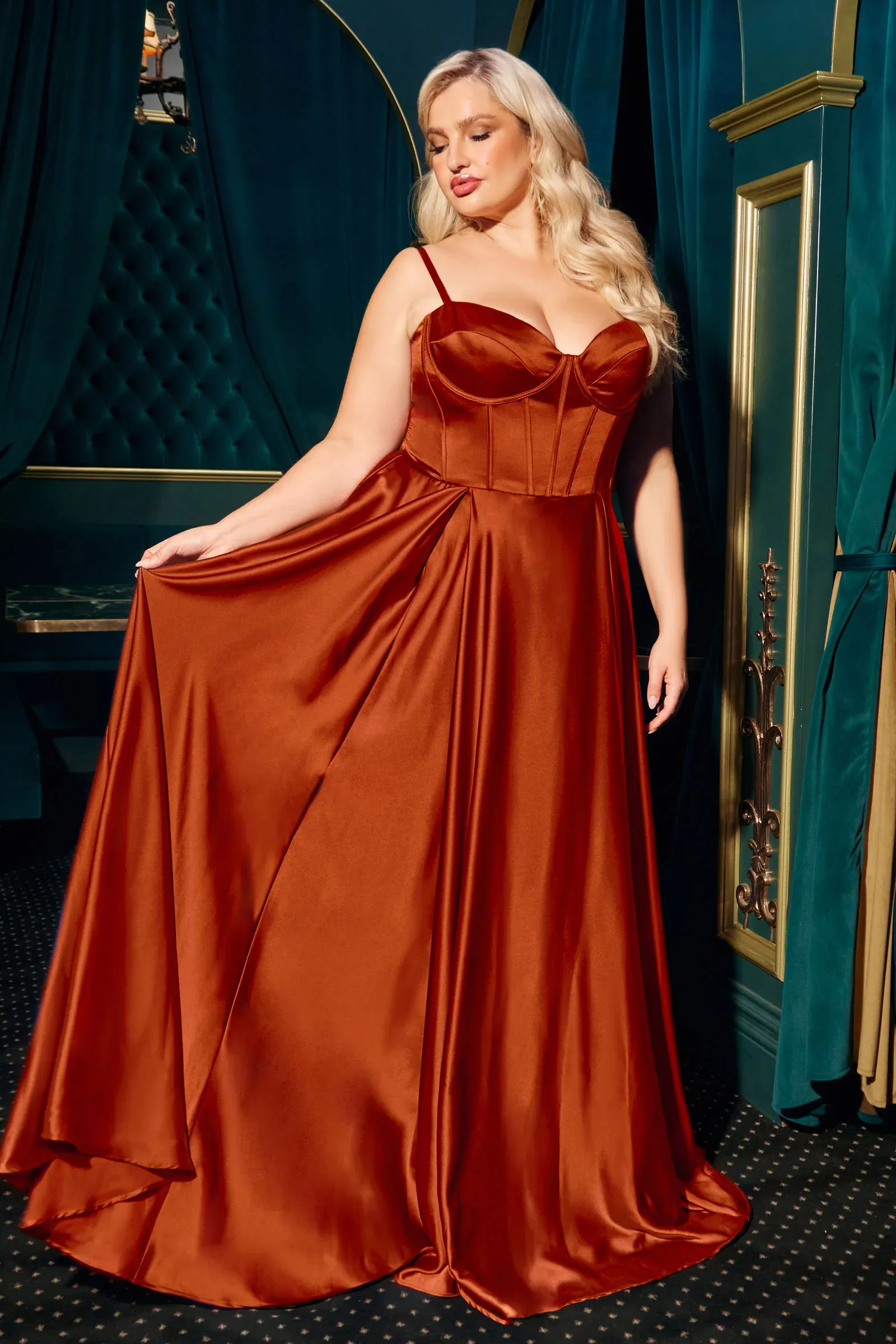
| Simple satin dress | Denim jacket and sneakers | Snagging and visible layering lines |
| Fit-and-flare dress | Cropped sweater or jacket | Bulk around the waist |
| Sequin dress | Another party with simple accessories | Snags against knits and bags |
| Velvet dress | Tights, boots, and a coat | Friction and care instructions |
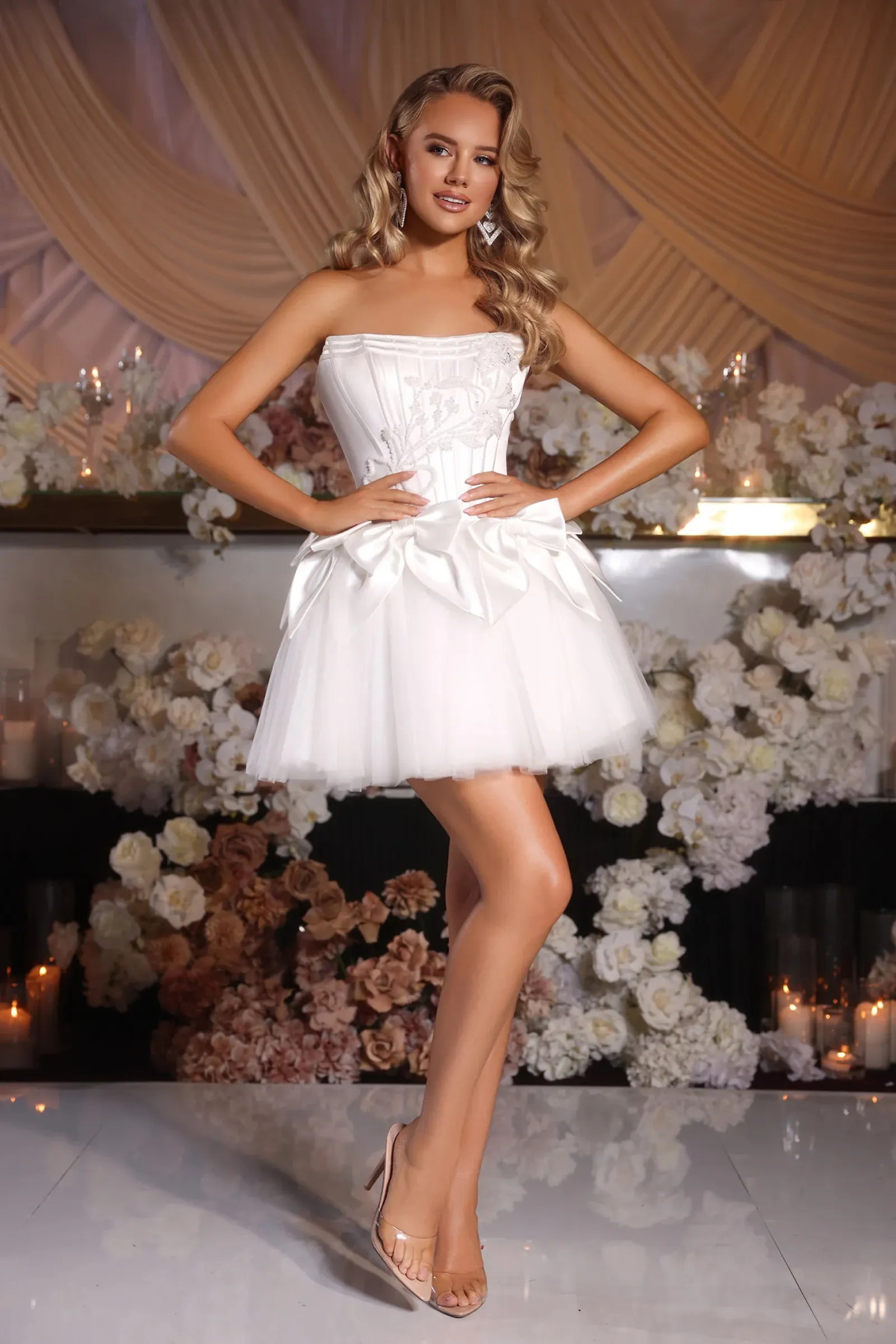
| Structured corset dress | Dinner or party styling | Comfortable fit when seated |
| Tulle dress | Another dressy celebration | Skirt volume and the venue |
Treat these as starting points. A quick try-on will tell you more than buying accessories based on a photo alone.
Also Read: Prom Dress Styles Explained
Care for Your Dress Between Events
Restyling only works if the dress stays in wearable condition. Check for makeup around the neckline, marks under the arms, loose threads, and damage near the hem after each event.
Follow the garment’s care label rather than choosing a cleaning method based on appearance. Satin, for example, describes a fabric construction and does not tell you everything about its fiber content or cleaning needs.
GINETEX’s care-label system, based on ISO 3758, covers washing, bleaching, drying, ironing, and professional care. These symbols help you identify the treatment a garment can tolerate. Do not assume a delicate-looking dress needs dry cleaning or that a synthetic dress can go in the washing machine.
Avoid applying high heat directly to sequins, beads, or unfamiliar fabrics. If the label is missing or the trim makes cleaning unclear, ask an experienced garment cleaner.
Store the dress clean and completely dry. Support its weight carefully, especially if it has thin straps or heavy embellishment, and keep it away from direct sunlight.
Give Your Favorite Dress Another Place to Go
Rewearing a dress becomes easier when you plan around real occasions in your calendar. Start with one event, choose one styling direction, and try pieces you already own before shopping.
There is a practical saving, too. A $120 dress worn once costs $120 per wear. Wear it four times, and the purchase cost becomes $30 per wear, before cleaning or alterations. That is a simple calculation, but it shows why a second outfit does not always require a second dress.
When you are ready to shop, explore the homecoming dresses at Formal Dress Shops with future occasions in mind. Look for a comfortable fit, a color you enjoy wearing, and details that suit your existing wardrobe. A dress you can picture wearing to several events has a better chance of becoming a favorite beyond homecoming night.


Leave a comment
This site is protected by hCaptcha and the hCaptcha Privacy Policy and Terms of Service apply.