


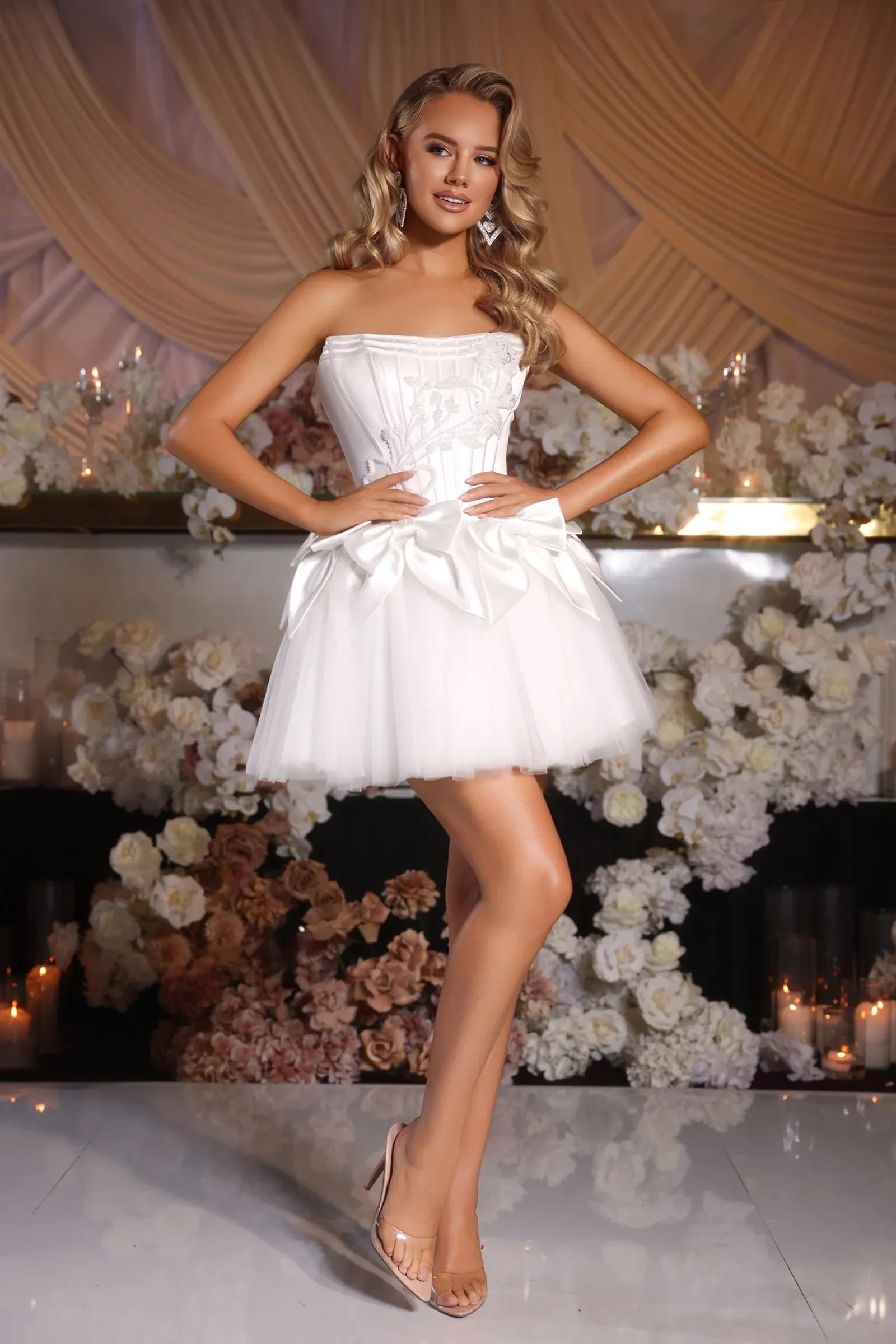
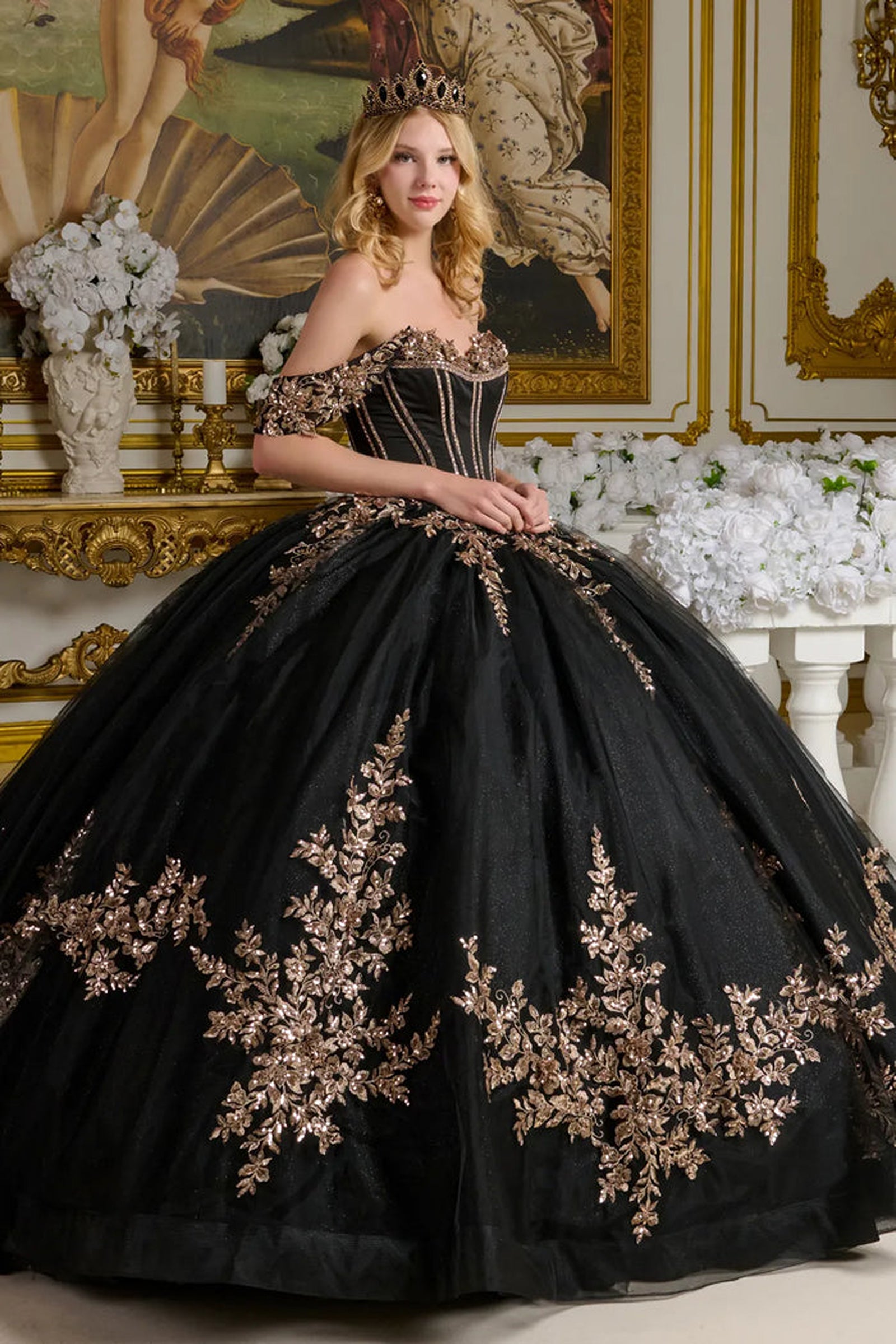

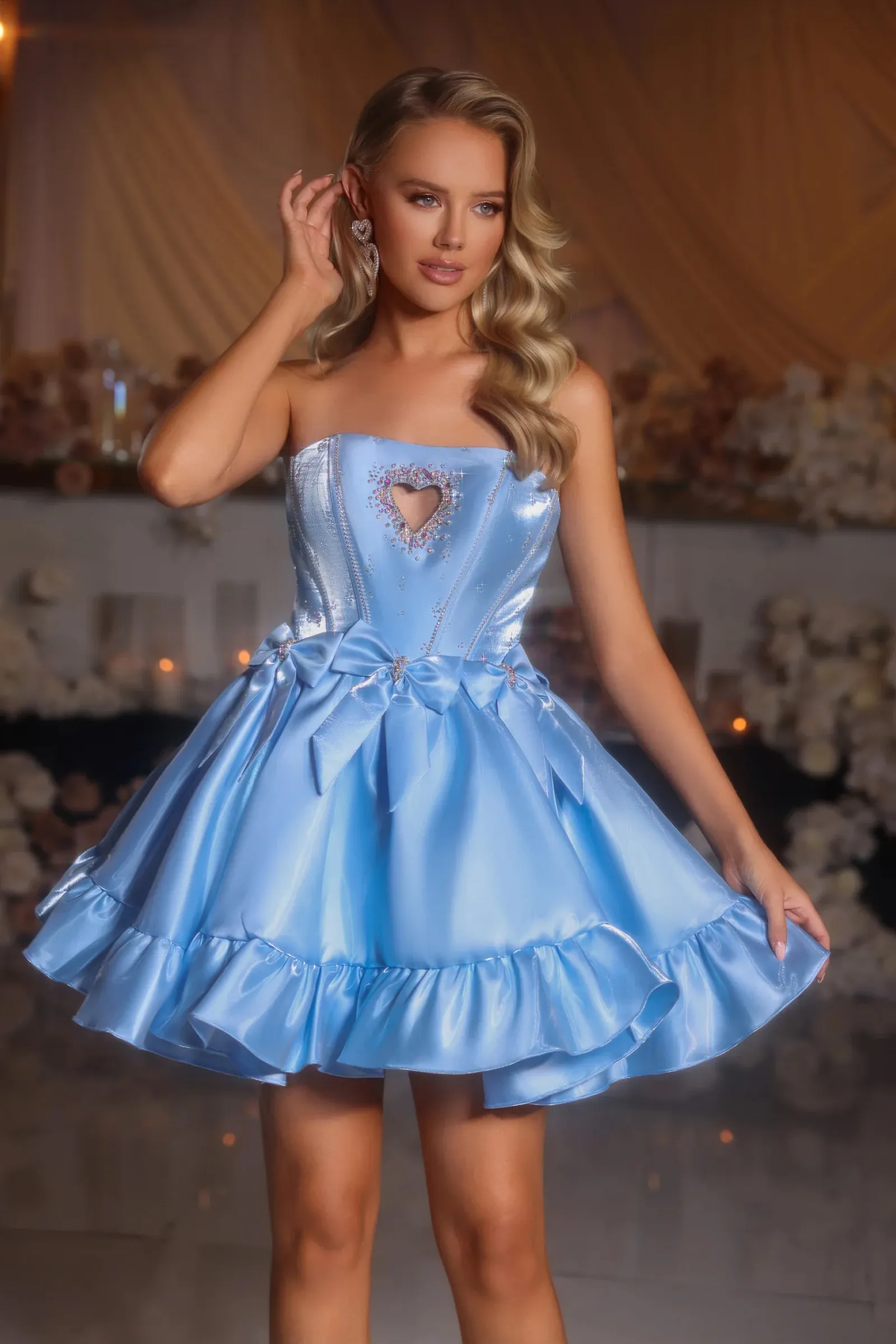
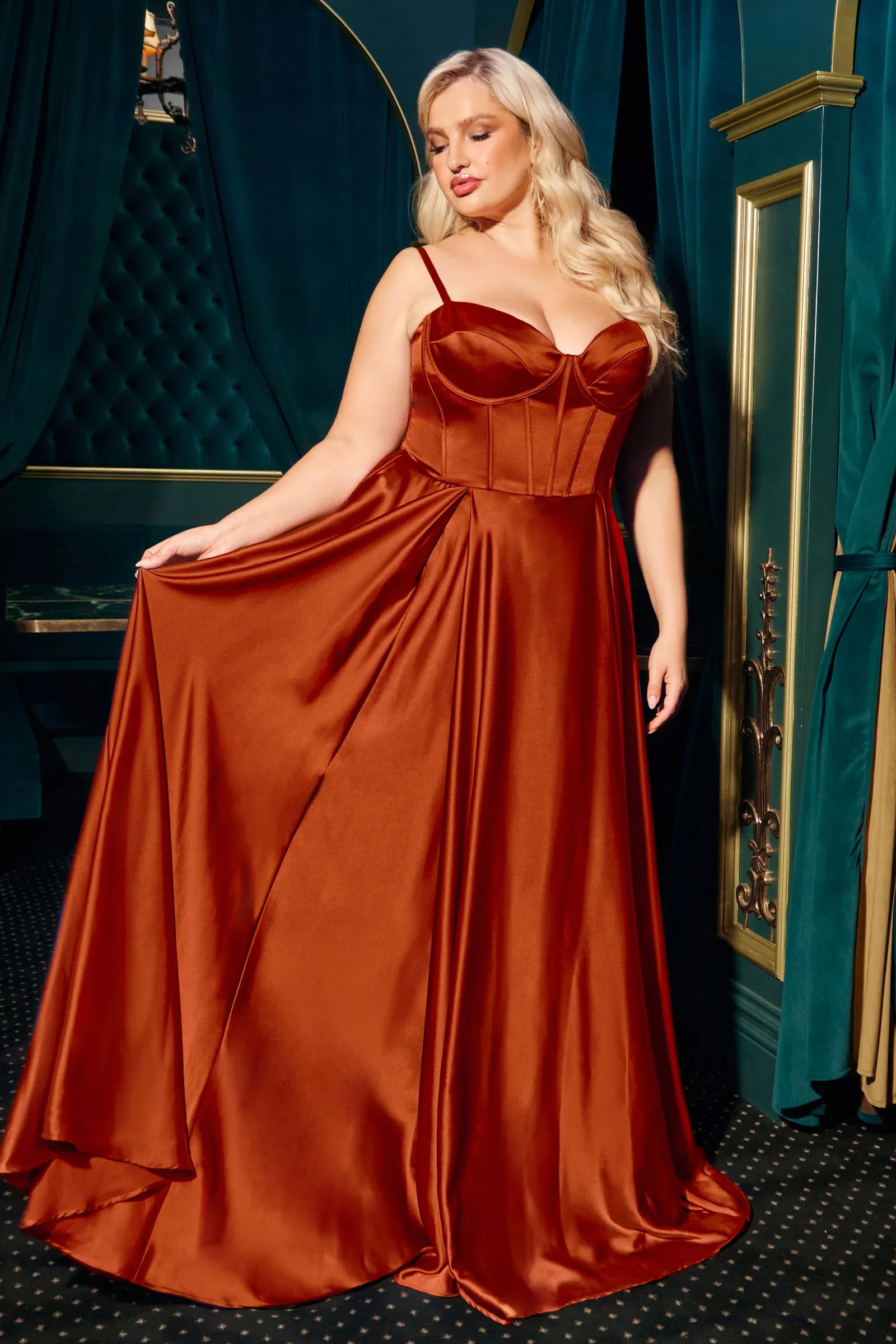
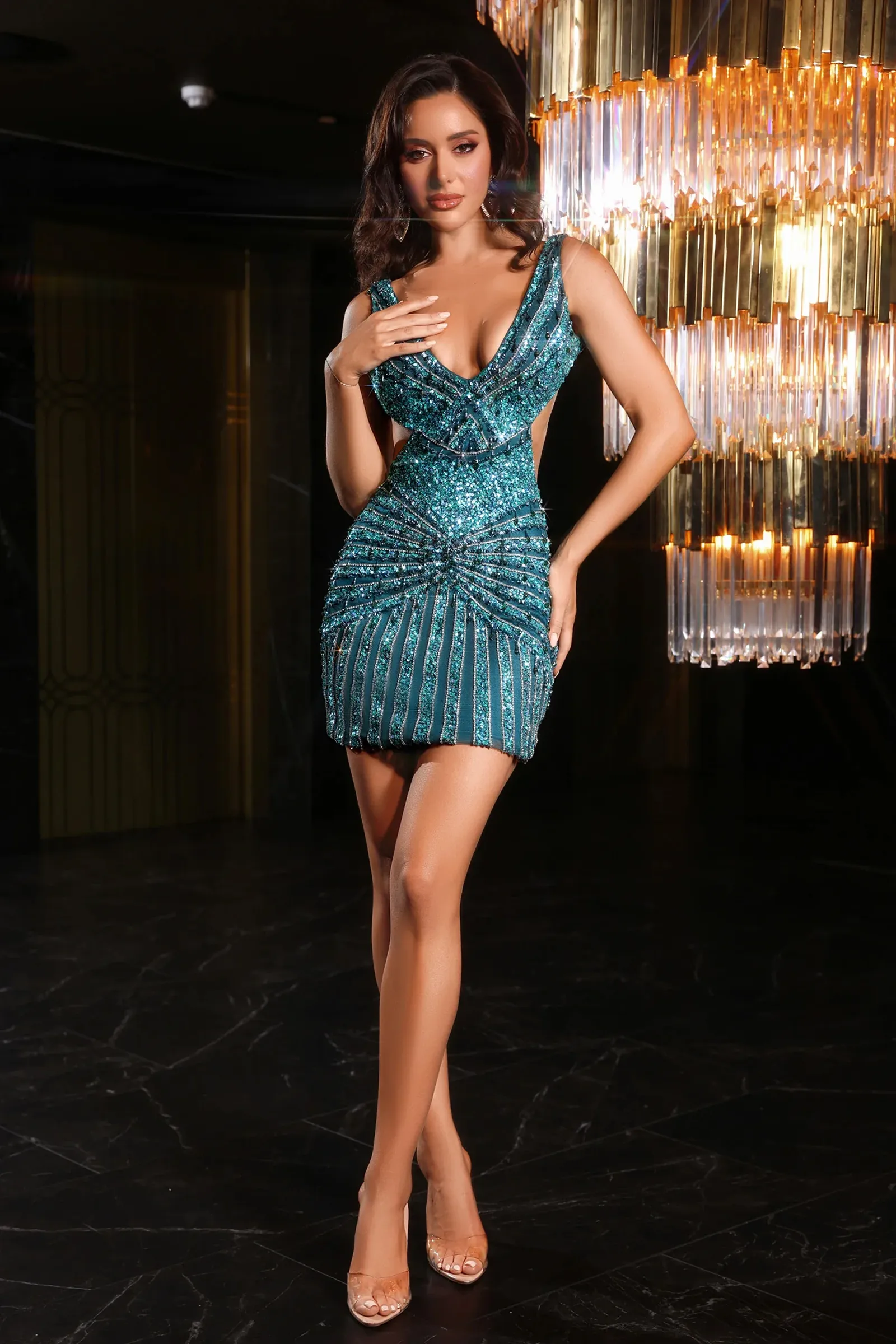
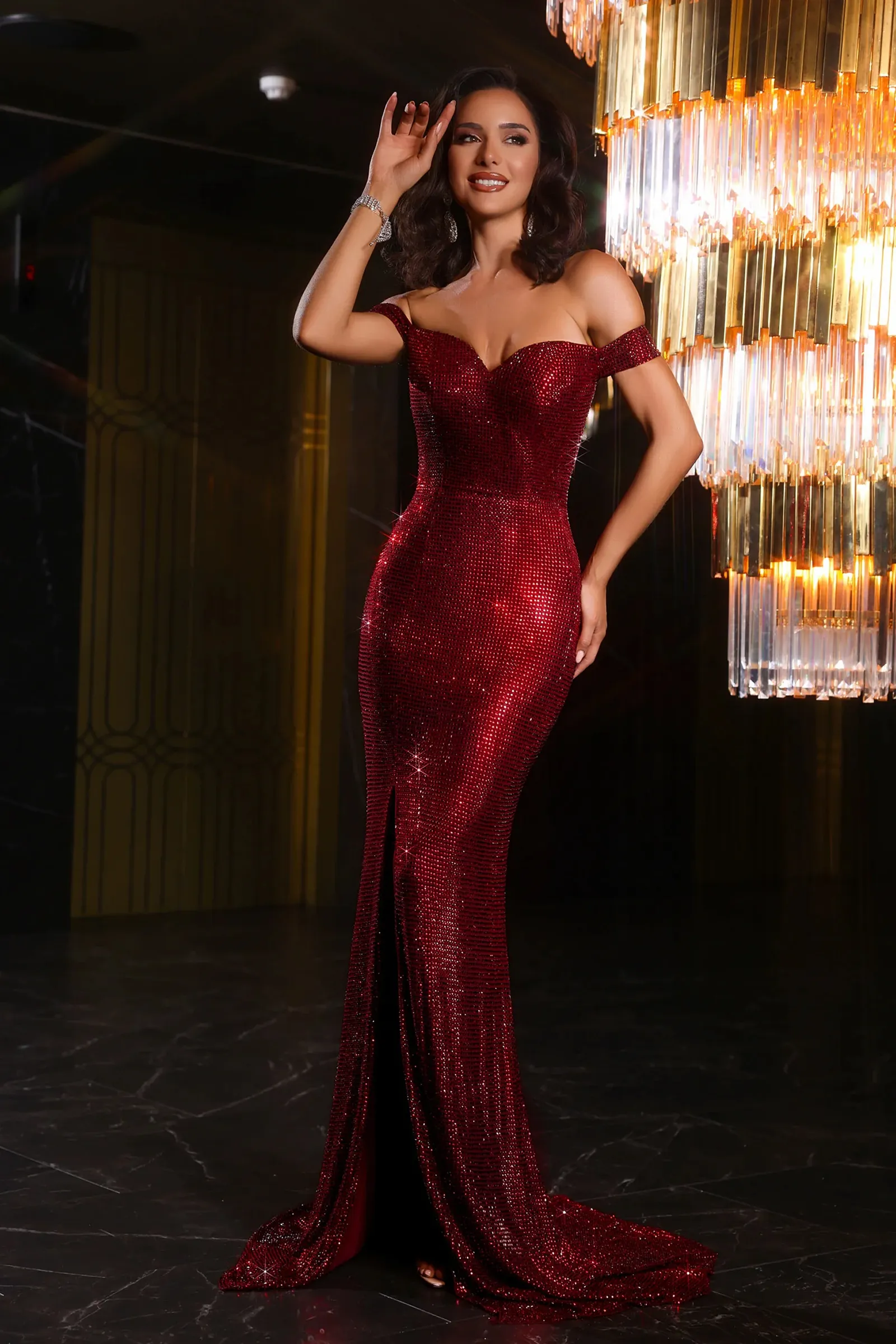
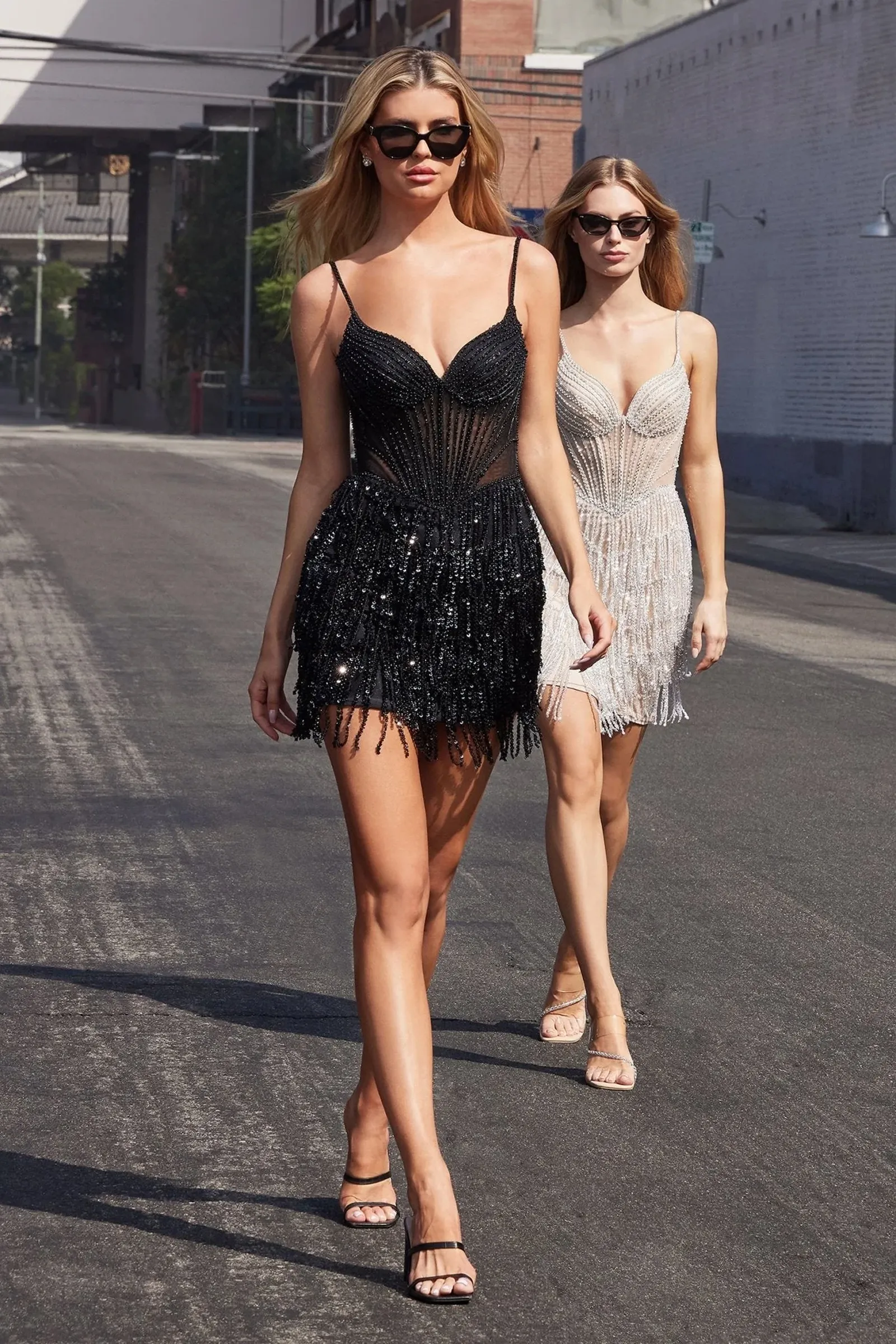
Finding a wedding dress under $200 can be a practical way to keep the bridal budget controlled while still giving yourself room to choose a gown that feels special. Price is only one part of the decision. The silhouette, fabric, construction, neckline, and details all influence how a dress looks and how comfortable it feels throughout the day.
The Wedding Dresses Under $200 collection gives budget-conscious brides a focused place to begin. Instead of starting with the most expensive styles and working backward, you can set a clear price range first and then compare the silhouettes, colors, and details that actually suit your wedding.
Start With the Wedding Itself
Before comparing dresses by price, think about the wedding you are planning. A courthouse ceremony may call for something very different from a ballroom celebration, while an outdoor wedding may make lighter fabrics and easier movement more important.
The broader Wedding Dresses collection can help you understand the range of bridal styles available before narrowing your search to a specific budget. If your celebration is smaller or less traditional, Casual Wedding Dresses may also give you ideas that fit the setting better than a heavily structured gown.
For a more traditional ceremony, think about the venue, time of day, guest dress expectations, and how much time you will spend standing or moving. These details can make a difference when deciding how formal the dress needs to feel.
Choosing a Silhouette
Silhouette is one of the easiest ways to narrow down a large collection. An A-line gown can create a classic shape with a flowing skirt, while a fitted style puts more emphasis on the body's natural lines. A-Line Wedding Dresses are a useful starting point if you want a traditional shape that still allows movement.
For a closer-fitting look, Mermaid Wedding Dresses and Fitted Wedding Dresses offer more defined silhouettes. Fit and Flare Wedding Dresses can provide a middle ground, with a closer fit through the upper body and a skirt that opens farther down.
If you prefer a fuller traditional gown, Ball Gown Wedding Dresses can create a more dramatic bridal appearance. The best choice depends on what feels comfortable as well as how you want the dress to look in photographs.
Long or Short
A full-length gown is not the only option for a bride. A shorter style can make sense for a courthouse ceremony, intimate wedding, reception outfit, second look, or simply a bride who prefers less fabric.
Short Wedding Dresses provide a focused place to compare shorter bridal styles, while Knee Length Wedding Dresses offer another option when you want the skirt to fall closer to the knee. If you prefer a full-length silhouette, Long and Maxi Wedding Dresses can help you compare longer designs.
Length should also work with your venue. A shorter dress may be easier on stairs or uneven outdoor surfaces, while a floor-length gown can feel more appropriate for a formal indoor celebration.
Color and Bridal Style
White and ivory remain familiar bridal choices, but the right shade depends on the overall look you want. White Wedding Dresses can create a brighter appearance, while Ivory Wedding Dresses offer a warmer alternative. You can also compare Champagne Wedding Dresses, Blush Wedding Dresses, and Colored Wedding Dresses if you want a less traditional bridal look.
The fabric matters here too because satin, chiffon, lace, and tulle can make the same general color appear quite different under different lighting. Looking at the complete dress rather than the color name alone can make the comparison easier.
Details Without Overdoing It
Lace, beading, embroidery, sparkle, and other details can change the character of a budget wedding dress. You do not need every feature in one gown. Sometimes a simple silhouette with one strong detail feels more intentional than a dress covered from neckline to hem.
If lace is important to you, Lace Wedding Dresses provide a focused selection. Beaded Wedding Dresses can add texture and shine, while Sparkly Wedding Dresses may work well when you want the gown to catch light during an evening celebration.
Fabric can create just as much visual interest as embellishment. Chiffon Wedding Dresses can feel light and flowing, while tulle can add softness and volume to the skirt.
Sleeves, Necklines, and Coverage
Coverage is another practical consideration, especially if the ceremony is held in a cooler season or at a formal venue. Long Sleeve Wedding Dresses can provide more coverage while maintaining a traditional bridal appearance. Short Sleeve Wedding Dresses offer another option when you want some sleeve coverage without a full-length sleeve.
For the neckline, V-Neck Wedding Dresses, Sweetheart Wedding Dresses, Off Shoulder Wedding Dresses, and Strapless Wedding Dresses create noticeably different looks. Consider which neckline feels natural when you sit, walk, and move rather than choosing only from the way it appears in a product photograph.
Plus Size Options
Budget should not prevent you from considering fit. Plus Size Dresses for Wedding gives shoppers looking for extended sizing a more focused starting point, while Plus Size Wedding Dresses with Sleeves can be useful when coverage is also a priority.
The product measurements are more useful than relying only on a familiar size label. Pay attention to the bust, waist, hips, and length, especially with fitted or structured gowns. A comfortable dress should allow you to sit, walk, greet guests, take photographs, and enjoy the reception without constant adjustments.
Think About the Entire Outfit
The dress is only one part of the wedding-day look. Shoes, jewelry, undergarments, a veil, alterations, and other accessories can all affect the final cost. This is one reason a lower dress price can be useful even when the overall bridal budget is larger.
Before choosing a dress, think about the pieces you already own and what you still need to purchase. A simple gown may leave more room for accessories, while a highly detailed dress may require less additional styling. Wedding Reception Dresses can also be worth considering if you want a separate outfit for the later part of the celebration.
Comparing Other Price Ranges
If you have some flexibility, comparing nearby price ranges can help you understand what matters most to you. Wedding Dresses Under $300, Wedding Dresses Under $500, and Wedding Dresses Under $1000 offer different budget points for comparison.
You may discover that the under-$200 range already includes a silhouette and level of detail you like. Alternatively, a slightly higher budget may give you access to a specific fabric, construction, or design feature that matters to you. The useful comparison is not simply whether one dress costs more, but whether the additional cost gives you something you actually want.
Before You Order
Check the size chart, product measurements, fabric information, closure, lining, length, and return information before placing an order. If the wedding date is approaching, allow enough time for delivery, fitting, and alterations.
It is also worth considering the venue and weather. An outdoor wedding may require shoes that work on grass or uneven ground, while a long ceremony and reception can make comfort particularly important. Think about the entire schedule rather than only the moment when you first put the dress on.
A Practical Budget-Friendly Approach
A wedding dress does not need to consume the entire bridal budget to feel meaningful. Start with the venue and type of celebration, then choose the silhouette and color you actually like. After that, compare fabric, details, measurements, and price.
Affordable Wedding Dresses can be another useful collection to explore when you want to stay focused on value. Wedding Dresses Under $100 provides another clearly defined price point if your budget is especially tight.
The goal is not simply to find the cheapest dress available. It is to find a gown that fits your plans, feels comfortable, and gives you enough room in the overall budget for the rest of the wedding-day outfit.
Simple Does Not Mean Plain
A budget-friendly wedding dress can still have a strong silhouette or a memorable detail. A clean neckline, well-shaped skirt, lace sleeve, defined waist, or subtle embellishment may be enough to create the look you want.
Think about which feature matters most to you and let that feature lead the outfit. If the gown has a dramatic neckline, accessories can remain simple. If the dress is understated, jewelry or a veil can provide additional detail without changing the character of the gown.
Choosing a Dress for the Venue
The venue can help settle several decisions at once. A courthouse ceremony may suit a shorter or simpler dress, while a formal ballroom can accommodate a fuller skirt and more structured construction. An outdoor celebration may call for lighter materials and a silhouette that is easy to move in.
If the wedding has a relaxed setting, Boho Wedding Dresses may offer useful inspiration. For a more traditional atmosphere, Princess Wedding Dresses can show how a fuller bridal silhouette changes the overall impression.
Keeping the Look Balanced
A polished bridal outfit does not need many competing elements. If the gown has a strong silhouette, visible embellishment, or an unusual color, let that feature remain the focus. Shoes and jewelry can then stay relatively simple.
If the dress itself is understated, accessories can add personality. The important thing is to consider the outfit as a whole rather than judging the gown only from its product photograph. A dress that works with the shoes and accessories you already like may be more practical than one that requires an entirely new wardrobe.
How to Compare Two Dresses
When two dresses seem equally suitable, compare the details that will affect the actual wedding day. Look at neckline, sleeve coverage, waist placement, skirt movement, fabric weight, length, closure, and lining.
Then consider the event itself. Will you be sitting for a long ceremony? Will you walk outdoors? Do you plan to dance? Will the dress need alterations? These questions often reveal differences that are not obvious from photographs alone.
It can also help to compare the same silhouette at different price points. You may find that the lower-priced option already provides everything you need, or you may decide that one particular feature is worth adjusting the budget for.
A Simple Shopping Checklist
Before ordering, confirm your measurements against the product size chart and check the dress length carefully. Review the fabric, closure, lining, neckline, sleeve construction, embellishment, shipping information, and return policy.
If the wedding has a fixed date, leave enough time for delivery and alterations. Finally, imagine wearing the complete outfit through the entire event. The most useful choice is usually the one that looks appropriate, feels comfortable, fits the venue, and makes sense for the way you actually plan to spend your wedding day.
Frequently Asked Questions
Can I find a wedding dress under $200?
Wedding dresses under $200 are available in a range of silhouettes and materials, but the exact selection varies. Check each product's current price and details before ordering.
What should I prioritize when buying a lower-priced wedding dress?
Pay close attention to measurements, fabric, lining, construction, closure, length, shipping timing, and return policy. These details are more useful than price alone when comparing options.
Are wedding dresses under $200 suitable for different wedding styles?
Yes, depending on the individual design. Simple, civil, casual, destination, and other wedding settings may call for different silhouettes and levels of detail.
How far in advance should I order a wedding dress?
Allow enough time for delivery, fitting, and any alterations. The exact lead time depends on the product, destination, and event date, so check the stated shipping information before ordering.

Follow us


