


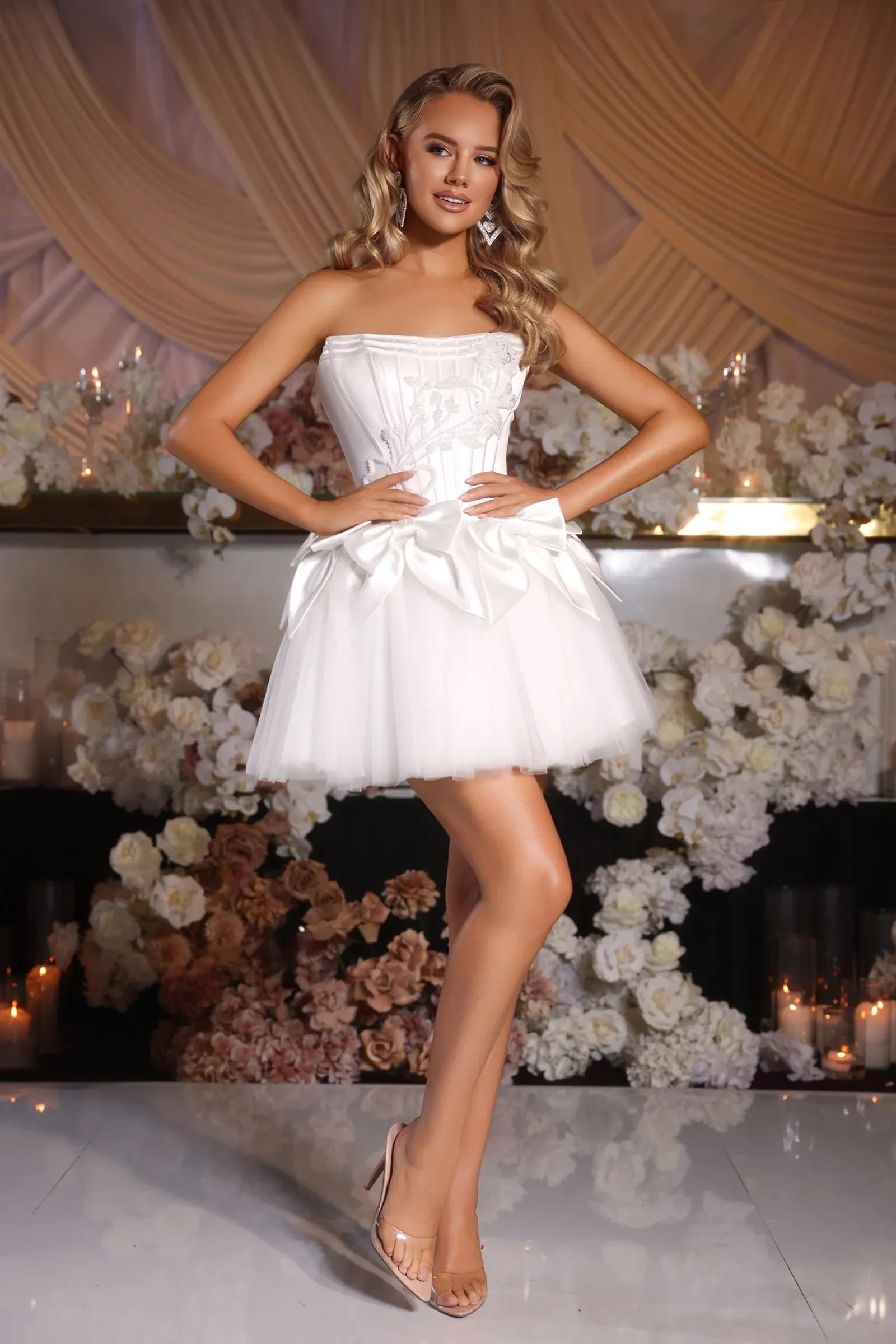
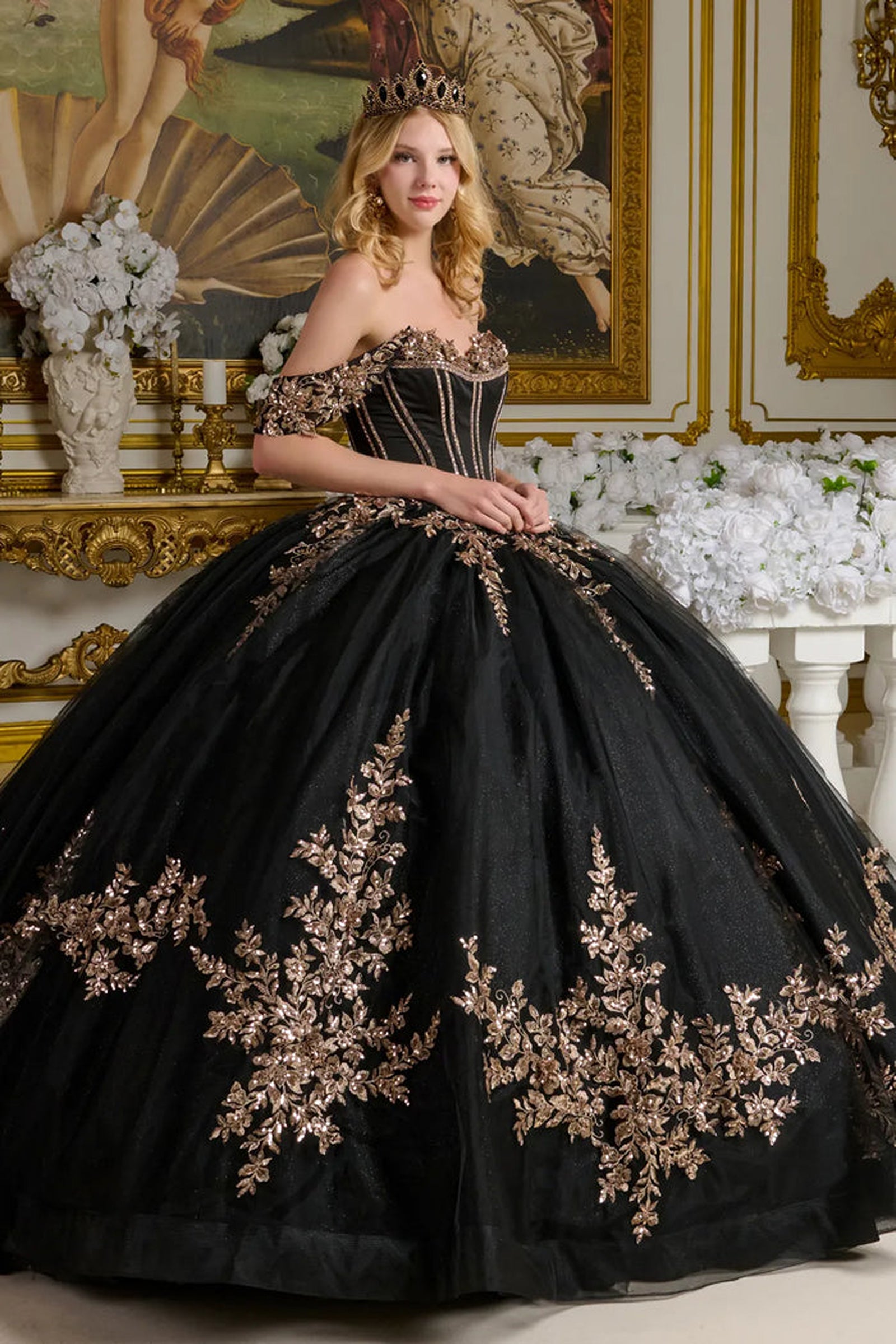

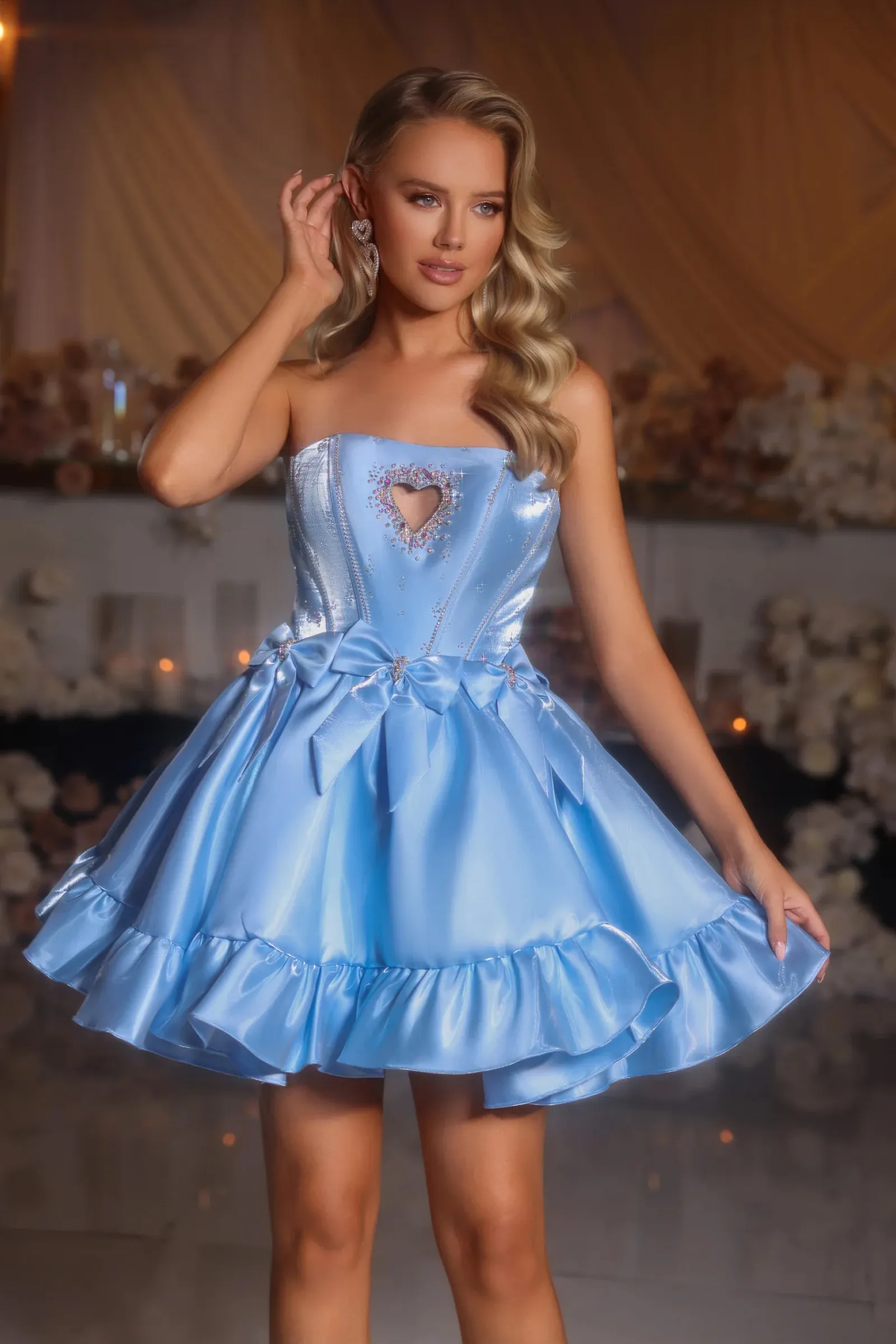
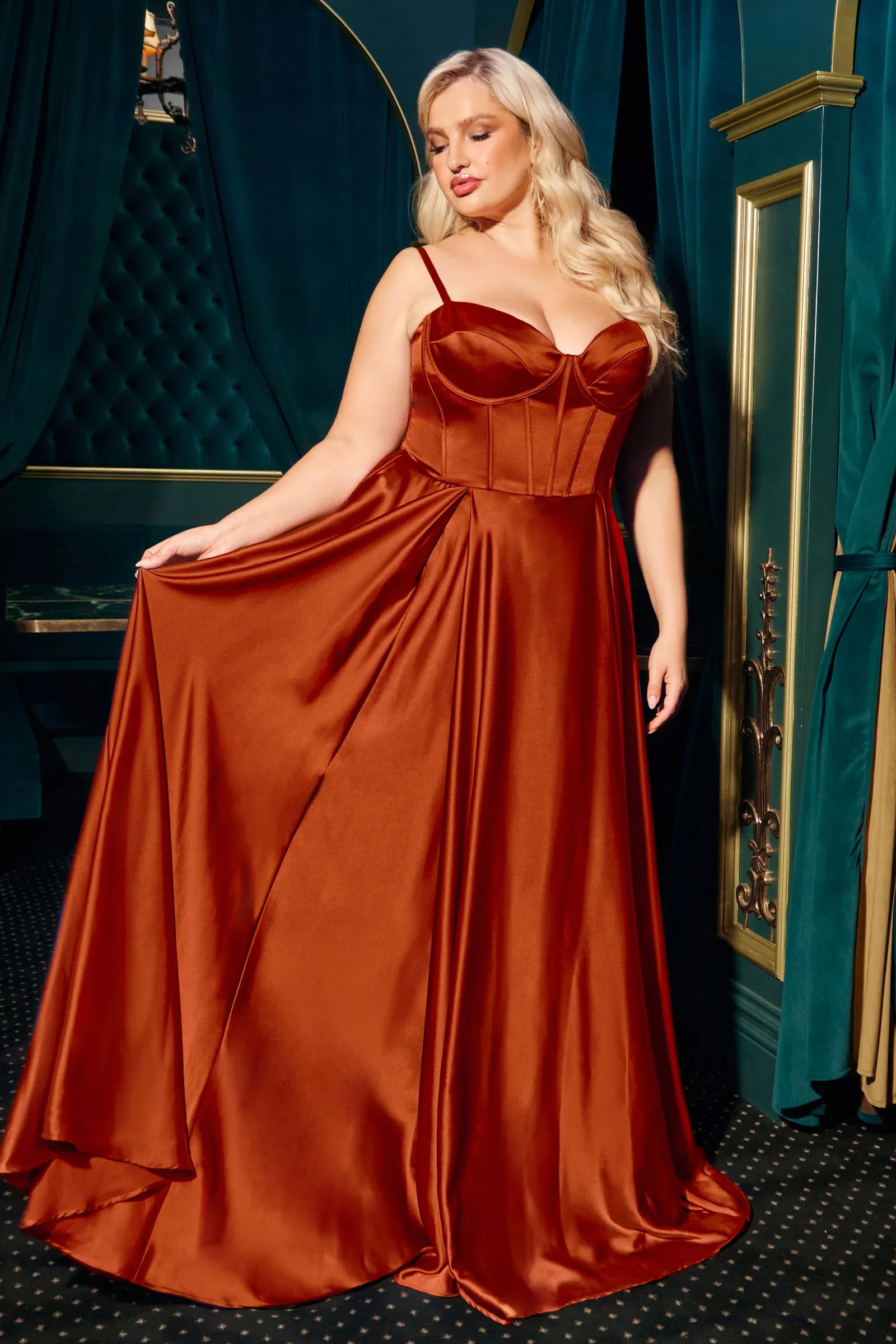
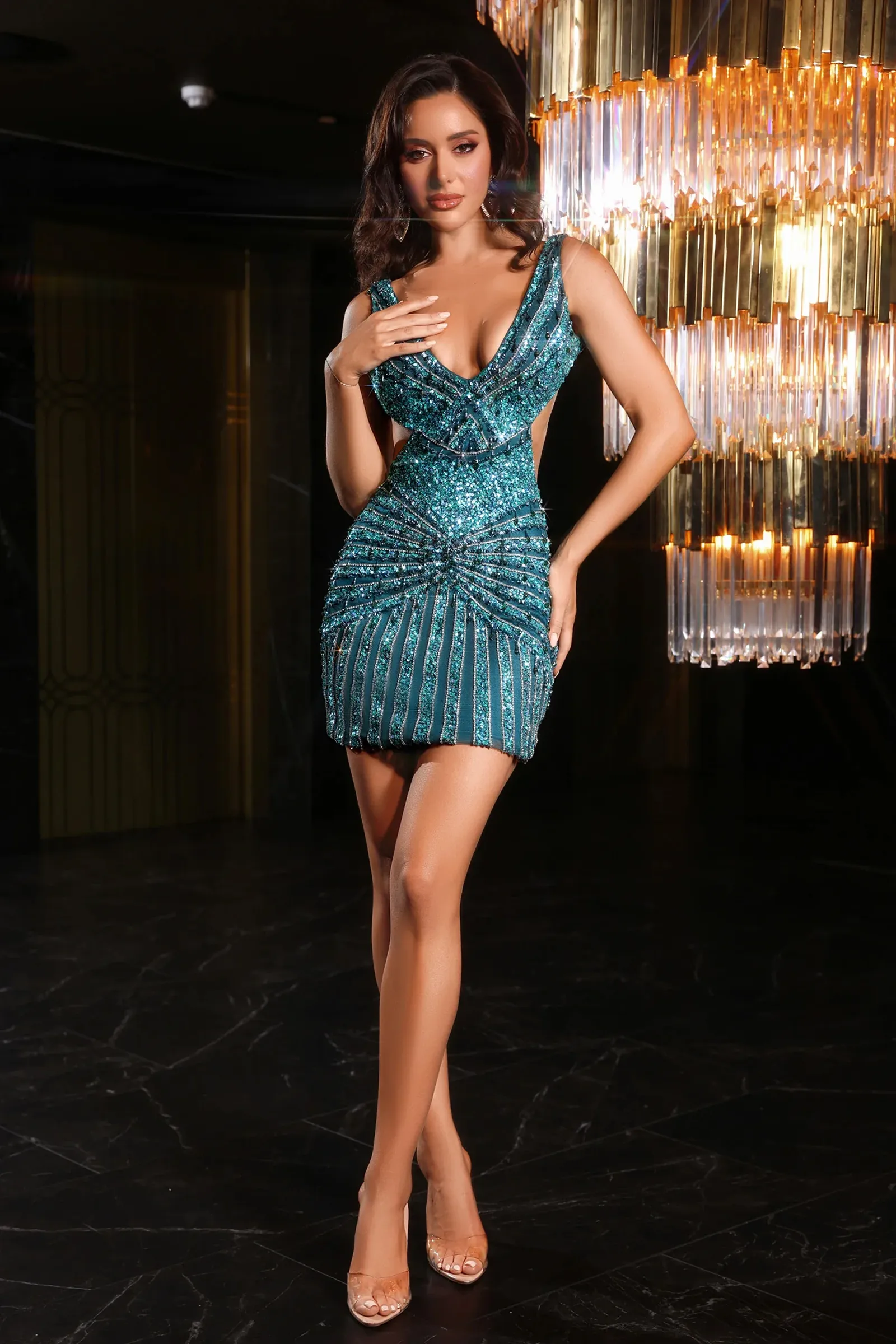
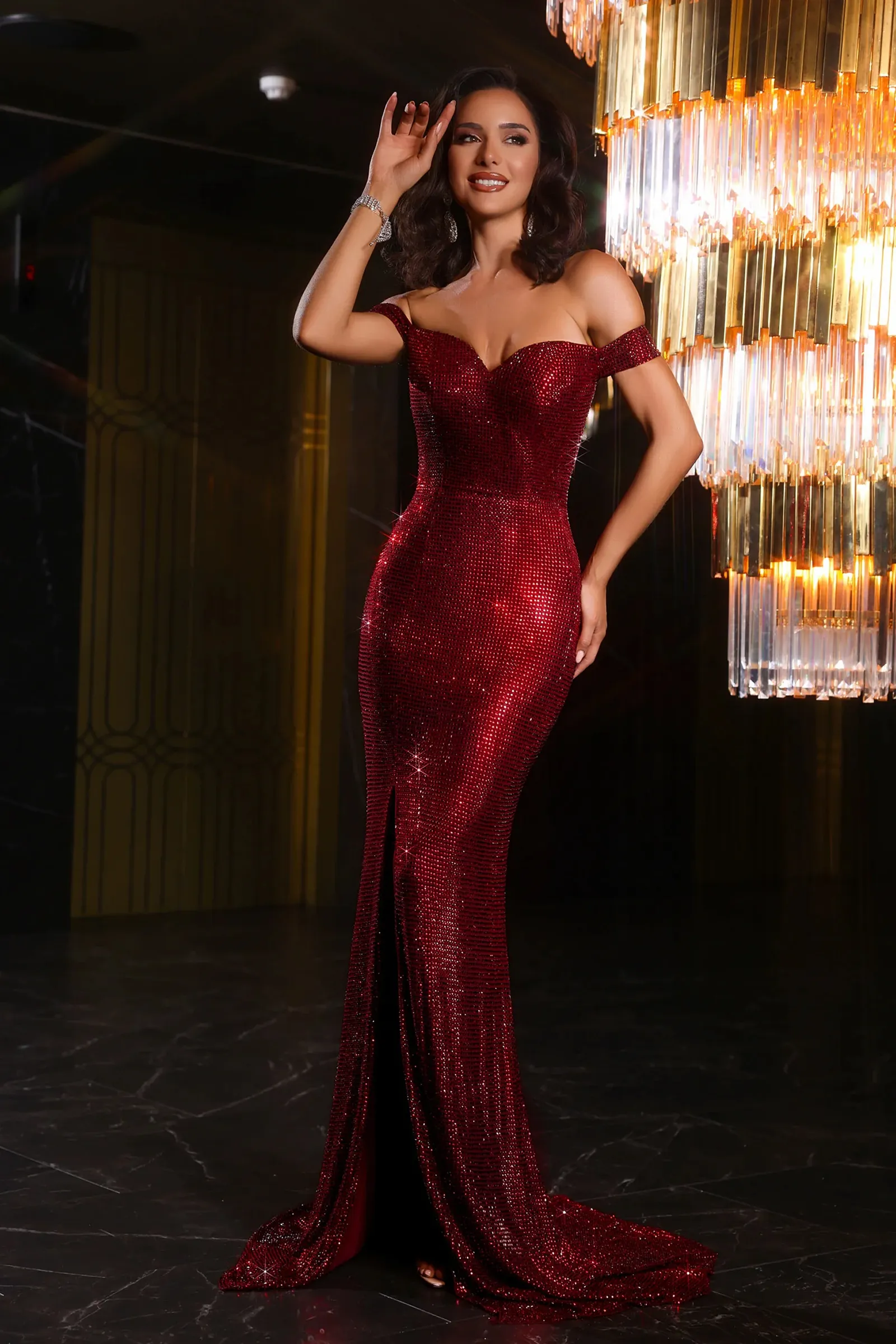
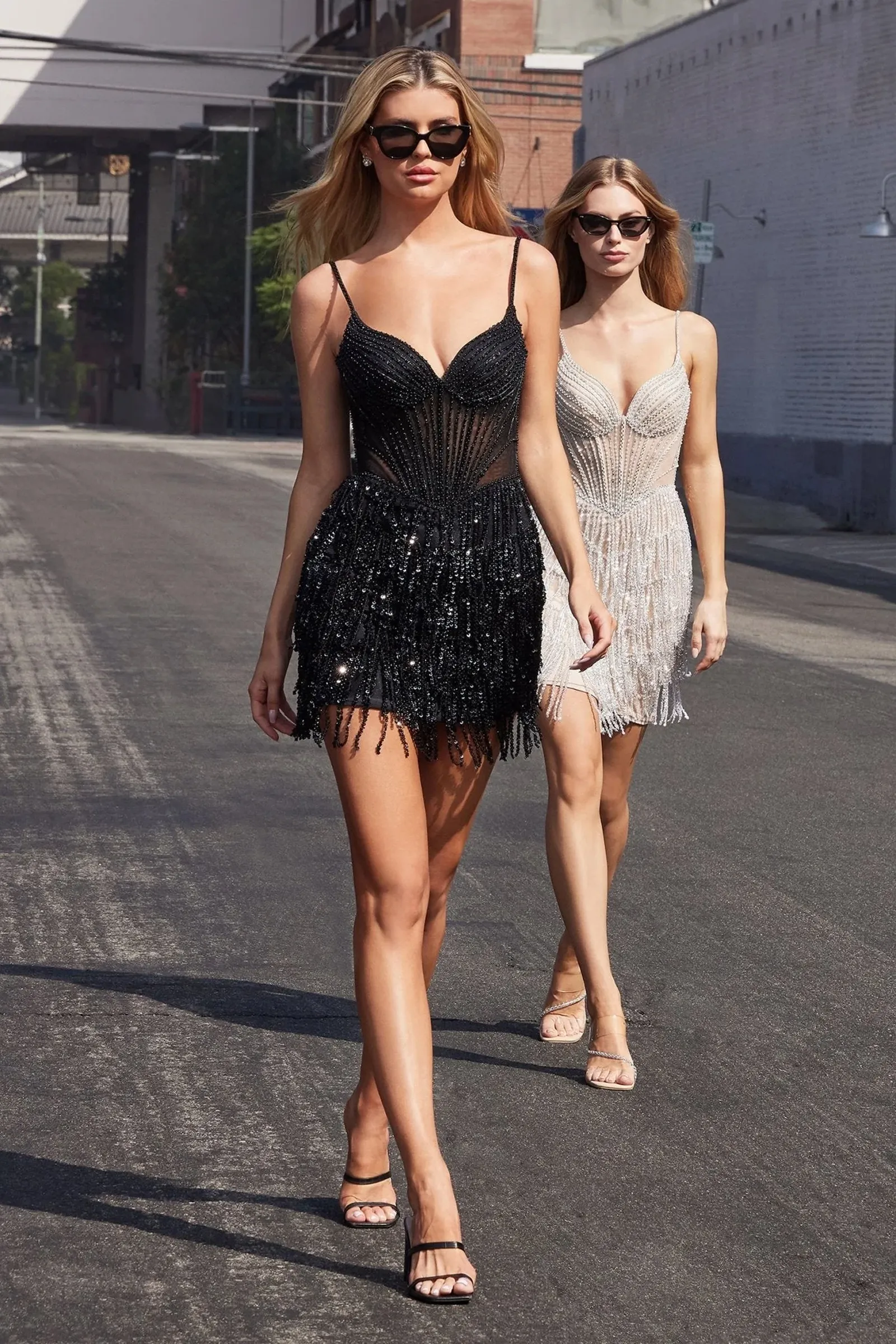
Rose gold combines a warm pink tone with a metallic quality, which makes it especially noticeable in evening and celebration wear. The shade can be soft when used in a matte or lightly embellished fabric, or much more dramatic when paired with sequins, shimmer, or metallic finishes. Rose gold works well for shoppers who want something more distinctive than traditional pink or gold without moving into a very bright color.
What Makes Rose Gold Different
The balance between pink and gold is what gives rose gold its character. Depending on the fabric, it may look more pink, champagne, or metallic. Lighting also affects the shade, particularly in satin and sequined dresses.
Rose Gold for Weddings and Events
Rose gold can fit weddings, receptions, formal dinners, and evening parties. For a wedding guest, the exact style matters because a heavily embellished rose gold gown may feel very different from a simple cocktail dress. Rose Gold Mother of the Bride Dresses can be useful if the event is a family wedding and you need a more specific level of formality.
Prom and Evening Looks
Rose gold is a natural choice for prom because it works well with sparkle without requiring a very dark color. A fitted dress can make the metallic shade feel modern, while a fuller skirt can give it a softer appearance. Rose Gold Prom Dresses offer a more focused place to compare prom-ready styles.
How the Fabric Changes the Effect
Satin gives rose gold a smooth sheen. Sequins make the color much more reflective, while lace can soften the metallic effect. If you want the color to remain subtle, choose a fabric with less shine.
Choosing the Silhouette
The silhouette should reflect the occasion. A long gown works for formal evening events, while a shorter style may be easier for cocktail settings. If you prefer a softer shape, an A-line dress can balance the warmth of the color without looking too dramatic.
Accessories
Because rose gold already has a warm metallic quality, accessories do not need to match it exactly. Nude shoes can keep the look quiet, while gold or rose-toned jewelry can emphasize the warmth. Silver can create a cooler contrast if that suits the dress.
Plus Size Options
Shoppers looking for extended sizing can compare Rose Gold Plus Size Dresses and broader Plus Size Dresses collections. The same rules about fit apply here as with any formal dress. Check measurements and consider the amount of structure around the waist and bust.
Rose Gold Versus Pink or Gold
If you are unsure about the shade, compare Pink Formal Dresses and Gold Formal Dresses. Pink gives a softer, more traditional color direction, while gold is more strongly metallic. Rose gold sits between the two, which is part of its appeal.
When to Choose Rose Gold
Choose rose gold when you want a warm, dressy color with some visual interest. It can be subtle or glamorous depending on the fabric and embellishment. Let the event determine how much shine you want, then choose the silhouette and accessories around that decision.
Rose Gold in Different Lighting
Metallic colors change with light more than many solid shades. A rose gold dress may look soft indoors and much brighter under flash or evening lighting. If you prefer a subtle finish, look for lighter embellishment. If you want the metallic effect to be part of the statement, sequins or satin will make it more noticeable.
Rose Gold for Mothers of the Bride
The warm tone can work particularly well for wedding-related occasions. Rose Gold Mother of the Bride Dresses provides a more focused selection if you are shopping for that role. Keep the wedding palette in mind, especially if the celebration already uses several metallic colors.
Shoes and Bags
Neutral shoes are easy with rose gold. A champagne or nude bag can keep the look soft, while a metallic clutch can make the outfit more evening-focused. You do not need to match rose gold exactly across every accessory.
Before Ordering
Check whether the product photographs show the dress in natural or studio lighting. Review the measurements and any embellishment details. If the dress has a lot of sparkle, consider how it will look under the lighting at your actual venue.
A Few Practical Details to Check
Small details can affect whether a dress works well once you are wearing it. Look at the closure, lining, sleeve construction, neckline, and skirt length. If the event is outdoors, consider the weather and the surface you will be walking on. If it is indoors, think about how long you will be sitting or standing. These details may not be the first thing you notice in a product photograph, but they can matter throughout the event.
Keeping the Look Balanced
A polished outfit does not have to contain many different elements. If the dress has a strong color, unusual silhouette, or visible embellishment, let that feature lead. Shoes and jewelry can then stay relatively simple. If the dress is understated, you can use accessories to add more personality. This approach also makes it easier to judge whether you genuinely like the dress itself rather than being distracted by styling in the photograph.
How to Compare Two Dresses
When two dresses seem equally suitable, compare the details that will affect the actual event. Look at the neckline, sleeve coverage, waist placement, skirt movement, fabric weight, and overall length. Then think about the venue and how formal the invitation is. This usually gives you a clearer answer than choosing only by color or by the amount of embellishment. It can also help to imagine the dress with the shoes and accessories you already own. A style that works with pieces you are comfortable wearing may be more useful than one that requires an entirely new outfit.
A Simple Shopping Checklist
Before you place an order, confirm the size measurements, dress length, fabric details, closure, and return information. If the occasion has a fixed date, leave enough time for shipping and any alteration that might be needed. Consider the weather and venue too. Outdoor events can require different footwear and layers from indoor celebrations. Finally, look at the dress as a complete outfit rather than as a product photograph. The most successful choice is usually the one that looks appropriate, feels comfortable, and makes sense for the way you will actually spend the day.
Frequently Asked Questions
Is rose gold appropriate for formal events?
Rose gold can work for weddings and other formal occasions when the dress fits the event's dress code and color palette. Its effect can range from soft and understated to highly embellished.
What colors complement rose gold?
Neutral, blush, champagne, nude, taupe, and selected metallic accessories can work well with rose gold. Keep the combination coordinated rather than overly matched.
Can a rose gold dress work for an evening event?
Yes. A rose gold dress can suit evening occasions when its silhouette, fabric, and styling meet the expected level of formality.
What should I check before ordering a rose gold dress?
Check measurements, fabric, lining, embellishment, closure, length, shipping timing, and return terms. Metallic fabrics can look different under different lighting conditions

Follow us


