



Ivory Wedding Dresses


An ivory wedding dress is a bridal gown in a soft white with a slight yellow or warm undertone, so it looks gentler than bright white but lighter than cream. It flatters a wide range of skin tones and still photographs as a calm, clean white. This page gathers the ivory styles from the full wedding dresses collection in one spot.
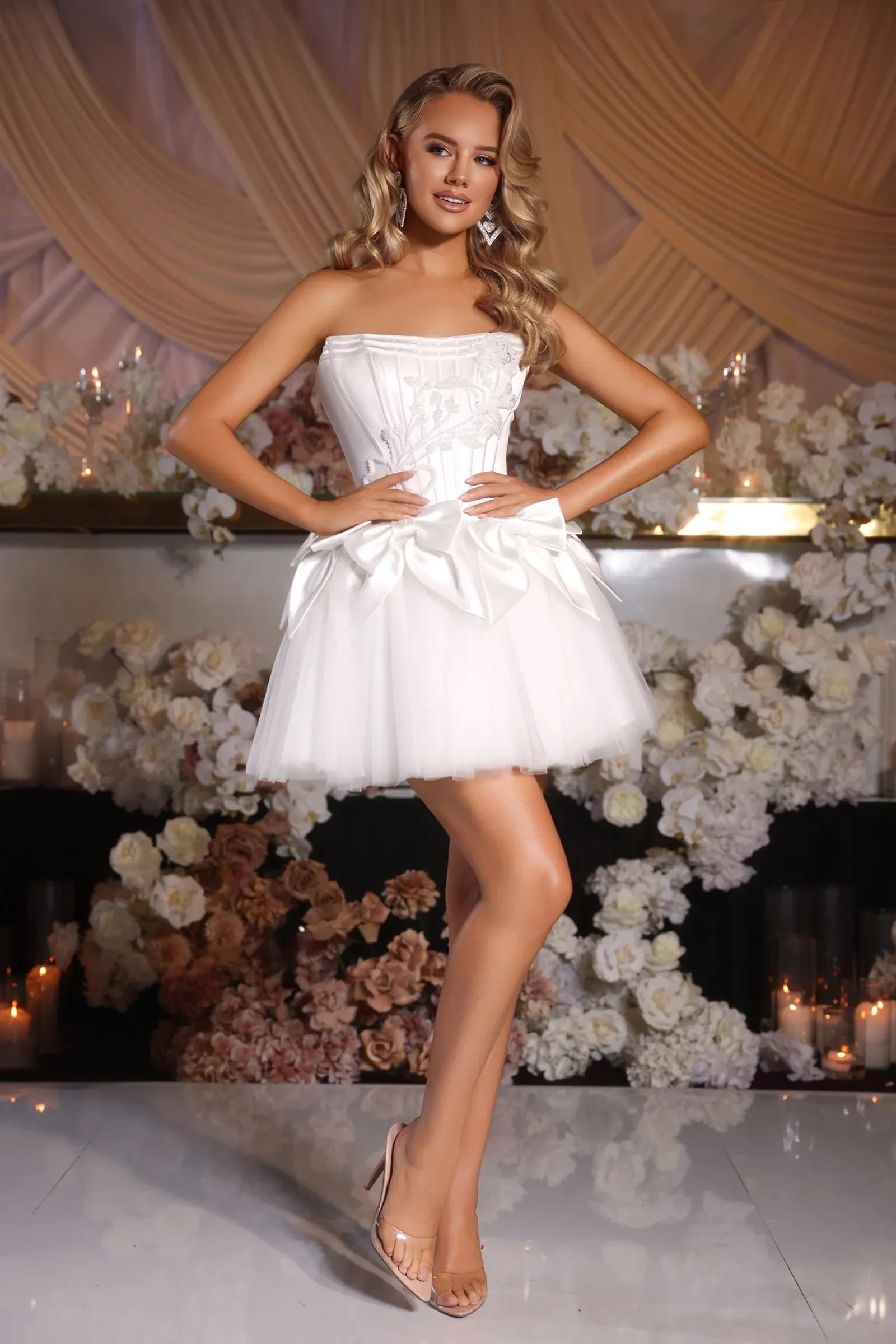
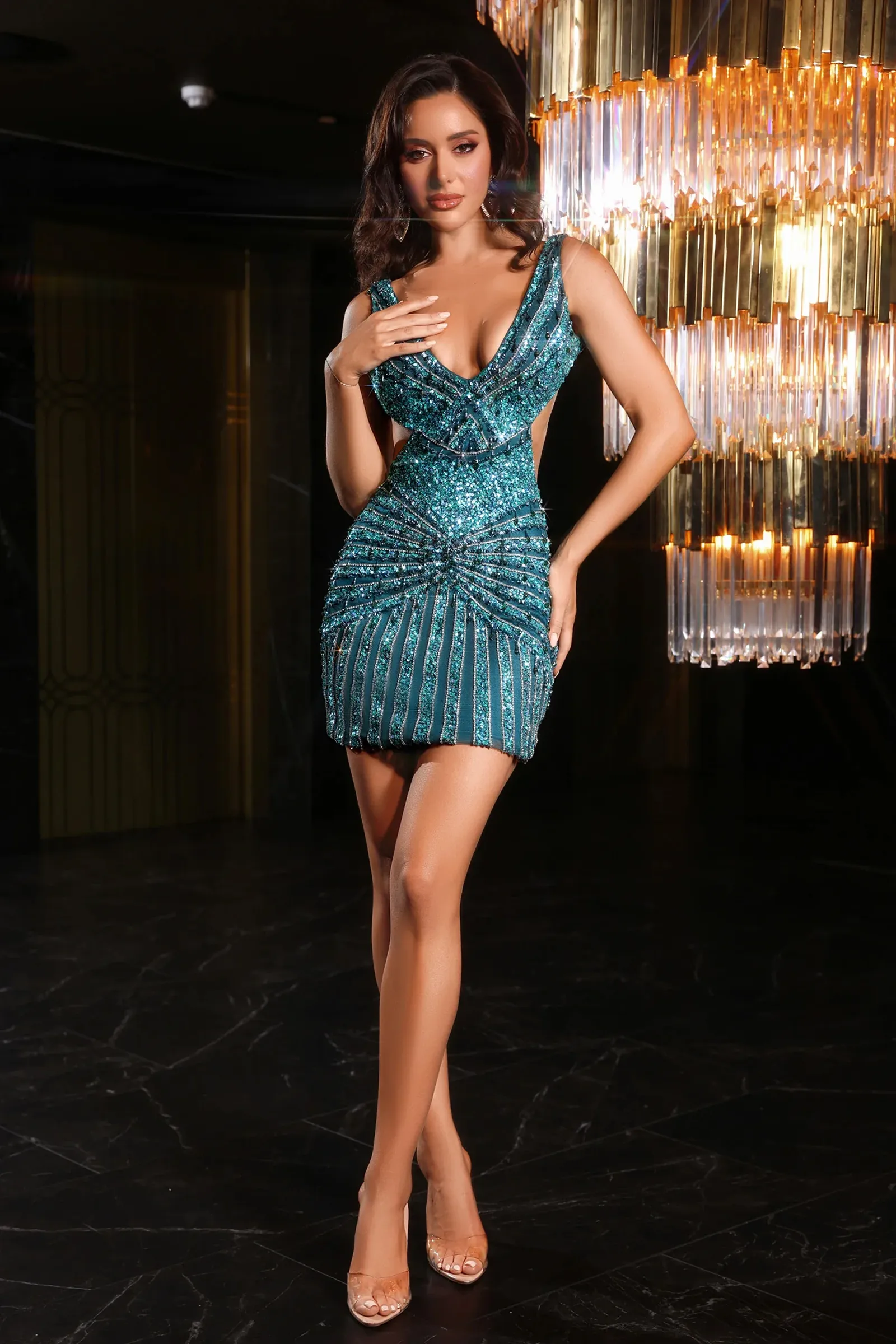
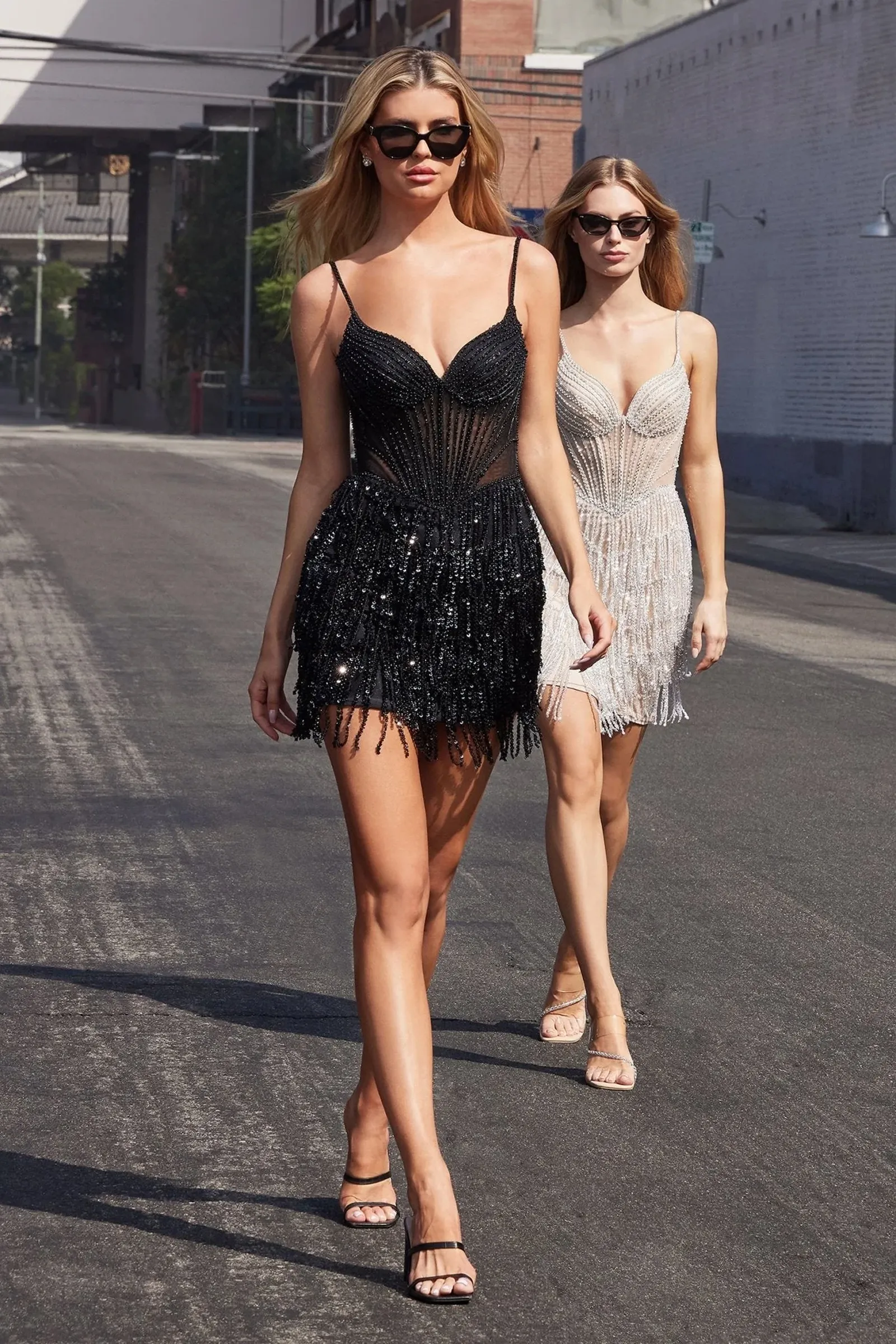
Right now the ivory selection is made up of short May Queen dresses, mostly ivory with one white option. Each has a fitted bodice, lace appliqués or soft embroidery, and a neat back closure, with prices from $59 to $95. They suit city hall vows, small backyard weddings, receptions, and rehearsal dinners.
What Styles Do Ivory Wedding Dresses Come In?
Silhouette means the outline of the dress.
- A-line: the bodice is fitted, and the skirt opens out evenly toward the hem. Ivory lace on this skirt looks soft and easy, and A-line wedding dresses flatter nearly every figure.
- Ball gown: a snug bodice over a wide, layered skirt. Ivory tulle looks warm under church lights, so ball gown wedding dresses are a strong choice for a long aisle.
- Princess: a ball gown with more sparkle, a corset back, or a curved neckline. In ivory it feels less icy than bright white, and princess wedding dresses give a storybook look with a vintage touch.
- Mermaid: close-fitting from the bust to the knee, with a flare at the bottom. Ivory keeps this cut elegant rather than flashy, and mermaid wedding dresses highlight curves, though the narrow skirt shortens your steps.
- Fit-and-flare: fitted to the hips, then opening around mid-thigh. For shape plus freedom on the dance floor, fit-and-flare wedding dresses in ivory lace look romantic without feeling heavy.
- Sheath: a narrow column with no full skirt. An ivory sheath in crepe looks quiet and modern, and sheath wedding dresses are easy to wear at a garden lunch.
- Empire waist: the seam sits under the bust, and the skirt drops loosely. Ivory chiffon in this shape looks soft and Grecian, and empire waist wedding dresses stay comfortable until the last song.
- Fitted: close to the body all the way down, including bodycon and trumpet cuts. Because ivory is gentle on the skin, fitted wedding dresses in this shade look polished rather than harsh.
- Two-piece: a top and skirt made as two parts, sometimes with a sliver of skin at the waist. An ivory crop top can be worn again later, and two-piece wedding dresses put a playful twist on a classic shade.
How Long Should an Ivory Wedding Dress Be?
Every dress in the current ivory selection is short, which makes this shade a natural fit for relaxed and small weddings.
- Short: the hem stops above the knee. All five ivory dresses here are this length, and short wedding dresses suit a city hall ceremony or a second outfit for the party.
- Knee-length: a hem that meets the knee. It looks tidy and grown-up, so knee-length wedding dresses in ivory work for a civil ceremony or a vow renewal.
- Tea-length: the hem falls between the knee and the ankle, a shape tied to 1950s fashion. Ivory pairs naturally with that retro feel, and tea-length wedding dresses leave room to show colorful shoes.
- Long and maxi: floor-length or just above. For a full bridal look, long and maxi wedding dresses include flowing chiffon and big tulle gowns, so check each product page for an ivory option.
- High-low: shorter in front and longer at the back. High-low wedding dresses keep the hem off wet grass, and a warm white tends to show light dust less than a bright one.
Should an Ivory Dress Have a Train?
A train is fabric that extends behind the skirt. Sweep trains barely touch the floor, chapel trains reach a few feet back, and cathedral trains stretch the furthest. The short ivory dresses here have no train, so for a long trail on the aisle, wedding dresses with a train are the better fit.
Which Necklines Look Best on an Ivory Wedding Dress?
Ivory sits close to many skin tones, so the neckline decides how much soft glow frames your face.
Necklines That Bare the Shoulders
- Strapless: no straps, with boning holding the bodice in place. Ivory against bare shoulders looks warm and even, and strapless wedding dresses leave room for a statement necklace.
- Sweetheart: the top edge dips in the middle and curves over each side of the bust, like half a heart. Sweetheart wedding dresses are mostly strapless, and the curve looks romantic on an ivory bodice.
- Sweetheart with straps or sleeves: the same curved line under straps, lace sleeves, or a sheer panel. Sweetheart neckline wedding dresses add support, and ivory lace sleeves look delicate rather than stiff.
- Off-shoulder: the neckline sits below the shoulders, and the sleeves rest on the upper arm. Off-shoulder wedding dresses in ivory lace have a gentle, old-Hollywood feel.
- One-shoulder: one strap or sleeve, and one bare shoulder. A clean ivory version feels modern but not cold, and one-shoulder wedding dresses keep the look simple.
Necklines With Straps
- V-neck: a neckline that narrows to a point at the center. It makes the neck look longer, and V-neck wedding dresses with lace edges look especially gentle in ivory.
- Spaghetti strap: thin straps over each shoulder. Spaghetti strap wedding dresses in ivory chiffon or crepe are a good match for seaside vows.
- Halter: the straps go up and fasten behind the neck. Halter wedding dresses show off the shoulders and often the back, while ivory keeps that bare look soft.
- Square neck: a flat top edge with straight sides, like the top of a box. Paired with ivory, square neck wedding dresses take on an almost Regency-era look.
- Cowl neck: fabric falls in loose folds at the front. Mostly made in satin, cowl neck wedding dresses in ivory have a warm shine that recalls 1930s gowns.
Necklines That Cover More
- High neck: the fabric rises close to the throat, often in lace. High neck wedding dresses suit religious ceremonies, and ivory lace up to the neck looks graceful and modest.
- Boat neck: a wide, shallow curve from one shoulder to the other. Boat neck wedding dresses cover the chest without pressing on the neck, and the line looks classic in ivory.
- Illusion: a sheer mesh panel with lace laid on it, so the lace seems to sit on bare skin. Illusion wedding dresses give an open look with a covered top's support, and ivory lace on the mesh looks natural.
Which Fabrics and Details Work in Ivory?
Shiny fabrics bounce light and make ivory look a little brighter, while matte and textured fabrics show more of its warm undertone.
- Lace: threads worked into floral or leaf patterns. Lace wedding dresses in ivory suit nearly any season, and every ivory dress here uses lace appliqués or embroidery.
- Satin: thick and smooth, with a soft shine. Satin wedding dresses in ivory glow rather than gleam, which looks rich in a formal setting.
- Tulle: fine netting, layered to make a skirt full. Layers of ivory tulle look like a soft cloud, and tulle wedding dresses stay light despite the volume.
- Chiffon: sheer, light, and floaty. Chiffon wedding dresses move with every breeze, and ivory chiffon looks gentle against blue sky.
- Beading: pearls, beads, or crystals stitched onto the dress. Pearls and ivory are a natural match, and beaded wedding dresses add sparkle that shows best up close.
- Sequins: small shiny discs that catch the light. Sequin wedding dresses in ivory read warmer than silvery white sequins at an evening party.
- Sparkle and glitter: glitter tulle, crystals, or shimmer fabric across the whole gown. Sparkly wedding dresses give all-over shine on a warm base.
- Floral patterns: flowers printed, stitched, or worked into the lace. Floral wedding dresses feel fresh in spring, and an ivory base lets the embroidery show without harsh contrast.
- 3D flowers: raised fabric petals on the bodice or skirt. Flower wedding dresses add texture, and ivory petals cast small shadows that look lovely in pictures.
What Should the Back of an Ivory Dress Look Like?
Guests watch your back for most of the ceremony. A corset lace-up fine-tunes the fit, covered buttons look classic in ivory satin, and a keyhole adds a small peek of skin. Backless wedding dresses bare most of the back, relying on boning or a built-in bra. The short ivory styles here finish with a clean, seamless closure.
Where Does an Ivory Wedding Dress Fit Best?
Ivory works almost anywhere, as long as fabric and length match the place and weather.
Ivory by Venue and Wedding Type
- Beach: a warm white keeps you from looking washed out against bright sand. Beach wedding dresses are usually short or flowing, in light chiffon or lace.
- Destination: destination wedding dresses are lighter and crush less, and a short ivory dress folds into a carry-on far more easily than a full gown.
- Outdoor: gardens, farms, and parks bring grass and wind. Outdoor wedding dresses tend to have short or high-low hems, and ivory blends softly with greenery.
- Courthouse: the short ivory dresses here fit a city hall well, and courthouse wedding dresses also include knee-length and sheath styles.
- Black-tie: a formal evening calls for a floor-length gown. Black-tie wedding dresses cover ball gowns, satin columns, and beaded trains, and ivory satin looks deep and warm under evening lights.
- Maternity: maternity wedding dresses usually have empire waists and some stretch, and ivory looks calm in these relaxed shapes.
Ivory by Season
- Spring: spring wedding dresses lean on light lace, tulle, and flowers, and ivory fits right in with blossoms.
- Summer: summer wedding dresses are short or sleeveless with thin fabrics, much like the ivory styles in this selection.
- Fall: low, golden light flatters ivory well. Fall wedding dresses bring in satin, lace, and longer sleeves.
- Winter: winter wedding dresses add long sleeves and heavier satin, and an ivory gown looks warm against snow instead of blending into it.
How Do You Choose the Right Ivory Wedding Dress?
- Settle your budget. The ivory dresses here cost $59 to $95. To compare long gowns, wedding dresses under $500 include many lace, satin, and short options.
- Check the shade. Ivory varies from one maker to the next, so compare product photos and read the color notes.
- Match the venue and season. These decide fabric weight, length, and whether a train is practical.
- Pick a shape. Choose freedom (A-line, sheath), curves (mermaid, fitted), or drama (ball gown).
- Choose a neckline and sleeves. Think about support, comfort, and any coverage your ceremony asks for.
- Measure with care. Check your bust, waist, hips, and hollow-to-hem length against the size chart on each product page, since bridal sizing often runs small. Plus size wedding dresses are cut with extra room and support.
- Plan for alterations. Order early so a tailor has time to hem the dress or take it in.
What Makes Ivory Different From Other Wedding Dress Colors?
What Shades of Ivory Are There?
Ivory is a soft white with a slight yellow or warm undertone. Light ivory sits very close to white and is sometimes sold as off-white or natural. Classic ivory has a clearer warm cast, a bit like a pearl. Rich ivory leans warmer still, almost into cream.
Next to a white wedding dress, ivory looks softer and less bright. White has no yellow in it at all, and the brightest whites can even carry a faint blue tint. A cream wedding dress goes the other way: cream is deeper and warmer than ivory, closer to butter or light beige. Ivory sits in the middle, warm enough to look gentle but light enough to read as white.
Where and When to Wear Ivory
Ivory suits churches, ballrooms, gardens, beaches, and city halls, in every season. It is a favorite for vintage and lace-heavy weddings, second marriages, vow renewals, and brides who want a traditional look that is gentler than stark white. Where a bride wears a red outfit for the main rites, as at many Chinese and South Asian weddings, ivory is a popular pick for the Western-style gown worn on another day or at the reception.
Which Skin Tones Suit Ivory?
Ivory flatters most skin tones, which is a big reason so many brides choose it. Fair skin with pink or warm undertones often looks fresher in ivory than in bright white. Olive and golden skin glows against it. Deeper skin tones look lovely in light ivory, though some prefer the sharper contrast of pure white. The best test is an ivory fabric held under your chin in daylight.
How Ivory Looks in Photos
Ivory photographs as a clean white in most daylight shots while still showing the detail in lace. It looks warmer at golden hour and by candlelight. Under cool, blue-toned light it can lean slightly creamy, so tell your photographer the dress shade so they can set the color balance.
What to Pair With Ivory
Match the veil to the dress, since a bright white veil can make an ivory gown look dull. Pearls, gold, and rose gold all suit ivory, and silver works too. White, blush, and peach flowers look soft against it, while deep red roses add contrast. Dusty blue, sage, blush, and champagne bridesmaid dresses sit well beside ivory, and a groom in navy, gray, or tan completes the picture.
Ivory Wedding Dress FAQs
Is ivory the same as off-white?
Almost. Off-white is a broad name for any white that is not bright white, and ivory is one type of it, with a light warm undertone.
Will an ivory dress look yellow in pictures?
Not usually. In normal light it shows up as a soft white. It may look a little warmer in candlelight or late-afternoon sun, which many brides like.
Can bridesmaids or guests wear ivory?
It is best avoided. Ivory reads as bridal, so guests usually stay in other colors unless the couple asks for an all-neutral dress code.
Should my veil be white or ivory?
Ivory. A veil should match the dress or come very close, and a white veil next to ivory makes the gown look darker.
Is a short ivory dress formal enough for a wedding?
For a courthouse, a small party, or a reception, yes. A long gown is still the safer choice for a black-tie or large church wedding.
Find Your Ivory Wedding Dress at Formal Dress Shops
Ivory feels like a soft glow rather than a spotlight, and it will look just as gentle in your photos years from now. Formal Dress Shops carries ivory styles from May Queen, with free shipping on every order. Questions about fit, shade, or your venue are welcome by phone at 888-809-5363 (toll-free), by call or text at 213-400-7464 (Spanish available), or by email at info@formaldressshops.com.
Pick your ivory, choose your size, and get ready to say yes.

Follow us


