


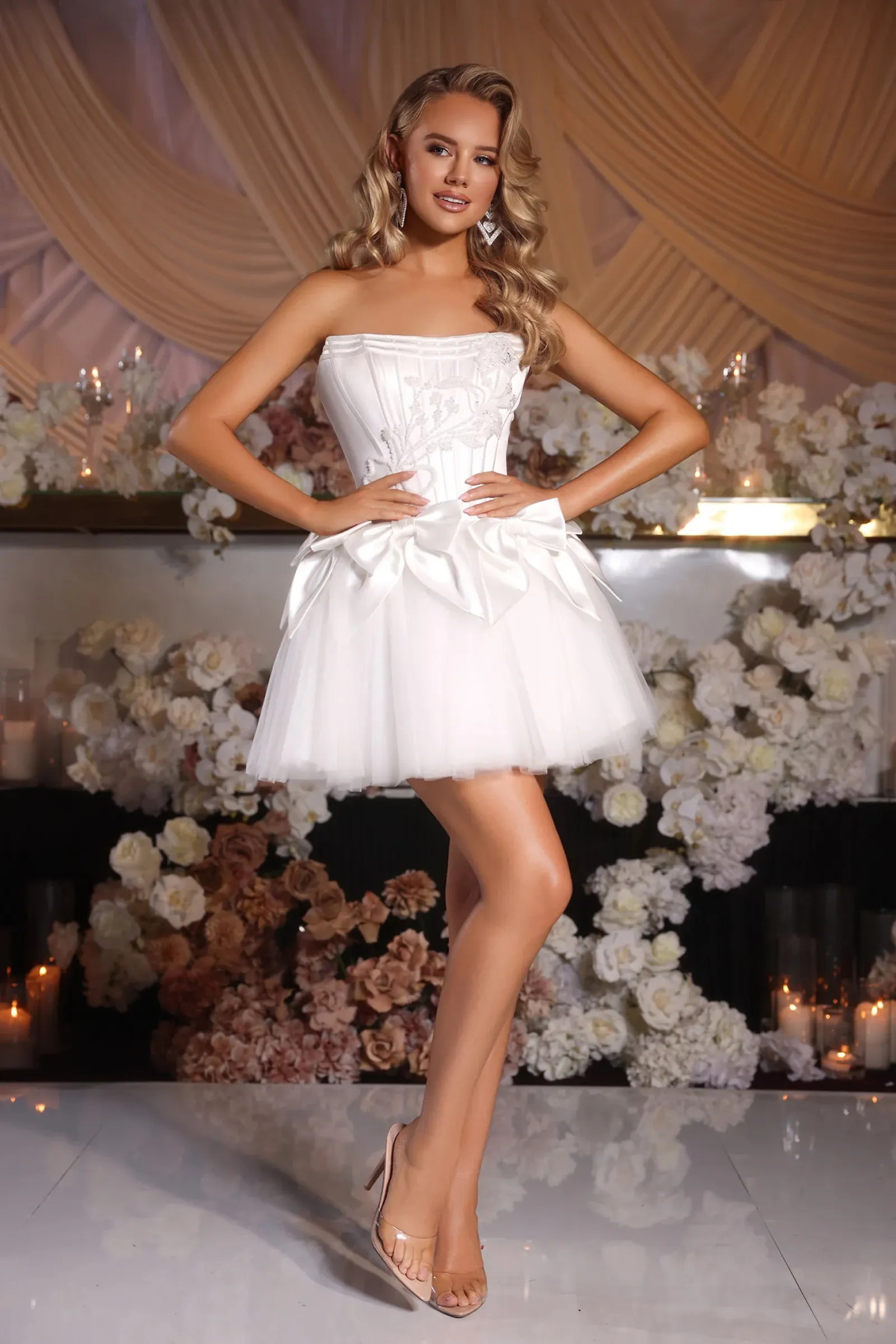
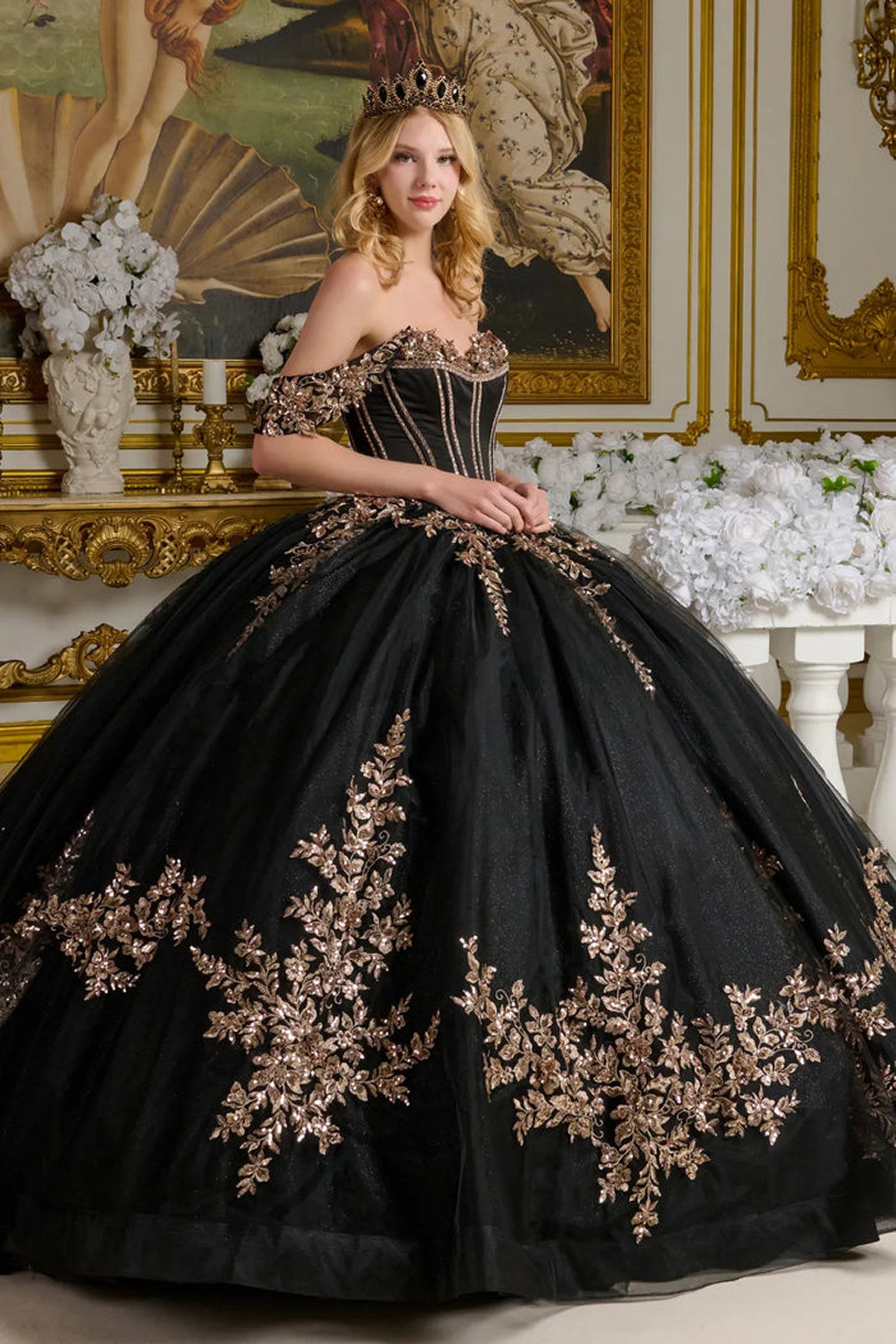

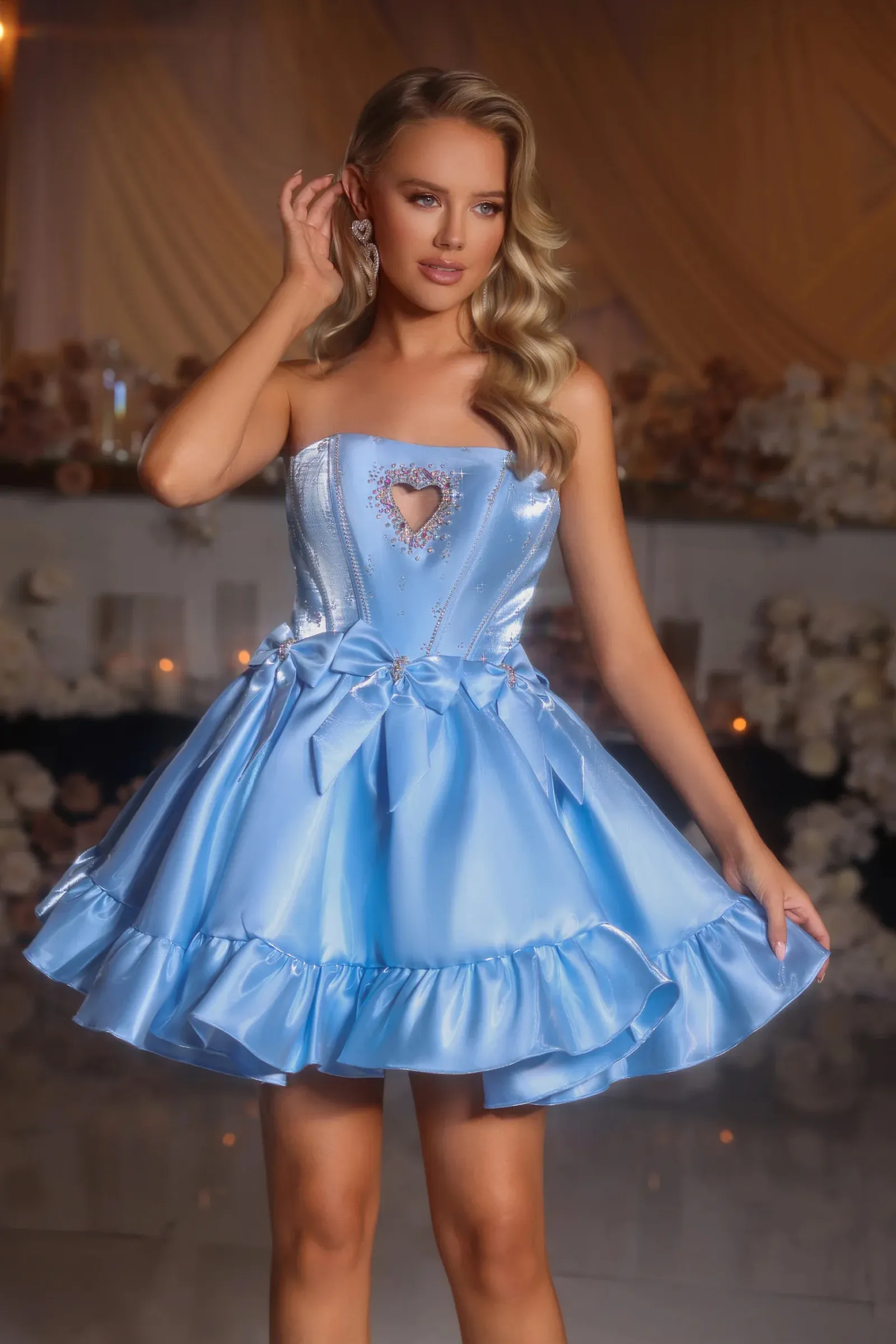
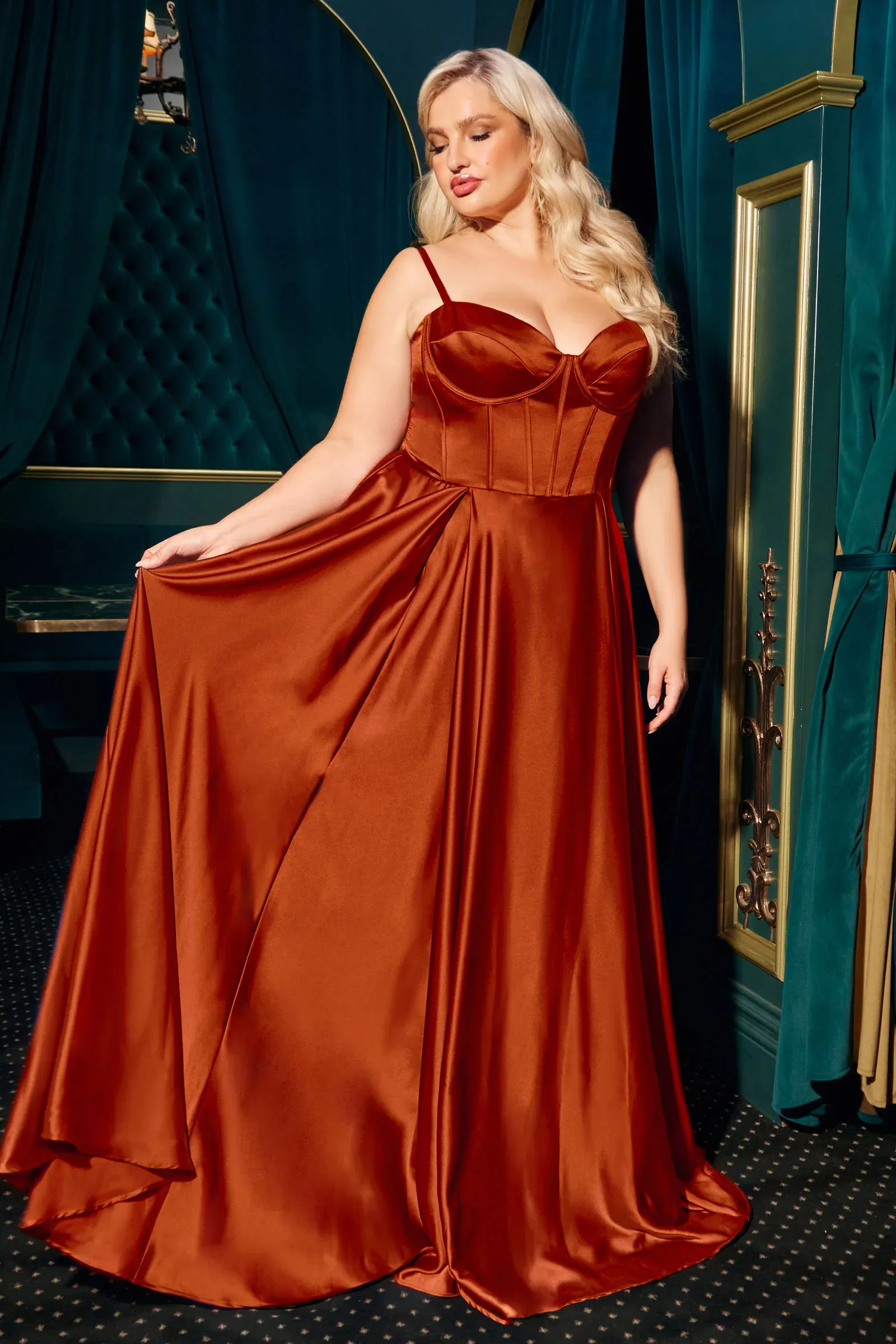
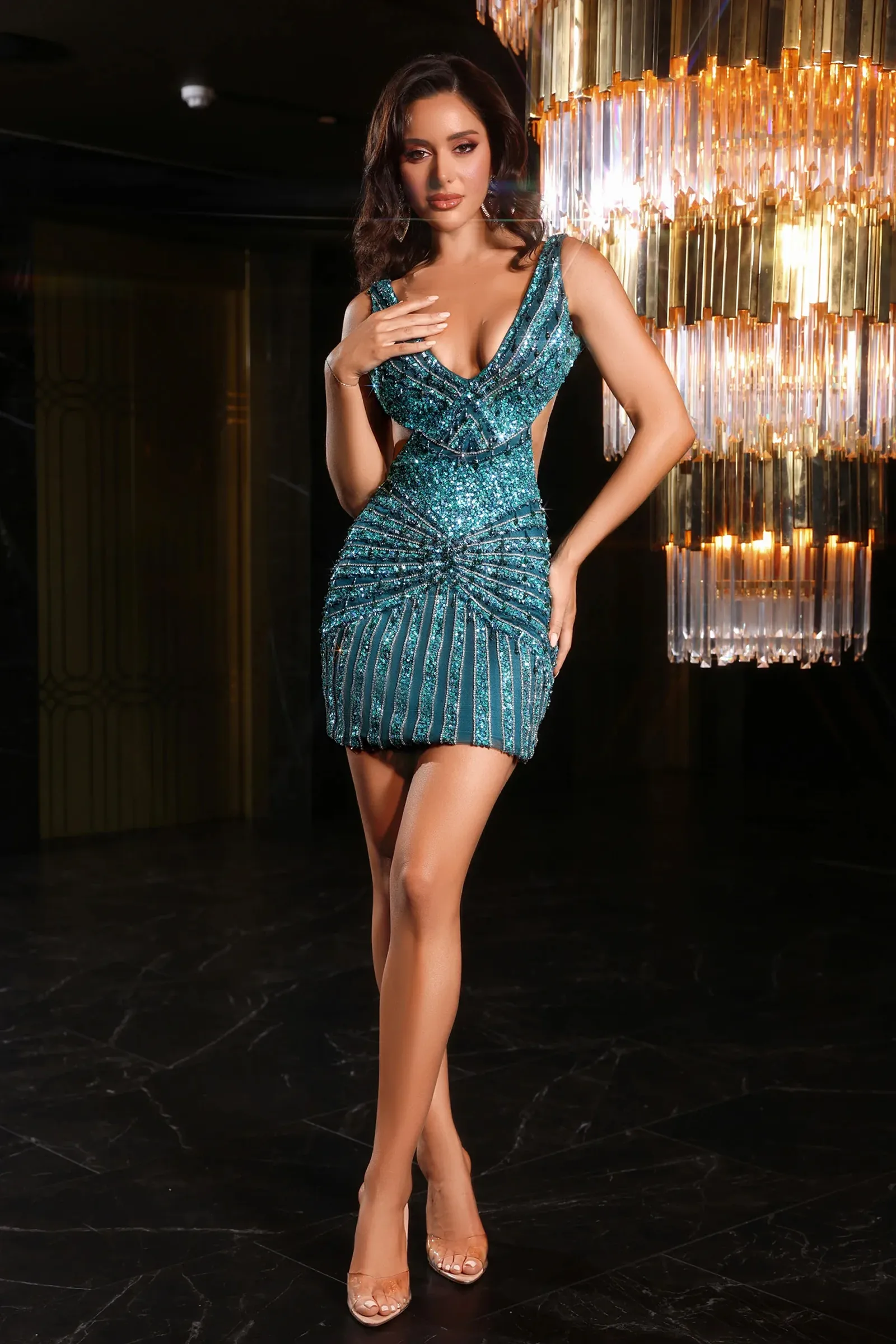
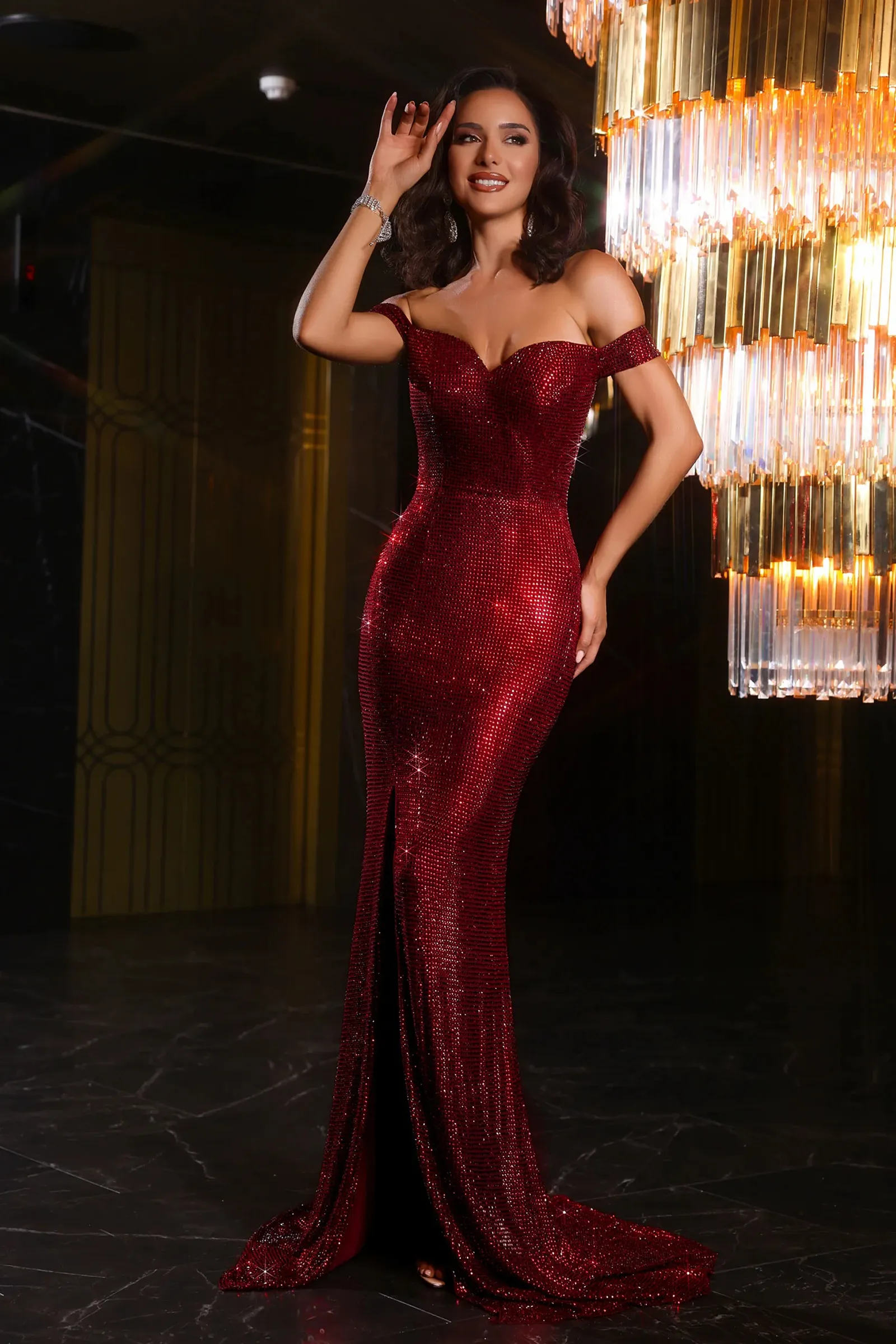
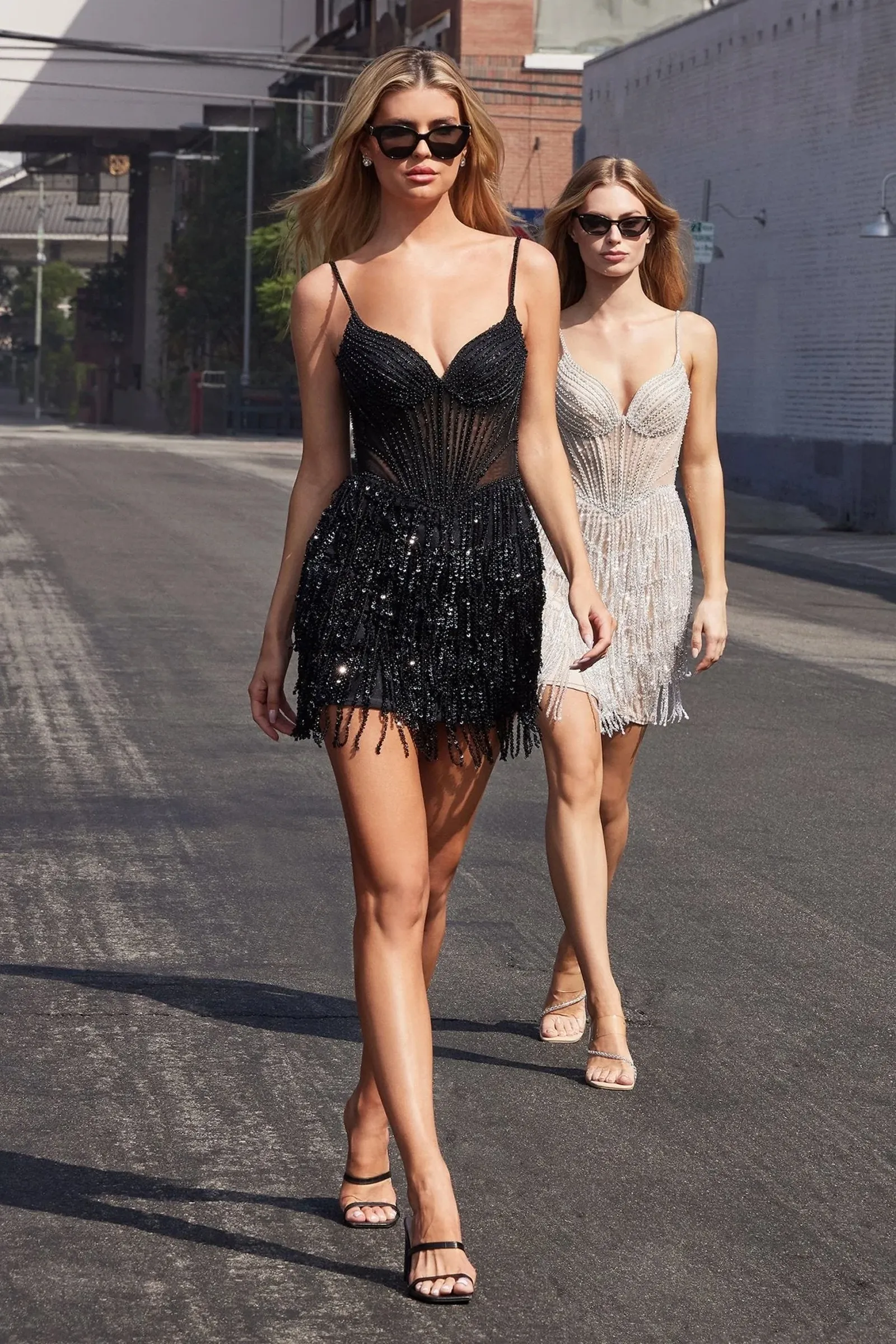
Prom Dresses ON SALE


Prom dresses on sale let you search for a formal outfit with the markdown in mind, but the original price should not be the only thing you compare. The right discounted gown still needs the color, silhouette, size and details you want. Look at the current product price and the actual garment information before deciding whether a reduced listing is a good match. Sale shopping works best when you begin with a short list of requirements.
Shop Prom Dresses on Sale Without Losing Sight of Fit
A prominent sale tag can make a dress interesting immediately, but the most useful comparison is between what you pay and what you receive. Start with the actual marked price, not simply the size of the advertised markdown. A dress that falls outside your planned budget is not necessarily a good purchase just because the discount looks large.
The Prom Dresses Under $100 and Prom Dresses Under $200 collections make it easier to compare price ceilings. A discounted dress and a dress already priced within your budget are two different shopping routes.
· Current selling price: the figure to use in your outfit budget.
· Size availability: whether the desired option can actually be selected.
· Color availability: whether the photographed shade is among the selectable variants.
· Construction: the neckline, closure and skirt details of the exact dress.
A discount has value only if the gown itself meets your needs. Use sale labels to discover options, then evaluate them as carefully as any regularly priced item.
Start With the Non-Negotiable Dress Features
It is easier to shop discounted formalwear when you already know which features matter most. Maybe you want a long gown for a formal school setting. Perhaps your first choice is a short dress with sleeves, or a gown that fits closely through the waist. Those needs should still shape the search when a compelling discount appears.
For example, Long Prom Dresses and Short Prom Dresses are fundamentally different categories. A low price on a mini will not help someone who needs a floor-length gown for the event.
Keep a short list of essential specifications: the hemline, preferred shape, acceptable colors, size range and the maximum amount you intend to spend. Treat embellishment and other decorative extras as flexible unless they matter strongly to your personal style.
This approach also makes comparisons fairer. Two dresses may be discounted by different amounts but offer very different proportions, necklines and finishes.
Compare the Actual Dress, Not Just the Markdown
Product details become especially important when a purchase is motivated by price. Photographs show the design, but the listing should be checked for size information, fabric descriptions when available and any selectable variants. A product image can display a color that is not available in the size you need at the moment you shop.
A fitted or structured gown might require a more precise waist and bust match than a looser cut. A-Line Prom Dresses provide one point of comparison with Fitted Prom Dresses, but neither category guarantees a particular fit for every shopper.
· Compare the product's size guide with your measurements.
· Check whether color selections change the listed price.
· Review front and rear garment images.
· Read applicable store policies before placing the order.
Do not infer that a discounted dress has the same return terms, sizing or delivery expectations as another listing. Those details must come from the current store information.
A Simple Gown Can Be a Strong Sale Find
 Highly embellished gowns often draw attention first, but a quieter dress may give you more flexibility when styling the finished outfit. A smooth or minimally decorated design places the focus on silhouette. You can decide whether to make footwear, jewelry or hairstyle the stronger visual feature.
Simple Prom Dresses are therefore relevant comparisons when browsing a sale collection. A plain fitted gown and a lightly gathered A-line dress can look quite different even without sequins or beading.
For shoppers who want the opposite effect, Sequin Prom Dresses allow exploration of reflective surfaces. Lace and beading create separate types of detail, and photographs should clarify how much decoration covers the garment.
A sensible discounted purchase does not have to be the loudest option. It should be a dress you would still seriously consider at its current selling price without the sale label.
Budget for the Complete Outfit, Not the Dress Alone
The gown is only one part of a prom outfit. Your planned shoes, possible alterations and any accessories may change the total amount you are comfortable spending. Keeping those expenses separate can help you avoid using the entire budget on the dress itself.
If your budget allows a higher ceiling, Prom Dresses Under $300 and Prom Dresses Under $400 offer additional browsing ranges. These collections organize price-based searches; they do not imply a particular amount of embellishment or higher quality.
Price comparisons also need to be time-specific. A markdown displayed today may change later, and a certain size or color may no longer be selectable. Avoid assuming a sale price will remain available when you return.
Focus first on what the outfit will cost you in total and then look at which dresses offer the combination of appearance and fit you prefer.
A shortlist also protects you from repeatedly changing your preferences to match whatever appears discounted. Put the dresses in three groups: those that meet every essential requirement, those with one acceptable compromise, and those that are attractive mainly because of the price. The third group is often the easiest to eliminate. If you are shopping with a parent or friend, share the same shortlist and measurements rather than sending isolated product photos. That makes the discussion about fit and value instead of reacting to the biggest markdown. A sale page should help you find a purchase, not create pressure to buy something you did not want.
Finish With a Confident, Evidence-Based Choice
Once a few sale items are in your shortlist, compare them in a consistent order. Begin with the size and measurements, then the silhouette, color and details. Only after those checks should you compare the price difference. This prevents a low number from overriding a mismatch that you already know matters to you.
Look at the specific dress's closure, lining and available rear photographs. If the hem is unusually long, alterations might become a practical consideration. If a particular color is central to your outfit, confirm the selected variation before checkout.
Formal Dress Shops presents discounted and regular-price formalwear through separate collections, so you can compare them instead of assuming sale is always your best route. The broader Prom Dresses range is useful when a discounted shortlist is not meeting your requirements.
Browse Formal Dress Shops for other formal categories as well, but judge each sale listing against your actual outfit needs rather than an unverified promise of savings.
Frequently Asked Questions
Does a sale label mean the dress is available in every size?
No. Individual sizes and colors may have different availability, so review the selectable product variants. A sale collection does not guarantee that every pictured option can be ordered.
Are discounted prom dresses always cheaper than budget collections?
Not necessarily. A marked-down gown may still cost more than a regularly priced option under a fixed budget ceiling. Compare actual current prices rather than discount percentages alone.
Can sale dresses have different return conditions?
Policies can differ by retailer or item, and the collection name alone does not determine them. Read the applicable current return and exchange terms before purchasing.
Should I select a larger sale dress for alterations?
Buying a different size without checking its measurements can create unnecessary fitting problems. Compare the garment’s specific dimensions and seek tailoring advice for substantial changes.

Follow us


