


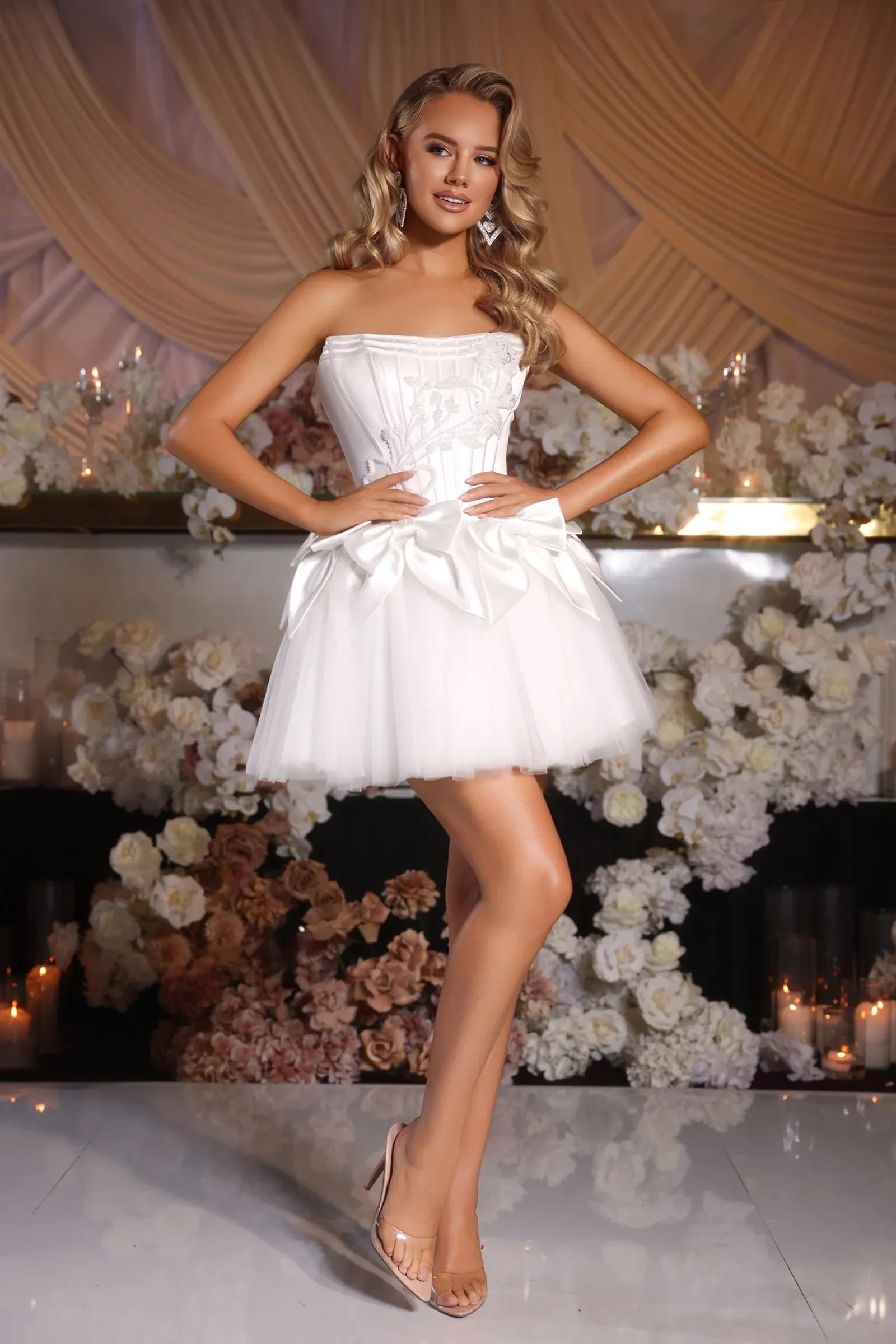
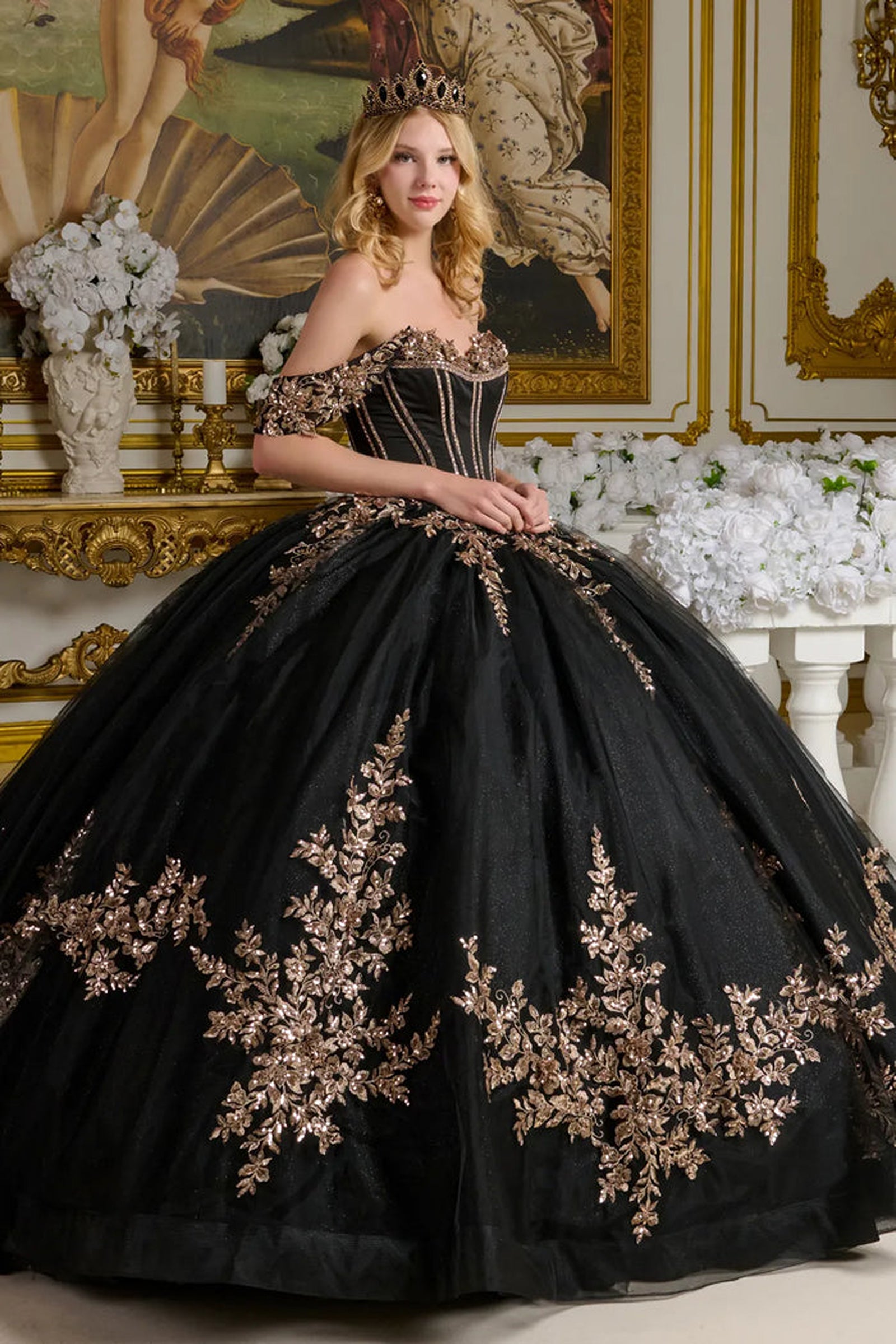

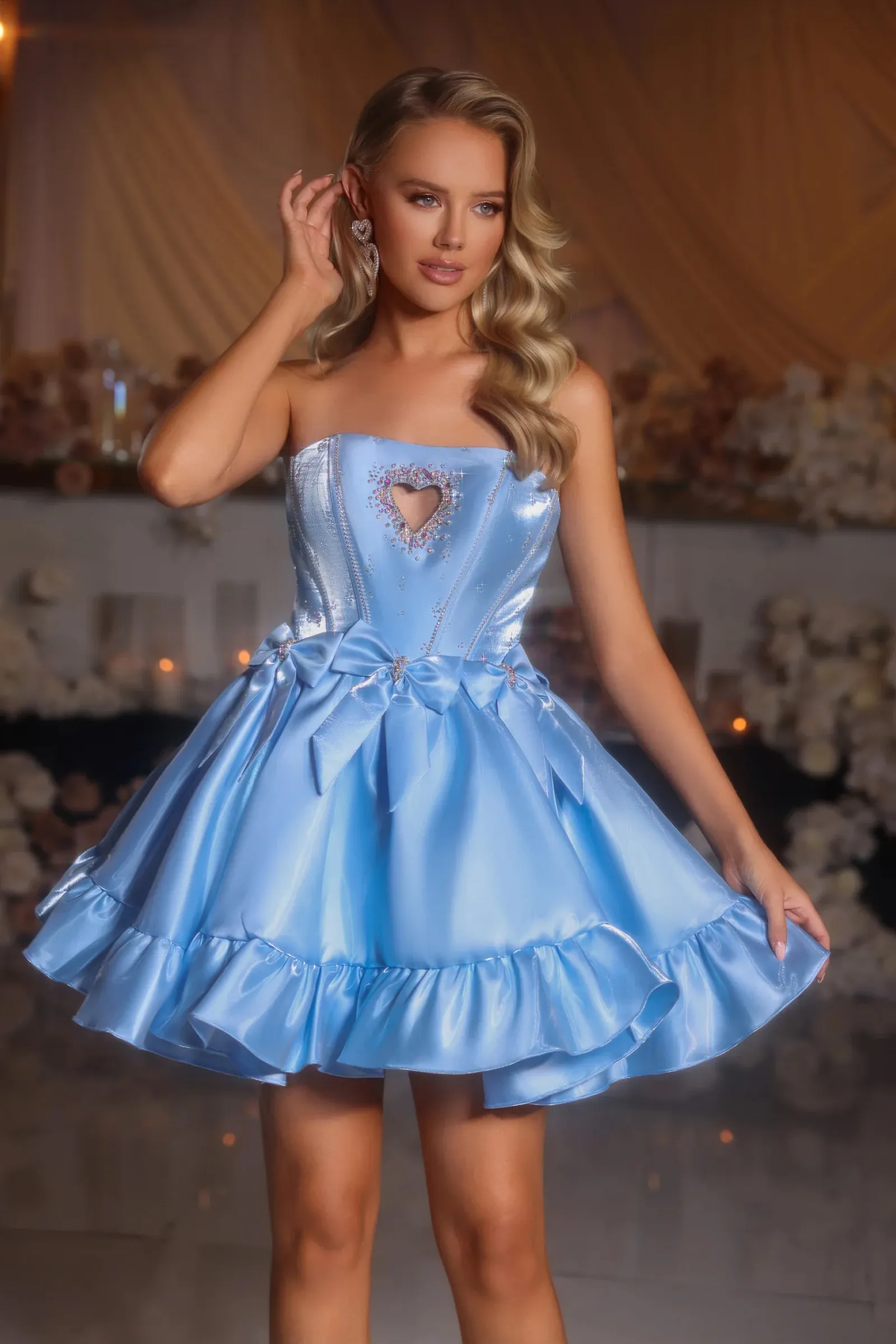
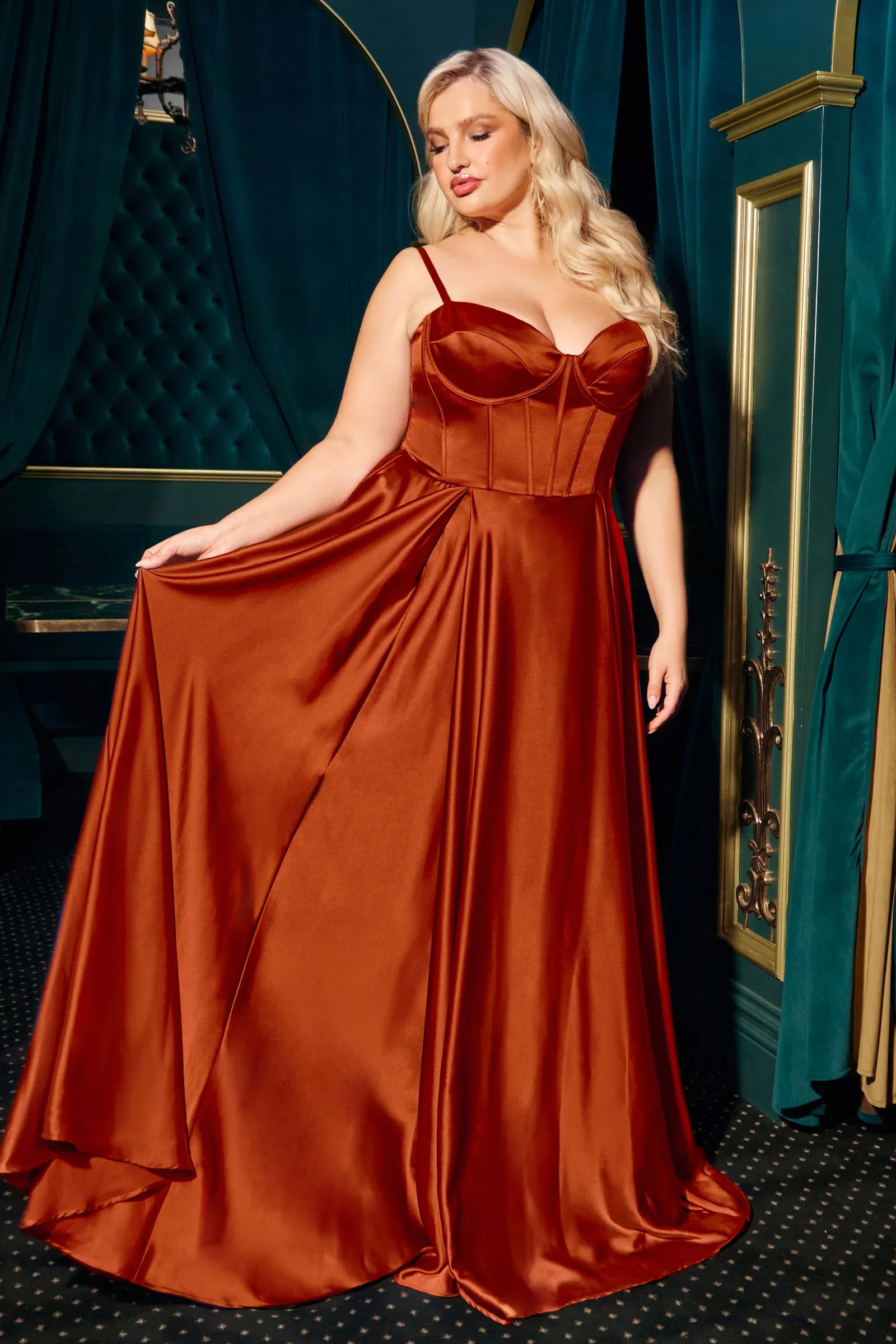
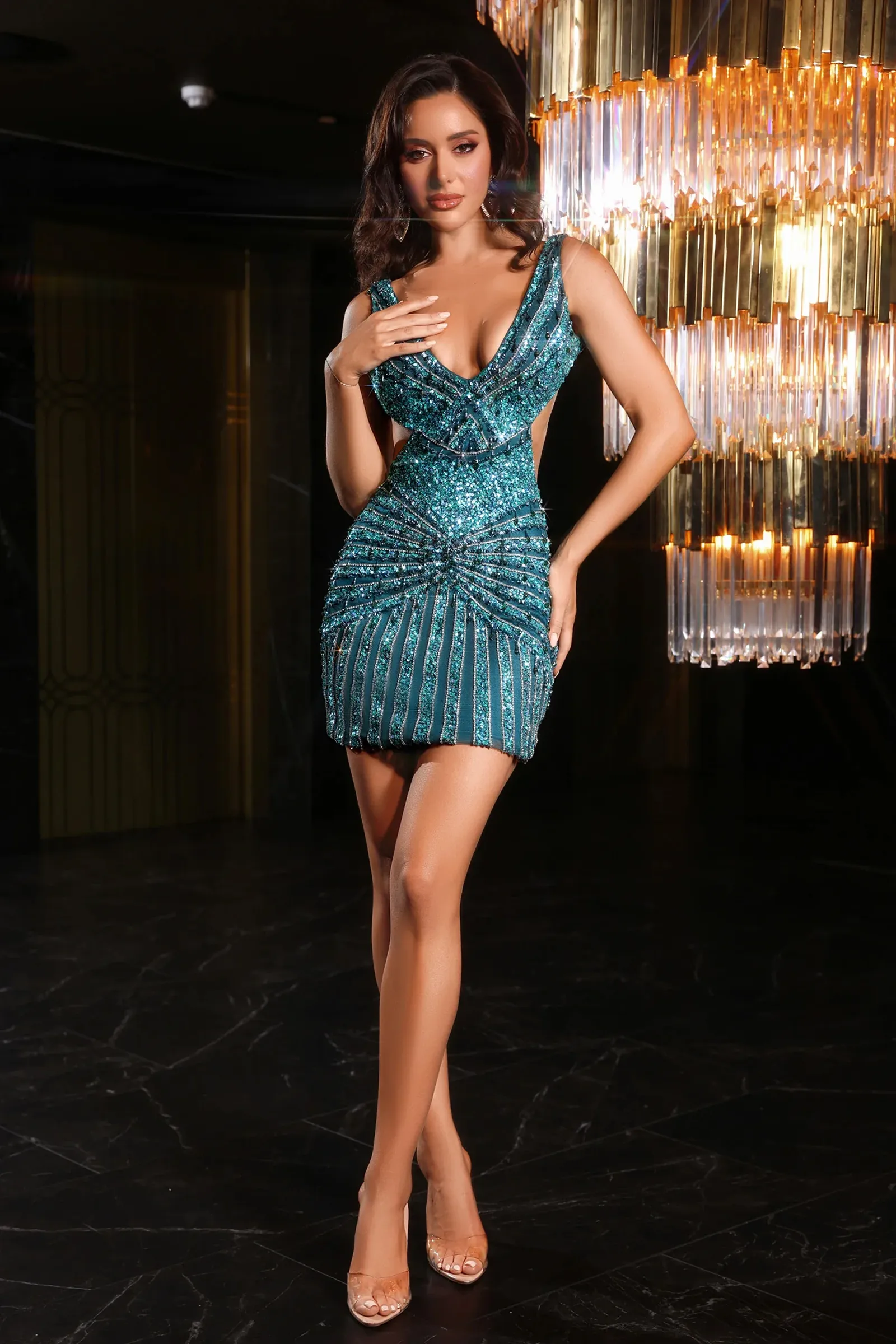
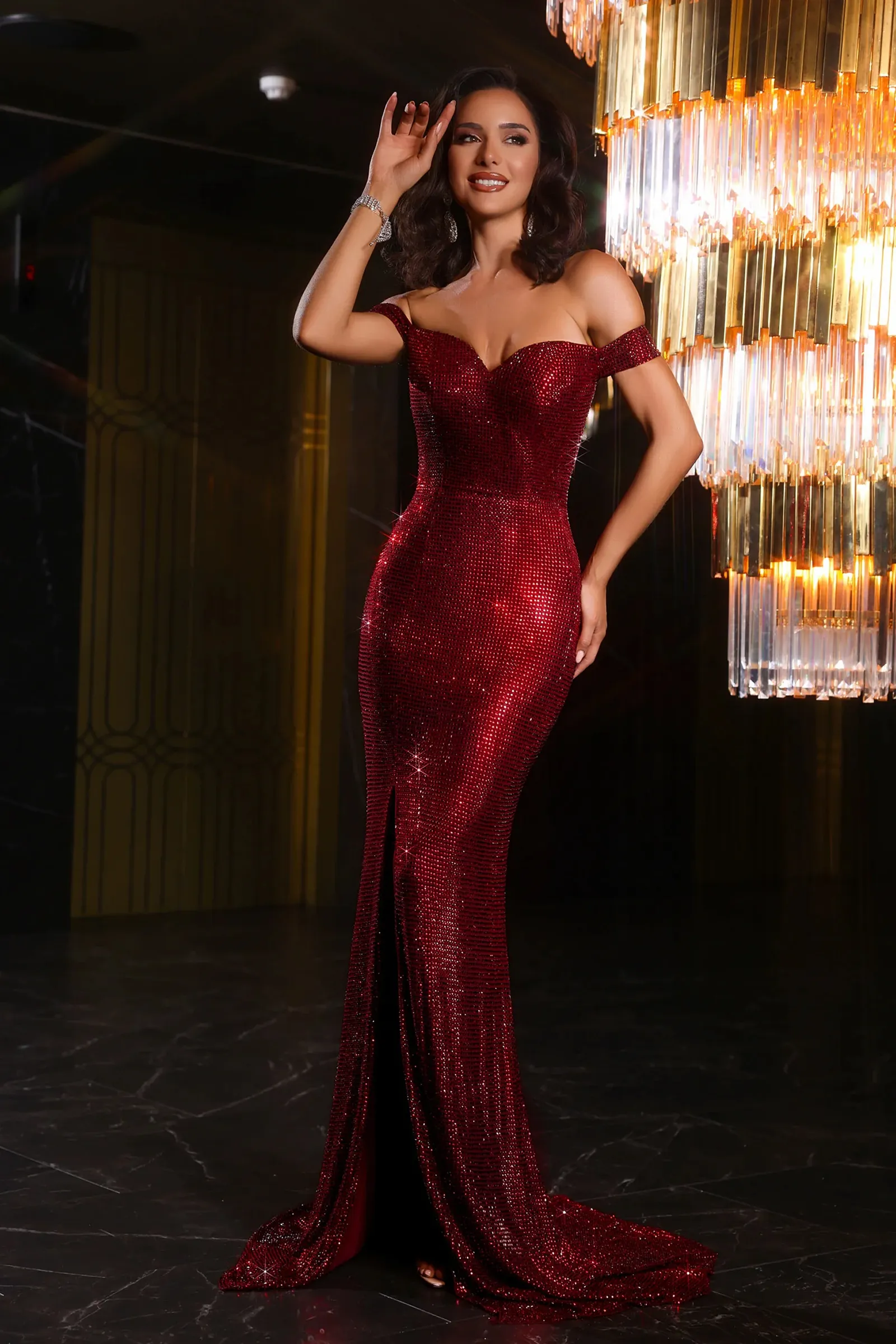
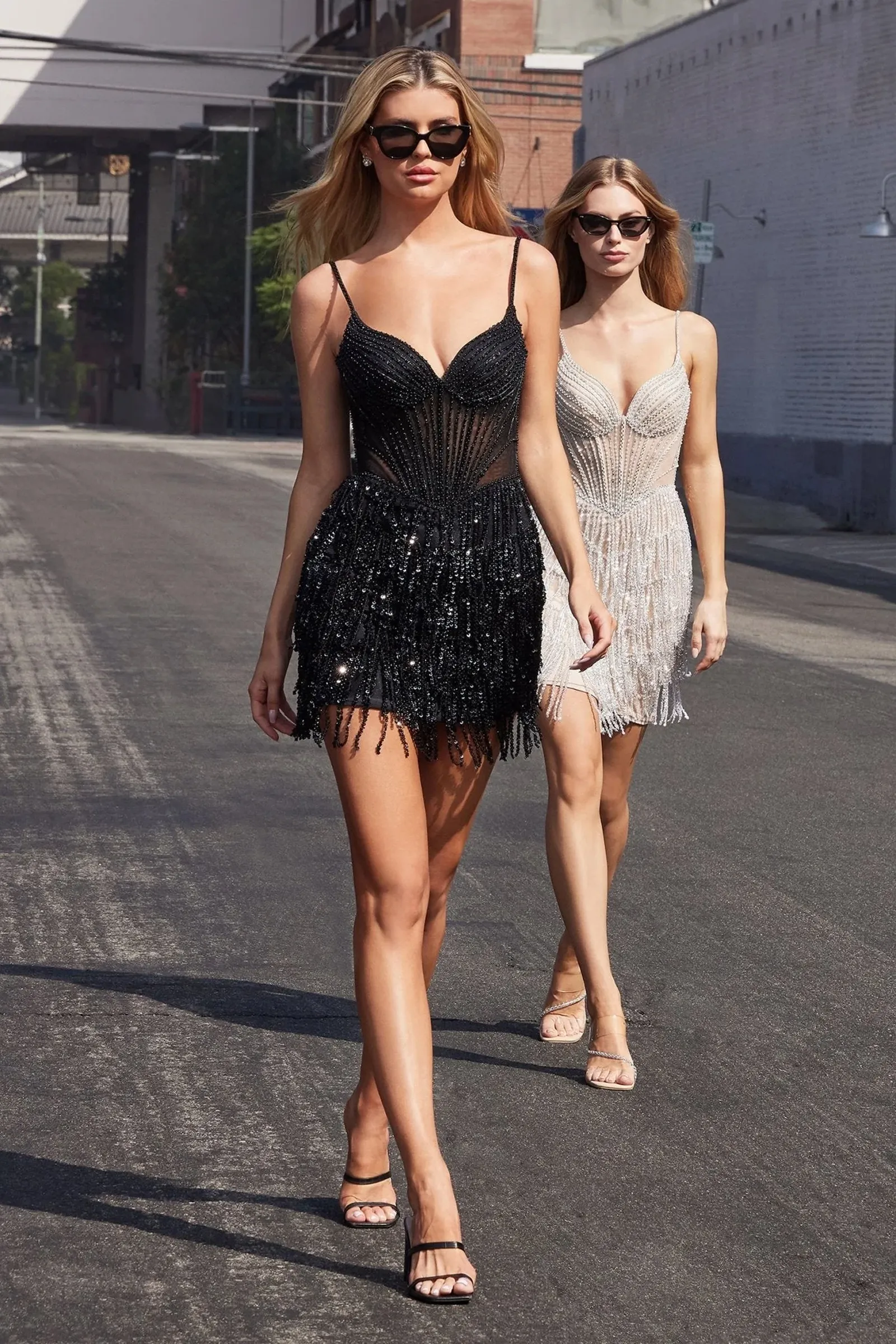


Dama Dresses
Dama dresses are closely tied to the coordinated court or formal party surrounding a quinceañera. Because several participants may be involved, color coordination, comfort, movement, and the relationship between the dama dresses and the main celebration look deserve attention.
Starting With dama
The appeal of dama comes from the way it can shape the overall impression of an outfit without deciding every styling detail for you. For families and participants planning the dama or court portion of a quinceañera, that flexibility matters because the same collection may need to work across quinceañeras, formal court presentations, receptions, photographs, and coordinated celebrations. The most useful starting point is not the color or collection name alone, but the invitation, venue, time of day, and amount of coverage you want. Once those basics are clear, you can use length, neckline, sleeve shape, fabric, and embellishment to make the final dress feel appropriate rather than relying on the color by itself.Related options worth comparing include Dama Dresses, Gold Dama Dresses, Silver Dama Dresses and Champagne Dama Dresses.
Let the Event Set the Direction
Start with the dress code before narrowing the collection. A formal evening invitation usually calls for a different level of length or finish than a daytime celebration, while cocktail or semi-formal events may allow more flexibility. For dama, consider whether the event is primarily a ceremony, dinner, dance, reception, or photo-heavy celebration. A simpler dress can be easier to style when the venue already has a strong visual setting. For a more traditional formal setting, a longer silhouette or richer fabric may make sense. The goal is a complete outfit that respects the occasion and still feels comfortable for the hours you will wear it.Depending on the event and styling direction, you can also compare White Dama Dresses, Pink Dama Dresses, Red Dama Dresses and Black Dama Dresses.
How the Shade Changes the Look
Color can look different depending on fabric, lighting, and surrounding shades, so online shoppers should avoid judging a dress from the collection name alone. With dama, compare the product images, listed color information, and close-up views when available. Think about whether you want the dress to read softly, boldly, warmly, or coolly. coordinate with the quinceañera's palette and court plan while keeping movement practical can help create contrast or keep the outfit tonal. If photographs matter, consider how the color will sit beside the event setting, flowers, decorations, or other coordinated clothing. A useful approach is to choose the exact tone first, then build the accessories around it.For more ways to narrow the search, consider Royal Blue Dama Dresses, Purple Dama Dresses, Green Dama Dresses and Navy Blue Dama Dresses.
Choosing a Comfortable Shape
The silhouette should answer practical questions as much as style questions. Think about how much movement you need, whether you will sit for long periods, and whether you expect to dance or move between indoor and outdoor spaces. Shorter lengths can make movement easier, while midi and floor-length options create a different level of formality. Fitted, A-line, sheath, fit-and-flare, and fuller shapes each distribute volume differently. For dama, let the dress's cut do part of the styling work. If the color or embellishment is already noticeable, a clean silhouette can keep the outfit balanced.
Coverage and Neckline Choices
Neckline and sleeve decisions often matter more to comfort than shoppers expect. A V-neck can create a longer visual line, while a higher neckline can provide more coverage. Sleeveless, short-sleeve, three-quarter, and long-sleeve designs also change how a dress works across seasons and venues. If you are choosing dama for a formal event, consider the ceremony setting as well as the reception. A jacket, wrap, or coordinated layer can add flexibility when temperatures change. Always check the actual product construction rather than assuming that two dresses in the same collection offer the same level of coverage.
What Fabric and Embellishment Add
Fabric can change both the look and the practical feel of a formal dress. Satin and similar smooth fabrics can emphasize color and shine, while chiffon or other flowing materials can create softer movement. Lace can add texture, and beading or sequins can introduce sparkle without changing the base color. With dama, choose the level of detail that matches the event. If the dress already has heavy embellishment, simpler jewelry may be enough. If the dress is relatively clean, accessories can provide the visual interest. Product descriptions and care information are useful here because appearance alone does not tell you how a fabric will behave.
Shoes, Jewelry, and the Rest
Think about how the outfit will be worn during the event, not only how it looks in a product photograph. Shoes should work with the length and venue, while the bag should be large enough for essentials without competing with the dress. Jewelry can repeat a metallic already used in the dress or introduce a controlled contrast. For dama, coordinate with the quinceañera's palette and court plan while keeping movement practical. If photographs, standing, or dancing are likely, choose accessories that will not become a distraction later in the event. Consider heel height, strap placement, clutch size, and whether you need an outer layer. A coordinated outfit usually looks more intentional when each accessory has a clear job instead of being added simply because there is space for it.
Useful Related Collections
Comparing adjacent collections can help when you know the event but are not yet sure about the exact color or silhouette. Shoppers considering dama can also look at Quinceanera Dresses, Quince Guest Dresses, Plus Size [[BOLD:Quinceanera Dresses]], and Quinceanera Mom Dresses for nearby options. This is especially useful when a dress is close to what you want but differs in tone, length, or sizing. Use related collections as comparison points rather than assuming every page contains the same construction. Looking across a few closely related choices can clarify whether you prefer a deeper or lighter shade, a shorter or longer hem, or a simpler versus more detailed finish.
Sizing Before You Buy
Check the full measurement set, including length, before deciding whether the dress will work with your planned footwear. Compare the listed bust, waist, hip, and length measurements with measurements from a garment that fits you well. Pay attention to whether the fabric appears structured, stretchy, lined, or designed to drape. For families and participants planning the dama or court portion of a quinceañera, this step can be especially useful when the dress is intended for a fixed-date occasion. Also check the closure type and where the garment is fitted. A zipper, lace-up back, stretch panel, or adjustable feature can affect how the dress feels even when the nominal size is the same.
Frequently Asked Questions
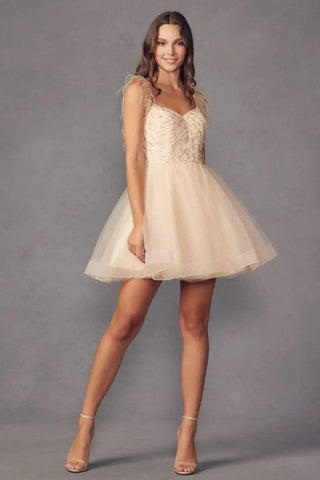
What should I consider when choosing Dama Dresses?
Start with the event, dress code, venue, and time of day. Then compare each Dama style by length, silhouette, neckline, sleeve shape, fabric, and embellishment to find the right level of formality.
How can I prepare a Dama dress for a special event?
Confirm the fit and product details early, then complete the outfit with suitable shoes, jewelry, a bag, and any needed outer layer. Allow time for alterations when the event date is fixed.

Follow us


