


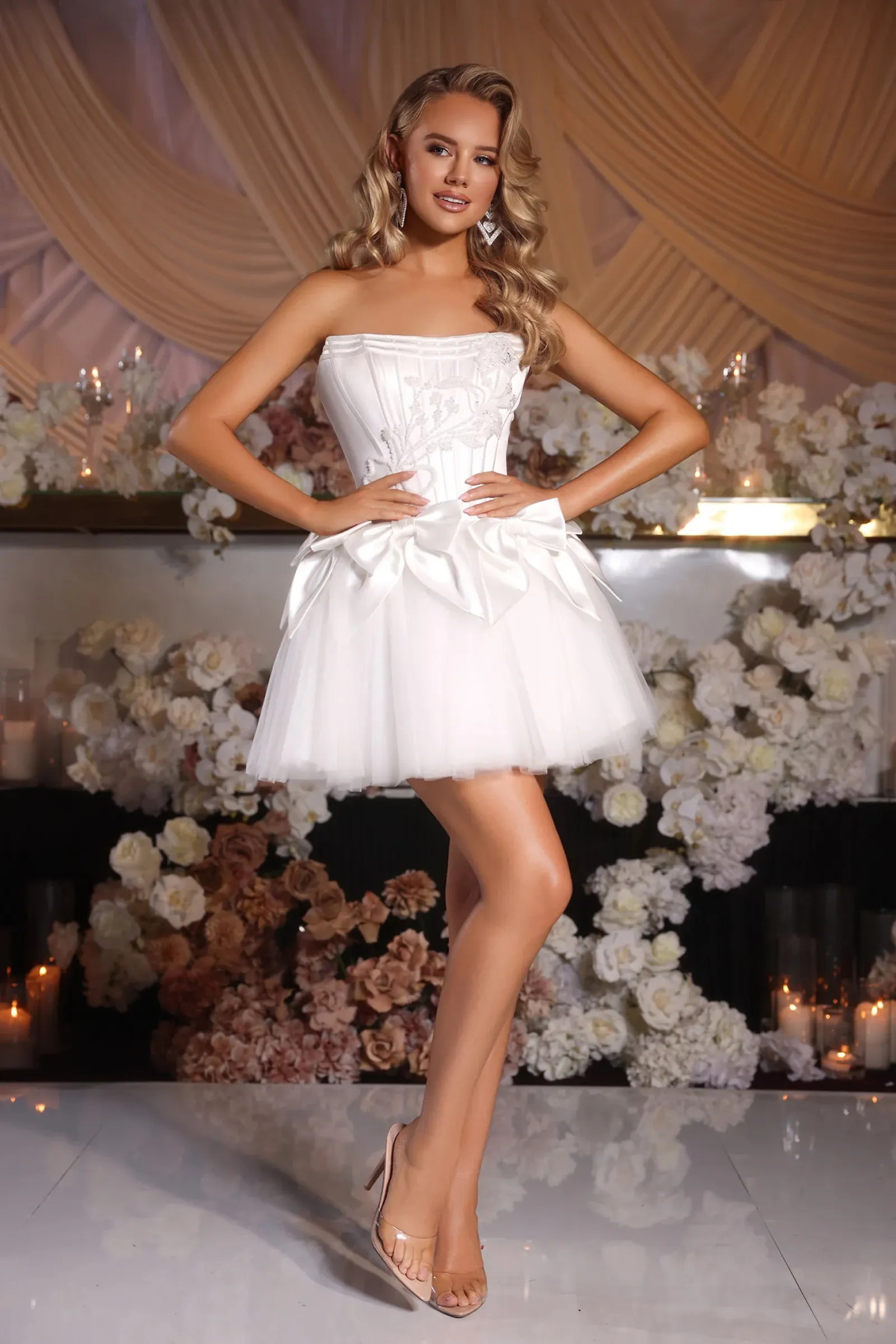
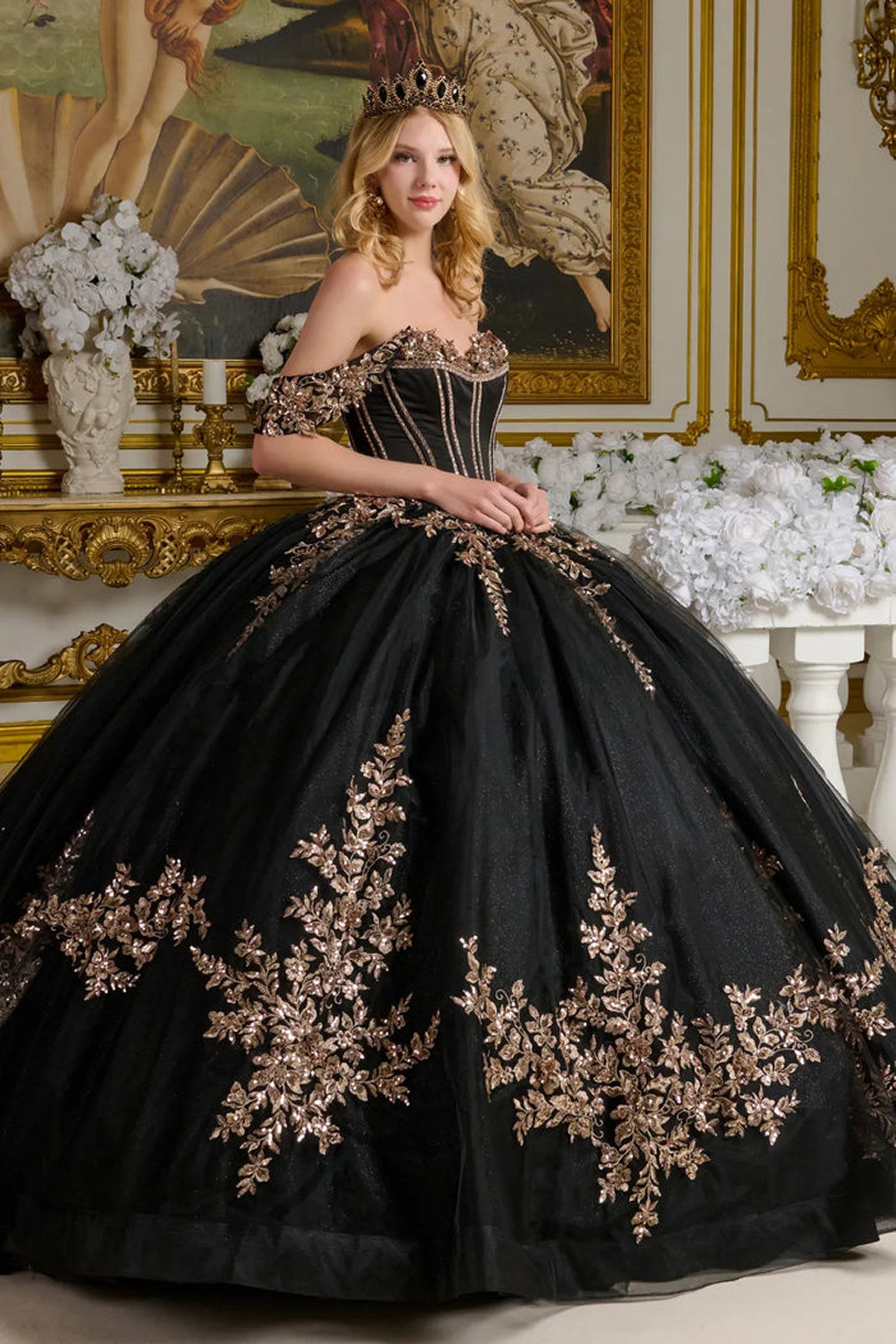

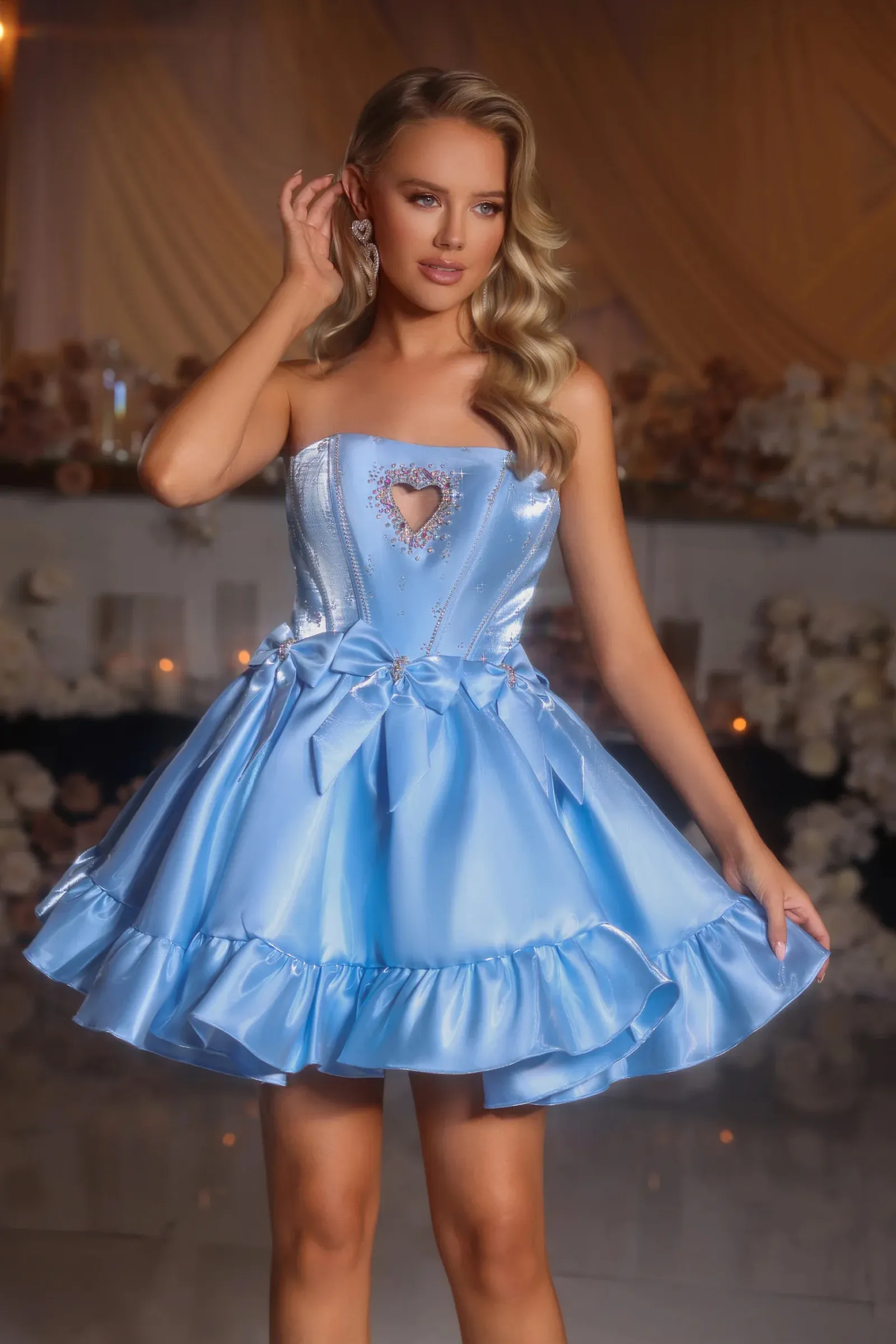
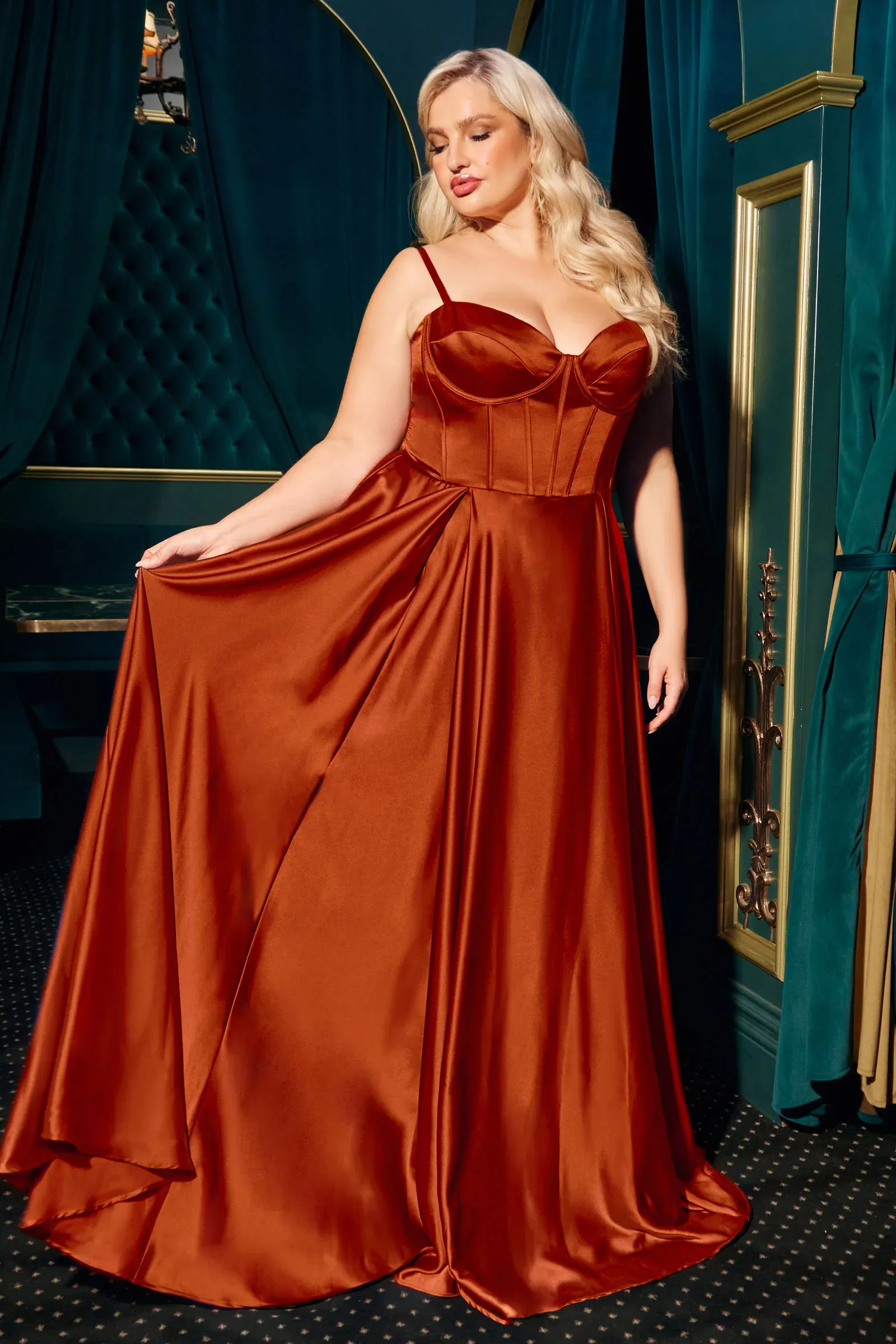
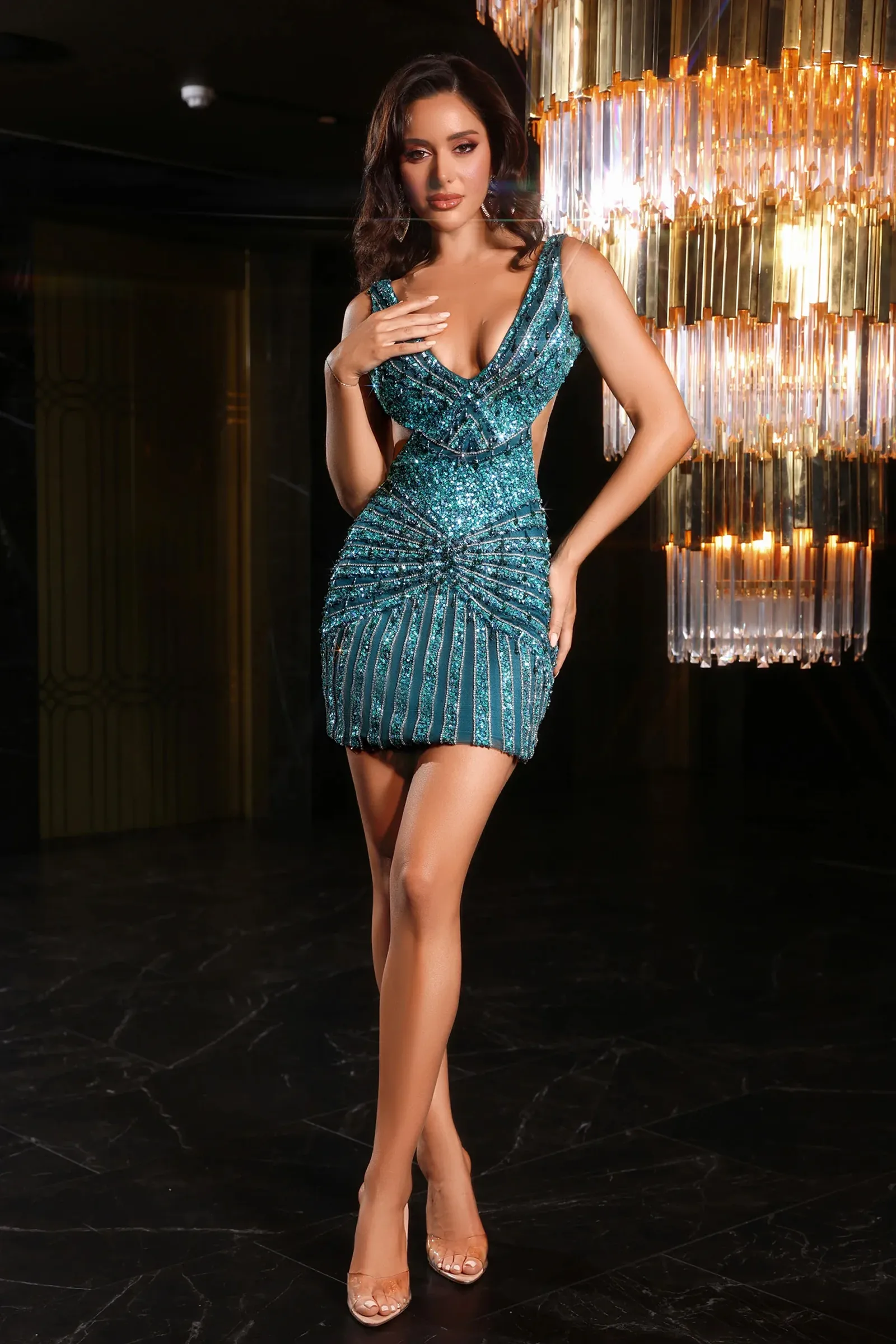
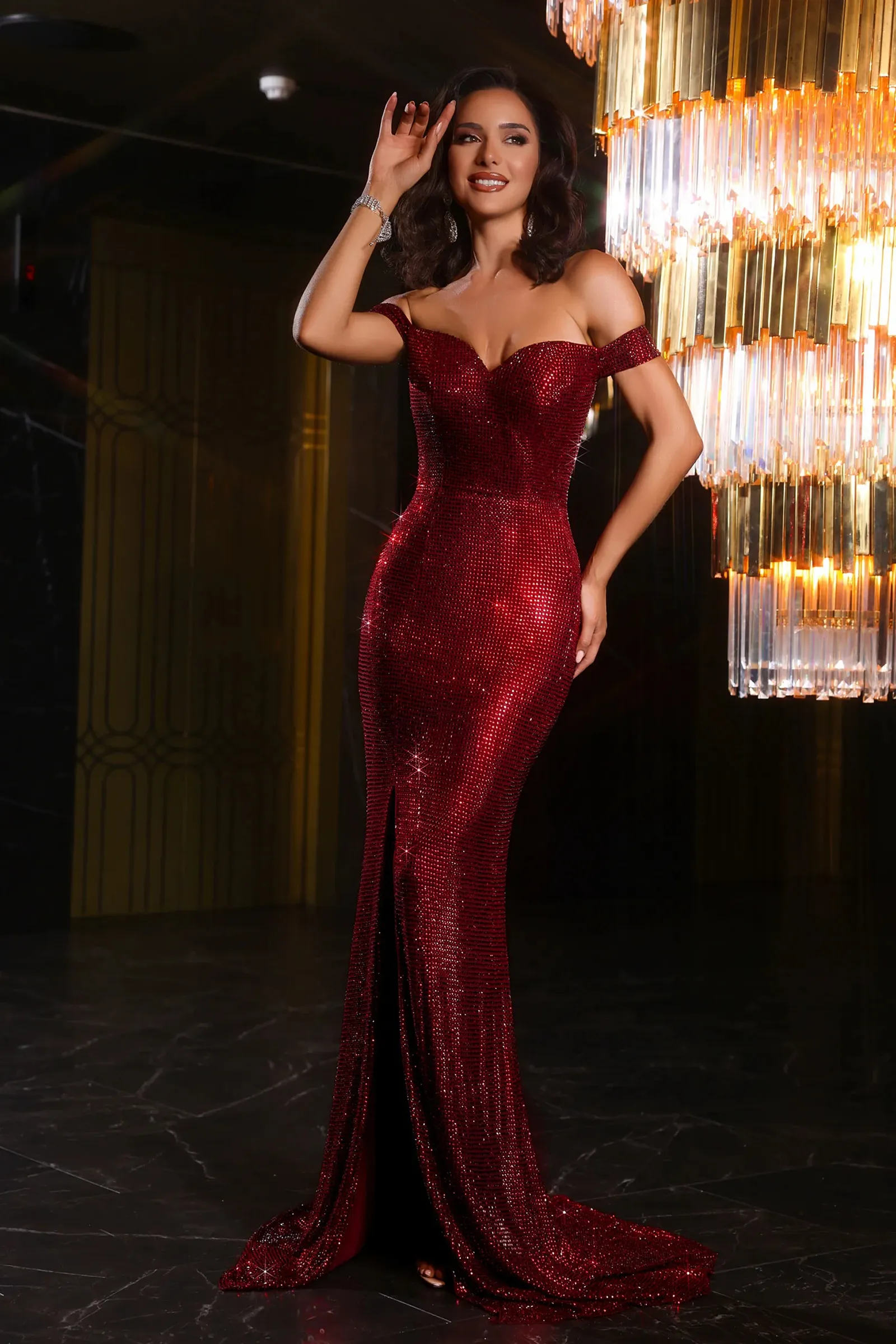
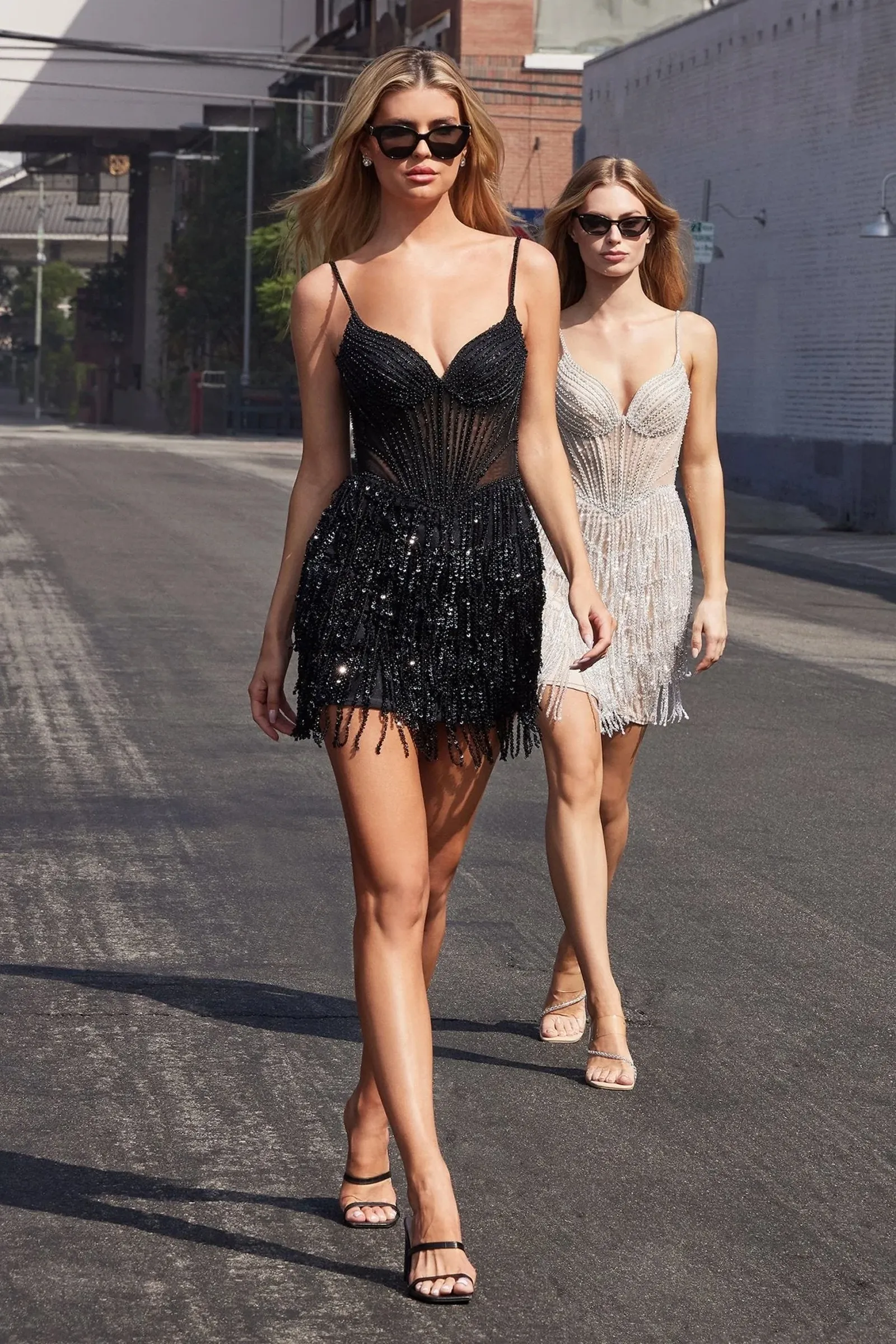
Black Dama Dresses


Black dama dresses are the easiest court decision you can make. They suit every celebrant color, flatter a group of different body types, hide the spills of a long night, and need no shade matching between one dress and the next. There’s one catch worth knowing about, and it has to do with how a black court behaves in photographs once the lights go down.
Why a Court Works in Black Dama Dresses
What Makes Black the Default Choice
Plenty of families land here after trying to coordinate a color, and for good reasons.
- It works beside any celebrant gown, whatever shade she picks, which is why searches for black dama dresses for quinceanera courts stay steady all year
- It suits every complexion without the testing a pale color needs
- Marks, spills and creases barely show across an evening
- The girls will wear it again, since a simple black formal dress fits almost any occasion
- Nobody has to match dye lots across separate orders
That last point is the practical one. A pink or gold court lives or dies on matching, while black lets each dama order on her own schedule.
Not All Blacks Match
Black isn’t quite as forgiving as it first appears, and the differences come from two places.
Fabric is the first. A satin black, a crepe black and a velvet black look like three shades in the same photograph, because each one handles light differently. Satin reads lightest, velvet deepest.
Age is the second. A dress that has been worn and washed sits slightly faded beside a new one, which shows up immediately in a lineup. If someone plans to wear a dress she already owns, compare it against a new one in daylight before you agree to it.
Settle the fabric for the group and let the silhouettes vary. That’s the opposite of how a color court works, and it’s the right call here.
A Black Court in a Dark Room
This is the thing to plan for. Black absorbs light, and a court in black can vanish into a dim reception hall or a night-time photo.
What that looks like in practice: six girls reduced to six faces and pairs of hands, with no visible dress shape between them.
Ways to keep the court visible:
- Choose fabric with a little sheen rather than a flat matte
- Ask the photographer to light the group, not just the celebrant
- Take the formal court photos in daylight or in a well-lit room, before the party dims
- Give each dress some definition, through beading, a belt or a defined waist
An accent color helps too, which the section below covers.
Necklines and Hem Length Across the Court
 Black hides a great deal, though it shows the line of a dress plainly, so the cut is what people notice.
Settle two things as a group and leave the rest open:
- One hem length, since black makes an uneven lineup obvious in photos
- Whether shoulders are covered, which matters if the Mass is in a church with guidelines
After that, let each girl choose her neckline. A sweetheart, a halter and a one-shoulder dress in the same black fabric photograph as one court, and every girl gets something she’s comfortable standing in all evening.
Fabric and Finish for a Group
Black shows construction more than color, so the cut matters more here than on a bright court.
Satin and crepe both photograph cleanly and hold a shape. Chiffon moves well but can look thin in photos if the dress is unlined. Velvet looks rich for a winter party, though it’s warm and it collects lint faster than anything else on this list.
Lining is worth asking about on cheaper styles. A thin, unlined black dress can look grey where it stretches, which is the one way a black dress gives away its price.
One more practical note: black collects lint, hair and loose glitter from decorations faster than any other color. A lint roller in someone’s bag handles the whole court.
Pairing With the Celebrant’s Gown
Black is a genuine neutral, so almost everything works. Some combinations are particularly strong.
- Red, fuchsia and royal blue gowns, where black makes the color look richer
- White and ivory gowns, for the sharpest contrast in the room
- Gold and silver gowns, since black is the background metallics read most clearly against
- Black gowns, in which case give her the beading, the volume and the train, and keep the court plain. Gowns from Black and Silver Quinceanera Dresses carry enough shine to lead a plain black court
Where to think twice: a navy gown. Navy and black sit close enough in low light to look like a mismatch rather than a choice, so Navy Blue Dama Dresses or a clear contrast serve better there.
The Chambelanes Sort Themselves Out
One underrated advantage. A black court means the escorts need no coordination work at all.
Black suits, black ties and black shoes line up with the damas automatically, and nobody has to hunt for a vest in a specific shade. If you want a touch of color, put it in their ties or pocket squares to match the celebrant’s accent rather than the dresses.
That saves real time when the court is large and the boys are renting.
Accents That Lift a Black Court
Black takes an accent better than any other court color, and this is where the celebration’s palette shows up.
- Sashes or belts in her accent shade, identical across every dress
- Matching jewelry in one metal, with gold warming the group and silver keeping it crisp
- Bouquets with real color, since white flowers against black read as the strongest contrast in any photo
- Shoes in one agreed color, usually black or metallic rather than nude
Keep the accent to one or two places. Black with four accent colors stops looking deliberate.
If the court would rather carry the color than the celebrant, White Dama Dresses and Burgundy Dama Dresses are the two that most often replace black in a lineup.
What to Agree With the Group
Even an easy court benefits from a few fixed decisions.
- One hem length, since black shows an uneven lineup clearly
- One fabric, as covered above
- A heel height range, so the group stands evenly in photos
- Whether anyone is wearing a dress she already owns, and whether its black still matches
For the celebrant’s side of the palette, see how these sit against Black and Gold Quinceanera Dresses or the full Quinceanera Dresses range, then finish the court’s look with Quinceanera Accessories.
FAQ
These are common shopper questions and were not taken from a live search results page.
Is black appropriate for a quinceañera court?
It’s one of the most common court colors and reads formal rather than somber, particularly with an accent color in the sashes or bouquets. If relatives have reservations, show them a photo of the full group rather than the dresses alone.
Can the damas wear black if the celebrant is also in black?
Yes, and it photographs well as long as her gown is clearly the most elaborate. Give her the volume, the beading and any train, and keep the court’s dresses simple.
Do all the black dresses need to be the same style?
Not at all, and that’s the advantage of this color. Agree on the fabric and the hem length, then let each girl pick a silhouette that suits her.
What color flowers should a black court carry?
Anything with real color, since white and bright blooms both stand out sharply. Dark flowers against black dresses disappear completely in photographs.
Will black be too warm for a summer party?
Outdoors in direct sun, yes. Lighter fabrics like chiffon and crepe help, and scheduling the group photos for early morning or late afternoon keeps everyone comfortable.

Follow us


