


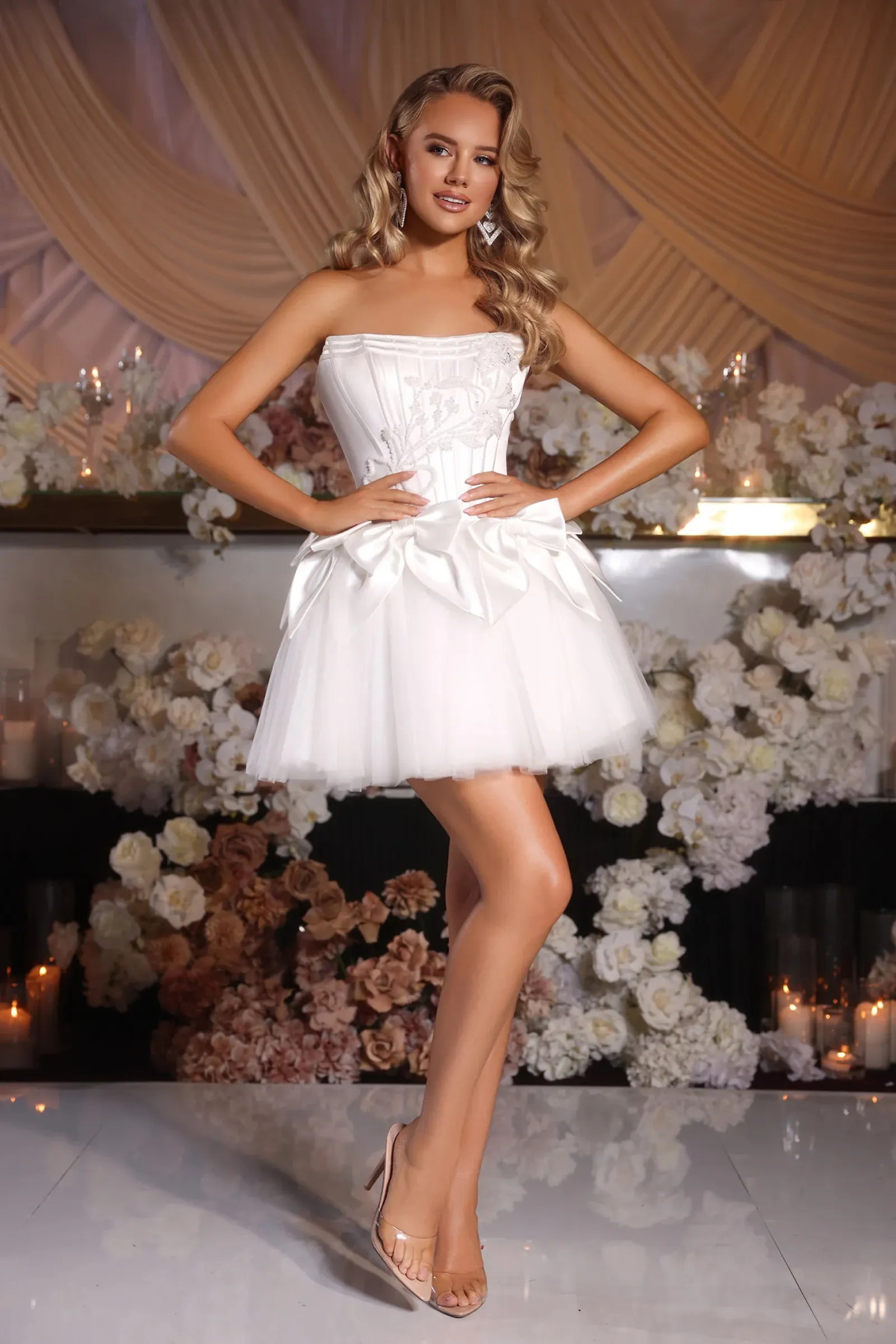
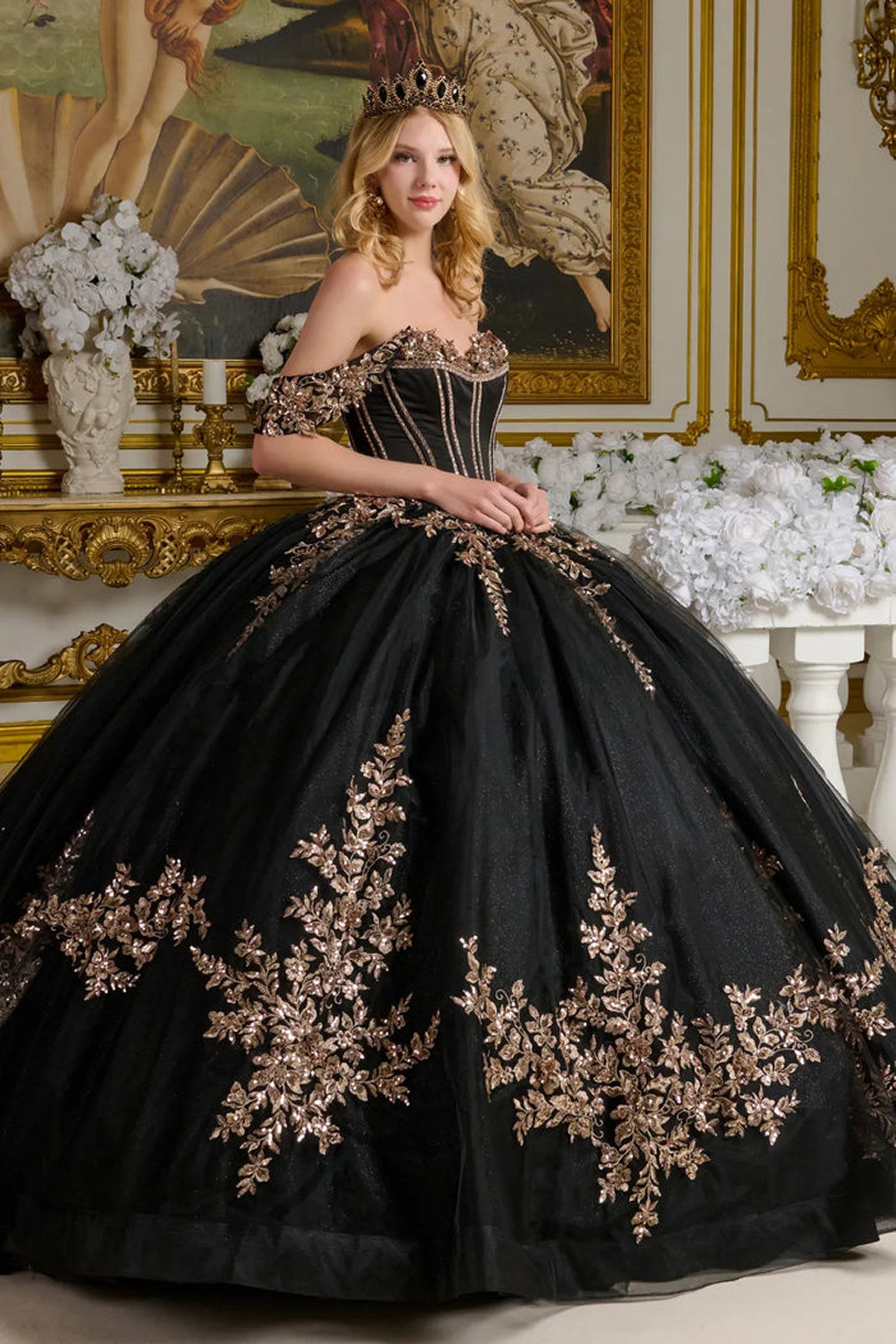

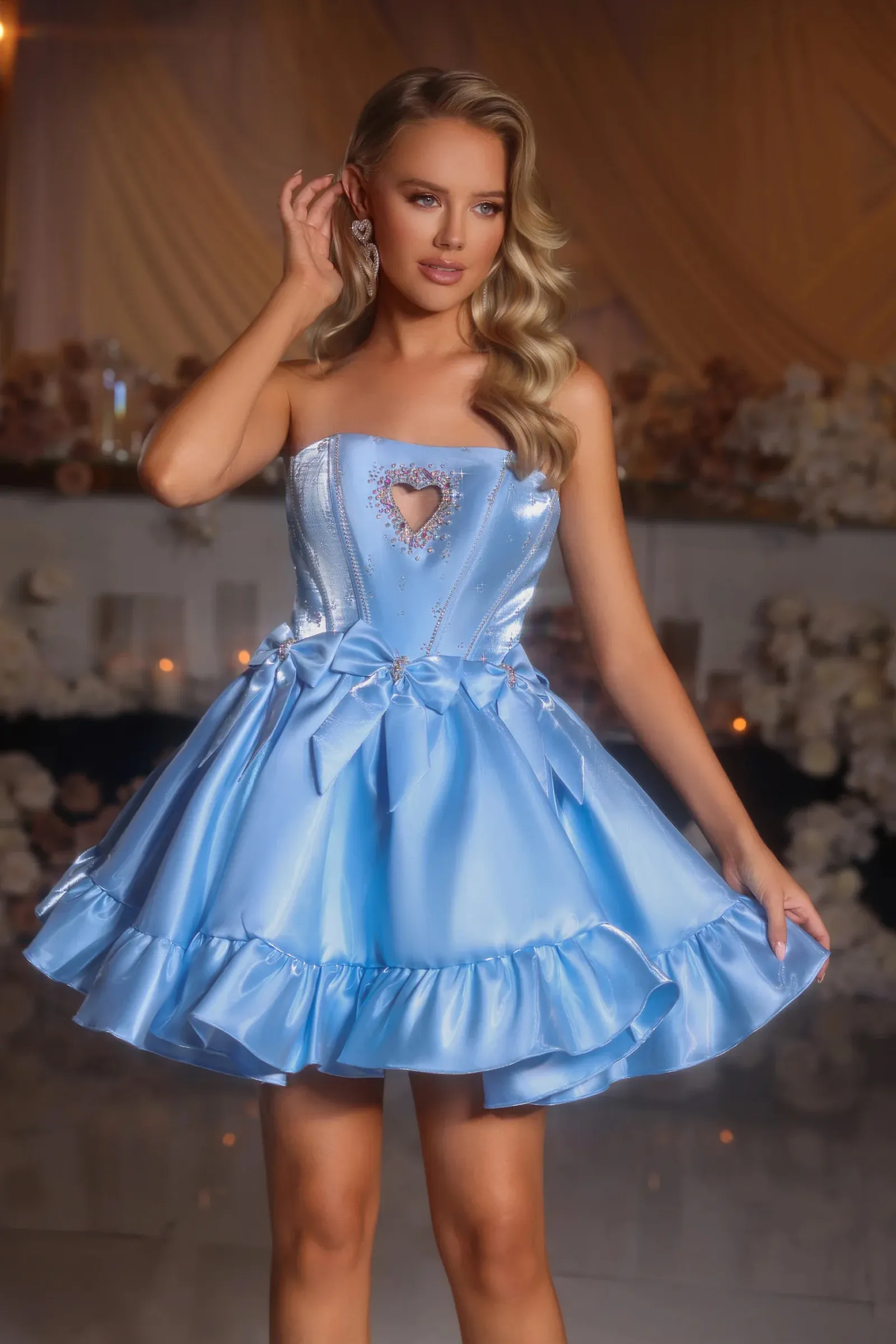
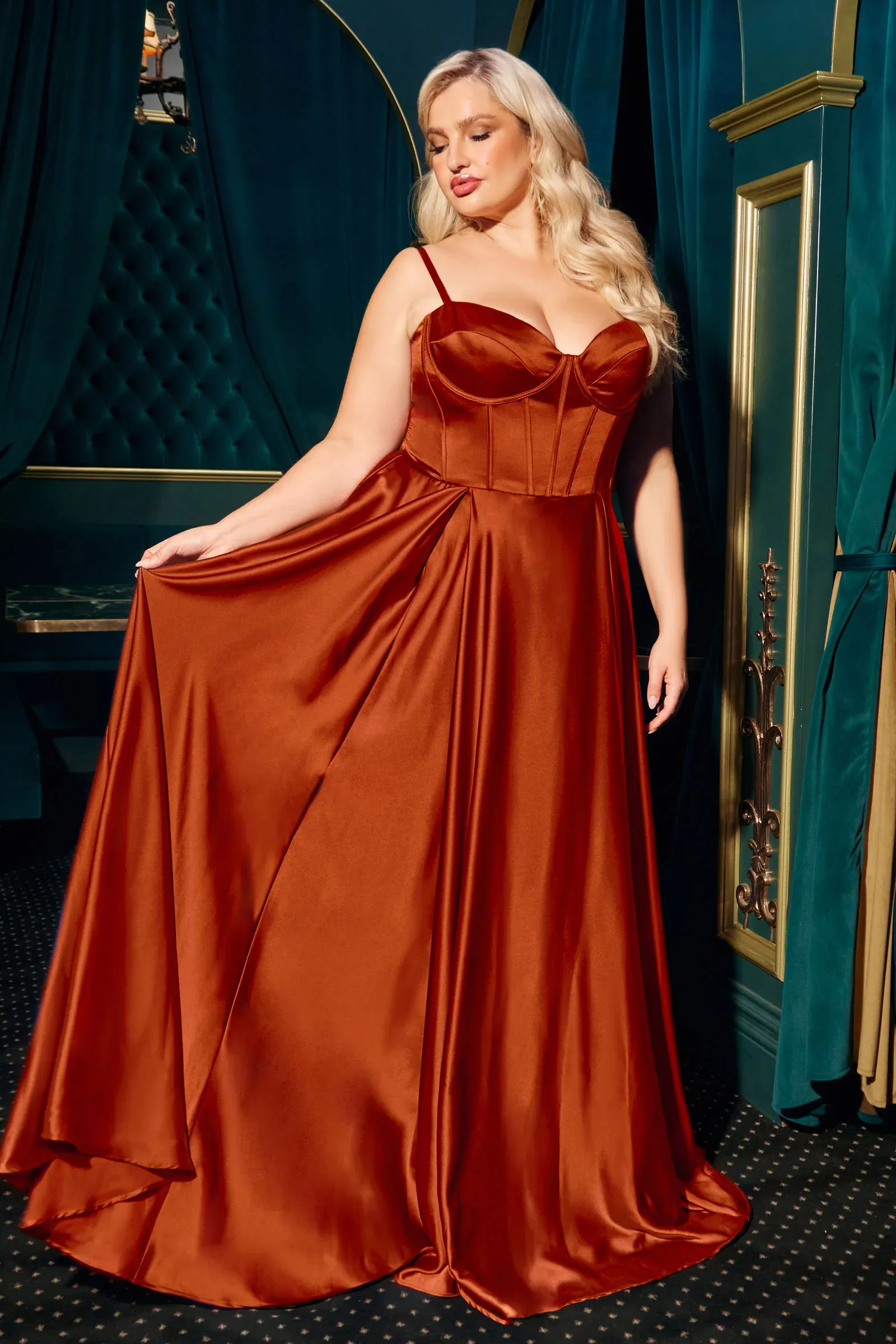
Prom Dresses Under $200


Finding the Right Dress in Prom Dresses Under $200
Prom dresses under $200 are where most people end up, and for good reason. This is the band where lining, boning and better fabric start showing up as standard, without moving into designer pricing. The useful question isn’t what you can get for the money. It’s which single feature you want the budget to go toward, because at this level you can have one properly.
What You Get Here That You Don’t Below
The jump from the lowest price band shows up in construction rather than looks.
Commonly included at this level:
- A full lining, which changes how a dress feels across a long evening
- Boning or a structured bodice, so the top stays where you put it
- Heavier satin or multiple tulle layers, which hold their shape instead of clinging
- A better zip, or a lace-up back with proper eyelets
- A wider size range, including more at both ends
The visible difference is subtle. The wearing difference is not, especially once you’ve been sitting at a table for an hour.
Pick One Feature to Spend On
This is the most useful way to shop this band, because you can have one strong element without stretching the budget.
Choose one:
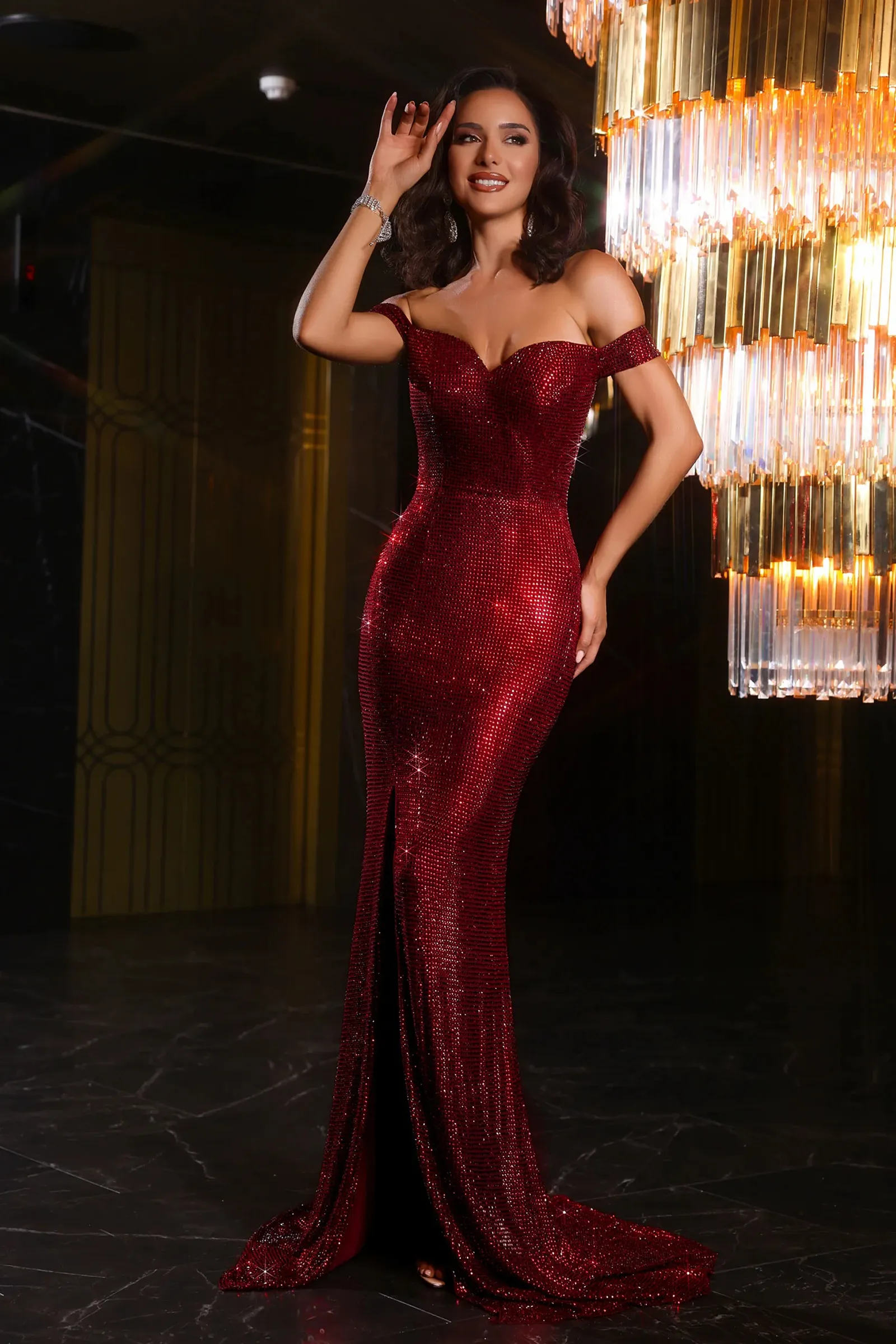
- A dramatic silhouette, like a fitted mermaid or a very full skirt
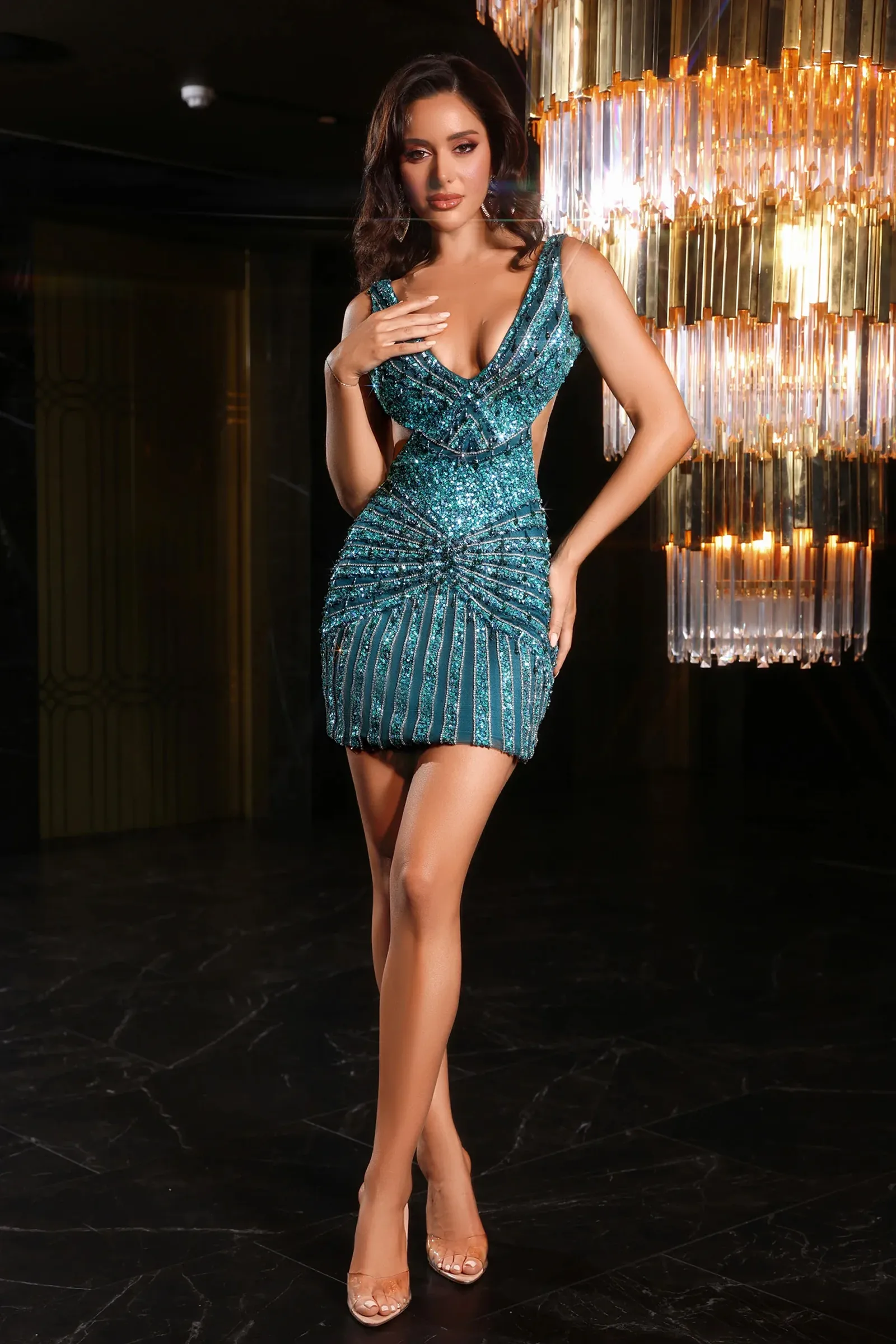
- Dense sequins or beading, covering the whole dress rather than just the bodice
- A slit or an open back, which reads expensive because of the tailoring it needs
- Luxe fabric, meaning heavy satin or layered tulle with real body
- A dramatic silhouette, like a fitted mermaid or a very full skirt
- A slit or an open back, which reads expensive because of the tailoring it needs
Trying to have all four at this price is where dresses start looking busy rather than expensive. A fitted satin dress with one strong detail photographs better than a dress attempting everything.
For the sequin-led version, Sequin Prom Dresses show what full coverage looks like, and Prom Dresses with Slit cover the tailoring-led option.
Fit Beats Decoration Every Time
If you take one thing from this page, make it this.
At this budget you have the choice between a well-fitting dress with modest decoration and a heavily decorated dress that fits approximately. The first one looks more expensive in every photograph.
What to prioritise, in order:
- The bust and bodice, which is where fit problems are most visible
- The waist position, since a seam sitting in the wrong place can’t be hidden
- The hem length with your actual shoes
- Everything else
A dress that needs taking in slightly is fine. A dress you’re hoping to grow into, or hoping will hold itself up, is not.
Where Separates Stretch the Money
Two-piece styles are worth a look in this band specifically.
A top and skirt sold together often costs less than a single gown with the same fabric and detail, because the construction is simpler. They also fit people whose top and bottom measurements sit in different sizes, which saves an alteration.
The trade-off is that the waist gap shows if the fit isn’t right, and they read a little less formal than a single gown. Two Piece Prom Dresses are where to compare them.
Timing Inside the Prom Season
Stock behaves predictably through the year, and knowing that is worth money.
Early in the season the full range is available and nothing is discounted. Through the main stretch the popular sizes thin out while new styles keep arriving. Late in the season what’s left is heavily picked over, and discounts appear on what nobody chose.
So early buying gets you choice, and late buying gets you price with much less choice. If your prom is late in the spring, ordering before the rush gives you both the range and time for alterations.
Prom Dresses on Sale is where reduced higher-priced stock turns up, and that’s often the strongest use of a $200 budget, since a discounted dress from a higher band brings its construction with it.
Build the Alteration Into the Number
A dress at the top of this budget leaves nothing for the tailor, which is worth planning for in advance.
Work it out like this: decide your total, set aside an amount for taking in the bodice or adjusting the hem, and shop below what’s left. On a structured dress a simple take-in is a modest job, and it’s the difference between a dress that fits and one that nearly does.
If the dress has a corset or lace-up back, that money can go elsewhere. Corset Prom Dresses adjust without a seamstress, which is a genuine saving at this level.
Dark Colors Hide What Pale Ones Don’t
Something that genuinely affects value at this price, whatever the dress costs.
Pale fabrics show construction. A blush or ivory dress reveals every seam, every shadow and every slight unevenness in the lining, because light passes through and bounces around it. A navy, burgundy or black dress in the same fabric at the same price hides all of that.
Pale fabrics show construction. A blush or ivory dress reveals every seam, every shadow and every slight unevenness in the lining, because light passes through and bounces around it. A dress from Navy Blue Prom Dresses, Burgundy Prom Dresses or Black Prom Dresses in the same fabric at the same price hides all of that.
That’s not a reason to avoid pale colors. It’s a reason to spend the budget on the lining rather than the decoration when you choose one, and Pastel Prom Dresses are where to apply that test.
So at a fixed budget, a dark color usually looks more expensive than a pale one.
If a pale shade is what you want, look for:
- A full lining rather than a single layer
- Heavier fabric that doesn’t go translucent in a photo flash
- Some beading or texture, which breaks up the surface
That’s not a reason to avoid pale colors. It’s a reason to spend the budget on the lining rather than the decoration when you choose one.
Fabric Is Where the Money Shows
At this price you can be choosy about what the dress is made of, so it’s worth knowing what each one does.
 Heavy satin holds a sharp line and photographs expensive, though it creases and shows every mark. Layered tulle gives volume and hides a lot, and it recovers from a long night better than satin. Lace adds texture and reads detailed without needing sparkle. Chiffon is the lightest and the most comfortable in a warm venue.
Compare Tulle Prom Dresses and Lace Prom Dresses for the two most different approaches, and look for a close-up photograph either way.
When to Go Up or Down a Band
Honest guidance on both directions.
Stay below this band if you want a shorter dress, a simple silhouette, or you’d rather spend the money on shoes, hair and tickets. Prom Dresses Under $100 covers that end properly.
Move up if you want heavy beadwork, a long train or a hand-finished bodice, since those are where the next band earns its price. Prom Dresses Under $300 is the comparison, and the full Prom Dresses range shows the whole spread.
Prom Dresses Under $300 is the comparison, Prom Dresses Under $400 is the step after that, and the full Prom Dresses range shows the whole spread.
FAQ
Is $200 enough for a prom dress?
It’s comfortably enough, and it’s where lining and structure become standard. Pick one feature to spend on rather than trying to get everything into the budget.
What’s the difference between a $100 and a $200 dress?
Mostly the lining, the boning and the fabric weight. The looks can be similar, while the way the dress feels through a whole evening is not.
Should I buy a sale dress from a higher price band instead?
Often yes. A reduced dress from a higher band brings its construction with it, which is usually better value than a full-price dress at the same number.
Do I need to budget for alterations?
Set some aside unless the dress has a lace-up back. A simple take-in at the bodice is the most common job and the one most worth paying for.
Are two-piece dresses cheaper than gowns?
Usually, since they’re simpler to construct. They also suit anyone whose top and bottom measurements fall in different sizes, which saves an alteration.

Follow us


