



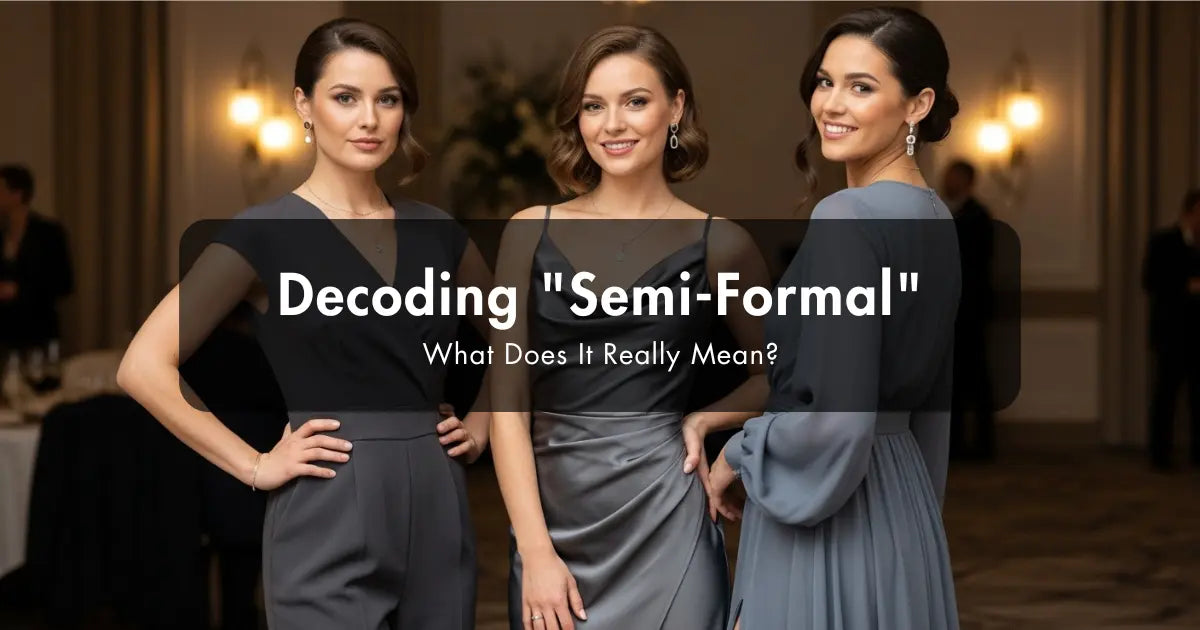
Decoding "Semi-Formal": What Does It Really Mean?
Semi-formal is a dress code for women that falls between casual and formal attire. It means dressing polished and elegant without wearing a full-length gown or overly formal outfit. Many women feel confused when they see “semi-formal” on an invitation because the rules are not always clearly explained.
Common questions include whether a short dress is acceptable, if long dresses are allowed, or how dressed up is too dressed up. Semi-formal outfits offer flexibility, allowing women to choose knee-length, midi, or simple long dresses styled with refined accessories.
In this guide, we explain what semi-formal dresses really means for women, what to wear, what to avoid, and how to choose the right outfit with confidence for any semi-formal event.
What Does Semi-Formal Mean for Women?
Semi-formal attire for women is polished, refined, and elegant without being overly extravagant. It is more dressed up than everyday wear but less structured than black-tie or full formal outfits. The goal is to look put-together, stylish, and appropriate for the event.
Semi-formal outfits usually include dresses, dressy separates, or tailored pieces that feel intentional rather than casual. Fabrics, fit, and styling matter just as much as the outfit itself.
Understanding semi-formal is less about strict rules and more about balance looking elegant without appearing overdressed.

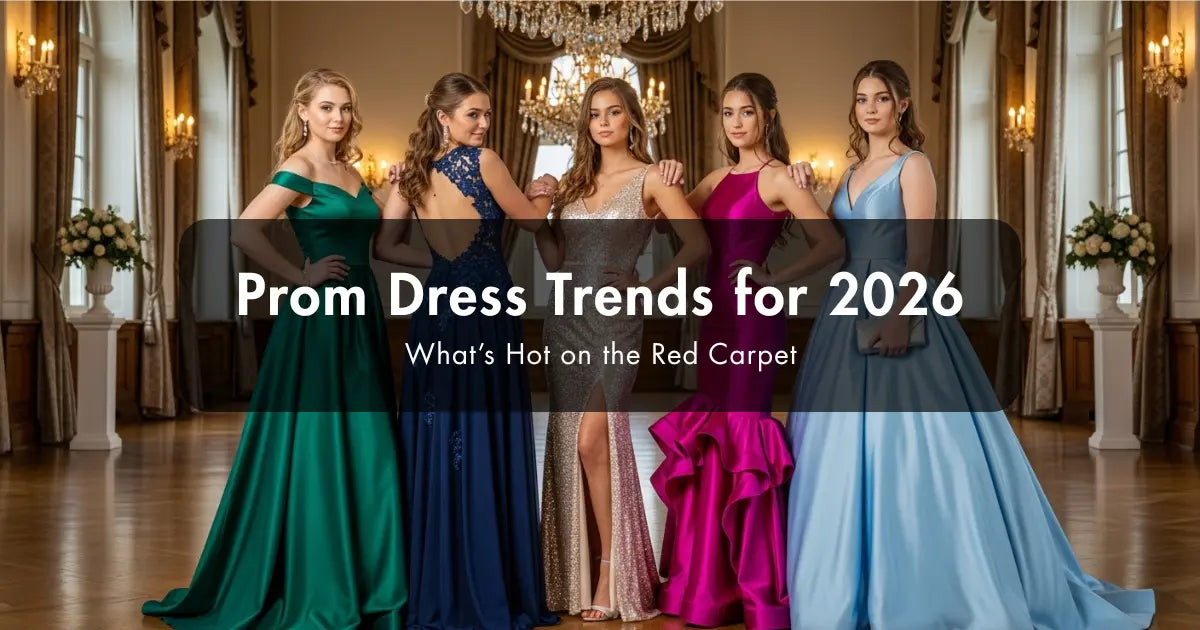
Read More: Prom Dress Trends for 2026
When Is Semi-Formal Dress Code Commonly Used?
Semi-formal dress codes are popular for many women’s events because they offer versatility. You’ll often see this dress code for:
- Evening parties
- Cocktail events
- Engagement parties
- Wedding receptions
- Work dinners or professional gatherings
- Holiday celebrations
The time of day, location, and purpose of the event also influence how semi-formal should be styled. Evening events usually lean dressier, while daytime semi-formal events may feel lighter and softer.
Semi-Formal vs Formal: What’s the Difference?
Many women confuse semi-formal with formal, but there are clear differences.
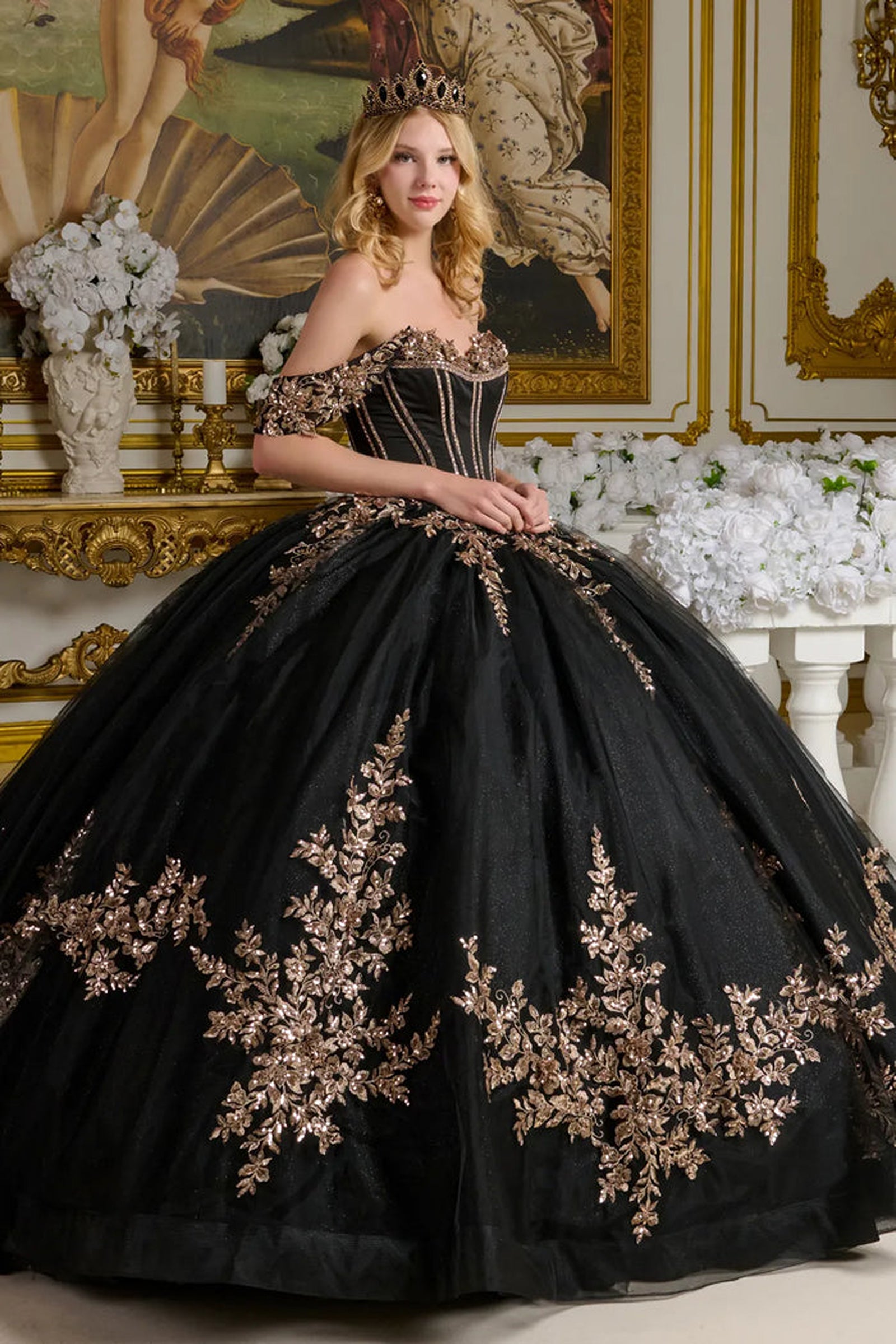
Formal attire usually includes long gowns, heavily structured silhouettes, luxurious fabrics, and statement accessories. Semi-formal attire is simpler, lighter, and easier to wear while still looking elegant.
A semi-formal outfit focuses more on comfort and versatility, allowing shorter dresses, subtle designs, and modern styling. You don’t need dramatic embellishments or floor-length gowns to look appropriate at a semi-formal event.
Dresses That Work Best for Semi-Formal Events
Dresses are the most popular choice for women attending semi-formal occasions. The key is choosing a style that feels elegant but not overwhelming.
Knee-length and midi dresses are especially popular because they strike the perfect balance between casual and formal. These lengths are flattering, versatile, and suitable for many event types.
A-line dresses, wrap dresses, sheath dresses, and fit-and-flare styles work well for semi-formal settings. These silhouettes offer structure without feeling too rigid.
Types of Semi-Formal Dresses for Women
Semi-formal dresses come in a variety of styles, allowing women to choose designs that suit their body type, comfort level, and the occasion. While the dress code is flexible, certain silhouettes are more commonly accepted as semi-formal and work well across different events.
Understanding these dress types makes it easier to shop confidently and select an outfit that feels appropriate without overthinking.
A-Line Semi-Formal Dresses
A-line dresses are one of the most popular choices for semi-formal occasions. They are fitted at the top and gradually flare out, creating a balanced and flattering shape. This style works well for both daytime and evening events.
A-line semi-formal dresses are often made from satin, chiffon, or crepe, giving them a polished look without being too structured. They are ideal for women who want comfort, movement, and timeless elegance.
Sheath Semi-Formal Dresses
Sheath dresses offer a sleek and tailored appearance, making them suitable for more refined or professional semi-formal settings. These dresses follow the natural shape of the body without excessive volume.
In semi-formal fashion, sheath dresses usually feature clean lines, minimal embellishments, and soft fabrics. They are a great choice for work dinners, cocktail events, or evening gatherings where a modern, polished look is preferred.
Wrap Semi-Formal Dresses
Wrap dresses are known for their versatility and flattering fit. They adjust easily to different body types and create a natural waistline, making them a reliable semi-formal option.
For semi-formal events, wrap dresses are typically crafted from satin, silk blends, or chiffon. Subtle details like ruffles, tie belts, or soft draping add elegance without making the dress feel overly formal.
Midi Semi-Formal Dresses
Midi dresses, which fall between the knee and ankle, are a strong trend in semi-formal women’s fashion. They offer sophistication while remaining comfortable and easy to style.
These dresses work well in both casual and upscale semi-formal environments. When paired with heels or elegant flats, midi semi-formal dresses create a refined yet approachable look.
Fit-and-Flare Semi-Formal Dresses
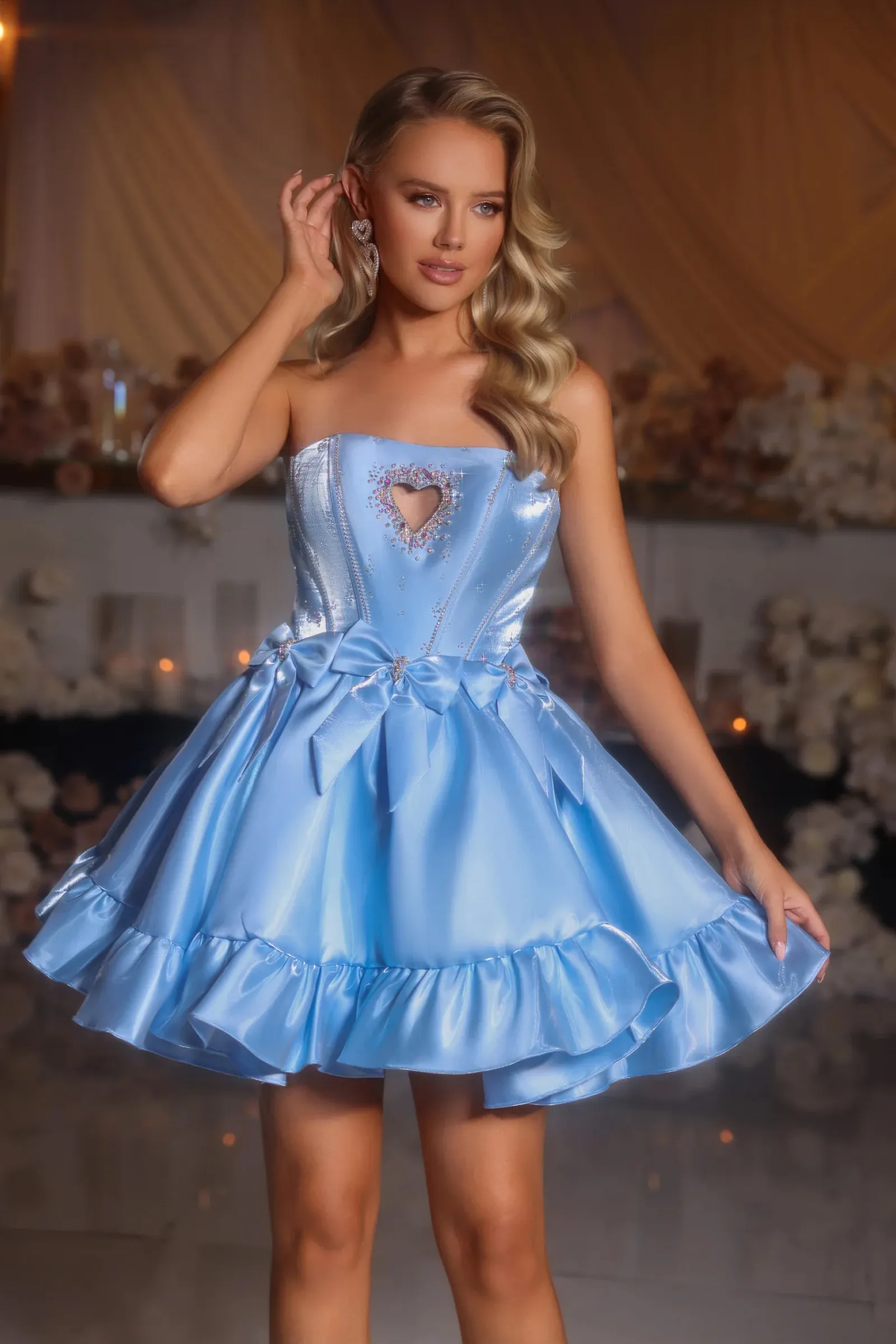
Fit-and-flare dresses feature a fitted bodice and a flared skirt, creating a feminine and balanced silhouette. This style is especially popular for social events like engagement parties and evening celebrations.
In semi-formal settings, fit-and-flare dresses often use smooth fabrics and simple designs. The structured top adds polish, while the flared skirt allows ease of movement and comfort.
Long Semi-Formal Dresses
While not always required, long semi-formal dresses are appropriate for evening events or elegant gatherings. The key is keeping the design simple and understated.
Flowy fabrics, clean silhouettes, and minimal detailing define semi-formal long dresses. They provide an elevated look without crossing into full formal or black-tie territory.
Lace Semi-Formal Dresses
Lace dresses add texture and visual interest to semi-formal outfits. When used subtly, lace creates a refined and feminine appearance suitable for weddings, receptions, and evening parties.
Semi-formal lace dresses often combine lace with satin or chiffon panels to maintain balance. Overly heavy or fully embellished lace designs are better suited for formal events.
Why Knowing Dress Types Matters
Understanding the different types of semi-formal dresses helps women make smarter wardrobe choices. Instead of guessing, you can match the dress style to the event’s tone, time, and setting.
This knowledge also simplifies shopping and reduces the risk of being underdressed or overdressed. When you know which silhouettes qualify as semi-formal, building a versatile and confident wardrobe becomes much easier.
Can You Wear Long Dresses for Semi-Formal Events?
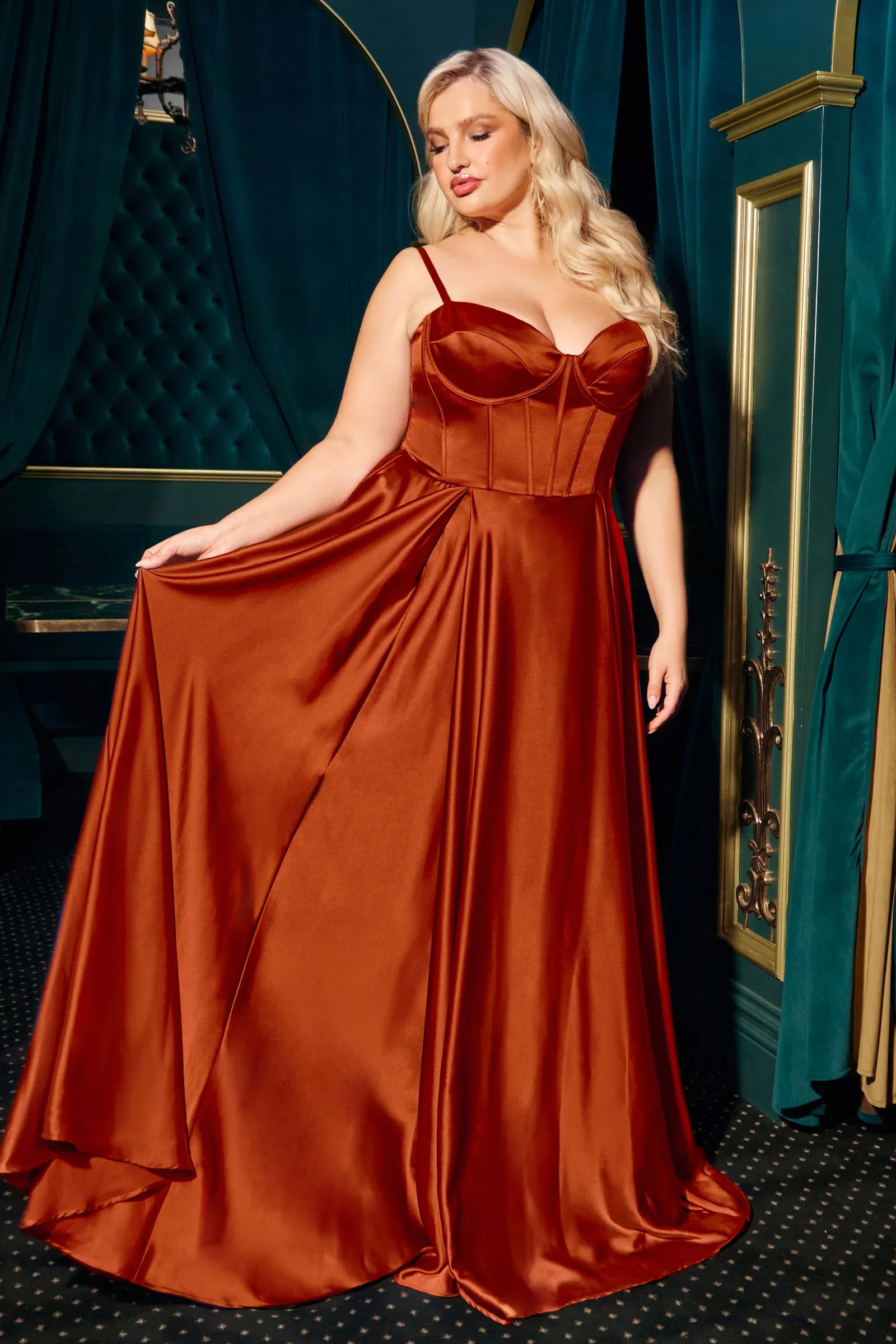
Yes, long dresses can work for semi-formal events, but they should be simple and understated. Unlike full formal gowns, semi-formal long dresses should have clean lines and minimal embellishments.
Flowy fabrics like chiffon, satin, or crepe are ideal. Avoid heavy beading, dramatic trains, or overly glamorous designs, as these lean more toward formal or black-tie attire.
A long semi-formal dress should feel elegant, comfortable, and easy to move in.
Cocktail Dresses and Semi-Formal Wear
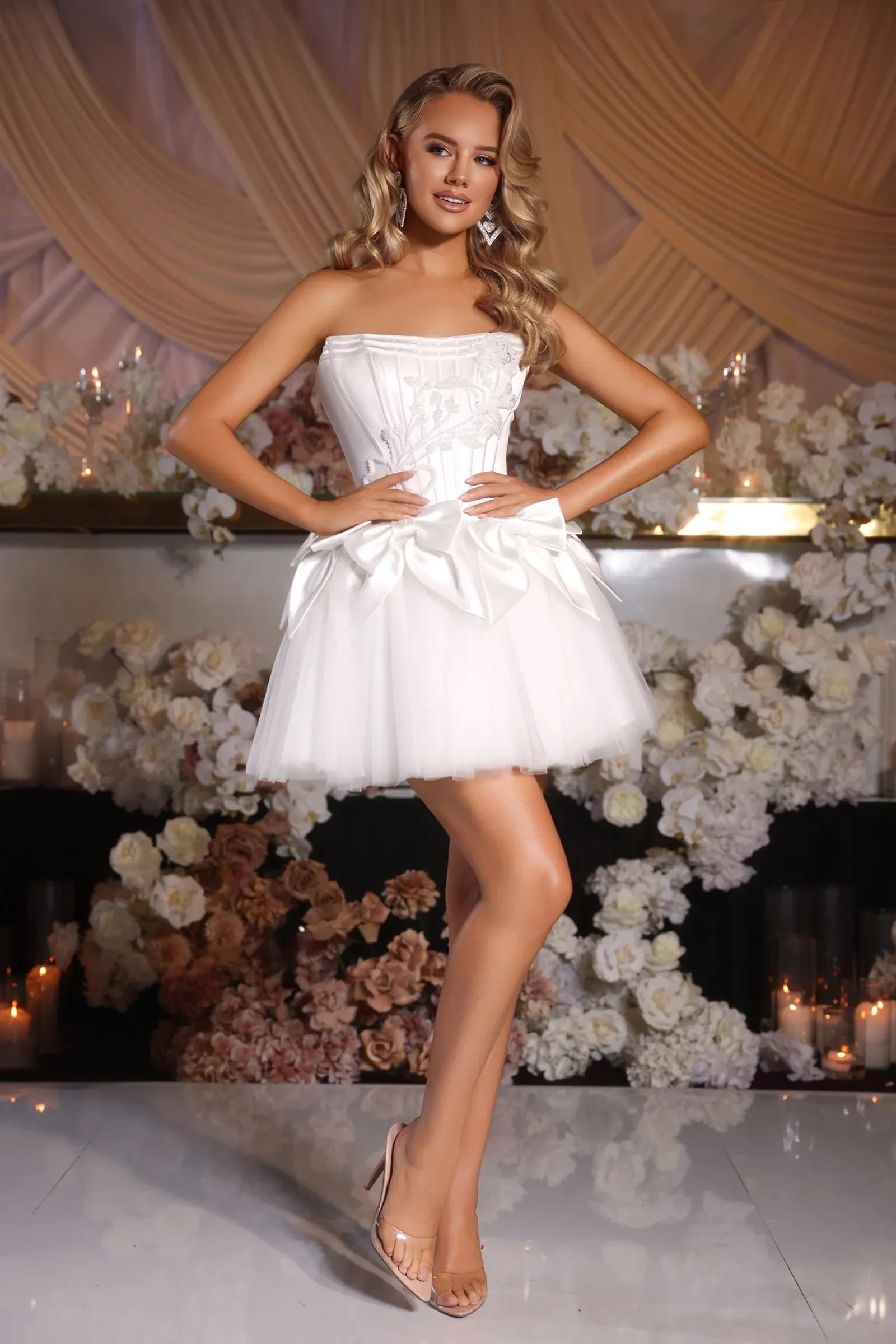
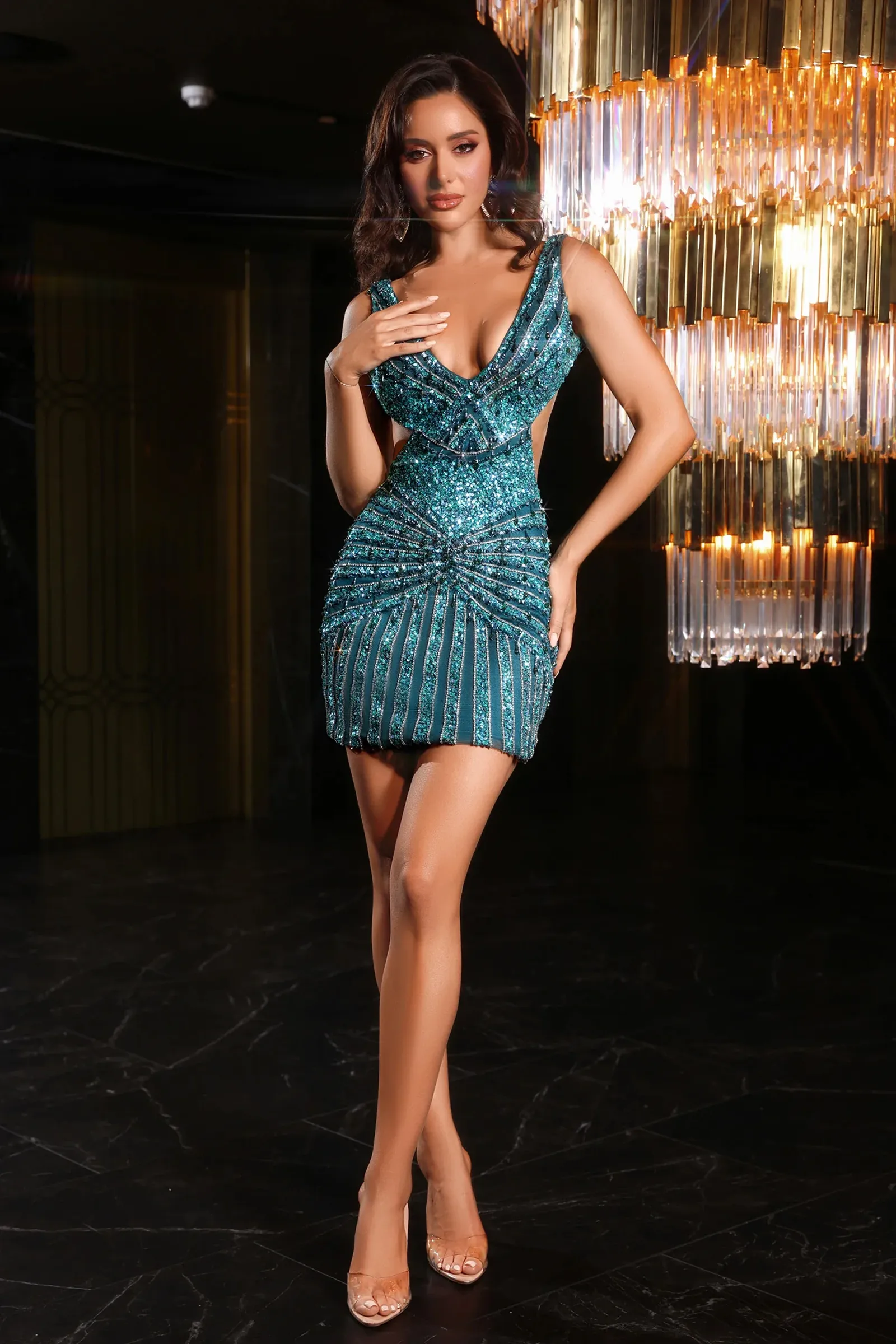
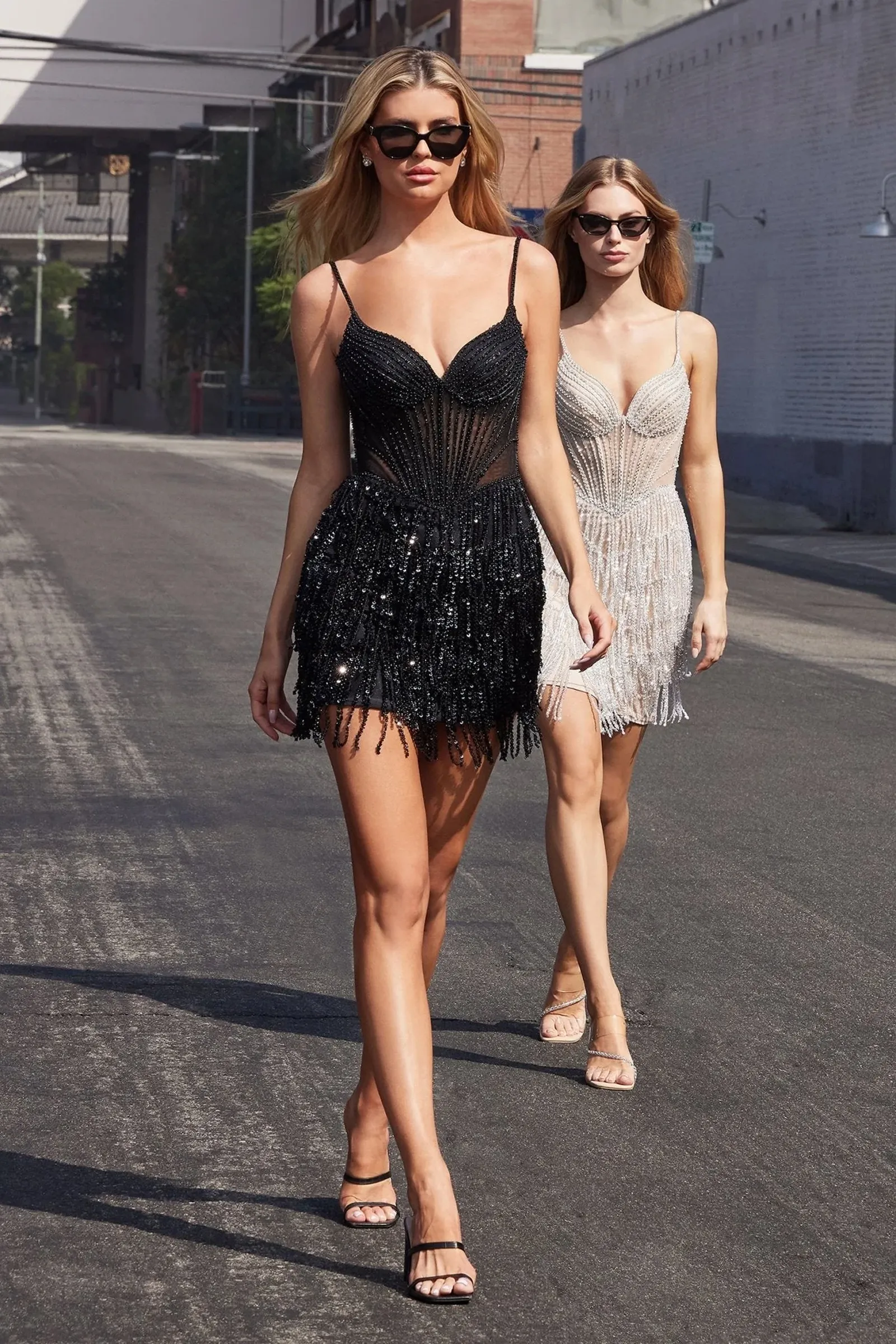
Cocktail dresses are often considered the perfect example of semi-formal attire. These dresses are usually knee-length or slightly above, offering a stylish and modern look.
In women’s semi-formal fashion, cocktail dresses are popular because they work for many occasions. They can be dressed up with heels and accessories or kept minimal for a refined appearance.
Simple details like ruching, subtle lace, or light shimmer can enhance a cocktail dress without making it feel too formal.
Fabrics That Define Semi-Formal Style
Fabric choice plays a major role in determining whether an outfit looks semi-formal. High-quality materials instantly elevate a look.
Popular semi-formal fabrics for women include satin, chiffon, silk blends, crepe, velvet, and soft lace. These materials drape well and create a polished appearance.
Avoid casual fabrics like cotton jersey, denim, or linen, as they make outfits look too relaxed for semi-formal events.
Color Choices for Semi-Formal Women’s Outfits
Color selection is another important factor in semi-formal dressing. Neutral tones are always a safe choice, including black, navy, beige, champagne, and gray.
For women who prefer color, jewel tones like emerald, burgundy, royal blue, and deep purple are excellent semi-formal options. Soft pastels also work well for daytime events.
Bright neon colors or overly busy prints should be avoided, as they often feel too casual or distracting.
Semi-Formal Tops and Dressy Separates
Dresses are not the only option for semi-formal occasions. Dressy separates can also work when styled correctly.
Blouses made from silk, satin, or chiffon paired with tailored trousers or elegant skirts create a refined semi-formal look. Structured blazers can add polish, especially for professional or business-related events.
The key is ensuring that each piece looks intentional and well-fitted.
Shoes That Complete a Semi-Formal Look
Footwear is a critical part of semi-formal dressing for women. Shoes should complement the outfit without overpowering it.
Heels, block heels, pumps, and elegant sandals are popular choices. Closed-toe shoes often feel more polished, while strappy heels work well for evening events.
Avoid casual footwear such as sneakers, flip-flops, or overly chunky platforms.
Accessories: Less Is More
Accessories should enhance a semi-formal outfit, not dominate it. Simple jewelry, such as stud earrings, delicate necklaces, or small bracelets, works best.
A structured clutch or small handbag adds sophistication. Avoid oversized bags or overly flashy accessories that distract from the outfit.
The goal is to look balanced, clean, and elegant.
Hairstyles and Makeup for Semi-Formal Events
Hair and makeup play a supporting role in semi-formal style. Soft waves, sleek ponytails, low buns, or polished straight hair are all appropriate options.
Makeup should be refined and natural-looking, with subtle emphasis on eyes or lips. Heavy contouring or dramatic stage makeup is better suited for formal or evening glamour events.
A neat, well-groomed appearance adds credibility and confidence to any semi-formal outfit.
What Not to Wear to a Semi-Formal Event
Understanding what to avoid is just as important as knowing what to wear.
Casual outfits like jeans, t-shirts, hoodies, and sneakers are not appropriate for semi-formal settings. Overly revealing outfits or extremely tight clothing should also be avoided.
On the other end, avoid heavily embellished gowns, dramatic ball dresses, or outfits that feel like black-tie attire. Semi-formal is about balance, not extremes.
Semi-Formal Dressing for Different Body Types
Semi-formal fashion is inclusive and adaptable. The best outfit is one that fits well and makes you feel confident.
A-line dresses are flattering for most body types, while wrap dresses offer flexibility and comfort. Tailored pieces help create clean lines and structure.
Rather than following trends blindly, focus on fit, fabric quality, and how the outfit makes you feel.
Also Read: What to Wear to a Wedding as a Guest
Why Understanding Semi-Formal Matters
Knowing how to dress semi-formally saves time, reduces stress, and boosts confidence. It ensures you show up looking appropriate, polished, and respectful of the event.
When women understand semi-formal dressing, they make better wardrobe choices and avoid feeling underdressed or overdressed.
This knowledge also helps when shopping, as it becomes easier to identify outfits that match the dress code.

How Semi-Formal Fashion Is Evolving
Modern semi-formal fashion for women is becoming more flexible. Designers are blending comfort with elegance, offering styles that feel wearable yet refined.
Minimalist designs, soft fabrics, and versatile silhouettes are now defining semi-formal wear. This evolution reflects the changing lifestyles and preferences of modern women.
The focus is shifting toward timeless pieces rather than one-time-use outfits.
Finding the Right Semi-Formal Look
Decoding semi-formal attire doesn’t have to be complicated. For women, it simply means dressing with intention, choosing outfits that are elegant, polished, and appropriate for the occasion without going overboard.
By focusing on quality fabrics, flattering fits, and thoughtful styling, you can confidently navigate any semi-formal event. Whether you choose a classic dress, a chic cocktail outfit, or dressy separates, understanding the semi-formal dress code empowers you to make the right fashion decisions.
If you’re exploring curated collections that balance elegance and modern style, trusted destinations like Formal Dress Shops offer a wide range of options designed to meet semi-formal fashion needs with quality and confidence.


Leave a comment
This site is protected by hCaptcha and the hCaptcha Privacy Policy and Terms of Service apply.