



Article: What Is a Ball Gown?
What Is a Ball Gown?
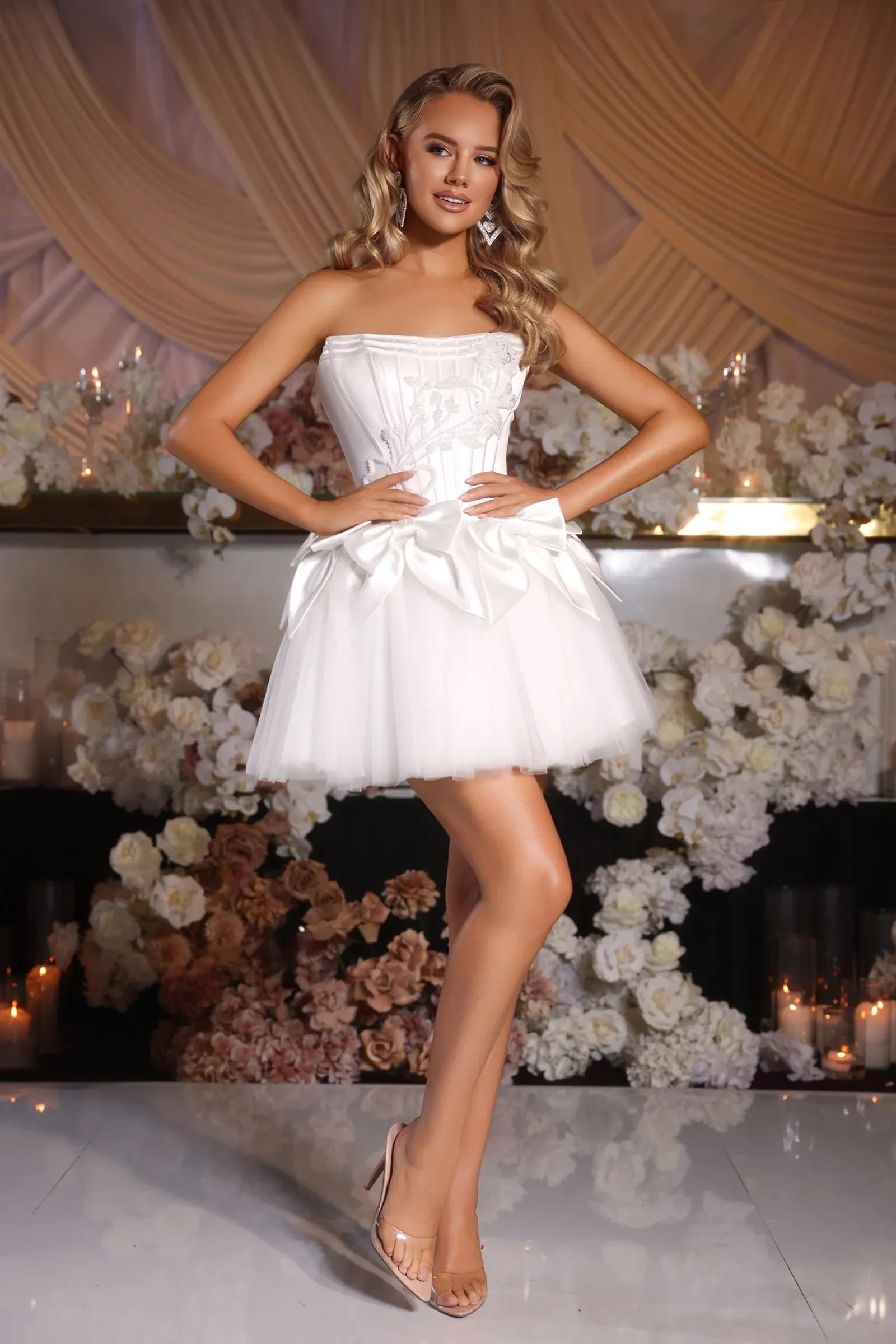
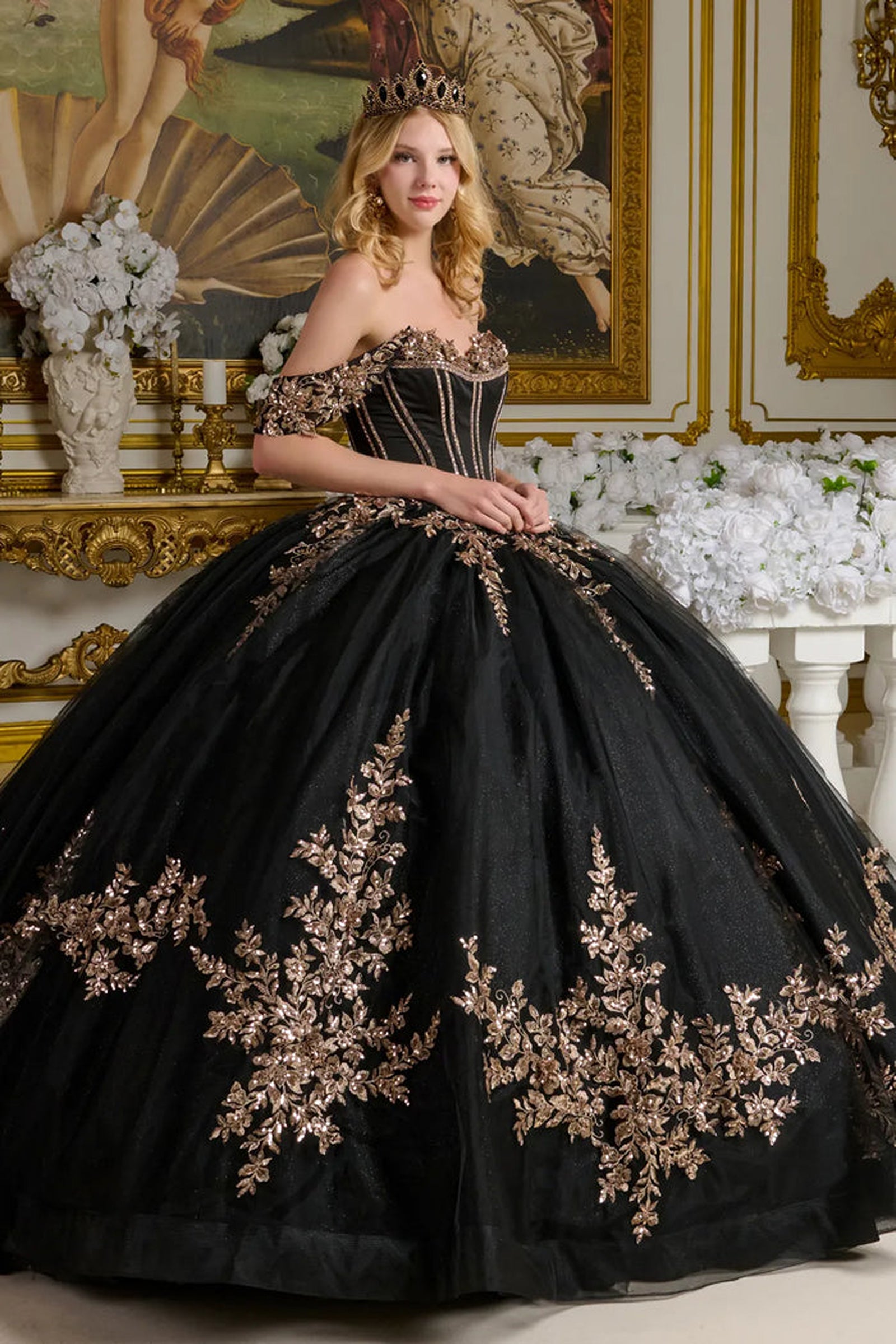
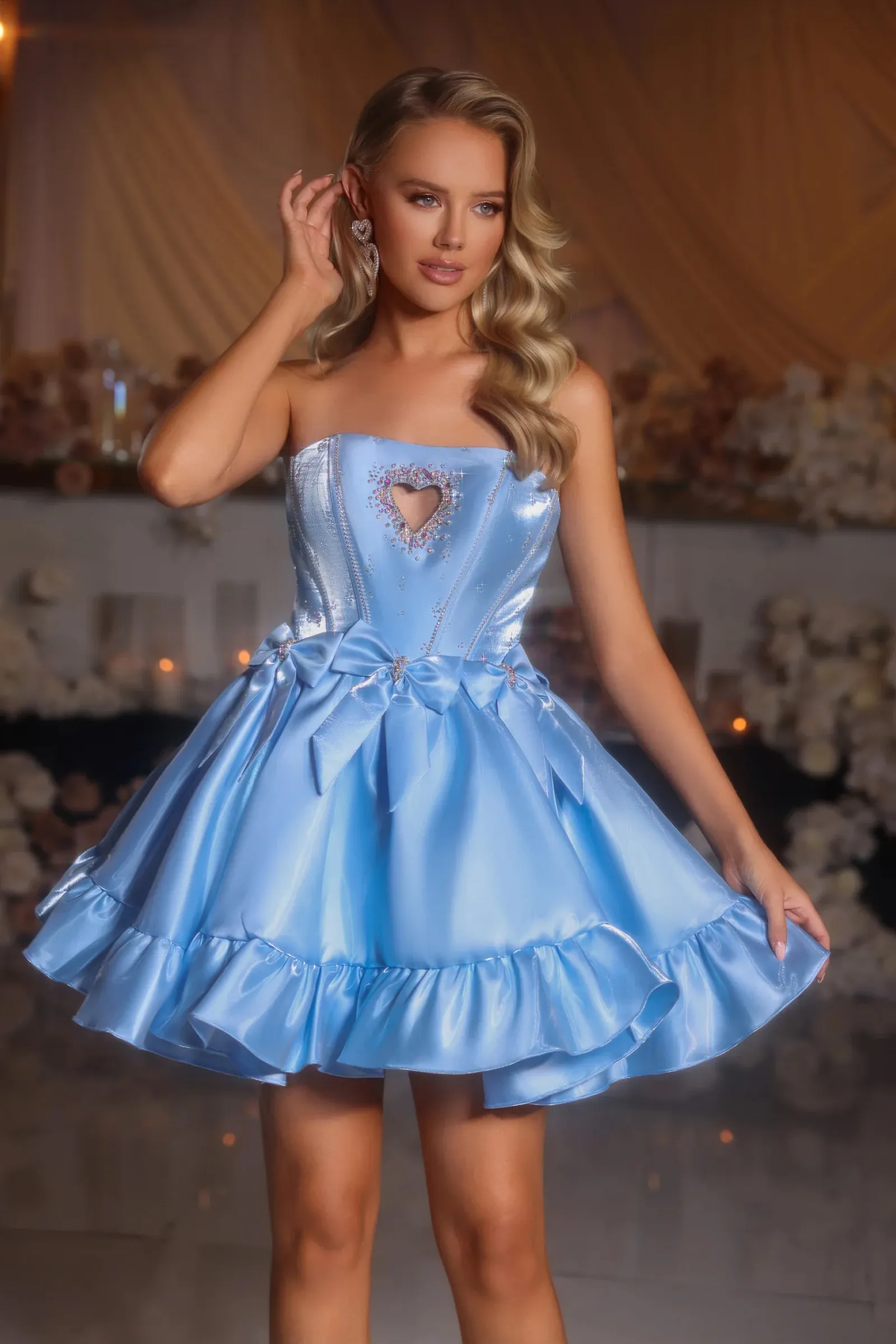
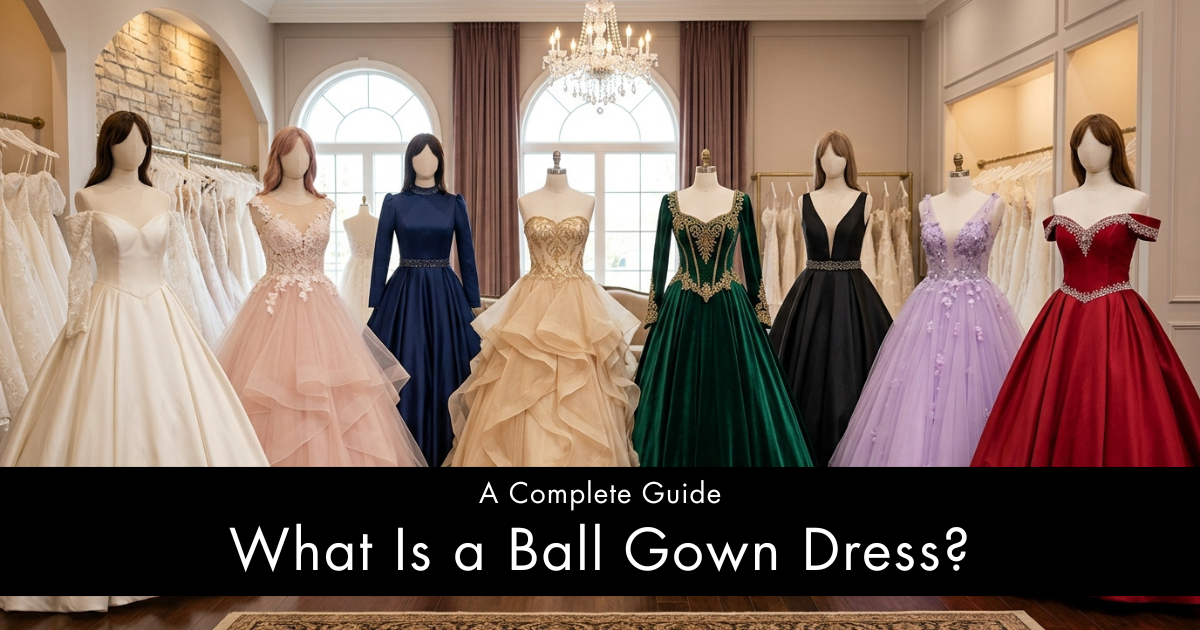
A ball gown dress is a formal, floor-length dress with a fitted bodice and a full skirt that flares out sharply from the natural waist. It is the most formal silhouette in eveningwear, built with layers of tulle, netting, or a structured underskirt to hold its shape. Ball gowns are worn to proms, weddings, quinceañeras, military balls, and white-tie events.
That is the short answer. But if you are shopping for your first one, there is more worth knowing. How a ball gown is actually constructed, how it differs from an A-line or mermaid dress, which fabrics hold their shape, and how to pick a size that will not need three rounds of alterations. This guide walks through all of it in plain language.
What Makes a Ball Gown Different From Other Formal Dresses
Every formal dress has a silhouette, meaning the outline the dress creates when you stand in it. The ball gown silhouette is defined by one thing: a sharp contrast between a close-fitting top and a very full bottom.
The waist is the dividing line. Above it, the bodice hugs the body and is usually reinforced with boning or a built-in corset. Below it, the skirt does not follow the body at all. It stands away from the hips and falls to the floor in a wide bell or dome shape. That volume is not accidental. It is engineered with layers of netting, tulle, or horsehair braid sewn into the hem.
This is what separates ball gowns from other formal styles that people often confuse them with:
- A-line dresses flare gradually from the waist to the hem, forming a soft triangle.
- There is far less volume, and no built-in structure holding the skirt out.
- Mermaid and trumpet dresses stay fitted through the hips and thighs, then flare below the knee.
- Sheath dresses fall straight down the body with no flare at all.
- Empire waist dresses cinch just under the bust rather than at the natural waist, with a looser, flowing skirt.
If you can spin and the skirt moves as one wide shape rather than clinging to your legs, you are wearing a ball gown. If the skirt drapes softly around your hips, it is probably an A-line.
One more practical difference: ball gown dresses take up space. A full skirt can measure several feet across at the hem. That affects how you sit, how you get into a car, and how you dance, so it is worth thinking about before you buy.
Read More: Is It Appropriate to Wear a Ball Gown to Prom?
The Anatomy of a Ball Gown
Understanding the parts of a gown makes it much easier to read a product description and know what you are actually getting.
The bodice is the fitted upper section. Quality bodices are lined and boned, meaning thin flexible strips are sewn into the seams to keep the fabric smooth and provide support. A well-boned bodice can hold itself up without straps, which is why strapless and sweetheart necklines are so common in this category.
The waistline sits at your natural waist, the narrowest point of your torso, usually just above the belly button. Some designs use a dropped waist that sits a few inches lower, which lengthens the torso visually.
The skirt is the signature element. Its fullness comes from what is underneath it: layers of tulle, a netted petticoat, or in more structured gowns, a hoop or crinoline. The outer fabric is simply what you see. The shape comes from the layers below.
The hemline on a true ball gown reaches the floor. Formal etiquette for white-tie and most black-tie events calls for floor-length, and this is one of the few dress codes that has stayed consistent for over a century.
The closure is typically a back zipper, a corset-style lace-up back, or a combination of both. Lace-up backs are worth knowing about. They allow roughly two to four inches of adjustment, which is genuinely useful if your measurements change between ordering and wearing.
A Brief History: Where Ball Gowns Came From
Ball gowns are not a modern invention. The silhouette traces back to European court dress of the 17th and 18th centuries, when wide skirts supported by panniers signaled wealth and status.
The version most people picture today took shape in the Victorian era. The cage crinoline of the 1850s, a lightweight framework of steel hoops, replaced the heavy stacked petticoats women had been wearing and made enormous skirts practical for the first time. Around the same period, the English designer Charles Frederick Worth opened his Paris fashion house and began designing gowns as signed creations rather than anonymous dressmaking. He is widely credited as the founder of haute couture, and his evening gowns set the template that formal dresses still follow.
The silhouette faded during the 1920s, when flapper styles favored straight lines, then returned forcefully in 1947 with Christian Dior's "New Look," which restored the nipped waist and full skirt.
Since then, ball gowns have stayed in the formalwear vocabulary largely unchanged in shape. The fabrics and embellishments evolve, but the structure does not.
Fabrics Used in Ball Gowns
Fabric choice affects how a gown looks, how heavy it feels, and how much it costs. Here is what you will encounter most often.
Tulle is a fine netting used both as the outer layer and underneath for volume. It is lightweight, creates soft cloud-like fullness, and is the most common choice for prom and quinceañera gowns.
Satin has a smooth, high-shine face and a substantial weight. It holds a structured shape beautifully but shows every wrinkle and clings more than tulle, so it is less forgiving.
Organza is crisp and slightly sheer, sitting between tulle and satin. It creates volume with a cleaner, more architectural look.
Taffeta is stiff and rustles when you move. It holds dramatic shapes and is popular in more traditional designs.
Mikado is a heavier blend of silk and synthetic fibers, prized in bridal for its structure and matte finish. It is typically more expensive.
Lace and beaded overlays are applied on top of a base fabric, most often across the bodice. Hand-beading adds significant cost and weight. A heavily beaded gown can weigh over ten pounds, which matters if you will be wearing it for six hours.
Where Ball Gowns Are Worn Today
Ball Gown Prom Dresses

Prom is the single largest market for ball gowns in the United States. Ball gown prom dresses are popular because they photograph exceptionally well and because the silhouette suits the occasion. It is one of the few nights when maximum drama is the point.
Most prom shopping happens between January and April, and popular styles in in-demand sizes sell out early. If you have a specific gown in mind, order at least eight to ten weeks before your event to leave room for shipping and alterations. Many schools also enforce dress codes regarding necklines and back coverage, so it is worth checking before you fall in love with a particular design.
Ball Gown Wedding Dress

The ball gown wedding dress is the classic bridal silhouette, the one most people picture when they imagine a wedding dress. It works well for formal and traditional venues such as cathedrals, ballrooms, and estate weddings.
Bridal sizing is important to understand here. Wedding gown sizes typically run one to two sizes smaller than standard clothing sizes, and this has been true across the industry for decades. Order by your actual bust, waist, and hip measurements rather than the size you normally buy.
Also budget time, because most bridal shops recommend beginning alterations six to eight weeks before the wedding date.
Other Occasions
Ball gowns also appear at quinceañeras, sweet sixteens, debutante balls, military balls, opera galas, charity fundraisers, and any event listing a white-tie dress code. White tie is the strictest formal standard and specifically calls for a floor-length gown, making it one of the few occasions where a ball gown is expected rather than optional.
How to Choose the Right Ball Gown for Your Body
The useful thing about this silhouette is that it flatters a very wide range of body types, because it draws attention to the waist and skims over everything below it.
If you have a pear shape, the full skirt naturally balances wider hips while the fitted bodice highlights your narrower upper body. This is one of the most flattering silhouettes available for this shape.
If you have an apple shape, look for a dropped waist or a V-neckline. Both create vertical lines that lengthen the torso. Avoid a tight band sitting directly at the widest part of your midsection.
If you are petite, choose a gown with less extreme skirt volume and a higher waistline. Too much fabric can visually shorten you. A slight sweetheart neckline and minimal horizontal detailing help maintain length.
If you are tall, you can carry a fuller skirt and longer train than most. This is an advantage, so take it.
If you have an hourglass shape, almost any ball gown will work. Focus on finding a bodice that fits your bust properly, since that is usually the harder fit.
Plus Size Ball Gowns
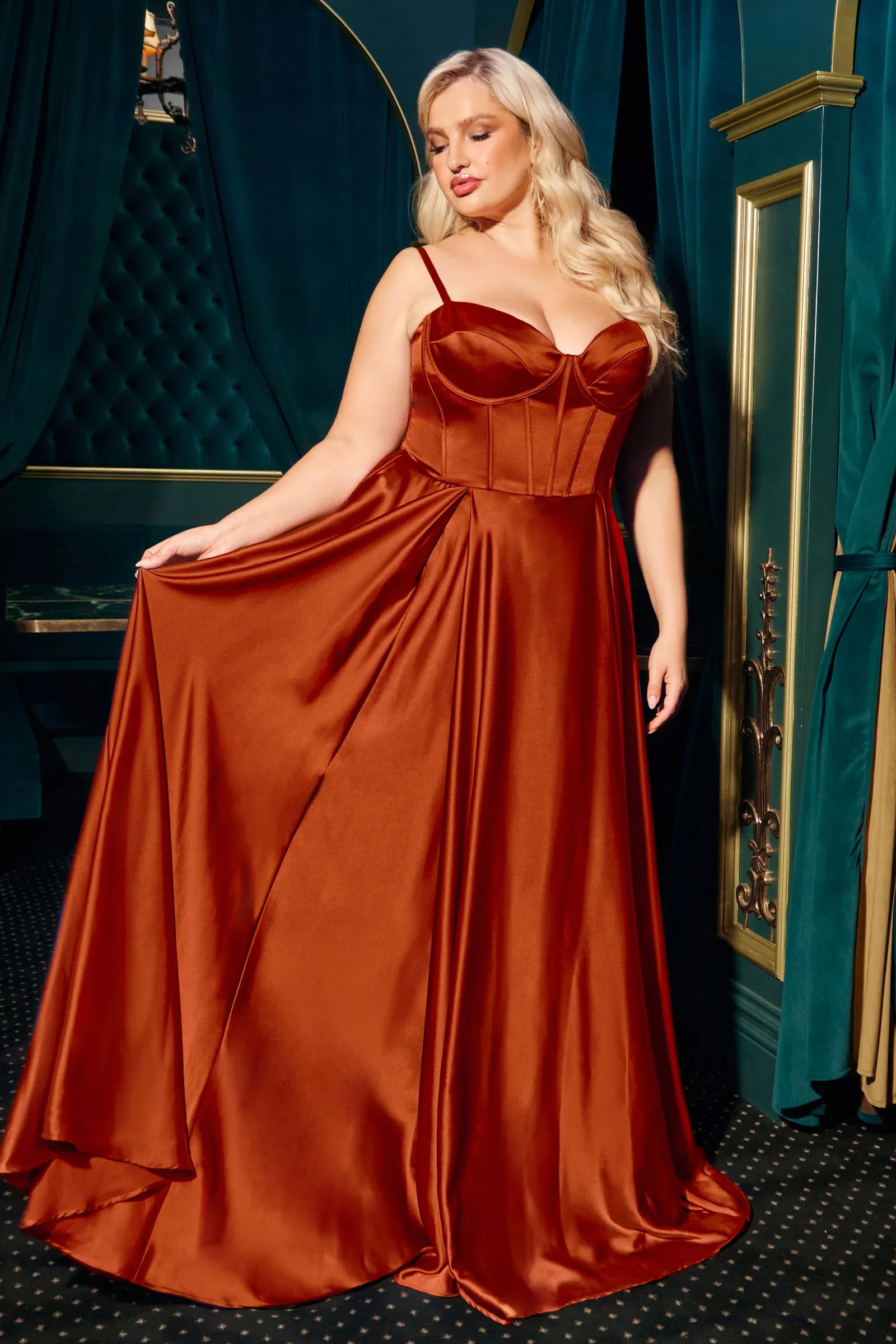
Plus size ball gowns are widely available now, and the silhouette is genuinely well-suited to fuller figures. The structured bodice provides real support and the full skirt creates a balanced, defined shape.
A few things to look for specifically. Prioritize gowns with substantial boning and wide, well-anchored straps or sleeves if you want additional support. Check that the retailer lists actual garment measurements rather than only size numbers, since plus sizing varies considerably between brands. And look for lace-up or corset backs, which offer adjustability that a fixed zipper cannot.
Most formalwear retailers now carry extended sizes through size 30 or 32. If you cannot find your size in a style you want, ask about custom sizing. Many manufacturers offer it for a modest additional fee.
Sizing, Alterations, and Timeline
This is where most first-time buyers run into trouble, so it is worth being specific.
Formal gowns are almost always sized by manufacturer size charts, not by the size you wear in everyday clothing. Take three measurements, which are bust, natural waist, and hips, and order based on the largest of the three. It is straightforward for a tailor to take a gown in, but very difficult to let one out, because seam allowances in structured bodices are limited.
Expect to need alterations. Nearly every formal gown requires at least a hem adjustment, and most need bodice work as well. Budget both money and time for this. Simple alterations typically take two to three weeks, while complex work on a beaded bodice can take longer.
Finally, buy your shoes before your hemming appointment and bring them with you. Hem length is set relative to your heel height, and changing shoes afterward means the length will be wrong.
Also Read: What's the Difference Between a Quinceanera Dress and a Ball Gown?
How to Care for a Ball Gown
Store the gown hanging, ideally on a padded hanger with the skirt supported, or lay it flat in a breathable garment bag. Avoid plastic dry-cleaning bags for long-term storage, since they trap moisture and can yellow fabric over time.
Never machine wash a structured gown. Spot-clean small marks and take the dress to a cleaner experienced with formalwear for anything more. For long-term preservation, particularly with wedding gowns, professional preservation services clean the gown and seal it in an acid-free box.
Steam rather than iron. Direct heat will scorch tulle and permanently flatten satin.
Frequently Asked Questions
What is the difference between a ball gown and an A-line dress?
A ball gown has a full, structured skirt that stands away from the body, while an A-line dress flares gradually into a soft triangle. Ball gowns use built-in layers for volume; A-line dresses do not.
Is a ball gown the same as a prom dress?
No. "Ball gown" describes the shape of the dress, while "prom dress" describes the occasion. A prom dress can be a ball gown, mermaid, A-line, or short style.
What body type looks best in a ball gown?
Ball gowns flatter almost every body type because the fitted bodice defines the waist and the full skirt skims the hips. They are especially flattering on pear and hourglass shapes.
How much does a ball gown cost?
Prom and special occasion ball gowns typically cost between $150 and $600. Bridal ball gowns start higher and can reach several thousand dollars depending on fabric and beadwork.
Do I need a petticoat under my ball gown?
Usually not. Most ball gowns are built with their own tulle or netting layers, so add a petticoat only if you want extra fullness.
Finding the Ball Gown That Feels Like Yours
A ball gown is a structured, floor-length dress with a fitted bodice and full skirt, a silhouette with several centuries of history behind it that still does exactly what it was designed to do. It flatters nearly every body type, suits the widest range of formal occasions, and photographs better than almost anything else in a formal wardrobe.
The two things that matter most when buying are ordering by your measurements rather than your usual size, and allowing enough time for alterations. Get those right and the rest is a matter of taste.
At Formal Dress Shops, you can browse ball gowns for women across prom, bridal, quinceañera, and evening categories, with extended sizing and detailed measurement charts on every style, so you can order with confidence the first time.


Leave a comment
This site is protected by hCaptcha and the hCaptcha Privacy Policy and Terms of Service apply.