


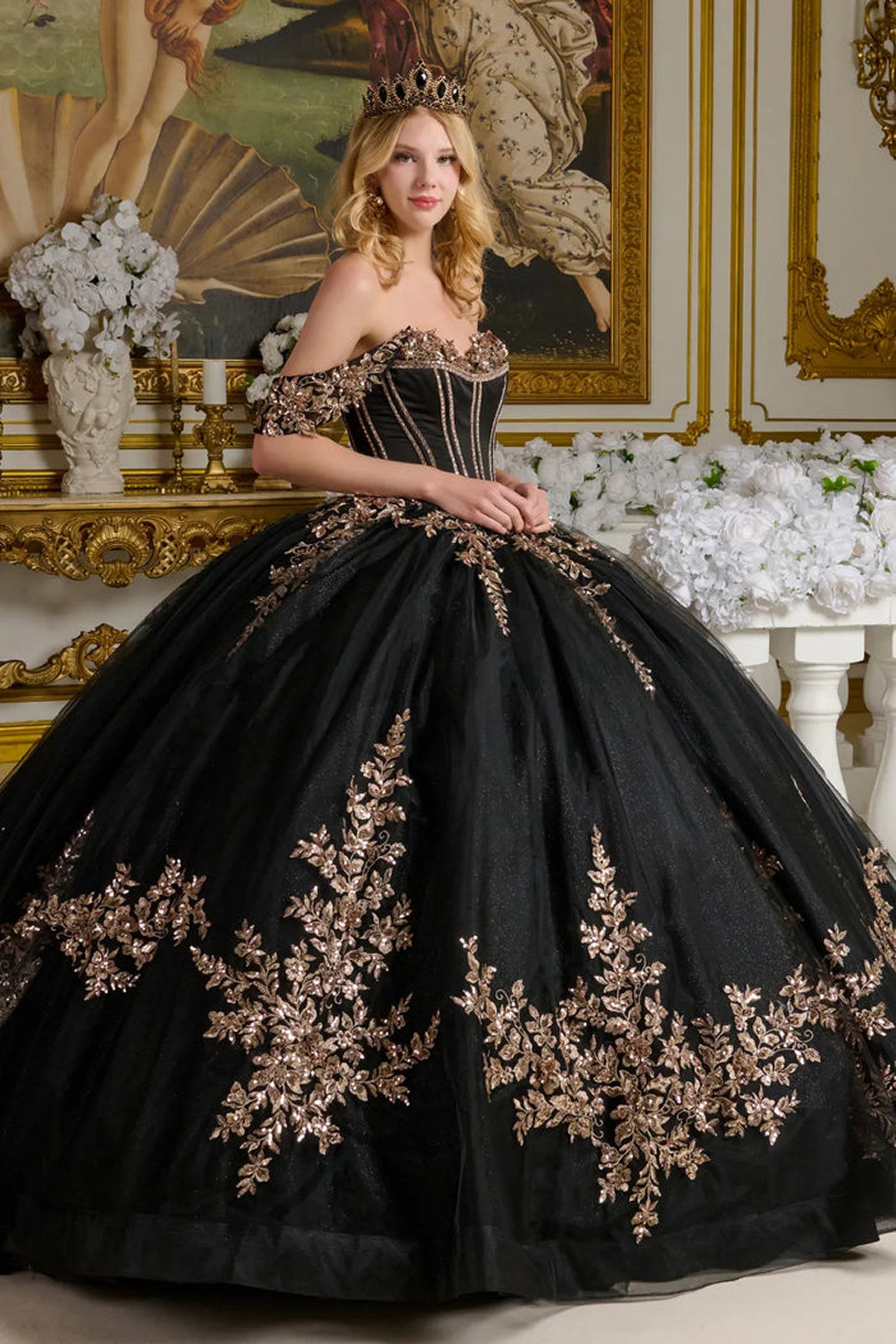

What Should Damas Wear? Dama Dress Ideas by Color and Theme
Damas should wear formal or semi-formal dresses that match the quinceañera's theme, complement her gown, and allow comfortable movement throughout the celebration. Popular Dama Dresses include satin A-line gowns, chiffon dresses, short cocktail dresses, and floor-length styles in colors such as dusty rose, sage green, champagne, lavender, and navy blue.
The best choice depends on the quinceañera's dress color, venue, season, and overall theme. Damas can wear identical dresses or different styles in one matching color palette. The goal is to create a coordinated court of honor while keeping the birthday girl as the center of attention.
Whether you're planning a princess-themed celebration or a modern quinceañera, this guide covers dress colors, styles, fabrics, and outfit ideas to help your entire court look beautiful together.
What Is a Dama in a Quinceañera?
A dama is a female member of the quinceañera's court of honor, usually a close friend, cousin, or family member of the birthday girl. Damas support the quinceañera during important moments, including the grand entrance, traditional waltz, group photographs, and sometimes a surprise dance.
The court may also include male attendants called chambelanes. While some traditional celebrations feature 14 attendants, modern families often choose smaller courts or different combinations of damas and chambelanes.
A dama's outfit serves two purposes. It should look appropriate for a special formal event while helping the court appear coordinated. Unlike the quinceañera's gown, which is usually designed to stand out, dama outfits should support the celebration's overall look.
There is no strict rule requiring every dama to wear the same design. According to Quinceanera.com's court of honor fashion guide, coordinated colors, comfortable outfits, and consistent styling are important when planning court attire.
What Color Should Damas Wear?
The best dama dress color is one that complements the quinceañera's gown without blending into it. Soft pastels create a romantic look, jewel tones add richness, and neutral shades work well for classic celebrations.
Before choosing a color, consider the birthday girl's gown, decorations, flowers, and lighting. A shade that looks beautiful on its own may not work as well beside the main dress.
Here are some popular combinations:
| Quinceañera Dress Color | Recommended Dama Colors |
|---|---|
| Blush pink | Sage green, champagne, mauve |
| Royal blue | Silver, dusty blue, champagne |
| Red | Black, champagne, soft gold |
| Emerald green | Champagne, blush, taupe |
| Lavender | Silver, dusty rose, sage green |
| White | Burgundy, navy, dusty rose |
| Gold | Burgundy, emerald, navy |
| Burgundy | Champagne, blush, dusty blue |
These combinations are styling suggestions rather than strict rules. Fabric texture, lighting, and color intensity can change how two shades appear together.
Read More: Quinceañera Dress Styles Explained
Dusty Rose and Blush Pink Dama Dresses
Dusty rose and blush pink are popular choices for romantic quinceañera celebrations. Their soft tones work especially well with white, ivory, champagne, and dark-colored gowns.
For a coordinated look, choose chiffon A-line dresses, satin midi dresses, or flowing floor-length gowns. Dusty rose usually creates more contrast than very pale blush, making it useful when the quinceañera wears a light-colored dress.
Silver jewelry, nude heels, and simple hairstyles complete the outfit without making it look too busy.
Sage Green and Emerald Green Dama Dresses
Green tones are ideal for garden, floral, and nature-inspired celebrations. Sage green creates a soft appearance, while emerald green gives the court a richer, more formal look.
Sage green chiffon dresses pair beautifully with blush, ivory, or champagne quinceañera gowns. Emerald satin dresses work better when the event calls for a deeper color palette.
Gold accessories and neutral shoes complement both shades. For outdoor events, lightweight fabrics are often more practical than heavy embellished gowns.
Champagne and Gold Dama Dresses
Champagne is a flexible color for traditional, royal, and vintage-themed quinceañeras. Its warm neutral tone pairs well with burgundy, navy, emerald, and royal blue.
Choose soft champagne satin or chiffon for a polished appearance. Light gold embroidery can add detail, but heavily sequined gowns may draw too much attention away from the celebrant.
If the quinceañera is wearing gold or champagne, select a noticeably different shade for the damas so their outfits remain distinct in photographs.
Lavender and Dusty Blue Dama Dresses
Lavender and dusty blue are beautiful options for spring celebrations, fairytale themes, and outdoor venues.
Lavender pairs well with ivory, silver, and deeper purple gowns. Dusty blue complements white, blush, and royal blue, provided there is enough contrast between the shades.
Flowing chiffon dresses with sweetheart necklines, delicate straps, or off-the-shoulder sleeves suit these colors especially well. Pearl earrings and silver accessories help maintain a soft, coordinated appearance.
Burgundy, Navy, and Black Dama Dresses
Dark colors are excellent for evening quinceañeras, winter celebrations, and formal ballroom venues.
Burgundy adds warmth and pairs beautifully with gold or champagne decorations. Navy creates a classic look beside silver, blush, or light-blue gowns. Black works particularly well for modern, masquerade, or black-tie themes.
To keep darker outfits youthful, consider flowing skirts, simple necklines, and subtle accessories rather than overly heavy embellishments.
Dama Dress Ideas Based on Quinceañera Themes
A quinceañera theme can guide the court's colors, fabrics, lengths, and accessories. The goal is to reflect the celebration's style without making every outfit look like a costume.
Princess and Fairytale Theme
A princess-themed quinceañera calls for soft colors, flowing skirts, and romantic details. Popular choices include blush, lavender, champagne, and powder blue.
Tulle A-line dresses are especially suitable because they create a gentle princess-inspired shape without copying the quinceañera's larger ball gown.
Damas can wear delicate hair accessories, small pearl earrings, and matching shoes. Keep tiaras and oversized crowns reserved for the birthday girl unless she specifically chooses otherwise.
Enchanted Garden Theme
Garden celebrations look beautiful with earthy greens, floral shades, and lightweight fabrics.
Sage green, dusty rose, lilac, and soft peach complement flowers and outdoor decorations. Chiffon dresses with flowing skirts are practical for walking on grass and dancing.
Small floral hairpieces or delicate bracelets can tie the outfits into the theme. Avoid long trains that may drag across outdoor surfaces.
Royal and Masquerade Theme
Royal and masquerade quinceañeras often feature deeper colors and more dramatic styling.
Burgundy, emerald, navy, and black satin dresses work well with gold or silver accents. Floor-length gowns with structured bodices, modest slits, or off-the-shoulder necklines create a formal appearance.
Matching metallic accessories can connect the court to the decorations. If masks are part of the theme, choose lightweight designs that are comfortable to wear.
Butterfly and Floral Theme
Butterfly and floral themes suit light, cheerful colors such as lavender, baby blue, blush pink, and mint green.
Damas can wear simple chiffon gowns, subtle floral prints, or dresses with delicate embroidered details. The group may also use different pastel colors from one carefully selected palette.
If the quinceañera's gown has elaborate butterfly decorations, simpler dama outfits will keep the overall look balanced.
Winter Wonderland Theme
Winter-themed quinceañeras look beautiful with icy blue, silver, navy, and soft gray.
Satin gowns, velvet dresses, and long sleeves can create an appropriate winter look. Velvet is particularly useful for indoor celebrations during colder months, while satin offers a smooth, formal finish.
Silver jewelry and matching hair accessories work well. For outdoor photographs, consider coordinating shawls or wraps that complement the dresses.
Which Dama Dress Style Is Best?
The right style depends on the court's age group, the dress code, and how much dancing is planned. Dama Dresses should look coordinated, but they should also fit comfortably through the shoulders, waist, and hips.
Short Dama Dresses
Short dresses are a practical choice for modern celebrations and choreographed dances. Knee-length and slightly longer cocktail styles allow easier movement than many full-length gowns.
A-line cocktail dresses are especially versatile because the skirt offers room to move. Satin or chiffon options can look formal without feeling overly heavy.
For church ceremonies or traditional celebrations, check whether a particular length or neckline is expected.
Long Dama Dresses
Long dresses are ideal for formal ballroom celebrations, traditional waltzes, and elegant group portraits.
Floor-length A-line and empire-waist styles create a coordinated appearance across different body shapes. Lightweight chiffon is suitable for flowing movement, while satin provides a more structured finish.
The hem should clear the floor enough for safe walking and dancing. Dresses that are too long can become a tripping hazard, particularly during fast choreography.
Corset and Off-the-Shoulder Dresses
Corset-inspired bodices and off-the-shoulder necklines are stylish choices for formal quinceañera courts.
A supportive, properly fitted bodice can create a defined waist without needing excessive decoration. Off-the-shoulder sleeves add a romantic touch and pair well with satin or chiffon skirts.
Make sure the neckline stays secure during arm movements and rehearsals. Adjustable straps, supportive lining, and comfortable construction matter more than a tightly fitted appearance.
How to Match Dama Dresses With the Quinceañera's Gown
The quinceañera's dress should guide the court's overall styling. Start by identifying its main color, silhouette, and level of decoration.
If the birthday girl wears a large, sparkling ball gown, choose simpler dresses for the damas. If her gown is minimal, the court can wear slightly more detailed styles while still allowing her to stand out.
Color contrast is particularly important. Two gowns may appear different in a store but look almost identical under warm ballroom lighting.
A useful approach is to compare fabric swatches in daylight and under indoor lighting before making a final decision.
There are three common ways to coordinate the court:
- Same color, same style: Creates a highly uniform appearance for traditional group photographs.
- Same color, different styles: Allows each dama to choose a flattering neckline or silhouette while maintaining consistency.
- Same color family, different shades: Creates a coordinated, varied look, especially for garden or modern themes.
The second option often provides a good balance between matching outfits and individual comfort. Fashion guidance from Jovani's dama dress coordination guide also supports using coordinated styles that distinguish the court from the celebrant.
Choosing the Right Fabric for Dama Dresses
Fabric affects how a dress looks, moves, and feels throughout the celebration. Choosing the correct material can be just as important as selecting the color.
| Fabric | Main Benefit | Best For |
|---|---|---|
| Chiffon | Lightweight and flowing | Outdoor and spring events |
| Satin | Smooth and polished | Formal ballroom celebrations |
| Tulle | Soft, layered volume | Princess and fairytale themes |
| Velvet | Rich texture and warmth | Winter and evening events |
| Crepe | Smooth drape with less volume | Modern, minimal styles |
| Lace | Decorative texture | Romantic and vintage themes |
Chiffon is often a strong choice when the court will perform several dances. Satin is excellent for formal photographs, but some satin fabrics show wrinkles and water marks more easily than others.
Tulle creates volume but may require careful handling during group dances. Velvet offers a rich appearance, although it can feel warm in hot or crowded venues.
Always consider the fabric's lining, stretch, and weight rather than judging it only by appearance.
How Should Damas Match Their Shoes, Hair, and Accessories?
Shoes and accessories help bring the court's outfits together, even when the damas wear slightly different dress designs.
For shoes, nude, silver, gold, and black are flexible choices. Matching the shoe color is usually more important than requiring everyone to wear the exact same heel height.
Low block heels, dressy flats, and comfortable formal sandals can be practical options for long events. Damas should test their shoes during dance rehearsals, especially if the celebration includes turns or quick movements.
Hairstyles can follow a common theme without being identical. Soft curls, low buns, and half-up hairstyles all work with formal gowns.
Keep jewelry simple and consistent. Small earrings, delicate necklaces, and matching bracelets are usually enough. Large statement pieces may compete with detailed necklines or heavily decorated dresses.
Also Read: What's the Difference Between a Quinceanera Dress and a Ball Gown?
When Should You Buy Dama Dresses?
Start choosing colors and styles several months before the quinceañera, especially if the court includes multiple damas who need matching outfits.
An early decision allows enough room for ordering, shipping, size exchanges, and alterations. Custom-made dresses may require additional production time, so always confirm the seller's actual schedule.
Before ordering, take accurate bust, waist, hip, and height measurements. Use the retailer's size chart rather than assuming a dama wears the same size across different brands.
It is also important to confirm who will pay for the dresses. There is no universal rule: some families cover the cost, while others ask each dama to purchase her own outfit. Agreeing on a budget early helps avoid confusion.
Plan a final fitting before the celebration. During the fitting, each dama should sit, walk, raise her arms, and practice basic dance steps to check comfort and movement.
Frequently Asked Questions About Dama Dresses
Do all damas have to wear the same dress?
No. Damas can wear matching dresses or different designs in the same color and fabric. Choosing one shared color palette keeps the court coordinated while allowing individual preferences.
Can damas wear short dresses to a quinceañera?
Yes. Short cocktail dresses are appropriate for many modern and semi-formal quinceañeras. They are particularly useful for active dance performances. However, the dress length should suit the venue and the birthday girl's chosen dress code.
Can damas wear the same color as the quinceañera?
They can wear a related color if the birthday girl approves, but a clearly different shade is usually better. Strong contrast helps the quinceañera stand out in group photographs.
What is the best color for dama dresses?
There is no single best color. Dusty rose, sage green, lavender, champagne, navy, and burgundy are versatile choices. The best option depends on the quinceañera's gown and celebration theme.
Who chooses the dama dresses?
The quinceañera usually selects or approves the court's colors and overall style, often with help from her family. Damas may then choose individual dress designs within those guidelines.
Can damas wear different necklines?
Yes. Different necklines are a practical way to accommodate personal style and fit. Keeping the fabric, color, and dress length consistent helps the group maintain a unified appearance.
Make Every Dama Feel Beautiful and Comfortable
The best Dama Dresses bring the entire court together without taking attention away from the quinceañera. Whether you choose soft pastel gowns, rich jewel tones, short cocktail dresses, or flowing satin styles, focus on coordinated colors, comfortable fits, and designs that suit the celebration.
Explore beautiful dresses for your court at Formal Dress Shops, where you can find formal styles to suit different quinceañera themes, color palettes, and personal preferences.


Dejar un comentario
Este sitio está protegido por hCaptcha y se aplican la Política de privacidad de hCaptcha y los Términos del servicio.