


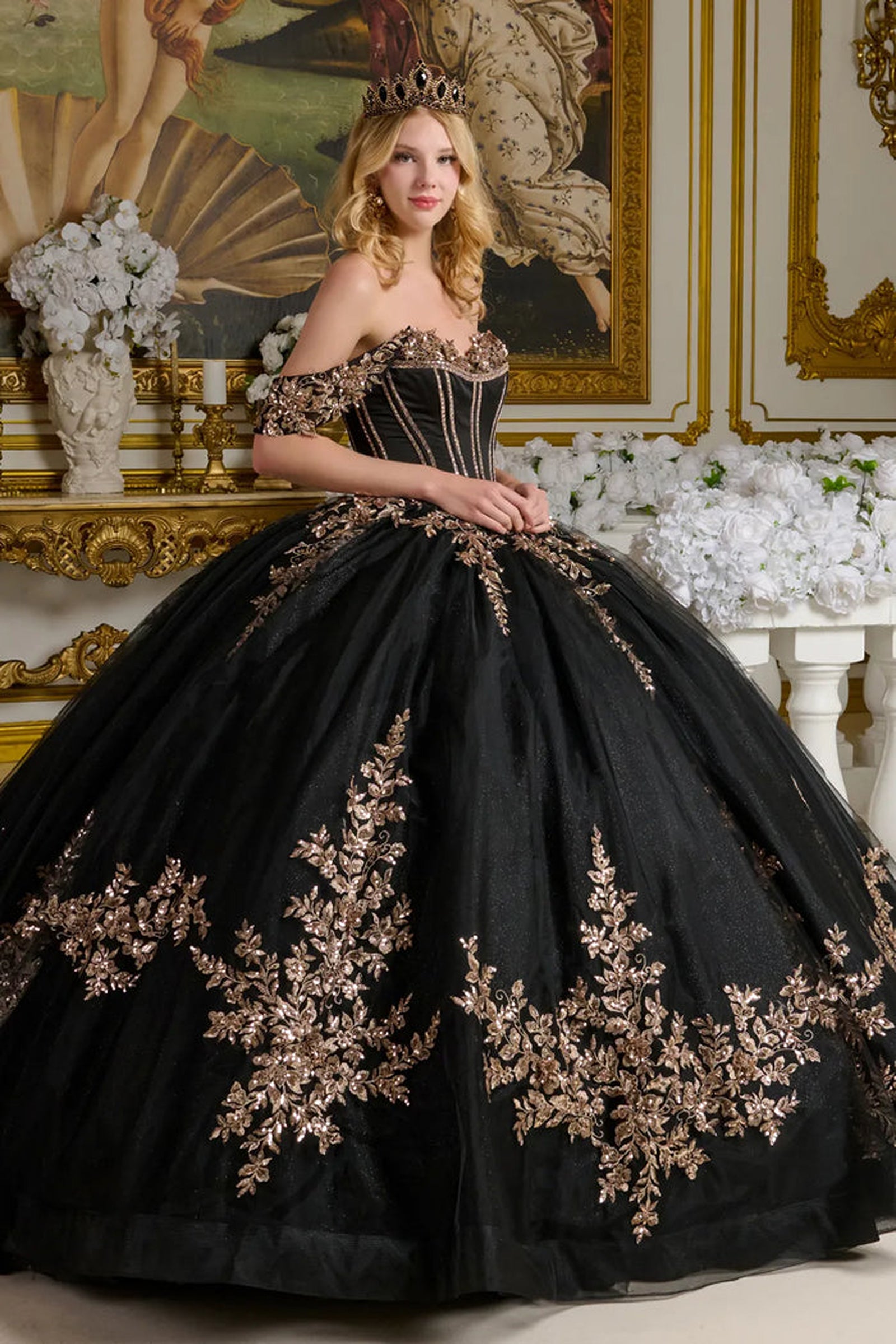
Vestidos negros al por mayor
-
 Lenovia 5206 - Vestidos de fiesta de sirena con hombros descubiertos y volantes - Nueva colección
-
 Vestido de fiesta de un solo hombro, sencillo, elástico, largo, para dama de honor, vestido de noche
-
 Vestido de dama de honor ajustado, sin mangas y elástico, Amelia Couture 370
-
 Vestido de cóctel corto con tirantes finos y corte en A de May Queen MQ1654


Black is the highest-turnover color in occasion wear, and it is the one shade almost every boutique needs on the rail year-round. This wholesale black dresses collection is assembled for retailers, boutique owners, stylists, and online sellers who need depth in a single color rather than a broad, shallow spread across many. The pages below cover cocktail lengths, floor-length gowns, fitted silhouettes, and embellished styles, all in black which means you can build a coherent, well-sized buy from one category instead of assembling it piece by piece.
Why Black Carries a Buy
There is a commercial logic to stocking black heavily, and it holds across most independent retailers.
Black has the longest selling window of any color in the category. Seasonal shades move in a narrow window and then sit; black sells for graduations in spring, weddings through summer, homecoming in autumn, and the holiday and New Year's period in winter. That extended window reduces the risk of ending a season with dead stock.
Black also has the widest customer overlap. A single black cocktail dress can serve a wedding guest, a corporate awards dinner, a funeral, a birthday dinner, and a work party. Very few colors carry that range, which means fewer units sitting unsold because they only suit one type of buyer.
And black photographs and merchandises easily. It anchors a window display, works as a backdrop for accessory cross-selling, and does not clash with whatever else you have on the floor.
What This Collection Contains
The assortment spans several distinct product types rather than variations on one.
Short and cocktail lengths. Above-the-knee and knee-length styles, the workhorse of most boutique inventories. If you are building depth specifically in this length, the wholesale cocktail dresses category holds the full color range in the same silhouettes.
Floor-length gowns. Formal and evening styles for proms, galas, and black-tie events. These carry a higher ticket price and lower unit velocity, so most buyers stock them shallower. The wholesale evening dresses range shows how these are cut across the wider assortment.
Fitted and body-conscious styles. Sheath, bodycon, and column silhouettes. These move well in nightlife and party markets and turn faster in a young demographic. See the wholesale bodycon dresses selection for the broader group.
Embellished and textured styles. Sequin, lace, and beaded pieces that command a higher retail price than a plain crepe dress in the same length. The wholesale sequin dresses and wholesale lace dresses categories are worth reviewing alongside this one when you are planning a holiday or party drop.
Fabric: What Each One Does on the Floor
Fabric affects both how a dress sells and how much it costs you to look after, and black shows those differences more starkly than any other color.
Matte crepe and scuba hold a flat, even black and are the most forgiving on a rail they resist visible creasing and do not show handling marks from customers trying pieces on. Satin reads as a lighter, almost charcoal tone under retail lighting because of how heavily it reflects, and it shows fingerprints and pressure marks. Velvet gives the deepest, richest black of any fabric but attracts lint aggressively and needs a brush kept behind the counter. Lace and mesh sit over a lining, and the shade of that lining determines whether the finished dress reads as true black or slightly softened.
The practical point for buyers: if you are ordering multiple styles in black expecting them to merchandise as one block, check that they are in similar fabric families. Two "black" dresses in satin and matte crepe will visibly differ side by side on the same rail, and customers notice.
Sizing and Size Curve Planning
Range breadth matters less than getting the curve right. The most common costly mistake in a first wholesale order is buying an even quantity across every size, which reliably leaves you with unsold units at both ends of the range.
Weight your buy toward your middle sizes and adjust based on your own sales history rather than a generic ratio, because the correct curve varies significantly by location and customer base. If you carry extended sizing, buy it as a deliberate part of the plan rather than an afterthought extended-size customers in occasionwear are notably underserved and tend to be loyal when a boutique stocks their size properly. The wholesale plus size dresses category is organized for that side of the buy.
Bear in mind that occasionwear sizing does not align with standard ready-to-wear sizing, and customers routinely need a size or two above their usual. Train your floor staff on this so a size difference does not cost you a sale, and keep sizing information visible for online listings, where it prevents a meaningful share of returns.
Margin, Pricing, and Landed Cost
The wholesale price is not your cost. Work out landed cost before you set a retail price: unit price plus shipping, plus any duties or import charges that apply to you, plus payment processing, divided across the units that will actually sell rather than the units you ordered.
Then factor in markdown. If you plan on a proportion of the buy selling at a reduced price at end of season, that has to be absorbed by the full-price units. Black's advantage here is real its long selling window means less of the buy typically needs discounting compared with a trend color, which improves the blended margin even at the same unit cost.
Check minimum order quantities and any per-style minimums before you plan the buy, and confirm the return and exchange terms on wholesale orders, which usually differ substantially from consumer returns. If you are placing a first order, a smaller test buy across several styles will tell you more about your customer than a deep buy on one style you like personally.
Merchandising and Sell-Through
Black is easy to buy and easy to make boring. A rail of black dresses with no differentiation reads as one item, and customers stop looking.
Break it up by texture and silhouette rather than by color: put a sequin piece next to a matte crepe one, a fitted style next to a fuller skirt. Style at least one piece on a mannequin with accessories, since black is the strongest cross-sell anchor you have jewelry, belts, and shawls all show clearly against it.
Time your emphasis to the calendar. Push cocktail lengths ahead of the holiday season and floor-length gowns in the prom and gala window. Understanding what your customers are searching for on the consumer side helps here: reviewing how retail pages such as black cocktail dresses, little black dresses, and black formal dresses are organized gives a useful picture of how end customers actually browse and categorize the same product you are buying.
Building a Wider Buy
Most boutiques do not stock a single color, and black works best as the backbone of a broader assortment rather than the whole of it. A common approach is to hold black as the constant across seasons and rotate two or three trend colors around it, which limits exposure while keeping the floor feeling current. The full wholesale dresses catalog covers the rest of the color and category range if you are planning a complete seasonal buy rather than a single-color top-up.
Timing the Order Against Your Selling Calendar
Occasionwear is one of the most date-driven categories in retail, and black is the piece of your buy most likely to be needed at short notice. Customers shop formalwear on a compressed timeline often two to four weeks before an event, sometimes less which means stock has to be on your floor before the search traffic peaks, not during it.
Work backwards from your local event calendar. Graduation and prom season, wedding season, homecoming, and the December-through-New-Year run each have a lead-in period during which customers begin browsing. Place your order early enough that shipping time, receiving, steaming, tagging, and merchandising are all complete before that lead-in starts. Arriving two weeks late into a four-week selling window costs roughly half the sell-through of that buy.
Also plan for the reorder question in advance. Fast-moving black styles are the ones you will most want to repeat mid-season, and availability on a specific style is never guaranteed once a season's production has sold through. If a style is central to your floor plan, buying it deeper on the first order is usually safer than assuming you can go back for more.
A Note on Product Claims
When you write your own product descriptions for these pieces, describe what you can verify from the actual garment fabric content from the label, measurements you have taken, closure type, lining. Claims about durability, wash performance, or comfort that you have not tested yourself are the most common source of customer complaints and returns in resale, and accurate copy consistently outperforms enthusiastic copy on return rates.
Review the current wholesale black dresses assortment at FormalDressShops to check available styles, lengths, and size ranges, and to plan a black buy with the depth your floor actually needs.
FAQ Section
Who is this wholesale black dresses collection for?
Boutique owners, online sellers, stylists, and retailers buying multiple units rather than a single dress.
How should I split sizes on a first wholesale black dress order?
Weight the buy toward your middle sizes rather than ordering evenly across the range, then adjust using your own sell-through data.
Which black fabric is easiest to keep looking good on the shop floor?
Matte crepe holds an even black and resists creasing and handling marks better than satin or velvet.
Why do two black dresses look like different shades on the same rail?
Satin reflects light and reads lighter than matte fabric, so mixing fabric families in one black display creates a visible tone difference.
- Alquila un vestido de novia: vestidos de novia asequibles para cada novia
- Alquiler de vestidos de novia cerca de mí: encuentra alquileres de vestidos de novia locales
- Alquiler de vestidos de novia cerca de mí: vestidos asequibles y elegantes
- Alquiler de vestidos de novia de diseñador cerca de mí
- Alquiler de vestidos de novia: estilos elegantes a precios accesibles
- Alquiler de vestidos de novia: estilos elegantes a precios económicos
- Alquiler de vestidos de novia: estilos elegantes a precios increíbles
- Colección de vestidos de dama de honor económicos: colores y tallas para todos los gustos

Follow us


