


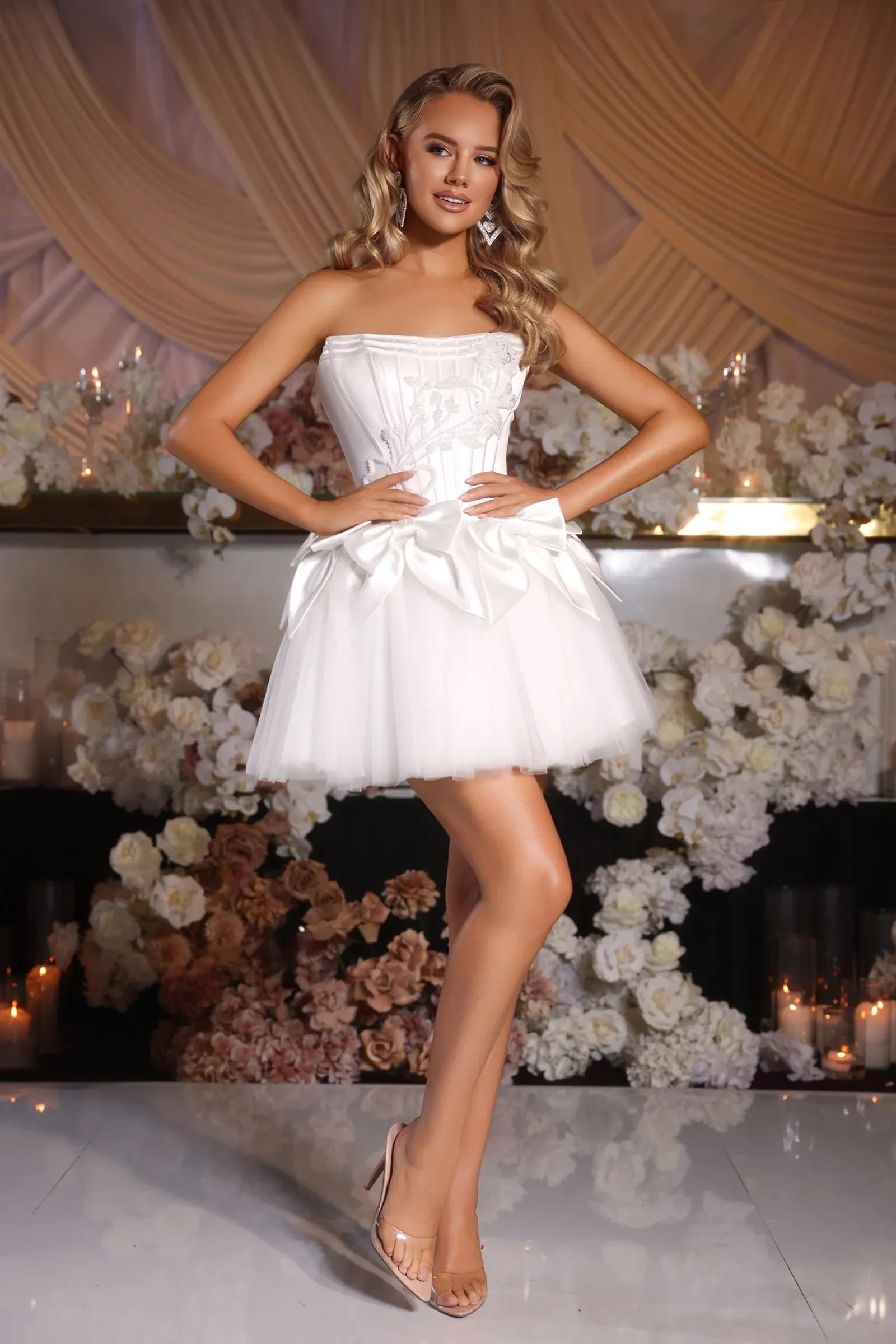
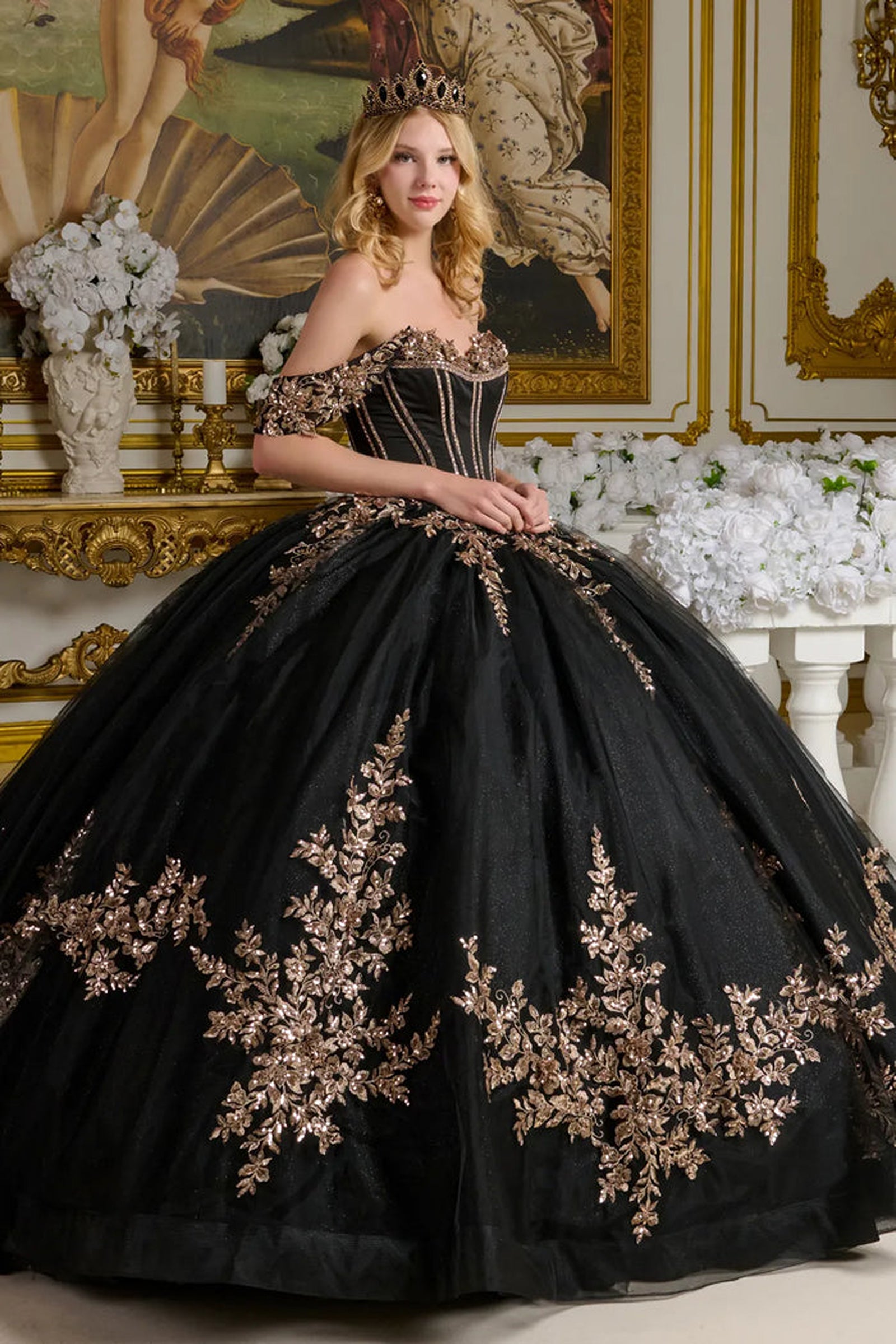

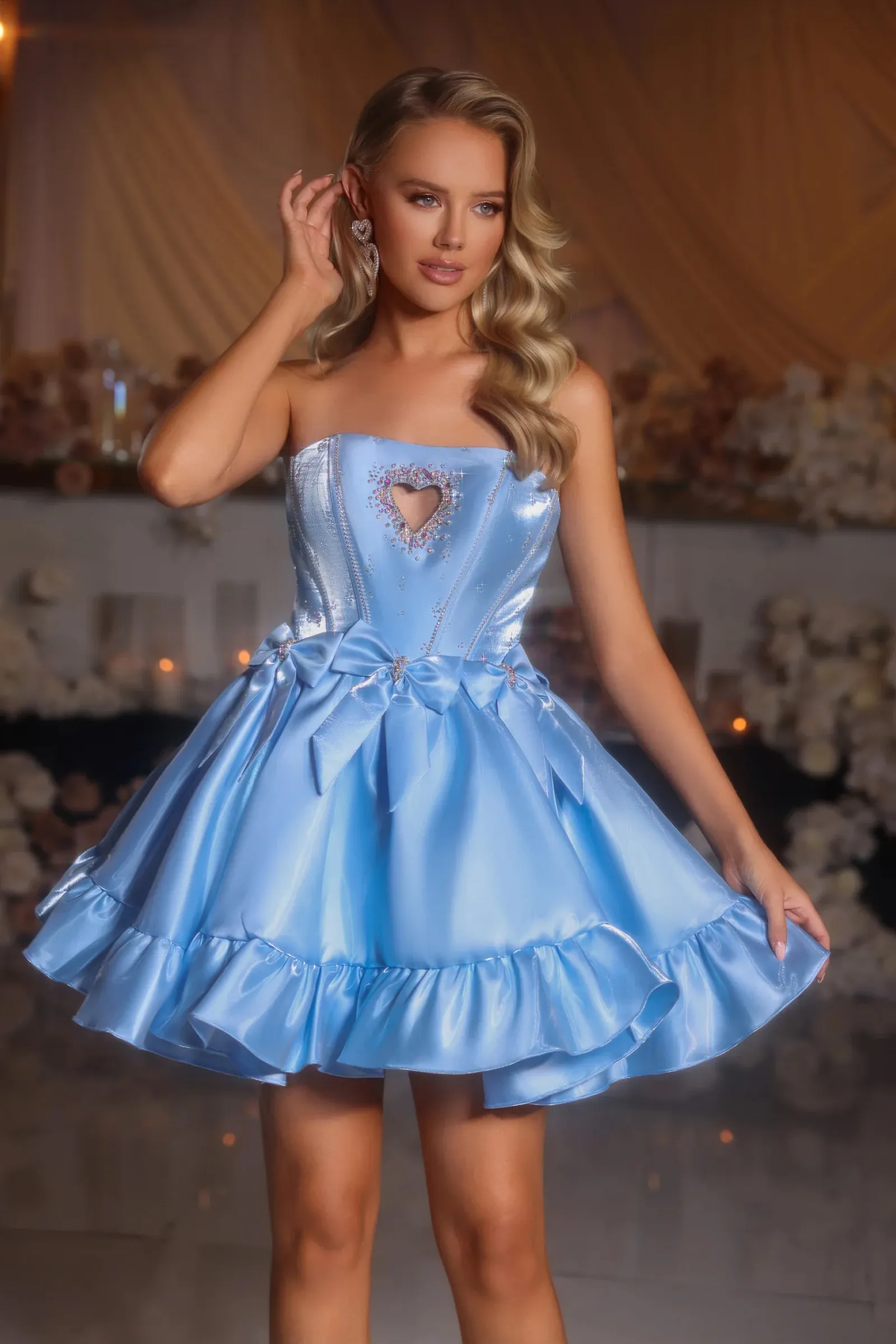
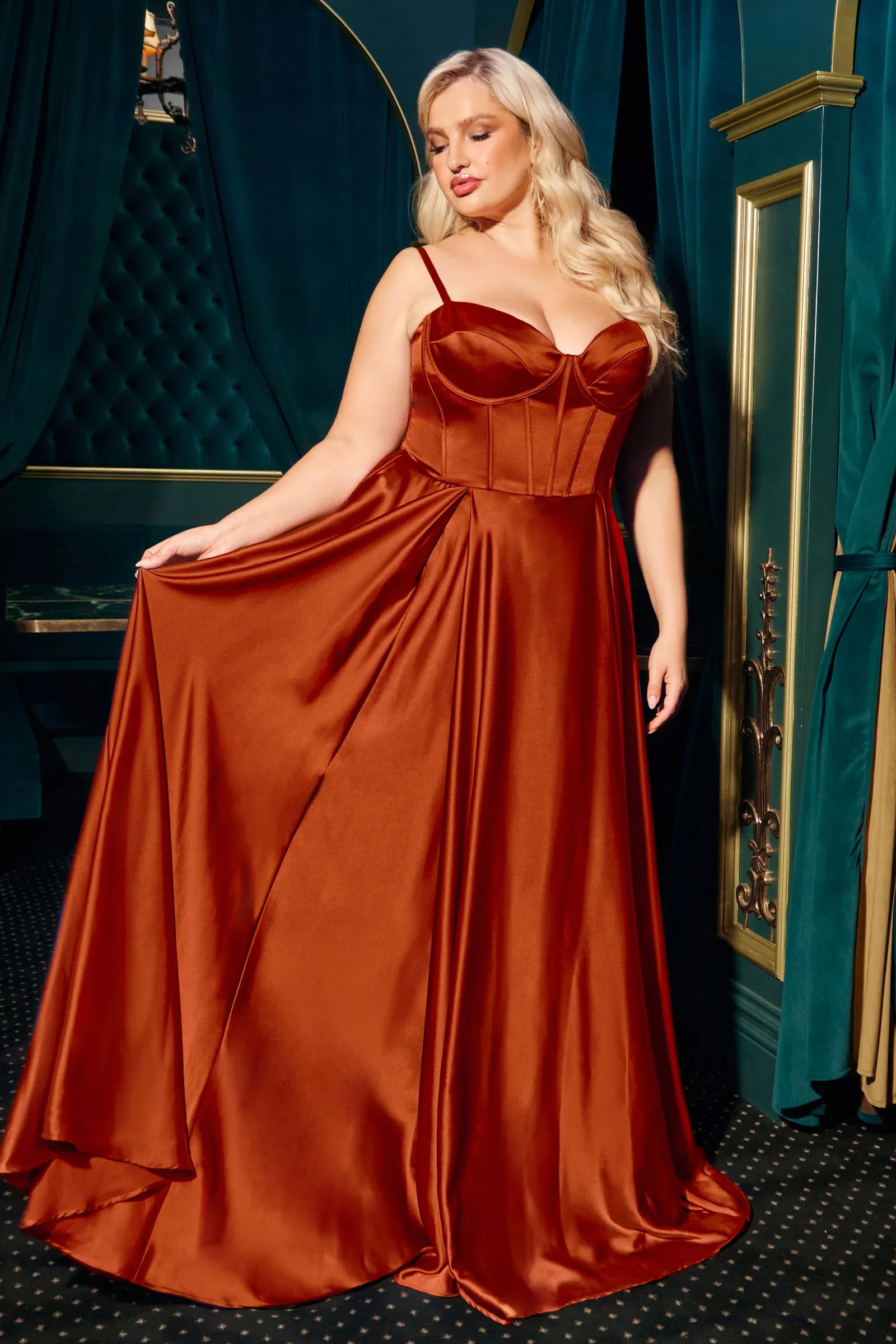
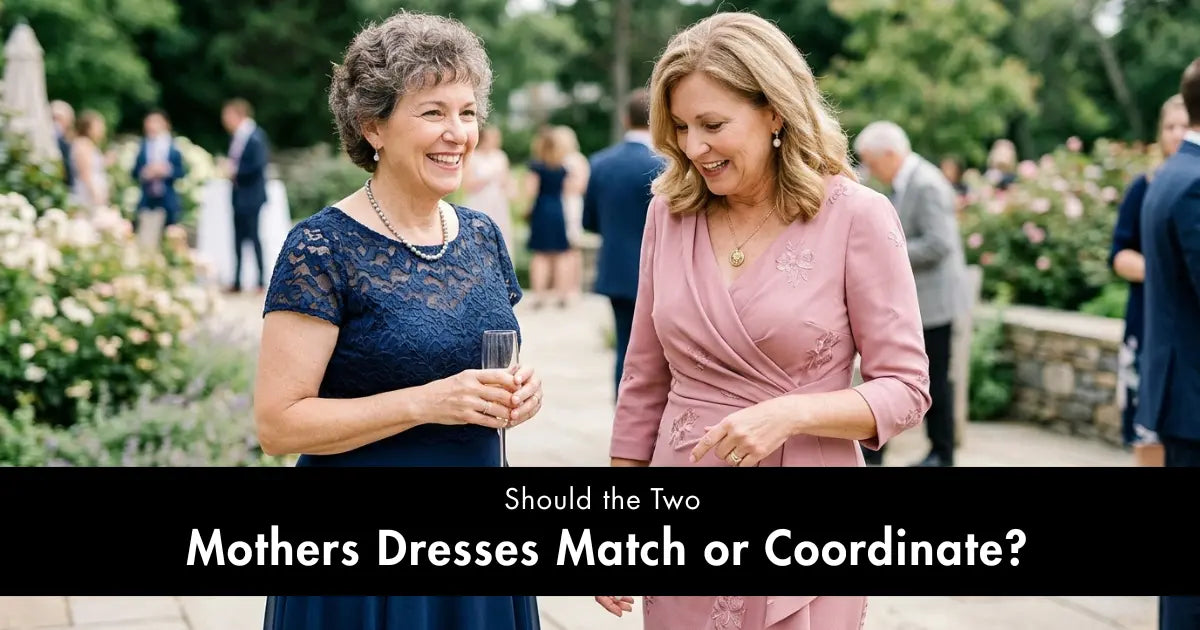
Should the Two Mothers Dresses Match or Coordinate?
One of the most common questions in wedding planning is whether the mother of the bride dresses and mother of the groom dresses should match or simply coordinate. This decision matters because both mothers are important figures in the wedding, and their outfits are highly visible in photos, ceremonies, and family moments. The goal is to look elegant, respectful, and in harmony with the overall wedding theme without appearing overly identical or clashing.
In modern wedding etiquette, there is no strict rule that mothers must wear matching outfits. Instead, most wedding planners and stylists recommend coordination rather than exact matching. This allows both mothers to maintain their personal style while still looking unified in color tone, formality level, and overall aesthetic.
Understanding this balance helps avoid confusion, last-minute stress, and outfit mismatches that may stand out in wedding photos.
Understanding Modern Wedding Dress Etiquette for Mothers
Wedding etiquette has evolved significantly over the years. Traditionally, mothers of the bride and groom were expected to wear conservative and neutral-toned outfits, often chosen with little discussion between families. Today, weddings are more personalized, and style choices reflect the couple’s vision rather than strict old rules.
Modern etiquette emphasizes communication over restriction. The key idea is that mother of the bride dresses and mother of the groom dresses should complement each other and the wedding theme, not compete or clash. Wedding experts often highlight that coordination creates visual harmony in photos, especially in formal ceremonies where both mothers are seated close to each other.
In many weddings, the bride or wedding planner will suggest a color palette or level of formality, such as formal, semi-formal, or black-tie. This helps both mothers make decisions that feel connected without needing identical designs.
Read More: How to Coordinate Mother of the Bride and Mother of the Groom Dresses
Matching VS Coordinating: What is the Real Difference?
To understand the right choice, it is important to separate matching from coordinating.
Matching dresses mean both mothers wear outfits that are almost identical in color, fabric, and sometimes even design. For example, both wearing navy blue lace gowns with similar cuts.
Coordinating dresses, on the other hand, means the outfits complement each other. They may share a color family, similar level of formality, or complementary tones but differ in style, shade, or fabric.
In most modern weddings, coordination is preferred for several reasons:
- It allows individuality while maintaining harmony
- It avoids awkward “uniform-like” appearances
- It reduces the chance of clashing silhouettes or body types
- It creates a more natural and elegant photo composition
Wedding stylists often note that coordinated mother of the bride outfits and mother of the groom outfits photograph better because they add visual depth rather than repetition.
Why Coordination is Preferred in Modern Weddings
Coordination has become the standard approach in most weddings today, especially in Western and South Asian wedding styling trends. One reason is the rise of themed weddings. Whether it is rustic outdoor weddings, luxury ballroom events, or beach ceremonies, each theme demands a different level of color harmony.
Another reason is photography. Professional wedding photographers often prefer coordinated outfits because they create balance in group shots. When both mothers wear slightly different but complementary tones, the images feel more dynamic and visually appealing.
Wedding planners also report that coordination helps reduce stress between families. When expectations are clearly discussed early, both mothers feel included in the planning process without pressure to replicate each other’s outfit.
Factors That Influence Mother of the Bride and Groom Outfits
Several important factors help decide whether dresses should match or coordinate. These include the wedding theme, season, venue, and cultural expectations.
Wedding Theme and Style
A formal black-tie wedding may call for long gowns with luxurious fabrics like silk or chiffon, while a daytime garden wedding may be better suited for softer pastel dresses or floral designs. The theme sets the foundation for coordination.
Season and Weather
Seasonal choices play a big role in dress selection. Lighter fabrics and softer tones are common in spring and summer weddings, while richer tones like emerald, burgundy, or navy are popular in autumn and winter ceremonies.
Venue Type
Indoor ballroom weddings allow more formal and dramatic outfits, while outdoor weddings often lean toward relaxed elegance. The venue influences how closely outfits should align in tone and style.
Cultural Traditions
In some cultures, mothers may prefer traditional attire such as sarees, gowns, or tailored suits. In such cases, coordination is achieved through color palette rather than identical outfit styles.
Bride's Role in Outfit Coordination
The bride often plays a central role in guiding outfit choices for both mothers. However, her involvement should be balanced and respectful. In many weddings, brides provide a general color palette or mood board rather than strict instructions.
For example, a bride may suggest soft blush tones, champagne shades, or deep jewel tones. This allows both mothers to choose dresses that fit within the same visual theme while still reflecting personal taste.
Clear communication helps avoid confusion. It is recommended that both mothers discuss their outfit ideas early in the planning process. This avoids situations where one mother feels over- or under-dressed compared to the other.
Color Coordination Guidelines for Mother of the Bride and Groom
Color is one of the most important elements in coordination. While there are no fixed rules, there are widely accepted guidelines in wedding fashion.
White or Ivory
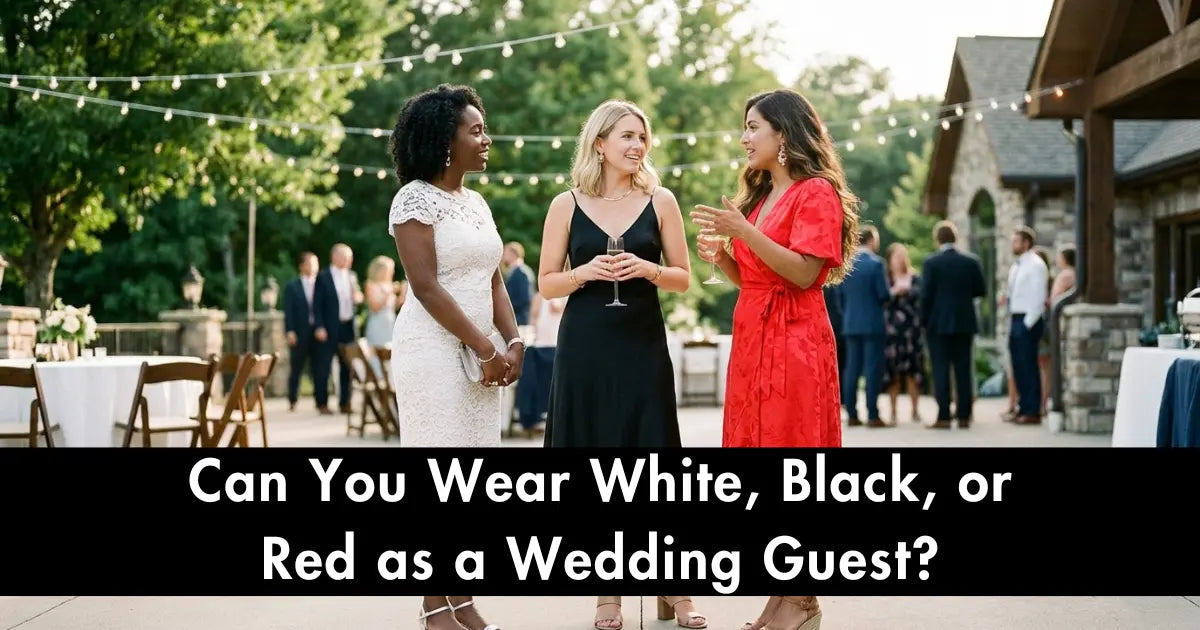
Traditionally, white and ivory are reserved for the bride. Mothers usually avoid these shades unless specifically requested.
Neutral Shades
Neutral tones like beige, taupe, gray, and champagne are safe choices that work in almost any wedding setting.
Jewel Tones
Colors like emerald green, navy blue, burgundy, and plum are popular for formal weddings. These shades photograph well and add elegance.
Pastel Shades
Soft colors such as blush pink, lavender, and powder blue are often used in spring or outdoor weddings.
Coordinating does not mean both mothers must wear the same color. Instead, they can choose shades from the same color family. For example, one mother may wear navy while the other wears dusty blue.
Fabric and Formality Should Match The Wedding Level
Even if colors differ slightly, the level of formality should remain consistent. One of the most common styling mistakes is when one mother dresses too casually while the other wears a highly formal gown.
Common formal fabrics include chiffon, silk, satin, lace, and crepe. These fabrics create a polished and elegant appearance suitable for weddings.
Semi-formal weddings may allow lighter fabrics and simpler designs, but still maintain sophistication. Both mother of the bride dresses and mother of the groom dresses should reflect the same level of elegance to maintain balance.
Common Mistakes Mother Should Avoid
Even with good intentions, outfit coordination can sometimes go wrong. Here are some frequent mistakes seen in wedding styling:
- Choosing outfits without consulting the other mother
- Ignoring the wedding theme or dress code
- Wearing overly similar dresses that look accidental rather than planned
- Selecting clashing colors that do not photograph well together
- Over-accessorizing and competing with the wedding party
Wedding planners often emphasize that the goal is harmony, not competition. Both mothers should complement each other, not outshine or overshadow the bride or wedding party.
Practical Tips for Perfect Coordination
Here are some simple but effective ways to achieve a balanced look:
- Share dress ideas early in the planning stage
- Agree on a color palette instead of exact shades
- Choose similar formality levels first, then focus on style
- Consider fabric consistency for visual harmony
- Coordinate accessories like shoes, handbags, or jewelry subtly
These small steps help create a polished and cohesive appearance without needing identical outfits.
Real-World Wedding Scenarios
In a formal ballroom wedding, both mothers may choose long gowns. One might wear navy with silver detailing while the other wears champagne with subtle embroidery. The result is elegant coordination without duplication.
In a beach wedding, both mothers may wear flowy dresses. One may choose soft coral while the other chooses seafoam green. Both align with the relaxed coastal theme while still expressing individuality.
In a traditional cultural wedding, one mother may wear a saree while the other wears a gown. Coordination is achieved through color harmony and similar embellishment styles rather than identical garments.
These examples show that coordination is flexible and adaptable to different wedding styles.
Also Read: What to Wear to a Wedding as a Guest
How To Make a Confident Decision
Choosing between matching and coordinating becomes easier when you follow a simple decision-making approach:
- Start with the wedding theme
- Confirm the dress code formality
- Discuss color preferences early
- Ensure both mothers feel comfortable in their outfits
- Focus on harmony rather than similarity
Confidence in this decision comes from communication and planning rather than strict fashion rules.
A Thoughtful Approach To Family Style Harmony
At the heart of this decision is the desire to create a visually beautiful and emotionally meaningful wedding experience. The mother of the bride and mother of the groom play equally important roles, and their outfits should reflect respect, unity, and celebration.
When coordination is done thoughtfully, it enhances wedding photography, strengthens family connection, and ensures both mothers feel confident and comfortable throughout the event. Matching is rarely necessary, but coordination brings balance that feels natural and timeless.
For those exploring elegant and well-coordinated mother of the bride dresses and mother of the groom dresses, thoughtful styling guidance and curated collections from Formal Dress Shops can help simplify the entire process while ensuring both elegance and harmony in every wedding celebration.


Leave a comment
This site is protected by hCaptcha and the hCaptcha Privacy Policy and Terms of Service apply.