


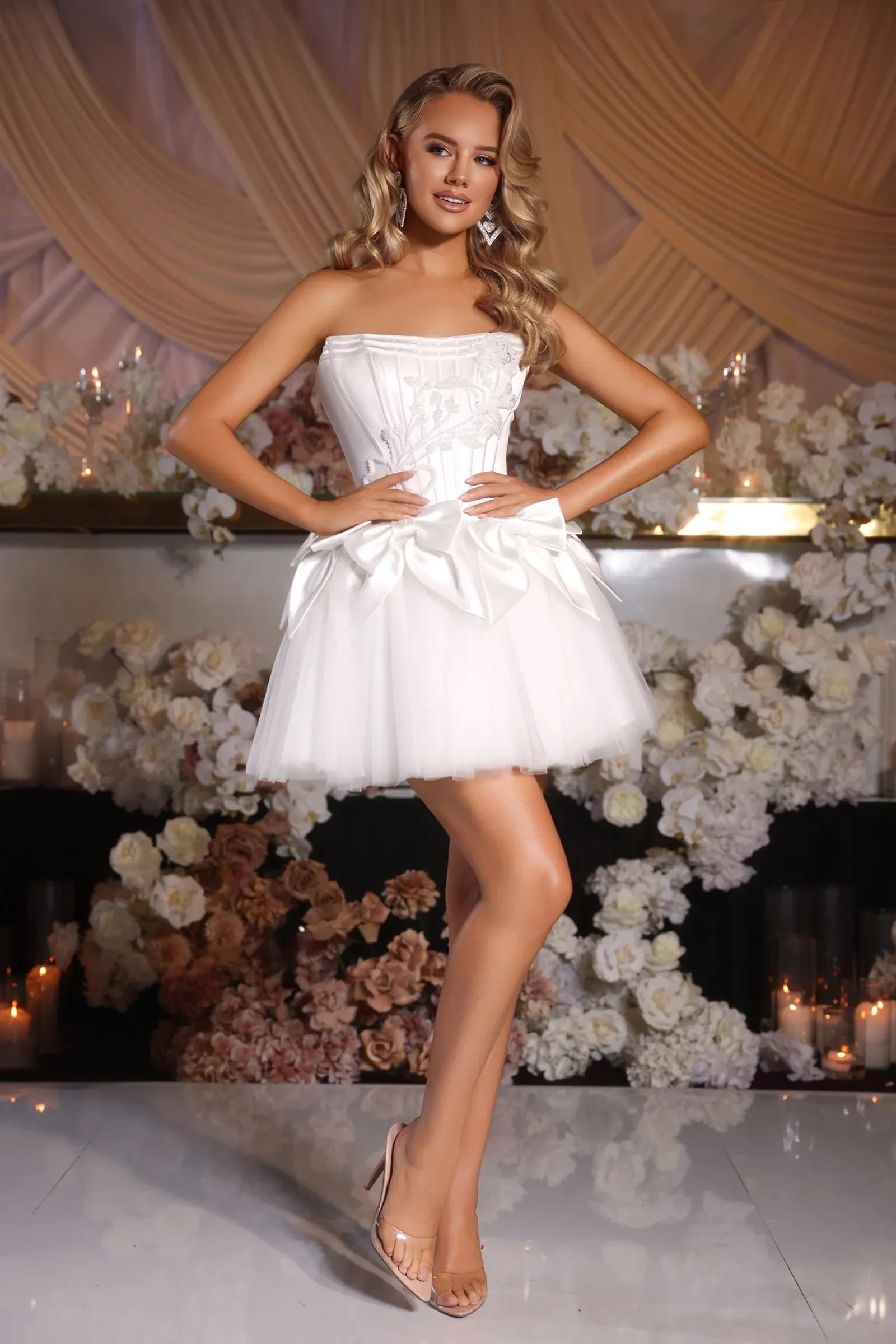
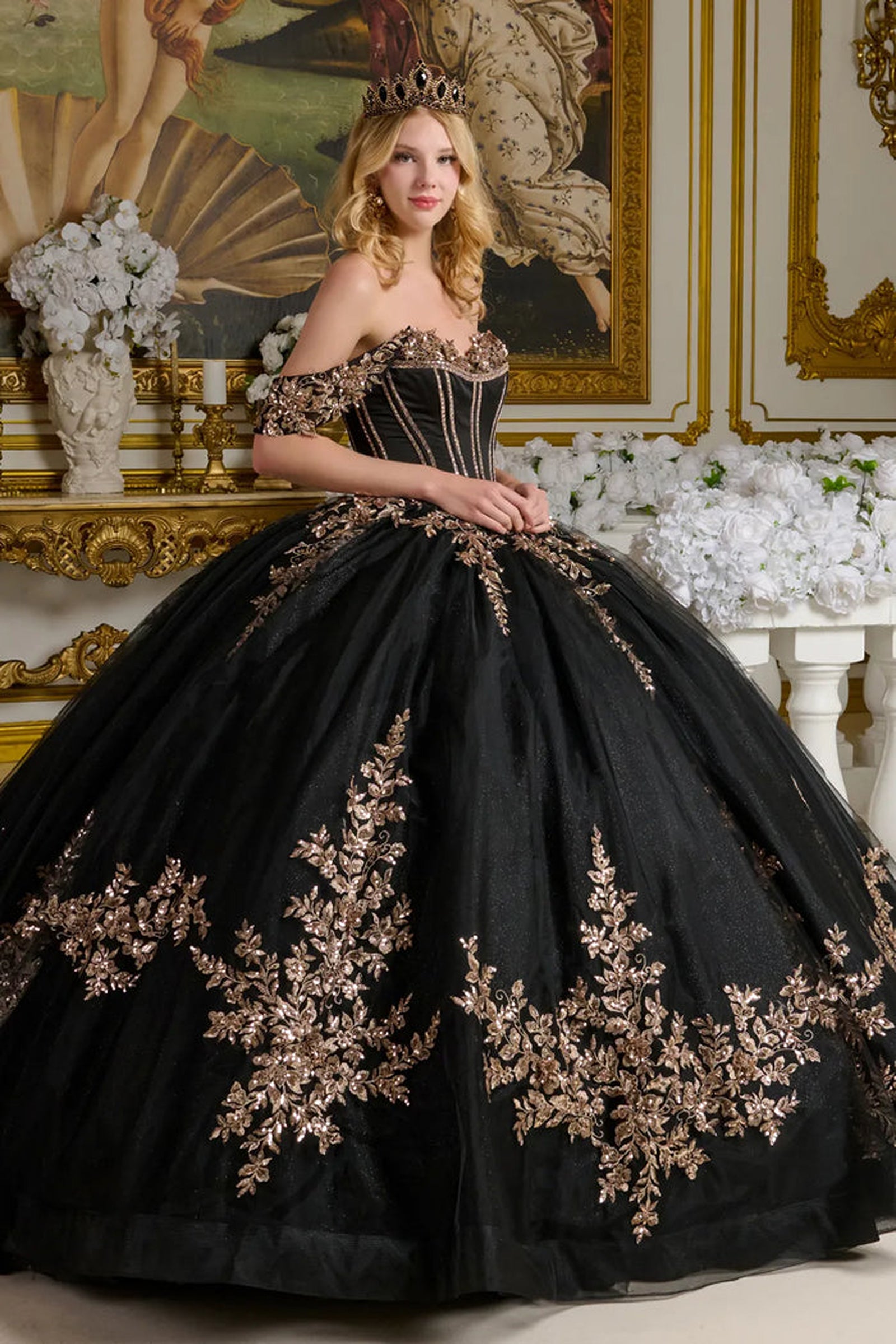

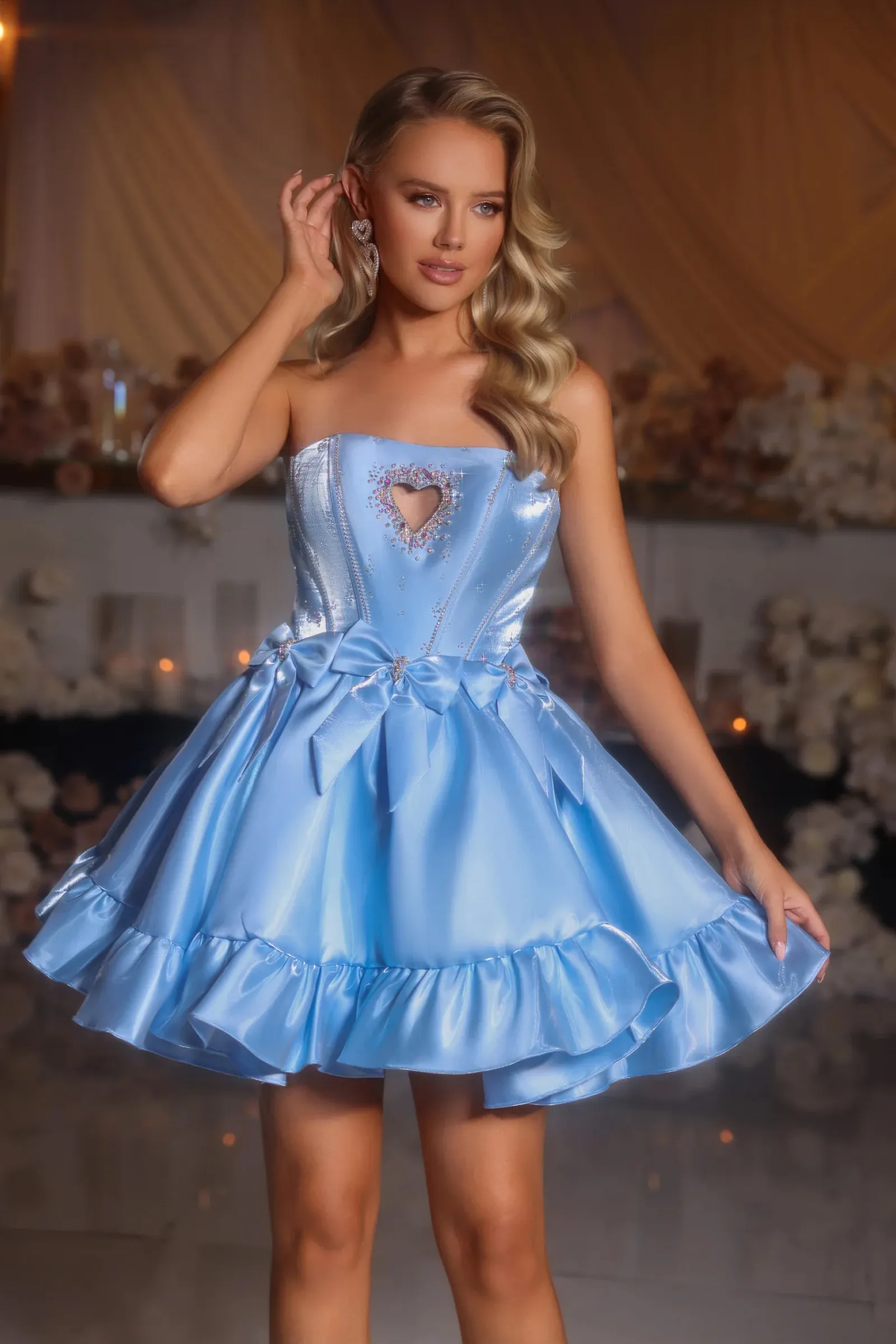
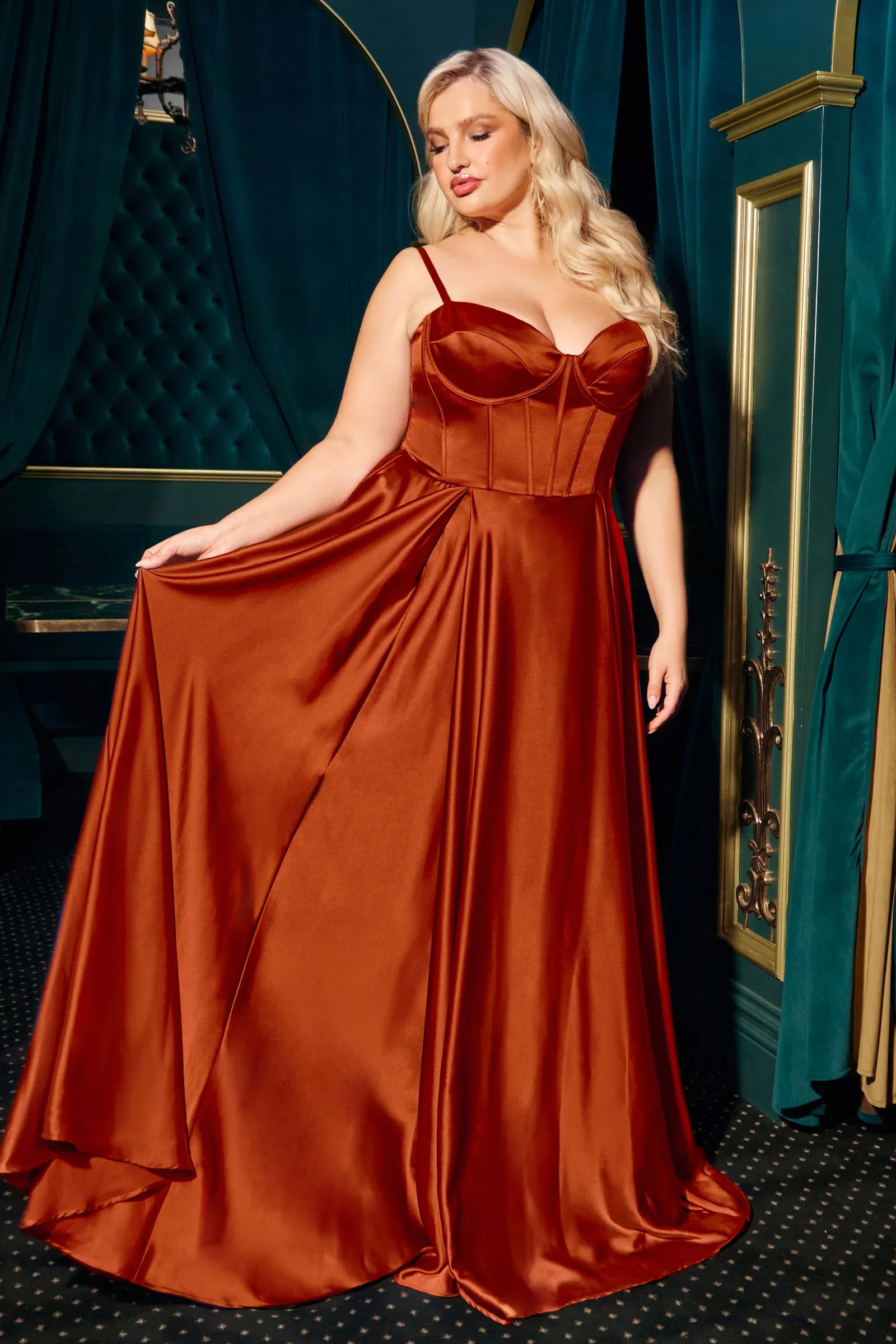

How to Coordinate Mother of the Bride and Mother of the Groom Dresses
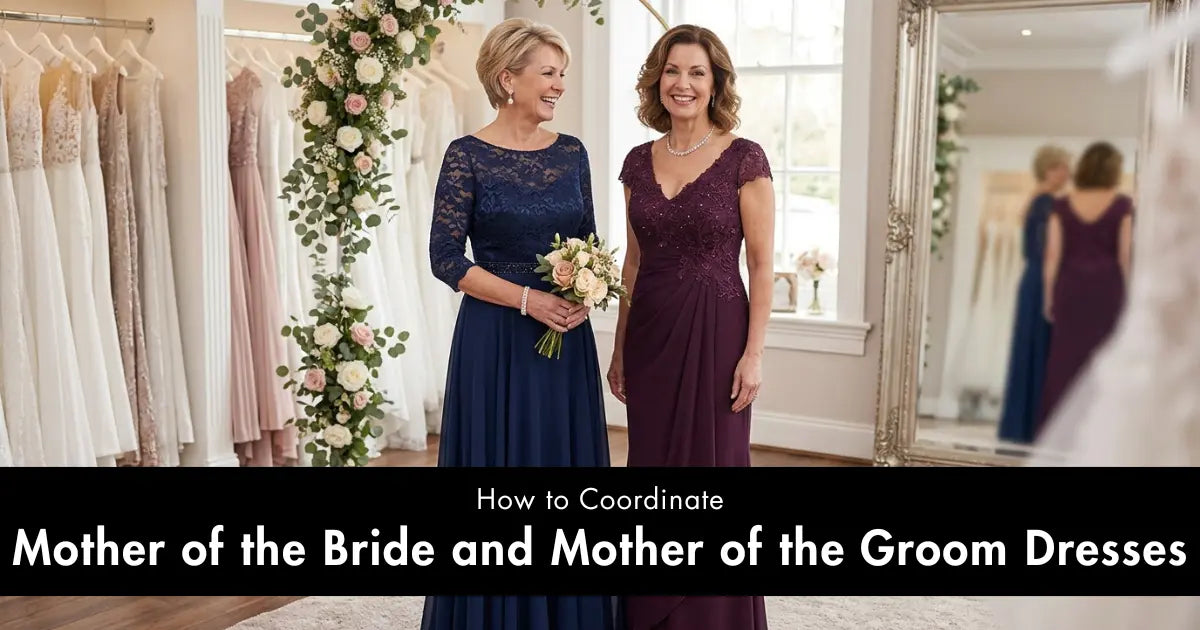
Coordinating mother of the bride dresses and mother of the groom dresses is one of the most quietly stressful parts of wedding planning. Both women want to look their best, neither wants to clash with the bridal party, and ideally they should not end up wearing the exact same gown by accident. It happens more often than you would think.
The good news is that getting this right does not require military-level coordination. A few thoughtful conversations, some early communication about color, and a shared understanding of the wedding's formality level is usually all it takes.
Why Coordination Matters More Than Matching
There is a meaningful difference between coordination and matching. Matching means wearing the same color or even the same dress style. Coordination means your choices work together visually, in photos, in person, and alongside the bridal party palette.
Wedding photographers consistently say that the most elegant wedding party photos are those where the mothers complement rather than copy each other. When both women wear completely different colors with no connection to the wedding palette, it creates visual noise in the images. When they wear the same color family in different silhouettes and fabrics, the result usually feels polished and intentional.
The bride typically sets the tone. Most etiquette experts and bridal stylists recommend that the mother of the bride choose her dress first, since she is closest to the wedding's aesthetic decisions. The mother of the groom then selects something in a complementary tone that fits within the same color family or the same formality level.
Do not obsess over finding the exact same shade. Soft dusty rose next to blush pink reads beautifully in photos. What you want to avoid is one mother wearing a pastel while the other arrives in a deep jewel tone, or one in floor-length formal while the other wears a knee-length cocktail dress.
Read More: What to Wear to a Wedding as a Guest
Start With the Wedding Color Story
Before either mother buys anything, it helps to understand the wedding's overall color palette. Most modern weddings center around two to four coordinating colors. The florals, tablecloths, bridesmaid dresses, and decor all echo each other. The mothers' formal attire should exist comfortably within that world, not outside it.
If the wedding is built around sage green and ivory, both mothers might gravitate toward soft neutrals such as champagne, taupe, light gold, or blush. If the theme is rich and moody with burgundy and navy, the mothers can wear something darker and more saturated without looking out of place.
The one firm rule across most wedding etiquette is that neither mother should wear white, ivory, or champagne so pale it reads as white. Those shades belong to the bride. Beyond that, there is genuine flexibility.
Color pairings that photograph beautifully together
Notice these all share a muted, softened quality. Saturated brights tend to compete with the bridal party, while dusty or toned-down versions of any color tend to integrate naturally. Mother of the groom gown options in this range also photograph well against most outdoor and indoor wedding settings.
How to Match Formality Without Matching the Outfit
Formality is arguably more important than color. Two women standing at the front of the ceremony in vastly different levels of dress creates an imbalance that is hard to ignore, regardless of how beautiful each outfit is on its own.
The venue and time of day will tell you most of what you need to know. A garden ceremony at 2pm calls for something lighter and less structured than a black-tie evening reception at a hotel ballroom. A beach wedding allows for flowy, relaxed silhouettes that would look underdressed at a formal church ceremony.
- Black-tie or formal reception: floor-length evening gowns, heavy fabrics like satin or lace, and embellishments are all appropriate choices
- Cocktail or semi-formal: tea-length or midi dresses work well, with lighter fabrics and tasteful beading or lace trim
- Garden or outdoor daytime: flowy chiffon or crepe in soft colors, and floral prints can feel very natural here
- Beach or destination wedding: lightweight fabrics, slightly more relaxed silhouettes, and sandals over heels are all perfectly acceptable
Many bridal stylists recommend both mothers settle on dress length first, whether floor, midi, or cocktail, before worrying about color. Once you agree on length, color coordination becomes much easier and neither outfit looks out of place next to the other.
Communication Is the Real Secret
Most coordination problems happen because nobody talked early enough. The mother of the groom sometimes feels uncertain about whether she needs to check in with the bride, and ends up buying something six weeks before the wedding that happens to clash with what the mother of the bride already bought months ago.
A quick conversation, ideally coordinated by the bride, is all it takes. It does not need to be detailed or prescriptive. Something as simple as sharing that the bridal party is wearing dusty rose and sage, and that the mother of the bride is planning a dusty blue floor-length gown, gives the mother of the groom everything she needs to make a complementary choice.
Some brides share a Pinterest board or a fabric swatch with their soon-to-be mother-in-law. Others simply share the bridesmaid dress color so both mothers can steer clear of it. Either approach works. The goal is not control. It is making sure nobody shows up in a surprise that photographs awkwardly.
The photo-sharing trick professionals use
Wedding planners often suggest that both mothers send a photo of their chosen outfit to the bride, or to each other, once they have made their purchase. This is the single most effective way to catch any unintentional clashes such as similar silhouettes, near-identical shades, or a color too close to the bridesmaid dresses. Most issues spotted this way are easy to resolve with a simple exchange or accessory adjustment.
Silhouette, Fit, and Personal Style — What Actually Matters Most
Beyond color and formality, the best mother of the bride and mother of the groom looks share one quality: they feel like the person wearing them. An uncomfortable dress, one that is too tight, too trendy, or purchased under pressure to match a specific color, will show in the photos and in the wearer's enjoyment of the day.
Both women should choose a silhouette that flatters their individual body type. An A-line or empire waist gown tends to be universally flattering and works across most formal occasions. Column and sheath styles photograph well but require a confident fit. Ball gowns can be stunning but are not always practical for a full day of standing, embracing family, and navigating wedding venues.
Fabric is worth thinking about too. Chiffon and crepe layers move beautifully in photos and stay comfortable through long ceremonies. Satin can be striking but is unforgiving under bright wedding lights. Lace adds texture and elegance but requires careful undergarment consideration.
Jewelry and shoes do not need to coordinate at all. This is where each mother can fully express her own taste. One might prefer pearls and kitten heels while the other goes for statement earrings and strappy sandals. That individuality is entirely appropriate and makes for more interesting wedding party photos.
Also Read: Can You Wear an Evening Gown to a Wedding?
Common Mistakes That Are Easy to Avoid
Wearing the same color as the bridesmaids is the most frequent misstep. If the bridal party is in dusty sage, the mothers should steer toward a different hue entirely. Blush, champagne, navy, or lavender all work well. Wearing the exact shade as the bridesmaids makes it look unintentional rather than coordinated.
Buying too late is another common issue. Formal gowns often need alterations, and high-quality options may need to be ordered weeks or months in advance. Shopping six to nine months before the wedding allows time to find something special without pressure.
Finally, ignoring personal comfort to match a color scheme too precisely can backfire. A mother who is visibly uncomfortable, tugging at a neckline or struggling with a hem, draws attention for the wrong reasons. When the dress fits well and suits the person inside it, the coordination takes care of itself.
Where to Find the Right Dress
Department stores, dedicated bridal boutiques, and specialty formal retailers all carry strong options. In-store shopping has a real advantage here. You can feel the fabric, try on the silhouette, and get a professional opinion from someone who has dressed hundreds of mothers-of-the-wedding before.
For those who want the widest selection of mother of the bride dresses and mother of the groom dresses under one roof, retailers that specialize in formal and special occasion attire offer the best range of lengths, colors, and fits. Formal Dress Shops is one such destination. They carry a curated collection of formal evening gowns, mother of the bride styles, and special occasion wear across a wide range of sizes and color palettes. Their staff understands exactly the kind of coordination challenges covered in this guide, so you walk away with something chosen with the full picture in mind, not just a dress that happened to be available in the right shade.
The most memorable thing at any wedding is not which two gowns looked perfectly matched in a photograph. It is the two women wearing them, proud, comfortable, and genuinely happy to be there. Get the fundamentals right by aligning on color family, formality level, and starting conversations early. Then trust both mothers to bring their own style to the rest. The coordination will look effortless, because at that point, it almost is.


Leave a comment
This site is protected by hCaptcha and the hCaptcha Privacy Policy and Terms of Service apply.