


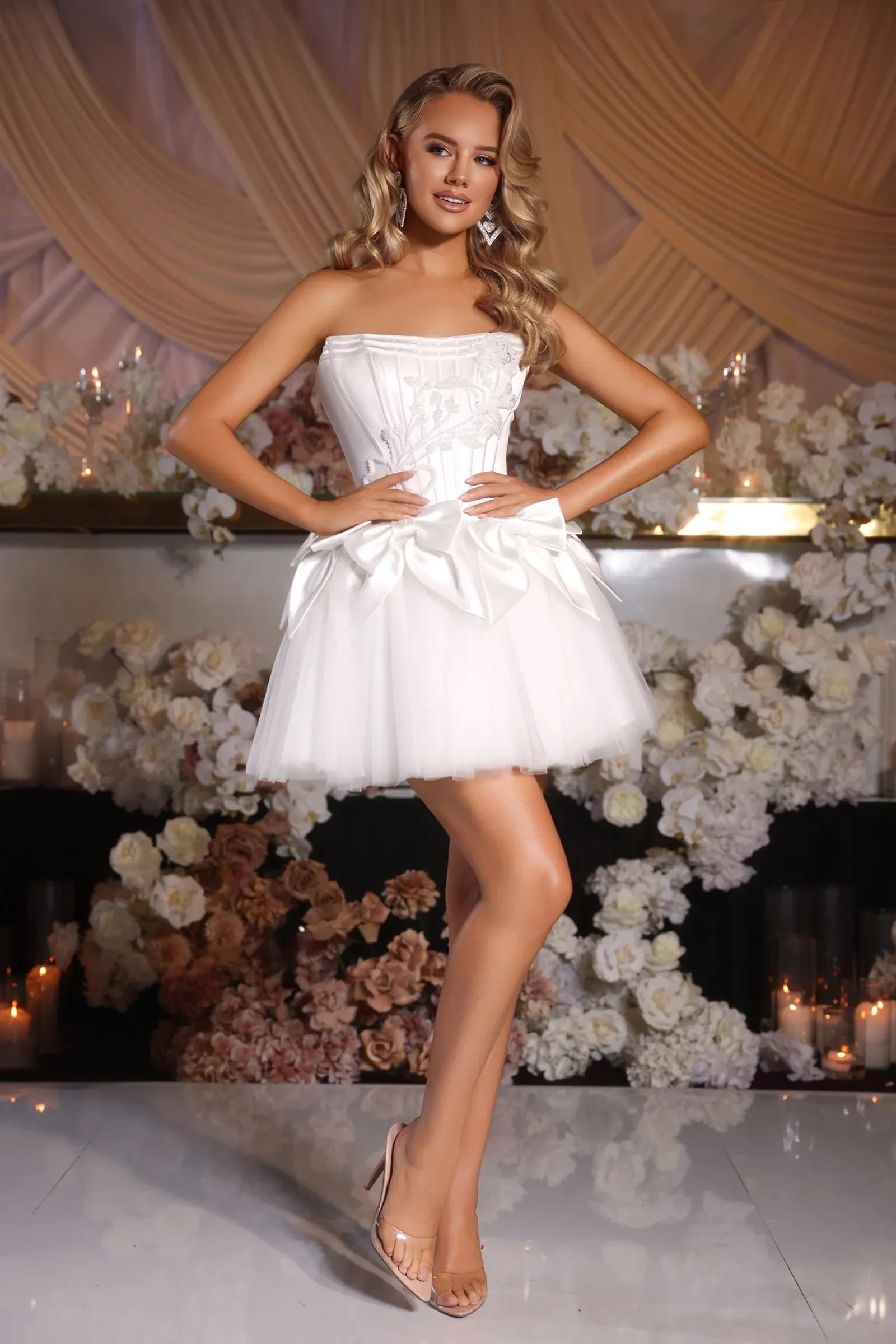
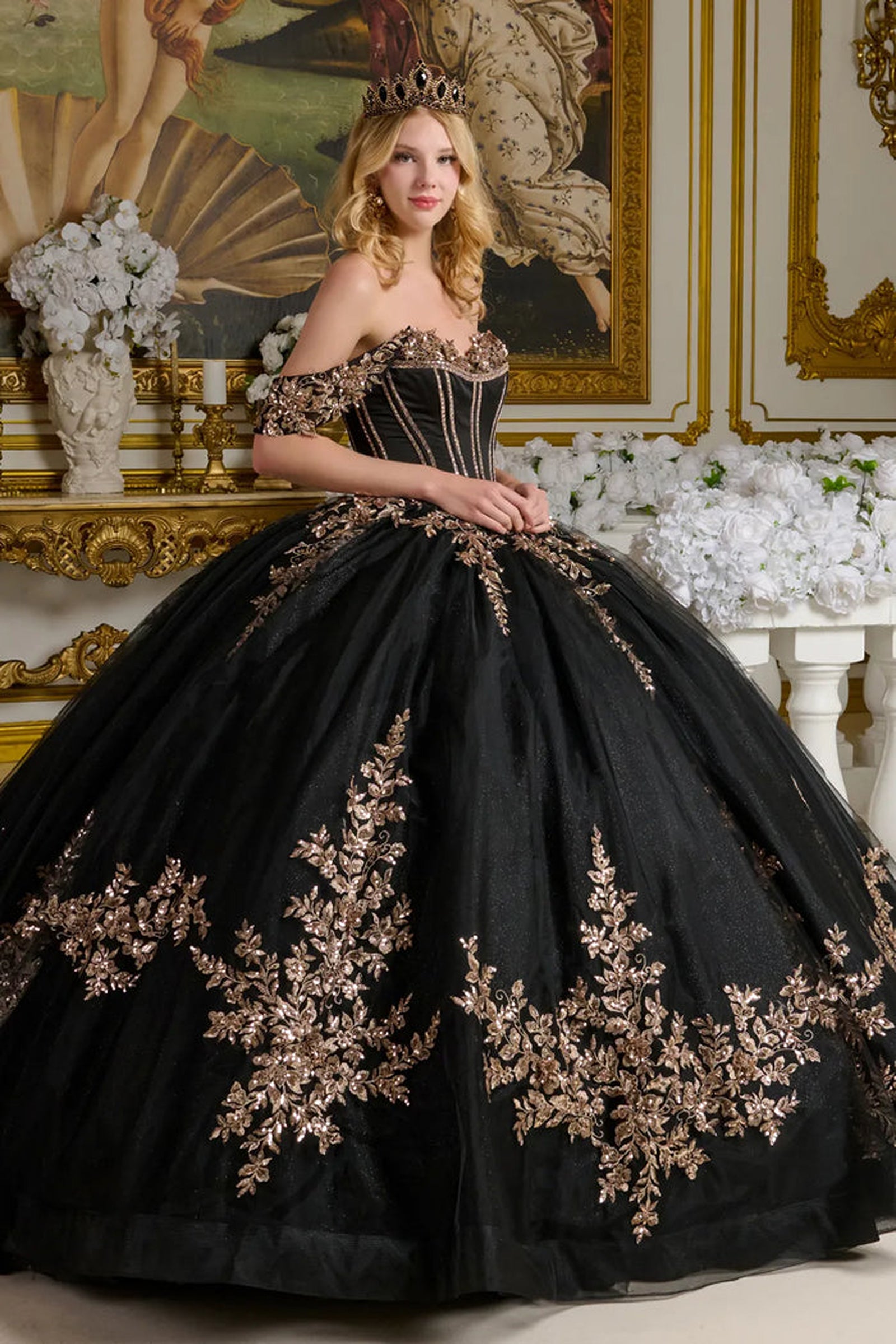

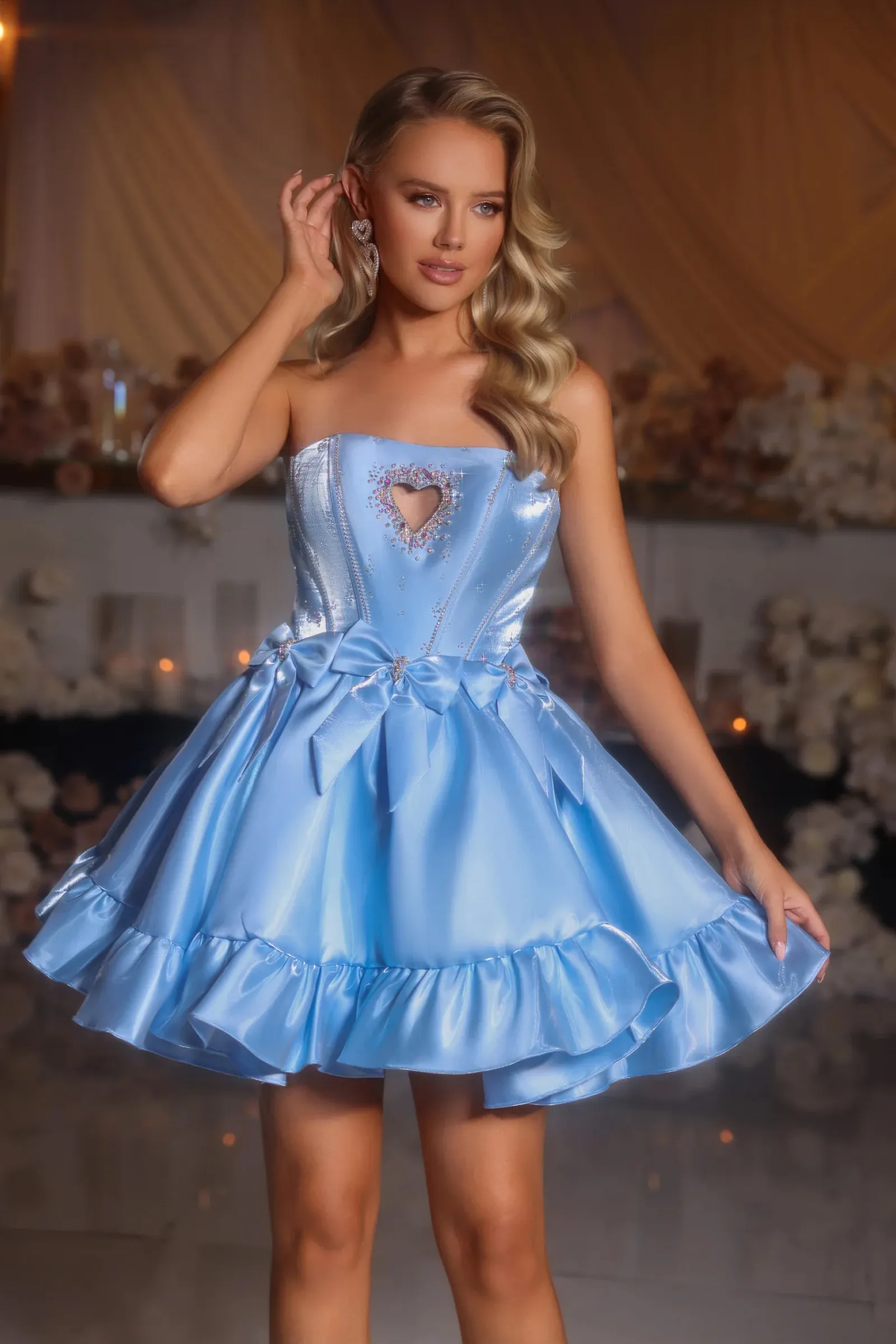
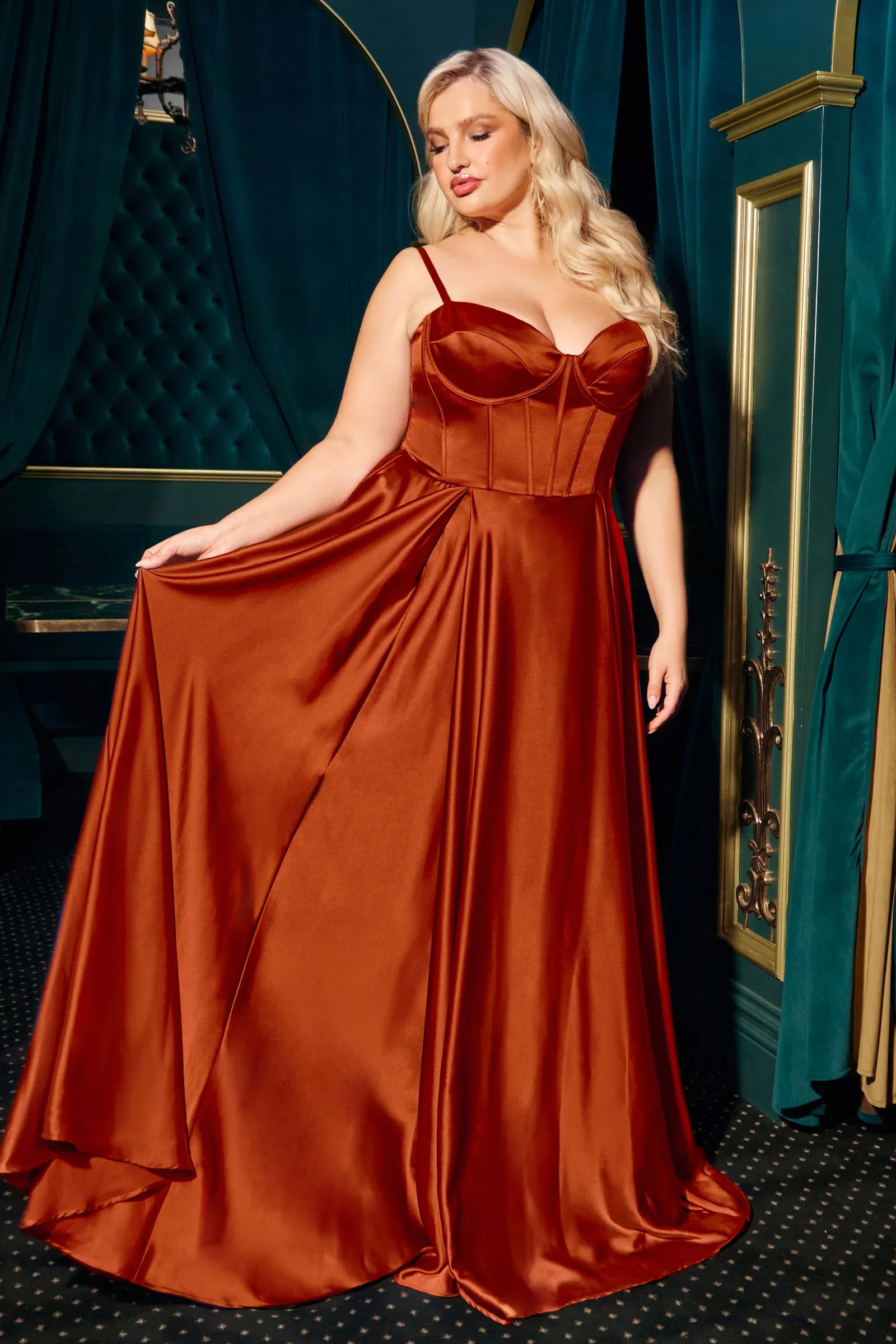
Can You Wear an Evening Gown to a Wedding?
Weddings are joyful, emotional, and memorable events, and choosing the right outfit is a big part of the experience. One common question many women ask is whether it is appropriate to wear an evening gown to a wedding. The short answer is yes, but only when it fits the wedding’s dress code, setting, and time of day.
Evening gowns are elegant, formal, and eye-catching, which can make them perfect for certain weddings and completely wrong for others. Understanding when and how to wear an evening gown to a wedding helps you look respectful, stylish, and confident without overshadowing the bride.
This guide explains everything you need to know, from dress codes and fabrics to colors, styling tips, and common mistakes, so you can make the right choice with confidence.
Understanding Wedding Dress Codes Before Choosing an Evening Gown
Before choosing your evening gown, identify the dress code: white tie requires ball gowns, black tie needs floor-length formal gowns, formal/black tie optional suits long elegant dresses, and semi-formal allows shorter sophisticated styles.
Always avoid white, cream, or anything bridal-looking regardless of formality level.
Why Dress Codes Matter at Weddings
Wedding dress codes exist to create harmony among guests and maintain the overall tone of the event. Wearing something too formal or too casual can make you stand out for the wrong reasons.
Evening gowns fall under formal wear dresses, so they should only be worn when the dress code supports that level of elegance.
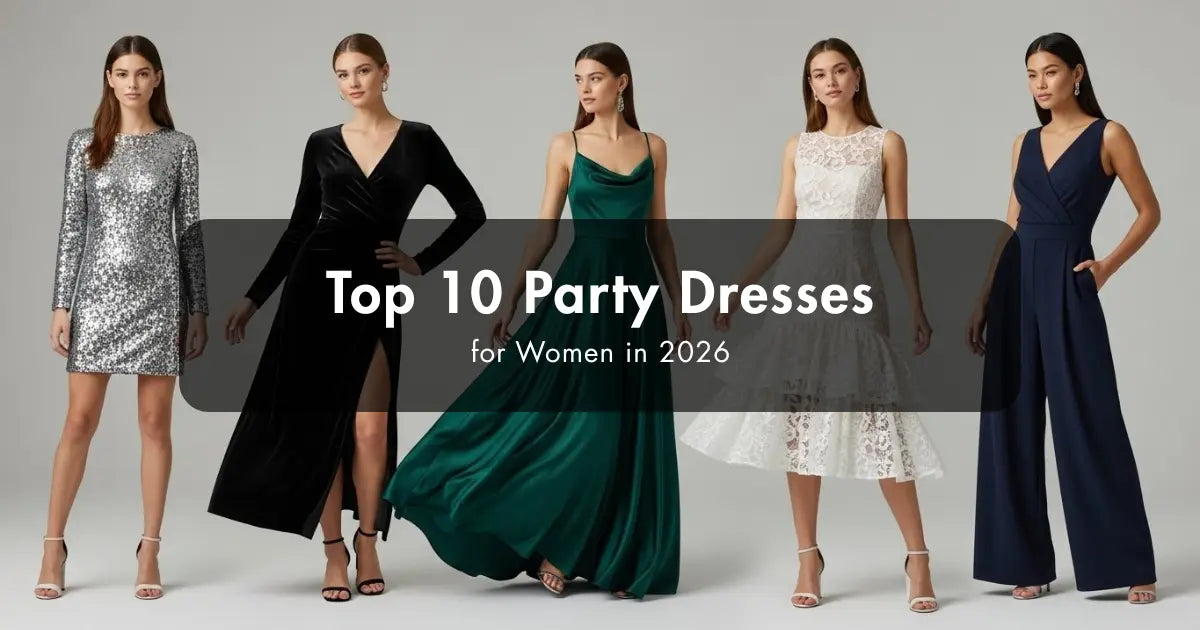
Also Read: Top 10 Party Dresses for Women in 2026
Common Wedding Dress Codes Explained
White Tie (Ultra Formal)
White tie is the most formal dress code, requiring full-length ball gowns in luxurious fabrics like silk, satin, or taffeta. Choose floor-length evening gowns with elegant details, pair with formal jewelry, and opt for classic colors like black, navy, or jewel tones.
This rare dress code is typically reserved for royal events, state dinners, or extremely upscale evening weddings.
Black Tie (Formal)
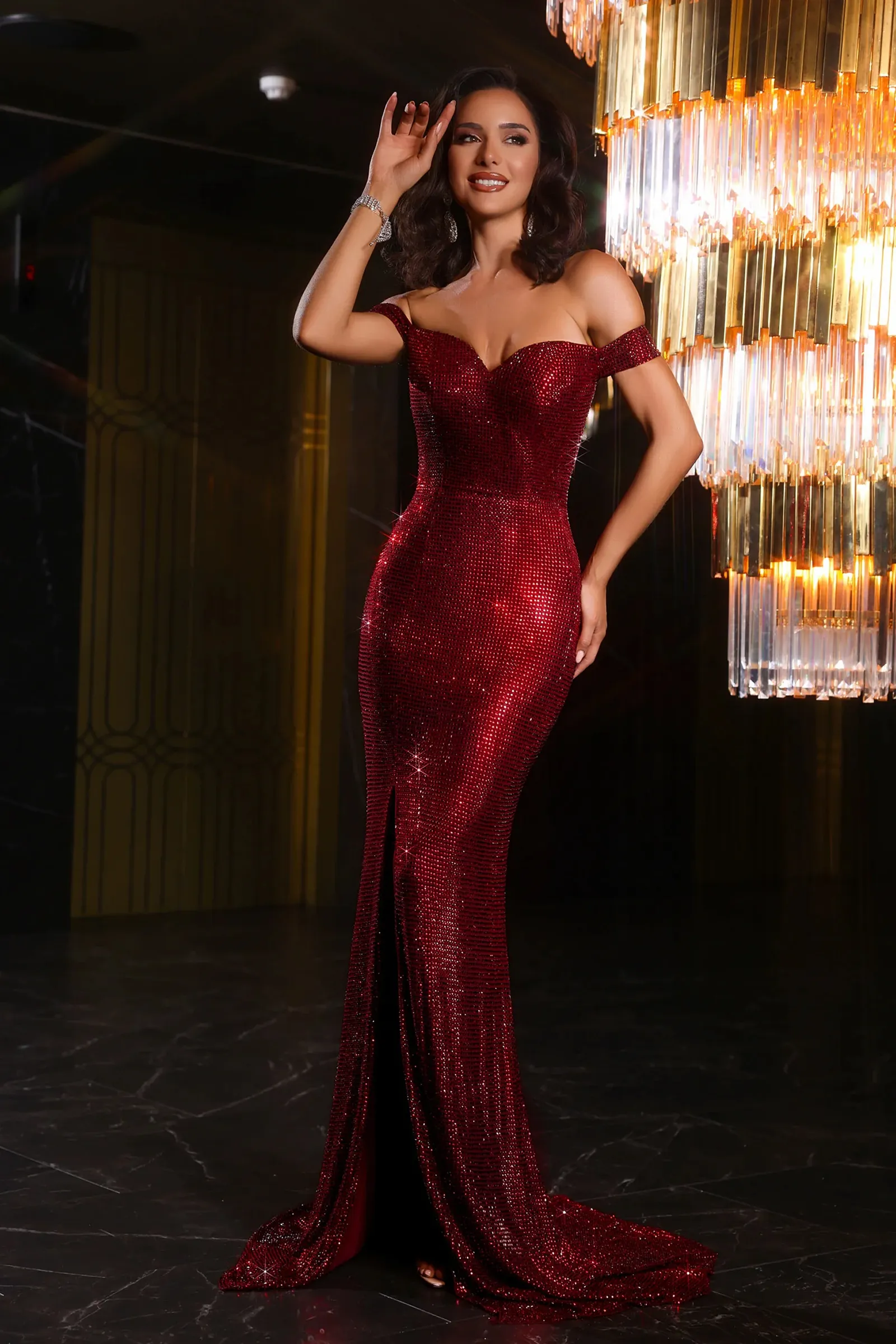
Black tie weddings require floor-length evening gowns in sophisticated fabrics such as silk, velvet, or chiffon. You can opt for elegant cocktail dresses that fall below the knee, but long gowns are preferred and most appropriate.
Embrace rich colors, metallic finishes, or classic black, and elevate your look with statement jewelry and formal heels.
Formal Event
Formal attire means floor-length evening gowns or elevated cocktail dresses in luxurious fabrics are appropriate. Think elegant and refined, midi to maxi lengths work well, and you should incorporate dressy details like beading, lace, or sophisticated draping.
Avoid anything too casual, overly revealing, or that could be worn to a nightclub.
Semi-Formal / Dressy Casual
Semi-formal allows knee-length to midi cocktail dresses, elegant jumpsuits, or even dressy separates in refined fabrics. You have more flexibility with hemlines and can wear sophisticated tea-length dresses, but avoid anything too casual like sundresses or overly short styles.
This dress code works well for daytime or early evening weddings and gives you room for personal style while maintaining elegance.
Cocktail Attire
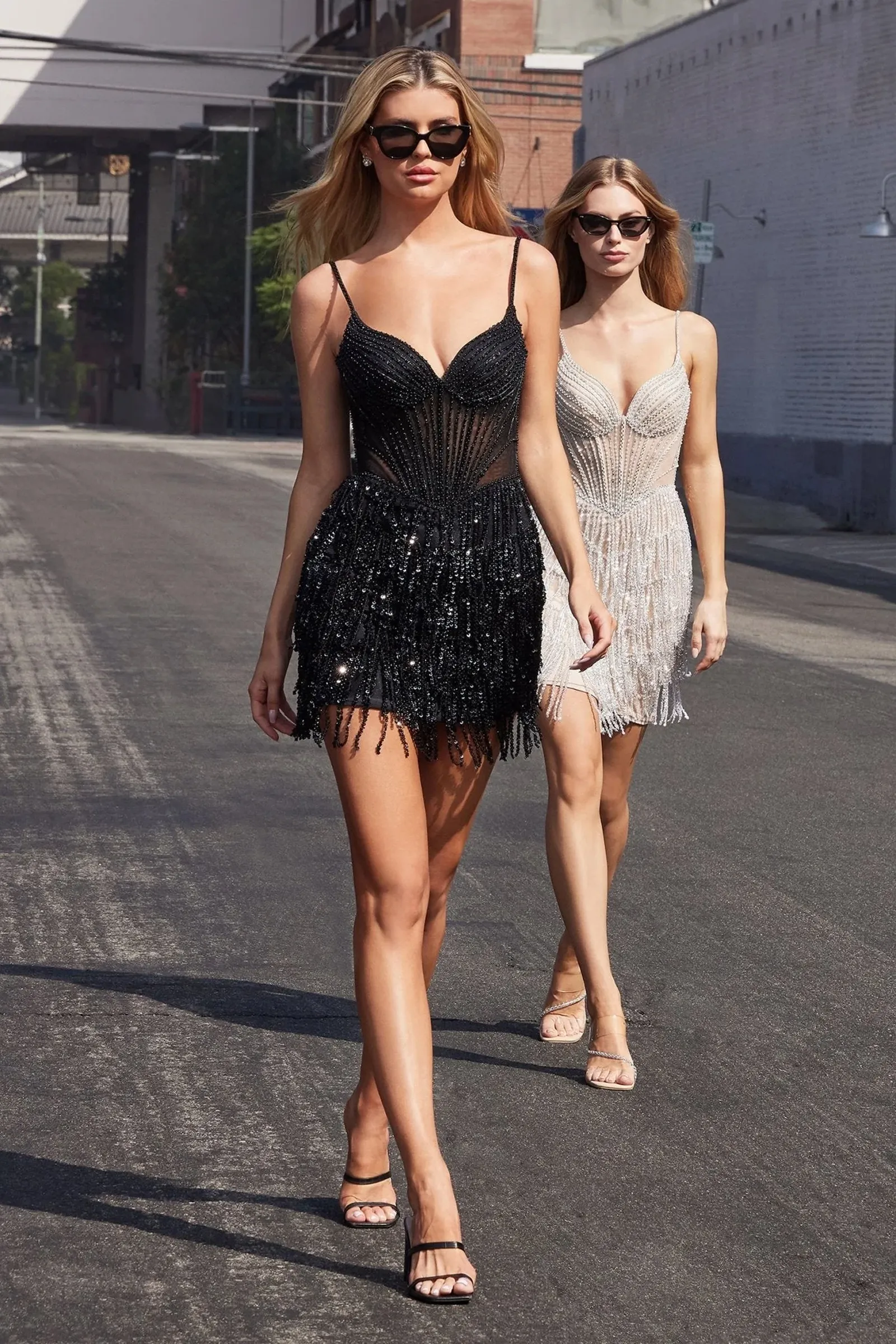
Cocktail attire calls for knee-length to midi dresses in party-appropriate fabrics like silk, satin, or lace - think celebratory but not overly formal. Cocktail dresses should feel festive and polished, typically falling anywhere from above the knee to mid-calf, with room for fun colors, prints, and statement accessories.
This is one of the most common wedding dress codes and offers great versatility in style choices.
Festive Attire
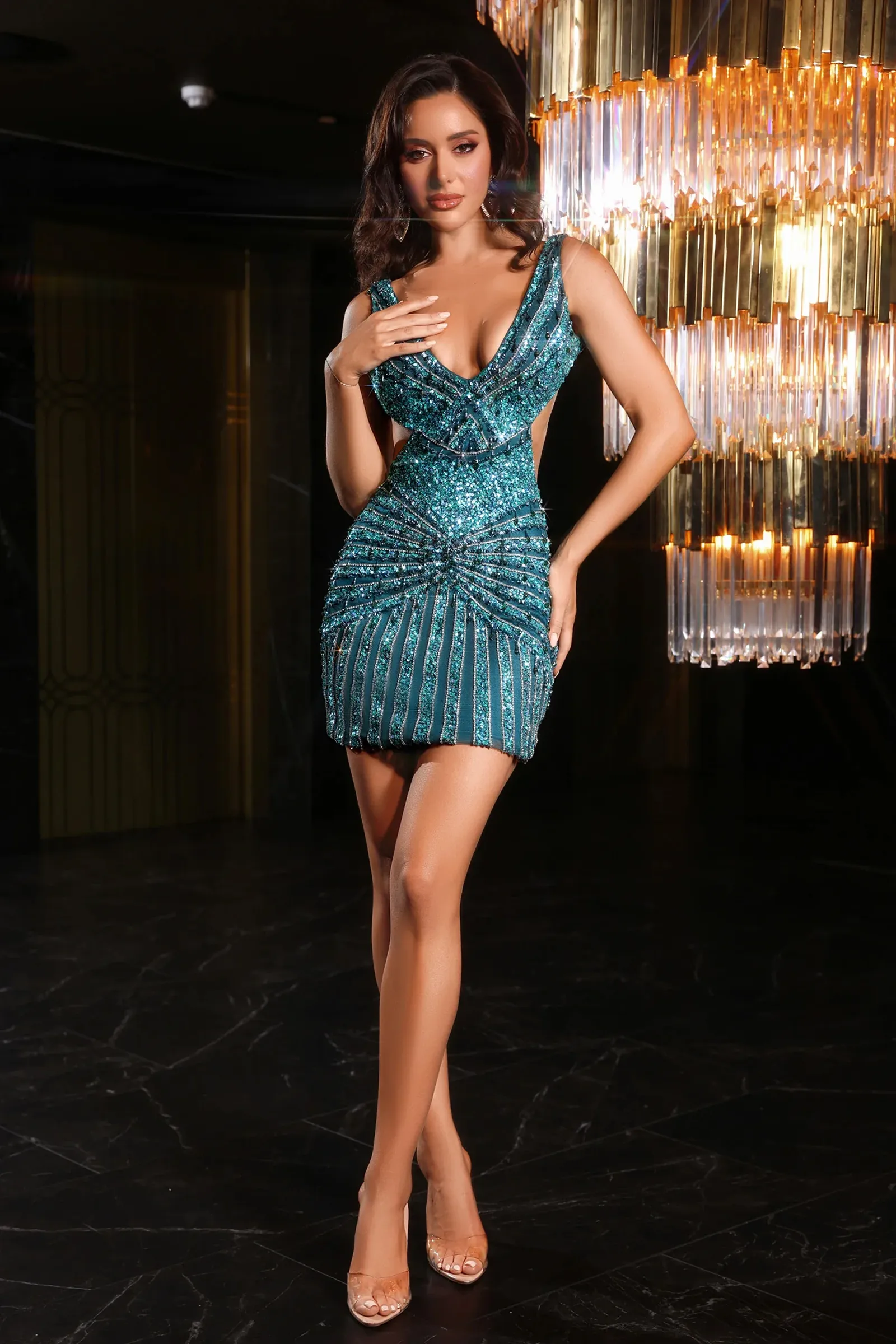
Festive attire encourages bold colors, playful prints, and celebratory details like sequins or metallic finishes in cocktail or midi-length dresses. This dress code is slightly more relaxed than traditional cocktail attire, inviting personality and fun while maintaining elegance and sophistication.
Think vibrant jewel tones, floral patterns, or eye-catching embellishments that feel joyful and party-ready.
Garden Party / Outdoor Wedding
Garden party attire calls for flowing midi or maxi dresses in lightweight fabrics like chiffon, avoiding overly formal gowns that feel too structured for outdoor settings.
Choose floral prints, pastel colors, or soft romantic styles, and consider practical elements like wedge heels instead of stilettos for grass terrain.
Fabrics should be breathable and styles should feel romantic, whimsical, and appropriate for natural outdoor environments.
Beach Formal / Destination Wedding
Beach formal requires elegant but practical choices flowing maxi dresses or sophisticated midi lengths in lightweight, breathable fabrics that won't overwhelm in heat and humidity.
Opt for airy materials like chiffon or jersey in tropical colors or soft neutrals, and skip heavy beading or restrictive silhouettes. Keep jewelry simple, choose wedges or flat sandals over heels, and embrace the relaxed elegance of seaside celebrations.
Casual / Come As You Are
Casual wedding attire is the most relaxed dress code, allowing sundresses, midi dresses, or even dressy separates in comfortable fabrics without formal requirements. While "casual" gives you freedom, avoid jeans, t-shirts, or athletic wear, think "elevated casual" with polished day dresses or chic jumpsuits.
This dress code is rare for weddings but when specified, prioritize comfort while still looking put-together and celebratory.
What Defines an Evening Gown?
An evening gown is a floor-length formal dress designed for elegant evening events like galas, black-tie weddings, and formal celebrations. These gowns are typically made from luxurious fabrics such as silk, satin, velvet, or chiffon and feature sophisticated design elements like elegant necklines, flowing skirts, and refined embellishments.
Evening gowns are the most formal type of women's dress, distinguished from cocktail dresses by their full length and elevated level of formality.
Key Features of Evening Gowns
Evening gowns are typically floor-length dresses made from luxurious fabrics like satin, chiffon, silk, velvet, or organza. They often include details such as draping, embellishments, structured bodices, or flowing skirts. These elements place them firmly in the category of formal evening gowns.
Evening Gowns vs Cocktail and Party Dresses
Cocktail dresses are shorter and less structured, designed for flexibility and movement. Evening gowns are more dramatic and refined, making them ideal for upscale nighttime events. Understanding this difference helps you decide if an evening gown suits the wedding you are attending.
When It Is Appropriate to Wear an Evening Gown to a Wedding
Evening gowns are appropriate for weddings with black tie, formal, or black tie optional dress codes, particularly for evening ceremonies starting after 6 PM.
Floor-length gowns are also suitable for upscale venue weddings at ballrooms, hotels, country clubs, or destination resorts where the invitation indicates elevated formality.
Black-Tie and Formal Evening Weddings
If the invitation says black-tie, a floor-length evening gown is not just acceptable, it is expected. These weddings often take place in the evening at luxury venues like ballrooms or hotels.
Formal dresses for women with elegant silhouettes and subtle detailing work best here.
Luxury Venue and Ballroom Weddings
Grand venues naturally call for grand outfits. An evening gown fits perfectly in settings with chandeliers, marble floors, and formal dining arrangements. Structured formal wear dresses enhance the sophistication of the space.
Evening Receptions After 6 PM
Time matters. Weddings held in the evening are generally more formal, making evening gowns for women more suitable. The later the event, the more acceptable a full-length gown becomes.
When You Should Avoid Wearing an Evening Gown
While evening gowns are stunning for formal events, they're not always the right choice for every wedding. Certain venues, times of day, and dress codes call for shorter, more practical alternatives that better suit the occasion's atmosphere and setting.
Daytime and Morning Weddings
Morning and early afternoon weddings usually call for lighter, shorter dresses. Wearing a full evening gown during the day can feel excessive and out of place.
Beach, Garden, and Outdoor Weddings
Outdoor weddings often require practical, breathable outfits. Heavy fabrics and long hems can be uncomfortable and impractical on sand or grass. In such cases, flowy semi-formal dresses are a better option than formal evening dresses.
Casual or Rustic Wedding Settings
Barn weddings, backyard ceremonies, and rustic venues emphasize comfort and simplicity. An evening gown may clash with the relaxed atmosphere and draw unnecessary attention.
Choosing the Right Evening Gown for a Wedding
Selecting the perfect evening gown for a wedding requires balancing elegance with appropriateness. The right fabric, silhouette, and embellishment level ensure you look polished and celebratory without overshadowing the bride or appearing out of place.
Fabrics That Work Best for Weddings
Lightweight and breathable fabrics like chiffon, georgette, and soft satin are ideal. They look elegant without feeling too heavy. Avoid overly shiny or stiff materials unless the wedding is ultra-formal.
Silhouettes That Look Elegant, Not Overpowering
Simple A-line, sheath, or softly draped gowns are safer choices than dramatic ball gowns. The goal is to look polished and respectful, not theatrical.
Embellishments: How Much Is Too Much
Subtle beadwork or embroidery is fine, but avoid overly flashy sequins or heavy sparkle that could compete with bridal attire. Weddings are not red carpet events, even when formal.
Color Guidelines for Wearing an Evening Gown to a Wedding
Choosing the right color for your wedding guest evening gown is crucial, some shades are universally elegant, while others can cause unintentional offense.
Understanding which colors to embrace and which to avoid ensures you look sophisticated while respecting wedding etiquette and the bride's spotlight.
Colors That Are Always Safe
Navy, emerald green, burgundy, dusty blue, and soft metallics are popular and elegant choices. These shades work well across many seasons and venues.
Colors to Avoid at All Costs
White, ivory, cream, and champagne are traditionally reserved for the bride and should always be avoided. Very pale pastels that photograph white are also risky.
Seasonal Color Considerations
Darker tones work well for fall and winter weddings, while softer hues suit spring and summer evenings. Matching your color choice to the season shows thoughtfulness and style awareness.
Styling an Evening Gown for a Wedding Guest Look
The right accessories, shoes, and bag can elevate your evening gown from beautiful to wedding-perfect, but the key is choosing pieces that enhance rather than overpower your overall look.
Accessories That Complement, Not Compete
Choose minimal jewelry that enhances your gown without overpowering it. Delicate necklaces, stud earrings, or a single statement piece are usually enough.
Shoes That Balance Comfort and Elegance
Heels are common with evening gowns, but comfort matters. Block heels or elegant flats can work if styled well. Make sure your shoes suit the venue.
Bags and Clutches for Formal Weddings
Small clutches or wristlets are ideal. Avoid oversized bags that disrupt the elegance of your formal evening gown.
Hair and Makeup Tips When Wearing an Evening Gown
The right hair and makeup choices can make or break your evening gown ensemble, so selecting styles that complement your dress neckline and maintain wedding-appropriate elegance is essential for a polished appearance.
Hairstyles That Pair Well With Formal Dresses
Soft waves, low buns, and sleek ponytails complement most evening dresses for women. Your hairstyle should match the neckline and overall style of the gown.
Makeup That Feels Wedding-Appropriate
Aim for polished and timeless makeup. Neutral eyes with a defined lip or a soft glow look photograph beautifully without being distracting.
Can You Wear an Evening Gown to a Wedding as a Close Family Member?
Close family members like mothers of the bride/groom typically have more formal attire expectations and can wear evening gowns to weddings, but coordination with the couple and understanding your specific role is essential.
Mother of the Bride or Groom Considerations
Close family members often dress more formally than other guests. Evening gowns are usually appropriate, especially for formal evening weddings, but should still align with the couple’s vision.
Bridesmaids and Coordinated Looks
If you are part of the wedding party, always follow the bride’s guidance. Wearing an evening gown independently may clash with coordinated looks unless approved.
Cultural and Religious Factors to Keep in Mind
Respecting Cultural Traditions
Some cultures expect guests to dress very formally, while others value modesty and simplicity. Understanding cultural expectations is just as important as following the dress code.
Modesty and Coverage Guidelines
For religious ceremonies, gowns with excessive cutouts, low necklines, or high slits may be inappropriate. Opt for elegant coverage that still feels stylish.
Common Mistakes Guests Make With Evening Gowns
Selecting an evening gown for a wedding involves potential pitfalls that many guests overlook, including accidentally wearing bridal-adjacent styles, prioritizing appearance over comfort, or choosing fabrics inappropriate for the venue and season.
Choosing a Gown That Looks Too Bridal
Lace-heavy designs, long trains, or white-adjacent colors can easily look bridal. Always view your gown through the lens of wedding etiquette.
Overlooking Comfort and Mobility
Weddings involve sitting, standing, dancing, and socializing. A gown that restricts movement can quickly become uncomfortable.
Ignoring the Venue and Weather
A velvet gown may look stunning but feel unbearable at a summer wedding. Practical choices are part of smart styling.
Read More: Is It Appropriate to Wear a Ball Gown to Prom?
How Evening Gowns Fit Into Modern Wedding Fashion
Modern wedding fashion has shifted toward greater formality and sophistication, making evening gowns more common and accepted for guests who want Instagram-worthy elegance while still respecting traditional wedding etiquette boundaries.
The Rise of Formal Wedding Guest Fashion
Modern weddings are becoming more personalized and upscale, leading to more opportunities to wear formal dresses for women. Evening gowns are increasingly accepted when styled appropriately.
Social Media and Photography Influence
Weddings are highly photographed events. Guests often want outfits that look elegant in photos without stealing focus. Balanced formal wear dresses achieve this goal.
Making a Confident and Respectful Style Choice
Wearing an evening gown to a wedding is not about following trends blindly; it is about understanding context, respecting the couple, and expressing personal style in a thoughtful way.
When chosen carefully, evening gowns for women can enhance the beauty of the celebration and help you feel confident throughout the event. By paying attention to dress codes, timing, venue, fabric, and color, you can ensure your outfit feels appropriate and elegant.
For those exploring refined formal evening dresses and timeless silhouettes suitable for weddings and other special occasions, Formal Dress Shops offer curated options that balance sophistication, comfort, and wedding-appropriate style.


Leave a comment
This site is protected by hCaptcha and the hCaptcha Privacy Policy and Terms of Service apply.