


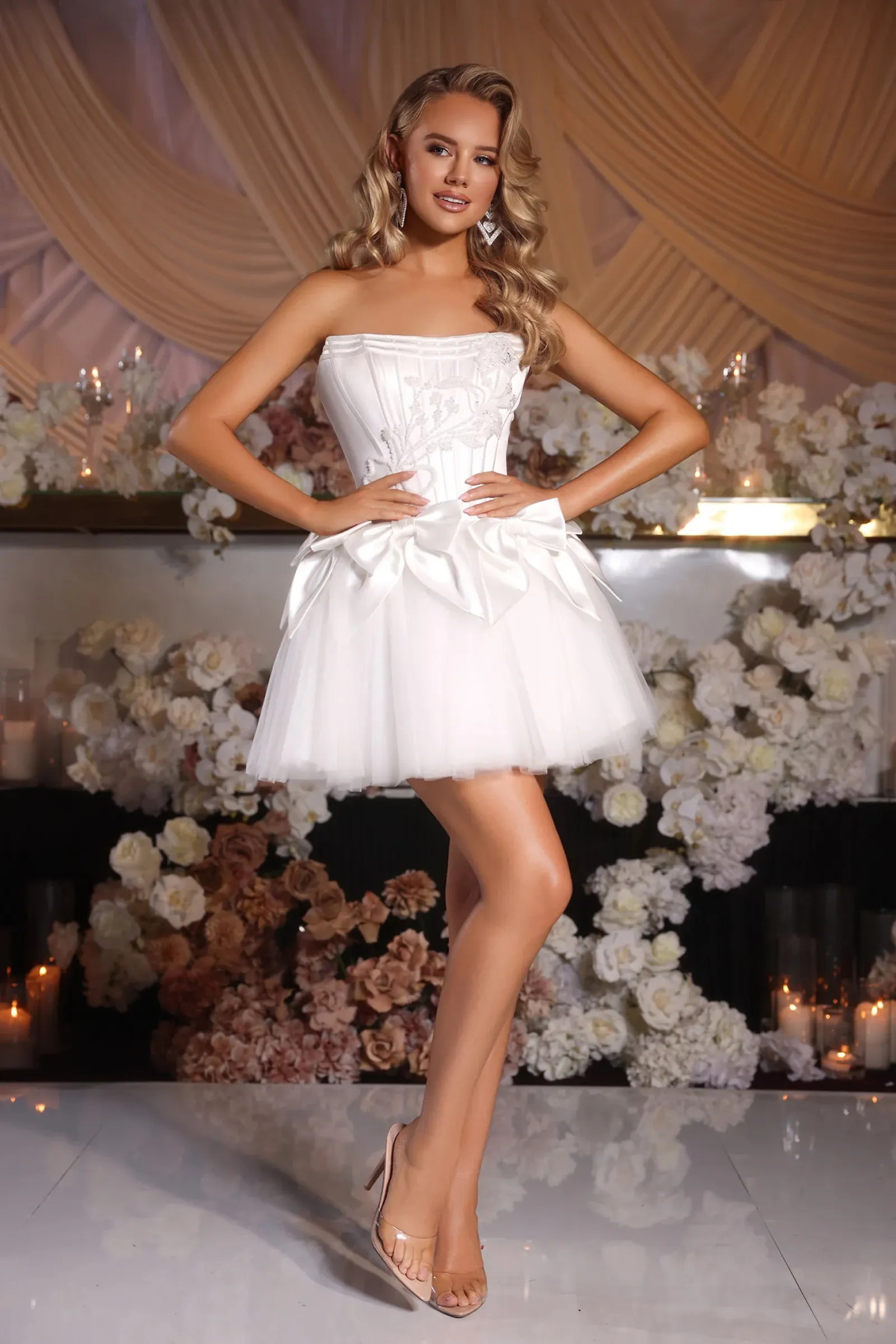
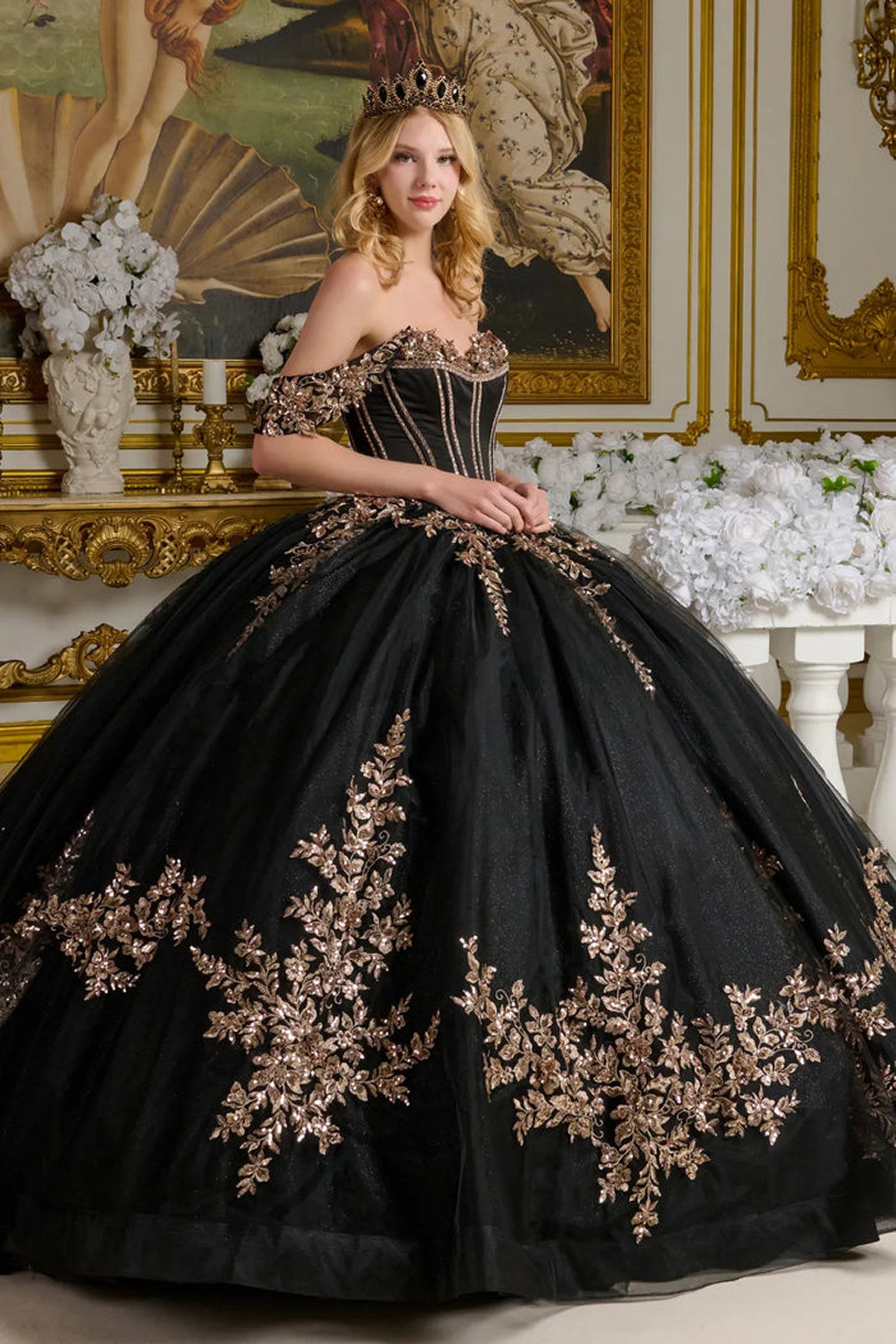

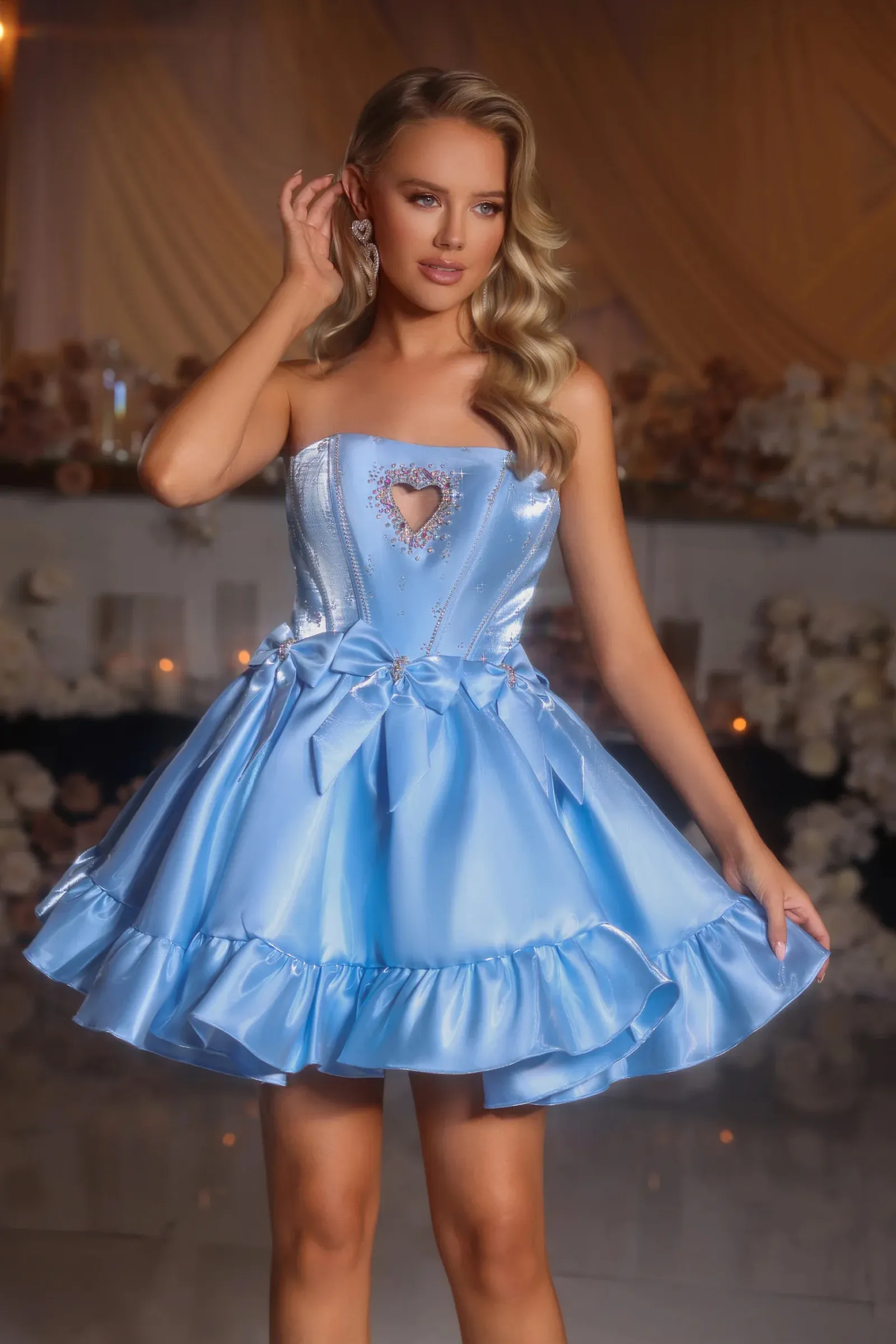
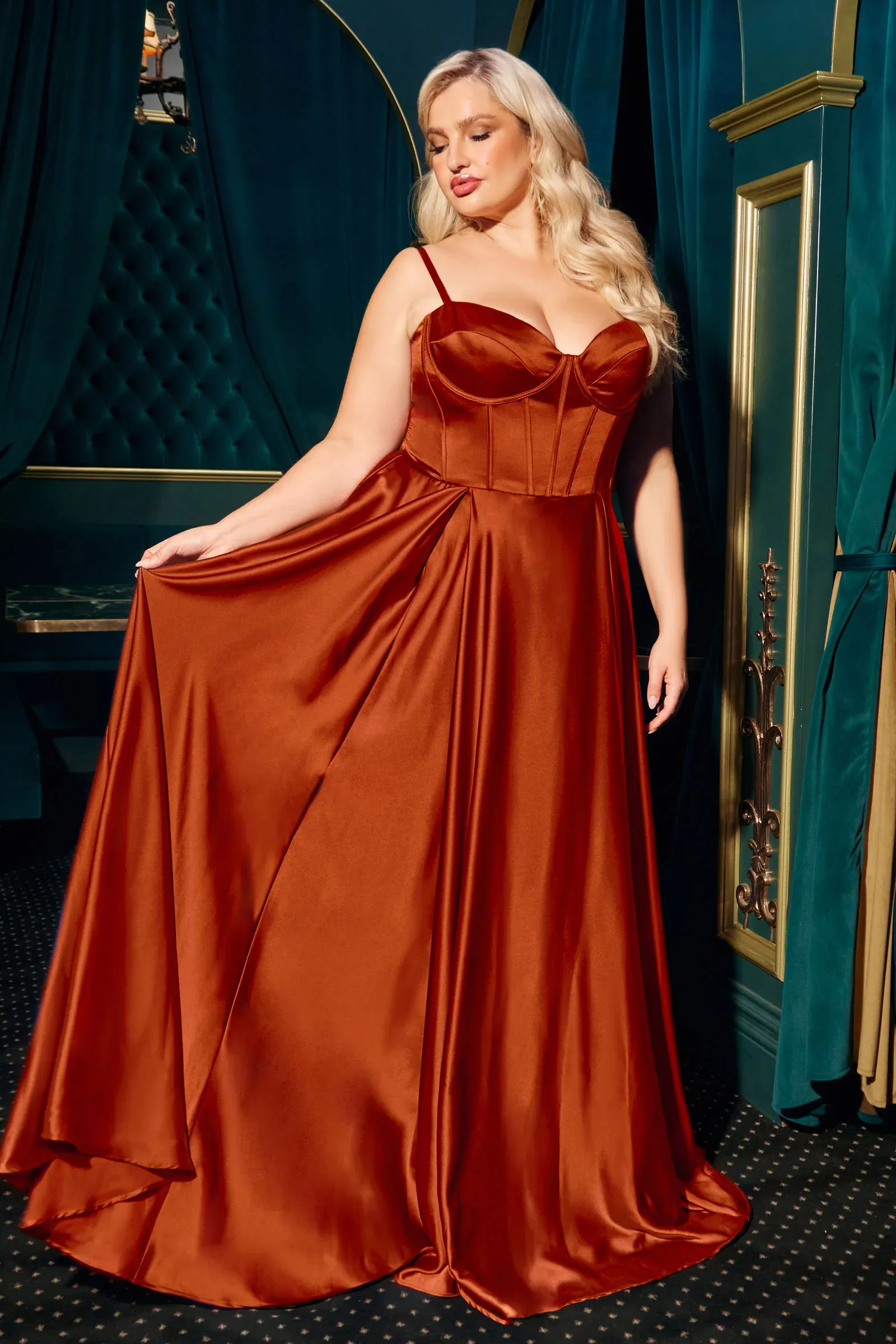
Colored Wedding Dresses

A colored wedding dress is any bridal gown in a shade other than white or ivory, such as blue, pink, red, gold, or purple. It is a good choice for brides who want their dress to show personality, honor a cultural tradition, or simply feel different from the usual. Colored gowns use the same shapes and fabrics as white ones, so they still look clearly bridal.
These dresses are part of the full wedding dresses range. Some are one solid color from top to hem. Others pair a white or nude base with colored lace, embroidery, or an ombré skirt that fades into a shade. Styles run from soft pastel A-lines to bold jewel-tone mermaids.
White only became the standard bridal color in the 1800s. Before that, and in many cultures today, brides wore red, gold, blue, and many other colors. A colored dress is less a break from tradition and more a return to a wider one.
What Styles Do Colored Wedding Dresses Come In?
Every classic bridal shape also comes in color. The right silhouette depends on how you want to move and how much of the color you want to show.
- A-line: snug on top, gently wider toward the hem. This shape lets a color show without overwhelming you, and A-line wedding dresses suit almost any figure.
- Ball gown: a wide skirt over a fitted waist. In blush tulle or deep red satin, ball gown wedding dresses turn color into a showpiece.
- Princess: full and sweet, often with a corset back. Pastel shades and princess wedding dresses make a soft, storybook pair.
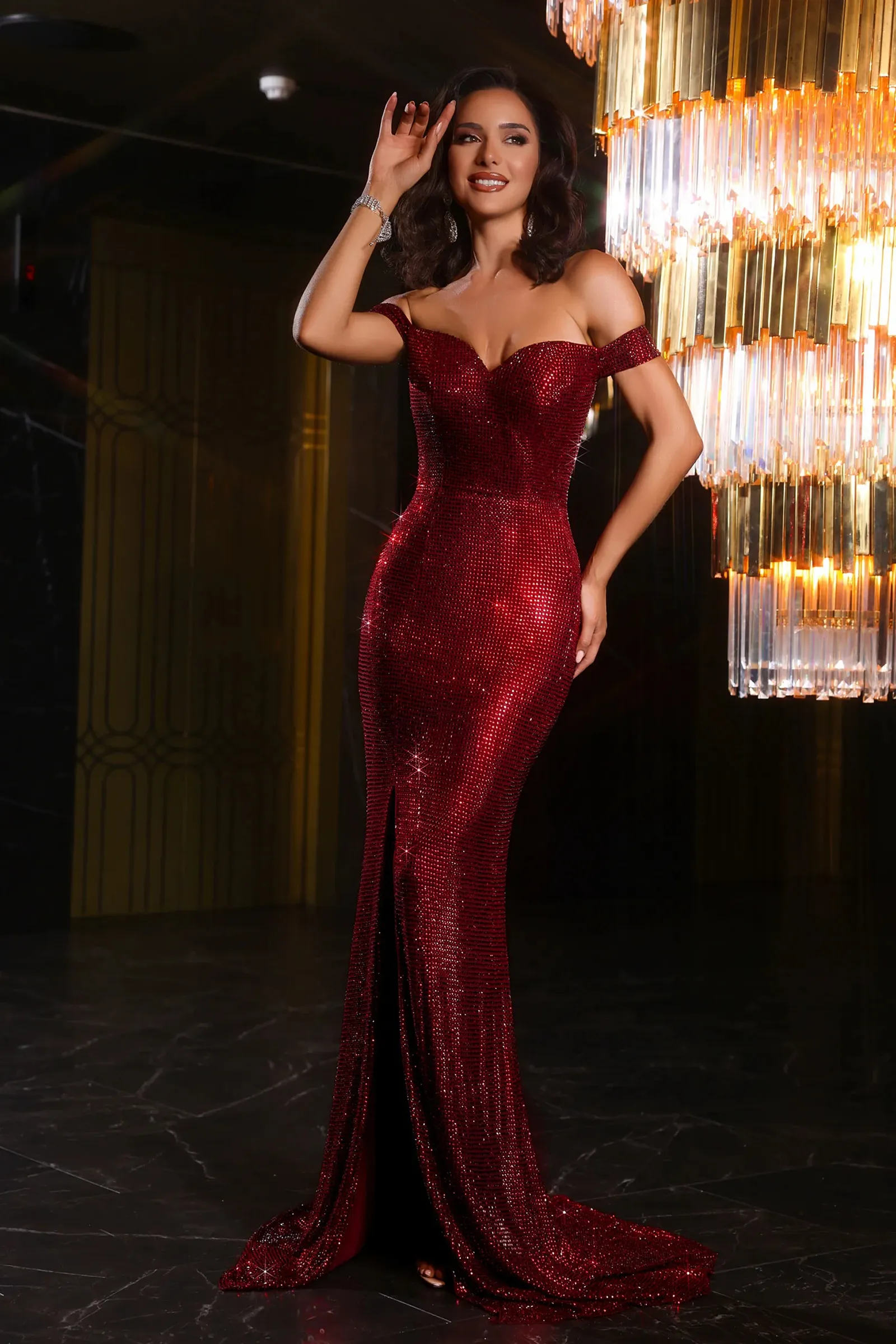
- Mermaid: tight down to the knee, then flaring. Jewel tones look striking in this cut, and mermaid wedding dresses highlight every curve.
- Fit-and-flare: shaped to the hip with a flare above the knee. Colored fit-and-flare wedding dresses give shape with more room to walk and dance.
- Sheath: a straight, slim line. A colored sheath looks modern and simple, and sheath wedding dresses suit small weddings and elopements.
- Empire waist: the seam sits just under the bust. Soft shades flow well in this shape, so empire waist wedding dresses feel easy and relaxed.
- Fitted: traces your shape from shoulder to hem. Bold color plus a close fit makes a confident look, and fitted wedding dresses deliver it.
- Two-piece: two separate garments, a top and a skirt, styled as one look. Mixing a white top with a colored skirt is an easy way to try color, and two-piece wedding dresses make that simple.
How Long Should a Colored Wedding Dress Be?
Length and color work together. A long colored gown looks formal and romantic. A short one feels fun and modern.
- Short: above the knee. A colored mini is a great reception change, and short wedding dresses make dancing easy.
- Knee-length: right at the knee. In a soft shade, knee-length wedding dresses look polished for a courthouse vow or second wedding.
- Tea-length: between knee and ankle. Pastel tea-length skirts have a retro 1950s feel, and tea-length wedding dresses show off colorful shoes.
- Long and maxi: full length, touching or nearly touching the floor. Most colored bridal gowns are full length, and long and maxi wedding dresses range from flowing chiffon to structured satin.
- High-low: short in front and long in back. Colored high-low wedding dresses show your shoes while still giving a long line behind.
Do You Want a Train on a Colored Dress?
A train is the extra skirt that trails behind you. A sweep train brushes the floor, a chapel train is a few feet long, and a cathedral train is the longest. Color makes a train even more visible, especially in an ombré that deepens toward the end. For that look, wedding dresses with a train give the most length. A bustle lets you lift it up for the party.
Which Neckline Works Best on a Colored Wedding Dress?
Color sits right next to your face, so the neckline shapes how it frames your skin. It also changes which jewelry and hair styles work best.
Open Necklines That Show the Shoulders
- Strapless: no straps, with boning inside. A strapless colored bodice puts the shade right against your skin, and strapless wedding dresses show off a necklace.
- Sweetheart: curves like the top of a heart. In blush or red, sweetheart wedding dresses look especially romantic.
- Sweetheart with straps or sleeves: the same curve plus straps, sleeves, or sheer panels. For a colored gown with more hold, sweetheart neckline wedding dresses add support and coverage.
- Off-shoulder: sits across the upper arms. Colored lace sleeves in this cut look soft, and off-shoulder wedding dresses frame the neck and collarbone.
- One-shoulder: one side covered. Bold shades look sharp this way, and one-shoulder wedding dresses feel modern and clean.
Necklines With Straps
- V-neck: a pointed opening at the center of the chest. A colored V-neck lengthens the neck, and V-neck wedding dresses range from soft to plunging.
- Spaghetti strap: narrow, string-like straps. Light pastels and spaghetti strap wedding dresses suit warm, casual weddings.
- Halter: a neck strap holds the front up instead of shoulder straps. Colored halter wedding dresses show the shoulders and often have an open back.
- Square neck: straight sides and a level front line, like an open box. In a soft color, square neck wedding dresses feel vintage and neat.
- Cowl neck: soft drapes that hang in a U across the chest. Colored satin with a cowl looks sleek, and cowl neck wedding dresses keep the design minimal.
Necklines With More Coverage
- High neck: fabric close to the throat. Colored lace in this cut looks elegant, and high neck wedding dresses suit religious and traditional ceremonies.
- Boat neck: a high, wide opening that skims the collarbone. A colored boat neck wedding dress looks classic and covered.
- Illusion: a nearly invisible net panel decorated with lace. Colored appliqués on an illusion wedding dress seem to float on the skin.
Which Fabrics and Details Are Used in Colored Wedding Dresses?
Fabric changes how a color looks. Shiny fabrics deepen it. Sheer and matte fabrics soften it.
- Lace: patterned thread, either colored lace over a nude base or white lace over a colored lining. Lace wedding dresses are one of the gentlest ways to wear color.
- Satin: smooth with a soft shine. Jewel tones look richest in satin, and satin wedding dresses hold their shape well.
- Tulle: a soft, see-through netting built up in tiers. Pastel tulle looks airy, and tulle wedding dresses are often used for ombré skirts.
- Chiffon: light and sheer. Colored chiffon wedding dresses flow in the wind and suit outdoor vows.
- Beading: pearls and crystals sewn on by hand. Beaded wedding dresses add sparkle on top of any shade.
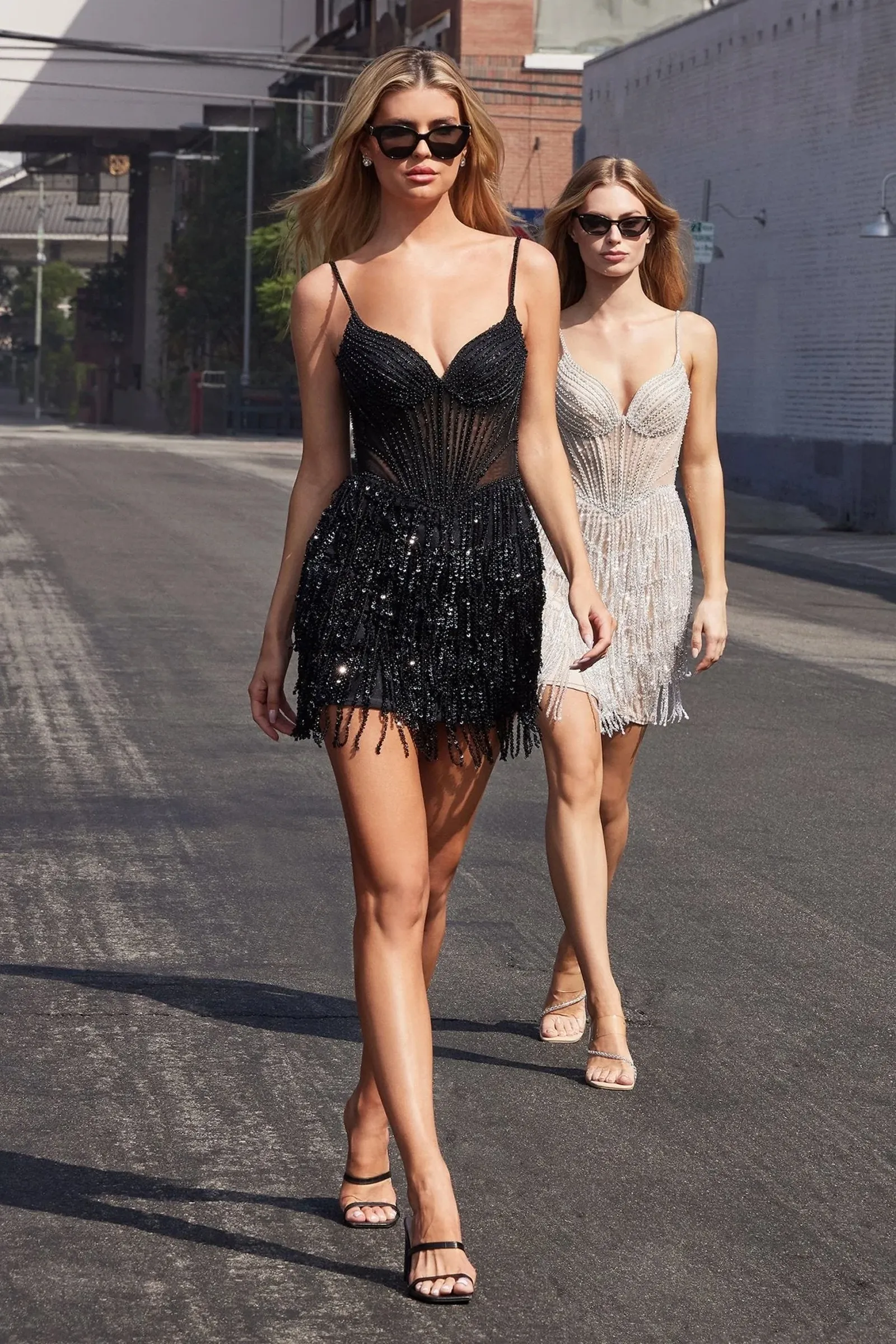
- Sequins: small shiny discs. Colored sequin wedding dresses are bold and perfect for evening parties.
- Sparkle and glitter: shine woven or scattered over the entire dress. For brides who want color and shine together, sparkly wedding dresses combine glitter, crystals, and metallic thread.
- Floral patterns: flowers stitched, printed, or embroidered. Colored blooms make floral wedding dresses feel fresh and garden-ready.
- 3D flowers: petals cut from fabric and stitched so they stand up from the dress. Flower wedding dresses with colored petals add texture and depth.
What About the Back of a Colored Dress?
Guests see the back for the whole ceremony, and color makes every detail stand out. Corset lace-ups in a contrasting shade, covered buttons, keyhole cutouts, and open backs are all popular. Backless wedding dresses use color to frame bare skin, with boning or a built-in bra for support.
Where and When Do Colored Wedding Dresses Work Best?
There is a colored gown for nearly every setting. The key is matching the shade and fabric to the venue and season.
By Venue and Type of Wedding
- Beach: soft blues, pinks, and peaches look great by the water. Beach wedding dresses in color stay light and breezy.
- Destination: a colored gown makes travel photos pop. Destination wedding dresses in crease-resistant fabrics pack well.
- Outdoor: pastels blend with gardens, while bold shades stand out against greenery. Outdoor wedding dresses with shorter trains stay clean.
- Courthouse: a short colored dress makes a quick ceremony feel special. Courthouse wedding dresses in color are often knee-length or sheath styles.
- Black-tie: deep jewel tones and metallics suit formal evenings. Black-tie wedding dresses in color look rich and dramatic.
- Maternity: soft colors in stretch fabric are comfortable and flattering. Maternity wedding dresses often use empire waists.
By Season
- Spring: blush, lavender, and pale blue match the season's flowers. Spring wedding dresses in pastels feel fresh.
- Summer: peach, coral, and sky blue in light fabric keep things bright and cool. Summer wedding dresses in color look great in sunshine.
- Fall: burgundy, gold, and plum match autumn leaves. Fall wedding dresses in rich shades feel warm and cozy.
- Winter: red, silver, navy, and emerald suit cold months and holiday lights. Winter wedding dresses in deep colors look regal.
How Do You Pick the Right Colored Wedding Dress?
Choosing a color adds one more decision, so it helps to go step by step:
- Decide how much color you want. A full colored gown is bold. Colored lace or an ombré hem on white is a softer start.
- Set your budget. For a mid-range spend, wedding dresses under $500 include many lace, tulle, and satin options.
- Match the color to the season and venue. Pastels suit daytime and warm weather. Deep tones suit evenings and cold months.
- Test shades near your face. Look in daylight to see which colors brighten your skin.
- Check the size chart. Measure bust, waist, hips, and hollow-to-hem. Brides with curves often find a better fit in plus size wedding dresses, which are shaped with extra room.
- Order early. Leave a few months for shipping and alterations.
Colored Wedding Dresses: Shades, Reasons, and Styling
Why Do Brides Choose a Colored Dress?
- Personality: a favorite color can say more about you than white ever could.
- Culture and tradition: red is the classic bridal color in Chinese, Indian, and Pakistani weddings, and gold and bright colors appear at many African and South Asian ceremonies.
- Second weddings and vow renewals: many brides prefer color the second time around.
- Reception change: a colored gown makes a strong second look after a white ceremony dress.
- Elopements and small weddings: with no traditional script, color feels natural and personal.
What Are the Main Color Options?
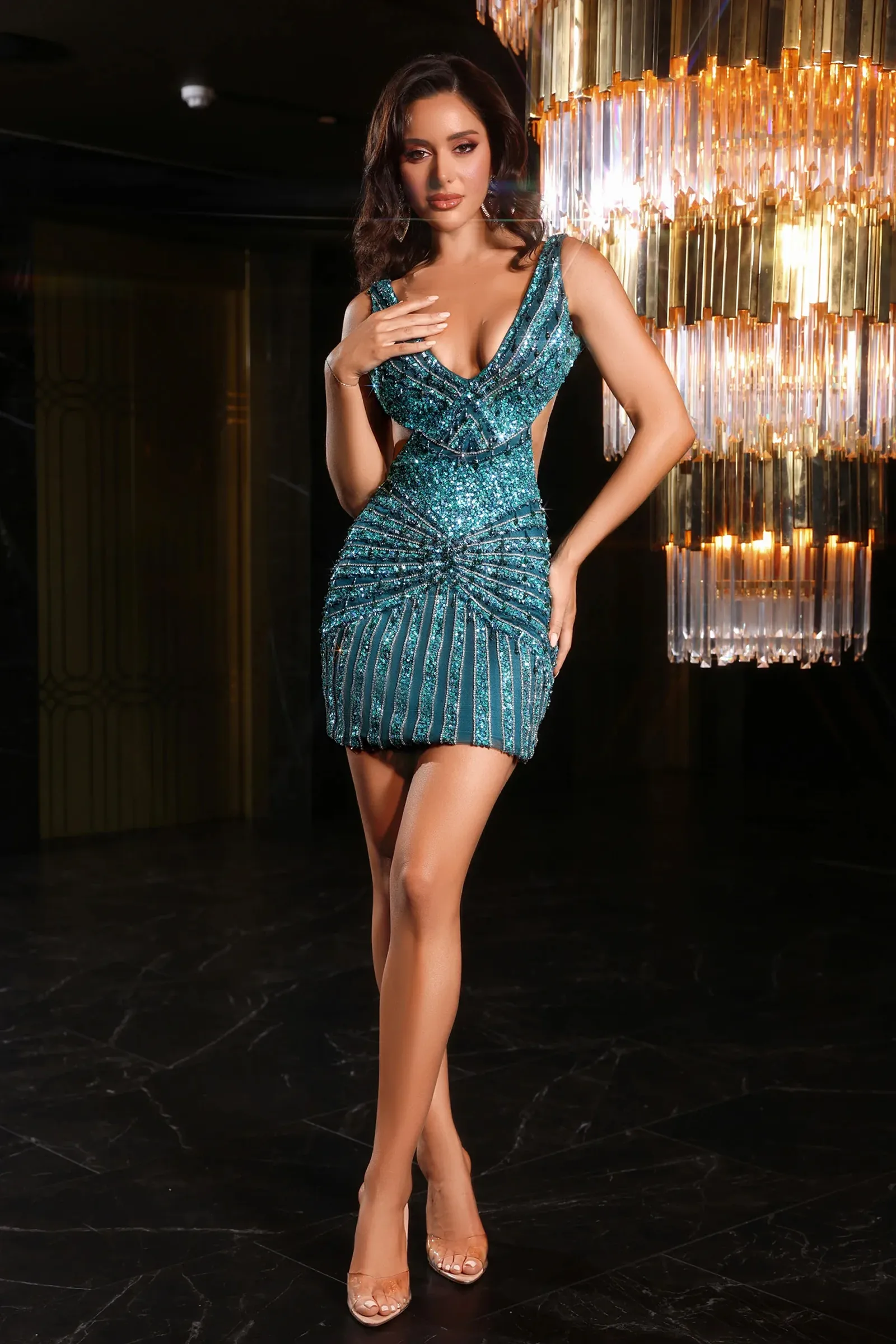
Blues. Blue is one of the most popular non-white choices, and it ties in with the "something blue" tradition. Soft powder and sky shades in blue wedding dresses feel calm and fresh. A stronger, saturated cobalt shade is the focus of royal blue wedding dresses, while teal wedding dresses blend blue with green for a beachy or peacock look.
Pinks and peaches. Blush is often the first color brides try, because it is soft and still feels bridal. Light rose and blush shades live in pink wedding dresses, and warmer, orange-leaning tones are in peach wedding dresses.
Reds. Red is the traditional bridal color across much of Asia. Bright, true shades fill red wedding dresses, and darker wine tones that suit fall and winter are in burgundy wedding dresses.
Metallics. For shine, metallic and sequined gold looks are in gold wedding dresses, and cool, sparkling options are in silver wedding dresses.
Soft neutrals. Pale beige with a hint of gold defines champagne wedding dresses, and quiet, non-metallic dove and slate tones are in gray wedding dresses.
Purples. From lavender to plum, purple wedding dresses cover both soft spring shades and deep winter ones.
Which Colors Suit Which Skin Tones?
Cool undertones often shine in blue, silver, lavender, and berry. Warm undertones often glow in gold, peach, coral, and warm red. Deep skin tones look striking in rich jewel shades and metallics. Fair skin can look lovely in pastels. These are starting points, not rules, so try shades near your face in natural light.
How Do Colors Look in Photos?
Pastels can wash out in harsh sun or cool shade, so warm light helps. Very dark colors can look black in dim rooms. Metallics reflect flash, so tell your photographer ahead of time. Golden hour flatters almost every shade.
What Should You Pair With a Colored Dress?
- Veil: white or ivory keeps it bridal. A veil tinted to match the dress makes a bolder statement.
- Jewelry: silver suits cool colors, and gold suits warm ones.
- Flowers: pick blooms that echo or contrast the dress, like white flowers against deep red or lavender against pale blue.
- Groom and bridal party: neutral suits in gray, navy, or black work with nearly any shade. Bridesmaids can wear a softer or deeper version of the bride's color.
Colored Wedding Dress FAQs
Is it okay to wear a colored wedding dress?
Yes. There is no rule that a bride must wear white, and many cultures have worn colored bridal gowns for centuries.
What is the most popular wedding dress color besides white?
Blush pink, champagne, and soft blue are common picks, because they are gentle and still feel bridal.
Can I wear a colored dress in a church?
Usually yes, though it is worth checking with your officiant. A covered neckline and long length help in more formal churches.
Should I wear a colored dress for my second wedding?
Many brides do. Color feels fresh and personal for a second wedding or vow renewal.
Can I change into a colored dress for the reception?
Yes. A colored gown or short dress is a popular second look after a white ceremony dress.
How do I add color without a fully colored gown?
Choose a white or ivory gown with colored lace, embroidery, a sash, or an ombré skirt.
Wear Your Color at Formal Dress Shops
Your wedding day should look like you. For some brides, that is a blush tulle princess gown. For others, it is a deep red satin mermaid, a gold sequin reception dress, or a lilac A-line in a spring garden. Formal Dress Shops brings bridal and formal gowns in every shade but white together, with free shipping on every order. Need help choosing a color or a size? Ring 888-809-5363 (toll-free), call or text 213-400-7464 with Spanish-speaking help on hand, or send a note to info@formaldressshops.com. Pick the color that feels like you, and wear it with pride.

Follow us


