


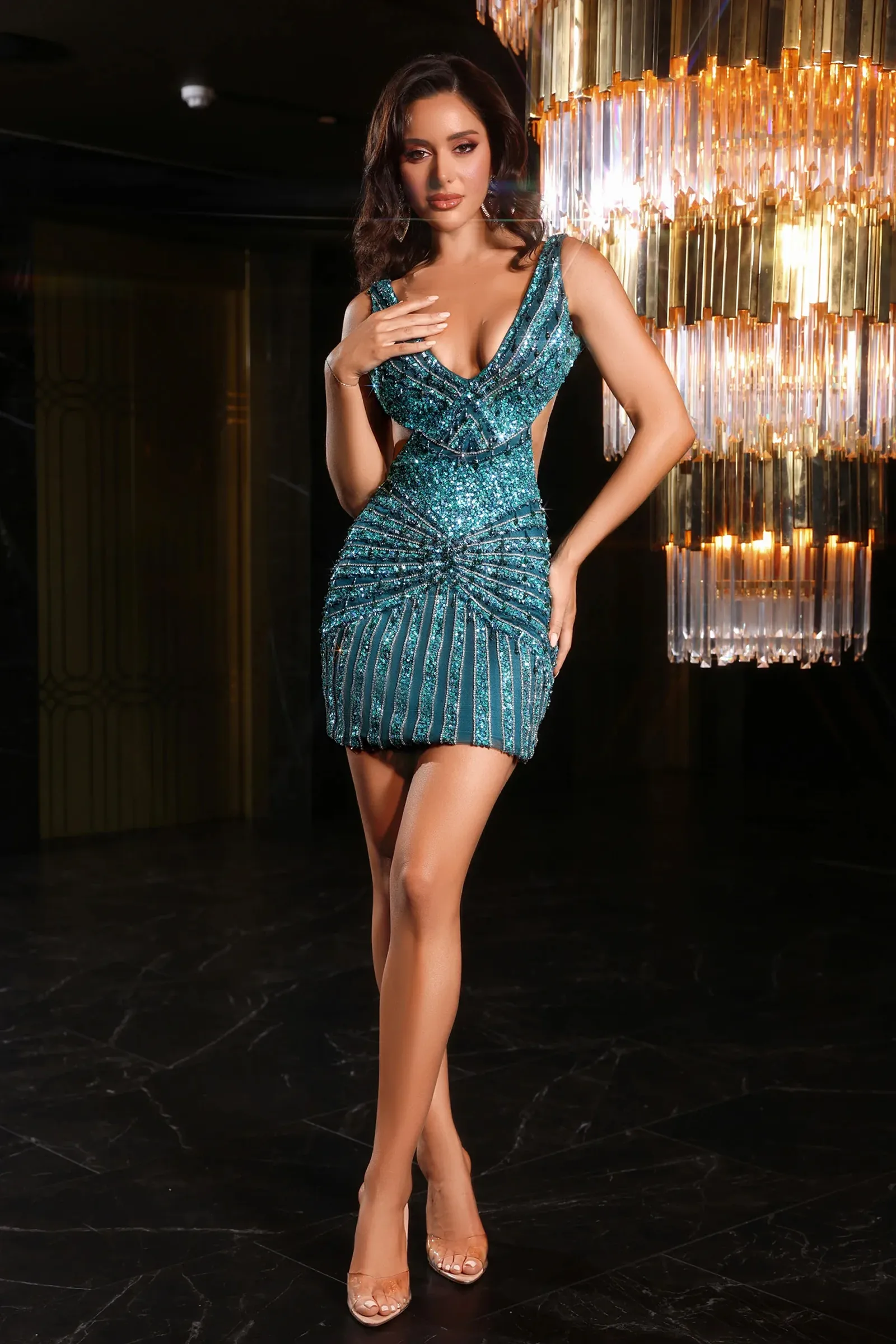
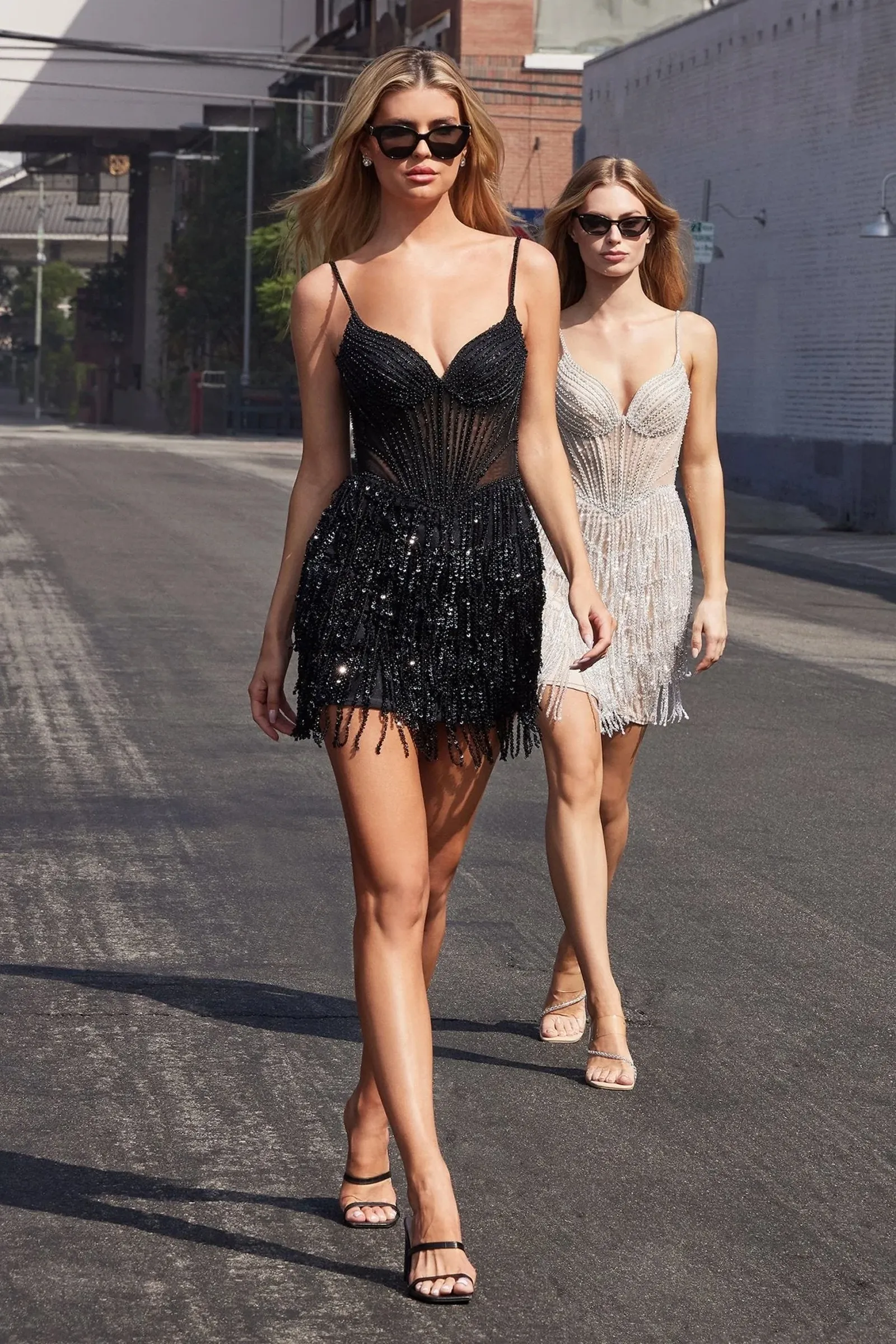
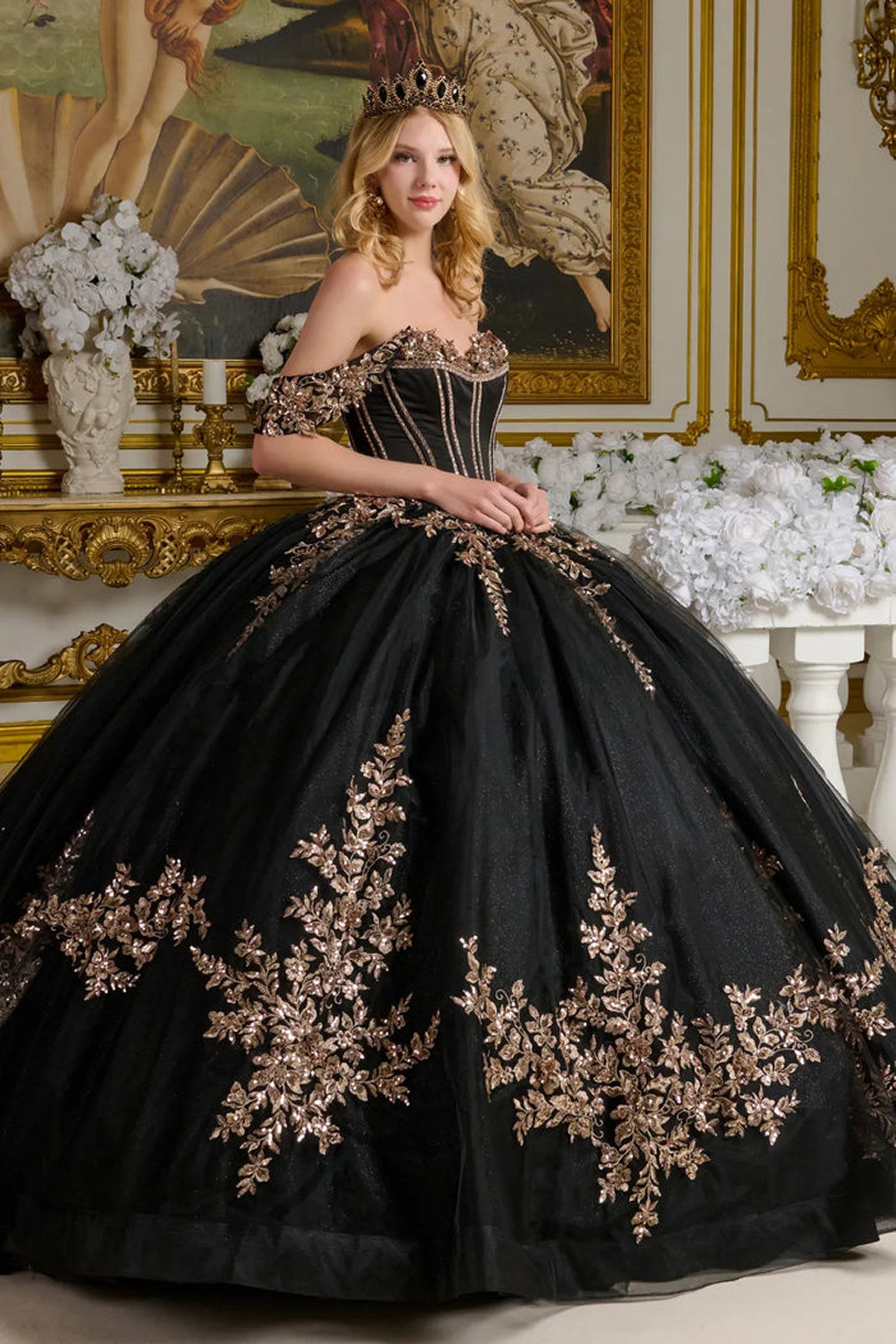

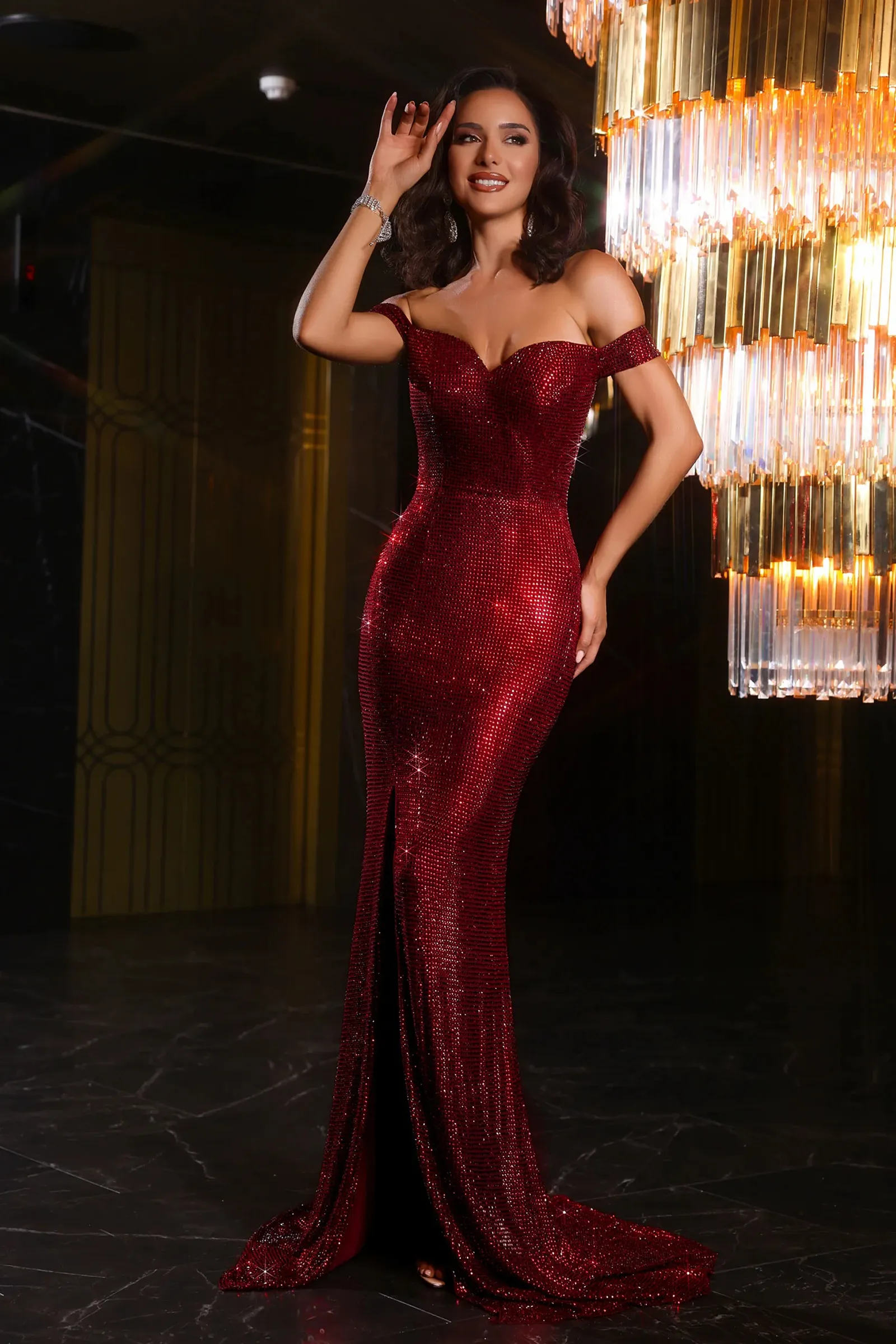
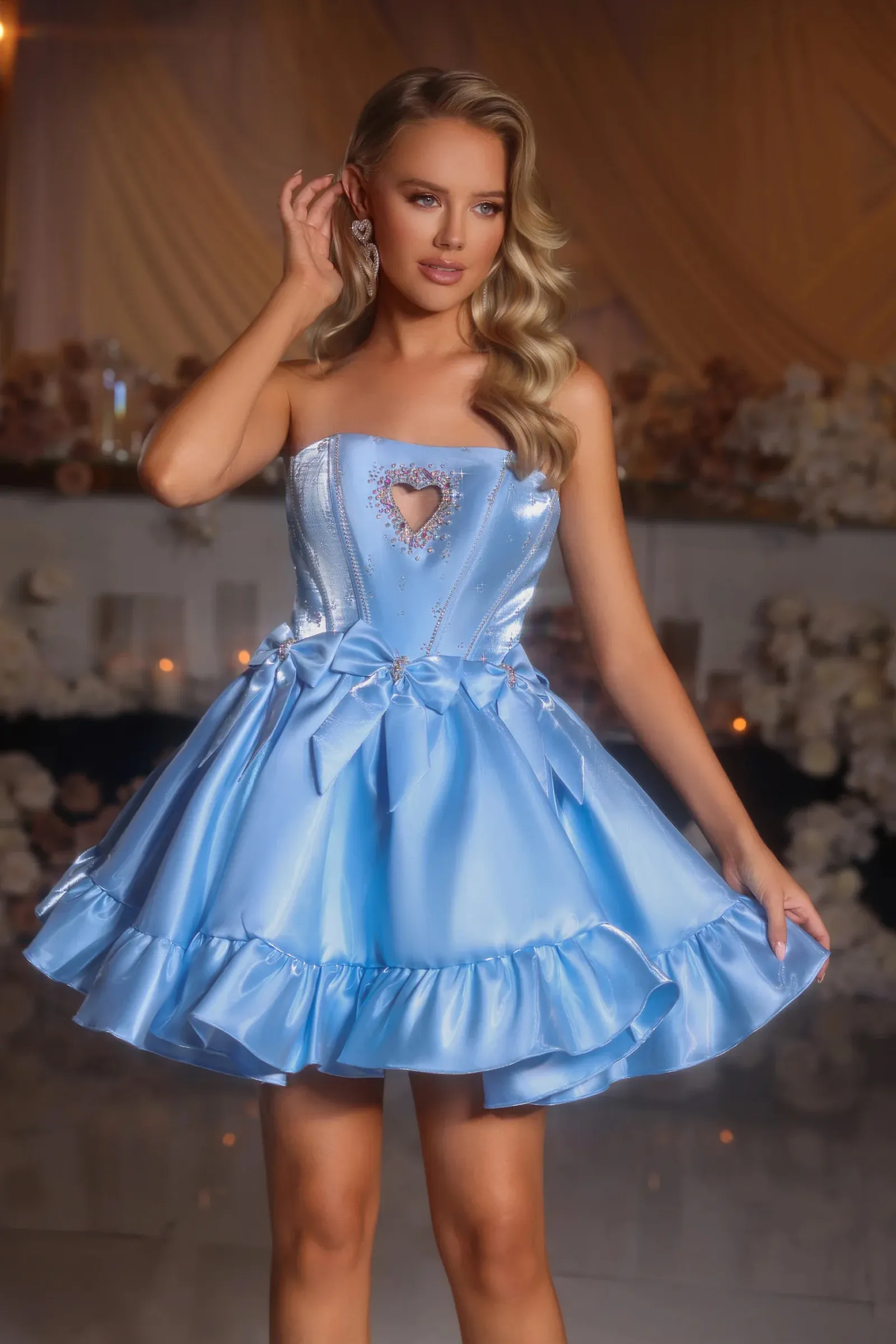
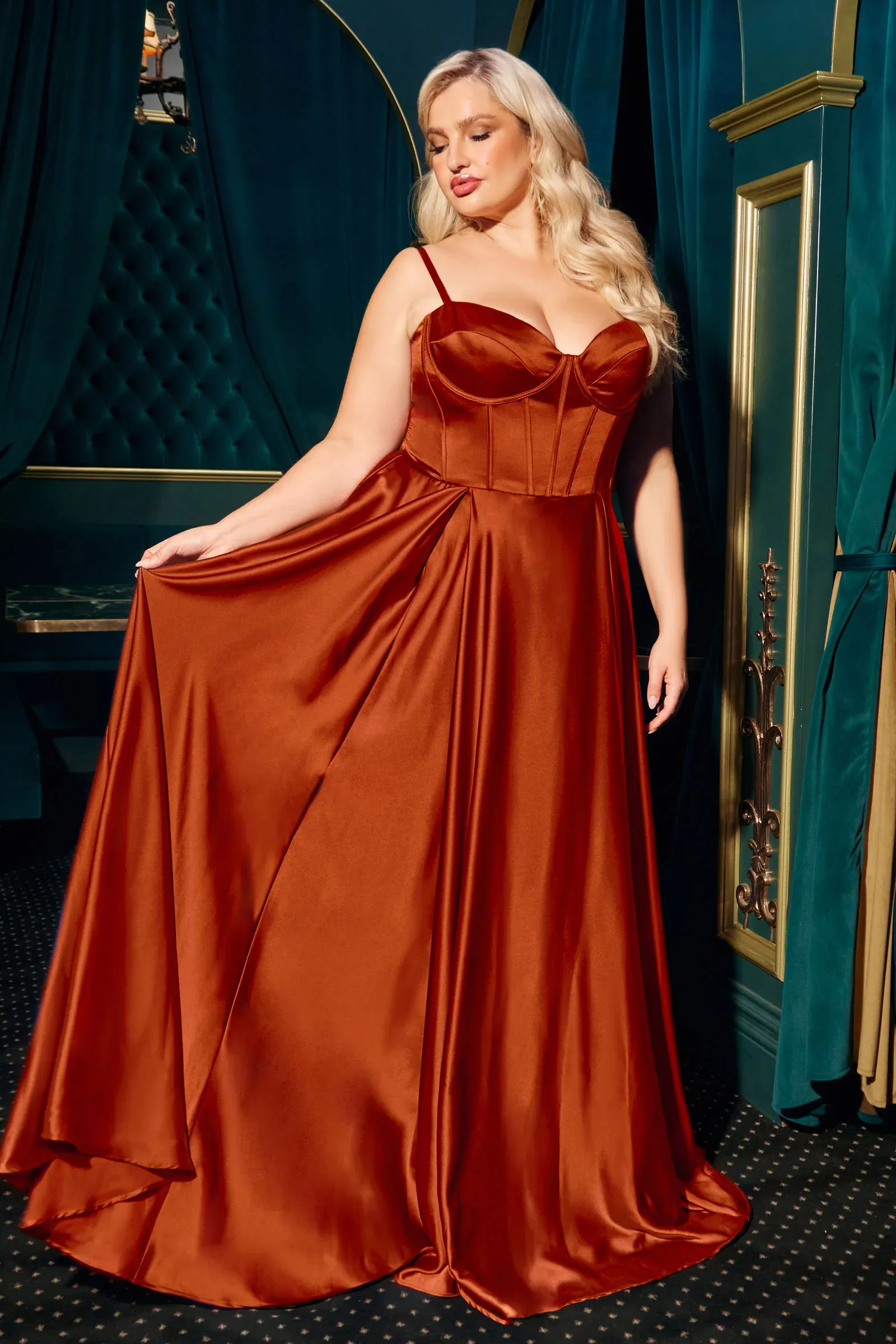
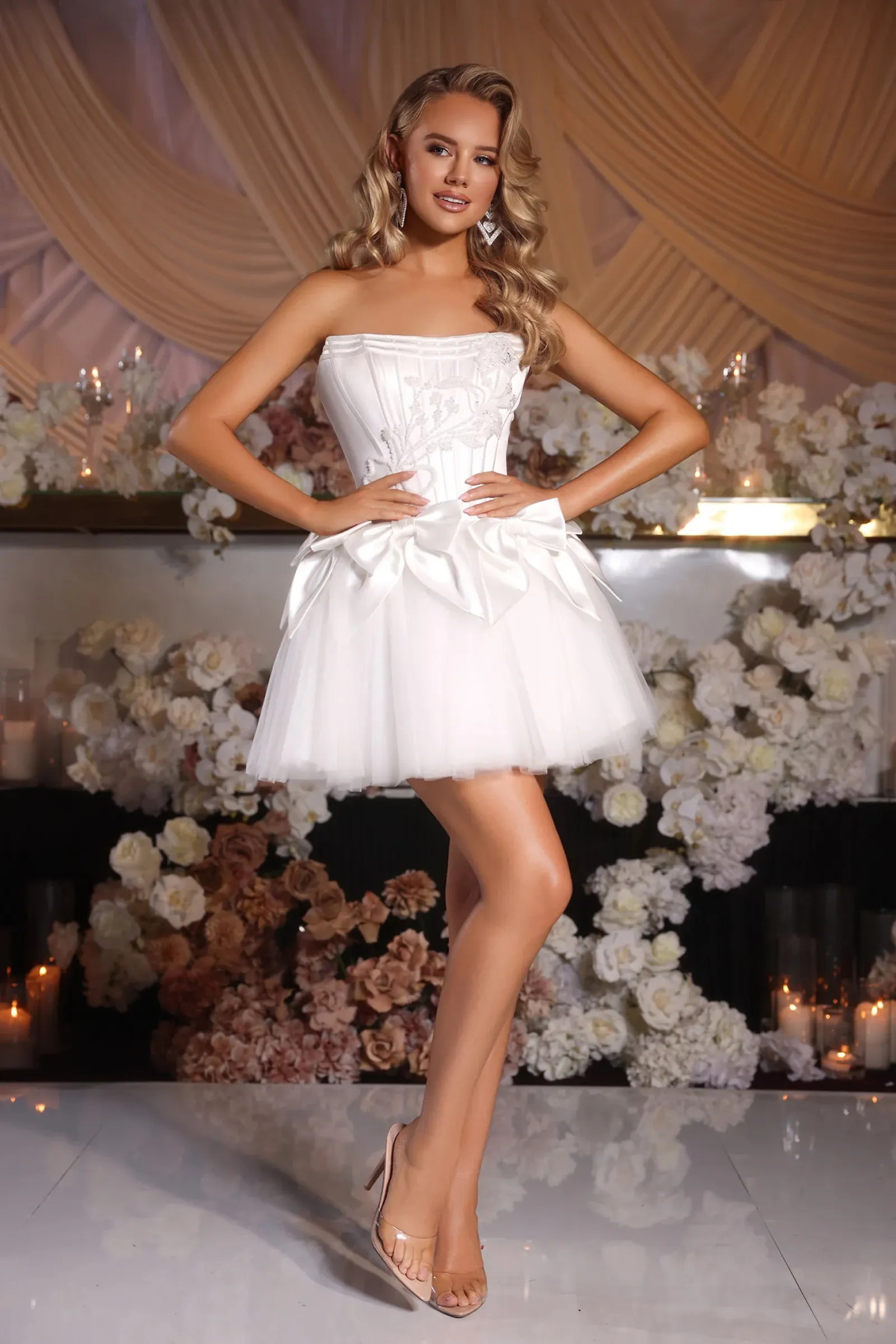
Magenta Prom Dresses


Shop Magenta Prom Dresses by Color, Style and Details
Magenta prom dresses combine strong pink with a noticeable purple influence, creating a saturated look that stands apart from pale blush or peach. Because magenta changes visually with fabric finish and lighting, two dresses in the same category can look surprisingly different. A smooth fitted design emphasizes the color as one solid area, while patterned details break it into smaller sections. Explore the shape, shade depth, and decorative finish that suit your plans for prom.
Magenta Has More Than One Color Balance
Magenta is often described as a point between pink and purple, yet some dresses appear closer to hot pink and others more violet. In photos, the difference can be influenced by lighting and image processing. Look for several photographs of the same garment before deciding whether its tone matches what you imagined.
Compare Pink Prom Dresses when you want a broader pink range and Purple Prom Dresses when the violet side is more appealing. Fuchsia Prom Dresses are a closely related alternative; the best way to distinguish individual dresses is to compare their actual displayed color rather than relying exclusively on labels.
· Pink-leaning magenta appears warmer or brighter.
· Purple-leaning magenta has a cooler visual cast.
· Dark magenta creates deeper blocks of saturated color.
A pink-purple shade can change character against neighboring colors. Beside pale blush it may appear distinctly violet; beside a deep purple it may appear brighter and pinker. This explains why comparison photographs are more helpful than isolated color swatches.
A Smooth Surface Makes Saturated Color the Focus
A clean, unbroken magenta surface emphasizes the outline of the gown. Darts, waist seams, and folds become part of the visual composition because there are fewer surface details to interrupt the color. That can make a relatively simple garment feel visually strong without relying on sequins or embroidery.
Simple Prom Dresses are worth comparing if you prefer that approach. A matte dress and a glossy dress may have the same color name but create different impressions. Broad reflections on shiny fabric can lighten sections of the garment and make draping more noticeable.
· Smooth surfaces emphasize silhouette.
· Draped sections produce changing color shadows.
· Decorative panels divide the color into distinct areas.
A smooth surface can put the focus on the strong magenta color, but the fabric's weave and sheen still contribute. Reflective folds create lighter streaks across the garment. Look at a few angles to see whether you enjoy that variation or prefer an even matte appearance.
Volume Versus a Close-Fitting Silhouette
 A full magenta skirt creates a large field of color and tends to dominate the outfit. A fitted shape keeps the saturated shade close to the body and directs attention toward the waist and hip line. Neither effect requires a particular neckline, so you can compare the same silhouette with several bodice designs.
A-Line Prom Dresses expand through the lower skirt, while Mermaid Prom Dresses keep a closer line through the upper leg before widening. Be mindful of where a fitted skirt changes width, especially when you plan to dance.
· Full skirts give bright color a wider area.
· Fitted skirts emphasize lines and seams.
· Flared hems add movement while keeping a defined upper shape.
The position of the skirt flare can affect walking as well as the silhouette. A narrow section around the thighs or knees gives a different experience from a gradual A-line widening. Specific garment construction matters, so examine the hem and any available movement images.
Decorative Details on a Bright Base
Details on magenta fabric can either blend with the shade or create strong contrast. Matching beads emphasize texture instead of color difference. Silver-toned ornament may create clear highlights, while dark trim produces sharper outlines. The effect depends on size, density, and placement.
Compare Beaded Prom Dresses if you like concentrated detail or Sequin Prom Dresses if broader reflection is appealing. Do not assume two embellished garments provide the same finish; a beaded bodice and an all-over sequin surface behave differently.
· Matching ornament looks more integrated.
· Contrasting trim outlines individual design areas.
· Localized embellishment draws attention to its placement.
Decorative stones can make a magenta gown seem cooler or warmer depending on their color. Before choosing jewelry, identify whether the existing ornament reads silvery, golden, or color-matched. Coordinating with those details can produce a more intentional final outfit.
Neckline and Back Design on a Strong Color
A saturated shade can make a clean neckline particularly noticeable. Strapless cuts expose the shoulder line, while open-back designs shift attention when you turn. The back view matters for deciding whether the visual emphasis should stay at the front or extend around the entire dress.
Strapless Prom Dresses and Open Back Prom Dresses offer different ways to use that visual contrast. Review the fastening and strap structure on each product page rather than assuming the label describes support or adjustability.
· Look at front and back photographs.
· Assess how the neckline meets the bodice.
· Check closure details before ordering.
The neckline's shape is easier to assess when you look at the bodice as a whole. Consider where straps attach, where the waistline falls, and how the back closes. A striking hue will not compensate for a design that differs from your preferred coverage.
Choose Magenta for the Look You Actually Want
Build a shortlist of magenta gowns with deliberately different features: one smooth, one detailed, and one with a different skirt shape. That helps you discover whether you prefer the hue itself or a particular styling approach. If each finalist is almost identical, compare a neighboring shade for perspective.
The full Prom Dresses selection can help you revisit other color families. Formal Dress Shops links to additional prom categories, but the garment’s actual size, color, and design information should decide the purchase. Magenta has enough visual character without extra claims about popularity.
· Save two different magenta undertones.
· Compare the same shade in different silhouettes.
· Check size and available color details for each garment.
Save a short list for different reasons: perhaps a deeper magenta tone, a cleaner cut, and a more decorated design. That reveals which feature you are prioritizing, rather than leaving you with three visually similar options and no practical way to choose.
Let the Magenta Shade Lead the Styling Decision
A magenta gown already brings a substantial amount of color into the outfit. Before adding accessories, decide if you want that color to remain the primary focal point. A relatively plain neckline and a clean skirt can make the shade feel concentrated; reflective decoration adds a second layer of visual interest. Compare the darker and brighter magenta candidates in the same silhouette to isolate what you truly prefer. If your first choice changes after that comparison, the issue may be shade rather than design. Review the exact selected color on the product page, along with the garment measurements and closure details. A deliberate choice of color, fit, and finishing details will serve you better than relying on a general trend label or a single highly edited promotional photo.
Frequently Asked Questions
Is magenta more pink or more purple?
It sits between those color families, and individual garments may lean toward either side. Product photographs can help clarify the exact balance.
Does magenta work on a minimalist gown?
Yes. A saturated color can provide visual emphasis even when the dress has few embellishments. Cut and fabric finish remain important.
Are magenta and fuchsia interchangeable labels?
They can overlap in everyday usage, but the colors are not guaranteed to look identical across dresses. Compare the actual shade displayed for each garment.
Will a magenta dress photograph differently under lights?
Strong lighting and camera exposure can affect the apparent saturation and undertone. Review multiple images and avoid relying on a single photograph.

Follow us


