


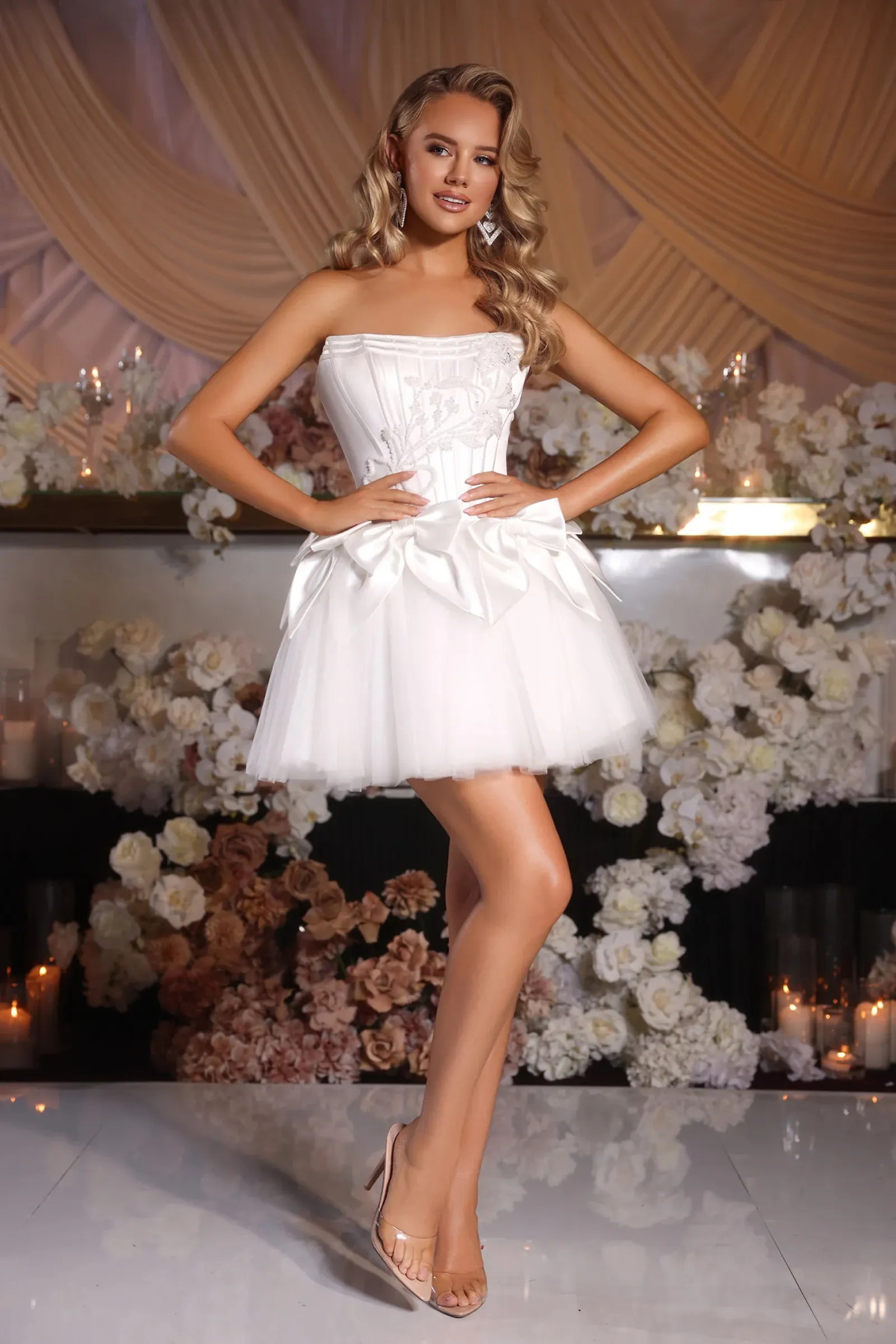
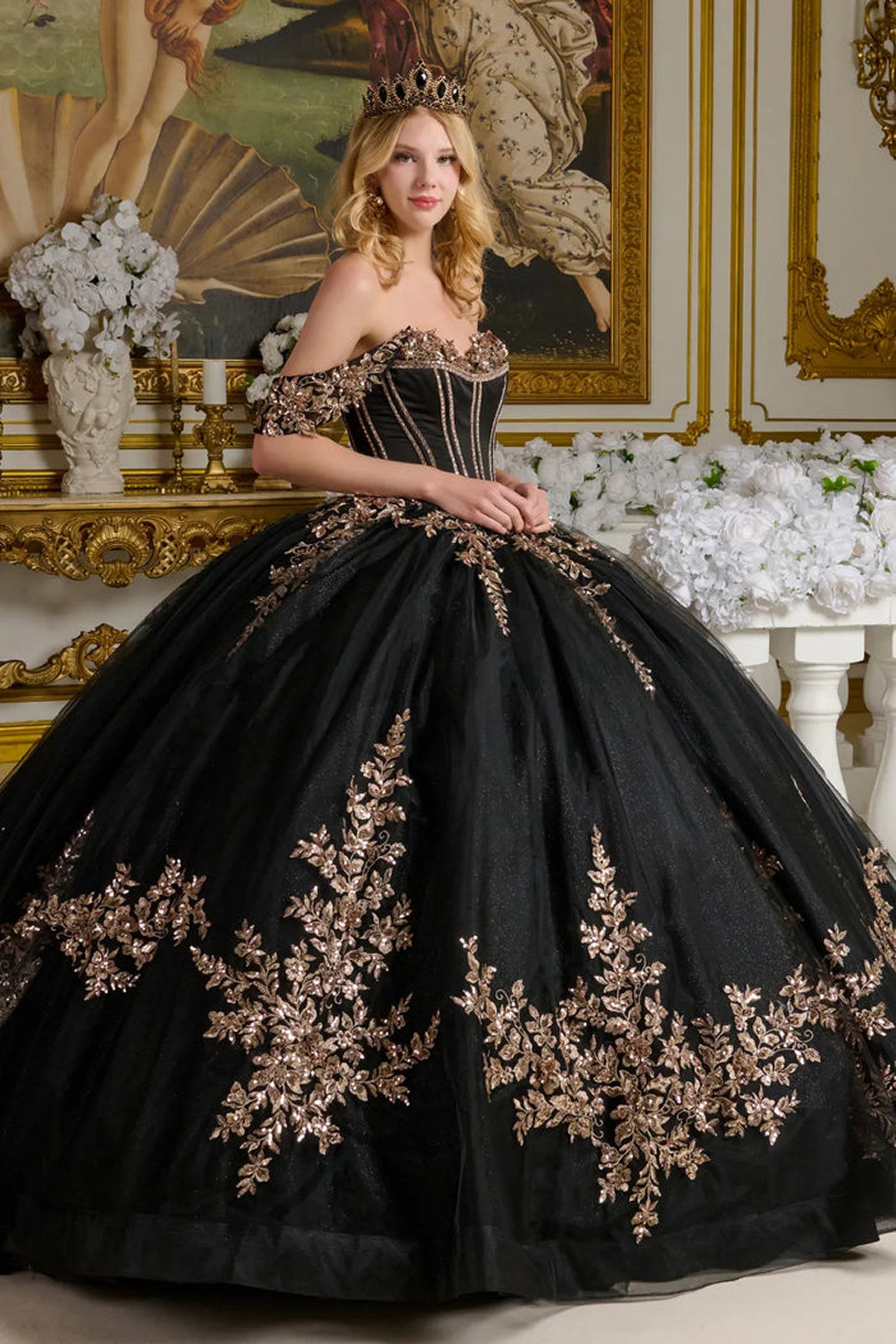

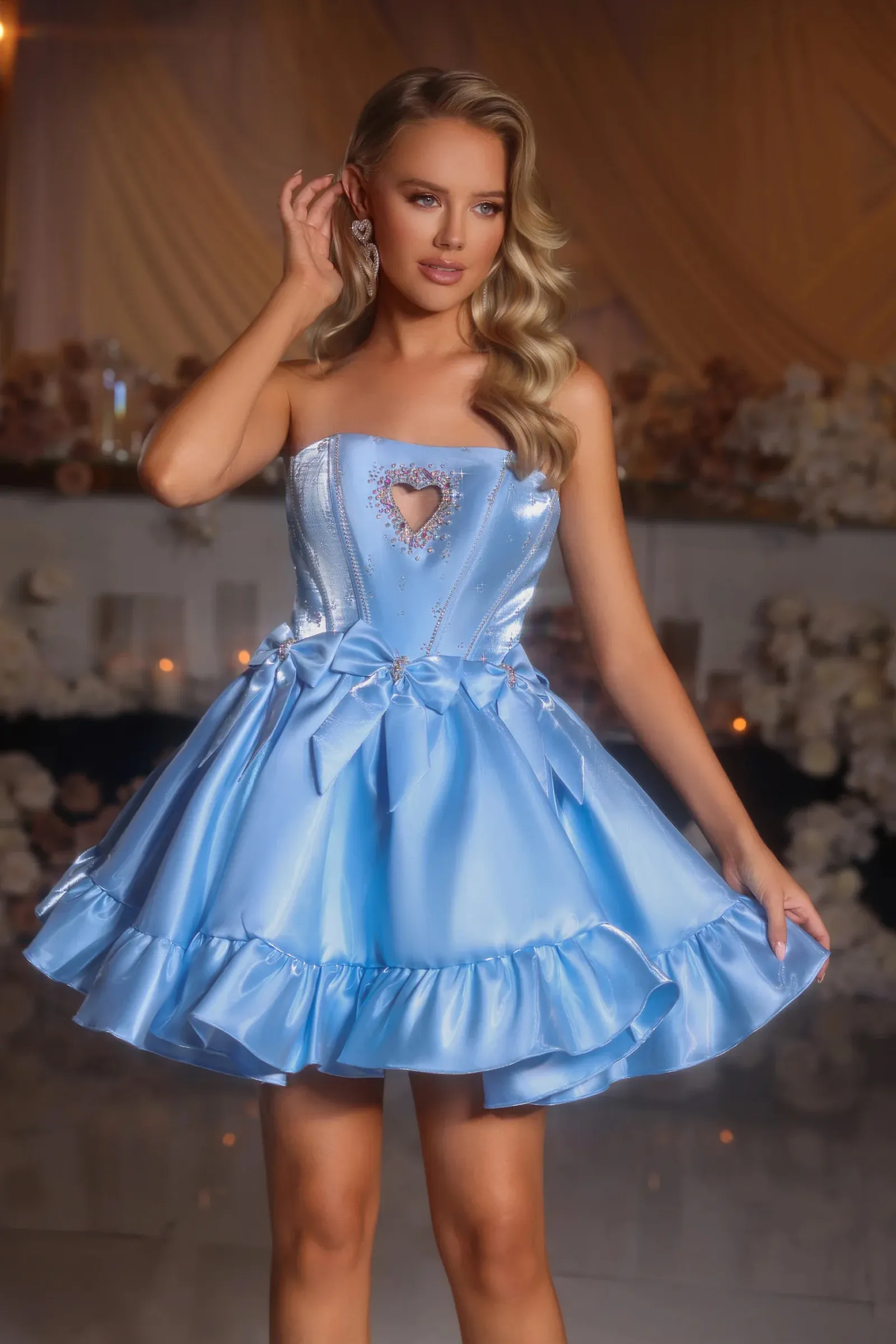
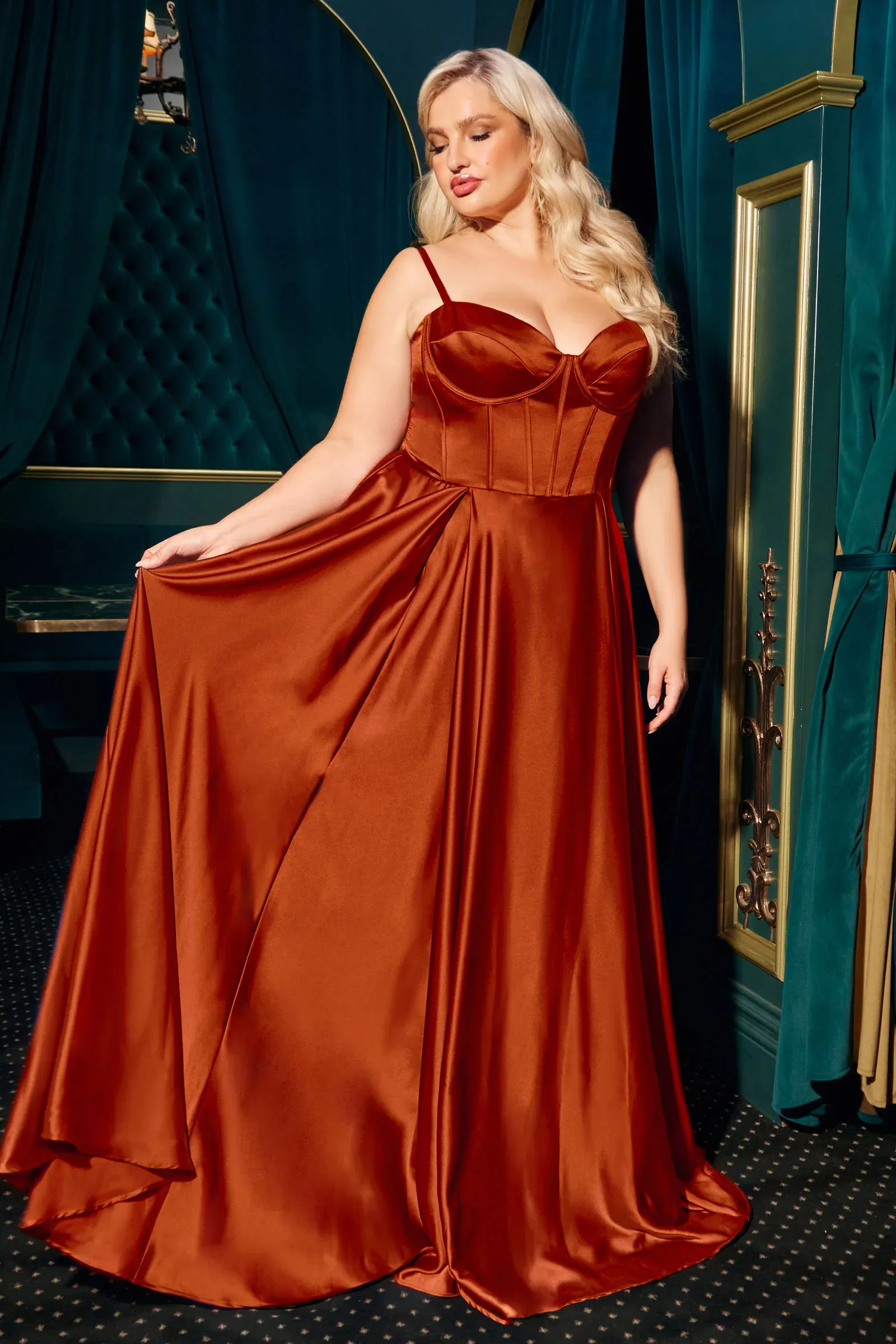
Pink And Purple Quinceanera Dresses
Introduction
Two colors on one gown demand a little more thought than a single shade, and that is exactly where pink and purple quinceanera dresses get interesting. The pairing can read soft and romantic or bold and electric, depending entirely on which tones you bring together. Blush pink beside lavender whispers; hot pink against deep violet announces. Before falling for the first dress that catches your eye, look at how the color is distributed across the bodice and skirt, and hold it up against your ceremony decorations. A two-tone dress can quietly set the palette for the whole celebration but it still has to fit well enough for you to sit, walk, and dance through every hour of it.
Start With the Shade Story, Not the Dress
Before comparing silhouettes, decide which pink and which purple you are actually working with. This category holds everything from pale, almost-neutral pastels to saturated jewel tones, and each combination tells a completely different story.
- Blush pink with lilac reads gentle and classic easy to match with silver or white décor.
- Rose with mid-tone violet feels balanced, neither color overpowering the other.
- Hot pink with deep violet brings energy, and it photographs beautifully under warm reception lighting.
Your skin undertone matters more than the sales label. Cool pinks flatter cooler complexions; warmer, rosier pinks tend to glow on golden or olive tones. Take a photo of yourself near a window in natural light and compare how each shade sits against your face. Anyone shopping with the phrase "pink and purple 15 dress" in mind should also remember that search results lump many shade mixes together open the individual product page and read the actual description and photographs rather than assuming every gown in the category shares the same features.
Then decide which color leads. A gown that is mostly purple with pink accents will behave differently in group photos than one split fifty-fifty. Pick the dominant shade based on how it photographs and how it feels next to your skin, then judge each individual design on its own not on what the category page implies.
Watch How Two Colors Behave in Motion
A panel, an ombre fade, embroidery stitched along the hem placement changes everything once you start moving. A two-color skirt can look evenly divided on a hanger, then flash mostly one shade when you walk and mostly the other when you sit.
Compare three kinds of images before deciding: standing shots, walking views, and seated photos. If the listing only shows one angle, ask for more. Think about how the color blocking will appear during the waltz, not only how it looks in a single product photo.
Once the dress is chosen, protect it:
- Keep the gown away from rough surfaces that could catch beading or appliqué.
- Follow the care label for steaming, cleaning, and storage never guess.
- Schedule alterations with enough time for a second fitting before the event.
Flowers, Backdrops, and Knowing When to Stop
Two colors on the dress does not mean two colors everywhere. The easiest palettes to live with follow a simple rule: one main color and one quieter accent. If pink and purple share the gown, let your flowers, linens, and balloons echo them sparingly instead of competing with them.
Start with what you already know about the celebration. Bring a photo of the venue or a swatch from your decoration palette into the fitting room, and compare the gown against it under real light. Screen brightness distorts shade more than people expect a cool-toned photo can make a warm pink look flat and dull.
A practical way to compare options is a three-column list:
- Color write down the actual undertone, not the name in the product title.
- Comfort note how the gown sits, bends, and moves.
- Detail track where the beadwork, embroidery, or appliqué actually sits.
If you have been browsing blue pink and purple quinceanera dresses, treat the blue as a small, deliberate detail a ribbon, a sash, a few flowers rather than a third color that demands its own space. And if you want to see how the pairing looks with a neutral anchor, browse White Dama Dresses and Quinceanera Accessories before finalizing anything.
Your Damas: Two Colors, Clear Roles
The court is where a two-tone palette either comes together or falls apart. Damas can wear pink or purple what matters is depth. Choose a noticeably lighter or deeper version of one of the dress colors so the celebrant still stands out in group photographs.
Compare Pink Dama Dresses, Purple Dama Dresses, and White Dama Dresses directly against the chosen gown, ideally in person or at least on the same screen. Fabric sheen can shift a shade: the same purple in matte chiffon reads softer than in satin.
Keep the practical moments in mind, because they are easy to forget during a fitting:
- Walking through doors and climbing steps in a full skirt
- Greeting relatives in receiving lines
- Sitting at the head table for a long dinner
- A rehearsed dance with repeated turns
Give every dama an independent fitting. If a bodice feels restrictive in the fitting room, fix it before the event formal celebrations involve hours of repeated movement, not a single posed entrance.
Jewelry Decisions That Come After the Gown
Tiaras, earrings, and hairpieces should be the last decision, not the first. When the fabric color is strong, a simpler accessory keeps attention on the gown. When the gown's surface is quieter, more detailed earrings or a sparkling hairpiece can carry the look.
Balance the neckline first. A heavily beaded bodice usually calls for understated jewelry; a clean sweetheart neckline leaves room for statement pieces. Whatever you choose, test it while moving a tiara that shifts during the surprise dance is a problem you want to find at home, not on the floor.
One habit that prevents expensive mistakes: use a fixed reference when comparing colors. Hold earrings or a hairpiece next to a flower sample or the court's fabric swatch, and judge everything against that. Then browse Quinceanera Accessories with your gown's shade notes in hand. If metallics appeal to you, Purple and Gold Quinceanera Dresses shows how a warm accent changes the whole mood and Pink and Blue Quinceanera Dresses is worth a look if you are still weighing how a second color behaves next to pink.
The Fit Check Most Families Skip
A gown can survive almost any decoration drama, but not a bad fit. Take measurements again close to ordering bodies change over months of planning and work from the specific designer's size chart, not a generic one. A size label means little; the numbers mean everything.
Look beyond the waist. Four things quietly decide whether a dress is comfortable:
- Bodice length and bust shaping
- Arm movement for hugs, photos, and the waltz
- The real weight of the skirt across hours of standing
- Straps and structured panels checked while sitting, not just standing
Bring your planned shoes to the final fitting, and confirm the exact heel height. Even a modest change in heel height alters where a long hem falls and hemming a beaded gown is slow, careful work that needs lead time. Keep the alteration appointment far enough out for a second fitting.
Construction deserves the same attention as decoration. A dense-looking skirt may hold light layers; a smooth fabric can still feel substantial. Judge the individual garment's details lining, support, closures rather than assuming every gown in the category is built the same way.
If you are still deciding between color directions, Pink and Blue Quinceanera Dresses, Blue and Purple Quinceanera Dresses, Pink Quinceanera Dresses, and Purple Quinceanera Dresses each show a different way to handle a two-tone celebration. Use them as nearby alternatives rather than identical substitutes a changed pairing shifts the entire feel of a gown, even when the silhouette stays the same.
Frequently Asked Questions
Can a pink and purple gown work with a lavender party theme?
Yes, particularly if purple is the dominant shade. Use small pink accents so the overall palette remains consistent.
Should the damas wear pink or purple?
Either can work. A different depth from the celebrant’s gown helps distinguish her in group photographs.
Are flower details necessary for a two-color dress?
No. Fabric placement alone can communicate the two colors. Decorative flowers are a style preference rather than a requirement.
What shoes go with a pink and purple quinceañera dress?
Neutral or understated metallic finishes are often easy to coordinate. Check your hem with the exact heel height before the celebration.

Follow us


