



Taffeta Dresses
-
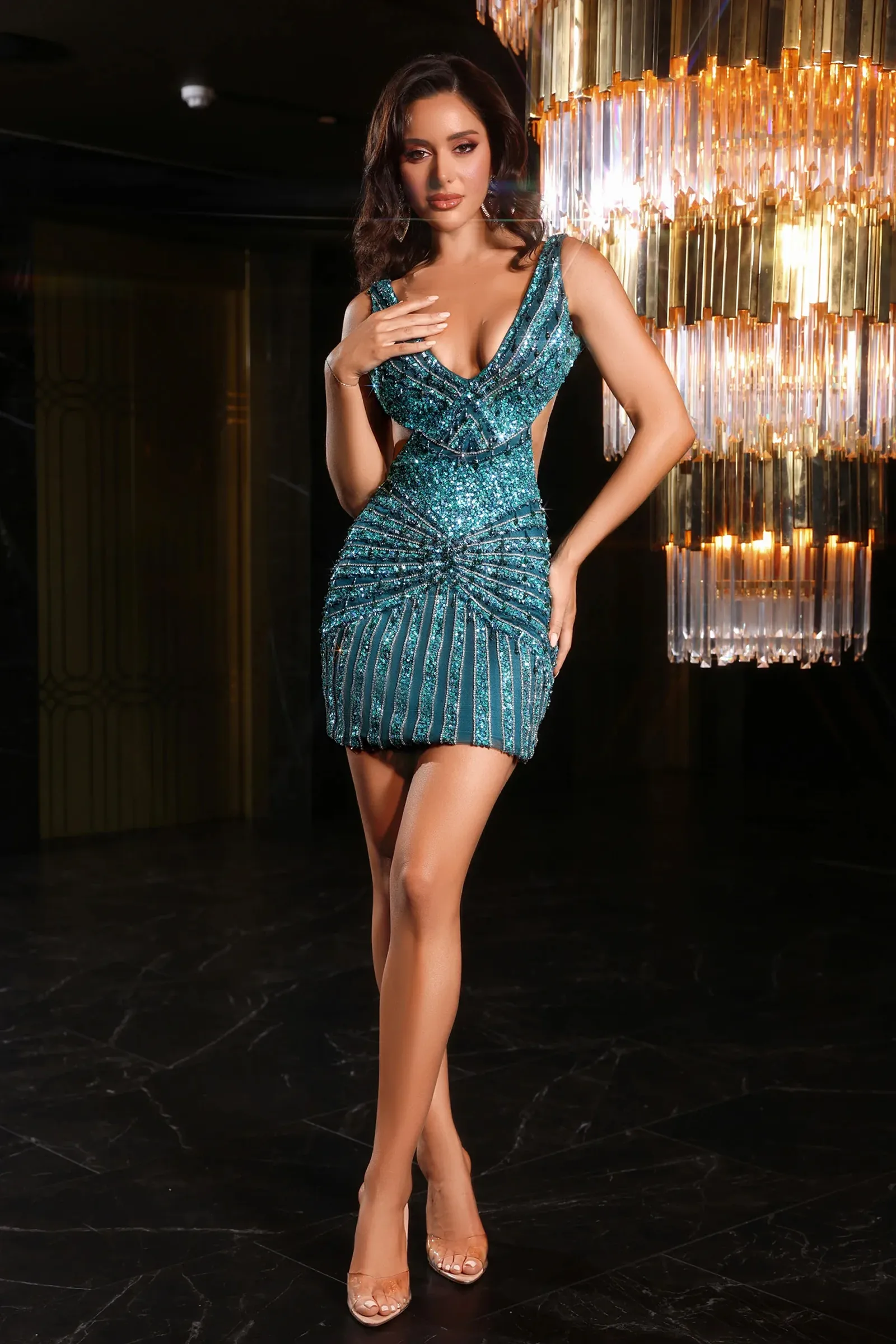
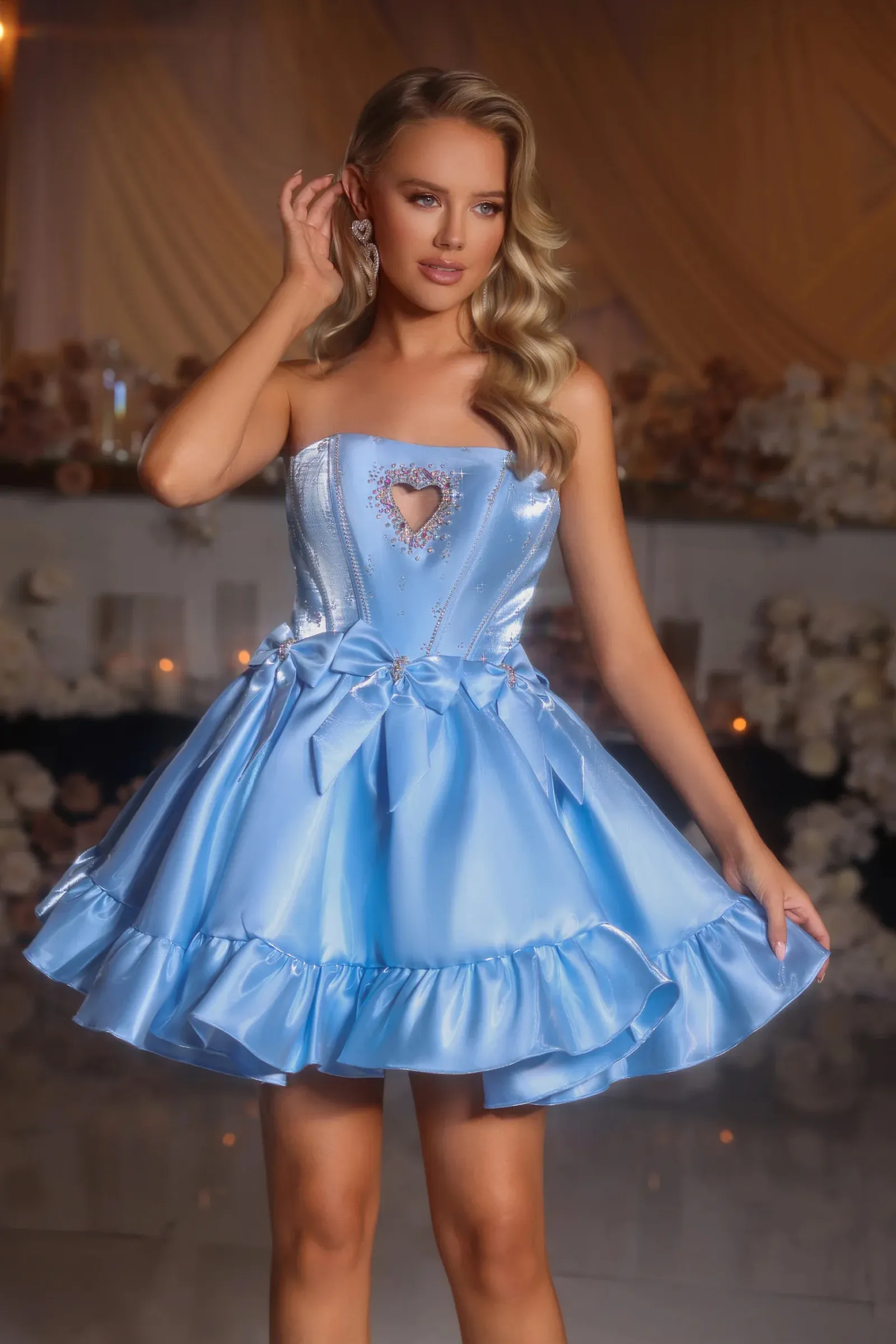
 Trevi Collection L2241 V-Neck Sequin Lace Bodice Taffeta A-Line with Slit Prom Dress
-
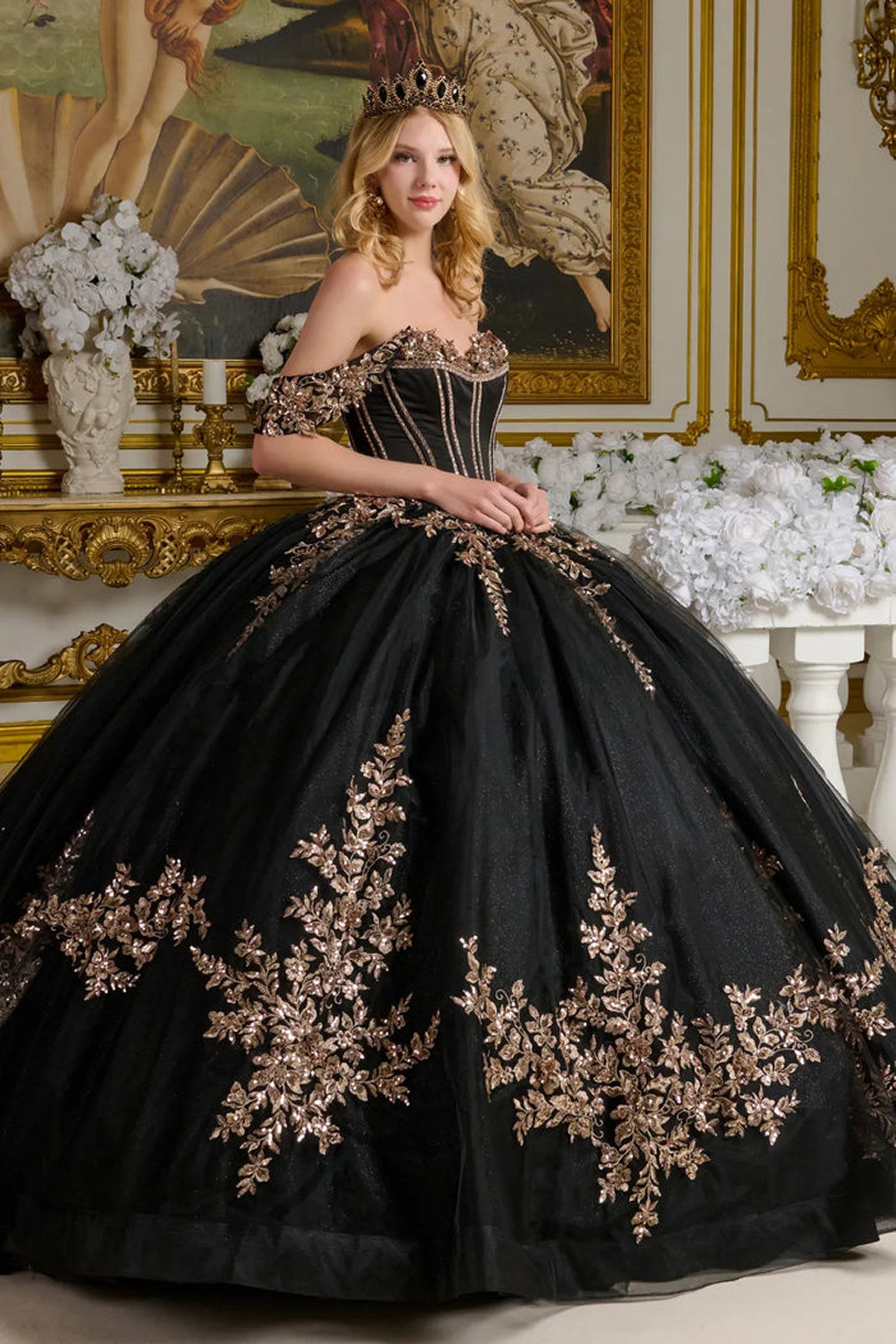
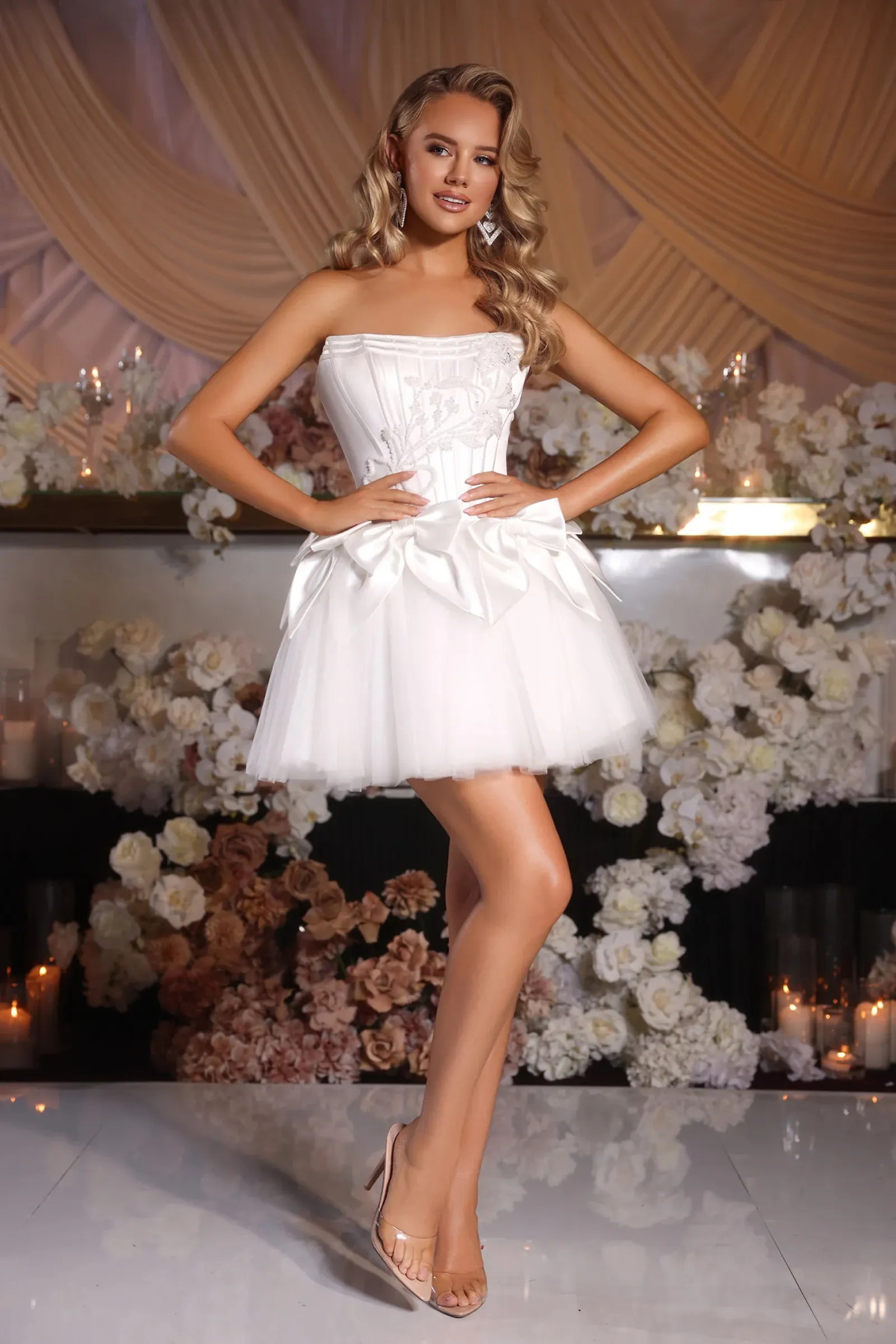
 Off-White Strapless A-Line Taffeta Wedding Dress with Beaded Waist & Chapel Train by Gloria GL3718
-
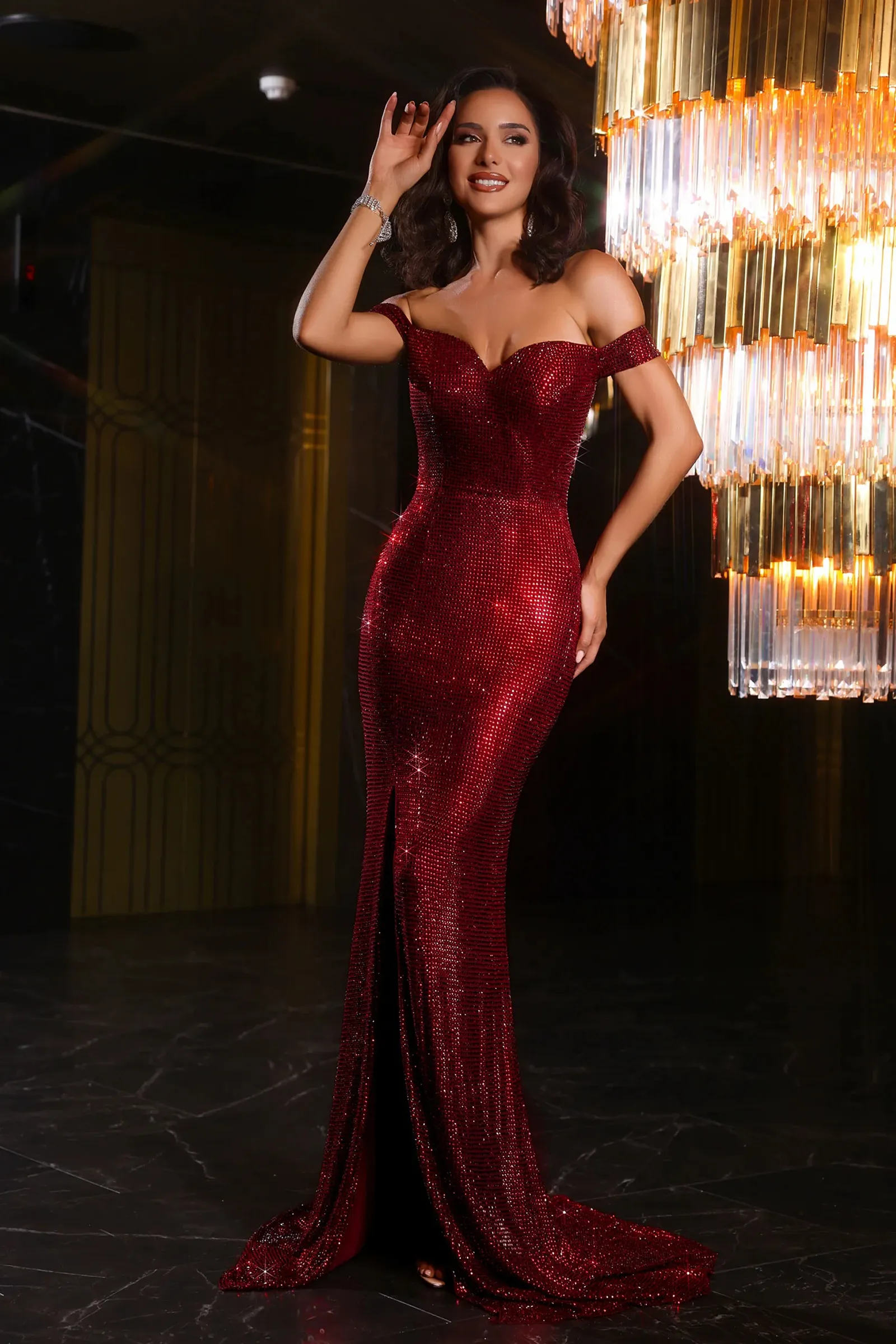
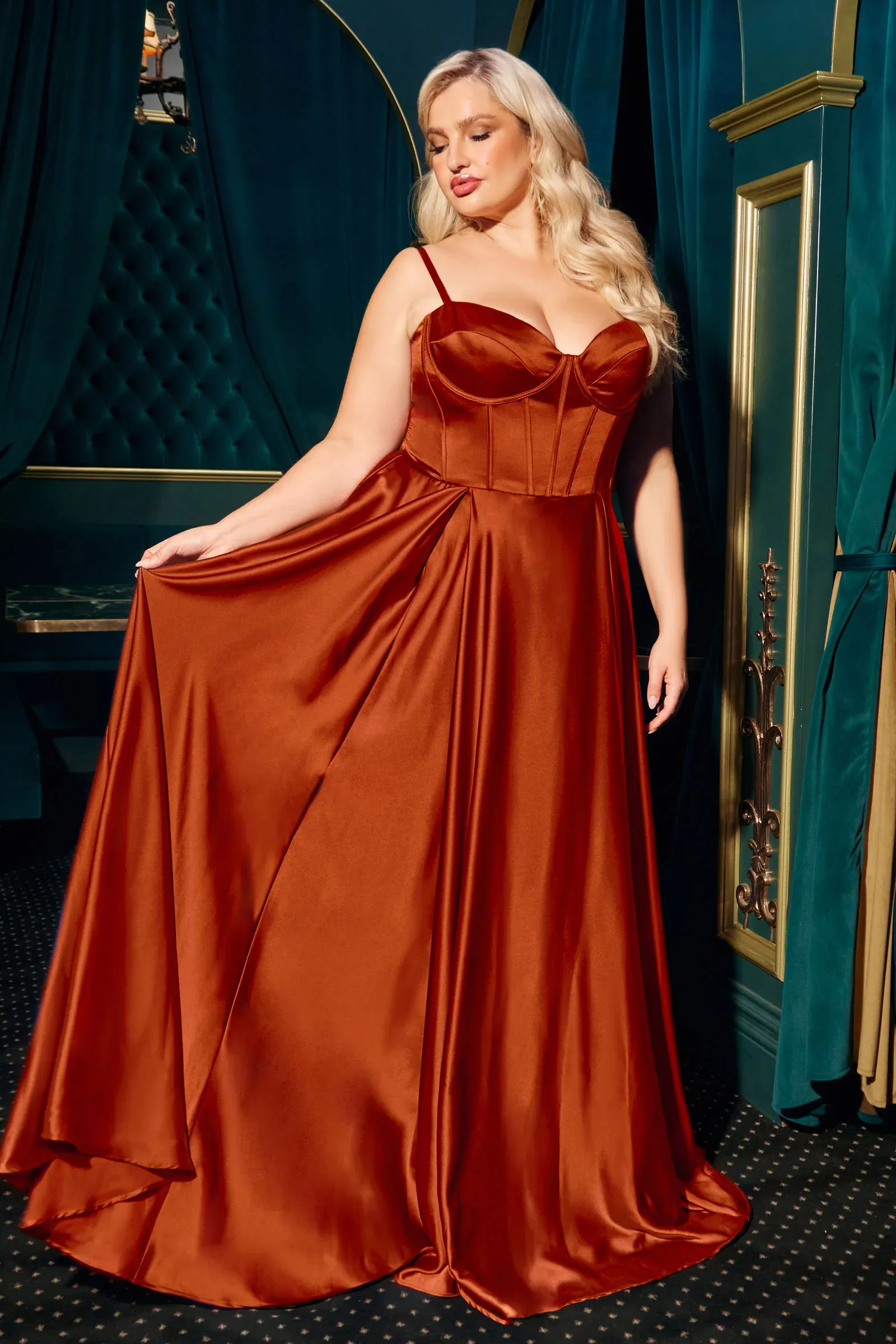
 Abby Paris 96085 Taffeta A-Line Long Sleeves Formal Dress
-
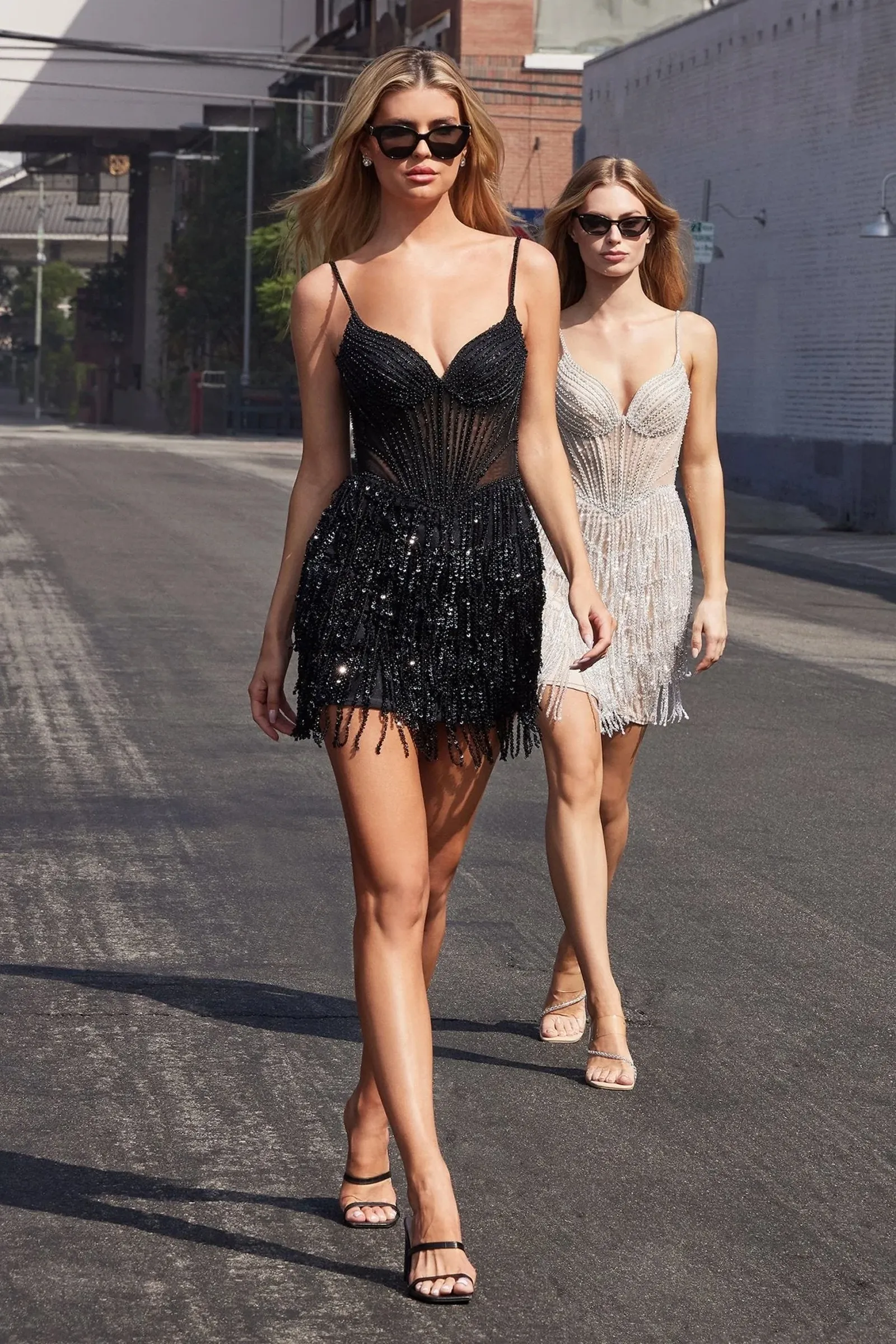
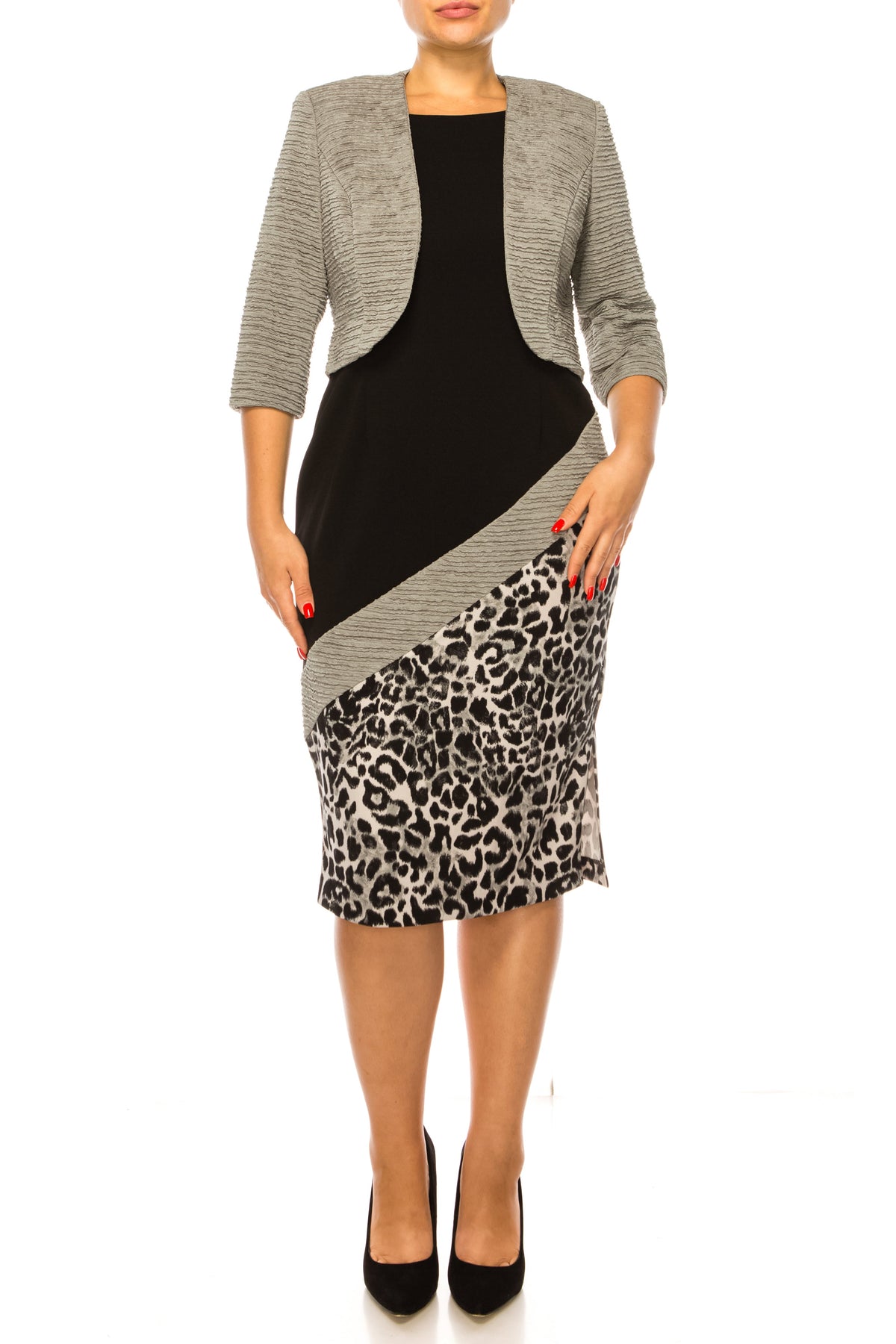
 Portia and Scarlett PS26079 Long Sweetheart Sleeveless A-Line Beaded Mesh Corset Bodice Beaded Detail Prom Dress


Taffeta dresses are made from a tightly woven fabric with a smooth surface, a crisp feel, and often a light sheen. They’re a good choice if you want a skirt that holds its shape, a bow that stands out, or pleats you can see clearly in photos. A short or midi dress suits many cocktail parties and receptions, while a floor-length taffeta gown works for prom, a gala, or a formal wedding. Start with the dress code, then check the fabric, lining, and fit around the bust and waist.
Two dresses made with taffeta can feel quite different. One might have a soft skirt you can sit in easily, while another has stiffer fabric and extra layers that create a wide shape. Look at the side and back photos as well as the front. They show how far the skirt stands away from the body, where the waist sits, and whether a bow or train changes how you’ll move.
What Types of Taffeta Are Used in Dresses?
Taffeta is a type of weave. The fibers, fabric weight, and finish affect how the dress looks and feels. When comparing taffeta fabric dresses, check what the outer fabric is made of and whether taffeta covers the entire dress or appears in a skirt, bow, or other detail.
In the U.S., most textile products carry a label that identifies their fiber content.
Silk Taffeta, Polyester Taffeta, and Blends
A silk taffeta dress often has a fine sheen and a crisp feel, though some versions are softer. With yarn-dyed silk taffeta, the threads are colored before weaving. This version often has the firmer feel used in eveningwear. Piece-dyed silk taffeta is colored after weaving and is often softer. If you want a specific look, ask how the fabric feels or request a swatch if one is available.
Polyester taffeta can also give a dress a crisp, smooth finish. You may also see nylon, acetate, or rayon in the fabric details, on their own or in blends. Some fabrics include elastane for stretch. A firm lining or structured bodice can still limit movement. A stretch taffeta dress is worth considering if you want a fitted shape for an evening that involves a long dinner or plenty of dancing.
Iridescent, Moiré, and Crinkled Taffeta
Shot taffeta uses different colors in the threads that run lengthwise and across the fabric. That’s what gives it a color shift when you move or the light changes. Moiré taffeta has a pattern that looks a little like ripples on water. Metallic finishes can give the fabric a brighter shine, while crinkled taffeta has a textured surface.
If you need to match a specific color, check photos in several kinds of light if they’re available.
Which Length and Skirt Shape Should You Choose?
The length helps you match the dress code. The skirt shape tells you how much room you’ll have for walking, sitting, and dancing. As you compare taffeta dresses, look at both before deciding how much volume you want.
Mini and Midi Dresses
A taffeta mini dress works well for homecoming, a birthday, or a reception where a short hem fits the dress code. The fabric gives bubble hems, layered ruffles, and oversize bows a clear shape. Check the listed length and the model’s height if the page shows both.
For plenty of dancing, look at how much of the thigh the hem covers when you bend or sit. For more above-the-knee options, browse short homecoming dresses.
A taffeta midi dress falls below the knee and usually ends somewhere around the calf. A fit-and-flare cut gives you room through the skirt, while a fitted midi may have a back vent or slit so you can take a longer step.
If you’re shopping for a taffeta cocktail dress, consider where the hem will fall on you and whether the skirt leaves room to sit comfortably. Compare lengths in the cocktail dresses collection.
A-Line, Ball Gown, Mermaid, and Column Styles
An A-line taffeta dress widens gradually from the waist down. It gives you extra room through the hips and works in both short and long styles. Box pleats create wide, neat folds, while a gathered waist creates smaller folds. If you like a full skirt with a more gradual flare, start with A-line dresses.
A taffeta ball gown has a fitted upper half and a full skirt, which may get extra volume from layers or a petticoat. Think about the space you’ll need around chairs and on stairs. A long skirt with a moderate sweep may be easier to manage in a crowded venue. Look at side views of ball gowns to compare how wide different skirts are.
A column dress falls fairly straight and may use taffeta mainly in a bow, sleeve, or detachable overskirt. A mermaid dress fits through the hips and flares lower down. If you like that shape, find out where the flare starts and whether you can take a normal step in the skirt. You can compare the flare and hem across mermaid dresses.
What Neckline and Sleeves Work Best?
A strapless taffeta dress can have a smooth bodice, a sweetheart neckline, or a corset-style top. Check for details like boning, sewn-in cups, or a lace-up back. They can change the fit around the ribs and bust. For a bow or one-shoulder style, use the back view to see where the detail sits and whether it might catch on a bag strap.
If you want coverage at the shoulders or arms, try a taffeta gown with sleeves. A cap sleeve sits near the shoulder, while three-quarter or long sleeves cover more of the arm. Puff sleeves stand out in stiffer fabric, so check how easy it is to reach forward. A taffeta off the shoulder dress frames the collarbones. When you try it on, raise your arms and see how the sleeves and neckline move together.
How to Choose Taffeta for Your Occasion
Bridal Gowns and Wedding Receptions
A taffeta wedding dress can have a full skirt, a simple A-line cut, or a fitted bodice with a detachable train. If you’re considering a silk taffeta wedding dress, use a close-up to check the sheen and a side view to judge how much volume the skirt has.
With a taffeta wedding gown that has a full train, ask your alterations specialist how it can be fastened up for the reception. You can compare ceremony and reception silhouettes in the wedding dresses collection.
Bridesmaids, Wedding Guests, and Mothers of the Couple
If you’re searching for “taffeta bridesmaids dresses,” start with the color and finish the couple has chosen. Two gowns labeled champagne may look different if one has a matte finish and the other catches more light. Swatches can help when the wedding party orders at different times or mixes necklines in one color.
For a group wearing the same length, check each designer’s measurements before ordering bridesmaid dresses.
As a guest, let the invitation guide you. A pink taffeta dress in a muted shade can work for a spring wedding, while a black taffeta dress can suit many evening receptions. A floral taffeta dress is another option for a daytime wedding. Check the front and back photos to see how the print looks across wide pleats.
At an outdoor venue with grass or gravel, a midi hem is easier to keep clear of the ground. Explore wedding guest dresses if you’re still deciding on length.
A taffeta shirtdress gown takes details from a collared shirt, often including a button front, and pairs them with a long, dressy skirt. It can work for a mother of the bride or groom who wants a higher neckline or sleeves.
Check whether the front buttons open and whether the dress also has a zipper. Compare coverage and lengths in mother of the bride dresses.
Prom, Galas, and Black-Tie Events
When picking a taffeta prom dress, think about your whole evening. A strapless A-line with a bow gives the skirt room to move. A one-shoulder gown with a slit gives you more room to step. If the skirt has a detachable overskirt, check how it fastens and what the dress looks like with it off.
See how those details compare as you browse prom dresses.
A floor-length taffeta evening dress is a reliable starting point for a black-tie invitation. Ankle-length and floor-length taffeta formal gowns can look similar on a product page, so use your height and planned heel height to estimate where the hem will fall. For a gala with assigned seating, a slim skirt with a slit or vent may be easier to move in than a wide skirt with a train.
If you like the look of a long taffeta maxi dress, check whether it’s cut to show your shoes or reach the floor. For a high-low hem, look at the shortest point in front as well as the length in back. Both measurements matter if you’re comparing coverage and room to walk in evening and formal gowns.
How Should Taffeta Fabric Dresses Fit?
Measure your bust, natural waist, and hips, then use the size chart on the product page. Traditional woven taffeta usually has little give, so pay attention to the measurements where the dress fits closest. If your measurements fall between two sizes, the bust and waist are especially important in an A-line. For a fitted or mermaid skirt, check the hips as well. If you’re unsure which size to order, ask whether garment measurements are available.
When you try on a dress, wear the shoes and undergarments you plan to use. Sit, take a full step, and raise your arms. Check whether the zipper lies flat and whether the lining pulls as you move. If you’re shopping for a plus size taffeta dress, look for details such as adjustable straps or a lace-up back if you need extra room to fine-tune the fit. Start with the designer’s chart when comparing plus size formal dresses.
Questions Shoppers Ask About Taffeta
How Do Taffeta Dresses Compare With Satin and Organza?
Taffeta is a good starting point for a skirt with sharp pleats or a bow that holds its shape. A soft satin can be a good choice if you want the skirt to fall closer to your body. Organza is sheer and can add volume in layers. In photos, look at how the fabric falls around the hips and hem. The lining and weight can make a difference in all three.
Is Taffeta Shiny, and Does It Make Noise?
Many taffeta fabric dresses have a soft sheen, though some finishes look brighter under flash or direct light. Taffeta can also rustle as you walk. The sound varies with the finish and how the skirt layers move against each other. If you’re buying it for a ceremony or a stage event where sound matters, walk and sit in it during the fitting.
Is a Tafida Dress the Same as a Taffeta Dress?
The standard fabric spelling is taffeta. If you searched for a tafida dress because you want a crisp fabric that holds pleats or a full skirt, look for “taffeta” in the product’s fabric details. Check whether it’s the main fabric or used only for an accent, such as a bow or an overskirt.
Can You Steam or Wash Taffeta at Home?
Follow the care label on the dress. Taffeta fabric dresses can have different care instructions because the fibers, finishes, and details such as beading or lining vary. Check the label before steaming, and ask a cleaner who handles formalwear if you’re unsure how to deal with a set-in crease or a water mark. The U.S. Care Labeling Rule, 16 CFR Part 423, requires regular care instructions for covered garments.
Find a Dress You’ll Be Comfortable Wearing All Night
Start with the length your event calls for and choose a skirt with as much volume as you’ll feel comfortable wearing. Then compare taffeta dresses at Formal Dress Shops by neckline, lining, and fit to find one you can sit, walk, and dance in comfortably.

Follow us


