


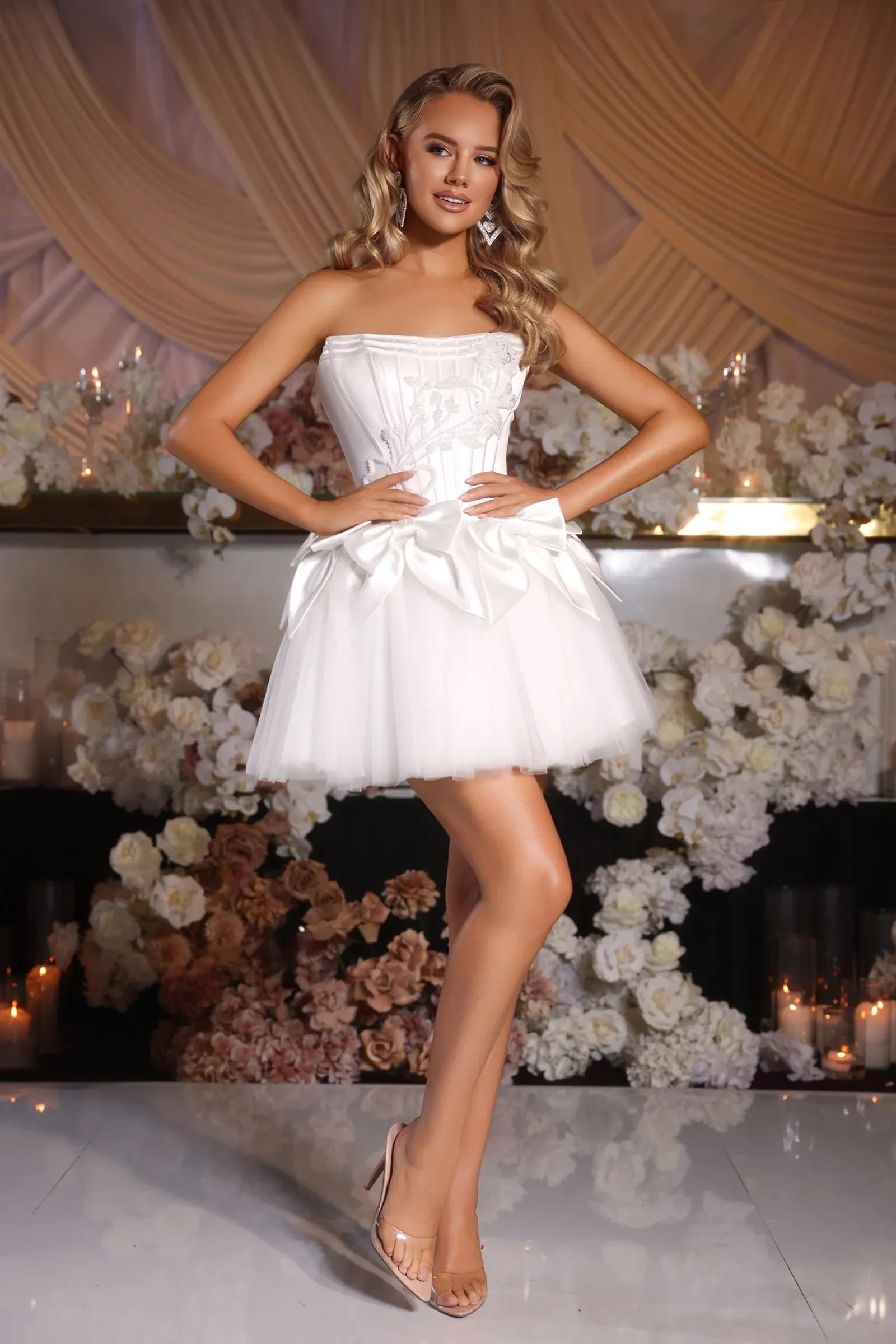
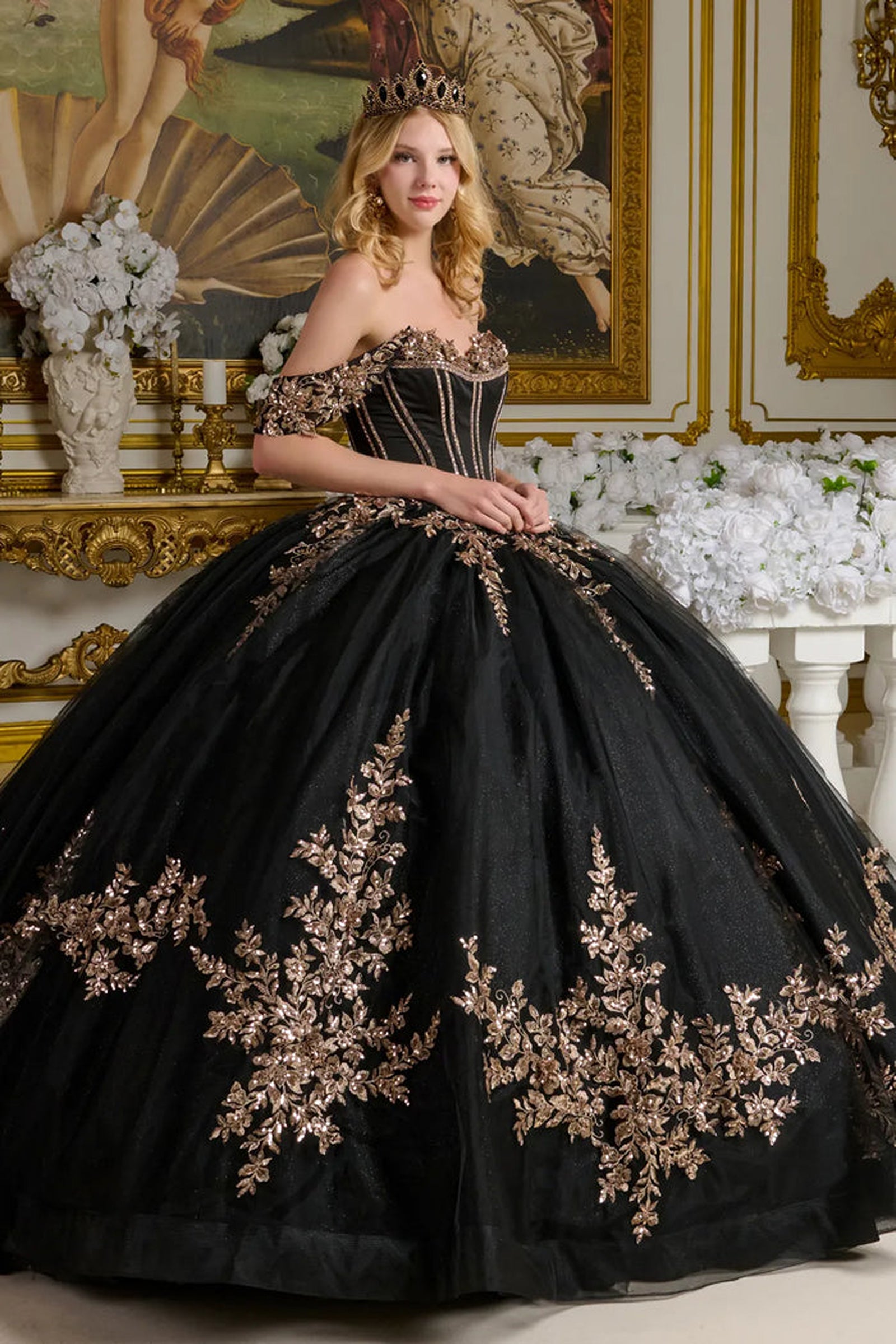

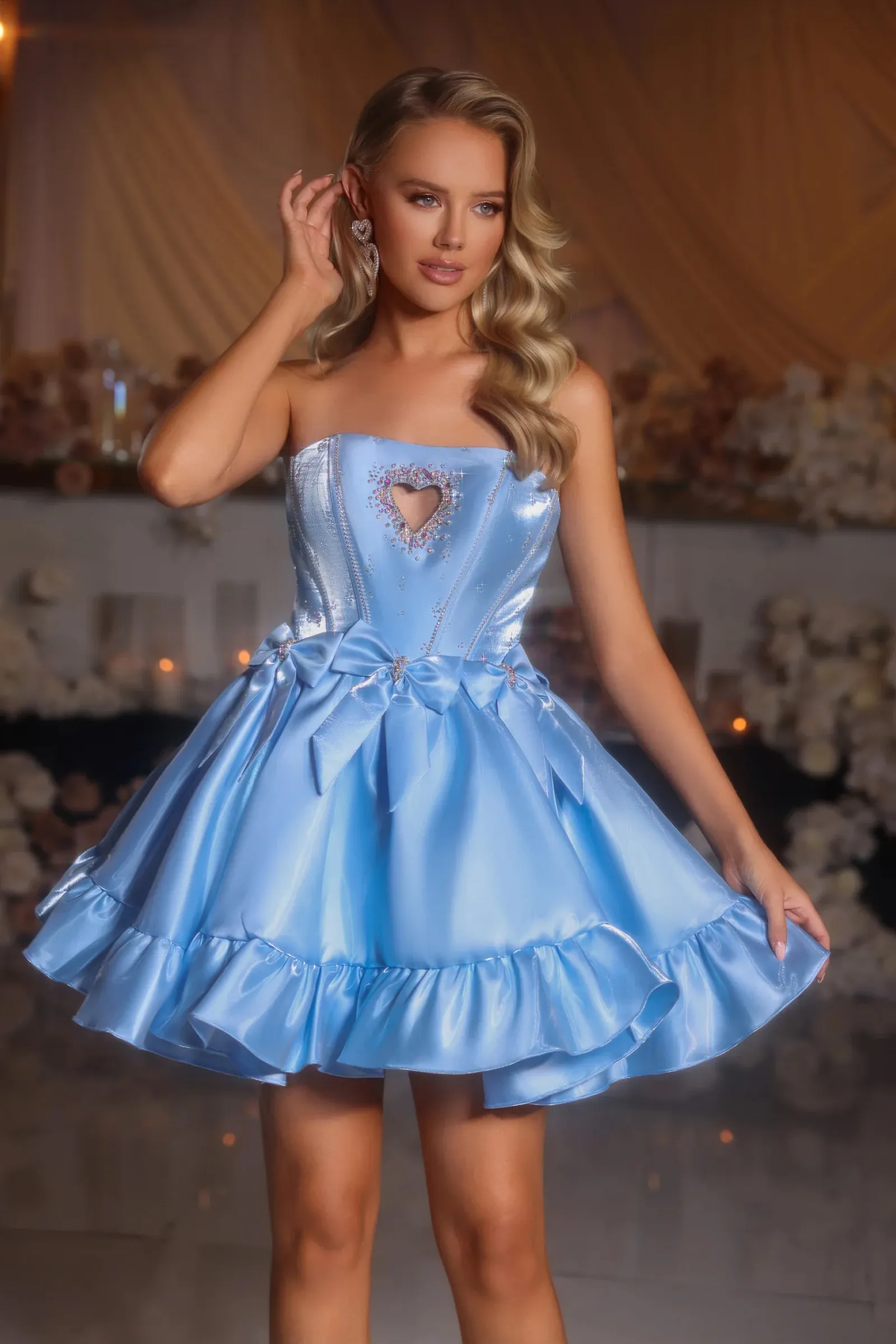
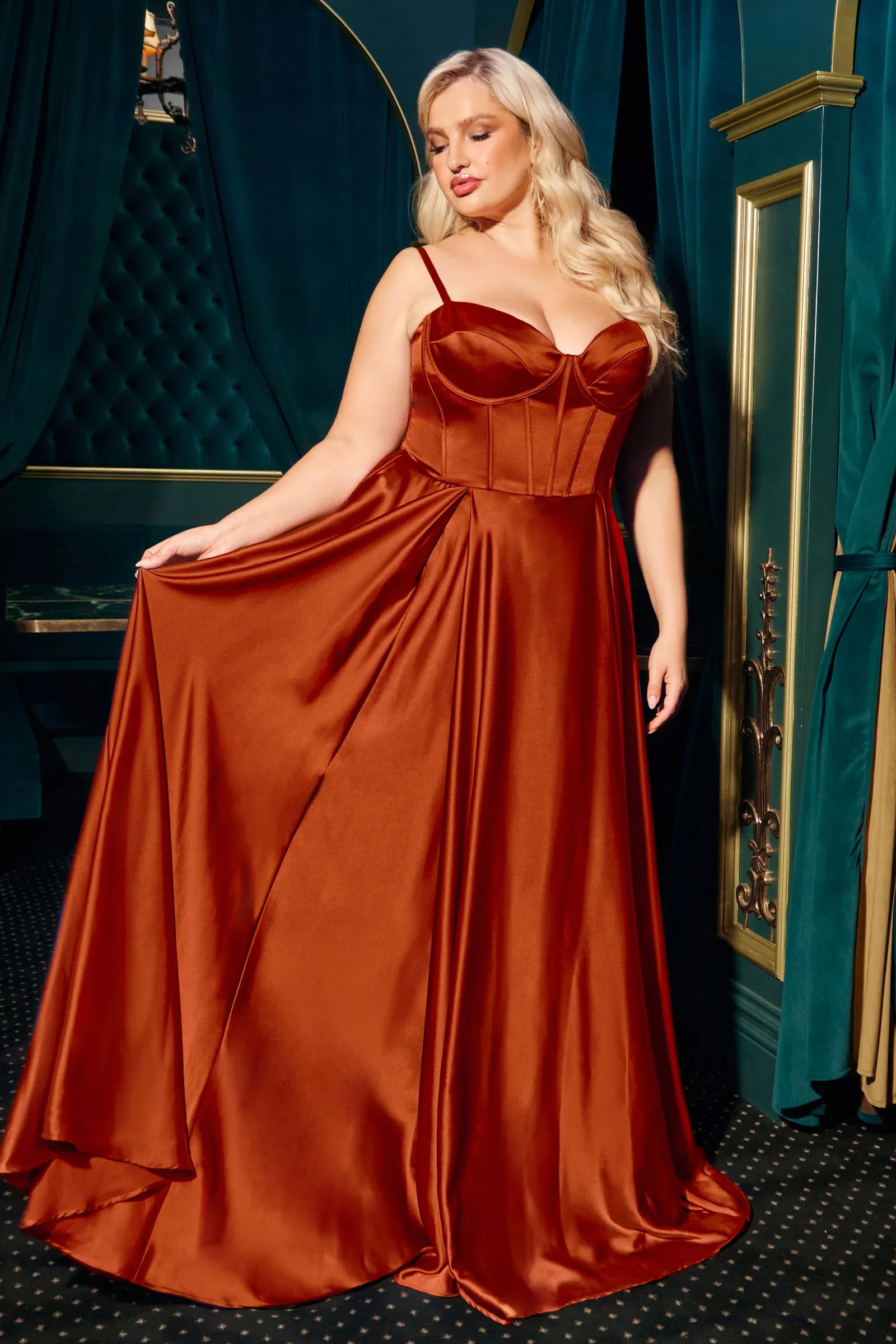
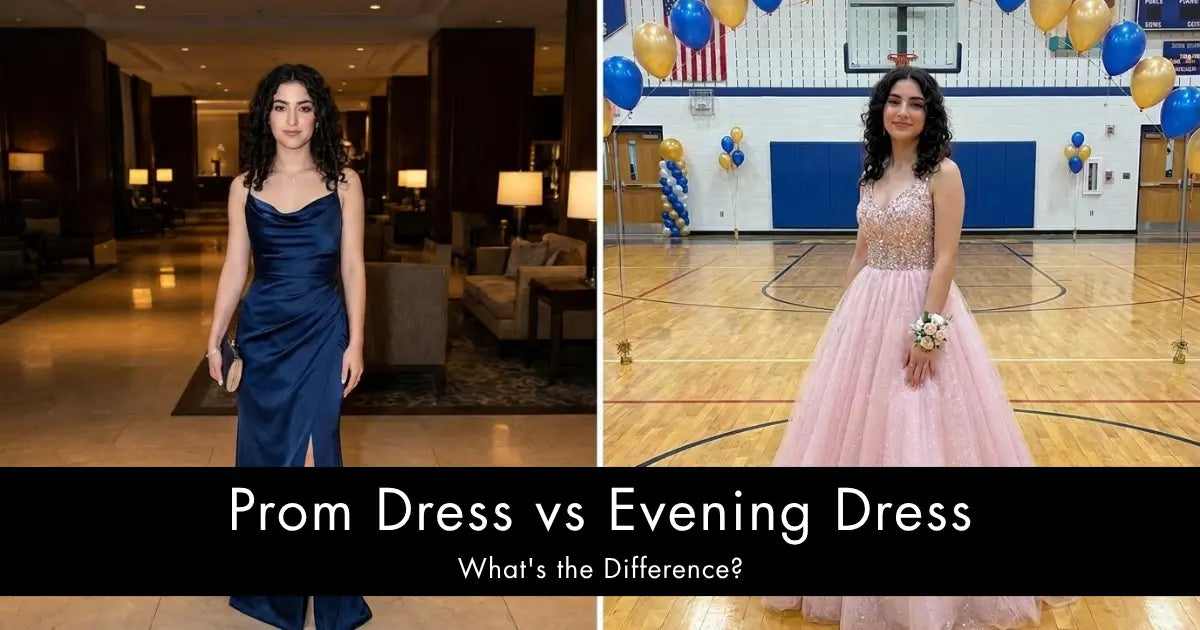
Prom Dress vs Evening Dress: What's the Difference?
Prom dresses and evening dresses can look very similar, but they are not designed for exactly the same purpose. The main difference is the occasion they are intended for. Prom dresses are created specifically for prom and often feature youthful, trend-focused designs, while evening dresses are more versatile and can be worn to weddings, galas, formal dinners, receptions, and other special events.
That does not mean you can only wear a prom dress to prom or an evening dress to an evening event. Many formal gowns can work for both. The right choice depends on the event, dress code, venue, level of formality, fit, and your personal style.
Understanding the difference between prom dresses and evening dresses can help you choose an outfit that looks appropriate, feels comfortable, and gives you the flexibility you want.
Prom Dress vs Evening Dress: Quick Comparison
| Feature | Prom Dress | Evening Dress |
|---|---|---|
| Main purpose | Prom and school formal events | Formal and semi-formal occasions |
| Typical style | Trendy, youthful, statement-making | Elegant, classic, or sophisticated |
| Length | Short, midi, or floor-length | Short, midi, or floor-length |
| Embellishment | Often sequins, beading, glitter, or rhinestones | Can range from simple to heavily embellished |
| Formality | Usually formal | Can range from semi-formal to black tie |
| Reusability | May be closely associated with prom | Usually designed for repeated use |
| Common occasions | Prom, school formal events | Weddings, galas, dinners, receptions, formal parties |
The important point is that there is no strict design rule separating the two. A floor-length satin gown, for example, could easily work as both a prom dress and an evening gown.
What Is a Prom Dress?
A https://formaldressshops.com/collections/prom-dresses is a formal or semi-formal dress designed primarily for prom. Prom is a major school social event, so these dresses are often designed to make a strong impression while allowing the wearer to move, dance, take photographs, and enjoy the event comfortably.
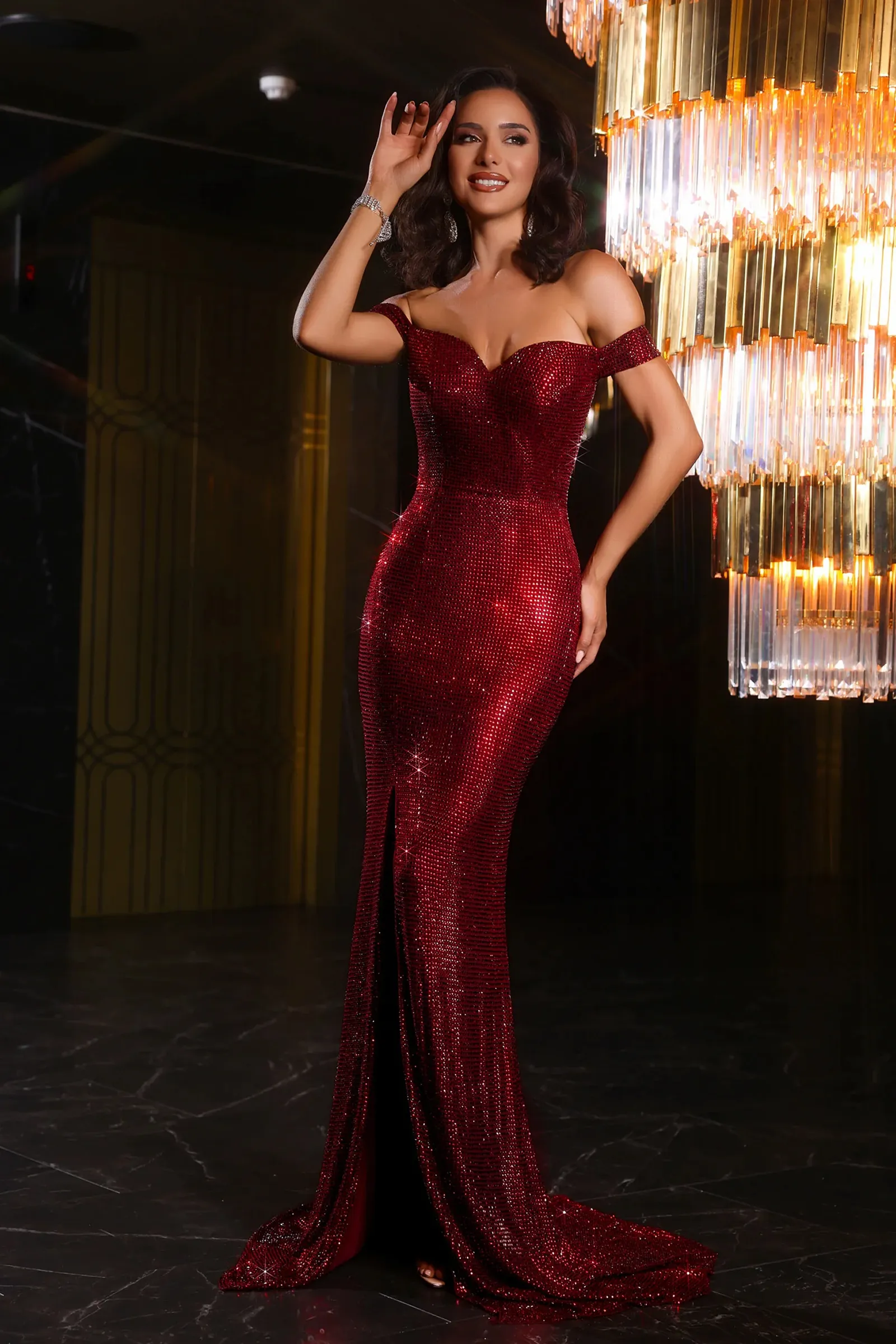
Prom fashion changes with current trends. Traditional ball gowns remain popular, but modern prom dresses also include A-line gowns, mermaid silhouettes, fitted dresses, two-piece styles, satin gowns, and sleek floor-length designs.
Common features of prom dresses include:
- Floor-length, midi, or shorter skirts
- A-line, mermaid, ball gown, and fitted silhouettes
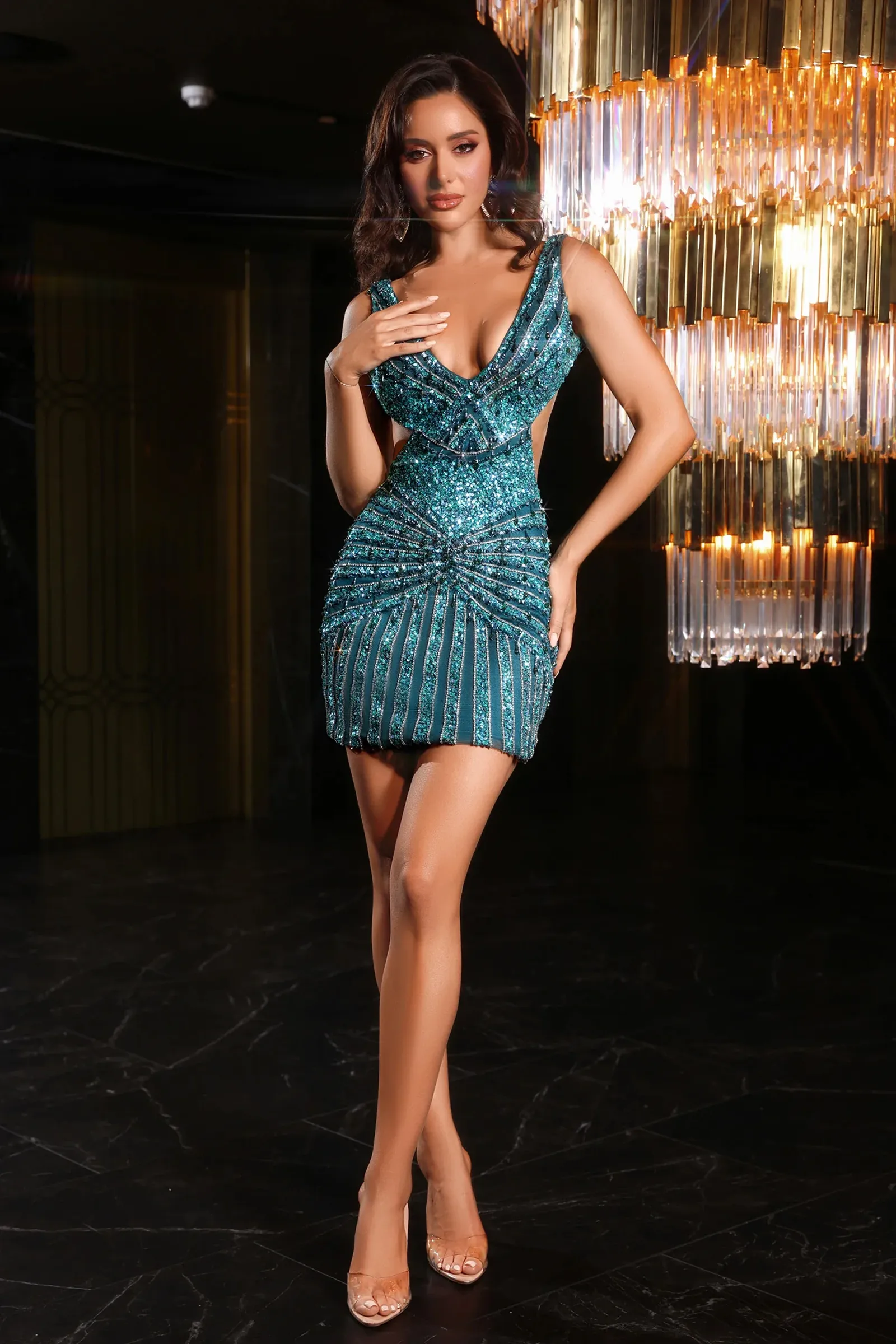
- Sequins, rhinestones, beading, and glitter
- Satin, chiffon, tulle, velvet, and other formal fabrics
- Strapless, halter, sweetheart, and off-the-shoulder necklines
- Slits, open backs, corset-inspired details, and other modern features
Prom dresses also tend to place a strong focus on personal expression. Bold colors, dramatic silhouettes, and statement details can be appropriate because prom is often a highly photographed celebration.
However, the dress still needs to follow the school's requirements. Some schools or venues may have rules about dress length, necklines, cutouts, exposed areas, or other design details.
What Is an Evening Dress?
An evening dress is a broader category of formal or semi-formal clothing designed for special occasions. Unlike a prom dress, an evening dress is not associated with one specific event.
Evening dresses can be worn to weddings, formal dinners, cocktail parties, galas, receptions, charity events, award ceremonies, and other celebrations. Depending on the dress code, they may be short, midi, or floor-length.
The term "evening dress" covers many different styles. A simple satin dress can create an elegant and understated appearance, while a beaded floor-length gown can provide a more glamorous look.
The biggest advantage of evening dresses is versatility. A classic design can often be styled differently for several occasions, making it a practical choice when you want to get more use from your purchase.
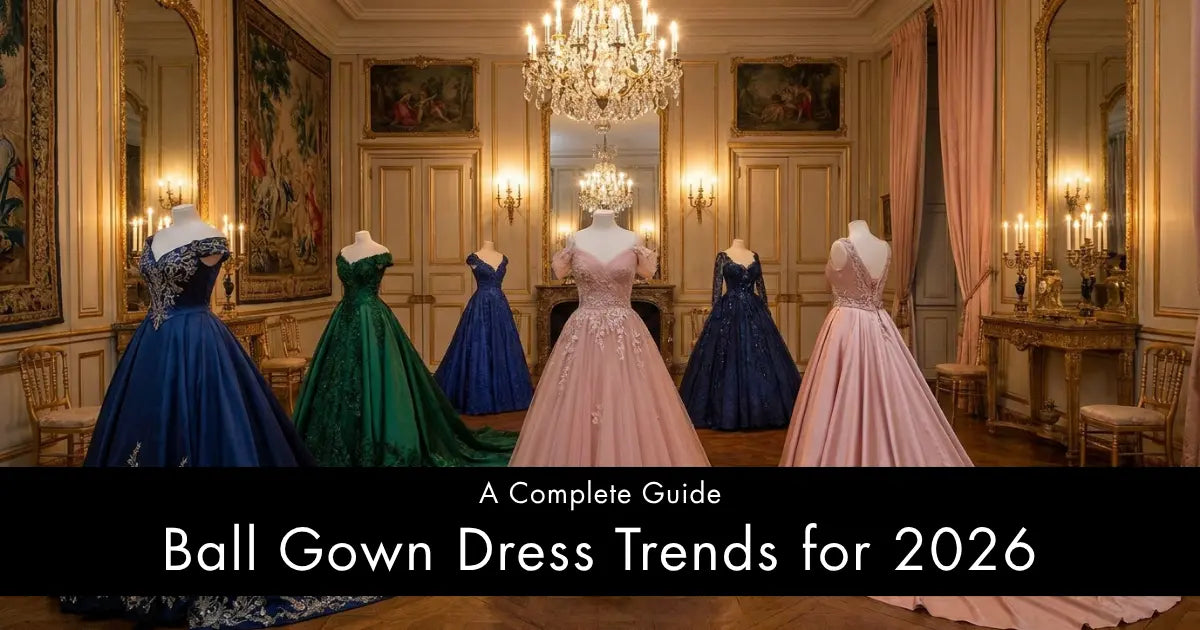
Read More: Ball Gown Dress Trends for 2026
What Is the Difference Between a Prom Dress and an Evening Dress?
The difference is mainly based on purpose, styling, and context rather than a strict construction rule.
1. The Occasion
The most important difference is the event.
Prom dresses are selected specifically for prom. They often reflect current youth fashion trends and are designed around the atmosphere of a school formal event.
Evening dresses are more general. They can be appropriate for weddings, galas, formal dinners, receptions, and other special occasions.
For example, a sparkling floor-length gown could be appropriate for both prom and a formal evening celebration. However, a dress with very youthful styling or excessive glitter may not be the best choice for a conservative formal dinner.
2. Style and Trends
Prom fashion is often heavily influenced by current trends. Students may want a dress that feels fashionable, distinctive, and memorable.
Current styles can include fitted bodices, corset-inspired details, sequins, illusion panels, dramatic necklines, high slits, and statement silhouettes.
Evening fashion also changes with trends, but many evening dresses place more emphasis on timeless elegance. Clean lines, refined fabrics, classic silhouettes, and sophisticated colors can make a dress easier to wear again.
This is one reason evening dresses can be a better option when versatility is important.
3. Level of Formality
Both prom dresses and evening dresses can be highly formal. However, the required level of formality depends on the specific event.
Prom is generally a formal occasion, but individual schools and venues may establish their own requirements.
Evening events can have a wider range of dress codes. An event may be semi-formal, cocktail, formal, or black tie.
For a black-tie event, a sophisticated floor-length gown is generally a safer choice than a casual short dress. A cocktail event, on the other hand, may allow a shorter formal dress.
Always follow the stated dress code rather than assuming that a particular dress length automatically makes an outfit formal.
4. Reusability
Prom dresses are often purchased for one important event. Some can certainly be worn again, but very distinctive designs may always feel associated with prom.
Evening dresses are usually more versatile. A classic black dress, satin gown, or simple A-line design may be appropriate for several different occasions.
If you want to reuse your dress, consider choosing a style with fewer event-specific details and a silhouette that works across different settings.
5. Personal Expression
Prom gives students an opportunity to express their individual style. Bold colors, dramatic designs, sparkling details, and unusual silhouettes can all create a memorable prom look.
Evening dressing can also be highly personal, but the event may influence how much attention the outfit should attract.
A gala may welcome a glamorous gown, while a formal business dinner may call for something more understated.
The goal is not to choose the most elaborate dress. The goal is to choose a dress that fits the occasion while making you feel confident.
Can You Wear an Evening Dress to Prom?
Yes. An evening dress can be worn to prom as long as it meets the school's dress requirements and suits the formality of the event.
Many evening gowns are already similar to traditional prom dresses. A floor-length satin gown, A-line dress, or fitted formal gown can work especially well.
Styling can also change the overall appearance. Statement jewelry, formal shoes, a clutch, a corsage, and a youthful hairstyle can give a classic evening gown a more prom-appropriate appearance.
Before purchasing, check the school's rules about length, neckline, cutouts, back coverage, and other requirements.
The label on the dress matters less than whether the actual design is appropriate for prom.
Can You Wear a Prom Dress to an Evening Event?
Sometimes. It depends on the style of the prom dress and the event you are attending.
A simple prom gown with a classic silhouette can often work as an evening dress. Satin, chiffon, velvet, and other refined fabrics can make a prom dress suitable for different formal occasions.
However, some prom dresses are highly specific to the occasion. Heavy glitter, dramatic cutouts, excessive embellishment, or an extremely youthful design may not work well for every evening event.
Consider the setting before wearing a prom dress elsewhere. A glamorous gown may be perfect for a gala or formal celebration but feel out of place at a conservative dinner.
Prom Dress vs Evening Gown: Are They the Same?
The terms are sometimes used interchangeably, but they can have slightly different meanings.
An evening gown generally refers to a more formal type of evening dress. It is often floor-length and may feature elegant fabrics, structured construction, or sophisticated embellishments.
A prom dress is specifically associated with prom, regardless of its length or silhouette.
This means a prom dress can also be an evening gown in terms of its construction and level of formality. The main distinction is the intended occasion.
Prom Dress vs Homecoming Dress
Homecoming dresses are another category that is often confused with prom dresses and evening dresses.
Homecoming is generally less formal than prom, so homecoming dresses often provide more flexibility. Short and midi styles are particularly common, although long dresses are also available.
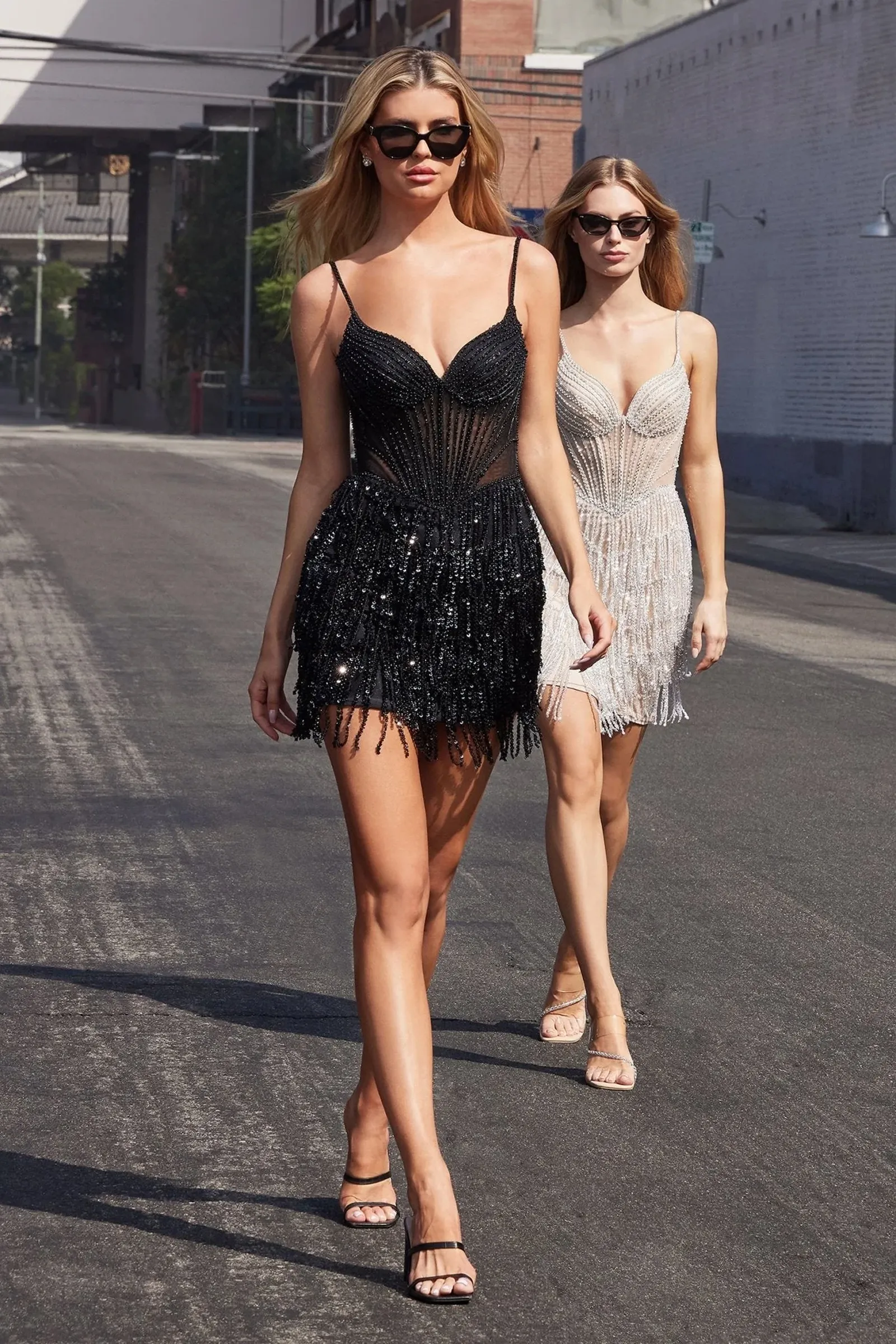
Short Homecoming Dresses can work well for semi-formal school events when a floor-length gown is not required. Floral Homecoming Dresses, Corset Homecoming Dresses, and Sequin Homecoming Dresses offer different ways to create a stylish event look.
Long Homecoming Dresses can provide a more formal appearance, while Plus Size Homecoming Dresses are available in a variety of silhouettes, fabrics, necklines, and lengths.
The key difference is the event. Homecoming usually has a more flexible dress code, while prom is typically more formal.
How Dress Code Affects Your Choice
The dress code should always come before fashion trends when selecting a formal dress.
Cocktail
Cocktail attire usually allows a shorter formal dress, although the exact requirements can vary by event.
Semi-Formal
Semi-formal events typically allow elegant short, midi, or longer dresses. The overall fabric, styling, and construction should still look polished.
Formal
Formal events call for a more sophisticated appearance. Depending on the event, a dressy midi or floor-length gown may be appropriate.
Black Tie
Black tie is one of the more formal dress codes. A sophisticated floor-length evening gown is generally a reliable choice for this type of event.
If the invitation provides specific instructions, follow those requirements instead of relying only on general dress-code definitions.
How to Choose Between Prom Dresses and Evening Dresses
Start with the occasion. Once you know where you are going and what the dress code requires, consider the following factors.
Consider the Venue
The venue can help you determine how formal your dress should look.
A ballroom prom may suit a dramatic floor-length gown, while a less formal venue may work better with a simpler design.
For evening events, a luxury hotel, gala venue, formal restaurant, or elegant reception may call for a more refined appearance than a casual celebration.
Think About Comfort
Formal events can last several hours, so comfort matters.
Make sure the dress fits properly around the bust, waist, hips, and shoulders. You should be able to sit, walk, dance, and move your arms without constantly adjusting the dress.
This is especially important for prom because dancing and movement are often a major part of the night.
Choose the Right Fabric
Fabric can significantly affect the appearance and comfort of a dress.
Satin can create a smooth and polished look. Chiffon is lightweight and flowing, while tulle can add volume. Velvet can provide a richer appearance that works particularly well for cooler-weather events.
Sequins and beading can add glamour, but heavily embellished dresses may be less versatile if you plan to wear them again.
Select the Right Silhouette
There is no single silhouette that works for everyone.
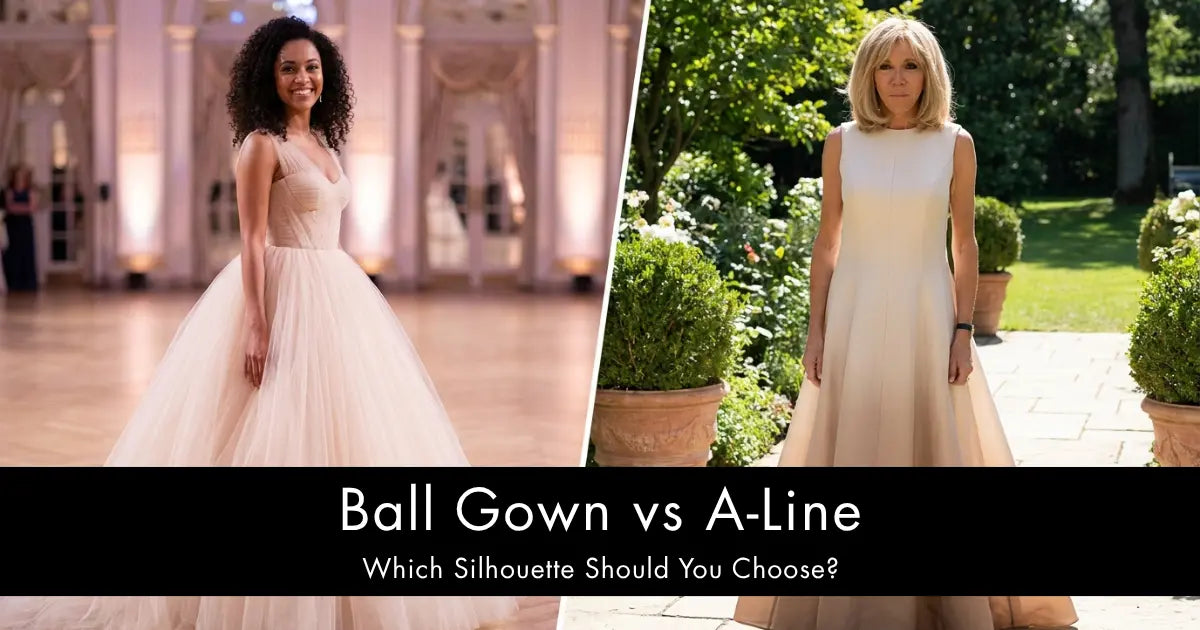
A-line dresses gradually widen from the waist and create a classic shape. Mermaid gowns fit closely through the body before flaring near the bottom. Ball gowns have fuller skirts, while fitted styles create a more streamlined appearance.
Instead of choosing a silhouette only because it is trending, focus on how it fits your body and how comfortable you feel wearing it.
How to Make a Dress More Versatile
If you want one dress that can work for multiple occasions, choose a design that is elegant without being overly specific to one event.
Neutral or sophisticated colors, classic silhouettes, quality fabrics, and moderate embellishment can make a formal dress easier to reuse.
Accessories can also change the overall look. Different jewelry, shoes, clutches, hairstyles, and wraps can make the same dress feel appropriate for different occasions.
A simple evening gown, for example, can be styled with more statement accessories for a celebration or kept understated for a formal dinner.
Also Read: Homecoming Dress Trends for 2026
Common Mistakes to Avoid When Buying a Formal Dress
One common mistake is choosing a dress based only on an online photograph. Lighting, camera settings, and screen displays can affect how color and fabric appear.
Another mistake is ignoring measurements. Formal dresses often have different sizing from everyday clothing, so checking the seller's measurement chart is important.
Waiting until the last minute can also create problems. You may need time for shipping, fittings, alterations, or exchanges.
Most importantly, do not ignore the dress code. A beautiful dress is not the right choice if it does not meet the requirements of the event.
Frequently Asked Questions
Is a prom dress the same as an evening dress?
No. A prom dress is specifically intended for prom, while an evening dress is a broader category designed for different formal and semi-formal occasions. However, many dresses can work for both.
Can I wear a long evening gown to prom?
Yes. A long evening gown can be an excellent prom choice as long as it follows the school's dress code and matches the formality of the event.
Can I wear a prom dress to a wedding?
Sometimes. A simple and elegant prom dress may work for a wedding, but you should consider the wedding's dress code, venue, season, and any color restrictions before wearing it.
Are prom dresses always floor-length?
No. Prom dresses can be short, midi, or floor-length. The appropriate length depends on current styles, personal preference, and school or venue requirements.
Is an evening gown more formal than a prom dress?
Not necessarily. Both can be highly formal. An evening gown may be designed for black-tie or other formal occasions, while a prom dress can range from relatively simple to extremely glamorous.
Can I wear a cocktail dress to prom?
You can if the school's dress code allows it. Some proms may permit shorter formal dresses, while others may have specific length requirements. Always check the rules before purchasing.
What is the difference between a prom dress and a homecoming dress?
Prom dresses are generally associated with a more formal school event and often include floor-length gowns. Homecoming dresses tend to offer more flexibility, with shorter styles being particularly common.
Can I wear a prom dress again?
Yes. A classic prom gown can often be worn to other formal occasions. Choosing a simple silhouette, versatile color, and less event-specific embellishment can make repeat wear easier.
Choosing the Right Dress for the Occasion
The difference between prom dresses and evening dresses is mainly about purpose and context. Prom dresses are created with the prom experience in mind and often feature youthful, trend-focused designs. Evening dresses are more versatile and can be worn to weddings, dinners, galas, receptions, and other special occasions.
However, the categories can overlap. A sophisticated evening gown can be perfect for prom, while a simple prom dress may work for another formal event.
When making your choice, start with the dress code and occasion. Then consider the venue, formality, fit, fabric, silhouette, comfort, and how often you want to wear the dress again.
If you are comparing different formal styles, Formal Dress Shops offers options for prom, evening, homecoming, and other special occasions. Explore the available styles to find a dress that fits your event, personal style, and desired level of formality.


Leave a comment
This site is protected by hCaptcha and the hCaptcha Privacy Policy and Terms of Service apply.