


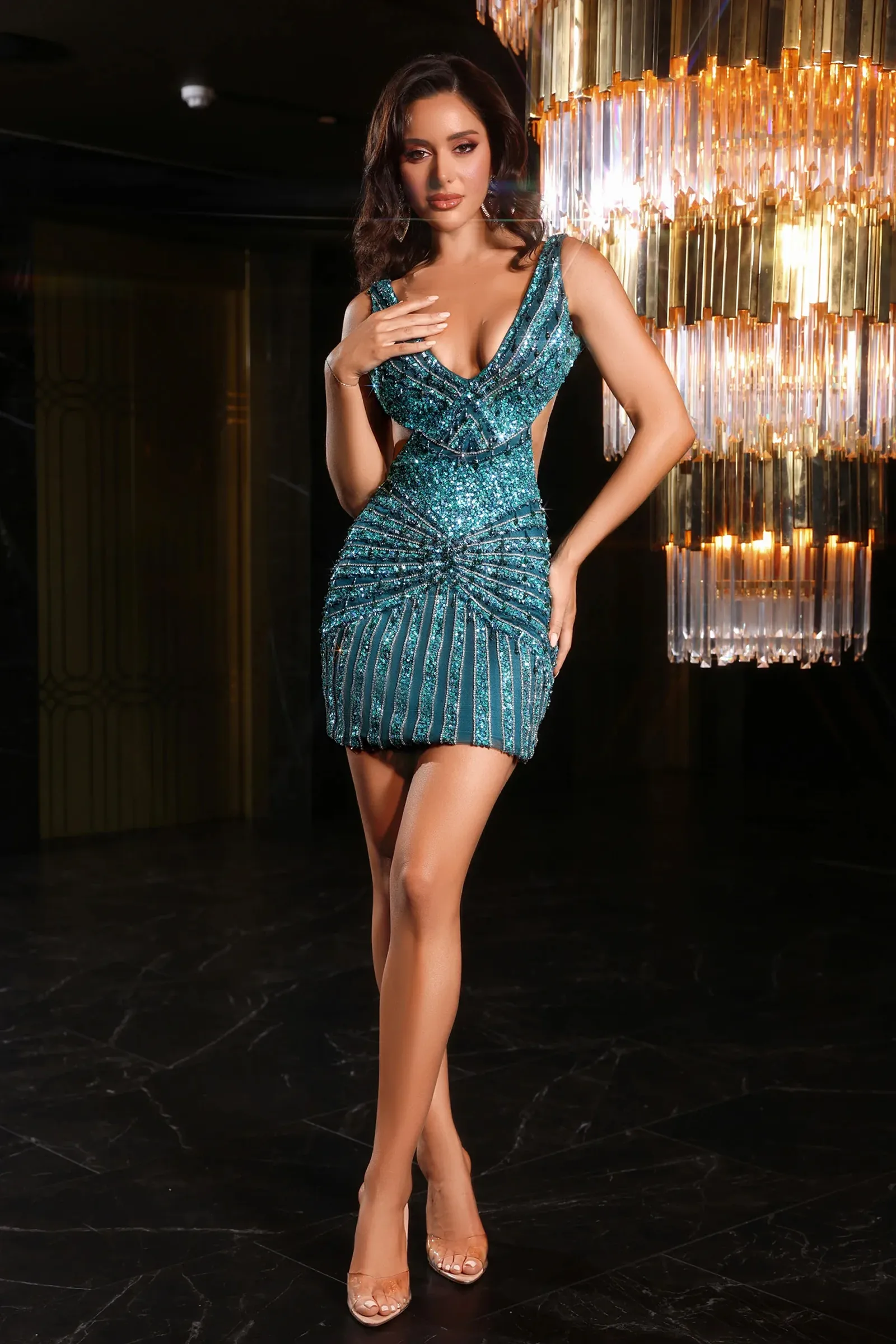
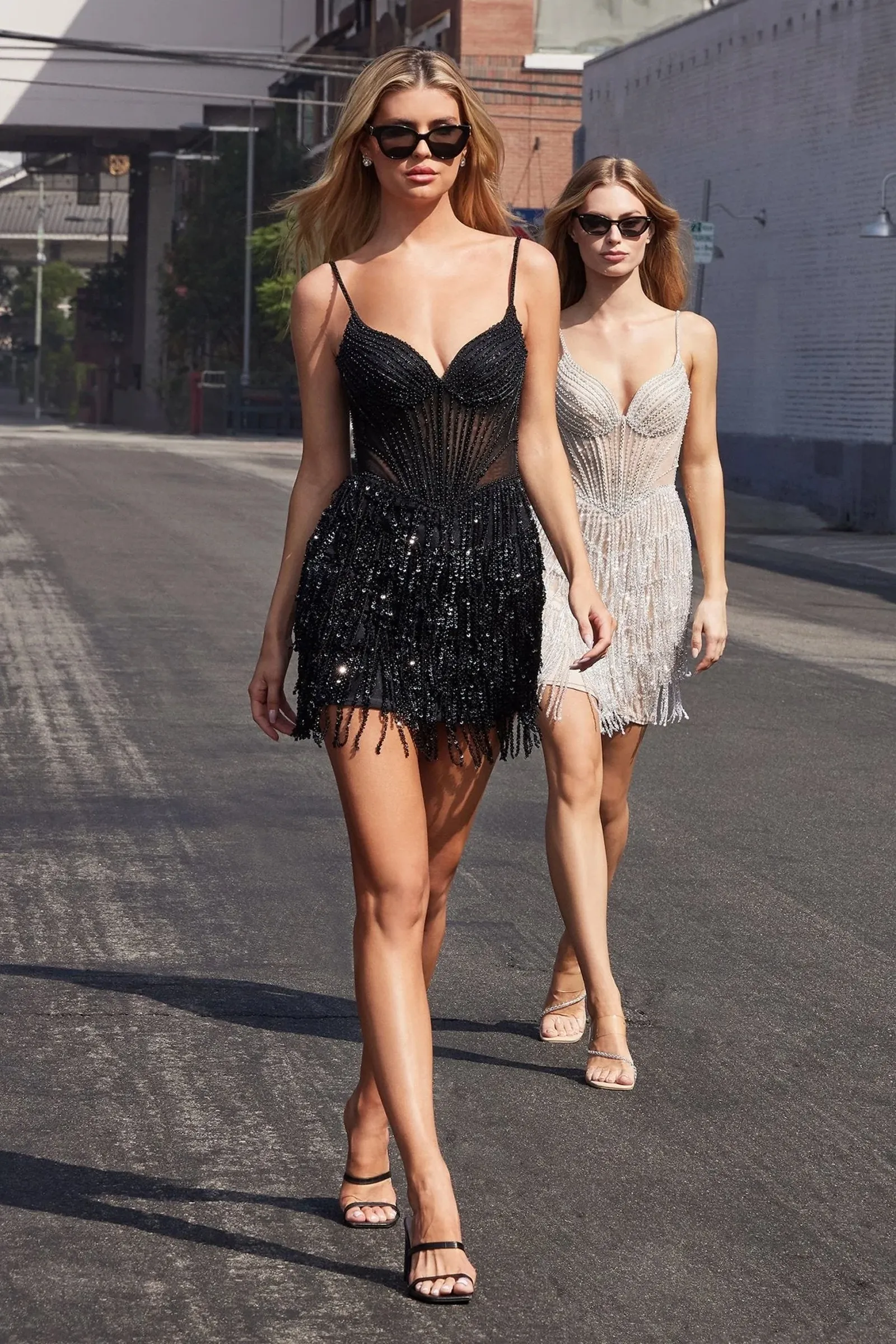
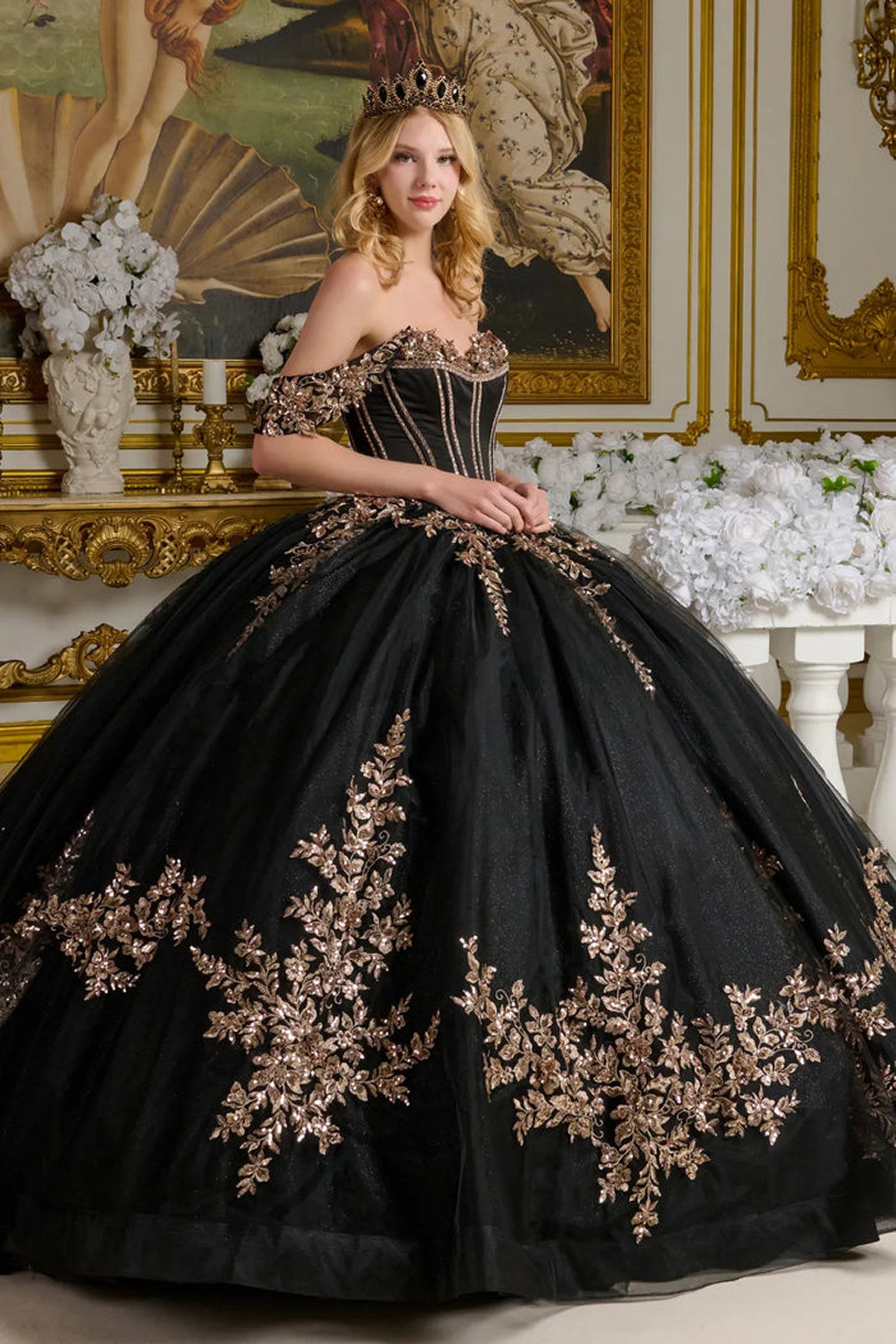

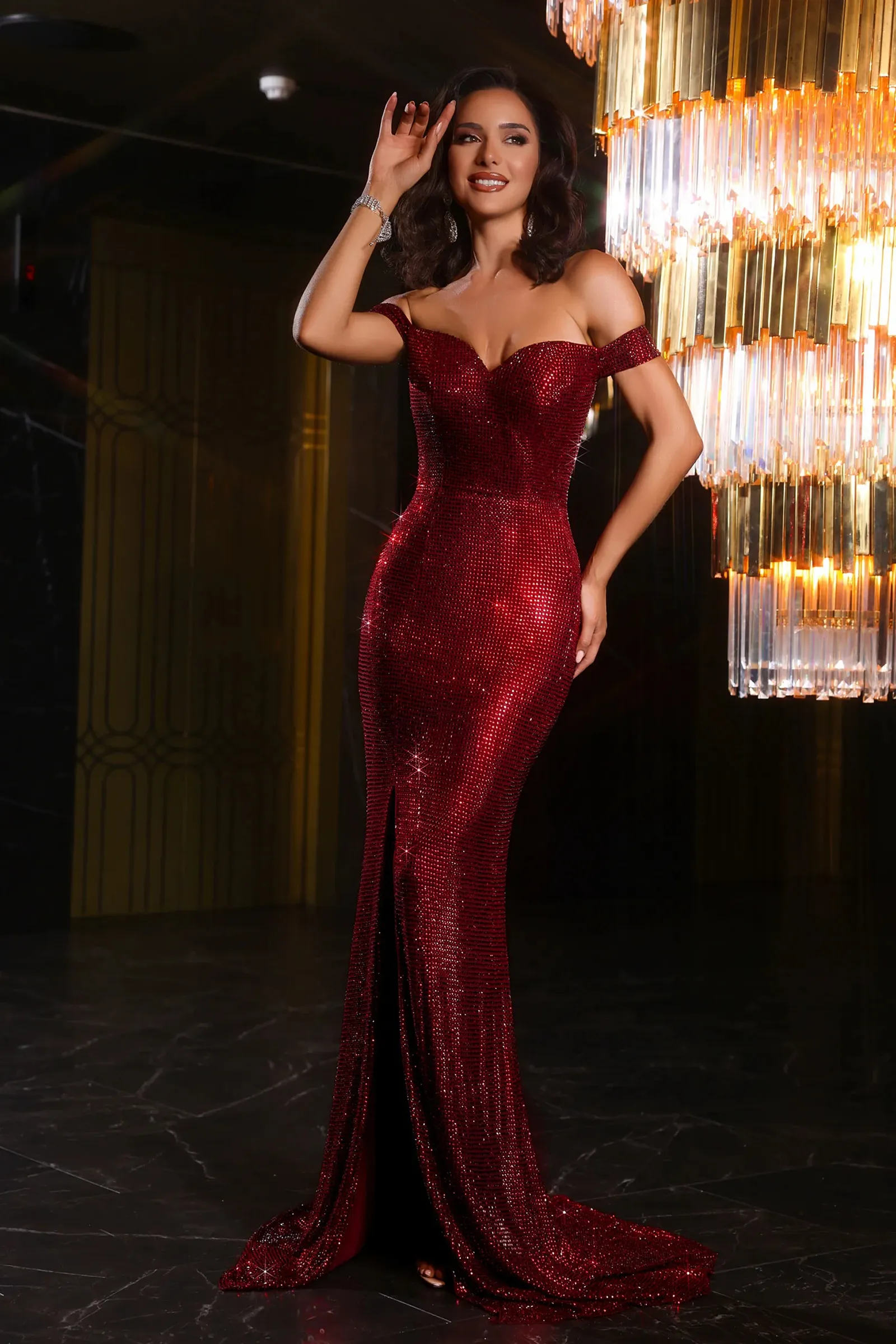
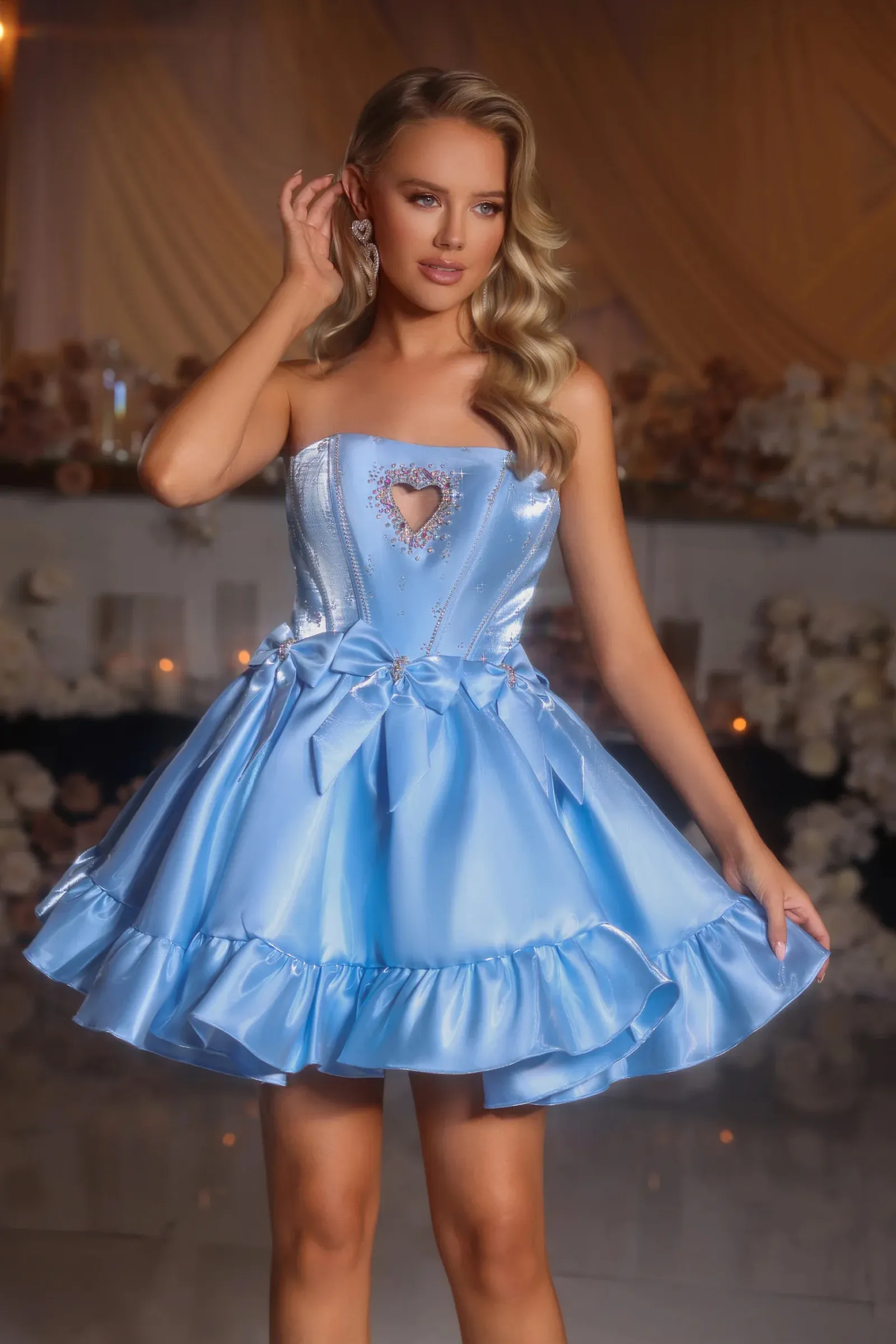
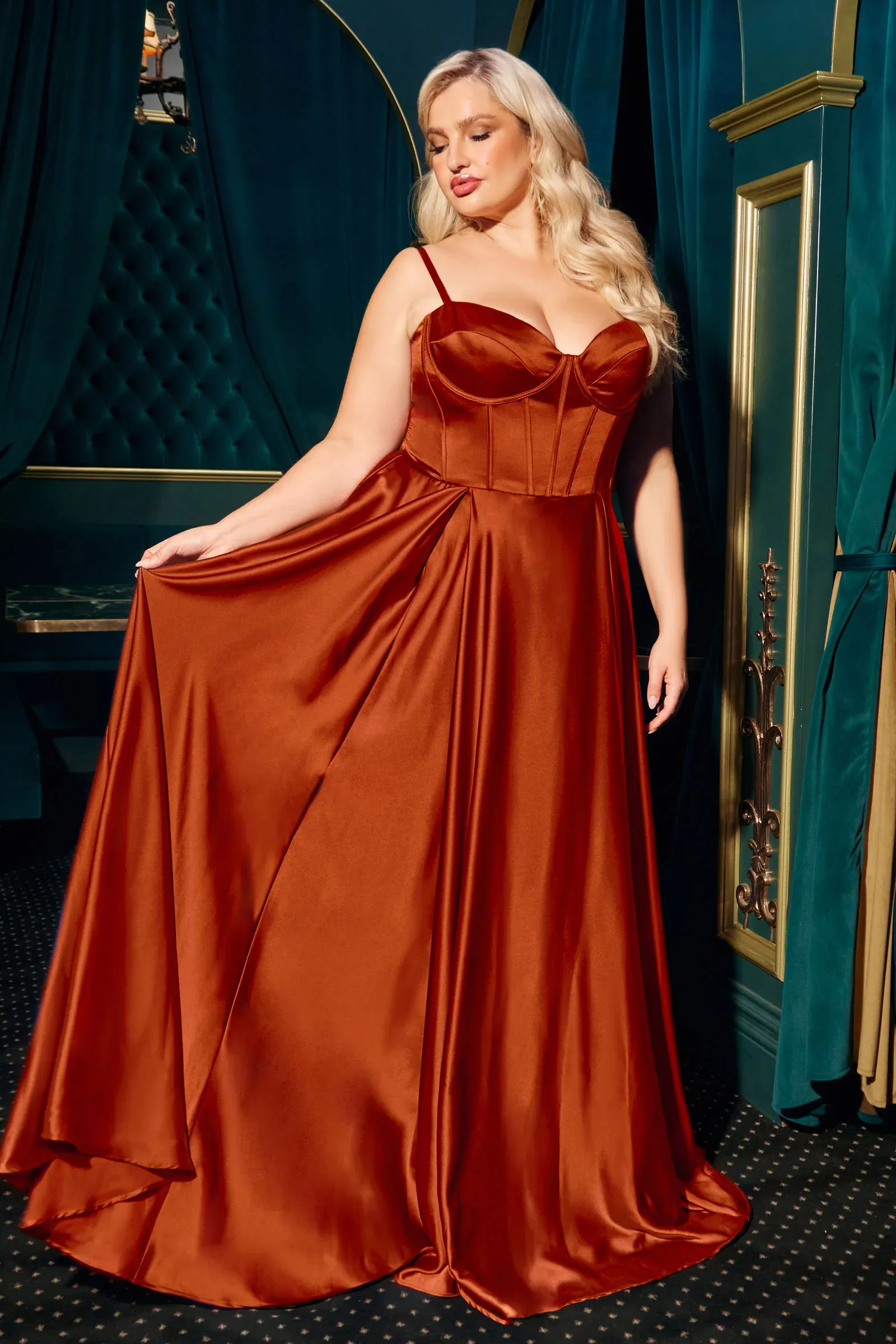
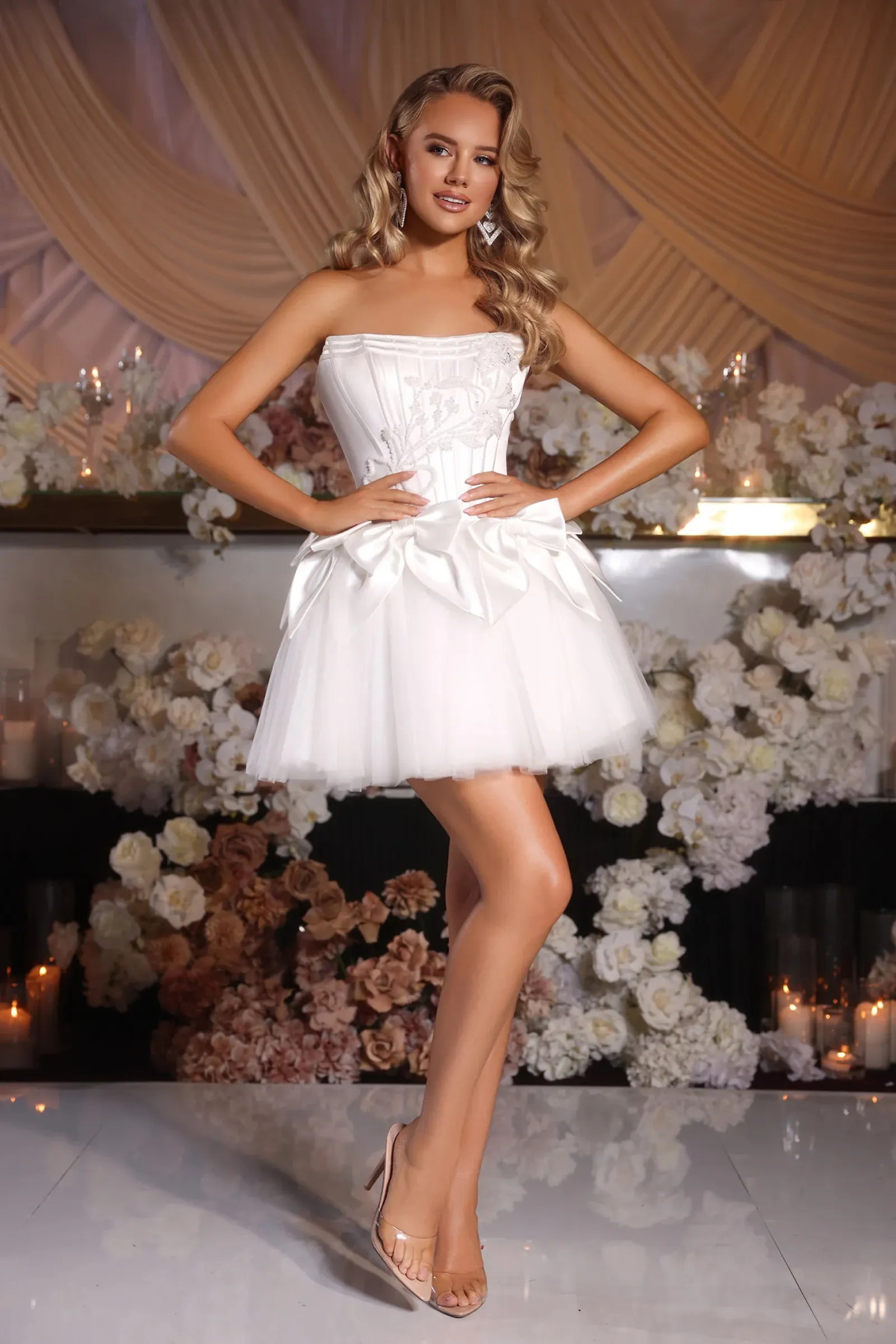
Long Prom Dresses


Long prom dresses create a full-length evening look, but the details determine whether a gown feels fluid, structured or closely fitted. A-line skirts offer one kind of movement, while mermaid cuts follow the figure before widening near the hem. Sleeves, slits and trains also change how the dress wears. Compare the gown’s proportions and actual measurements to find a floor-length style that suits your plans for prom night.
Long Prom Dresses for a Floor-Length Formal Look
A gown that falls to the floor has an uninterrupted vertical outline, so relatively small changes in silhouette can have a big visual effect. A narrow cut creates a different line from a skirt with multiple layers or large amounts of volume. The important question is where the dress is shaped close to the body and where it begins to expand.
Long does not always mean dramatic. A smooth floor-length design with minimal decoration can look restrained, while a layered skirt or prominent train changes the impression. Simple Prom Dresses provide a useful alternative when you prefer less surface decoration.
· Sheath or fitted profiles: follow a narrower shape toward the hem.
· A-line profiles: widen gradually from the waist or upper hip.
· Mermaid silhouettes: fit through the hips before opening lower down.
· Fuller ball-gown skirts: place more volume around the lower half.
The A-Line Prom Dresses and Mermaid Prom Dresses collections help separate these very different shapes before you browse individual colors.
Where the Skirt Touches the Floor Matters
 Floor-length is not one universal measurement. A hem may skim the floor in flat shoes, sit just above it in heels or extend into a train. Photography can hide those distinctions, particularly when a model is standing on a platform or the gown has been styled for a shoot.
Before choosing your size, check the garment’s stated length and understand whether the measurement begins at the shoulder, waist or another point. A long prom dress for petite girls may need a different length adjustment from a similar gown on a taller shopper. Petite Prom Dresses offer a more targeted browsing path, but every item still needs its own measurement review.
A train looks dramatic when stationary yet requires attention when walking, taking photographs and moving through crowds. Prom Dresses with Train allow you to compare that feature specifically rather than assuming it comes with every formal gown.
The objective is not simply to find a long enough hem. It is to find a length that looks intentional with your planned shoes and allows the kind of movement you expect.
Slits Change Both the Outline and the Movement
A long gown with a slit has a different visual rhythm from a fully closed skirt. The opening breaks the continuous fabric surface and may reveal more of the leg as you walk. Its placement, height and surrounding fabric all affect how prominent it looks.
Prom Dresses with Slit are useful for shoppers interested in that detail. A slit near the side can look different from one positioned closer to the front, even on otherwise similar dresses.
· A closed skirt emphasizes the uninterrupted gown shape.
· A slit introduces a visible opening that changes during movement.
· A train extends fabric behind the wearer rather than opening it at the front.
· A fuller skirt can move around the legs without relying on a slit.
Do not assume a slit automatically guarantees an easier stride. That depends on the cut, lining and how closely the gown fits around the hips and knees. Compare the specific garment details wherever possible.
Covered Arms, Bare Shoulders and Contrasting Necklines
With a full-length skirt, the neckline and sleeves become especially useful for adjusting the overall balance. A strapless neckline creates a more open upper half. A high neckline or fitted long sleeve moves toward greater coverage without changing the gown’s length.
Long Sleeve Prom Dresses can be relevant when you prefer coverage across the arms. The sleeve might be sheer, opaque, fitted or decorative, so avoid assuming all sleeve designs create the same look or warmth.
For a more open neckline, Strapless Prom Dresses and Off-The-Shoulder Prom Dresses offer contrasting ways of framing the shoulders. Look at the bodice shape as well as the neckline label, since structured seams and closures influence how the top sits.
Color and decorative work can reinforce the same effect. A smooth dark gown often emphasizes shape, while bright color or reflective detail puts more visual weight on the surface.
Picking a Long Gown by Color and Fabric Finish
A floor-length dress uses a large visible expanse of fabric, which can make color especially influential. Deep shades create a more continuous block of color. Pale or reflective fabrics may reveal the drape and texture differently in photographs.
If you prefer a strong solid color, Red Prom Dresses and Royal Blue Prom Dresses give two visibly different directions. A darker palette can be explored through Black Prom Dresses or Navy Blue Prom Dresses.
A highly decorated long dress concentrates visual interest across more material. On Sequin Prom Dresses, for example, the degree of coverage affects how much of the gown reflects light. Lace, embroidery and beading create other textures, but those details should be assessed from actual close-up product images.
Look for the relationship between color, silhouette and decoration. A heavily embellished mermaid gown has a different character from an undecorated A-line dress in the same color.
A practical comparison is to take the three dresses you like most and note exactly where each skirt begins to widen. On a photograph, mark the waist, upper hip and knee visually. That exercise quickly reveals whether you are responding to the fabric color or the proportions. Also notice whether the front hem is photographed resting on the floor or lifted slightly. The two presentations can create a different impression of the same length. Such details are particularly helpful when choosing between several gowns that share a similar neckline but have substantially different skirts.
A Better Long-Dress Buying Checklist
As you narrow your choices, distinguish design decisions from practical measurement questions. Silhouette and color tell you what the gown looks like. Closure type, dress length and available size information help you judge whether it is suitable to order.
Compare the bodice and hem independently. A size that is correct at the waist may still require length alterations. Equally, a skirt that looks perfectly floor-skimming in one photograph might have been adjusted for the model’s shoes.
· Check the length measurement and its reference point.
· Compare the waist, bust and hip measurements with the individual size chart.
· Review back views for zippers, lacing, and cutouts.
· Decide whether a train or slit fits your plans for the evening.
If you ultimately prefer a shorter hem and more prominent footwear, Short Prom Dresses give a genuinely different category to explore. You can also browse Formal Dress Shops or revisit all Prom Dresses when comparing the wider formal selection.
Frequently Asked Questions
What is considered a long prom dress?
A long prom dress typically reaches the ankles or floor, although individual designs may have a train or an uneven hem. Use the garment measurements instead of relying only on its category name.
Can shorter shoppers wear floor-length prom dresses?
Yes, but the finished length may need closer attention. Compare stated measurements and the height of your planned footwear before deciding whether an alteration may be necessary.
Is a mermaid gown harder to walk in than an A-line gown?
It can feel more restrictive around the thighs or knees because of its close-fitting cut. Actual comfort depends on the garment’s fabric, fit, opening and flare placement.
Does a long gown need a train to look formal?
No. A clean floor-length hem can create a formal appearance without additional fabric behind the dress. Trains are a separate design feature rather than a requirement.

Follow us


