



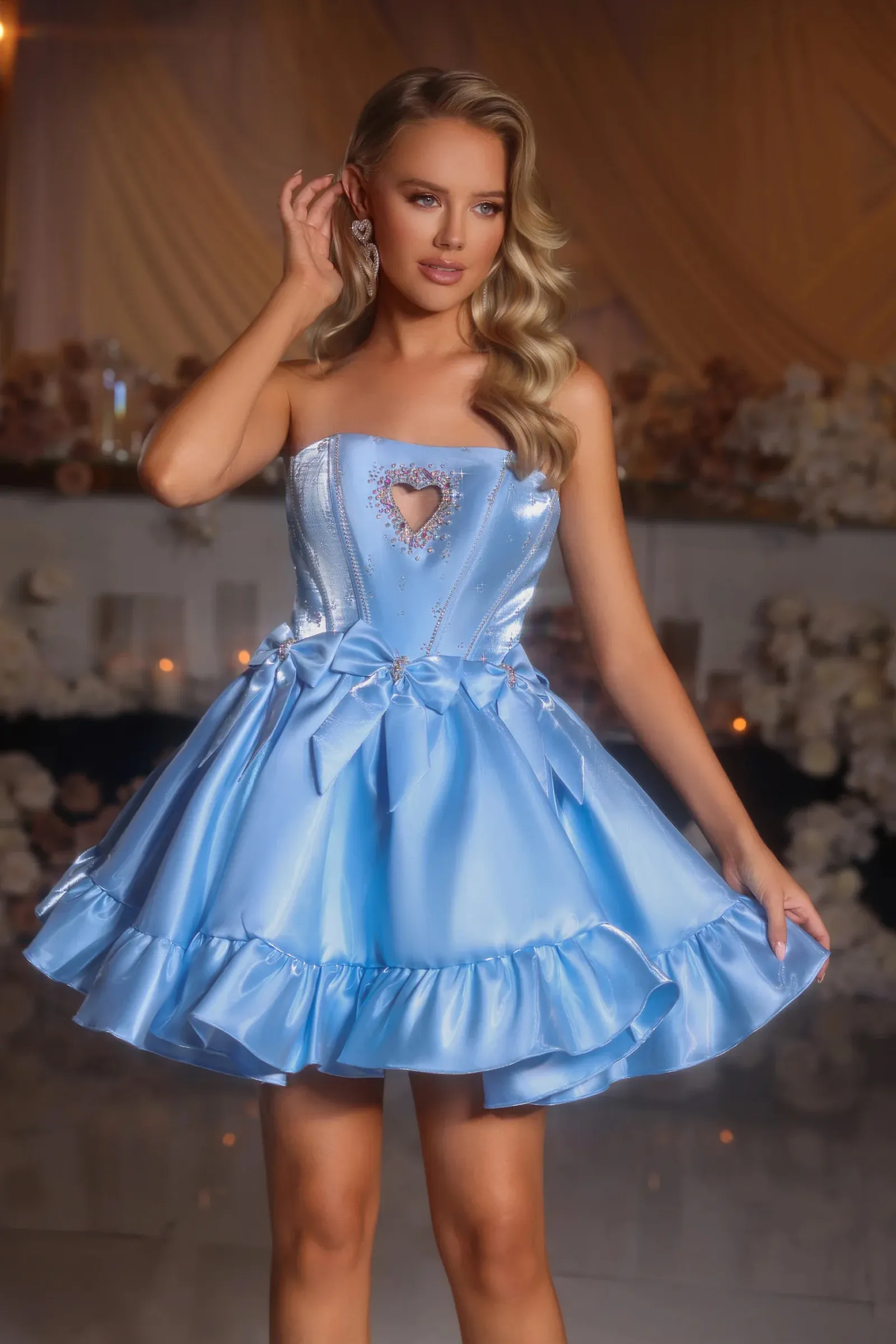
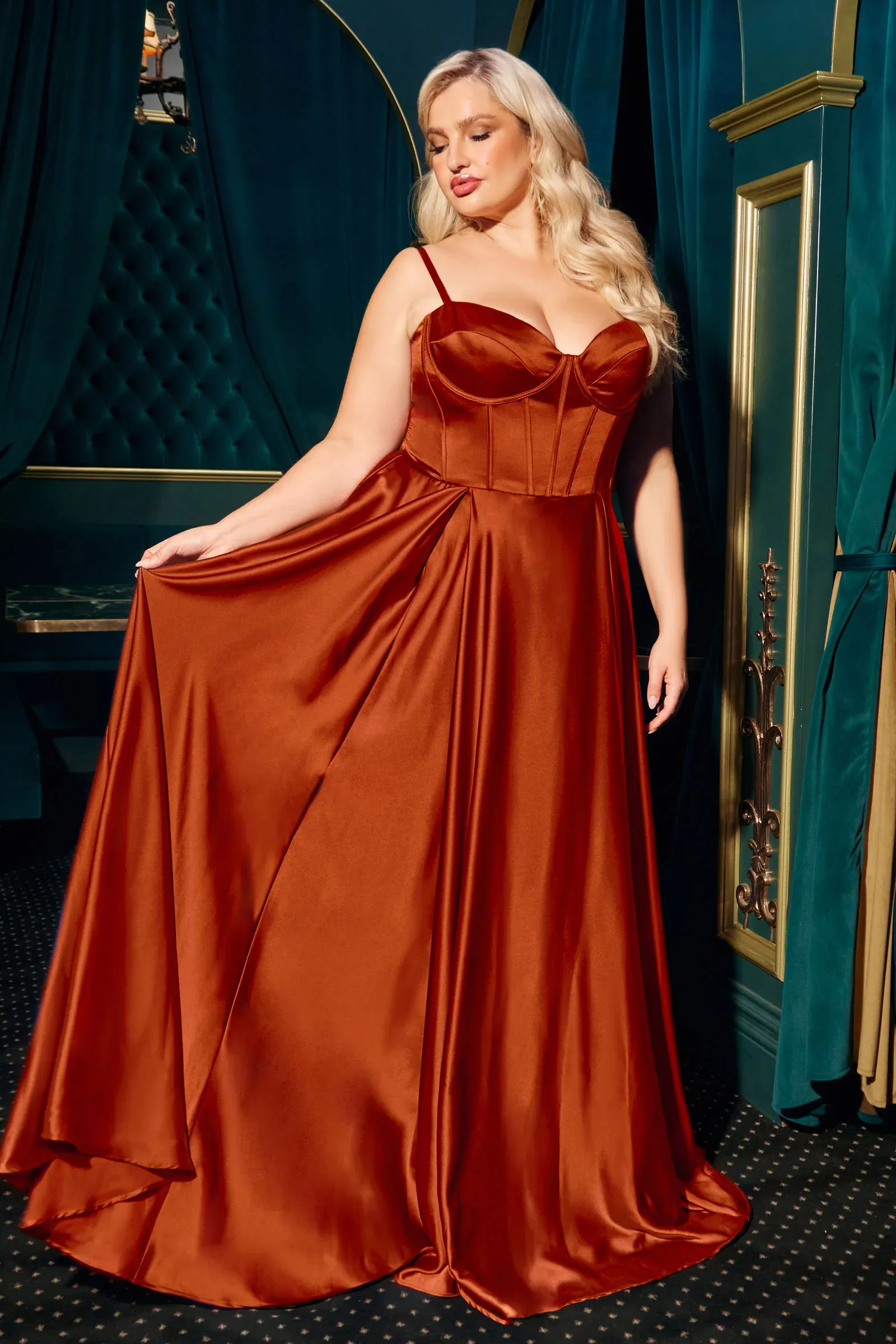
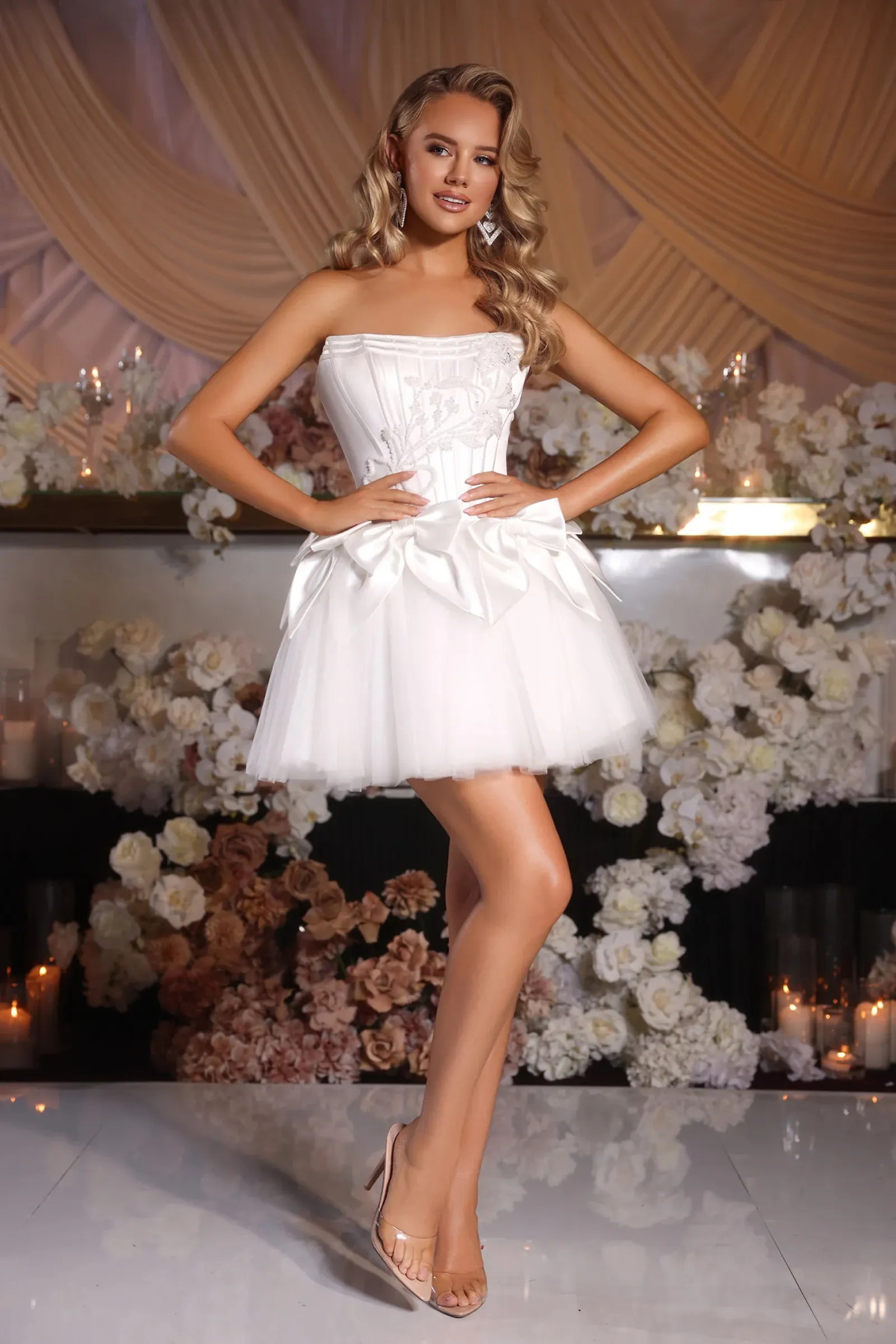
Prom Dresses Under $300


What to Expect From Prom Dresses Under $300
Prom dresses under $300 sit at the top of what most families spend, and the money buys craft rather than more decoration. Hand-set stones, a properly built bodice and fabric with real weight are what separate this band from the one below. It’s worth knowing which of those you actually care about, because not every dress at this price is spending the money in the same place.
Where the Extra Money Goes
The difference from the band below is in the work, not the design.
What this price typically pays for:
- Hand-set stones and beading, secured individually rather than applied in sheets
- A built bodice with boning channels sewn in, which holds its shape on its own
- Fabric with weight, so the skirt falls rather than clings
- A finished interior, with bound seams and a full lining
- More seams in the pattern, which is how a dress follows a body properly
The last one is the quiet reason dresses at this level fit better. More panels means more shaping, and more shaping means fewer alterations.
How to Tell Where the Money Went
Two dresses at the same price can be built very differently, and you can check in a minute.
Look at the inside:
- Is the lining full, or does it stop at the hip?
- Are the boning channels stitched in place or loose inside the bodice?
- Are the seam edges finished or raw?
- Does the hem have weight or stiffening in it?
Then lift the skirt. A dress carrying its weight through the structure feels balanced. One where all the weight pulls from the shoulders has the fabric without the construction.
Beading, Trains and the Things That Cost
At this level you can have the features that genuinely add cost, so it helps to know which ones those are.
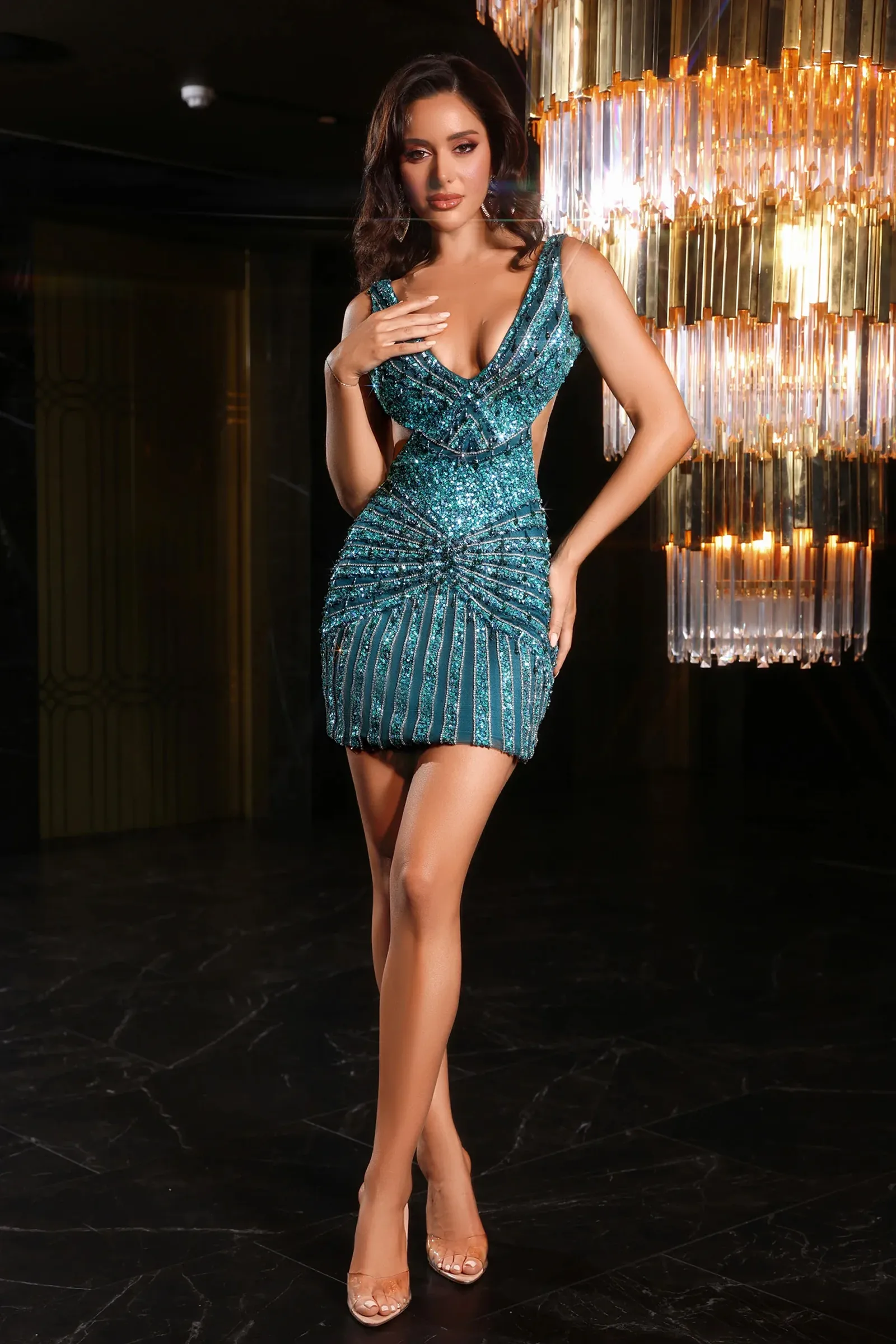
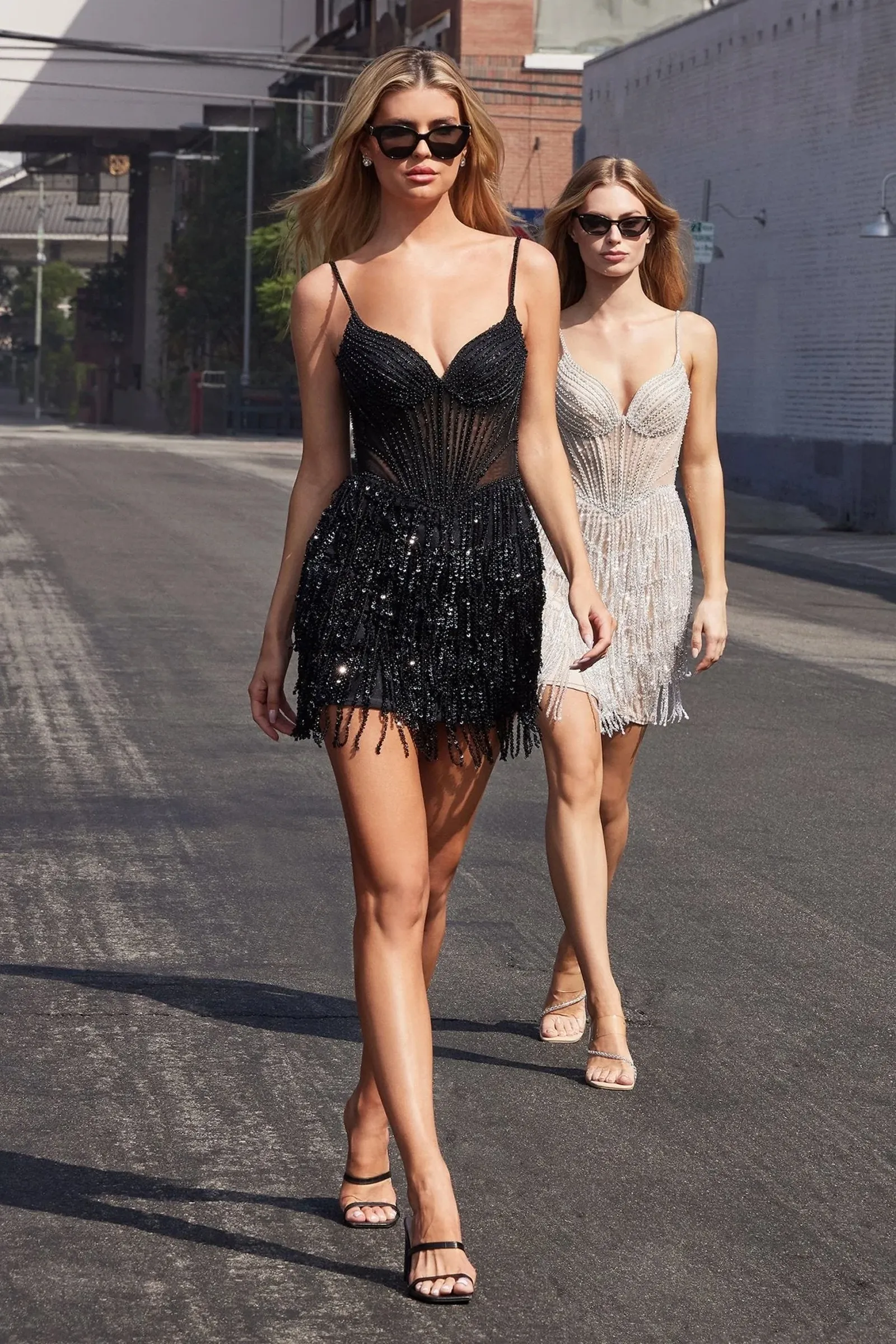
- Dense hand beading is the most labor-intensive and the clearest use of this budget
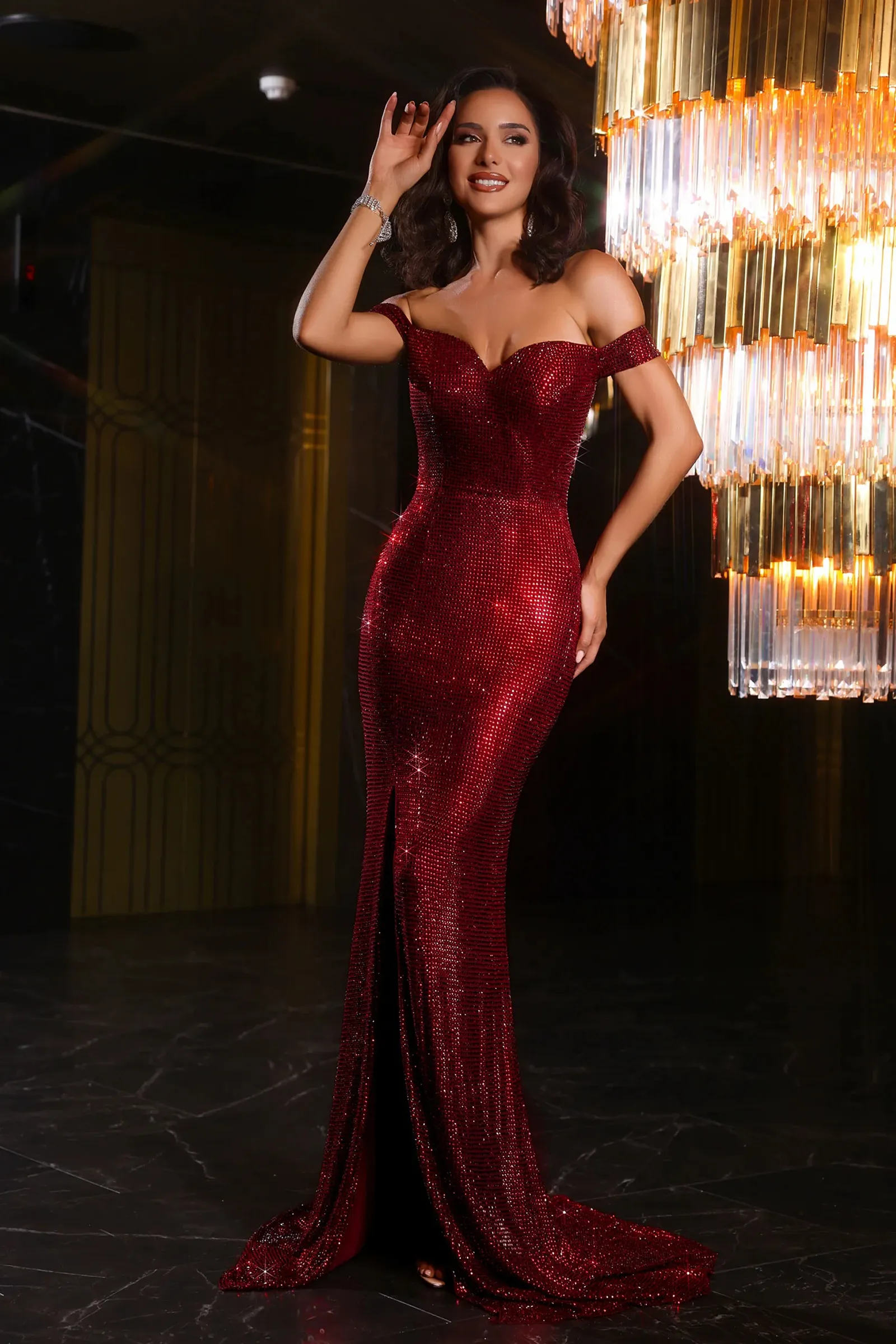
- A long train needs extra fabric plus a bustle or loop to make it danceable
- A corseted bodice with real structure takes considerably more work than a lined one
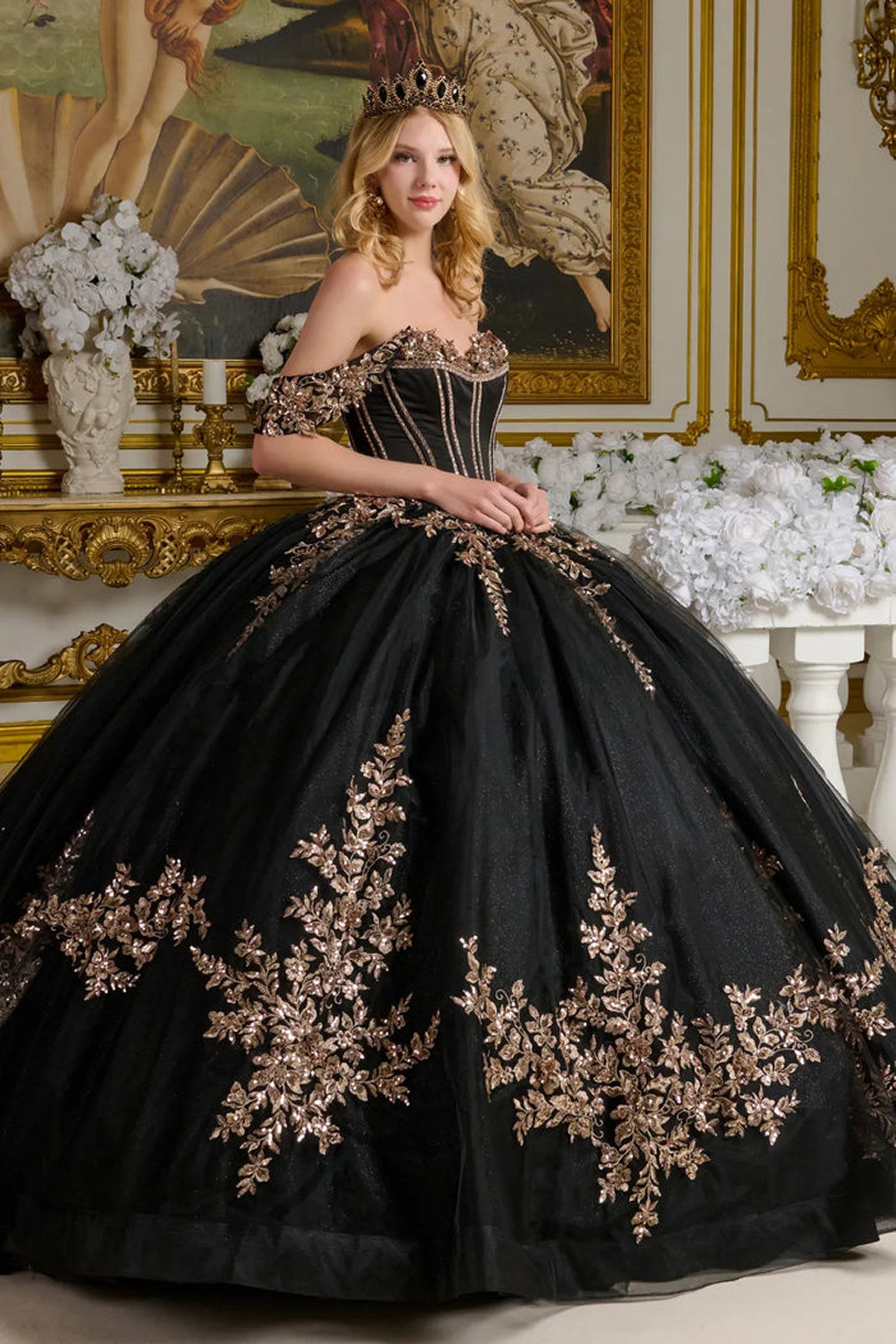
- Layered tulle in many tiers costs more than it looks, since each layer is cut and finished separately
- Dense hand beading is the most labor-intensive and the clearest use of this budget, and Beaded Prom Dresses and Rhinestone Prom Dresses are where to compare it
- A long train needs extra fabric plus a bustle or loop to make it danceable, which Prom Dresses with Train show
Compare Sequin Prom Dresses for the decoration-led version and Mermaid Prom Dresses for the tailoring-led one, where the fit itself is what you’re paying for.
A Dress That Needs Less Work
 One real advantage at this price is that the alteration bill usually shrinks.
Dresses built with more seams, a wider size range and some seam allowance tend to need taking in less drastically, and the work that is needed goes more smoothly. A structured bodice also holds a fit once it’s set, where a soft one shifts.
Two caveats. A heavily beaded bodice still costs more to alter, because the beading has to come off and go back on. And a built-in corset can be harder to adjust than a plain lined bodice, so ask before assuming.
For a dress that adjusts itself, Corset Prom Dresses give you a couple of inches of movement with no tailoring at all.
Split the Budget Across the Whole Night
Prom costs more than the dress, and this is the band where that math matters most.
The other lines to count:
- Shoes, and a second pair for later
- Hair and makeup, if either is being done professionally
- Tickets, and a share of transport
- Alterations, which need a line of their own
- A clutch, jewelry and anything else that shows in photos
If the dress takes the whole amount, something else gets cut, and it’s usually the thing people notice. A dress at $220 with properly done hair photographs better than a dress at $290 with nothing left over.
Thinking About What Happens Afterwards
 A dress at this level holds its value better, which changes the real cost.
Dresses with recognizable construction and a classic silhouette resell more readily than trend-led ones. Keeping the tags, having it cleaned soon after the night and taking a few good photos on the evening all help if you plan to pass it on.
That doesn’t mean buying for resale. It means a well-made dress is worth something afterwards, where a lightly built one generally isn’t, and that’s worth factoring in when you compare across bands.
When the Band Below Is Enough
Worth saying plainly, since more money isn’t automatically the answer.
Stay lower if you want a simple silhouette, a shorter dress, or a clean satin look with no beading, since those don’t need this budget to be done well. Prom Dresses Under $200 covers all of that comfortably, and Prom Dresses on Sale sometimes puts a dress from this band inside that one.
Spend here when you want heavy handwork, a structured bodice, a long train, or a fit that needs almost nothing done to it. Above this sit Prom Dresses Under $400 and Prom Dresses Under $500, where hand-finishing and fabric weight step up again.
Spend here when you want heavy handwork, a structured bodice, a long train, or a fit that needs almost nothing done to it.
Why the Same Dress Shows Up at Different Prices
At this level you’ll start seeing what looks like the same dress listed at very different numbers, and it’s worth understanding why.
The usual explanations:
- One listing is the original and another is a copy made from the same photographs
- One seller is clearing last season’s stock while another has current styles
- The fabric weight and beading differ even though the photo is identical
- One price includes a size range and construction the other doesn’t
- One seller is clearing last season’s stock while another has current styles, which is where New Prom Dresses help you tell them apart
What to do about it: look for photographs of the actual dress rather than only studio shots, read what the description says about fabric and lining, and treat a price far below everything else for the same design as a sign to look closer rather than a bargain.
Getting the Size Right at This Price
At this level you can usually find your measurements rather than compromise, so use that.
- Measure bust, waist and hips rather than going by a dress size
- Use the chart on the specific dress, since charts differ between makers
- Size up when you fall between two, because taking in is routine and letting out often isn’t
- Check whether the style comes in a petite cut, which saves a bodice alteration. Petite Prom Dresses are where to look
Order early enough for a fitting and any adjustment, and check the product page or ask the store about timing for a specific dress. The full Prom Dresses range is there for comparing across every band at once.
FAQ
Is a $300 prom dress worth it over a $200 one?
If you want hand beading, a structured bodice or a long train, yes. For a simple satin or a shorter dress, the lower band does the same job.
Will a dress at this price need alterations?
Often less, since the pattern is cut across a wider size range with some seam allowance. Beaded bodices still cost more to adjust, so get a quote before ordering a size that needs work.
How much should I budget for everything else?
Count shoes, hair, makeup, tickets, transport and alterations separately. Leaving nothing for those is the most common way a bigger dress budget backfires.
Can I resell it afterwards?
Better-made dresses with classic silhouettes resell more readily. Keep the tags, have it cleaned promptly and take a few clear photos on the night.
What should I check before ordering?
The size chart measurements, the closure, whether it’s fully lined, and photographs of the back and side. Those four tell you most of what a listing can.

Follow us


