


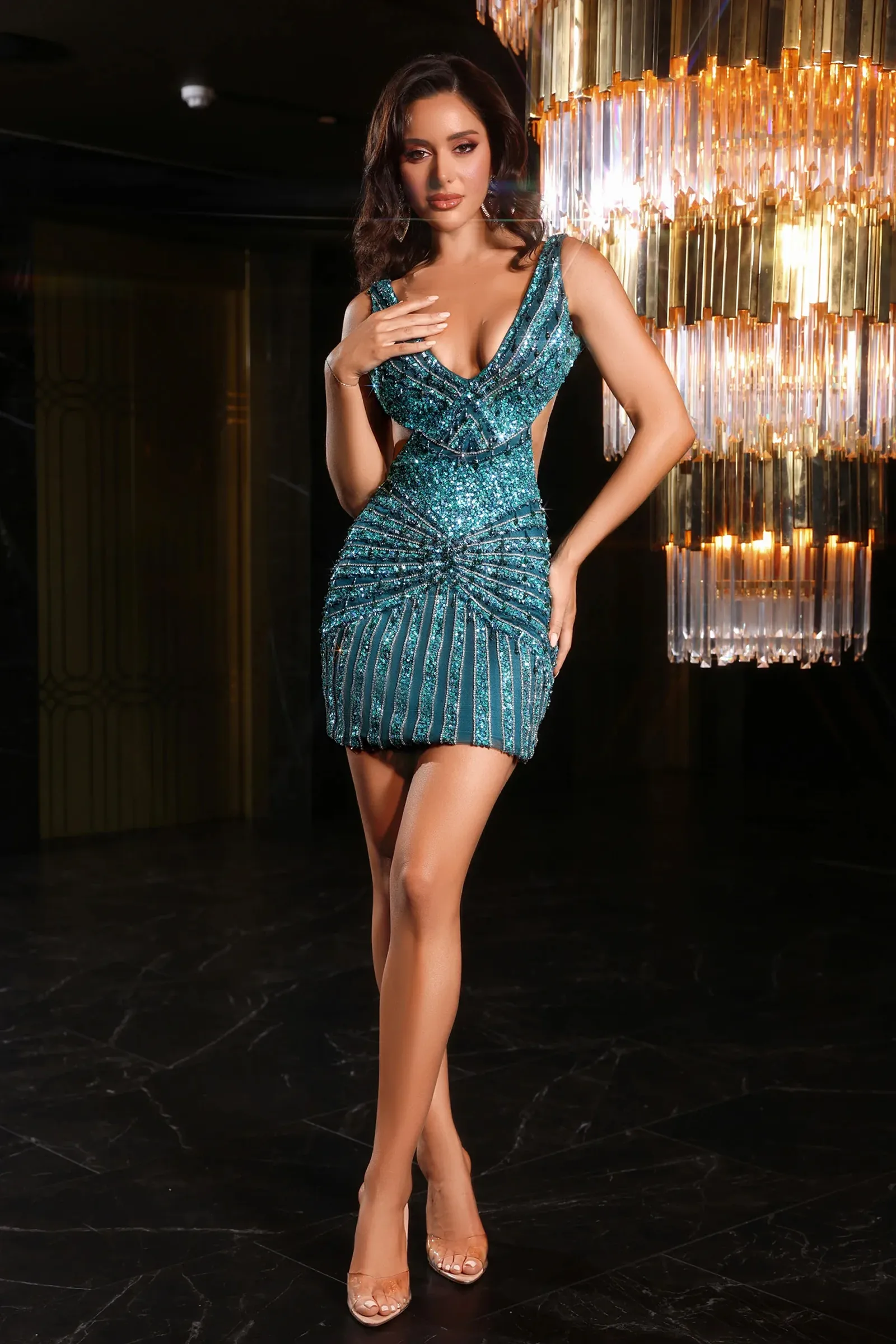
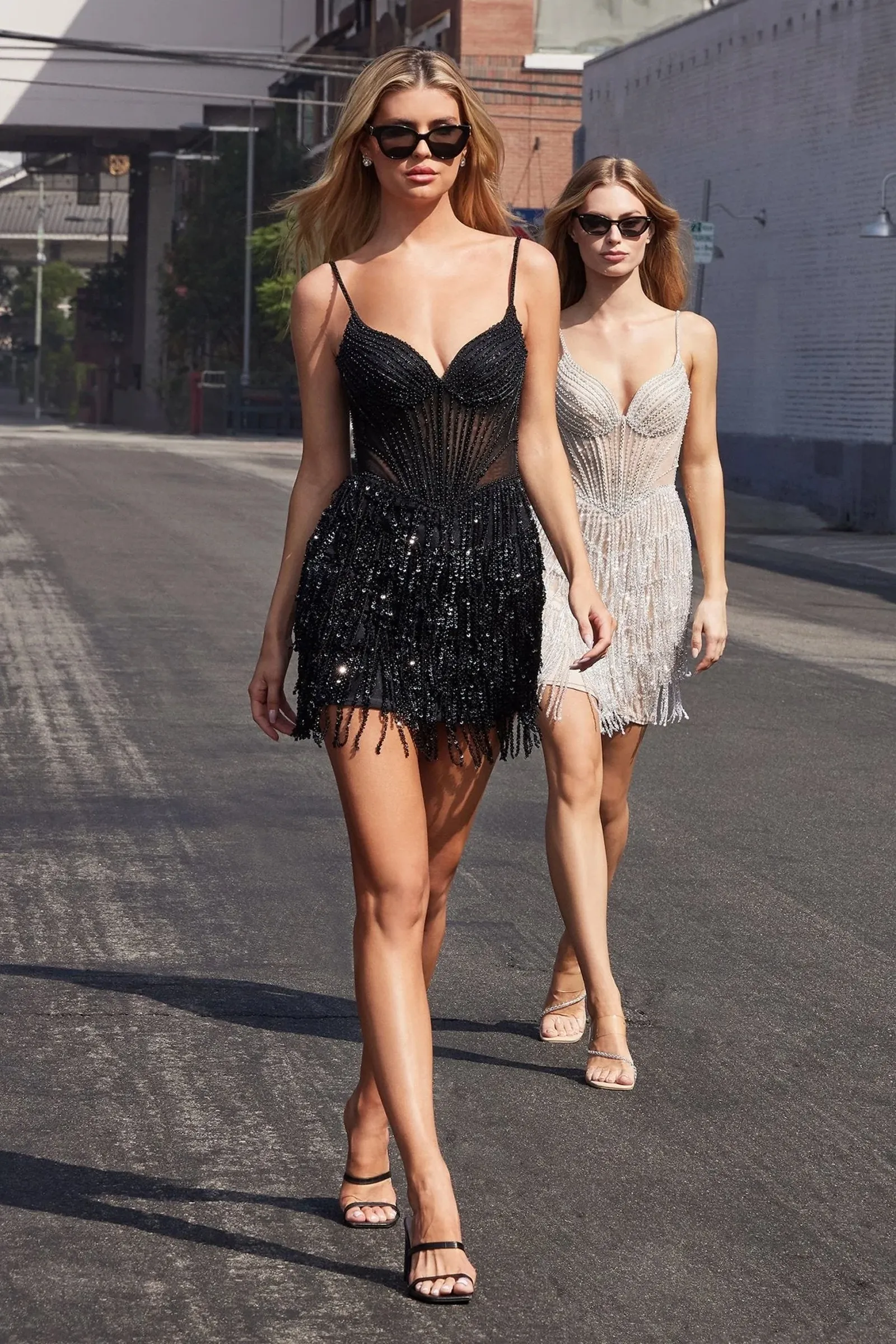
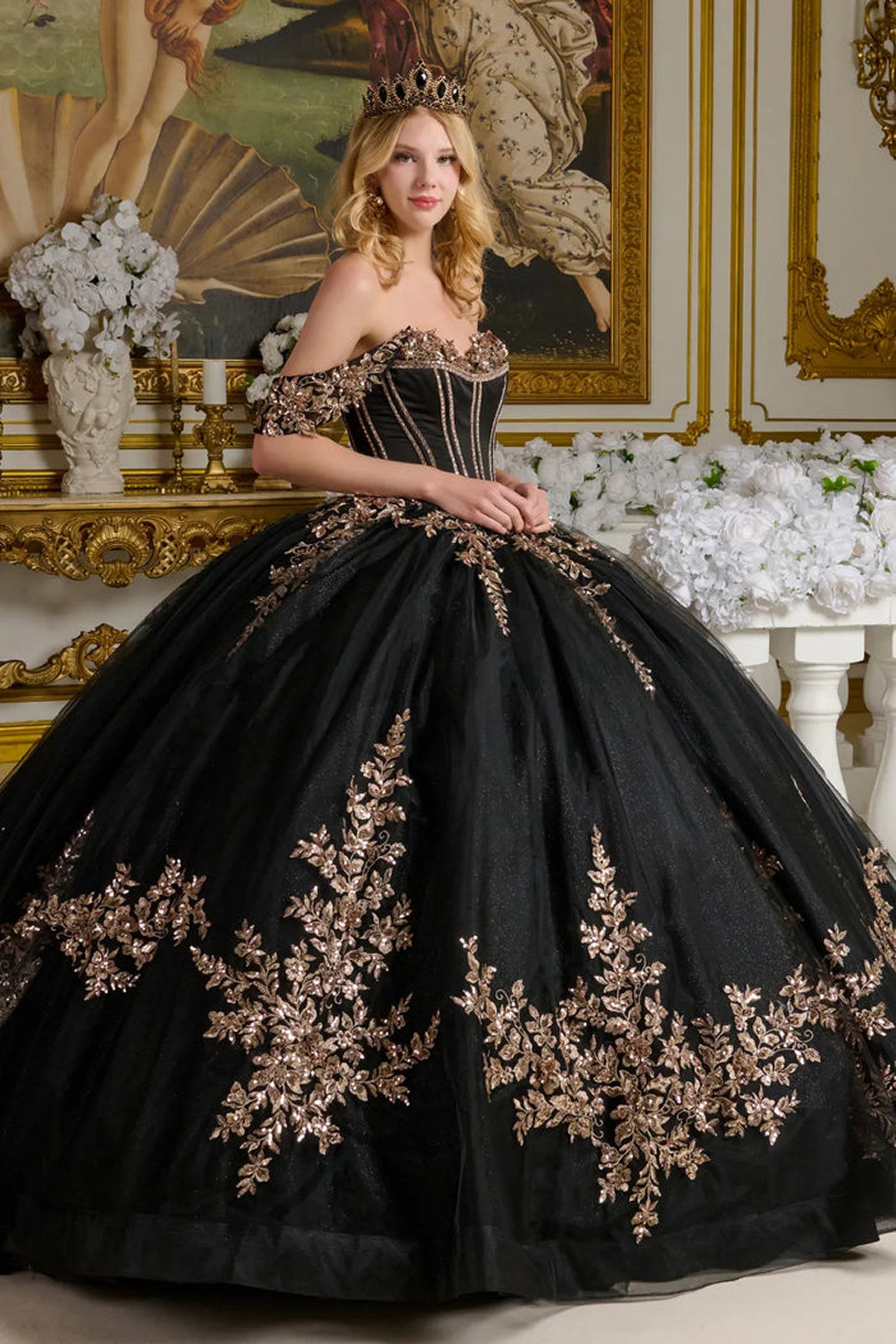


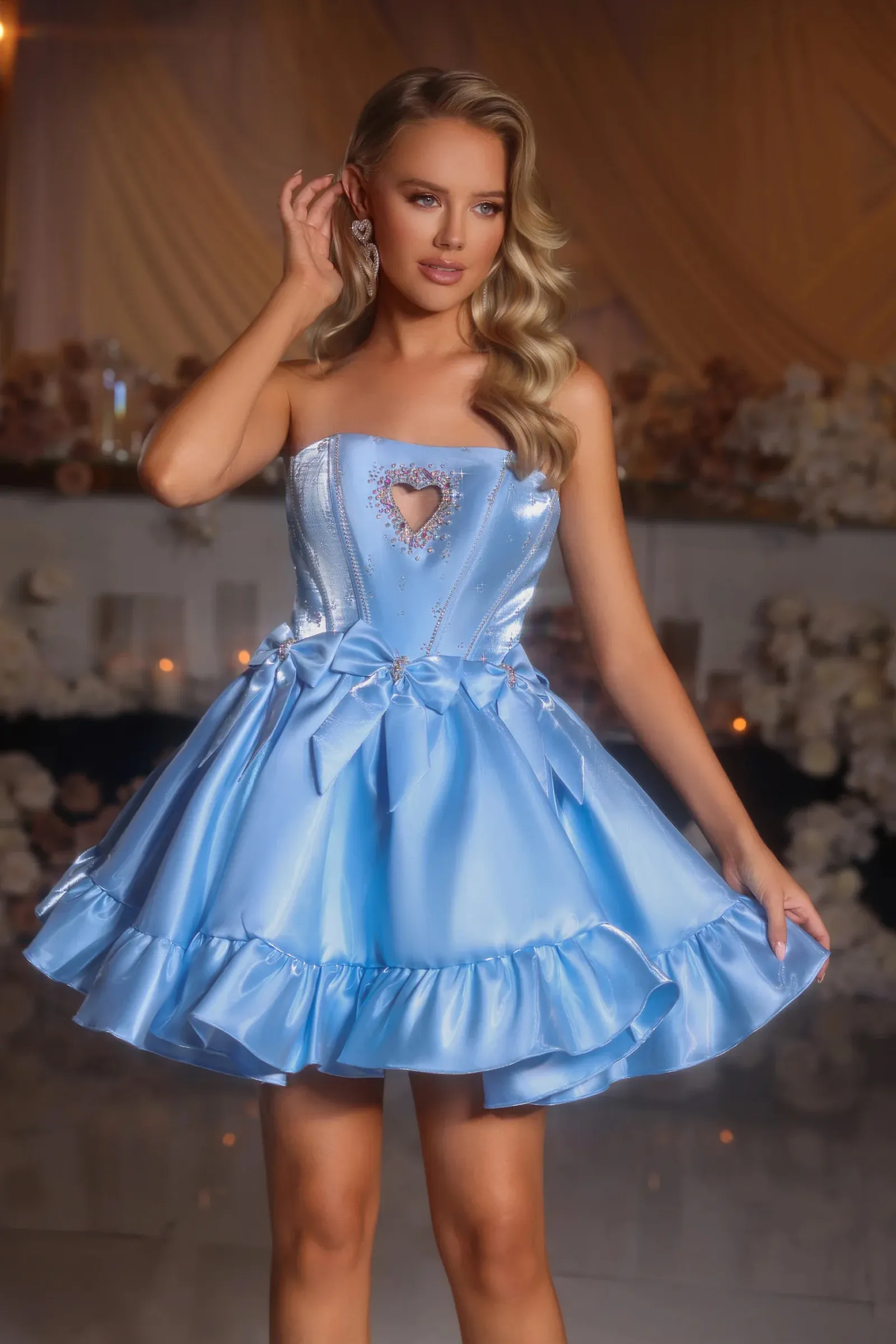
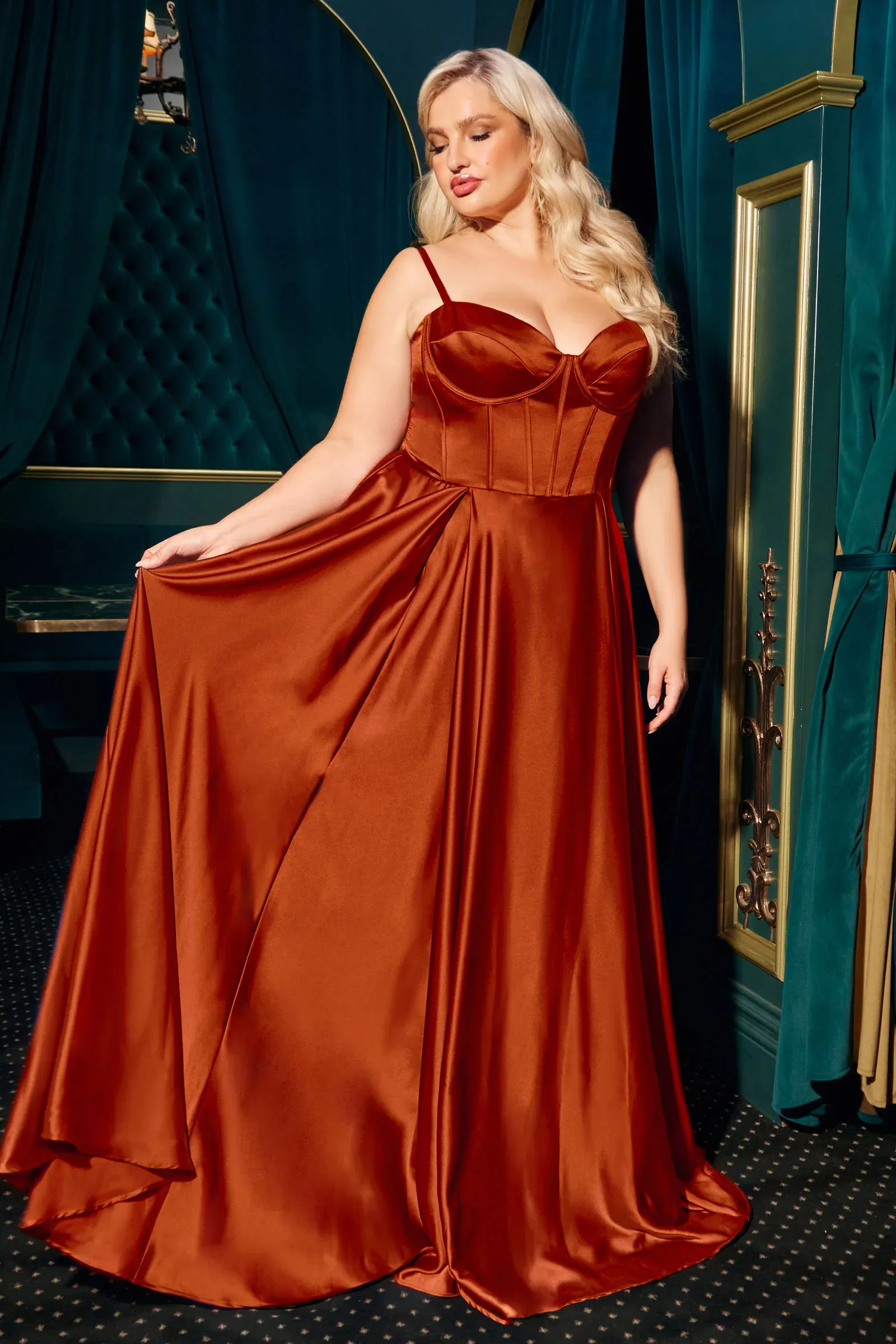
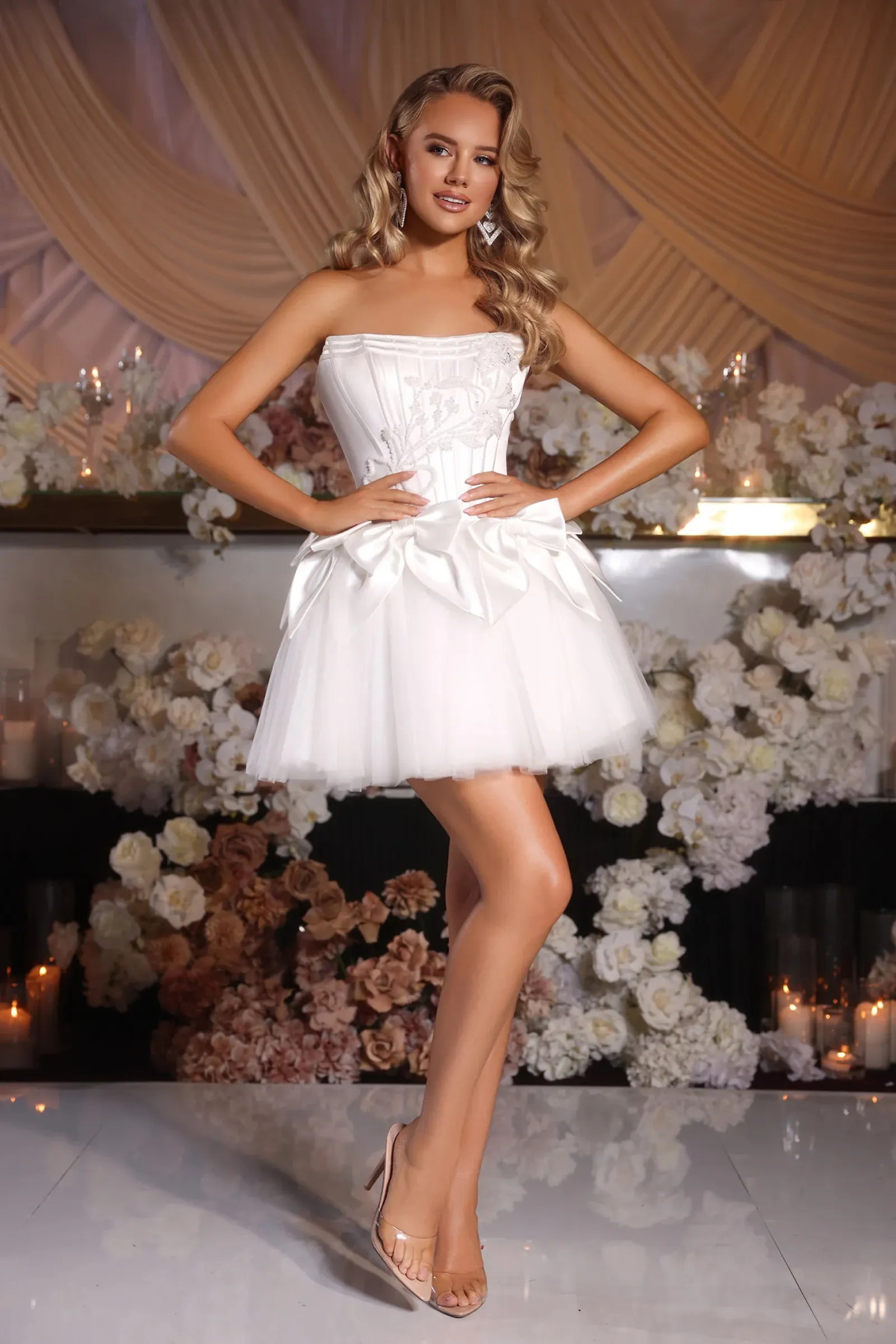
Beige and Cream Prom Dresses


Shop Beige and Cream Prom Dresses by Color, Style and Details
Beige and cream prom dresses offer a neutral color direction, but those two shades are not interchangeable. Beige often contains more tan or warm undertones, while cream tends to appear lighter and closer to off-white. Fabric texture, lining, and embellishment can make the distinction clearer or softer. If you prefer a gown where silhouette and fine details are more noticeable than bold color, compare these neutrals side by side before choosing.
Beige and Cream Have Different Undertones
Beige can range from sandy to taupe-leaning, while cream usually reads as a lighter off- white. That means a fabric described as beige may look much darker beside a cream accessory. The lining can also alter the appearance of sheer panels, making some details look warmer or cooler.
Ivory Prom Dresses are a useful comparison for shoppers who want an off-white appearance, while Champagne Prom Dresses may introduce a golden cast. White Prom Dresses provide a brighter reference point. Compare actual garment photos rather than treating all light neutrals as one shade.
· Beige: often tan, sandy, or taupe-influenced.
· Cream: commonly pale and warmer than crisp white.
· Ivory: another off-white reference point.
Different neutral names may describe overlapping color families. A warm cream can look close to pale champagne; a cool beige can seem taupe. Use side-by-side references to understand the difference, especially when coordinating an outfit with other people.
Texture Carries Much of the Visual Interest
With a quiet neutral base, the dress’s surface often becomes more visible as a design feature. A smooth bodice can create a clean outline, while lace, gathers, or layered tulle break up the surface. A neutral gown with intricate texture may have more visual activity than a brightly colored gown with simple construction.
Lace Prom Dresses are a useful reference for patterned surfaces, and Tulle Prom Dresses help you explore layered skirts. Check photographs of the exact product to see whether its lace is part of the outer fabric, an applique, or a decorative panel.
· Smooth texture emphasizes seams and cut.
· Lace introduces a visible pattern.
· Layers change opacity and skirt volume.
Lace patterns can be subtle against a matching lining and stronger against a darker one. The backing color therefore becomes part of the design. Review close-ups around the bodice and skirt to understand the extent of the pattern.
Choosing a Neutral That Does Not Disappear Into the Outfit
 Neutral dresses can be styled with accessories that closely match the fabric or with items that create an intentional contrast. A matching shoe may preserve the continuity of a long silhouette, while a deeper accessory shade can make the footwear or jewelry more noticeable.
If the gown includes metallic beadwork, let those details guide the metal tone of accessories. A cream garment with warm ornament may feel different from one with silver-toned stones. The goal is not a universal color formula; it is to decide which parts of the outfit should draw attention.
· Tone-on-tone accessories create a softer appearance.
· Darker accessories produce a clearer contrast.
· Metallic decoration can influence jewelry choices.
Matching beige shoes with a beige dress can maintain a continuous color impression. A darker shoe will interrupt that line and become more visible. The choice is especially noticeable when the dress is short or has a front slit.
Skirt and Waist Shape Matter More in Pale Neutrals
A structured waist can create definition on a beige or cream gown without relying on strong color blocking. In a flowing A-line silhouette, fabric layers may add volume. A fitted dress instead highlights seams, shaping, and the direction of draping.
A-Line Prom Dresses and Fitted Prom Dresses present different proportions. When reviewing the photographs, check how the skirt sits around the waist and hips. A light-colored dress may reveal construction lines more clearly, especially where material folds or overlaps.
· Defined waist: more emphasis on torso proportions.
· Wider skirt: increased lower-body volume.
· Closely fitted cut: visible shaping and seams.
Neutral gowns can rely on proportion rather than dramatic color. A full skirt with a narrow waist conveys a different outline from a fitted column. Pay particular attention to where the skirt begins to expand and how the fabric sits above that point.
Necklines and Sheer Panels Need Close Inspection
Cream and beige dresses sometimes use different tones of lining and outer fabric. A sheer section can therefore look quite different from an opaque part of the bodice. The contrast is especially noticeable near necklines, armholes, and side panels.
Strapless Prom Dresses offer clear shoulder framing, while Corset Prom Dresses emphasize shaped bodice details. Inspect close-up views to understand what is opaque, what is sheer, and which details are decorative. Do not infer support or coverage from category labels alone.
· Check lining color against the outer layer.
· Look for sheer sections near the neckline.
· Confirm how back closures operate.
Coverage details deserve close inspection when the outer fabric is pale. Lining, mesh panels, and lace may not photograph equally clearly. Read product descriptions for transparency information instead of inferring it from a low-resolution image.
A Practical Way to Shop Light Neutrals
Compare beige, cream, ivory, and champagne only after deciding what degree of contrast you like. A warm beige gown may blend with warm-toned accessories; a cream gown may appear brighter. Reviewing several photographs of one style is particularly useful because pale colors shift with exposure.
Use the main Prom Dresses collection to see other color families when you need a comparison point. At Formal Dress Shops, you can inspect category links and individual listings. Check current measurements, selected color, and garment construction rather than assuming a neutral color will behave alike across different fabrics.
· Save one beige and one cream option for comparison.
· Examine lining and embroidery up close.
· Confirm the exact shade and size on the listing.
To compare ivory, cream, and beige fairly, keep the neckline and silhouette similar for your first look. Otherwise, a preference for one cut may be mistaken for a color preference. Once you know the shade, widen the comparison to different shapes.
Keep Neutral Shopping Specific to the Garment
 When comparing beige and cream gowns, avoid making your decision from color labels alone. Two dresses may be sold under the same general neutral term while having noticeably different undertones or lining colors. Compare their opacity, fabric textures, and the proportion of sheer or patterned sections. A defined neckline can carry visual interest when the color is understated; a flowing skirt can instead emphasize movement and volume. Consider whether accessories should blend into the neutral palette or provide contrast. Both approaches work, but they produce different results. Check measurements for your selected size, confirm the actual chosen color, and review the garment closure before ordering. That last product-specific check matters more than any broad rule about what beige or cream is supposed to look like.
Frequently Asked Questions
Are beige and cream the same shade?
No. Beige is generally deeper and may include tan or grayish undertones, while cream is typically a lighter off-white. Fabric finish can change how close they appear.
What color goes with a cream prom dress?
Warm metallics, cool metallics, or deeper accessories can each create a different effect. Existing beadwork and your desired amount of contrast should guide the pairing.
Does a beige dress always look darker than champagne?
Not always. The names describe overlapping neutral families, and actual shades vary by garment. Compare product photographs for the relevant styles.
Can lace appear subtle on cream fabric?
Yes. Lace close in color to its base fabric may create texture without strong color contrast. Close-up images can reveal patterns that are difficult to see from a distance.

Follow us


