


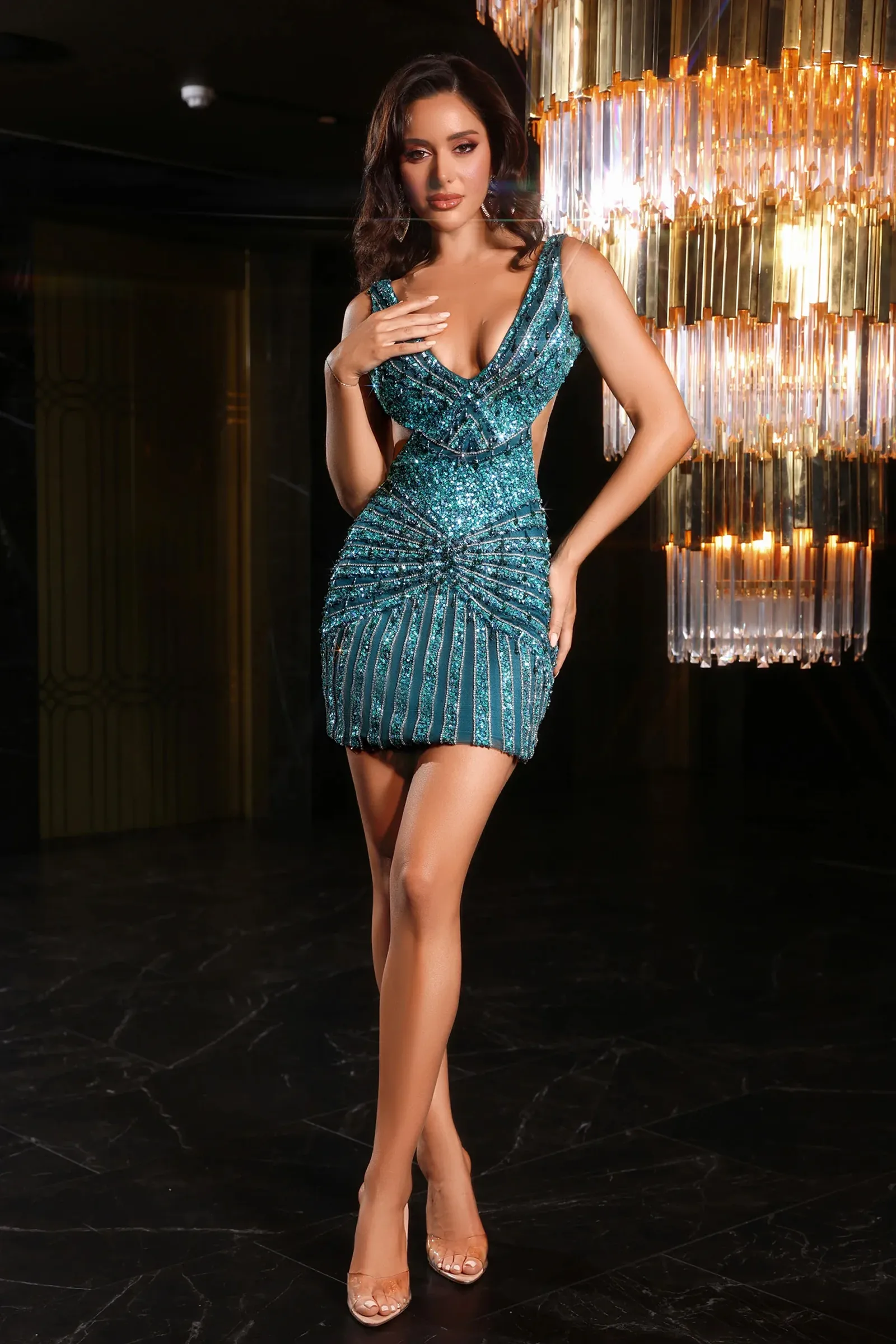
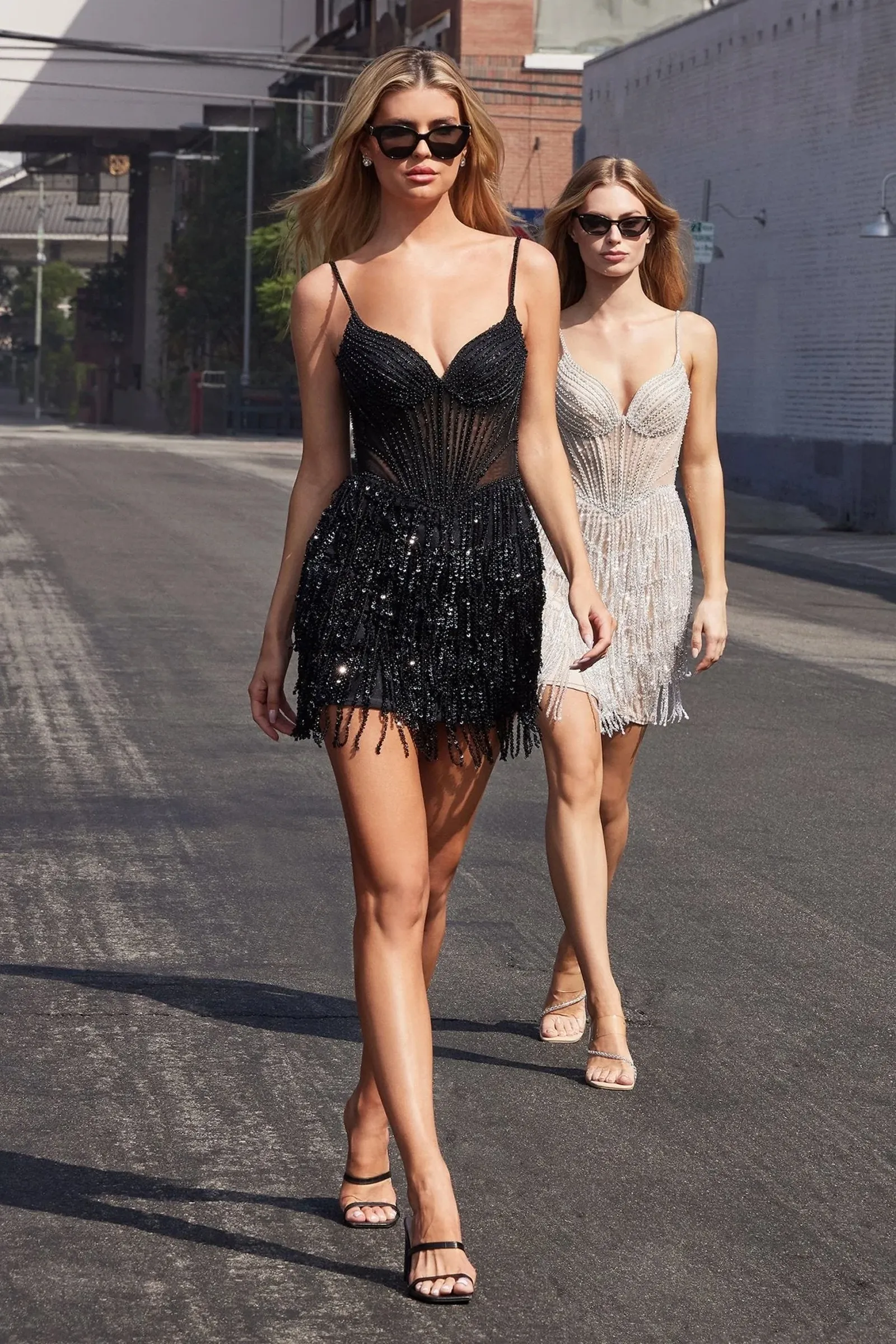
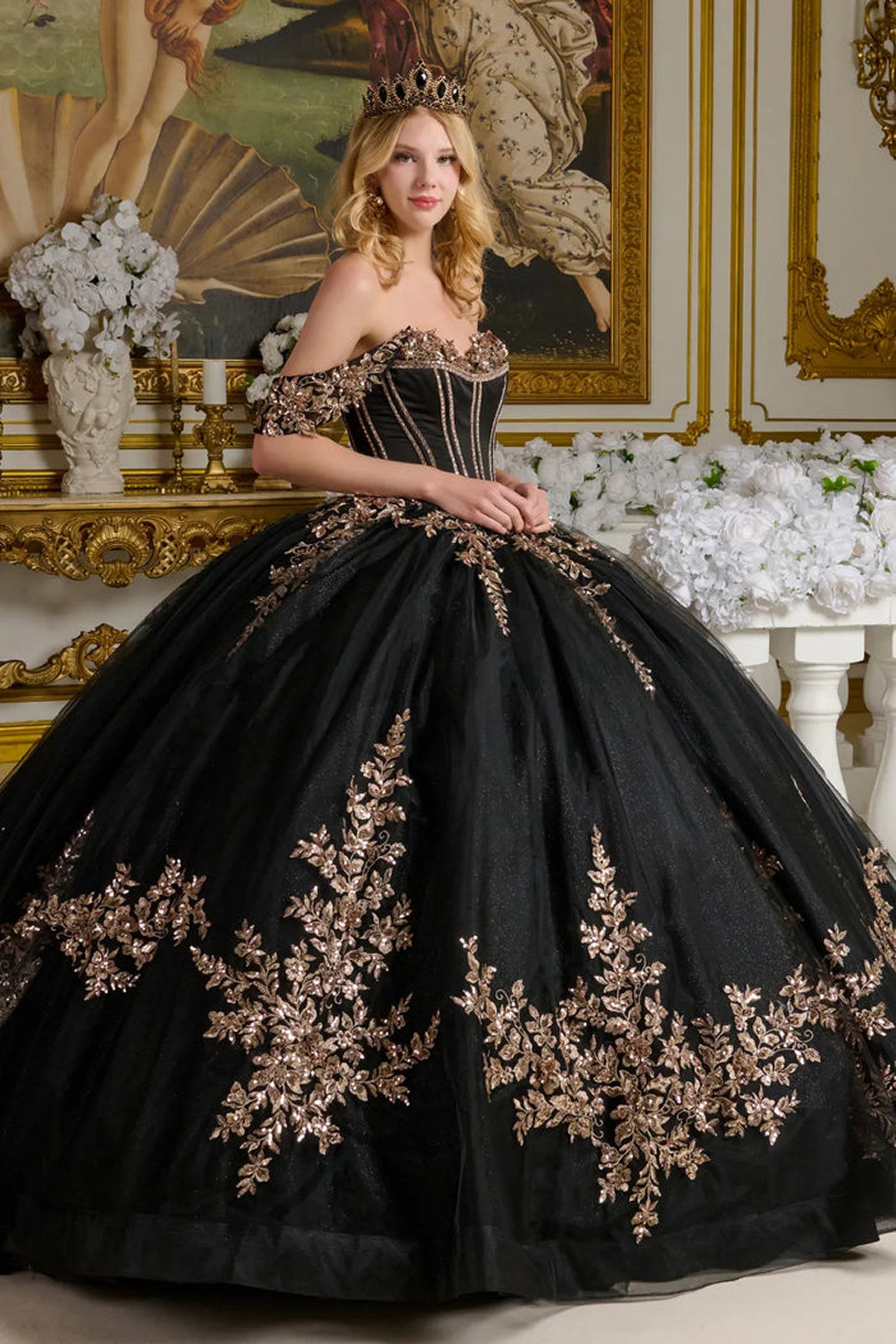

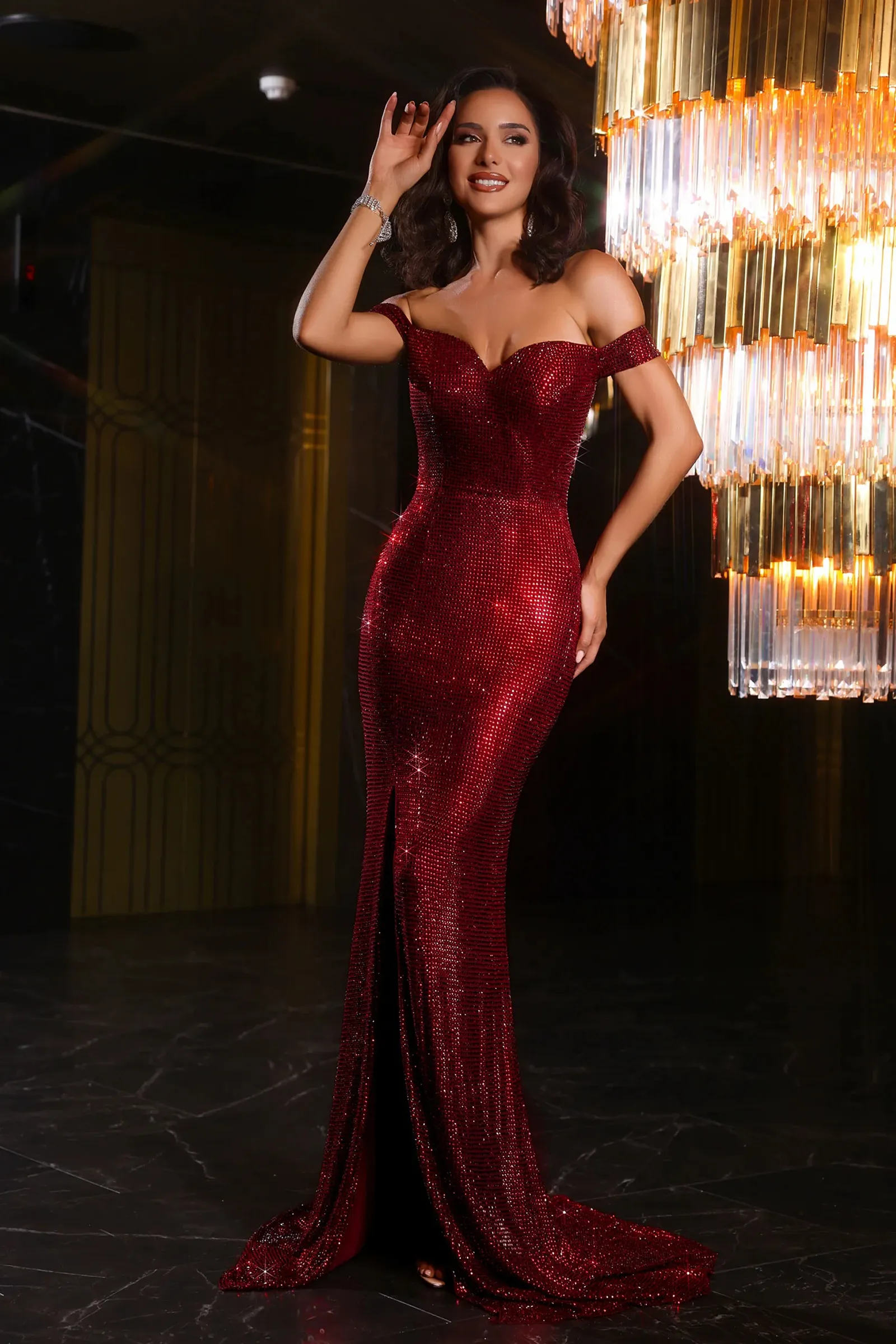
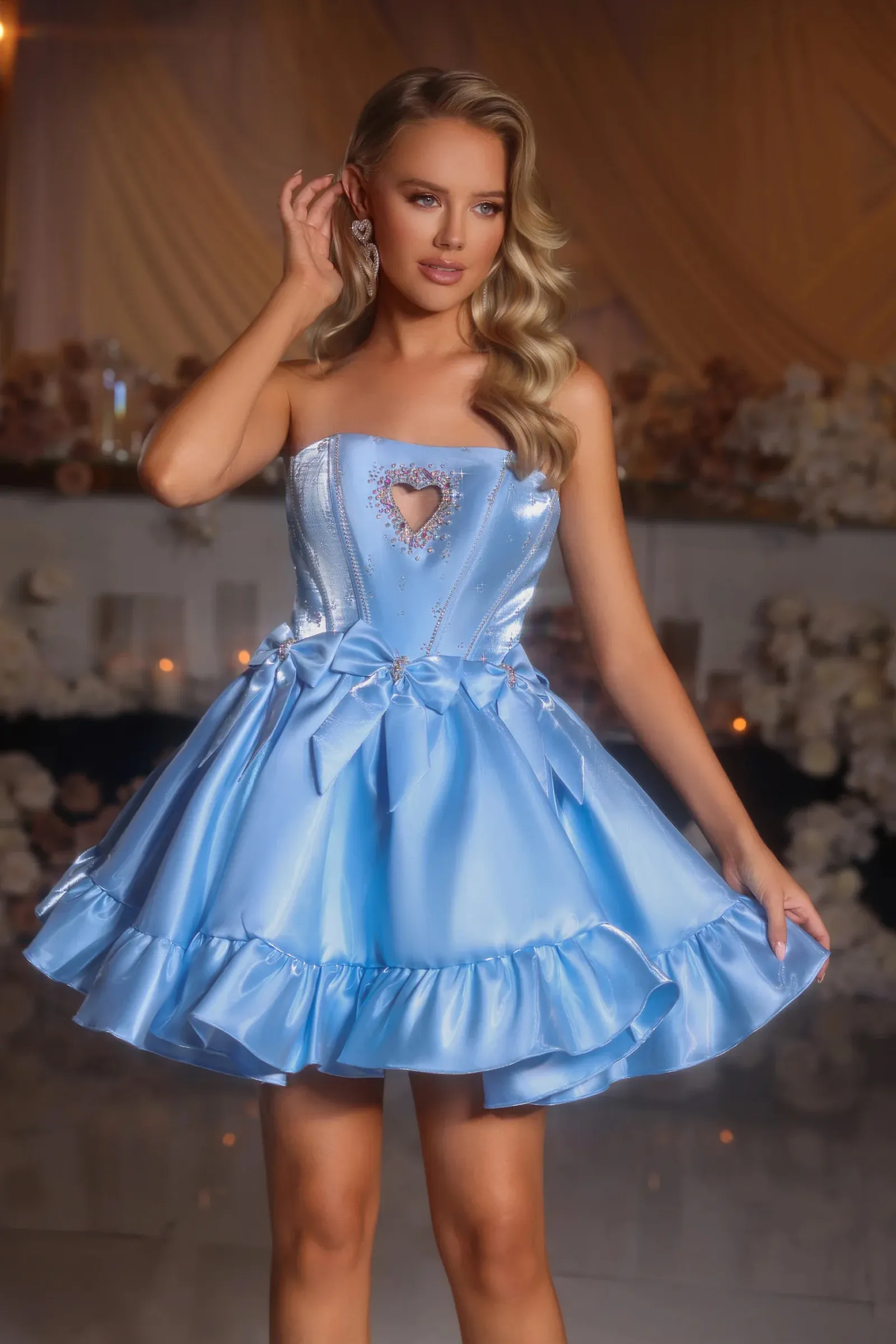
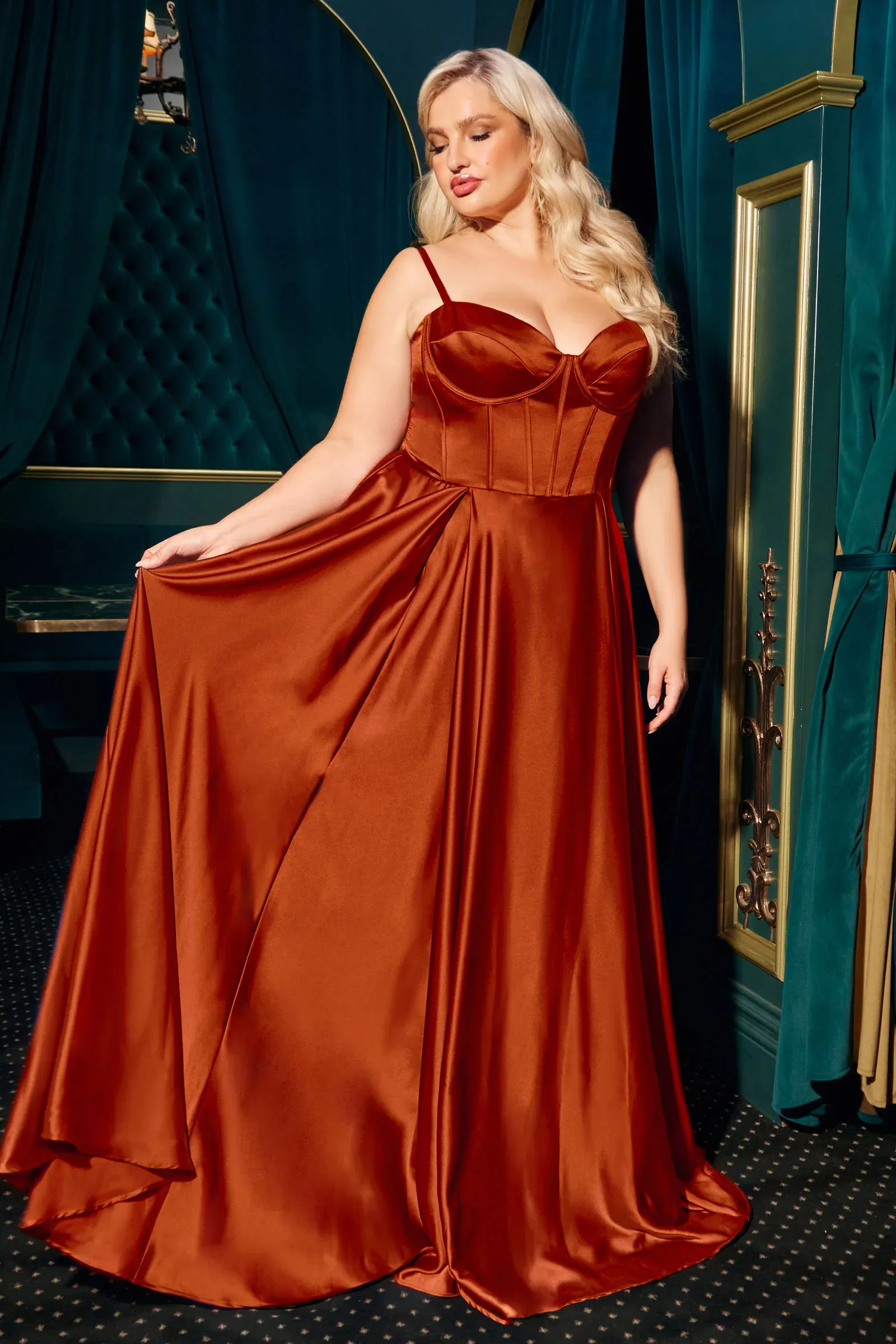
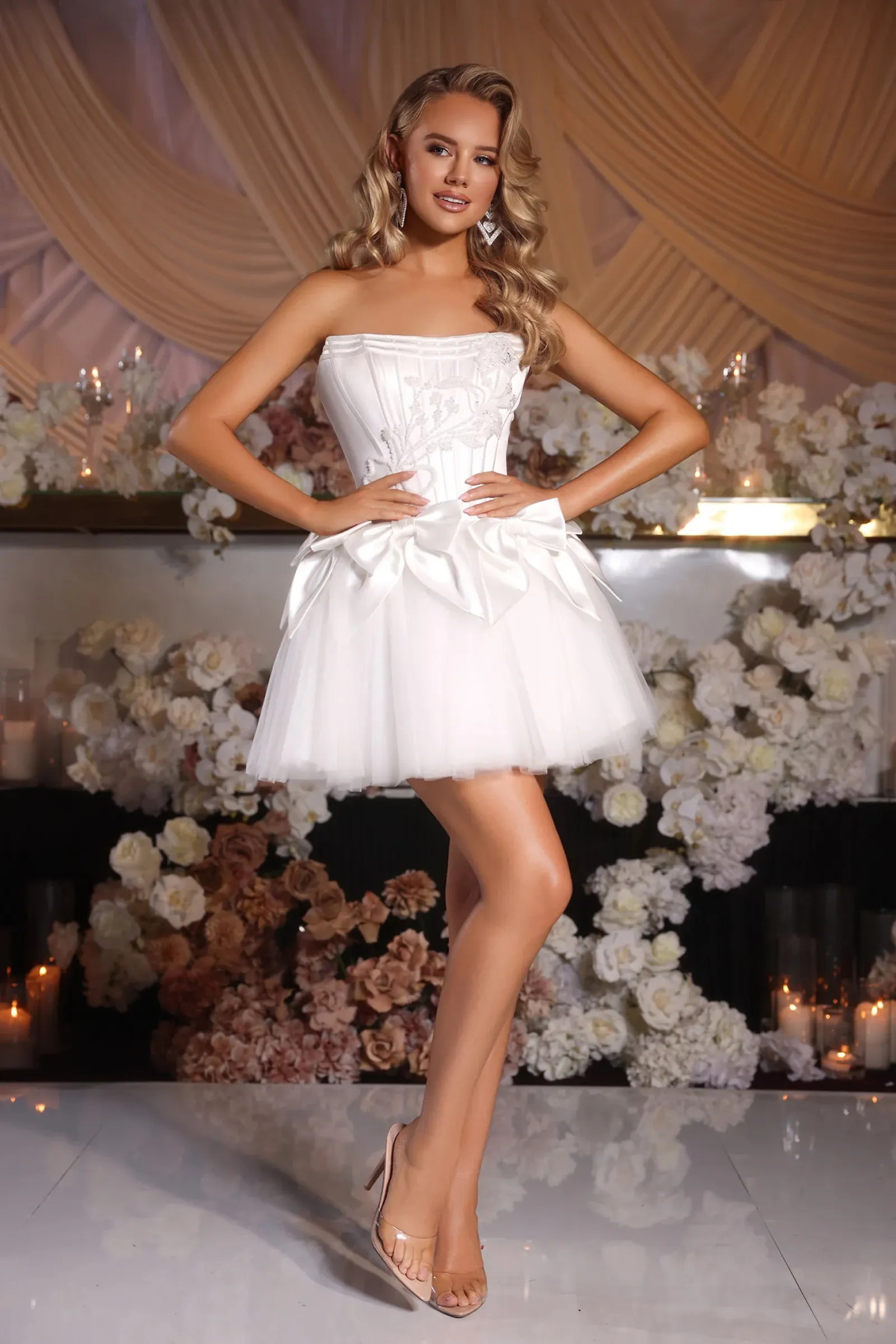
Navy Blue And Gold Quinceanera Dresses


Navy Blue and Gold quinceanera dresses combine deep midnight-blue fabric with warm gold embroidery for a understated royal look at a fifteenth-birthday celebration. The color pairing suits a formal ballroom party, but it can also work with a simpler family gathering.
When choosing a quinceanera gown, compare the skirt shape, bodice support, fabric weight, and how the colors appear in real lighting. A dress should look beautiful in photos and let you sit, walk, and dance comfortably.
What Makes This Color Combination Special?
The appeal of navy blue and gold is the way two colors work together rather than compete. Deep midnight-blue fabric sets the main tone, while warm gold embroidery brings attention to the neckline, waist, and skirt. The amount and placement of each color can change the whole effect. A dress with a few decorative details often feels quieter than one covered with large contrasting patterns.
This is especially useful when planning a formal ballroom celebration. The gown can lead the design of your invitation, flowers, stage, and table decorations without requiring everything to match exactly. Using champagne, ivory, and soft gold in small accents usually gives the main dress enough room to stand out.
A quinceañera is a fifteenth-birthday coming-of-age celebration with different customs across families and communities. Some include a religious service, a formal entrance, a waltz, or a changing-of-shoes ceremony. There is no single required dress color. Family expectations, comfort, and personal taste should guide the choice.
Before committing to a style, look at both close-up and full-length product photos. Pay attention to the contrast between the two colors and whether the design reads as understated royal in the way you want. If you have a particular party theme, show the dress photos to the people helping with the decorations.
Choosing the Right Dress Shape
A traditional princess ball gown is a natural option for navy blue and gold. Its fitted bodice and wide skirt create a clear waistline and a dramatic entrance. Depending on the design, layers of tulle, organza, lining, or a separate underskirt may support the shape. A very wide skirt looks striking but needs extra space in doorways, cars, and crowded reception areas.
An A-line gown falls gradually from the waist instead of forming a very round skirt. It can be easier to move in and may be a better choice for a smaller venue. A-line does not mean plain: embroidery, beading, and a decorated train can still make the outfit feel formal. Compare the skirt width in front and side-view photographs. For another color direction, explore red and gold quinceanera dresses.
For a understated royal look, consider how the upper and lower parts of the gown connect. A detailed bodice with a simpler skirt draws the eye toward the face, while scattered decoration across the full skirt makes a stronger impression from a distance. Neither is automatically better; the right balance depends on the venue and your preferred photographs.
Check whether the dress includes a hoop skirt, petticoat, or removable train. These are not interchangeable features. A hoop changes the skirt outline; a petticoat adds layers; a train extends behind the wearer. Ask about what is included rather than assuming an accessory shown in a styled photo comes with the gown.
Necklines, Sleeves, and Bodice Support
A sweetheart neckline has a gentle heart-shaped curve and often works with fitted ball-gown bodices. An off-the-shoulder neckline frames the collarbone, while a higher neckline offers more coverage. The best option is the one that feels secure when you move, not only when you stand still for a photo.
Warm gold embroidery can frame a neckline, trace a corset seam, or decorate sleeves. This placement changes what people notice first. If the gown has dense detailing near the face, a small pair of earrings may be enough. If the upper bodice is simple, a more decorative necklace or hairpiece can work.
A corset-style bodice may use boning, a lace-up back, a zipper, or several of these features. Lace-up backs can provide some adjustment, but they do not replace choosing the correct size. You should be able to breathe normally, sit, and raise your arms without pulling at the fabric or slipping out of the neckline.
Sleeves also affect comfort. Short cap sleeves may provide a little coverage without adding much warmth; long lace sleeves can be useful for a cooler season but may feel less comfortable in hot weather. If your event includes a church service, ask whether there are family or venue preferences for coverage.
Fabrics and Embellishments Worth Comparing
Deep midnight-blue fabric can look very different in satin, tulle, velvet, and organza. Satin tends to have a smooth, reflective face; tulle forms soft netted layers; organza has a crisp, sheer structure; and velvet has a plush surface. Product photos should help you identify the finish, but the fabric details on the listing are the better place to confirm materials.
Warm gold embroidery may be created with thread embroidery, lace appliqués, beads, sequins, metallic trim, or glitter. Embroidery gives a patterned look, while sequins and rhinestones catch more direct light. Heavy beadwork can add weight. A gown with scattered detail may be more comfortable for a long reception than one with dense decoration across every layer.
If a skirt has multiple sheer layers, check the lining and whether it covers the full length. A sheer outer layer is common in formalwear, but it should not leave you unsure about coverage. Inspect close-up images of the bodice seams, zipper area, and edges of the decorative appliqués where available.
One color-specific detail matters here: the dark fabric may look nearly black in low light. View the dress in natural daylight as well as the type of light expected at the reception when possible. Screens, studio lighting, and image editing can all affect how the shade appears. If a precise color match is essential, ask the seller what color information or extra photos are available.
Match the Gown to Your Celebration Theme
A formal ballroom theme is a natural starting point, but a successful room does not need to repeat both dress colors on every surface. Try using champagne, ivory, and soft gold in flowers, linens, candles, or stationery. This creates a coordinated setting while keeping the birthday girl as the visual focus.
For the entrance area, consider a navy-and-gold invitation suite. That gives you a background with enough contrast to show the gown outline. At the tables, navy backdrop with candle-like warm lighting can repeat the mood without making the entire space look too busy. Choose decorations after you have selected the dress, because a light and delicate gown calls for a different room than a heavily embellished one.
Lighting deserves a separate check. Warm lights can make gold tones look richer, while cool lights can make some colors appear flatter. Ask your photographer to take a few test pictures at the venue if possible. Full-length photos, close-up details, and pictures while moving will show different aspects of the dress. For another color direction, explore blue and gold quinceanera dresses.
The court of honor does not need to wear the same two colors. Coordinated neutral outfits can help the quinceañera stand out. If the court is wearing similar tones, vary the shade or decoration level so that the birthday gown remains visually distinct.
How to Measure and Find a Comfortable Fit
Start with a flexible measuring tape and the size chart for the exact dress. Measure the bust around the fullest part, the natural waist at its narrowest point, and the hips at the fullest point. Keep the tape level and snug without pulling it tight. Formal gown sizes can differ from everyday clothing sizes and between designers.
Some listings request a hollow-to-floor measurement. This is typically measured from the hollow at the base of the neck down to the floor, but follow the specific designer’s instructions. Shoes can affect the finished hem, so decide on your expected heel height before a final fitting. Ask for help when measuring to reduce errors.
If your measurements fall between sizes, do not automatically choose the smaller one. Look at the bodice construction and whether a tailor can adjust the seams. Taking a gown in is sometimes easier than letting it out, but this depends on the seam allowance and decorative details. Alterations near beading or lace may cost more.
Try sitting, taking steps, turning, and lifting your arms in the dress. A gown that feels fine for one minute may become uncomfortable during a long dinner or dance. Check that the waist does not dig in, the neckline stays secure, and the skirt does not catch under your shoes.
Accessories That Work With This Color Pairing
For hair accessories, a soft gold tiara can echo the gown without overpowering it. Look at the finish of the decorative details before choosing metal-tone jewelry. Warm gold pairs naturally with gold trim, while neutral crystals can work with many designs. Accessories do not have to match every shade exactly.
Shoes should be selected for both appearance and stability. A low block heel may be easier for a first formal dance than a narrow high heel. Practice walking and turning in the shoes before the celebration. If you will change shoes during a traditional ceremony, check how both pairs affect the hem length.
Makeup can support the understated royal look without copying the dress colors literally. A neutral base, defined eyes, and a lip shade that suits your complexion often photograph well. If you want a bolder eye look, test it with the gown and accessories beforehand. Your hairstyle should also work with the neckline and any tiara.
Keep a small emergency kit with fashion tape suitable for the fabric, safety pins, a spare hairpin, and tissues. Avoid attaching anything directly through delicate embroidery or beading unless a tailor confirms it is safe. A family member or attendant can help keep the skirt arranged for photos.
Questions Shoppers Ask About Navy Blue and Gold Gowns
Are navy blue and gold quinceanera dresses suitable for a traditional quinceañera?
Yes. There is no universal rule requiring a particular color. Families may have their own traditions, so discuss the choice if cultural or religious expectations are important to your celebration.
What kind of jewelry looks best?
Start with the gown’s decorative finish. A soft gold tiara or small matching earrings can work well, but a heavily embellished neckline often needs fewer accessories.
Should I choose a hoop skirt?
Only if the dress shape calls for it. A hoop can make a ball gown appear wider and may help hold fabric away from your legs. Confirm compatibility with the designer or seller.
How early should I order?
Allow time for shipping, fittings, and possible alterations. Custom and special-order gowns may require longer than in-stock styles. Check the current estimate on the exact listing. For another color direction, explore green and gold quinceanera dresses.
Will the colors look the same in person?
Not always. The dark fabric may look nearly black in low light. Look at multiple images and request more information if the shade is critical.
Can I dance in a large gown?
Usually, but comfort depends on the skirt width, weight, hem length, and support. Practice your dance steps in the dress or a similar skirt before the event.
Explore Your Preferred Style at Formal Dress Shops
Browse the navy blue and gold collection at Formal Dress Shops with a short checklist in mind: the shade you want, the amount of decorative detail, the neckline, and how the gown will feel through the whole event. Comparing those points is more useful than choosing from one picture alone.
Compare related quinceanera styles if you are undecided. Confirm the size chart and ordering details before choosing.
Compare Color Placement Before Choosing
Look first at where deep midnight-blue fabric appears. A solid main skirt with contrasting detail near the bodice often creates a clear shape in group photos. A two-tone skirt, by contrast, can draw more attention to the movement of the fabric. Neither approach is automatically more formal; the difference is visual balance.
Next, study the size of the warm gold embroidery. Fine, repeated motifs can look delicate up close but may disappear in wide photographs. Large appliqués and broad trim remain visible from farther away. Consider which moments matter most to you: close portraits, the grand entrance, or the first dance.
Compare front, side, and back views whenever they are available. A dress may have a simple front and a detailed lace-up back, or the reverse. Make sure the most decorated side is not the only one you like. Your guests and photographer will see the gown from every direction.
Finally, think about color balance with your skin tone and chosen makeup. The dress should make you feel confident, not force you to follow a rule about which colors certain people can wear. If possible, hold a fabric sample near your face in daylight and take a few unfiltered photographs.

Follow us


