


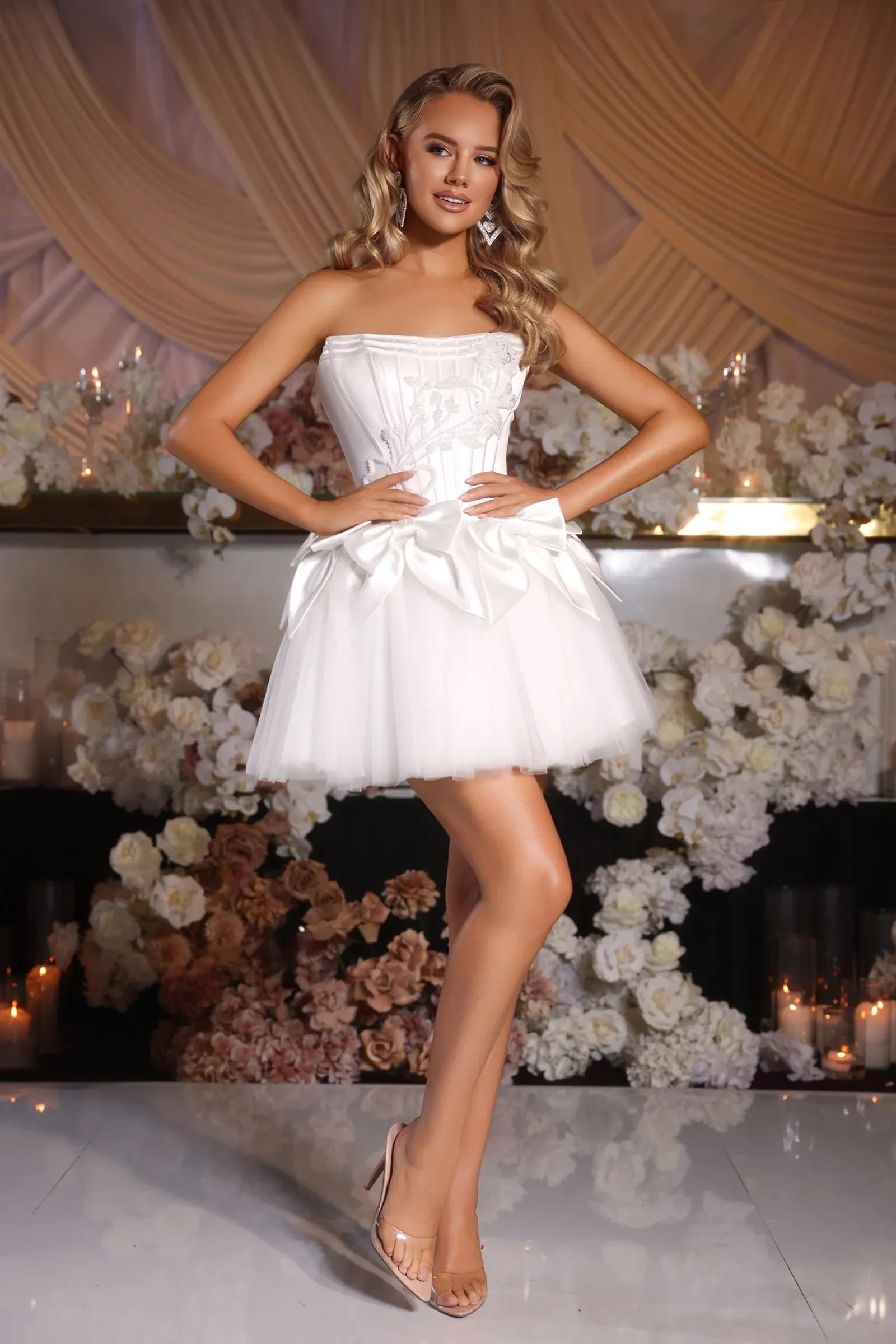
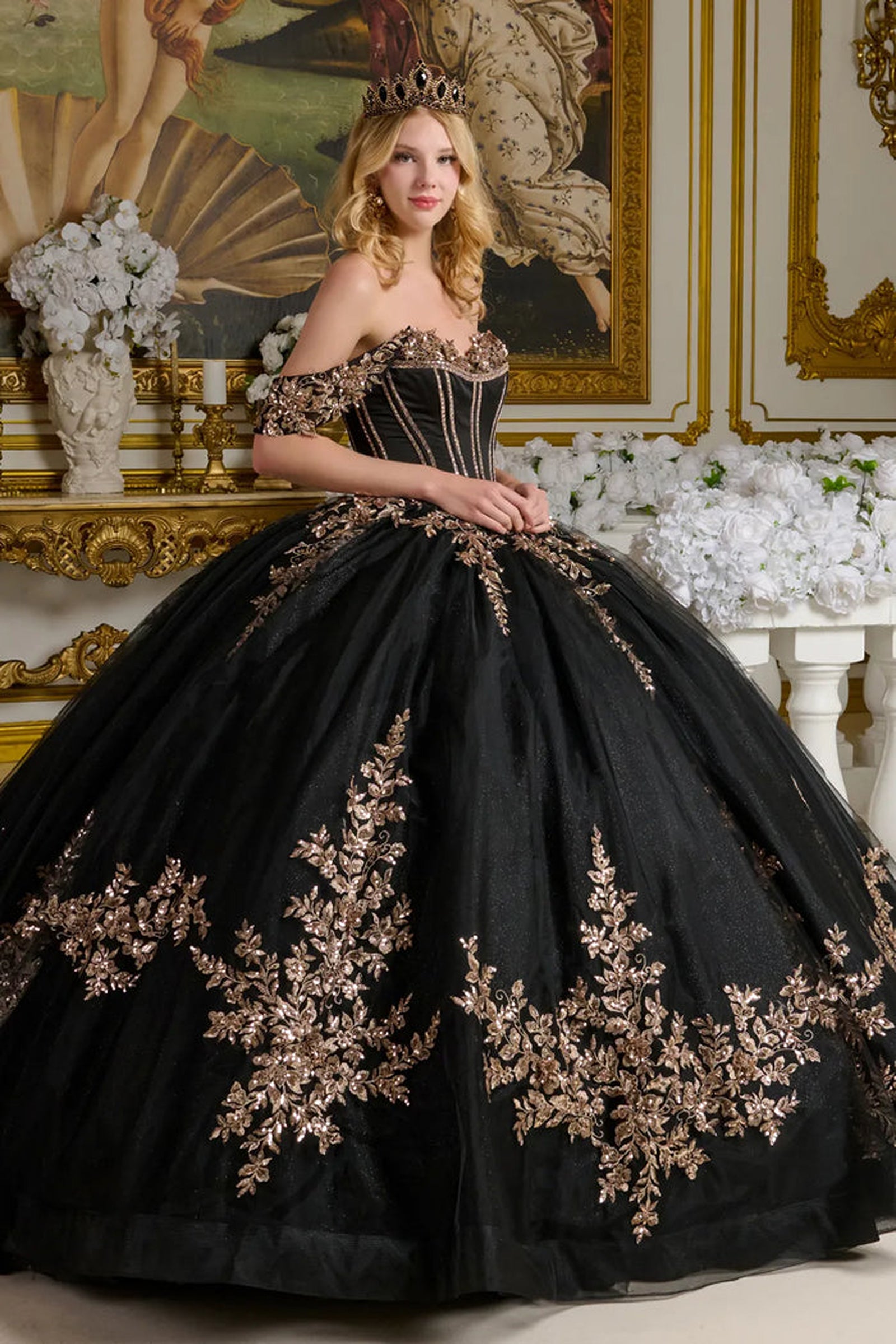

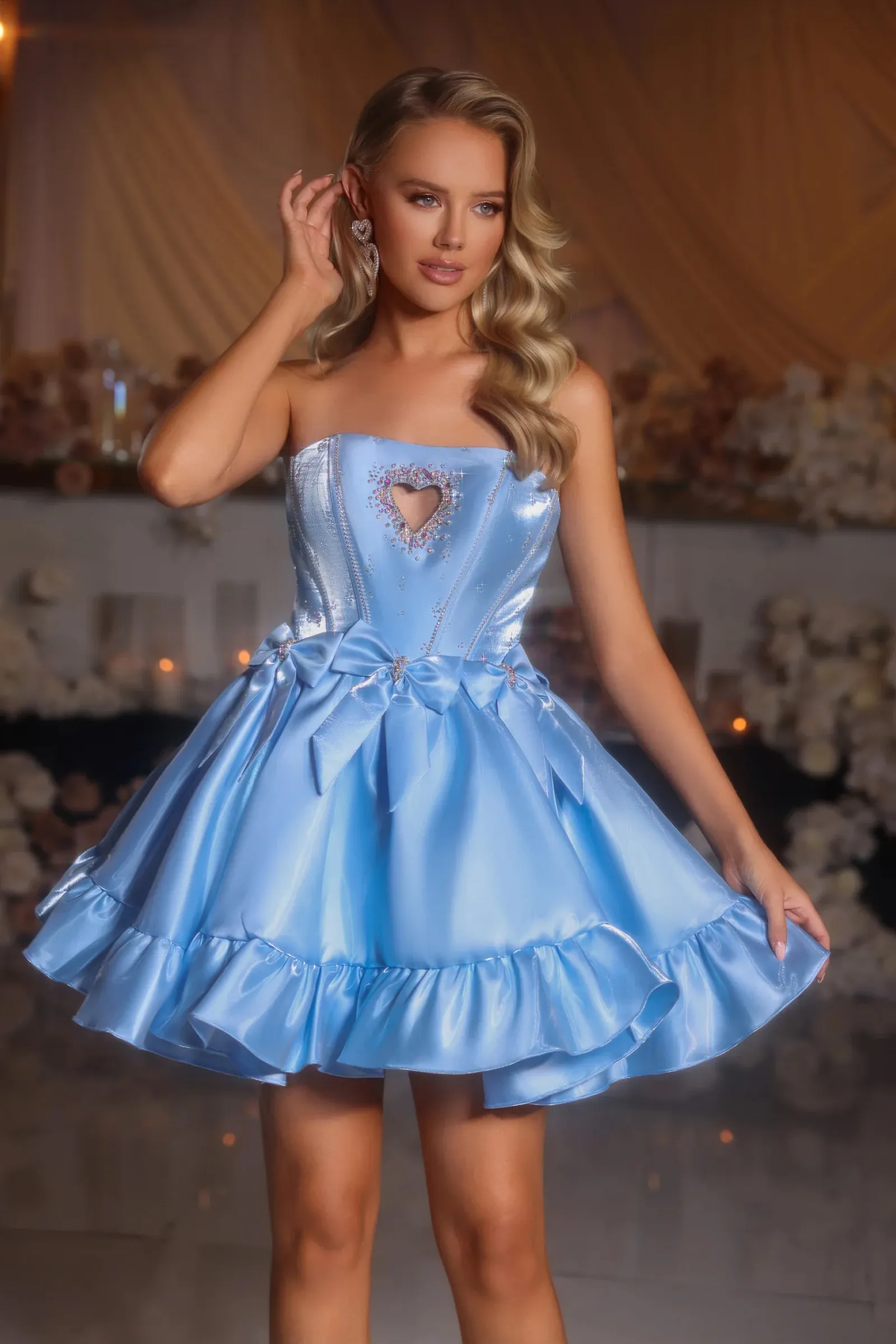
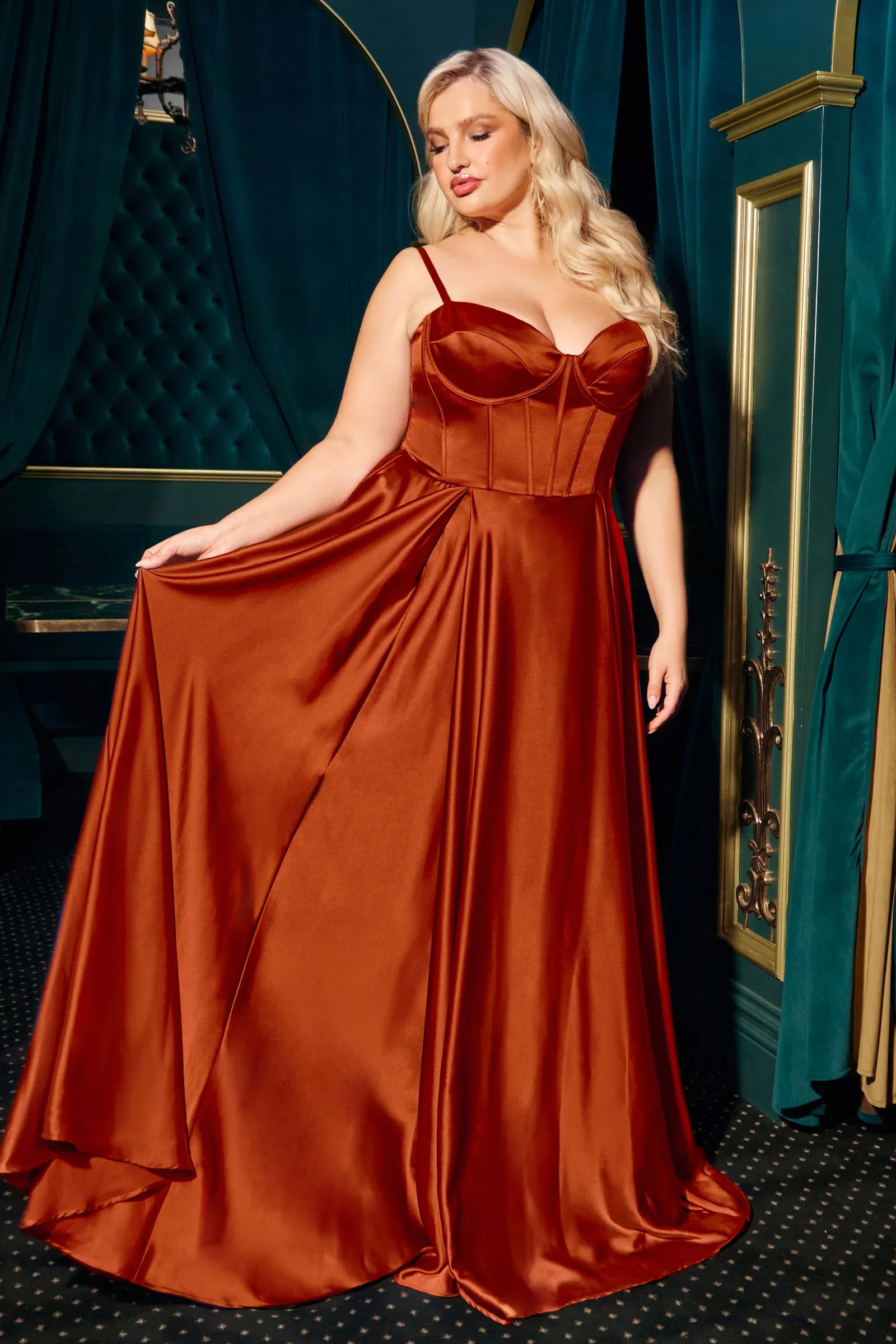
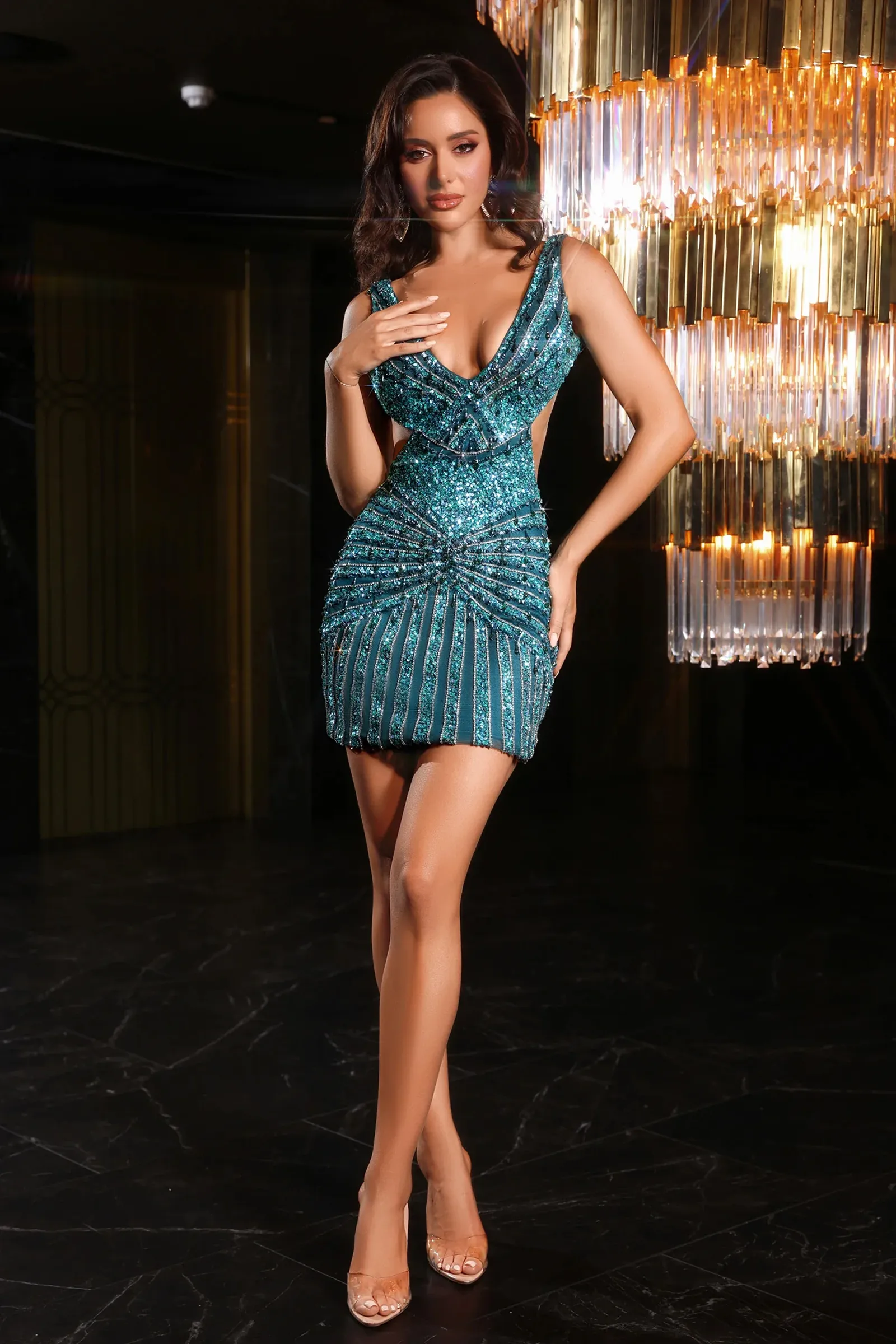
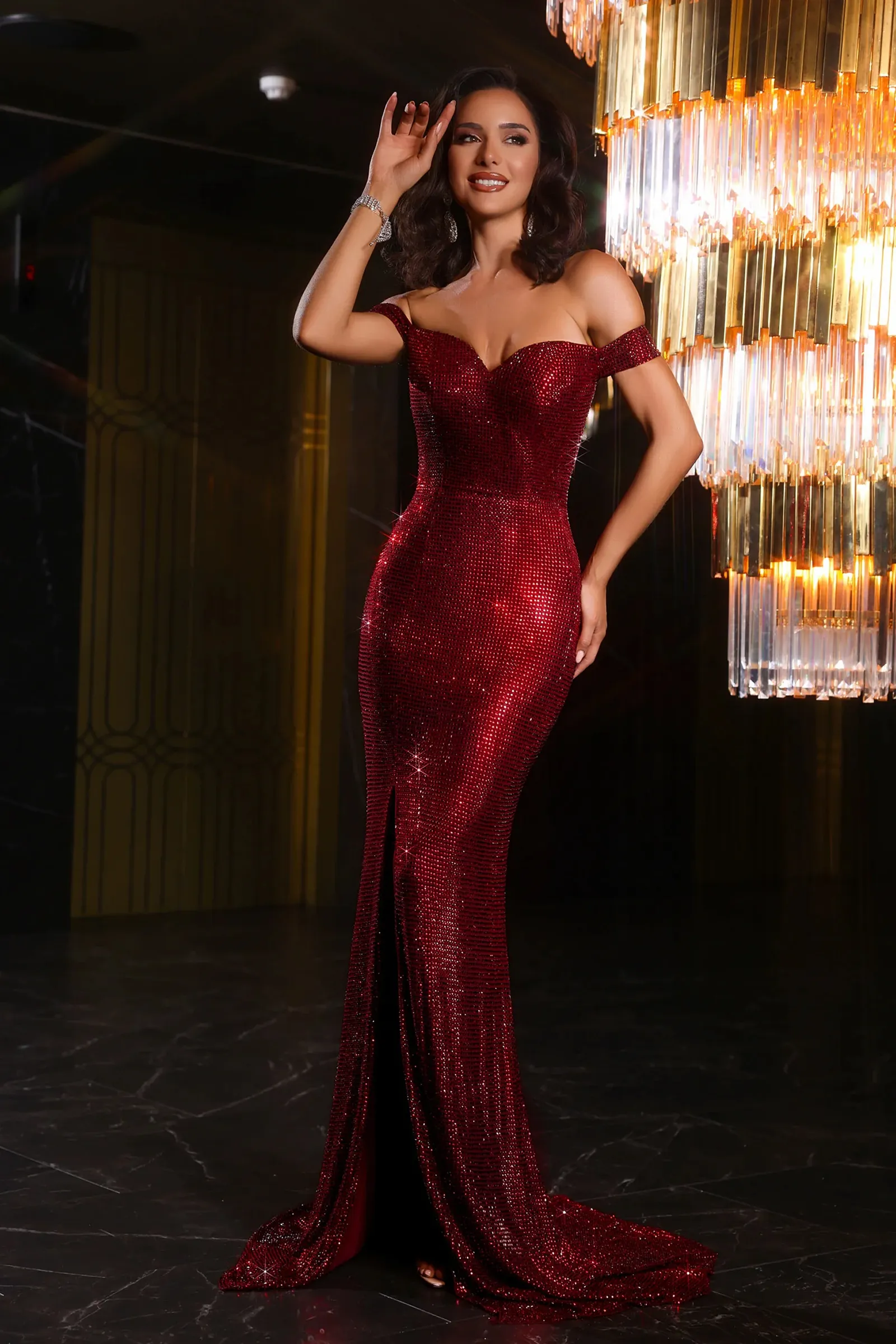
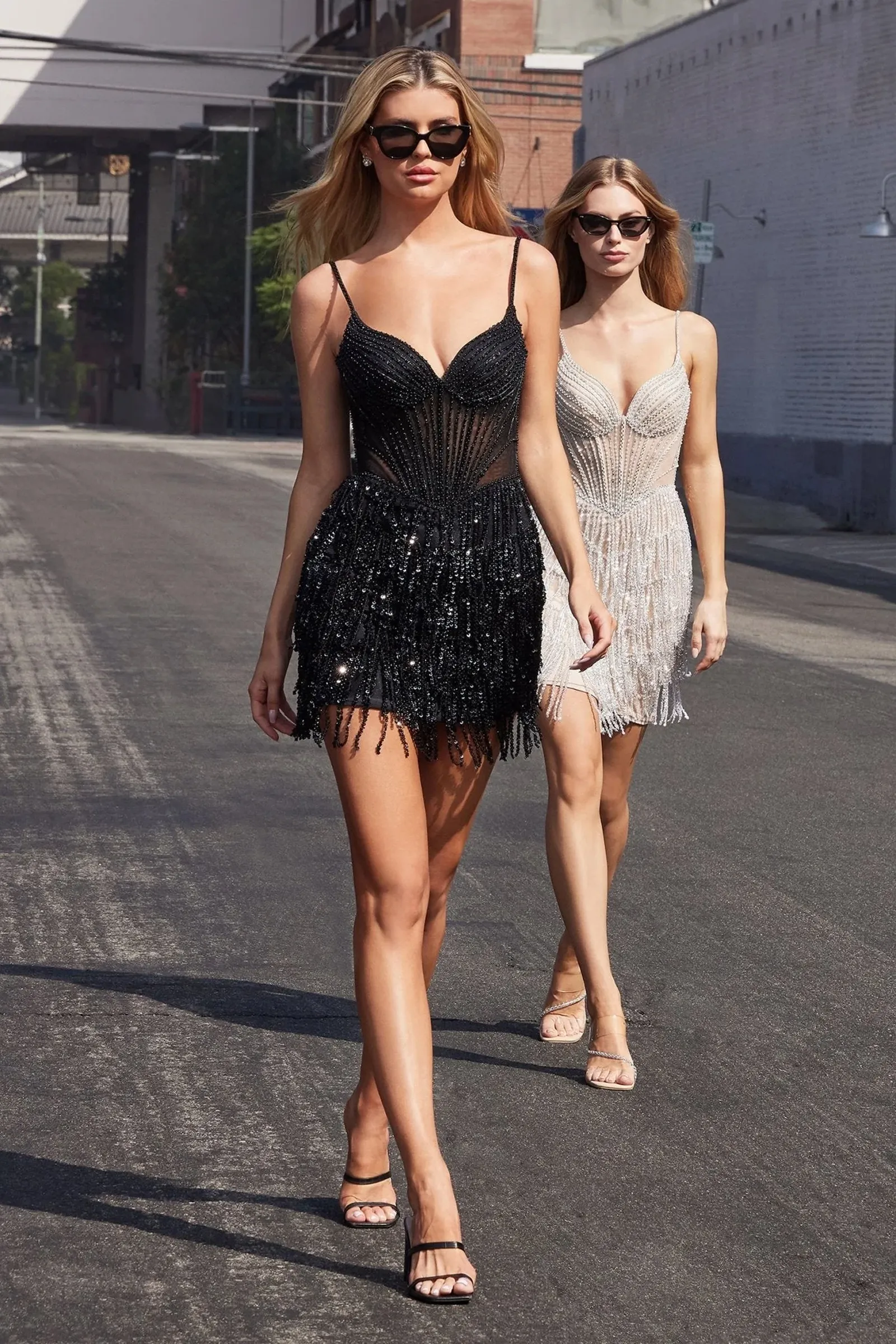


Periwinkle sits in one of the most useful spots on the color wheel: a soft blue with just enough violet in it to read as distinctive without being loud. That in-between quality is exactly why it works so well for formal occasions. It gives you the calm, flattering ease of a pastel blue with a hint of the richness you get from purple, and it avoids the two most common formalwear defaults black and navy while still being easy to accessorize and easy to wear. This collection brings together periwinkle dresses across cocktail lengths, floor-length gowns, and prom styles so you can compare the shade across silhouettes before you decide.
What Periwinkle Actually Is and Why the Shade Matters
Periwinkle is a pale blue-violet. Where it lands between the two depends on the fabric and the light, and this is worth understanding before you buy rather than after. In cool daylight it leans blue and reads clean and fresh. Under warm indoor lighting it lifts toward lavender and reads softer and more romantic. Neither is wrong they are the same dye responding to different conditions but if you are matching to a specific palette, it means you should look at the dress in the light your event will actually use.
Because periwinkle is a muted, low-saturation shade, it behaves like a soft neutral in practice. It doesn't fight with other colors the way a saturated bright does, which is part of what makes it so wearable. If you're drawn to the violet side of it, the lilac dresses and lavender formal dresses ranges sit just next door on the color wheel. If you lean toward the blue side, the dusty blue formal dresses and light blue dresses selections cover that direction.
Who Periwinkle Flatters
One of periwinkle's genuine strengths is how broadly it suits different complexions, and that comes down to its balance. Because it carries both cool blue and warmer violet, it doesn't skew hard in either direction, so it tends to work across a wider range of skin tones than a pure icy blue or a deep jewel purple would.
Cool undertones skin with blue or pink in it tend to find periwinkle especially harmonious, since the shade sits comfortably in the cool family. Warm undertones can wear it well too, though the more violet-leaning versions usually flatter warmer skin more than the coldest, bluest ones. A neutral undertone can wear essentially the whole periwinkle range, and should choose on depth and occasion instead of temperature.
For contrast, periwinkle is quietly striking against deeper complexions, where its softness reads as elegant rather than washed out. On very fair skin, a periwinkle with a touch more violet, or a dress broken up with beading or a defined waist, keeps the look from going too pale. As always, this is guidance rather than a rule if a shade makes you feel good in the mirror, that outranks any chart.
Silhouettes Within the Collection
The shade is only half the decision; the cut determines how the dress actually wears. A few silhouettes recur across this collection.
A-line is the most versatile and the easiest to wear. It nips in at the waist and widens gently to the hem, skimming rather than clinging, which flatters most figures and suits almost any occasion. If A-line is the shape you keep coming back to regardless of color, the full A-line dresses category is worth a look.
Mermaid and fit-and-flare styles trace the body through the waist and hip before flaring at or below the knee. They make the most of an hourglass shape and photograph beautifully, though they ask for a more precise fit and a little more thought about how you'll move and sit through an event. The broader mermaid dresses range shows how the silhouette is cut across the assortment.
Floor-length gowns carry periwinkle particularly well, because the shade's softness over a long, uninterrupted line reads as understated elegance rather than drama. These suit black-tie events, formal weddings, and galas.
Shorter cocktail lengths take the same shade somewhere lighter and more playful right for semi-formal parties, dinners, and daytime events.
Fabric and How It Changes the Shade
Periwinkle looks like several different colors depending on what it's made from, and knowing this saves disappointment.
Chiffon and tulle are lightweight and semi-sheer, and layering them lightens the perceived shade a periwinkle tulle skirt usually reads paler and airier than the same dye in a solid fabric, which is why these fabrics dominate the romantic, floaty end of the collection. Satin reflects light and shifts the shade toward a brighter, cooler blue in its highlights while deepening in the folds, giving a glossy, formal finish. Crepe holds a flat, true, matte periwinkle from every angle and is the most consistent if precise color matching matters. Lace and beaded overlays add texture and catch the light differently again, softening the overall tone.
If you're ordering more than one periwinkle piece and expecting them to match a bridal party, for instance pay attention to fabric. Two dresses labeled the same shade in satin and chiffon will look noticeably different next to each other.
Occasions That Suit Periwinkle
Weddings, as a guest. Periwinkle is close to an ideal wedding-guest color: soft, celebratory, comfortably clear of the white family, and unlikely to clash with most palettes. Choose a lighter, floatier version for a daytime or outdoor ceremony and a floor-length style for an evening reception. The wedding guest dresses category collects event-appropriate cuts across colors if you want to compare.
Bridal party. Soft blue-violets have become a popular bridesmaid palette precisely because they flatter a mixed group. If you're coordinating several people, holding periwinkle constant across different silhouettes usually looks better than forcing everyone into one cut, and the bridesmaid dresses range makes that easier to plan.
Prom. Periwinkle stands out at prom for the opposite reason most colors do it's calm and distinctive in a room full of brights and blacks. For event-specific cuts in this shade, the periwinkle prom dresses selection is the direct match.
Cocktail and semi-formal events. A shorter periwinkle dress reads polished but relaxed, suiting engagement parties, dinners, and daytime celebrations. The wider cocktail dresses range shows the length across other shades.
Accessorizing and Finishing the Look
Because periwinkle is soft, you have room to decide whether to keep the look tonal or add contrast.
Metallics are the easiest partners. Silver and platinum sharpen the cool side of periwinkle and keep the palette crisp. Gold warms it and pushes it toward its lavender character, the more romantic route. Rose gold sits beautifully with periwinkle and is worth trying for something softer than either.
For a tonal look, nude and champagne accessories let the dress carry the look and lengthen the leg line. For contrast, deeper purples, soft grays, and even a muted yellow all pair well without overwhelming the shade. Keep jewelry proportionate to the neckline: a beaded bodice needs very little, while a plain neckline gives room for a statement piece.
Choosing the Right Periwinkle Dress for You
With the shade and the silhouette decisions separated out, a short checklist makes the final choice easier.
Start with the event and its dress code, since that sets the length before anything else. A formal wedding, gala, or black-tie evening points you toward a floor-length gown; a cocktail party, dinner, or daytime celebration points toward a shorter cut. Getting the length right first narrows the collection quickly.
Then think about fit and how you'll spend the event. If you'll be seated at a formal dinner, a structured A-line or a gown with a forgiving waist is more comfortable than a tightly fitted mermaid. If you'll be on your feet and want to make an impression, a fit-and-flare or mermaid earns its place. Be honest about the day, not just the photograph.
Consider fabric against both the season and the formality. Satin and any velvet element read richer and suit cooler months and dressier events; chiffon and tulle are lighter, cooler to wear, and lean romantic and daytime. Matte crepe is the most reliable if you need the color to stay consistent.
Finally, check your measurements against the size information on the specific product page rather than assuming your usual size. Formalwear is cut closer than everyday clothing, and it's common to size up, particularly in fitted styles. Ordering with a little time in hand leaves room to exchange for fit if the first choice isn't quite right.
Styling Periwinkle Across the Seasons
Periwinkle is genuinely a year-round shade, which is unusual for a pastel. In spring and summer it's at home in lightweight chiffon and tulle, breathable and easy in the warmth. In autumn and winter, the same shade in satin or with a velvet element reads richer and more seasonal, and a tailored wrap, faux-fur stole, or structured jacket carries it comfortably into colder weather without dulling the color.
Before ordering, remember that periwinkle is one of the harder shades to judge on a screen displays push it toward either blue or lavender depending on their calibration. Look at product photos on more than one device if you can, and if you're matching to a specific palette, order with enough time to see the dress in daylight.
Explore the full range of periwinkle dresses at FormalDressShops to compare this soft blue-violet across cocktail, prom, and floor-length styles, and to find the cut and fabric that suit your event, your coloring, and the season you're dressing for.
FAQ Section
What color is periwinkle?
A pale blue-violet that leans bluer in daylight and softer, more lavender under warm indoor lighting.
Is periwinkle a good wedding-guest color?
Yes it's soft, celebratory, clear of the white family, and rarely clashes with a wedding palette.
Who does periwinkle suit best?
Its blue-violet balance flatters a wide range of skin tones, with cool undertones finding it especially harmonious.
Which jewelry works with a periwinkle dress?
Silver keeps it cool and crisp, while gold and rose gold warm it toward its softer, more romantic lavender side.

Follow us


