


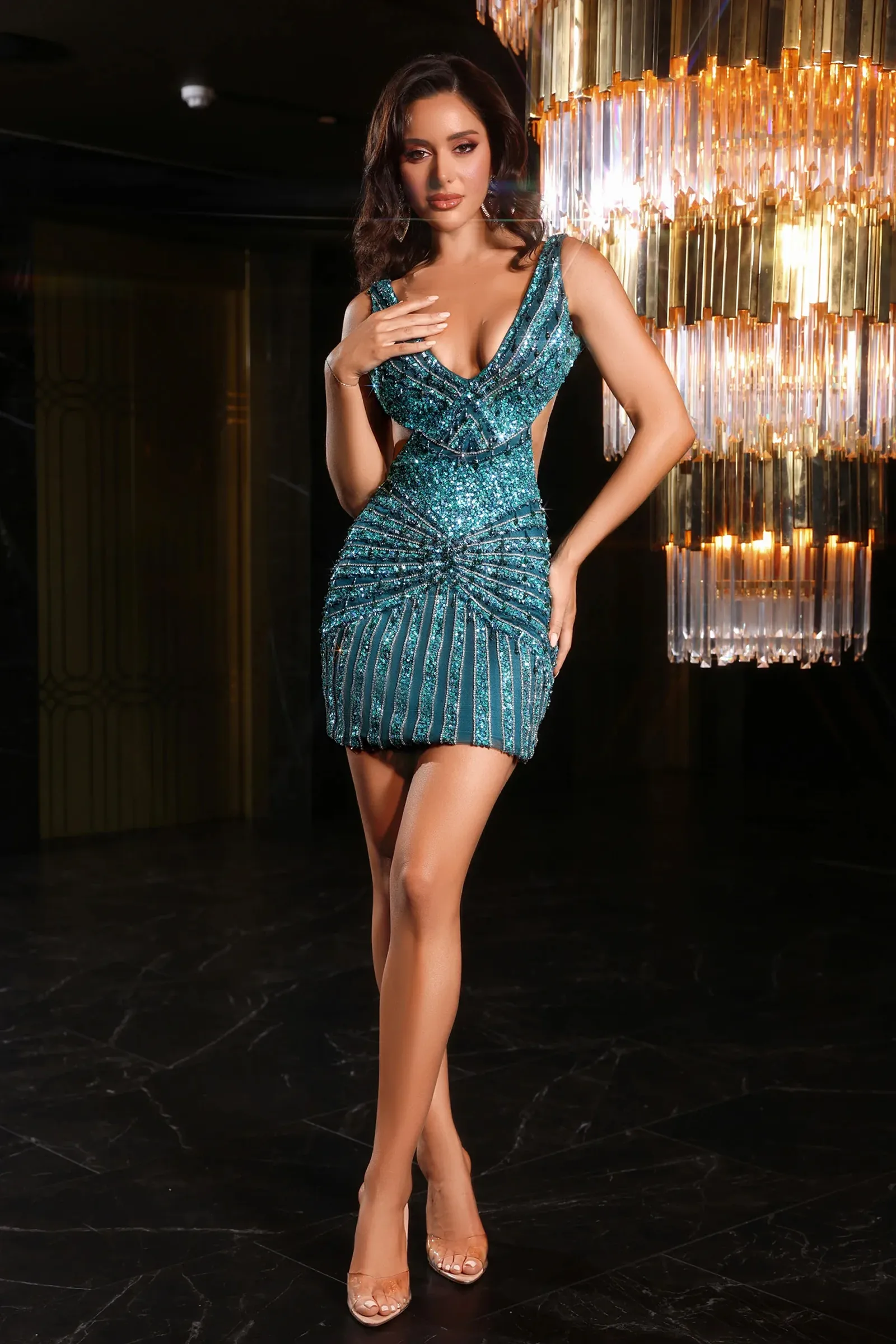
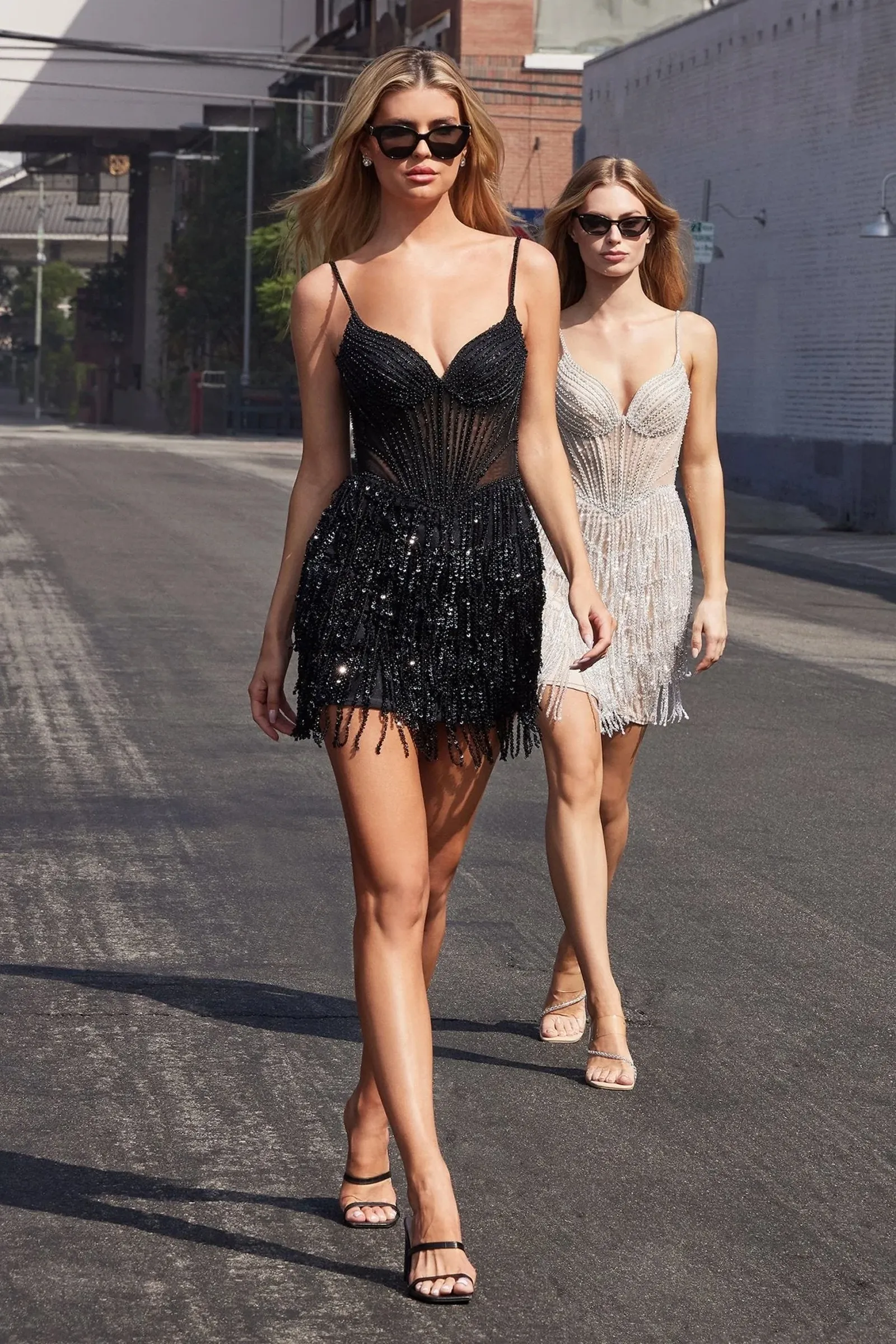

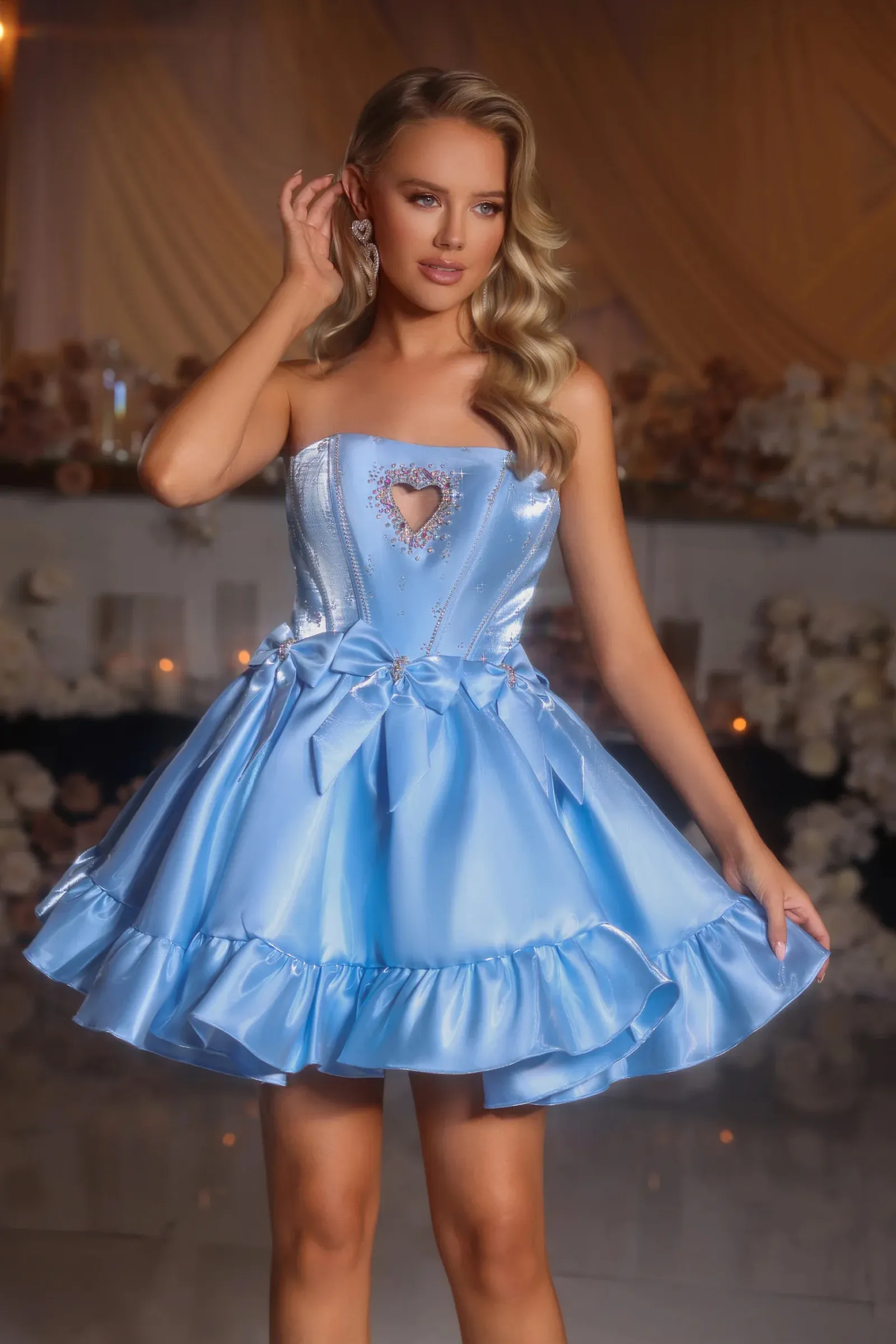
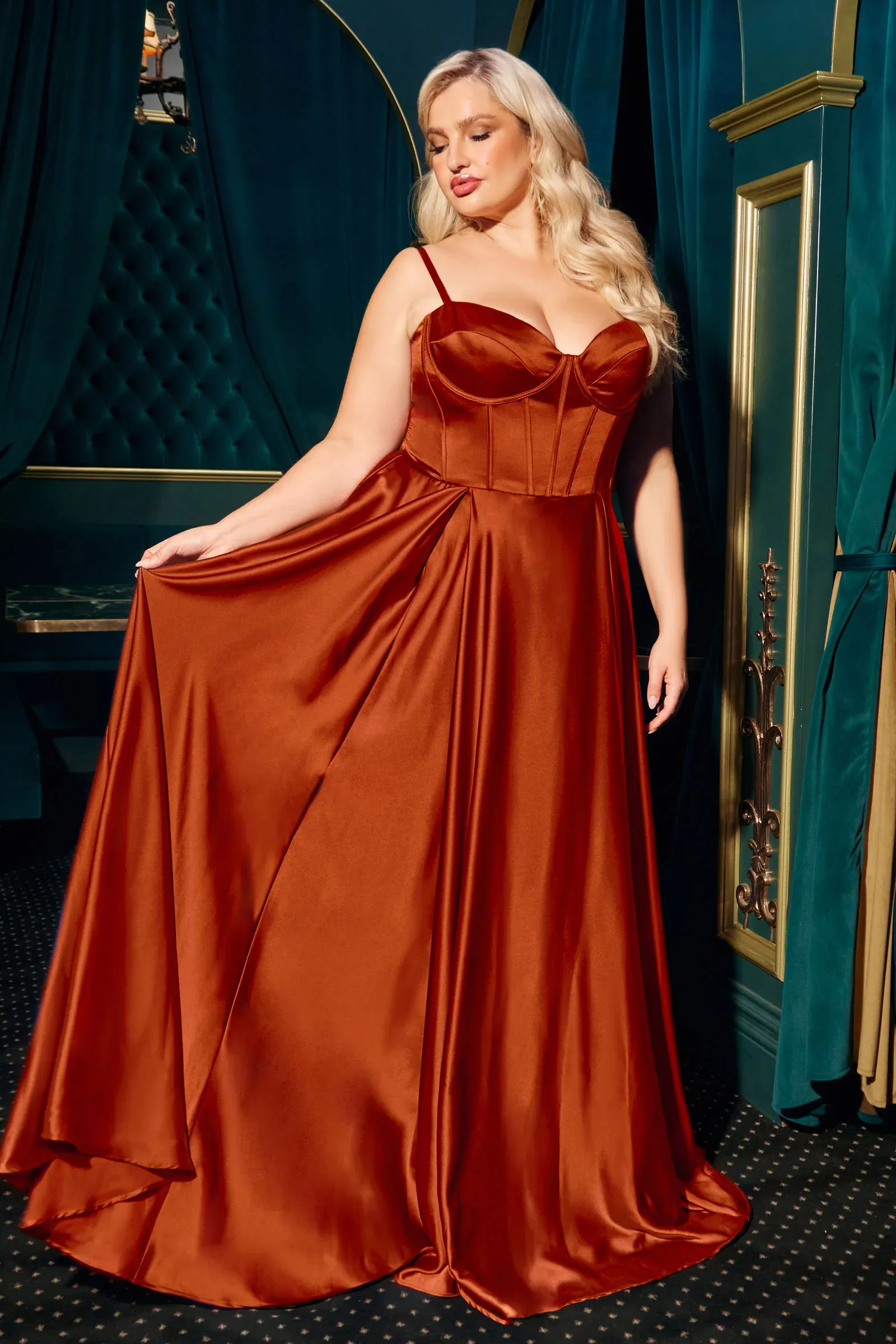
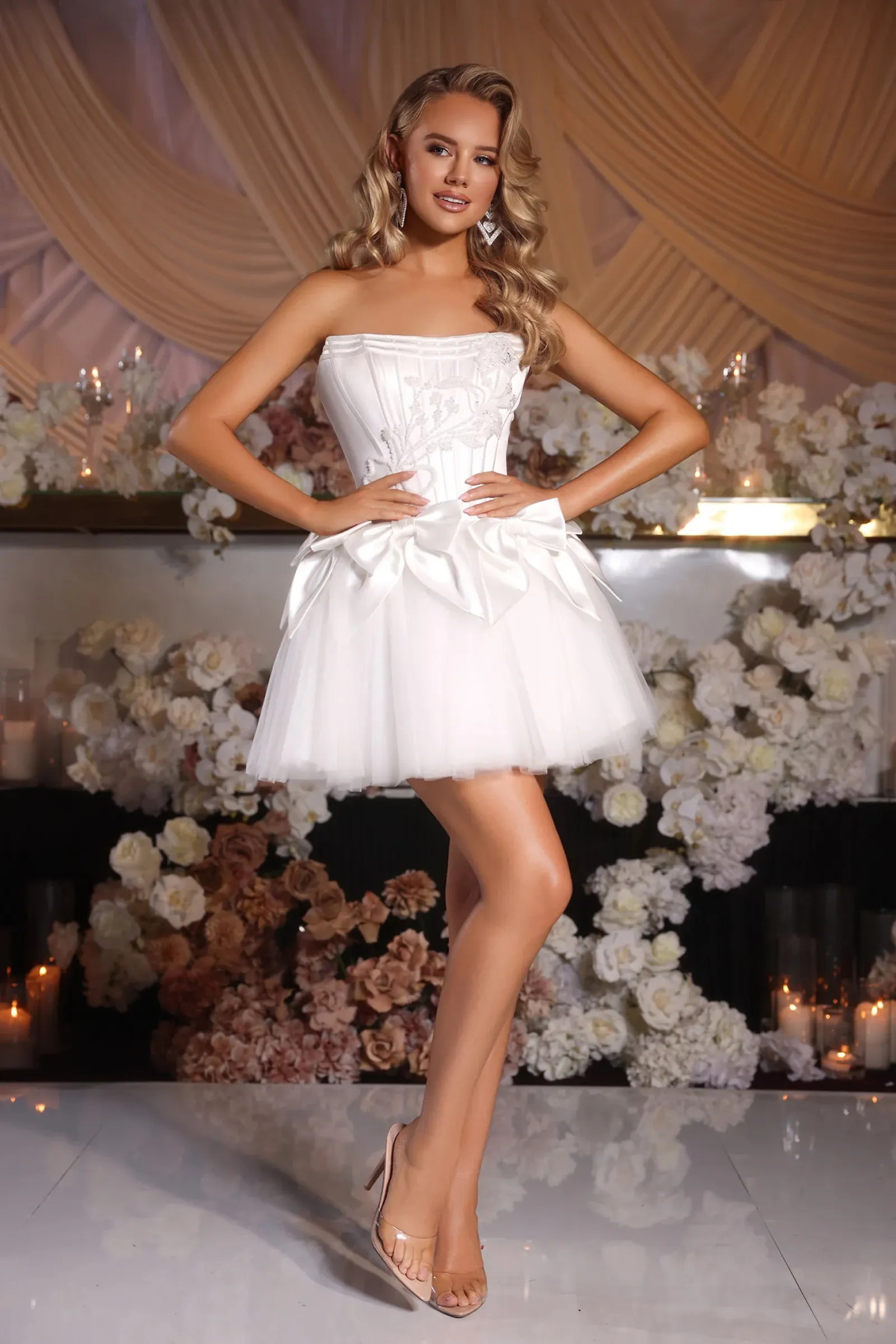
Two-Piece Prom Dresses


Two-Piece Prom Dresses with Coordinated Proportions
Two-piece prom dresses combine a separate top and skirt, making the waistline and the relationship between both pieces central to the outfit. Some sets reveal a narrow section of midriff, while others create an almost continuous appearance. Necklines, waist placement and skirt volume can change the balance significantly. Compare how the pieces work together, not just how each one looks separately, to find a set that suits your prom style.
The Waistline Is the Main Design Decision
A two-piece set can show a small gap between the top and skirt or meet at the waistband. The actual spacing may look different depending on torso length and the garment measurements. It is important to review how both pieces sit together rather than assuming the promotional photograph will match your proportions exactly.
A higher skirt waistband can make the exposed section appear narrower. A longer crop top can also change that gap. If coverage is a priority, check the listed measurements and explore Modest Prom Dresses as a different approach to formal dressing.
Different colors or textures between the pieces can accentuate the break at the waist. Matching fabric can make the outfit more continuous while still retaining the construction of two separate garments.
Separate Tops and the Details That Matter
A structured top can create a fitted shape, while a softer top may drape or move differently. Neckline design matters because there is often less fabric connecting the upper piece to the overall silhouette. Inspect shoulder straps, sleeve coverage, back closure and the position of any waist seam.
A corset-style crop top may have visible boning or seam lines, but not all have adjustable lacing. Corset Prom Dresses can help compare bodice appearance with one-piece construction. If the outfit has an open back, check how the top fastens so you understand the design beyond the front photo.
A heavily decorated top paired with a plain skirt can direct attention upward. Conversely, a minimal top allows a printed or full skirt to become the focal point.
· Check whether the waistline meets or leaves a gap.
· Review top and skirt sizing separately where offered.
· Compare matching textures and closures.
Long Skirts Versus Short Two-Piece Sets
Two-piece outfits are not limited to one length. A long skirt can create the appearance of a traditional gown with a defined waist break. A short skirt makes the separate construction more obvious and shifts attention to footwear and legs.
For a shorter option, look at Two Piece Short Prom Dresses. If you like the look of a long skirt but are unsure about a matching set, Long Prom Dresses offer one-piece alternatives with different silhouettes.
A voluminous skirt may make the top look smaller by contrast; a slim skirt creates a more column-like line. Ask whether the proportions you like come from the individual garments or the way they are combined in photos.
· Check whether the waistline meets or leaves a gap.
· Review top and skirt sizing separately where offered.
· Compare matching textures and closures.
Color Coordination Without a Forced Match
Matching colors can make the pieces look connected, but texture can still introduce difference. A sequined top over a plain matching skirt gives a strong contrast in finish. Two colors can produce an intentionally divided outfit if the set is designed that way.
A dark top with a lighter skirt creates a different emphasis from a monochromatic combination. Avoid assuming separate color options can be mixed across products unless the retailer expressly offers them together. Black Prom Dresses provide a darker-color comparison for one-piece looks.
If the top and skirt have metallic ornament, check whether the details repeat or differ. Even two pieces in the same color may not have identical sheen when photographed.
· Check whether the waistline meets or leaves a gap.
· Review top and skirt sizing separately where offered.
· Compare matching textures and closures.
Fit and Movement with Two Separate Pieces
 Because the top and skirt are separate, fit must work at two points. A top that fits the bust may sit differently at the lower edge, while skirt comfort depends on its waistband and hip measurements. Product-specific size guidance is essential, especially if pieces are sold as a fixed matching set.
When standing or sitting, the spacing between the pieces can change. This is a reason to review multiple product angles where available. Movement also depends on skirt design: a narrow long skirt behaves differently from a full short skirt.
Check whether the listing offers a single size or separate sizing for the two pieces. Do not assume the components can be purchased independently without confirmation.
· Check whether the waistline meets or leaves a gap.
· Review top and skirt sizing separately where offered.
· Compare matching textures and closures.
Styling the Set as One Outfit
A coordinated look benefits from choosing accessories that work with both the top and the skirt. If the neckline has decorative details, simpler jewelry may keep the outfit balanced. If the skirt is plain, shoes and a bag can add an accent without competing with the top.
The seam between the two pieces is often visually important, so avoid adding a belt automatically. A belt can emphasize the gap, cover it or interrupt the set’s intended proportions.
Compare options at Formal Dress Shops and return to the wider Prom Dresses selection if you want a continuous one-piece design with similar colors or skirt shapes.
· Check whether the waistline meets or leaves a gap.
· Review top and skirt sizing separately where offered.
· Compare matching textures and closures.
Check the Pieces as a Pair Before Ordering
A coordinated top and skirt can fit differently even when both carry the same labeled size. Review the top's bust and lower-edge measurements along with the skirt's waist and hip figures wherever these are provided. If the listing gives only a single chart, check how the retailer defines the set's sizing.
A patterned crop top paired with a smooth skirt can create a strong upper-body focus, while an embellished skirt may draw attention downward. Compare the two pieces as a complete outfit rather than treating the top as an accessory to the skirt.
Ask yourself whether you would still like the ensemble if the visible waist gap changed slightly with movement. That practical question is more useful than assuming the model's exact proportions will transfer to every wearer.
When looking at a set, pay attention to the waistband finish. A visible band can define the separation, while a plain edge may make the top and skirt appear closer together. This small construction detail affects the look even when the same colors and skirt length are used. Comparing the top and skirt as a complete silhouette matters much more than evaluating either item on its own.
Frequently Asked Questions
Do all two-piece prom dresses show the stomach?
No. Some sets have overlapping or nearly meeting waistlines, while others leave a visible gap. The amount of coverage depends on the actual pieces and fit.
Can two-piece prom sets come with a full-length skirt?
Yes. Separate tops can be paired with floor-length skirts as well as shorter options. Check the listed skirt length and hem design.
Can I order different sizes for the top and bottom?
That depends on how an individual retailer sells the set. Do not assume mixed sizing is available unless the product options explicitly allow it.
Are two-piece outfits acceptable for every prom?
Not necessarily. School dress codes can specify requirements for midriff coverage or other details. Review your event rules before choosing an outfit with a visible gap.

Follow us


