


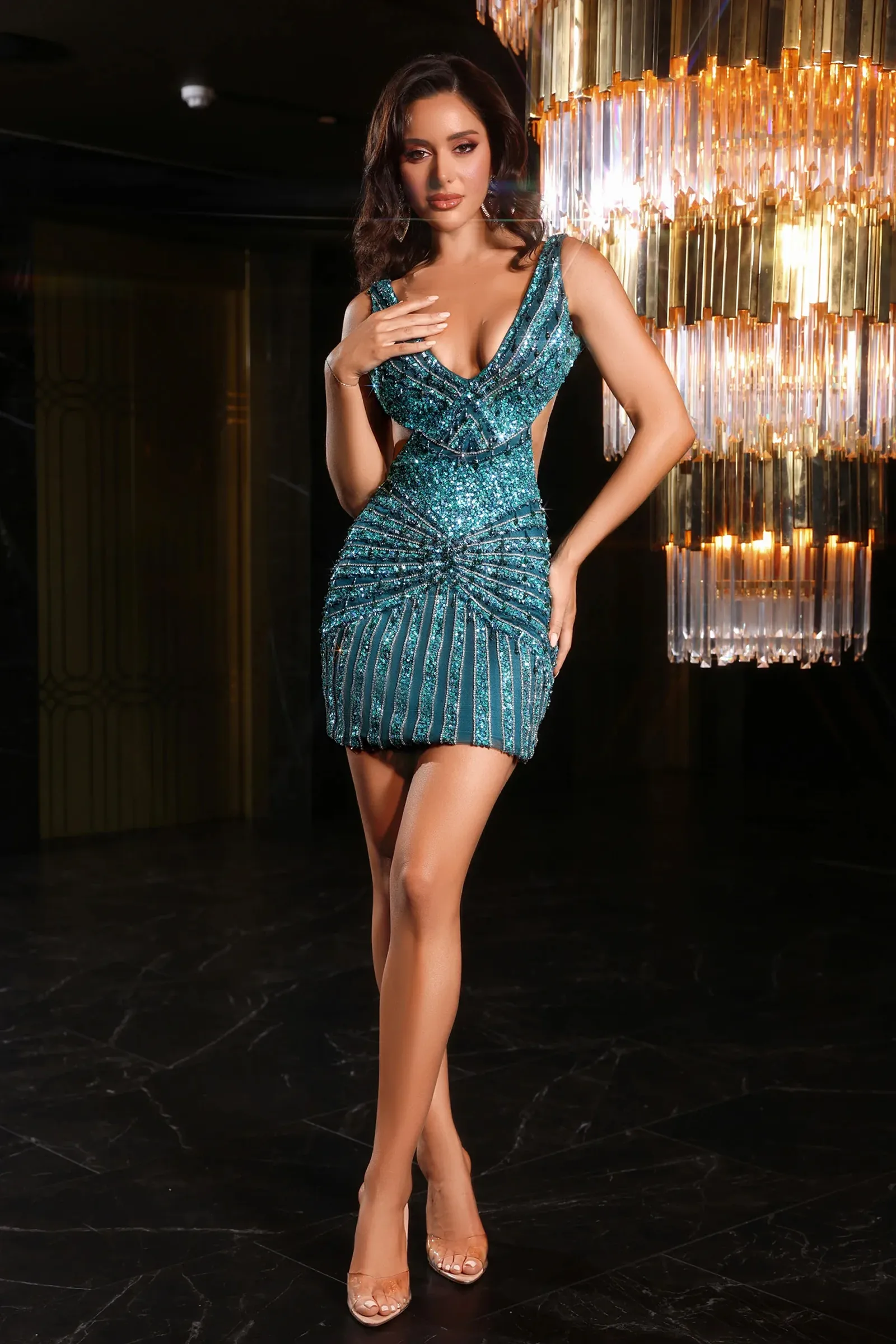
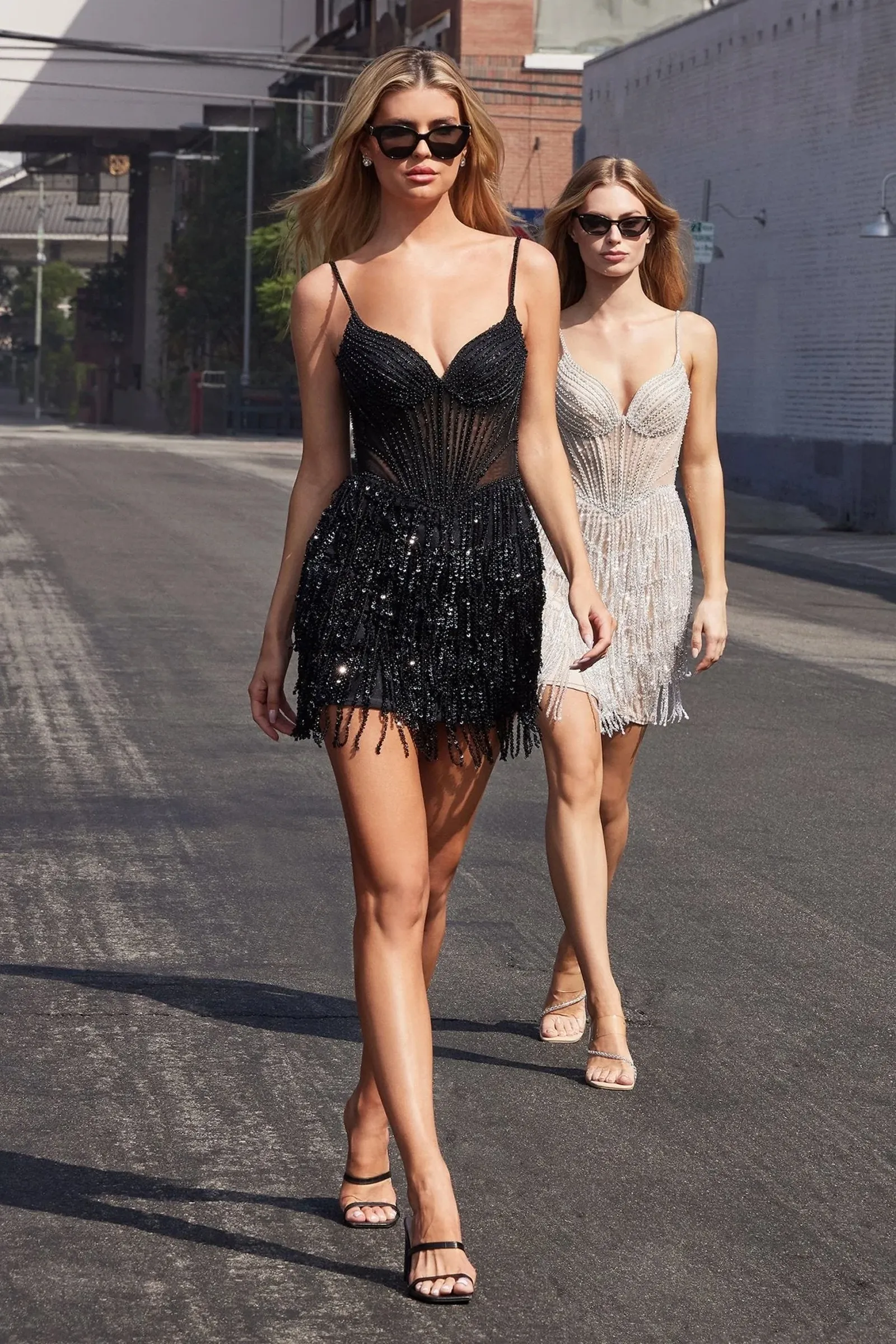
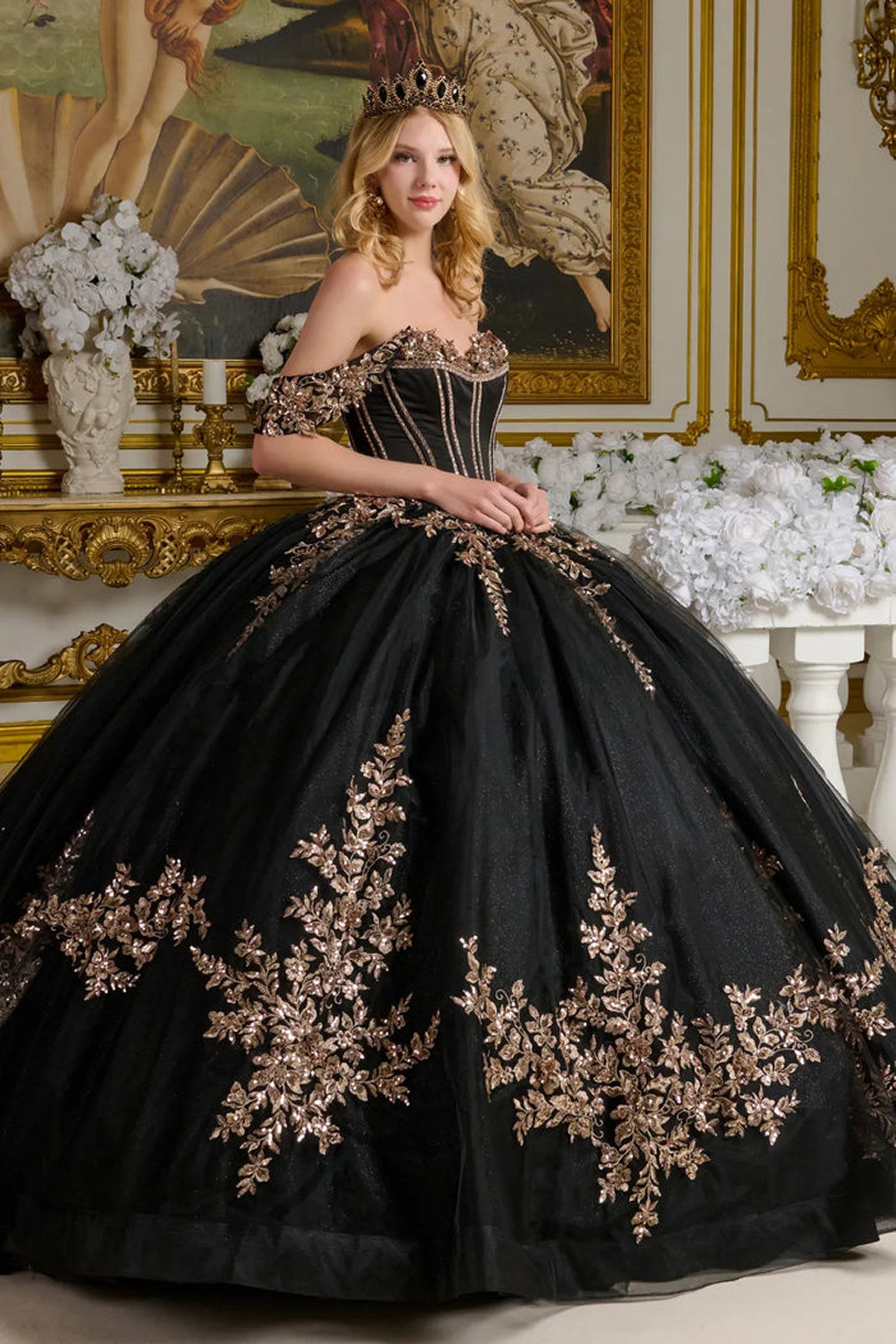

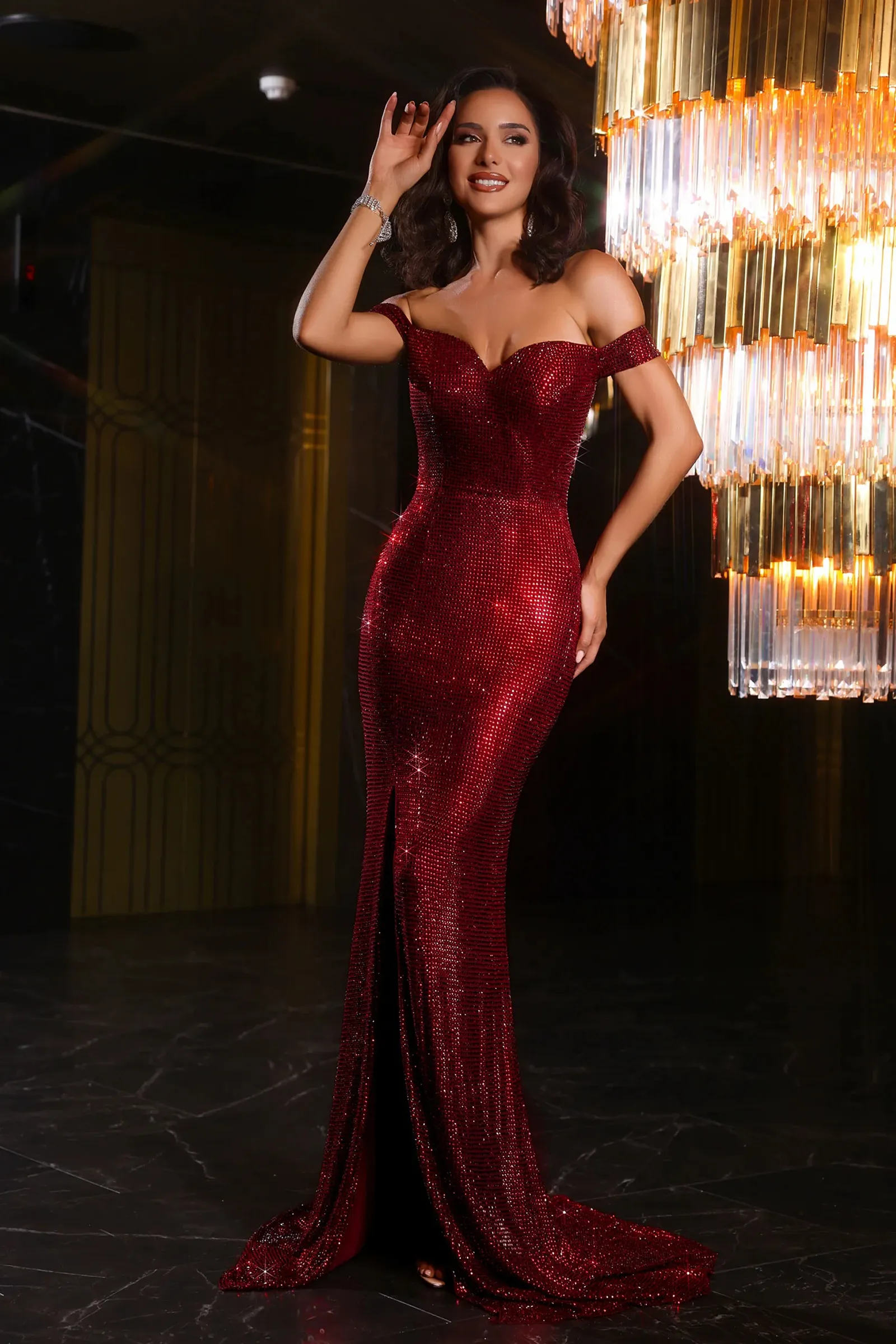
Yellow Prom Dresses


Yellow Prom Dresses in Warm and Bright Shades
Yellow prom dresses bring warmth and brightness to formal styling, but different shades can create entirely different impressions. A light lemon tone feels softer than saturated sunflower yellow, while golden undertones add more warmth. Whether you prefer a flowing skirt, fitted gown or sharply defined bodice, the fabric finish and shade influence the result. Compare the yellow tones, dress cuts and details that best fit the look you want for prom.
The Undertone Makes Yellow Feel Different
Pale lemon often looks cooler and lighter than marigold, which carries more orange. Butter yellow sits between cream and bright yellow; golden yellow can appear richer when photographed under warm lighting. Look at the listed color and product images rather than assuming that every garment described as yellow has the same undertone.
A wide skirt places more yellow fabric in view, so shade becomes more dominant. A fitted dress shows less moving volume and puts greater emphasis on the bodice and the body outline. If you like warm color but want a more metallic effect, Gold Prom Dresses offer a different finish.
In natural light, pale yellow may appear closer to ivory than it does under indoor bulbs. If you are comparing a light design to Champagne Prom Dresses, focus on the actual hue, not the generic category label.
Light, Bright, and Golden: Three Shopping Directions
A light shade can work particularly well if you want the neckline, skirt folds or raised decoration to lead the look. Brighter yellow makes the color itself the focal point, especially on an uninterrupted A-line skirt. A deeper golden yellow often gives a warmer appearance without requiring sequins.
Consider whether you want the shade to be the main feature or a background for embellishments. Visible beading, embroidery and lace can change the balance, particularly where lining shows through. Pastel Prom Dresses help when your preference is a quiet, pale color rather than vivid yellow.
Avoid deciding only from a thumbnail. Enlarged photos of the garment let you assess if the material looks matte, reflective, layered or textured. These characteristics change how yellow reads in a room.
· Compare the undertone in close-up photos.
· Look at the skirt shape from the side.
· Check how embellishments affect the color.
Silhouettes That Give Yellow Its Shape
 A-line designs create a wider area of color toward the hem. Mermaid gowns stay narrow through the upper skirt before widening lower down. Shorter silhouettes expose more of the shoes and keep the outfit visually lighter. The right cut depends on whether you want the dress to feel flowing, closely fitted or structured.
A-Line Prom Dresses provide a useful reference when you like a defined waist and widening skirt. For more contour, compare Mermaid Prom Dresses and check where the skirt begins to flare. A yellow dress with a large skirt may emphasize color before details; a fitted dress draws attention to seams and neckline.
Think about the actual venue. If you expect a crowded dance floor, pay attention to skirt width, lining, hem clearance and whether a train needs handling. Those factors matter more than a broad promise that a style is comfortable.
· Compare the undertone in close-up photos.
· Look at the skirt shape from the side.
· Check how embellishments affect the color.
Necklines and Details Against a Yellow Base
A strapless neckline makes the shoulders visually prominent, while a halter or V-neck changes how the fabric frames the chest. Yellow often makes contrasting trim visible; it can also make transparent sections stand out if their lining differs from the main fabric. Look carefully at each garment rather than assuming the same finish across styles.
Strapless Prom Dresses are useful for comparing clean upper edges with sweetheart shaping. An off-the-shoulder design softens the shoulder line, while a corset-inspired bodice introduces seams and possibly lacing. Do not assume that visible boning means adjustable fit; check the garment description.
If yellow feels too bold across the entire gown, ornament concentrated around the bodice can interrupt the color. For another warm direction without the same yellow base, compare Peach Prom Dresses.
· Compare the undertone in close-up photos.
· Look at the skirt shape from the side.
· Check how embellishments affect the color.
Accessories That Do Not Compete with the Dress
Accessories can either extend a warm color palette or create deliberate contrast. Neutral shoes let yellow remain prominent. Metallic details can coordinate with richer golden undertones, while lighter shades may suit a softer finish. There is no universal rule: the fabric surface and your own preferences should guide the combination.
Large earrings may compete with heavily beaded straps or a decorative neckline. A plain bodice leaves more room for visible jewelry. If a long skirt reaches the floor, shoe color may matter less in photographs but heel height can change hem clearance.
A small bag, footwear and outer layer should be considered together rather than selected separately. This is especially useful when the shade leans toward orange and could look noticeably different beside cool-toned accessories.
· Compare the undertone in close-up photos.
· Look at the skirt shape from the side.
· Check how embellishments affect the color.
Compare a Shortlist Without Losing Sight of Fit
Once you find a shade you like, compare two or three dresses with different waist placements or skirt cuts. That gives you a meaningful choice between silhouettes instead of three nearly identical options. Check the fabric details, lining, measurements and closure information for the actual garment.
For online shopping, use the designer size chart rather than your usual clothing size alone. Ask whether the bodice is fitted at the waist, whether the skirt has a slit and whether alterations are likely to affect decorative details.
At Formal Dress Shops, you can explore yellow styling alongside the wider Prom Dresses collection. Select the look that makes sense for your night, not simply the brightest thumbnail.
· Compare the undertone in close-up photos.
· Look at the skirt shape from the side.
· Check how embellishments affect the color.
Yellow Embellishment Without Losing the Color
A gown with tone-on-tone embroidery can have more detail than it shows at first glance. A contrasting applique, by comparison, may become the focal point even when it covers less fabric. Study the bodice and lower skirt separately to understand where the eye will travel.
A pale yellow gown with a layered skirt may show several slightly different tones at once because transparent and opaque fabrics absorb light differently. That can be part of the appeal, but the lining color deserves attention. Compare close-up photographs with a full-length image before deciding which yellow treatment you prefer.
If a matching wrap or shawl is important, choose it after identifying the true gown shade. Two items labeled yellow can clash if one is green-based and the other orange-based.
· Compare the undertone in close-up photos.
· Look at the skirt shape from the side.
· Check how embellishments affect the color.
Frequently Asked Questions
Are pale yellow gowns the same color as champagne?
No. Pale yellow generally carries a clearer yellow tint, while champagne often has beige or golden-neutral undertones. Product photos and listed colors are the best basis for comparing individual dresses.
Will yellow look the same in indoor and outdoor photographs?
Not necessarily. Different light sources can make warm shades appear deeper or cooler, especially if the fabric has sheen. Review multiple product views and expect lighting to change the appearance slightly.
Can yellow be worn with silver accessories?
Yes. Silver can create a cooler contrast with yellow, while gold tends to reinforce warm undertones. The best combination depends on the garment finish and the effect you want.
Does a yellow dress need elaborate decoration to look formal?
No. A well-shaped bodice, considered skirt proportion and clean neckline can all create a formal appearance. Sequins or beading offer a different direction, not a requirement.

Follow us


