



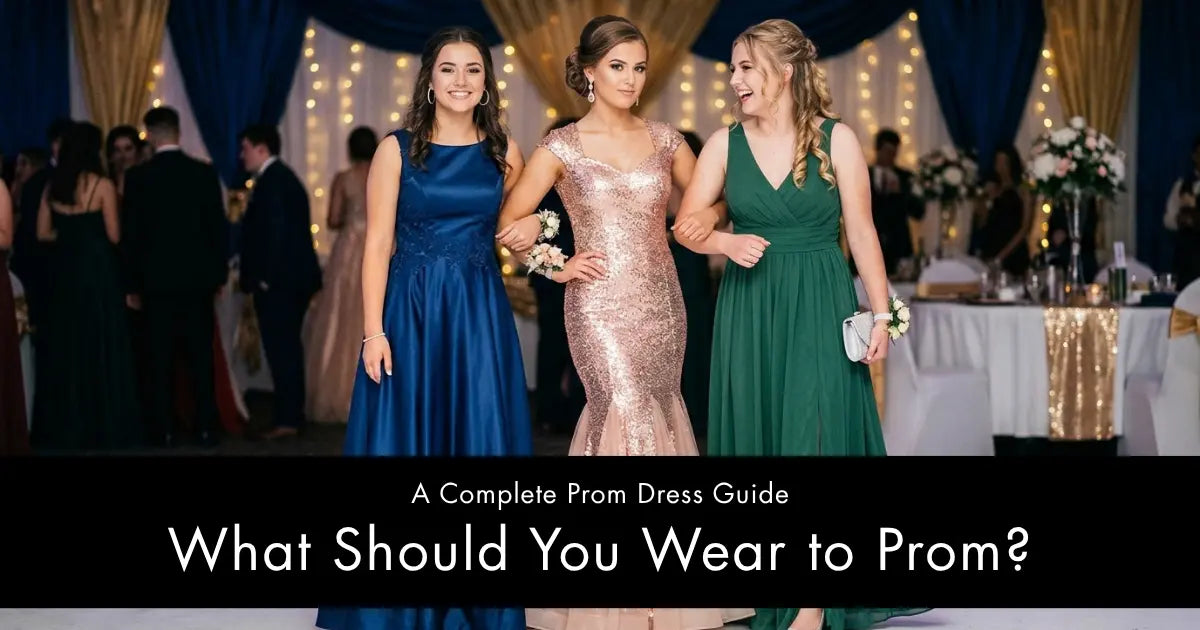
What Should You Wear to Prom?
What should you wear to prom? Wear a formal dress or gown that follows your school's dress code, flatters your body shape, and lets you walk, sit, and dance comfortably all night. Most girls choose a floor-length gown, but a tea-length or short cocktail dress also works when the event is less formal.
That is the short answer. The longer answer depends on a few choices you make in the right order. You need to know the dress code first, then the length and silhouette, then color, fabric, and fit. Shoes and accessories come last because they should match the dress, not the other way around.
This prom dress guide walks you through each of those steps in plain language. It is based on the questions shoppers ask us most often at Formal Dress Shops, from "Is a short dress too casual?" to "How early should I start shopping?" By the end, you will know exactly what to wear to prom and how to put the whole look together without stress.
Start With Your School's Prom Dress Code
The dress code is the first thing to check before you shop. Many schools post their prom attire rules on the ticket page, in the student handbook, or in an email to parents. Some schools are strict about hemlines, slits, and cutouts, while others only ask for "formal wear." Knowing the rules early saves you from buying a dress you cannot wear.
If your school has no written policy, ask the prom committee or a class advisor. It is a two-minute question that can save you a return trip and a restocking fee.
What Does "Formal" Mean for Prom?
For most proms, formal means a long gown or a dressy knee-length or midi dress in an elevated fabric like satin, chiffon, or sequins. It does not mean a sundress, a casual jersey dress, or anything you would wear to class. If the invite says "black tie," that is a clear signal to choose a floor-length gown.
Long, Midi, or Short: Which Prom Dress Length Is Right?
Length is one of the biggest decisions you will make, and it shapes the whole feel of your prom outfit. Here is how the three main lengths compare:
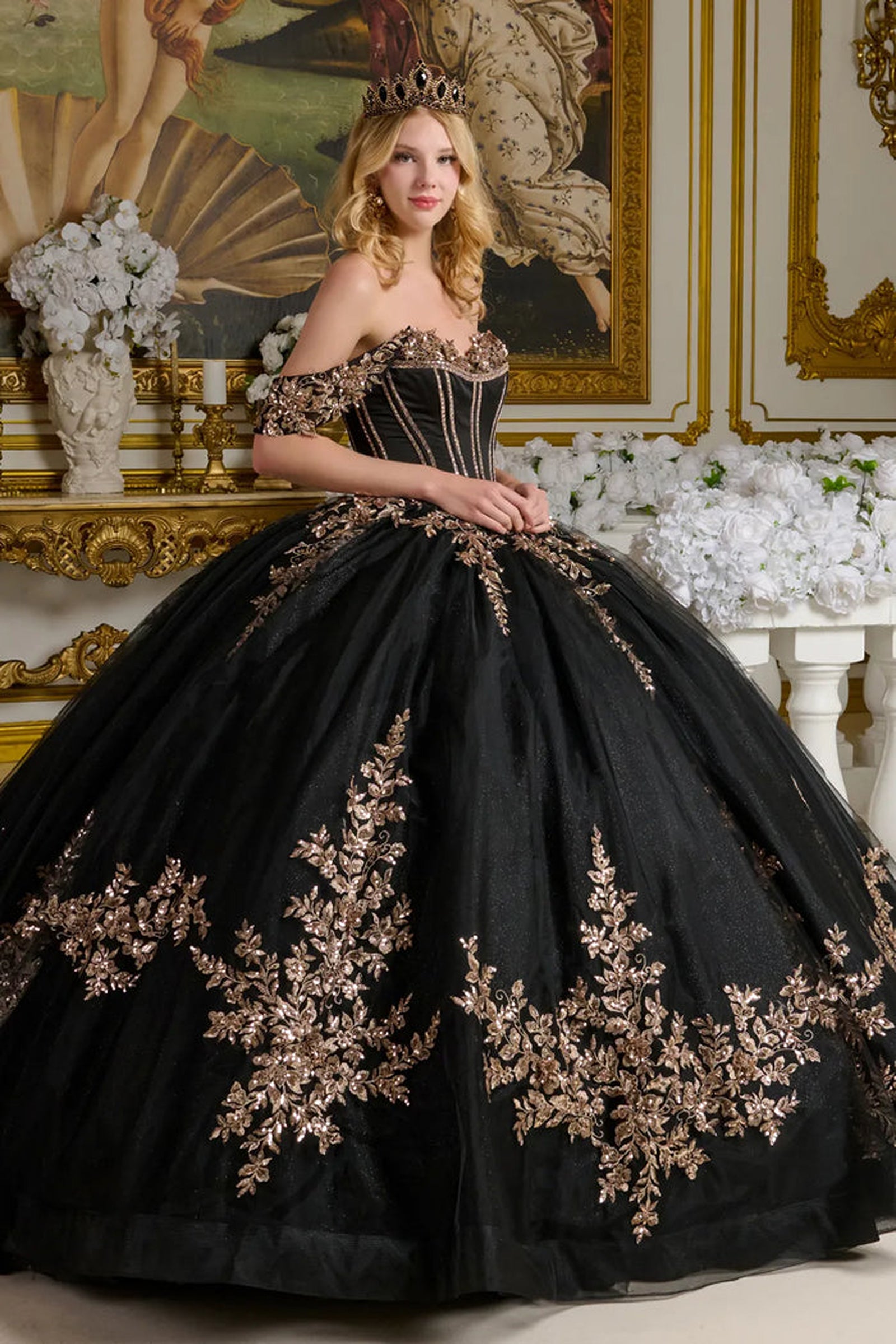
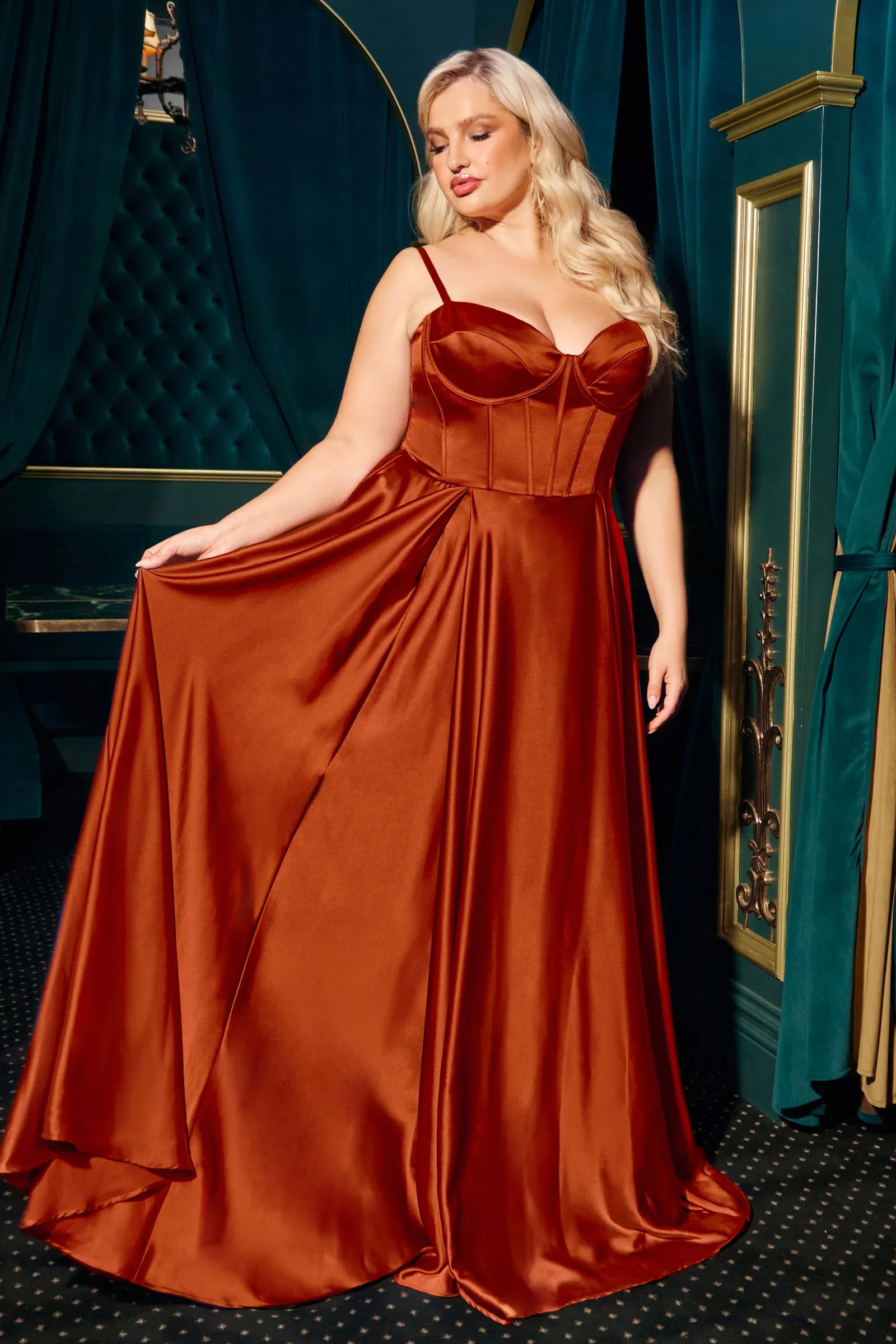
- Floor-length gown: The classic choice for most proms. It looks the most formal and photographs beautifully, but it needs hemming to match your shoe height.
- Midi or tea-length dress: Falls between the knee and the ankle. It feels dressy but is easier to walk and dance in.
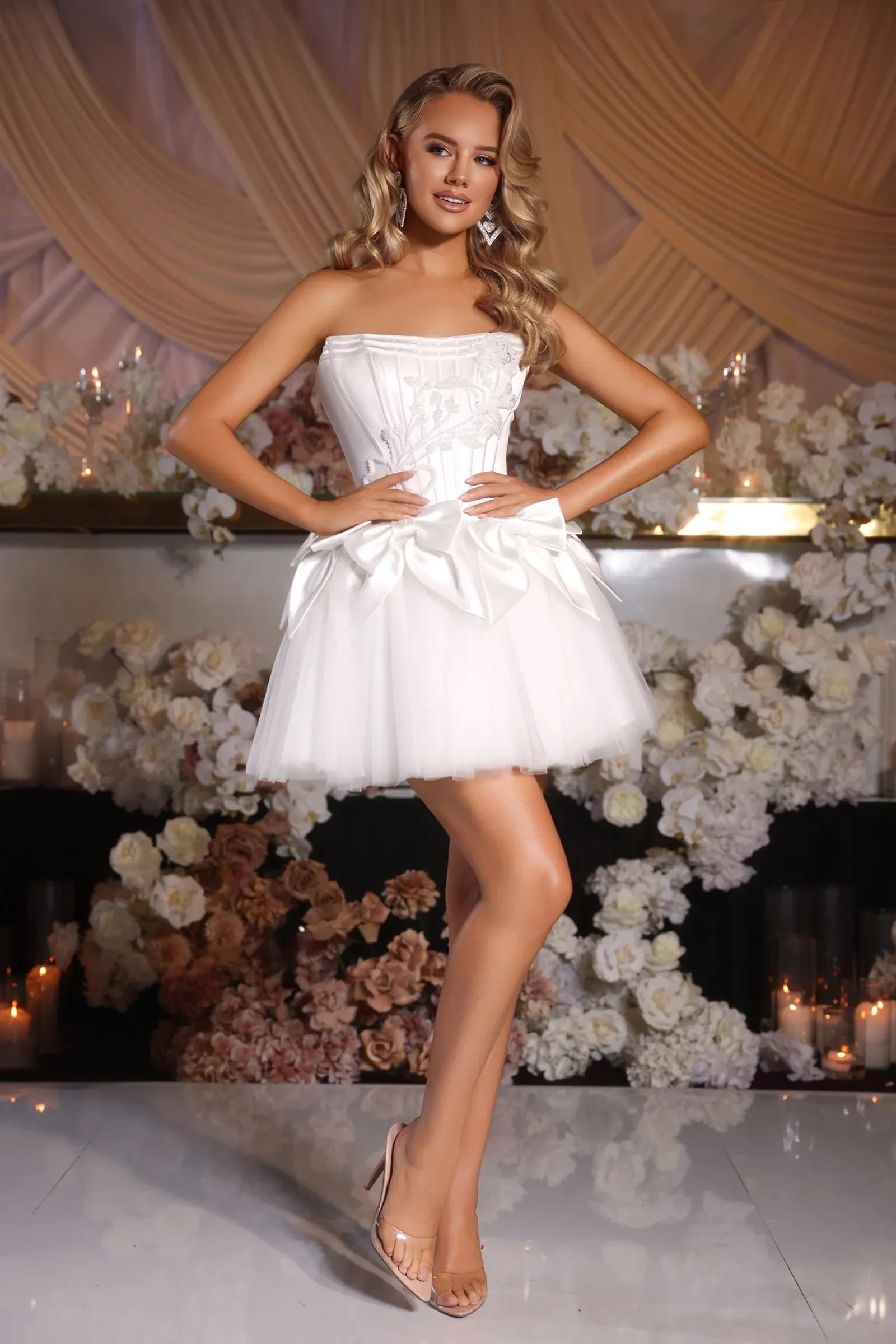
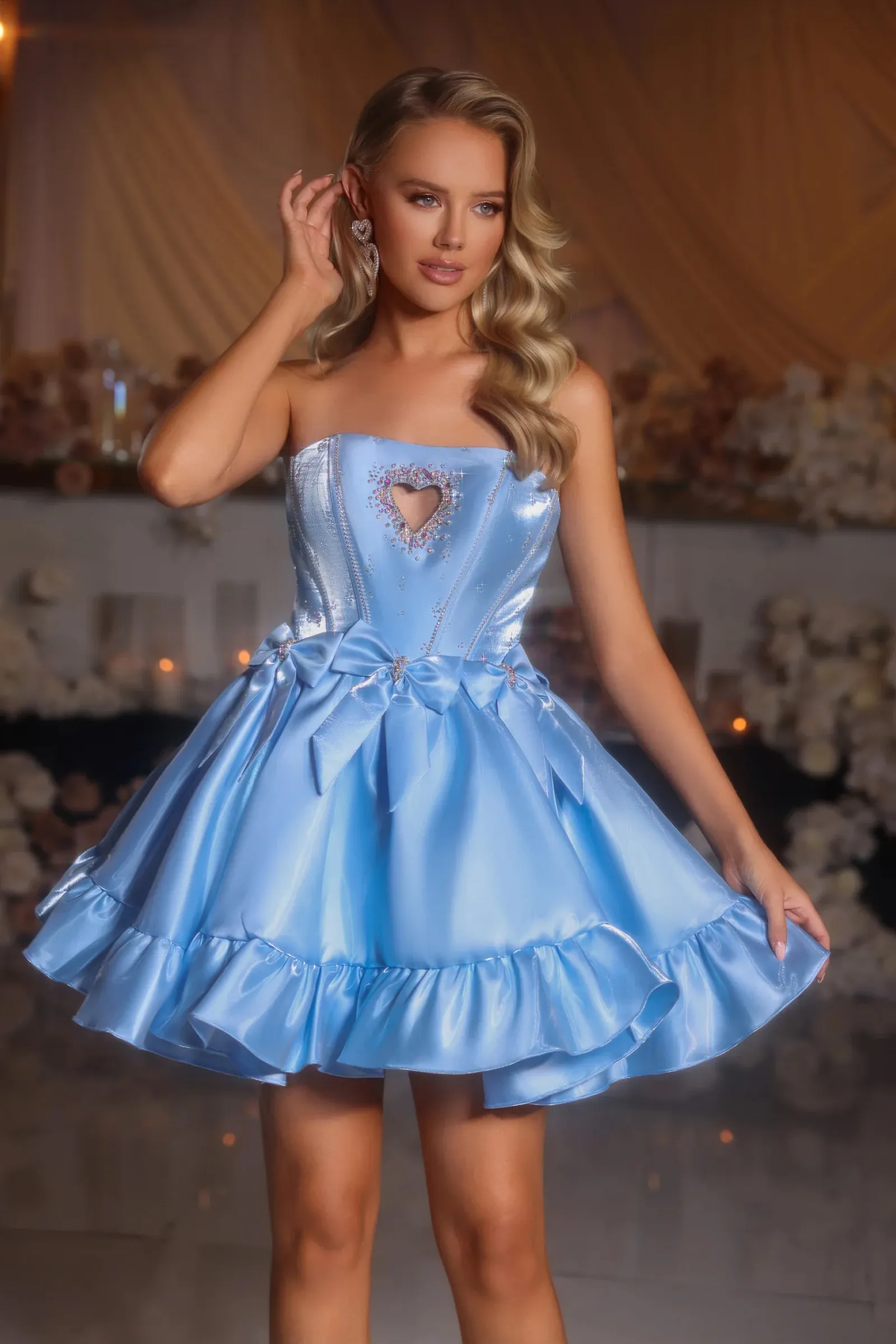
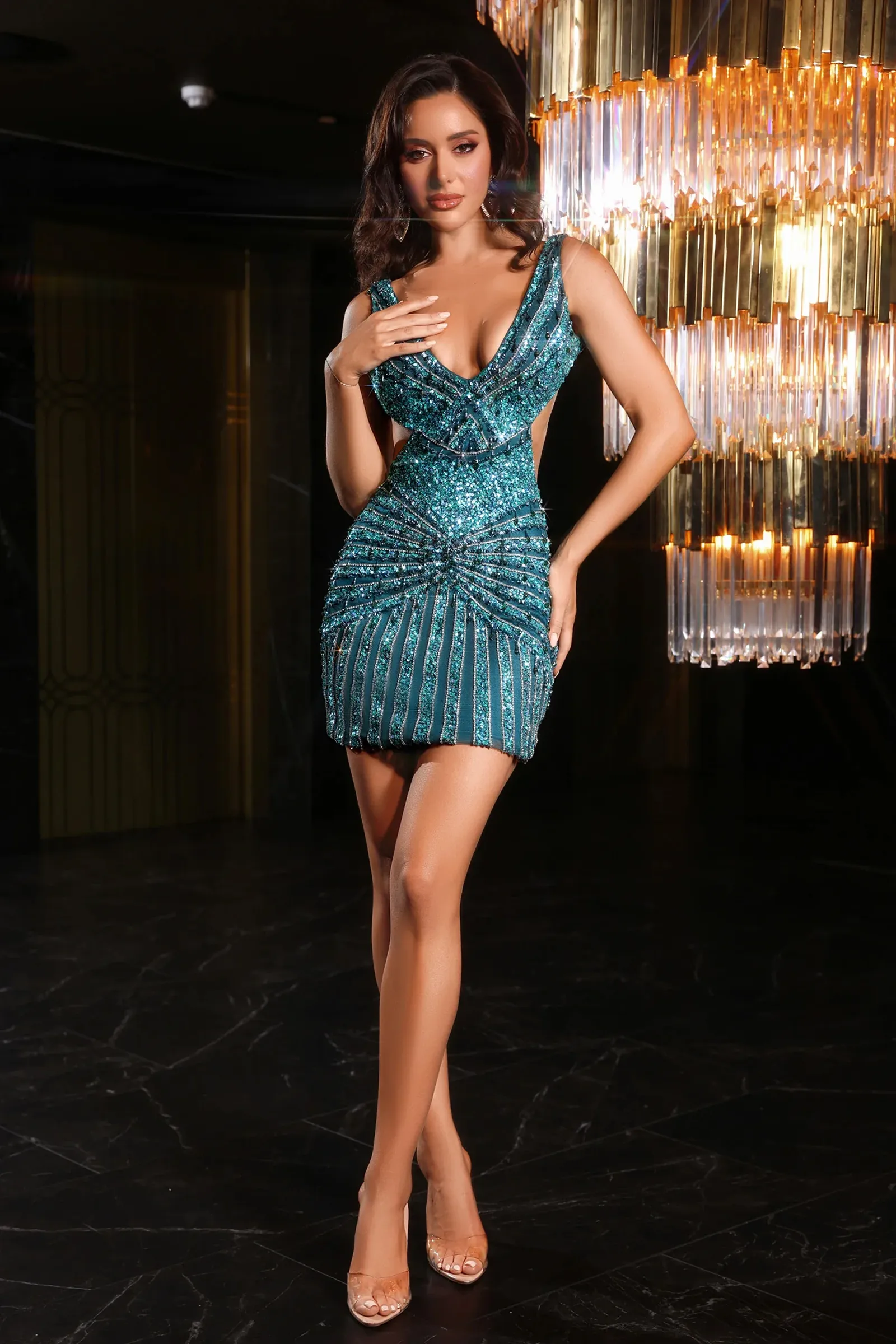
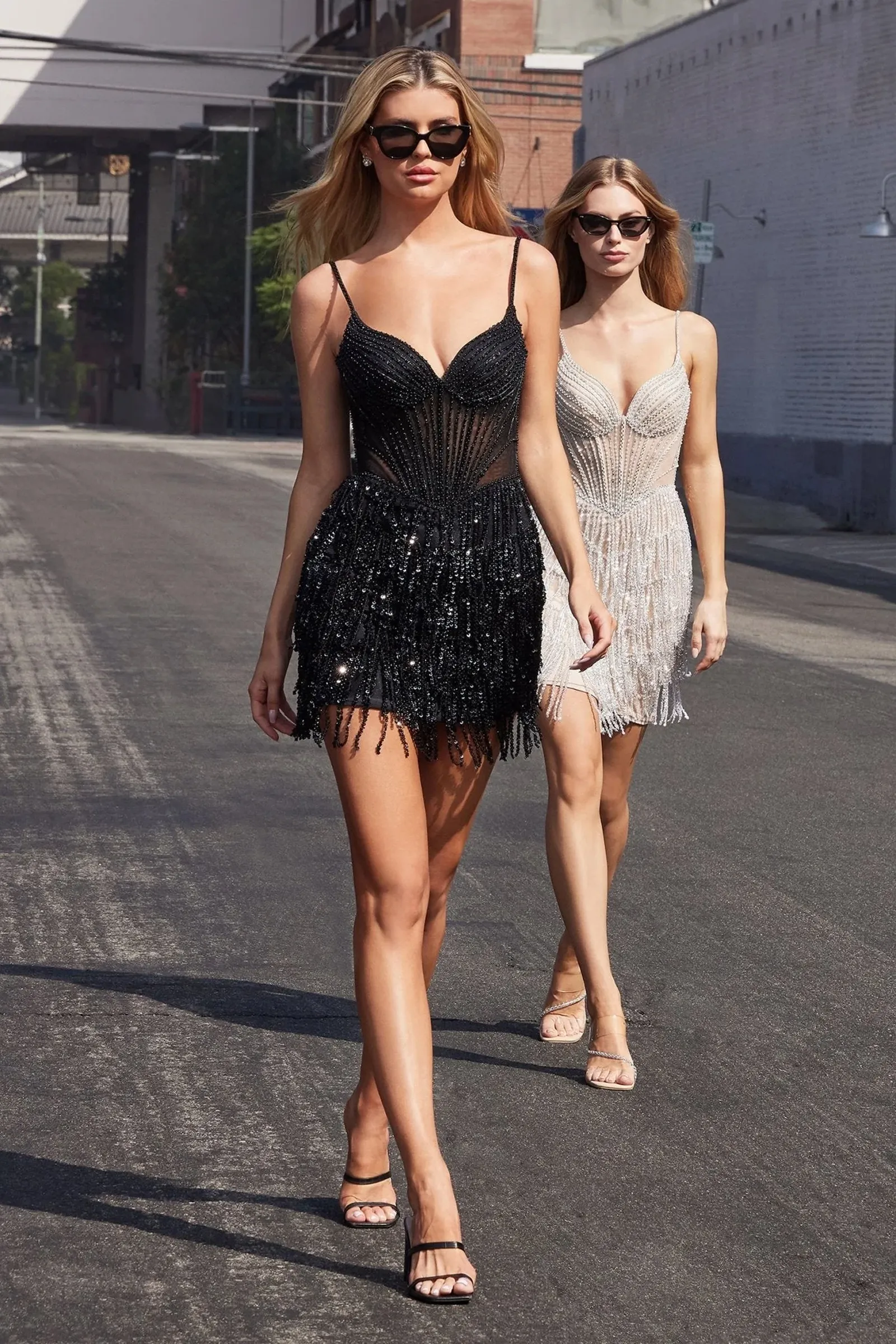
- Short or cocktail dress: Ends above or at the knee. It is fun and easy to move in, but check that your school allows it before you buy.
If you are torn between two lengths, think about your venue. An outdoor or garden prom often suits a shorter or midi dress. A hotel ballroom usually calls for a long gown.
Read More: Prom Dress Styles Explained
How to Choose a Prom Dress Silhouette for Your Body Shape
A silhouette is the overall shape a dress makes on your body. It matters more than color or trend because it decides how the dress fits, moves, and feels. The best prom dress silhouette is the one that shows off the parts of your figure you love and feels comfortable for five or six hours.
The Five Most Common Prom Dress Silhouettes
- A-line: Fitted at the waist, then flares out gently like the letter A. It flatters almost every body type.
- Ball gown: A fitted bodice with a very full skirt. It gives a princess look and suits a formal ballroom.
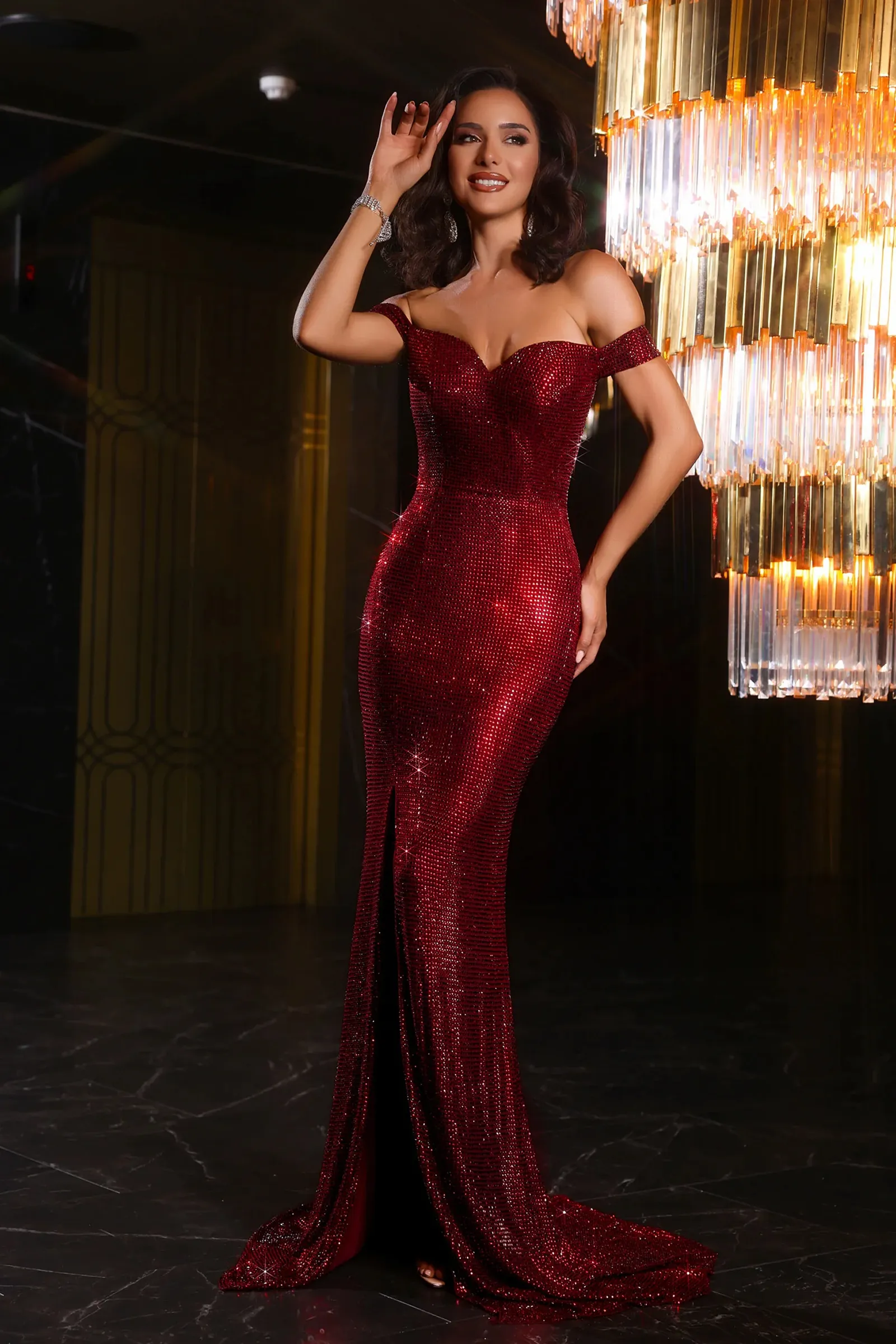
- Mermaid or trumpet: Hugs the body through the hips, then flares at or below the knee. It shows off curves.
- Sheath or column: Falls straight from the shoulders with little flare. It looks sleek and modern.
- Two-piece: A separate top and skirt, often with a small gap at the waist. It is playful and easy to mix and match.
Matching the Silhouette to Your Figure
If you have an hourglass figure, with a defined waist and balanced hips and bust, a mermaid or fitted sheath dress will follow your natural curves. Pear shapes, with hips wider than shoulders, often look great in an A-line or ball gown because the skirt skims the hips and the fitted top draws the eye upward.
If your shoulders are wider than your hips, try a V-neck or halter with a fuller skirt to add balance. For a straight or athletic build, a ball gown, a corset-style bodice, or a dress with a defined waistline can create shape. Petite girls can look taller in a column dress, a V-neck, or a high slit, while taller girls can carry long trains and dramatic skirts with ease.
These are guidelines, not rules. The most important test is how you feel when you look in the mirror. Always try at least three silhouettes, even ones you think are "not for you." Many shoppers are surprised by which shape they end up loving.
Picking the Right Prom Dress Color
The easiest way to choose a color is to look at your skin's undertone. Check the veins on the inside of your wrist in natural light. Blue or purple veins usually mean cool undertones. Green veins usually mean warm undertones. A mix of both means neutral undertones.
Cool undertones tend to glow in emerald, sapphire, lavender, silver, icy pink, and true red. Warm undertones look great in gold, coral, champagne, olive, burnt orange, and warm red. Neutral undertones can wear almost anything, so pick the color that matches your mood.
Think about your photos too. Very pale shades like white or light nude can wash out under a flash, and some schools discourage all-white dresses because they look bridal. Rich jewel tones and classic black photograph well in almost any lighting. If you are going with a date or a group, you can coordinate colors, but you do not need to match exactly.
Understanding Prom Dress Fabrics
Fabric affects how a dress looks, how it moves, and how warm it feels on a crowded dance floor. Satin is smooth and shiny with a structured look, which makes it great for ball gowns and sleek column dresses. Chiffon is light and floaty, so it works well for A-line and flowy styles, especially at warm-weather or outdoor proms.
Tulle is a soft netting used in full, layered skirts. It gives a romantic, airy look but can snag on rough surfaces. Sequin and beaded fabrics add sparkle and look stunning in photos, but they are heavier and can feel scratchy on the inside, so check that the dress is lined. Stretch crepe and jersey are the most comfortable choices and work well for fitted mermaid and sheath styles.
A good rule is to match the fabric to the silhouette. Structured fabrics hold volume, and soft fabrics drape and flow. When you shop, run your hand along the inside seams. Smooth finished seams and a full lining are simple signs of a well-made dress.
How Much Should You Spend on a Prom Dress?
Set your budget before you try anything on. It is much easier to stay on track when you already know your limit. Prom costs add up quickly once you include tickets, shoes, hair, makeup, and photos. Visa's 2014 Prom Spending Survey found that the average household spent $978 on prom-related expenses that year, so the dress is only one part of the bill.
For the dress itself, 2026 retailer price guides place most prom gowns somewhere between $350 and $650, with simple styles available for less and designer gowns costing more. A good plan is to decide your total prom budget first, then give the dress a fixed share of it. Remember to leave room for alterations, which commonly run from about $75 to $200 depending on how much work the dress needs.
If you want more dress for your money, shop sale racks, pick a simpler silhouette in a quality fabric, or choose a classic color you could wear again to a wedding or formal event.
When Should You Start Shopping for a Prom Dress?
Start shopping two to three months before prom. This gives you time to try on styles, order your size if the store does not have it in stock, and book alterations without rushing. Popular colors and sizes can sell out closer to prom season, so earlier shopping means more choice.
Plan for alterations at least three to four weeks before the event. Tailors get very busy in the weeks right before prom, and some changes, like taking in a beaded bodice, take extra time.
Getting the Fit Right
Fit is what separates a nice dress from a stunning one. A well-fitted prom gown should sit snugly at the bust and waist without pulling, gaping, or digging in. You should be able to raise your arms, sit down, and take a full breath without feeling squeezed.
Always try on your dress with the shoes you plan to wear. Hem length depends on heel height, and a long gown should just skim the floor so you do not trip on it. Bring your shoes, bra, and any shapewear to every fitting so the tailor can adjust the dress to how you will actually wear it.
Also Read: Ball Gown Dress Trends for 2026
Shoes, Accessories, and Final Touches
Once the dress is chosen, everything else should support it. The goal is a finished prom look where nothing competes with the gown.
Choosing Prom Shoes
Comfort matters as much as style because you will be standing and dancing for hours. Block heels, wedges, and lower heels of two to three inches are much easier to wear than thin stilettos. If your gown covers your feet, nobody will see your shoes, so choose the most comfortable pair. Wear them around the house for a few evenings before prom to break them in.
Jewelry and Handbags
Let your neckline guide your jewelry. A strapless or sweetheart neckline pairs well with a statement necklace, while a high neck or halter looks best with bold earrings and no necklace. If your dress is heavily beaded or sequined, keep jewelry simple. A small clutch or wristlet is all you need to carry your phone, lipstick, and ID.
Hair, Makeup, and Layers
Choose your hairstyle with your neckline in mind. Updos show off strapless and halter styles, while loose waves suit V-necks and open backs. Book hair and makeup appointments early, because salons fill up fast on prom weekend. If the night may turn cool, bring a wrap, shawl, or cropped jacket that matches your color palette.
A Small Prom Night Emergency Kit
A few small items in your clutch can save the night:
- Safety pins and double-sided fashion tape
- Blister pads and a pair of foldable flats
- Lip color, blotting papers, and bobby pins
- A phone charger or small power bank
Prom Dress FAQs
Can you wear a short dress to prom?
Yes, as long as your school's dress code allows it. A short or cocktail dress in a formal fabric like satin or sequins looks polished and is easy to dance in. Check hemline rules first, since some schools require dresses to reach the knee.
What should you wear to prom if you don't want a dress?
A formal jumpsuit or a dressy two-piece set is a great choice. Look for wide-leg styles in satin, crepe, or sequins, and style them with heels and statement jewelry. Confirm with your school that pants are allowed under its prom attire rules.
How do you know if a prom dress fits properly?
A well-fitted dress stays in place when you move, sit, and raise your arms. It should not pull at the zipper, gape at the bust, or need constant adjusting. The hem should skim the floor while you wear your prom shoes.
Find Your Prom Look With Confidence
Deciding what to wear to prom is easier when you follow a simple order. Check the dress code, choose a length and silhouette that suit your body, pick a color and fabric you love, and then plan the fit, shoes, and accessories around the gown. Start early, set a budget, and try on more styles than you think you need.
When you are ready to shop, browse the prom collection at Formal Dress Shops to compare lengths, silhouettes, and colors in one place, and find a dress that feels like you.




Leave a comment
This site is protected by hCaptcha and the hCaptcha Privacy Policy and Terms of Service apply.