


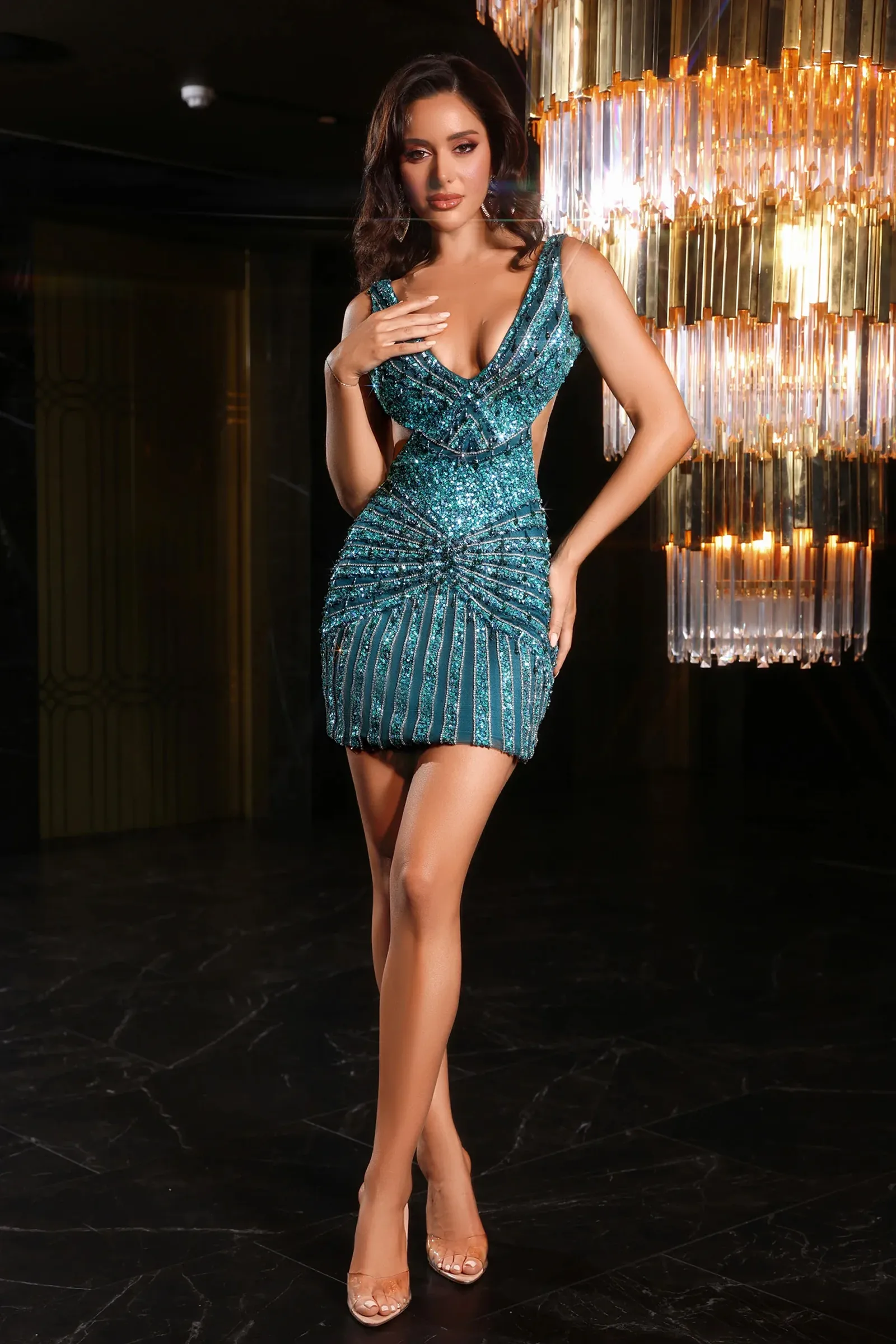
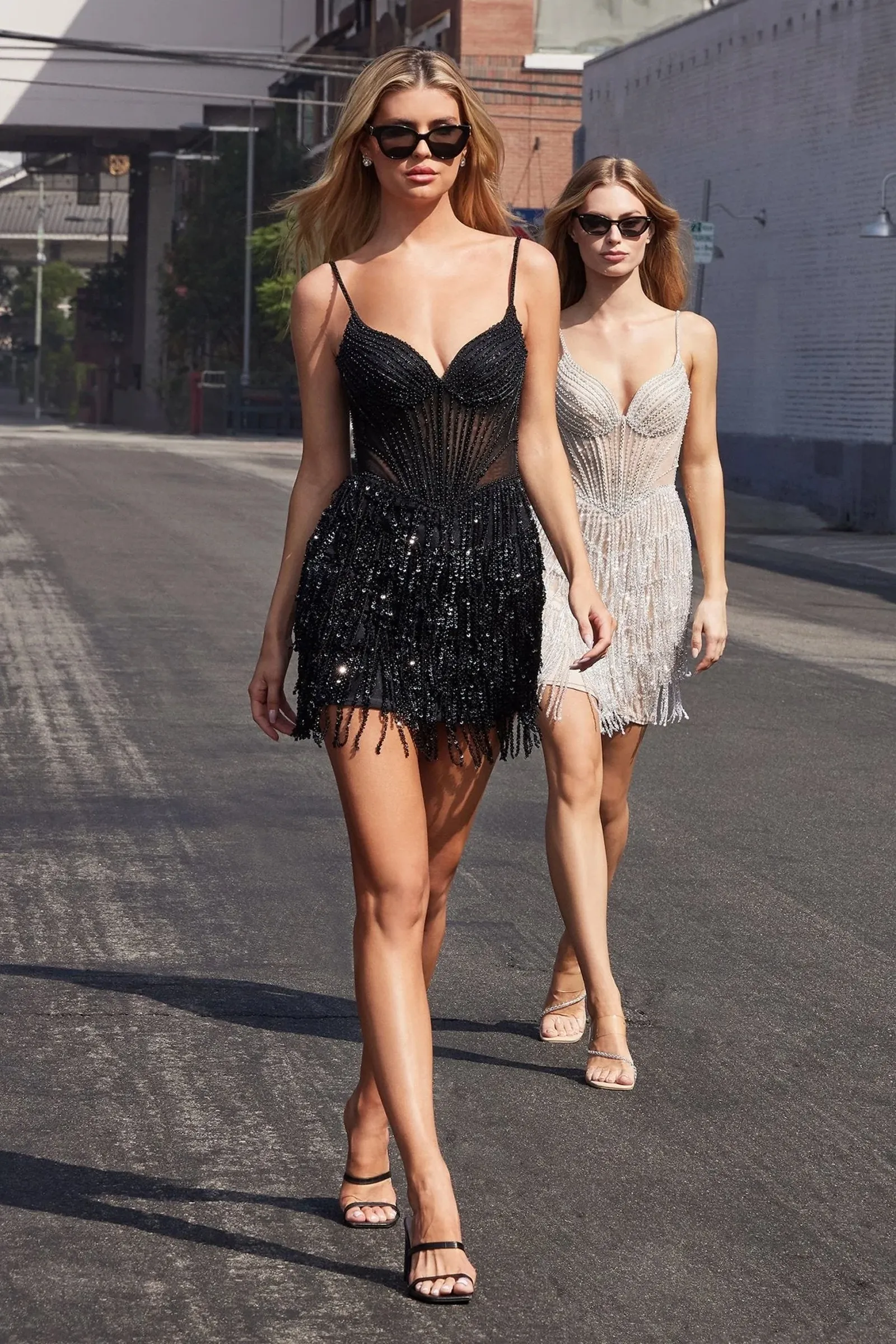
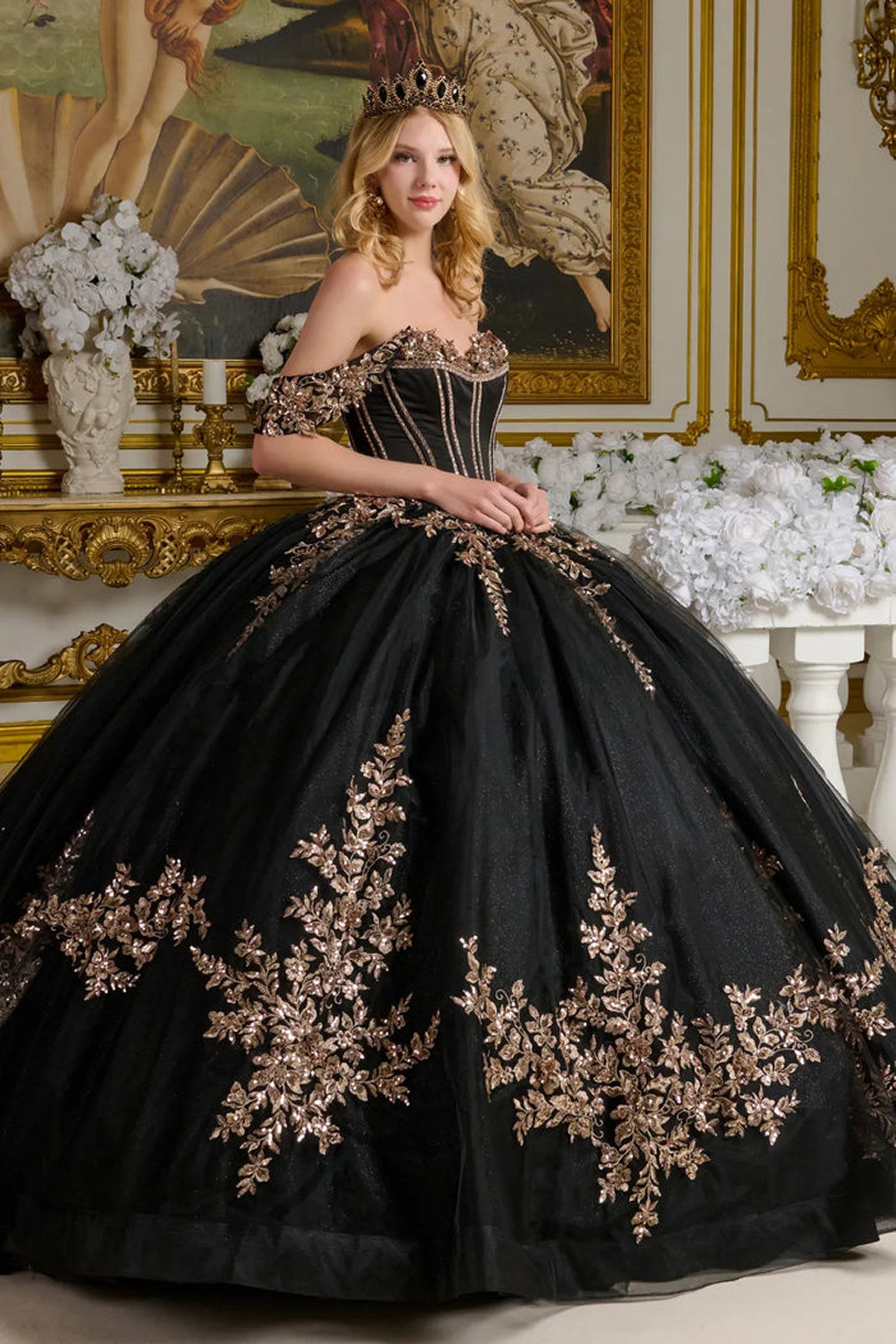

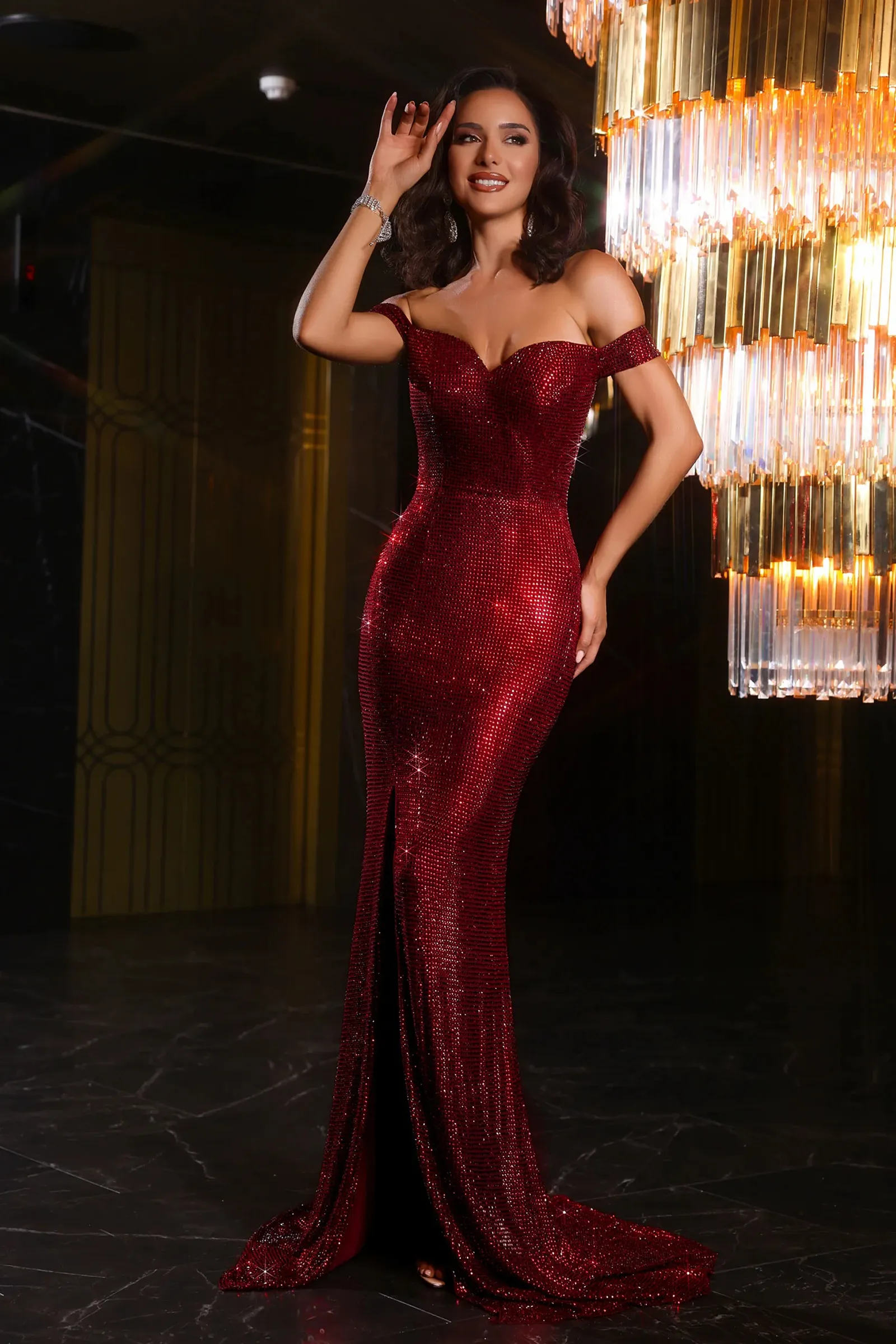
Lace Prom Dresses
-
 Off Shoulder Short Prom Dress A-Line Corset Lace Back Homecoming Dress By May Queen MQ1854
-
 May Queen MQ1643 A Line Embroidered Graduation Short Party Dress
-
 Off-Shoulder Lace Applique A-Line Homecoming Dress Beaded Corset Cocktail Dress by May Queen MQ1663
-
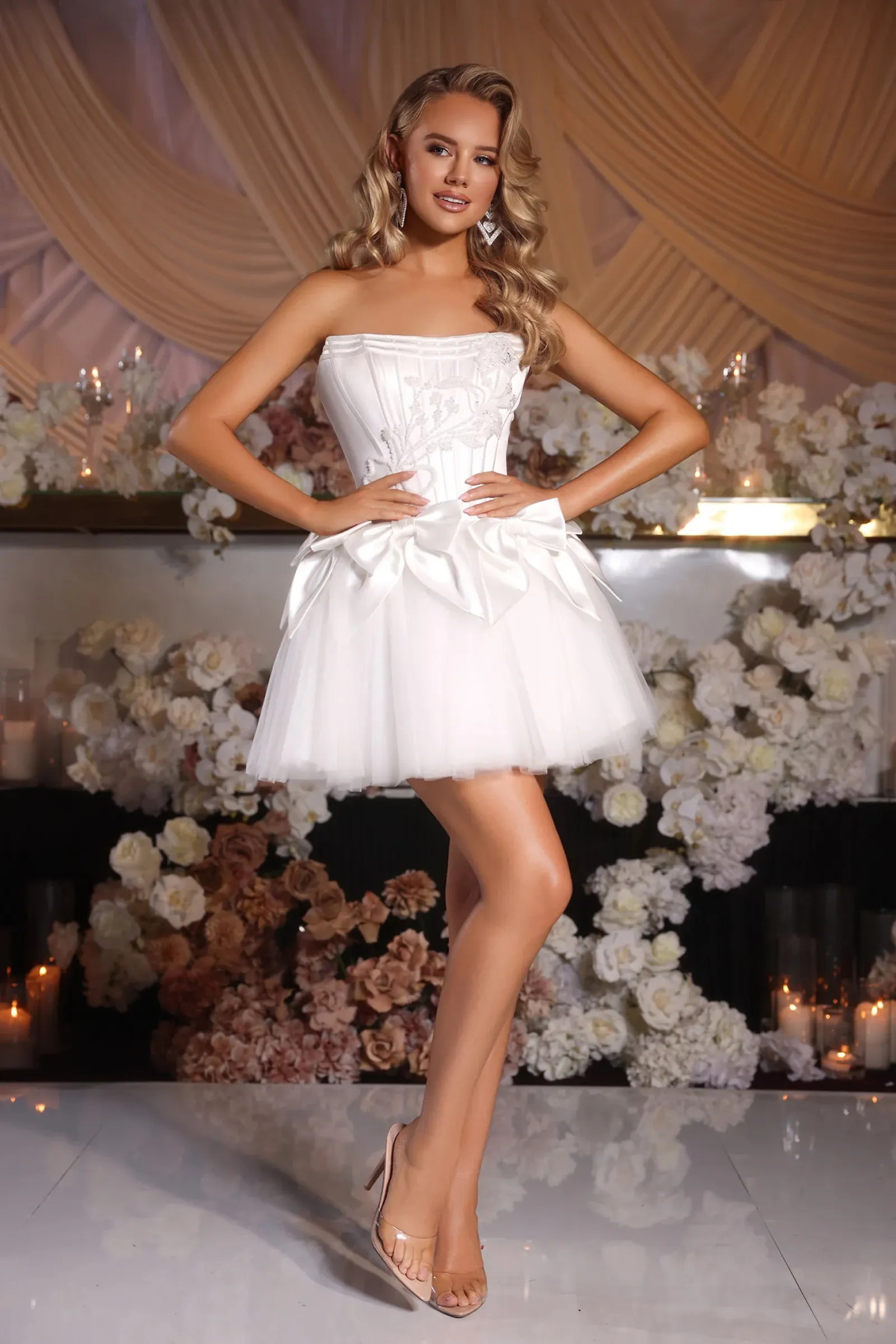
 Amelia Couture BZ9025S Lace Appliques Strapless Cocktail Dress


Lace Prom Dresses with Pattern, Texture, and Detail
Lace prom dresses stand out through pattern and texture rather than color alone. A floral overlay can look delicate, while dense lace motifs create a more defined surface. The lining, sleeve treatment and location of each panel influence how much detail you see. Whether you like a lace bodice paired with a simple skirt or pattern across the whole gown, comparing construction and placement will help you choose a dress that fits your preferred look.
Lace Placement Changes the Entire Dress
Lace concentrated on a bodice draws attention upward, whereas a lace overlay running through a full skirt creates a more continuous patterned effect. Larger motifs remain more visible at a distance; fine lace may reveal itself mainly in close-up photographs. Check whether the lace is a separate overlay, an appliqué, or part of the fabric design when product details explain it.
A close-fitting lace dress emphasizes its patterned surface across the body. On a wider skirt, folds can interrupt the motif and add depth. Shoppers comparing full-length options can also look through Long Prom Dresses for silhouette differences rather than only surface decoration.
Contrast matters. A colored lining beneath white lace can make the pattern stronger, while tone-on-tone layers often create a quieter effect. Do not assume the same lining under every lace item; each product may be built differently.
Sleeves, Illusion Panels, and Coverage
Lace sleeves can change the amount of skin that appears visible without covering the arm in the same way as opaque fabric. Open patterns and mesh-backed sections vary greatly, so photographs of both the front and back are valuable. A long sleeve in dense lace feels visually different from a thin patterned overlay.
A dress with lace near the neckline may use mesh to hold an illusion effect in place. Illusion Prom Dresses can be a useful comparison if you like detail that appears to sit over bare skin. For more comprehensive coverage, compare Long Sleeve Prom Dresses and examine sleeve lining.
Look at the shoulder seam and underarm in the photos if movement matters to you. Lace placement can influence how the dress looks when the arm is raised, but flexibility depends on actual construction rather than decorative appearance.
· Locate the lace on bodice, sleeves and skirt.
· Check whether the pattern has contrasting lining.
· Review seam placement before planning alterations.
Patterns, Colors, and Contrast
 Black lace on a matching lining gives a low-contrast effect; black lace over a lighter lining makes the motifs much more obvious. White lace can look bright and graphic, while red lace may carry stronger color intensity. Focus on pattern visibility, not only the color named in the listing.
Black Prom Dresses and White Prom Dresses provide useful shade comparisons when you are deciding how strongly you want a lace pattern to appear. A simple solid gown may be a better choice if you prefer a smooth, uninterrupted silhouette.
Floral lace can look romantic or sharply defined depending on motif size. Do not confuse fabric lace with printed flowers: Floral Prom Dresses may include entirely different surfaces and should be compared for their actual pattern type.
· Locate the lace on bodice, sleeves and skirt.
· Check whether the pattern has contrasting lining.
· Review seam placement before planning alterations.
A Lace Bodice with a Plain Skirt
A gown that combines a detailed upper section with a smooth skirt offers a balance between texture and a clean outline. The waist join becomes particularly noticeable, so inspect how the lace ends and where the skirt begins. Beading on top of lace adds another layer of depth and may alter the visual weight of the bodice.
If the dress also has a corset-inspired waist, seams may be partially hidden by the lace pattern. Corset Prom Dresses provide a separate look at bodice shaping and closure possibilities. A stitched corset appearance does not prove that a gown has functional lacing.
For a light skirt, look for details about lining and layer count. A full skirt may gain its shape from several fabric layers rather than lace itself. The overlay supplies appearance; the underlying construction controls structure.
· Locate the lace on bodice, sleeves and skirt.
· Check whether the pattern has contrasting lining.
· Review seam placement before planning alterations.
How Lace Looks in Photographs
Lace is highly sensitive to photo distance. From far away, intricate details can look like tonal shading; close-up images reveal the actual pattern. Look for photos that show the neckline edge, cuffs or hem because these often indicate whether the lace has a scalloped or straight finish.
Lighting also affects transparency. Dark lining can make a pattern stand out strongly while sheer sections may appear more or less visible depending on background. If a detail is important to your decision, rely on the product description rather than inferring too much from a single image.
A dress with sequins integrated into lace can reflect light, but that differs from the all-over shine typical of Sequin Prom Dresses. The distinction matters if you want texture to remain the main feature.
· Locate the lace on bodice, sleeves and skirt.
· Check whether the pattern has contrasting lining.
· Review seam placement before planning alterations.
Shop Lace with Fit in Mind
When comparing lace options, check bust, waist and hip measurements and examine the position of fitted seams. Changes to a lace-covered seam can affect how motifs align, so do not assume alterations will be invisible. Ask a qualified alterations professional about a specific garment if adjustments may be necessary.
Check the closure and lining description, especially where a dress includes sheer elements. A richly patterned bodice may conceal construction in the main photograph. Side and rear views usually offer a clearer picture.
Formal Dress Shops brings together formal styles for different preferences. Use this lace-focused page to examine surface texture and the broader Prom Dresses collection when you want to compare more silhouettes.
· Locate the lace on bodice, sleeves and skirt.
· Check whether the pattern has contrasting lining.
· Review seam placement before planning alterations.
Pattern Scale and Hem Finish
On a close-fitting skirt, small lace motifs can read like texture rather than individual flowers or shapes. A wide skirt gives large motifs more room to remain visible, particularly when the pattern repeats across several panels. This distinction can help when you want a dress that looks detailed in person but not visually busy in photographs.
Check whether the lace ends in a scalloped border at the hem or neckline. A shaped edge can become part of the design, while a plain finished edge places attention on the fabric pattern instead. Both effects can be attractive, but they suggest different accessory choices.
If you are drawn to lace because of its pattern, keep the jewelry proportional to the fabric. Bold accessories can interrupt a dense motif, while restrained pieces may allow the lace itself to remain the feature.
· Locate the lace on bodice, sleeves and skirt.
· Check whether the pattern has contrasting lining.
· Review seam placement before planning alterations.
Frequently Asked Questions
Is lace always see-through on a prom gown?
No. Lace can be layered over opaque lining or used as a decorative panel with limited transparency. Look at the actual garment images and lining details rather than assuming coverage.
Can a lace gown have a fitted silhouette?
Yes. Lace can cover narrow, shaped garments as well as wider skirts. The underlying cut determines fit; the lace itself contributes pattern and texture.
Are lace and embroidered mesh identical?
Not necessarily. Lace and embroidered mesh can create similar visual effects, but they may be constructed differently. Product material information is the best place to confirm which treatment is used.
Can lace details make alterations more complicated?
They can. Adjusting a seam with an all-over pattern or separate appliqués may require extra work to preserve continuity. A professional can assess the specific dress before changes are made.

Follow us


