



Lace Quinceanera Dresses
-
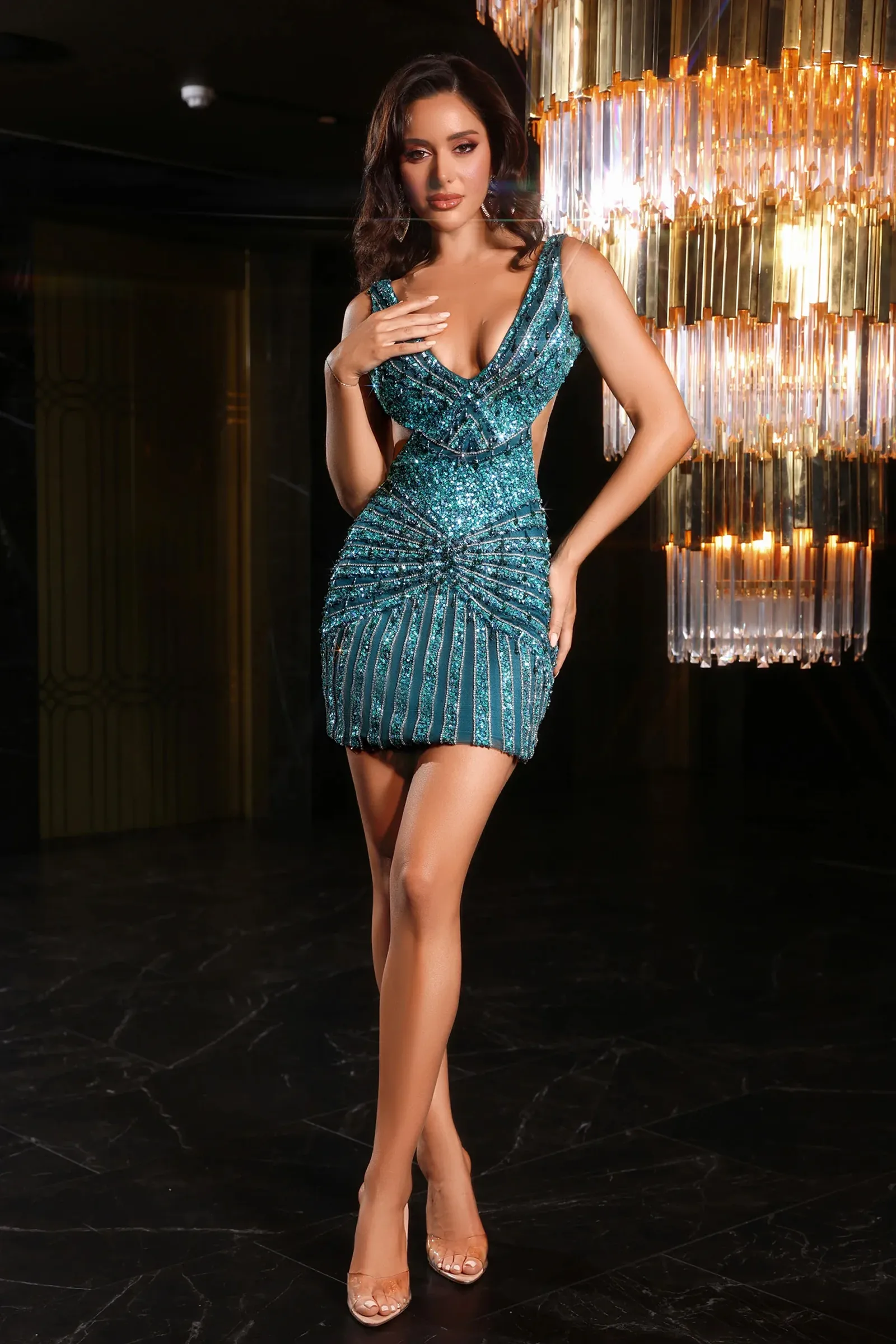
 Layla K LK220 Off Shoulder Sparkling Lace Up Quinceanera Ball Gown
-
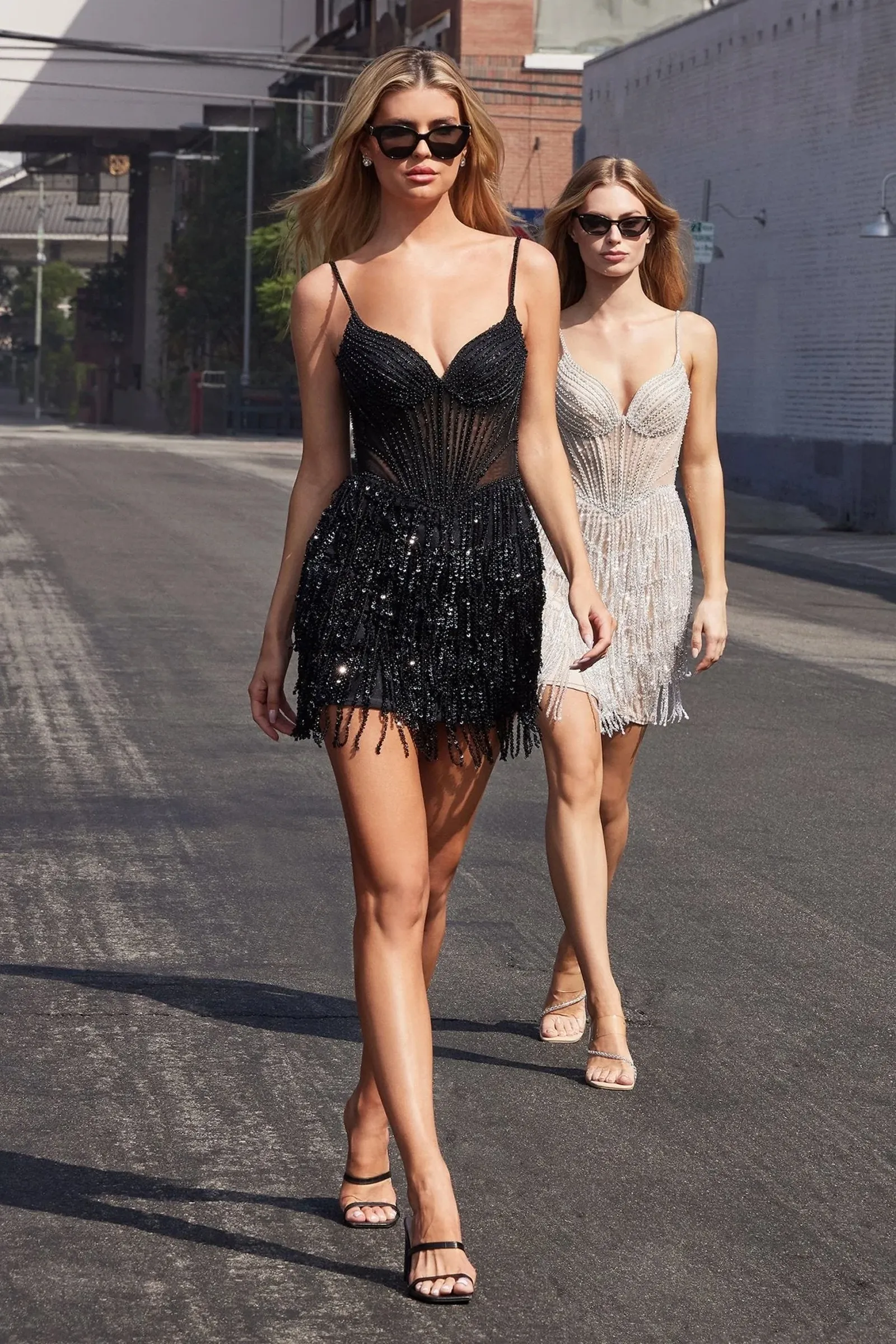
 Layla K LK236 Sweetheart Lace up Back 3D Embellished Quince Gown
-
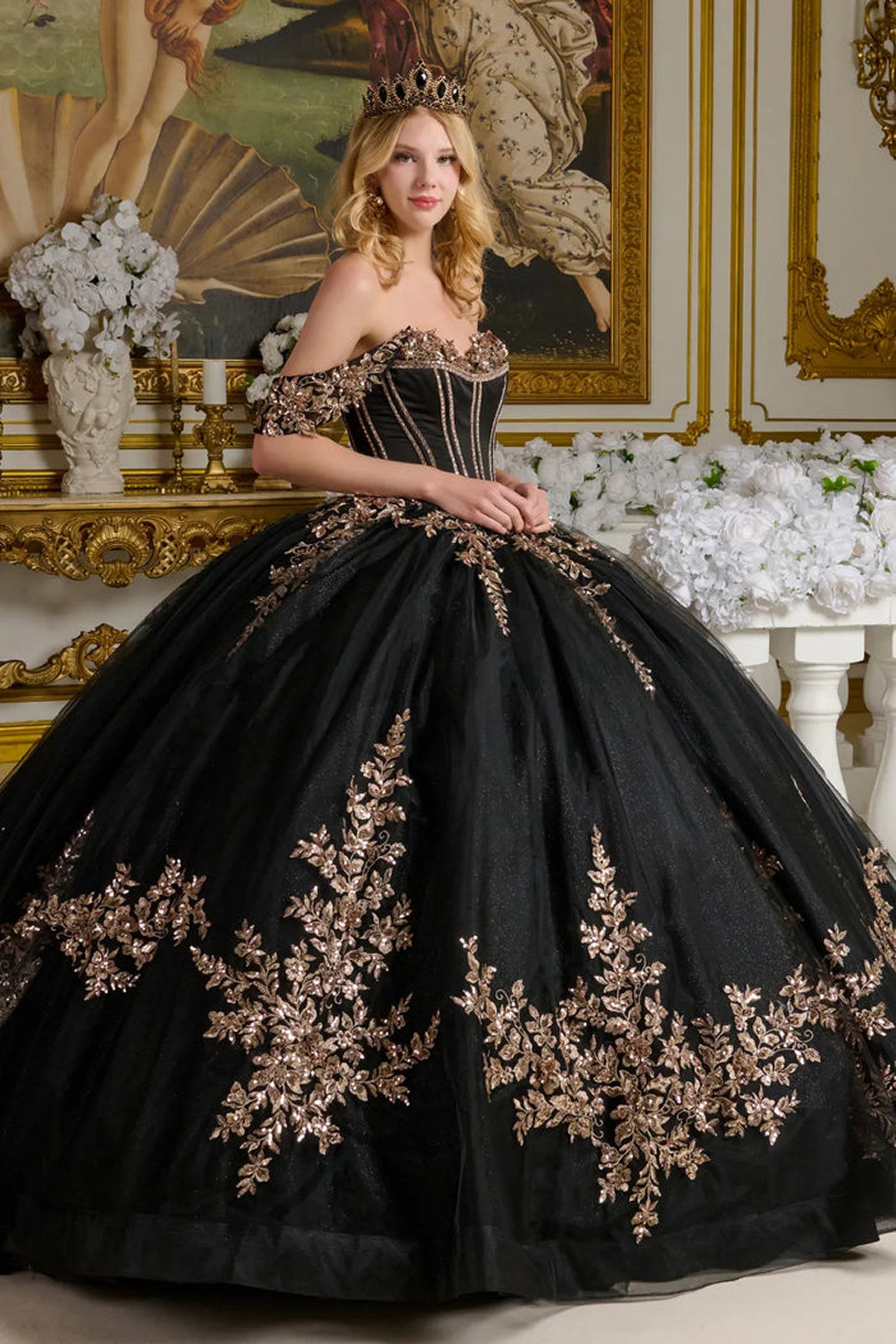
 Off-Shoulder Satin Corset Dress with Lace Appliqué and Ruffle Sleeves by Elizabeth K GL3803
-
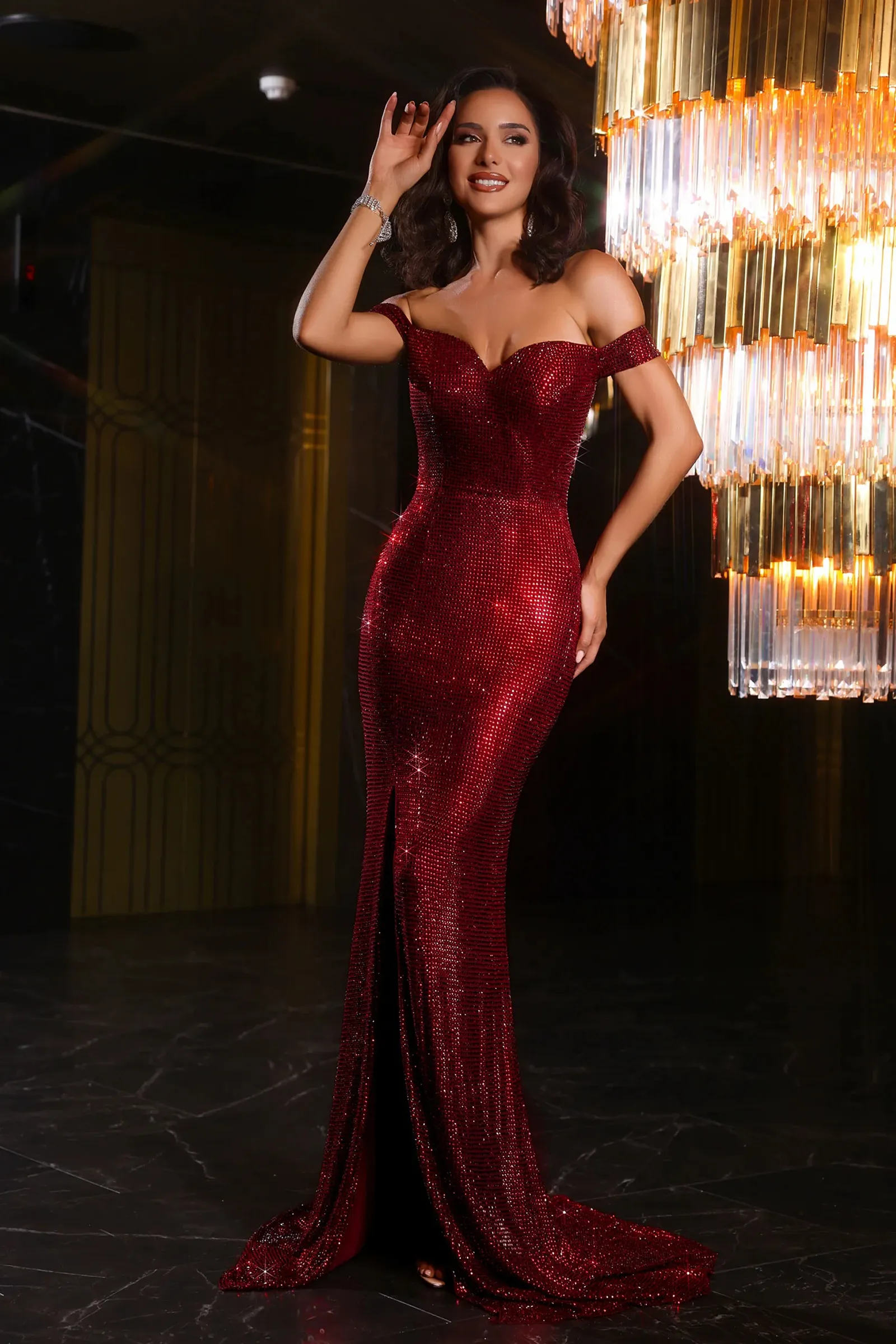
 Quinceañera Ball Gown with Beaded Corset Bodice Lace Appliqués & Cathedral Train by Layla K LK290


Lace quinceanera dresses feature decorative fabric patterns that add texture, romance, and detail to formal princess gowns. Lace may appear across the bodice, around the neckline, on sleeves, or throughout a full skirt. Some gowns use delicate floral lace for a soft appearance, while others feature large appliqués and embroidered overlays that create a dramatic design.
Choosing a lace gown involves more than selecting a pattern you like. The type of lace, its placement, the fabric beneath it, and how it is attached can influence the gown's appearance and comfort. A well-chosen lace design should complement your silhouette, suit the celebration, and remain comfortable throughout the event.
What Makes Lace Quinceanera Dresses Different?
Lace creates decorative detail through patterned fabric rather than relying entirely on metallic embroidery or sequins.
Its patterns may be floral, geometric, scrolling, or inspired by traditional ornamental designs.
Some lace is delicate and almost flat. Other styles have thicker threads, raised edges, or appliqués that create noticeable texture.
The background fabric matters just as much as the lace itself.
White lace over blush fabric produces a soft contrast. Black lace over a bright skirt can create a dramatic effect. Lace matching the base fabric creates a more subtle, textured appearance.
A gown with lace concentrated on the bodice can highlight the upper body while leaving the skirt smooth.
A dress with lace extending from the waist onto the skirt often looks more decorated and connected.
Consider the overall design rather than judging the lace from one close-up photograph.
Floral Lace vs. Embroidered Appliques
Lace and appliqués are related, but they are not identical.
Lace is a patterned fabric that can be used as an overlay or sewn into parts of a gown.
An appliqué is a decorative piece attached to the surface of another fabric. It may be made from lace, embroidery, or other materials.
Floral lace can create delicate patterns around the neckline or sleeves.
Larger embroidered appliqués may stand above the fabric and become more noticeable in full-length photographs.
Some designs combine both techniques. Lace may cover the bodice, while individual floral appliqués extend onto the skirt.
Check the edges and attachment points in close-up photographs.
Raised appliqués may need more careful handling than a smooth overlay, especially when altering or cleaning the gown.
Lace Bodices on Princess Ball Gowns
One popular approach is a fitted lace bodice above a large princess skirt.
The lace draws attention toward the neckline and waist, while the skirt creates the dramatic silhouette associated with a quinceañera.
Some bodices feature lace over satin lining. Others use sheer mesh panels with embroidered patterns.
The coverage can vary, so check whether the fabric beneath the lace is opaque.
A full skirt may be made from tulle, organza, satin, or several materials.
Browse ball gowns if you want to compare how lace bodices work with different skirt volumes.
A richly decorated bodice can look balanced with a plain skirt, while lace patterns spread across the skirt create a more elaborate appearance.
Lace on A-Line Dresses
Lace can also add detail to a less voluminous A-line gown.
An A-line skirt gradually widens from the waist and may feel easier to manage in smaller venues.
Lace placed around the waist or down the front of the skirt can add a formal finish without relying on extensive skirt volume.
Explore A-line quinceanera dresses to compare different silhouettes.
Lace Sleeves and Neckline Details
Lace can create beautiful sleeves, whether short, long, or off the shoulder.
A fitted lace sleeve may display embroidered flowers along the arm.
A sheer sleeve may create a lighter appearance, while a lined lace sleeve offers more coverage.
Lace can also outline sweetheart necklines, V-neck designs, or illusion panels.
For gowns with sheer patterned mesh, browse illusion quinceanera dresses.
Check whether lace touches sensitive areas around the neck and underarms.
A rough or heavily embellished edge may feel uncomfortable after several hours.
If the gown has decorative sleeves, try raising your arms and bending your elbows during the fitting.
How Lace Placement Changes the Silhouette
The direction and location of lace patterns can influence how the dress looks.
Appliqués arranged around the waist can emphasize the fitted bodice.
Patterns extending vertically down the skirt may create a flowing effect.
Large floral decorations concentrated near the hem draw attention toward the skirt's width.
Lace covering the entire gown creates a very different appearance from scattered appliqués.
If you prefer a romantic style, floral patterns may be suitable.
If you want a more formal royal look, larger ornamental lace designs can provide stronger visual impact.
Consider how the details look both close up and from a distance.
Choosing Colors for Lace Gowns
Lace can match the gown's base color or contrast with it.
Ivory lace over ivory fabric creates texture without strong color differences.
White lace on blue, pink, or green fabric becomes more noticeable.
Black lace over red or emerald can produce a dramatic appearance.
Metallic lace can add a warmer or cooler finish depending on whether it uses gold or silver thread.
The fabric underneath influences how the lace appears.
Satin reflects light, which may make lace patterns stand out differently than on matte tulle.
Review photographs under several lighting conditions when possible.
Lace Quality, Lining, and Comfort
Lace can vary in thickness, softness, and structure.
Fine lace may feel delicate and need careful handling.
Heavier embroidered lace can create more texture and weight.
The lining beneath the lace is important because it determines coverage and affects how the fabric feels against the skin.
Pay attention to the neckline, underarms, and waist seams.
Lace should not create uncomfortable friction where the gown fits closely.
If the dress has a corset bodice, the structural support usually comes from the underlying construction rather than the lace overlay itself.
Check product details for fabric and lining information before purchasing.
Altering a Lace Quinceanera Dress
Lace can make alterations more complicated.
A tailor may need to remove and reattach appliqués to adjust seams without breaking the decorative pattern.
Shortening a skirt with lace along the hem may require additional work because cutting the border can change the design.
If you expect significant alterations, discuss the gown with a professional before ordering.
Use accurate bust, waist, hip, and available length measurements.
Allow enough time for fitting appointments.
Do not assume every decorative lace panel can be altered in the same way.
Caring for Lace and Embroidery
Lace can snag on jewelry, rough surfaces, or other embellishments.
When putting on the gown, avoid pulling directly on decorative sections.
Store the dress in a suitable garment bag and keep it away from sharp accessories.
Follow the garment's care instructions before steaming or cleaning.
Some heavily embellished lace gowns may need professional cleaning.
After the celebration, inspect the lace around the hem and sleeves for loose threads or damage.
Proper storage can help preserve the dress if you want to keep it as a memory of your fifteenth birthday.
Styling a Lace Quinceanera Gown
Lace already adds visual texture, so accessories should support rather than compete with it.
If the neckline has detailed lace, small earrings and a tiara may be enough.
A simpler lace bodice may allow a delicate necklace.
Hair accessories should not snag on decorative mesh or appliqués.
Formal updos can show lace sleeves and necklines clearly.
Choose shoes that complement the gown's color and feel comfortable for dancing.
If you prefer a more dramatic neckline with lace sleeves, compare off-the-shoulder quinceanera dresses.
Frequently Asked Questions About Lace Quinceanera Dresses
What is the difference between lace and embroidery?
Lace is patterned fabric, while embroidery is stitching used to create decoration. Embroidered pieces may also be applied onto lace or other fabric.
Are lace quinceanera gowns comfortable?
They can be. Comfort depends on the lace texture, lining, construction, and fit.
Can lace be used on full princess skirts?
Yes. Lace may decorate the bodice, skirt, sleeves, or entire gown.
Is lace always see-through?
No. Lace can be layered over opaque lining or used as a sheer decorative section.
Can a lace gown be altered?
Often, but decorative patterns can make alterations more complex. Consult a professional tailor.
How should I clean a lace gown?
Follow the specific care label. Delicate or heavily embellished gowns may require professional cleaning.
Find a Lace Gown With the Details You Love
The beauty of a lace quinceañera dress comes from the relationship between its patterns, base fabric, bodice, and skirt silhouette. Compare floral appliqués, lace overlays, lining, and fit before choosing.
Explore the available styles at Formal Dress Shops and find a gown whose decorative details feel personal to your celebration.

Follow us


