


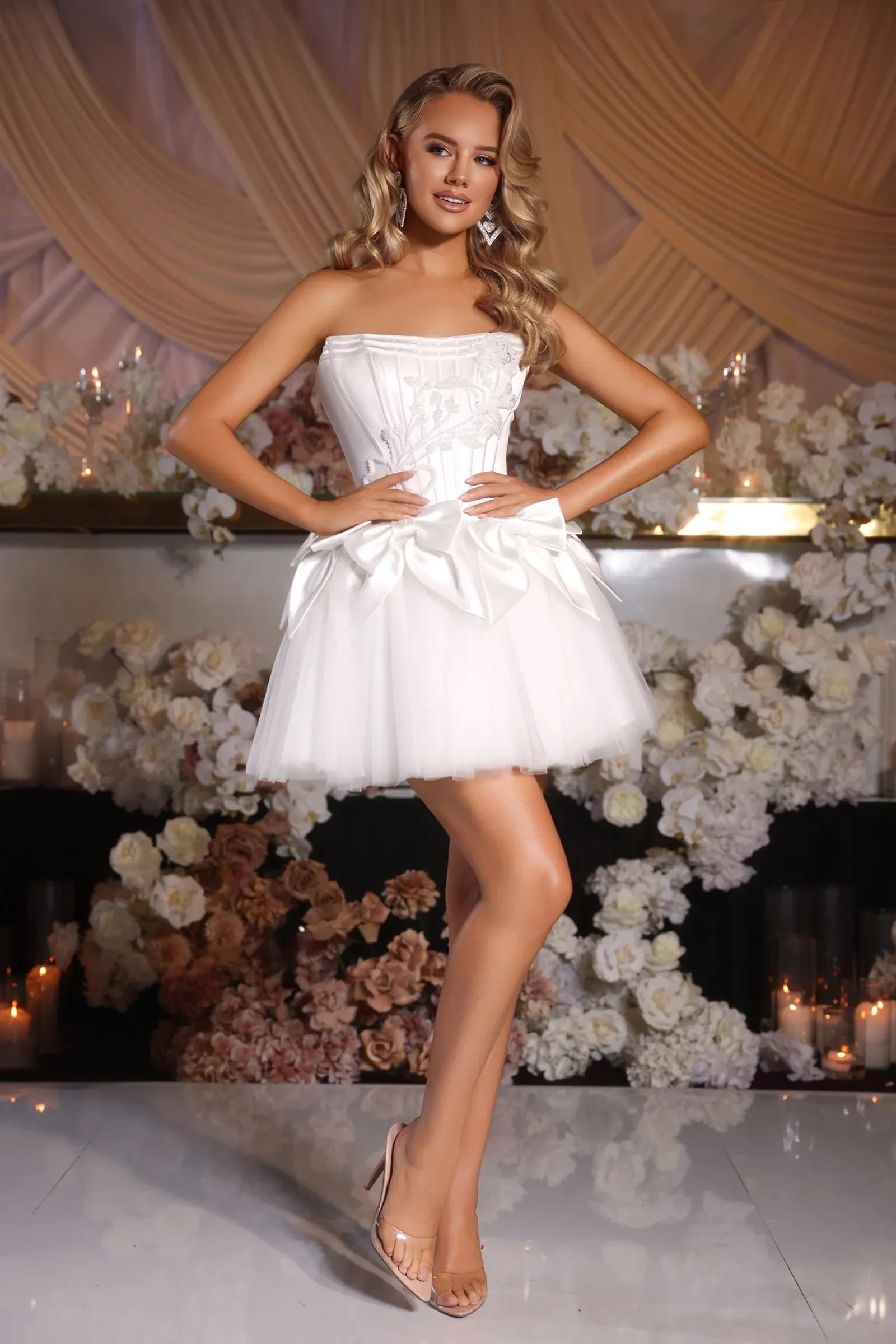
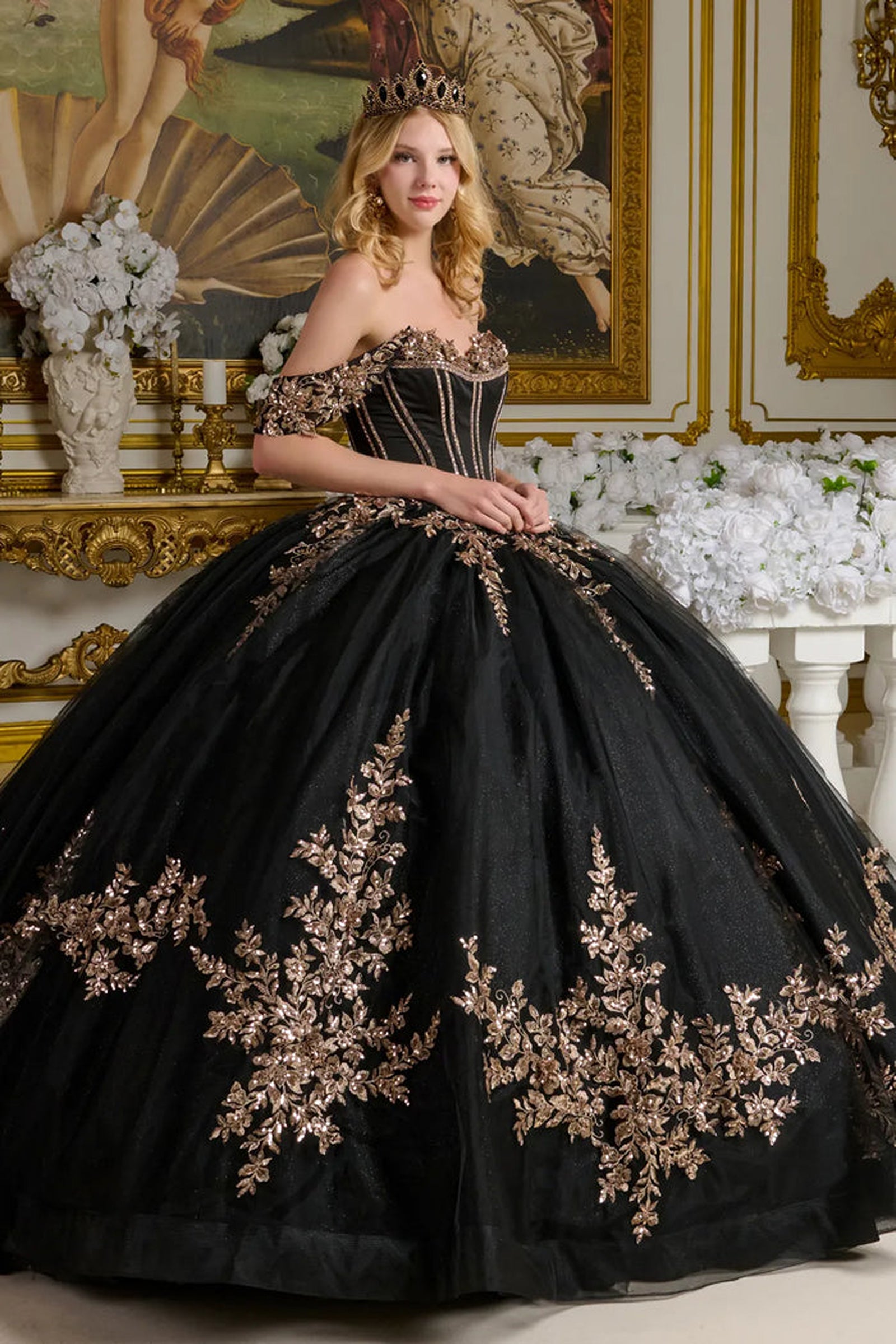

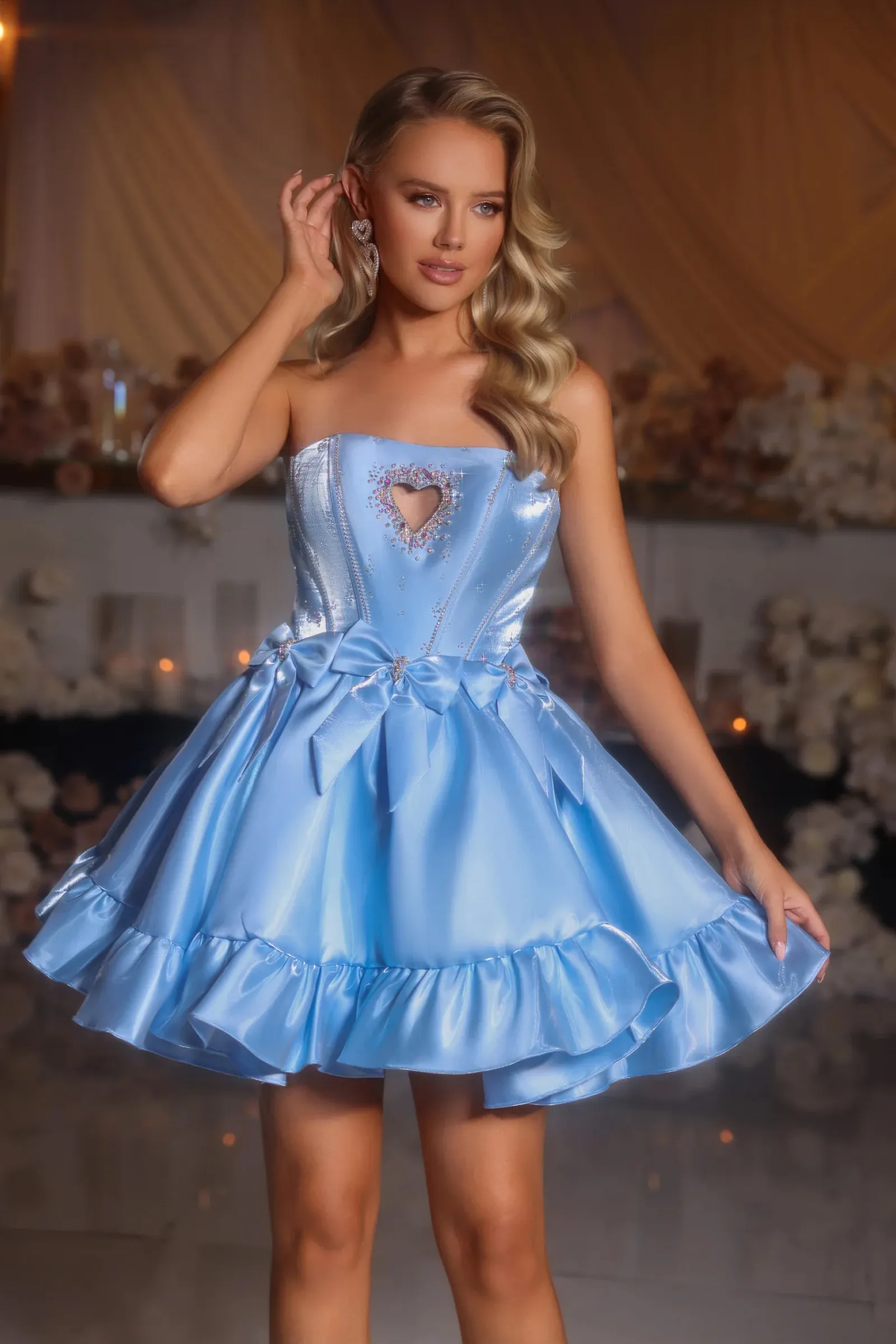
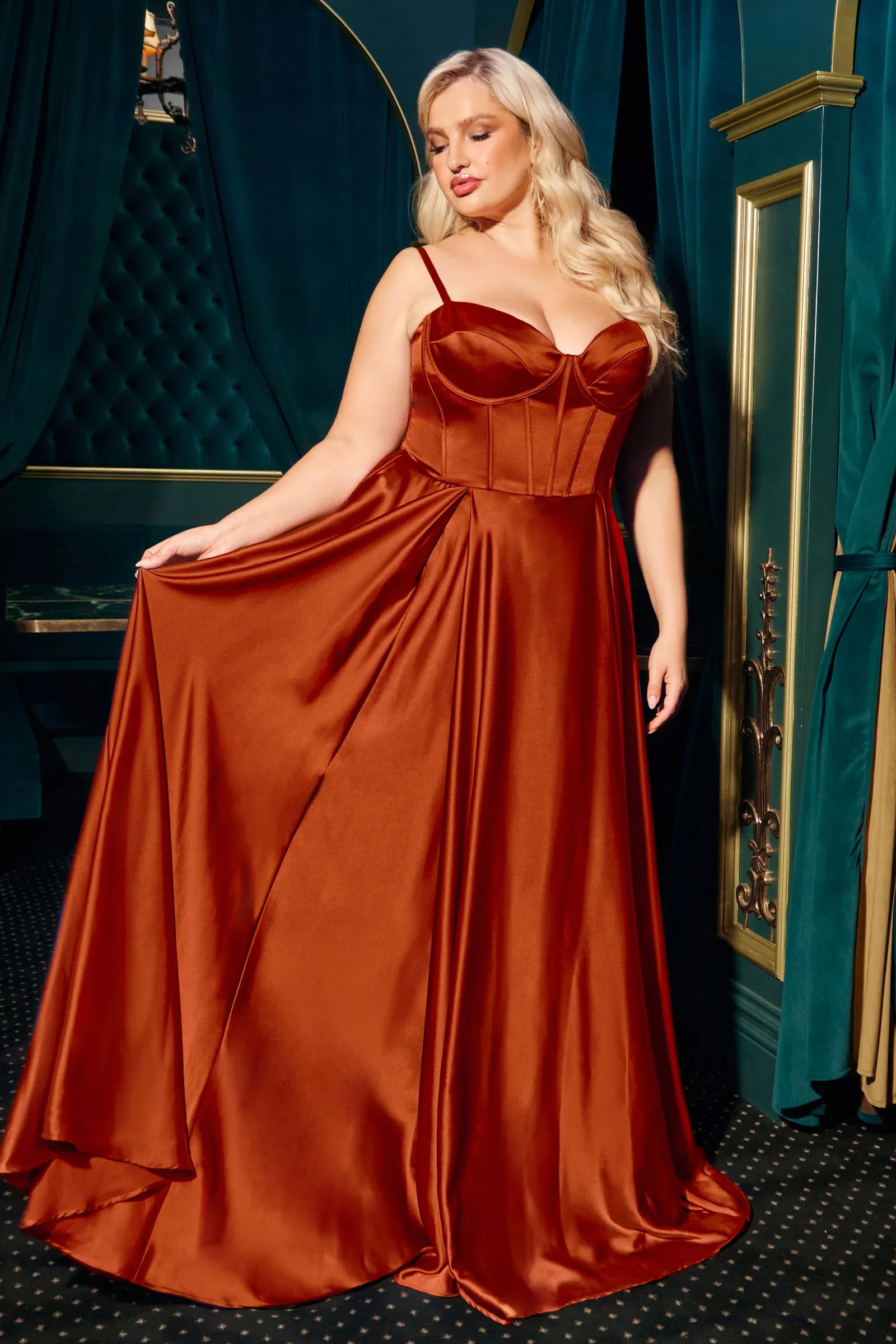
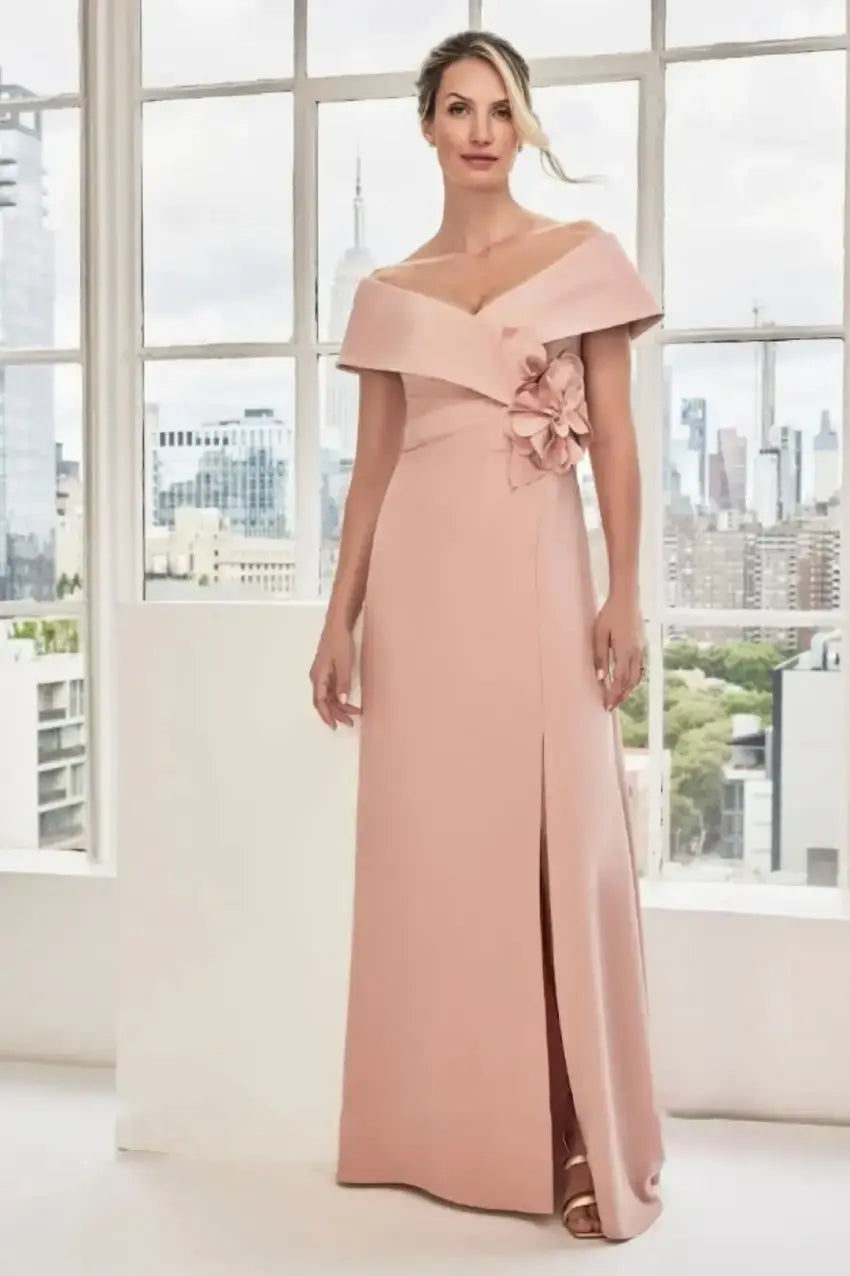
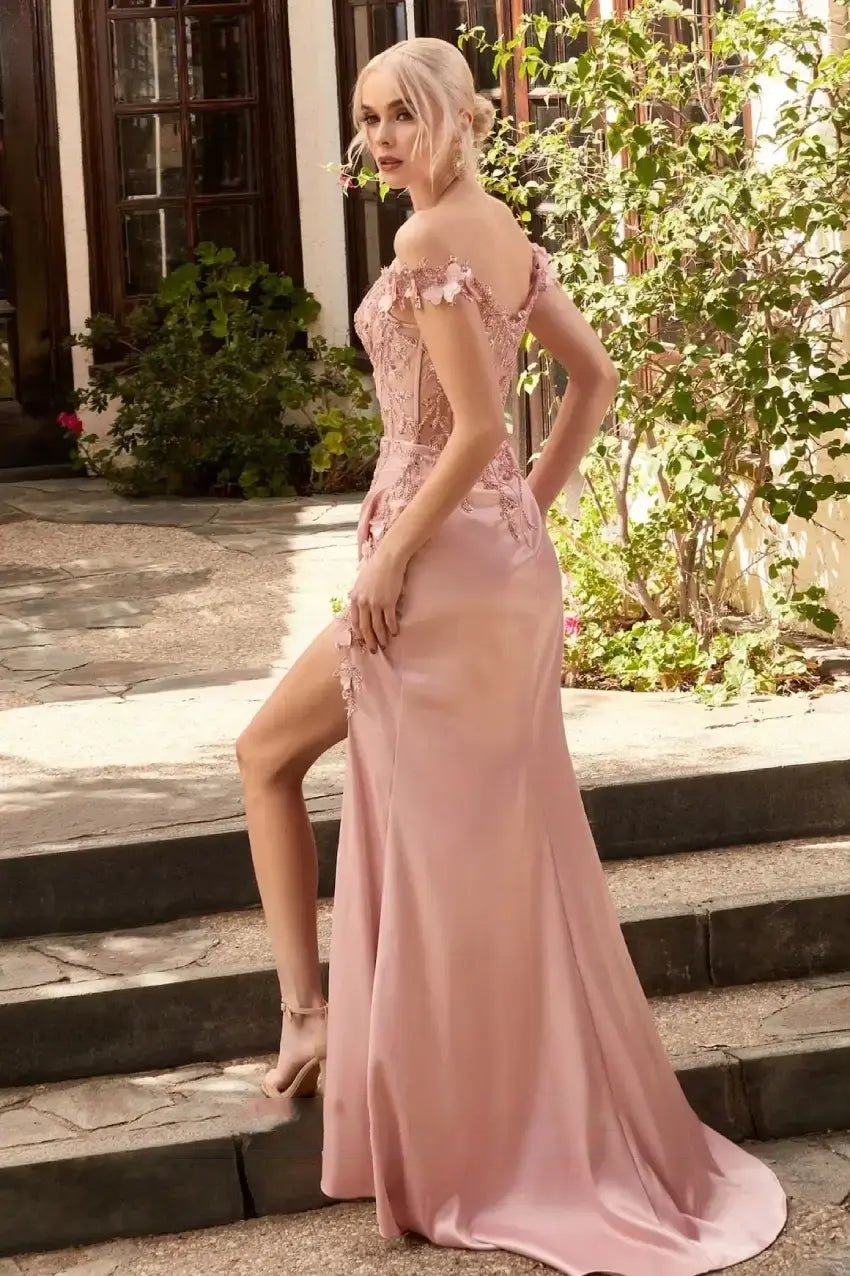
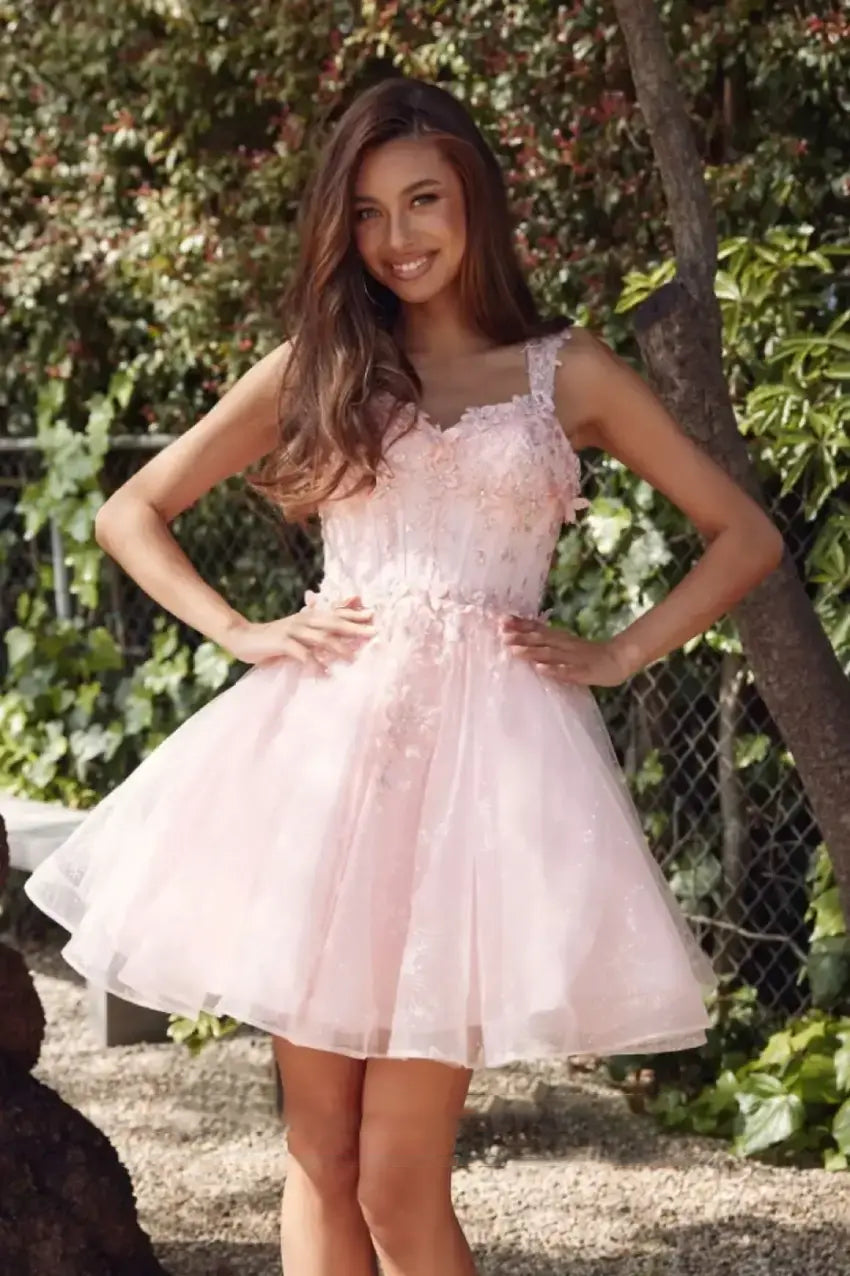
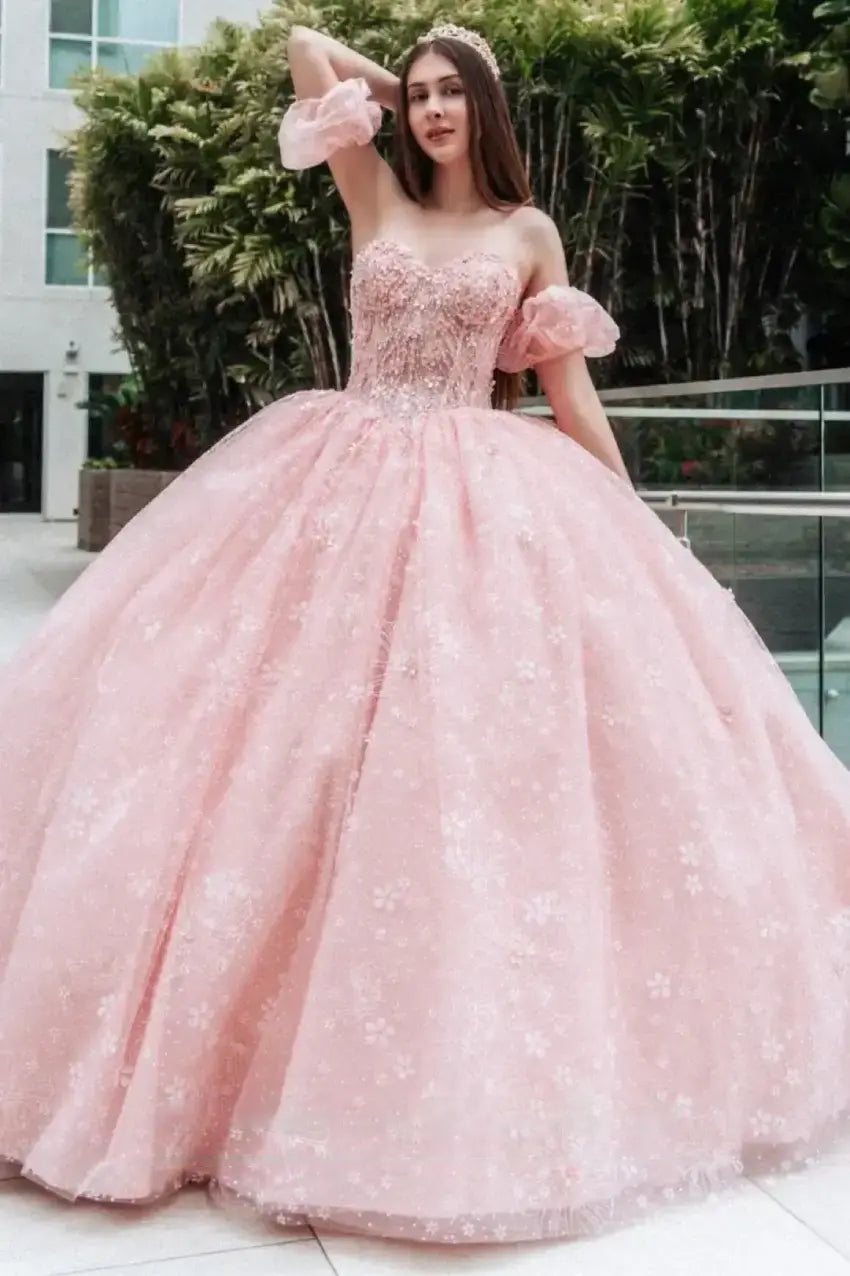


Blush occupies an unusual and useful place in formalwear: it is a pink, but a pink so soft and desaturated that it behaves like a warm neutral. That is exactly why it has become one of the most requested shades for formal events. A blush formal dress gives you the elegance and versatility of a nude or champagne while keeping a quiet warmth that flatters the face and photographs beautifully. This collection gathers blush formal dresses across evening gowns, occasion dresses, and dressy styles, and the guidance below covers the things that actually matter with this particular shade how it reads, who it flatters, and the one or two situations where blush needs a little extra thought.
What Makes Blush Different From Pink
It helps to be precise about what blush is, because the word gets used loosely. Blush is a pale, muted pink with a soft beige or peach undertone far closer to the neutral end of the spectrum than to a true pink. Where a rose or fuchsia announces itself as pink, blush reads first as a soft, warm off-white and only reveals its pink character on closer look.
This near-neutral quality is blush's great strength. It coordinates as easily as a nude, layers effortlessly, and never competes with other colors in a room or a photograph. It sits comfortably alongside its neighbors: the slightly cooler, cleaner nude dresses and the golden-toned champagne formal dresses are its closest relatives, and many shoppers cross-shop all three before deciding. If you find you want a touch more color, the deeper, grayer dusty rose formal dresses are the next step along.
Who Blush Flatters and the One Thing to Watch
Blush is broadly flattering because its warmth lifts the complexion, but there is a genuine consideration worth naming honestly: because blush is so pale, it can blend into very fair skin and wash the wearer out, especially in photographs where a close skin-and-dress match flattens the whole image.
This is easily solved, and none of it should put you off the shade. If you have a very fair, cool complexion, look for a blush with a warmer, peachier undertone, or choose a style that breaks up the expanse of pale fabric beading, a defined waistline, lace texture, or a contrasting belt all create separation between skin and dress. A bolder lip does the same job instantly.
For medium, olive, and deep complexions, blush is close to foolproof. Against deeper skin in particular, the contrast between the soft pale shade and the complexion is striking and photographs wonderfully. Warm undertones of any depth tend to find blush especially harmonious, since the shade's own warmth works with rather than against the skin. As always, the mirror is the final authority if blush lifts your face, that outranks any general guidance.
Blush at Weddings Reading the Room
Blush is one of the most popular wedding colors there is, which is precisely why it deserves a moment of care depending on your role.
As a wedding guest, blush is a lovely, celebratory choice, but its near-white paleness means you should be a little more thoughtful than you would be with a bolder color. A very pale blush can, under some lighting, read close enough to white or ivory to raise an eyebrow the safe move is to choose a blush with visible warmth and pink character rather than the palest, whitest version, or to add color through accessories. Browse the broader wedding guest dresses range if you want to compare blush against other guest-appropriate shades before committing.
As a bridesmaid, blush is a perennial favorite because it flatters a whole party of different complexions and photographs beautifully against most bouquets and settings. Holding blush constant across different silhouettes usually looks more elegant than forcing everyone into one cut, and the blush bridesmaid dresses range makes that easy to coordinate.
As the mother of the bride or groom, blush strikes an ideal note soft, refined, celebratory, and photographs beautifully alongside the bridal party. The blush mother of the bride dresses selection is tailored to that role, with the lengths and coverage levels the occasion tends to call for.
Silhouettes That Suit a Blush Gown
Because blush is soft and light, it lends itself especially well to romantic, flowing shapes, though it works across the full range.
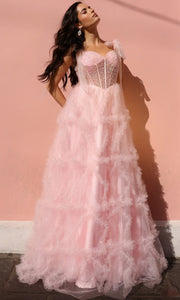
An A-line is the most versatile and universally flattering, skimming the figure and letting blush read as effortless elegance. A fit-and-flare or mermaid gown in blush is quietly striking rather than overtly dramatic the softness of the shade takes the edge off the boldness of the silhouette, which is a beautiful balance. A ball gown in blush leans fully into fairy-tale romance and is a favorite for that reason. Flowing column and Grecian-inspired styles suit blush particularly well, since the shade's softness and a clean draped line complement each other.
For a fuller figure, the same romantic shapes are available cut for the size range rather than scaled up, which matters most through the waist and hip where fit determines how the fabric falls. The wider mermaid dresses range shows how that silhouette is constructed across the assortment.
Fabric and Why Blush Looks Different in Person
Blush is one of the more fabric-sensitive shades, and knowing this prevents surprises when the dress arrives.
Chiffon and tulle are light and semi-sheer, and every layer lightens the perceived shade which is why blush in these fabrics can look almost ivory, soft and barely-there. This is the romantic, ethereal end of the collection. Satin reflects light and gives blush a warmer, more luminous, faintly champagne glow in its highlights, reading richer and more formal. Crepe holds a flatter, truer, slightly more pink blush from every angle and is the most consistent choice. Lace and beading add texture and catch the light, giving a blush dress dimension and, usefully, that separation from the skin discussed earlier.
The practical takeaway: if you're matching more than one blush piece, or matching to a specific palette, the fabric matters as much as the shade name. A blush satin and a blush chiffon placed side by side will not look like the same color.
Accessorizing Blush
Blush is one of the easiest shades to accessorize because it plays as a neutral. The most natural partner is metal: rose gold is almost made for blush and blends into it seamlessly for a soft, tonal look, while gold adds warmth and a little richness. Silver is cooler and creates a crisper, more modern contrast. If you want to build a fully tonal look, the rose gold dresses range shows how that metal reads at dress scale.
For shoes and bags, nude and metallic tones keep the look elegant and lengthen the leg line; a nude heel close to your own skin tone is the most flattering choice under a blush hem. For contrast, deeper accents work beautifully burgundy, forest green, navy, or a deep berry lip all give a blush dress definition without overwhelming its softness. Fresh flowers and greenery look crisp and clean against it.
Matching Blush to the Formality of Your Event
Blush carries across the full range of dressy occasions, and because it reads as a refined neutral, it rarely looks out of place the main decision is length and coverage rather than whether the shade fits the event.
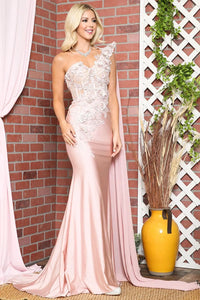
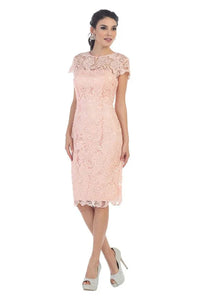
For black-tie and formal evening events, a floor-length blush gown is elegant and understated in a way bold colors can't quite manage; the shade lets a dramatic silhouette read as graceful rather than attention-seeking. The wider evening gowns range shows how full-length styles are cut across the assortment. For prom, blush is a favorite for anyone who wants a romantic, softly glamorous look rather than a bold statement, and it photographs beautifully under stage and flash lighting; the broader prom dresses category collects event-specific cuts. For semi-formal celebrations, dinners, and daytime events, a shorter blush style strikes a polished but relaxed note.
The reliable principle with blush is that the shade does the elegance for you you're choosing the length and cut to suit the dress code, and letting the softness of the color carry the refinement.
Seasonal Blush and Ordering Notes
Blush is genuinely a year-round shade. In spring and summer it feels natural in airy chiffon and tulle; in autumn and winter, blush in satin, or paired with a velvet wrap or faux-fur stole, reads richer and entirely seasonal. Its neutrality means it never looks out of place whatever the time of year.
Two practical points before ordering. Blush is one of the harder shades to judge on a screen depending on a display's calibration it can look nearly white, distinctly peach, or noticeably pink, so check product photos on more than one device where you can, and pay attention to the fabric, which shifts the shade as much as the screen does. And because formalwear is cut closer than everyday clothing, check your measurements against the specific product page and leave time to exchange for fit if the first choice isn't quite right.
Explore the full range of blush formal dresses at FormalDressShops to compare this soft, versatile shade across evening gowns, occasion styles, and dressy silhouettes, and to find the exact tone, cut, and fabric that suit your event, your coloring, and the impression you want to make.
FAQ Section
Is blush a pink or a neutral?
Blush is a very pale, muted pink with a beige or peach undertone, so it behaves like a warm neutral while keeping a soft pink character.
Can I wear a blush dress to a wedding as a guest?
Yes, but choose a blush with visible warmth and pink rather than the palest near-white version, so it doesn't read too close to white under some lighting.
Does blush suit fair skin?
It can wash out very fair skin, so look for a warmer, peachier blush or a style with beading, texture, or a defined waist to create contrast.
What jewelry works best with blush?
Rose gold blends seamlessly for a soft tonal look, gold adds warmth, and silver gives a crisper, cooler contrast.


Blush Formal Dresses



Interested in trying on Dresses at our Showroom?

Follow us


