


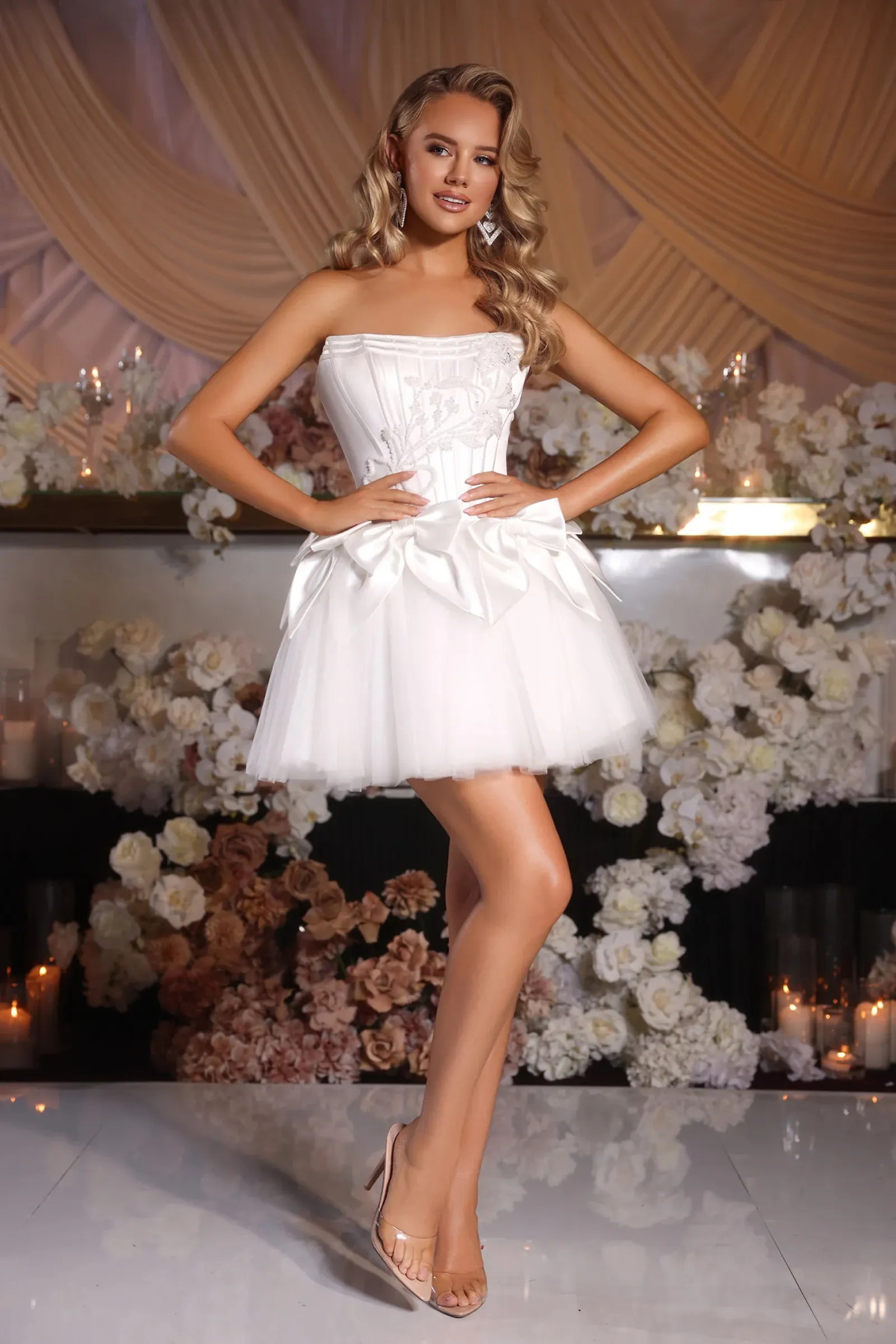
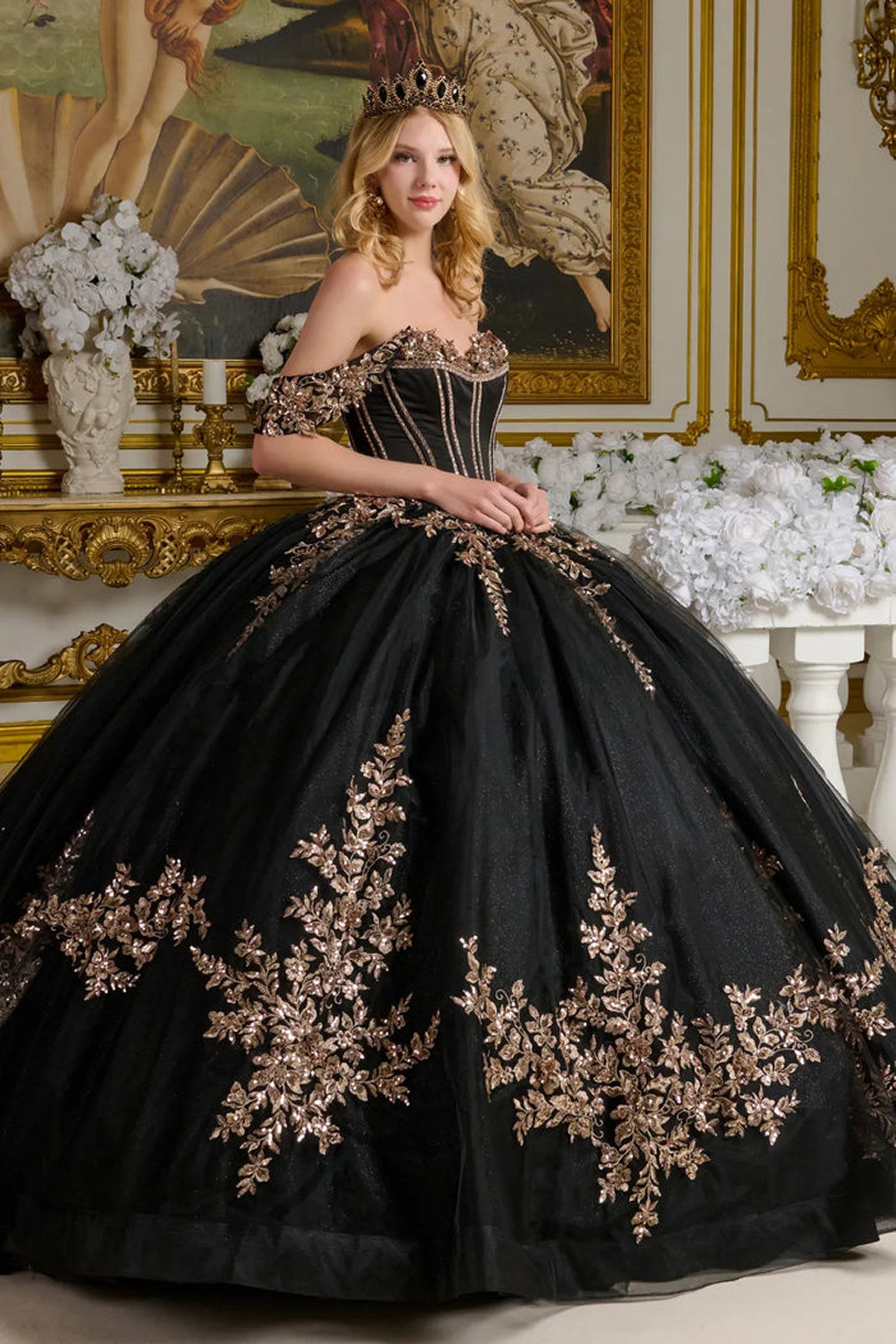

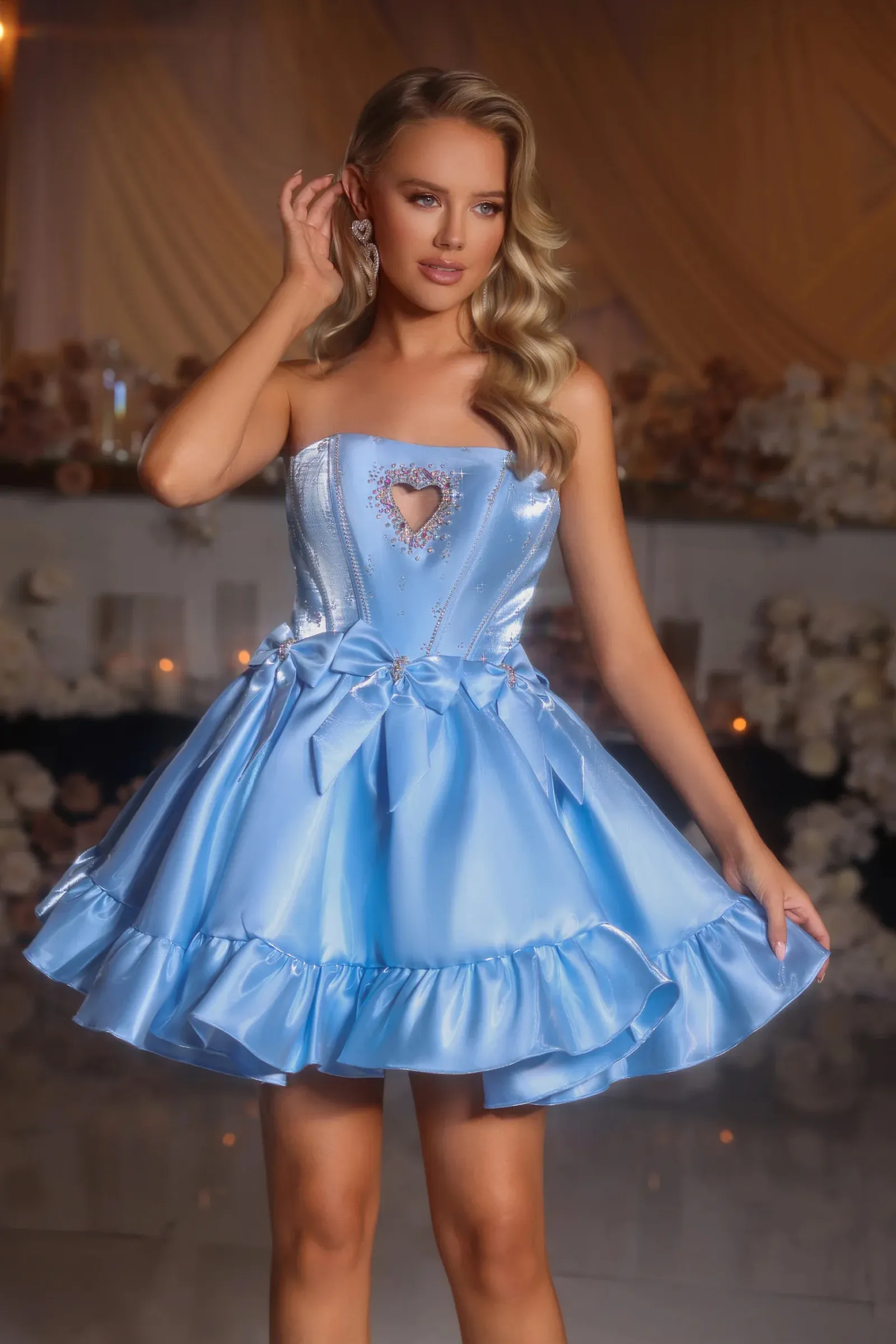
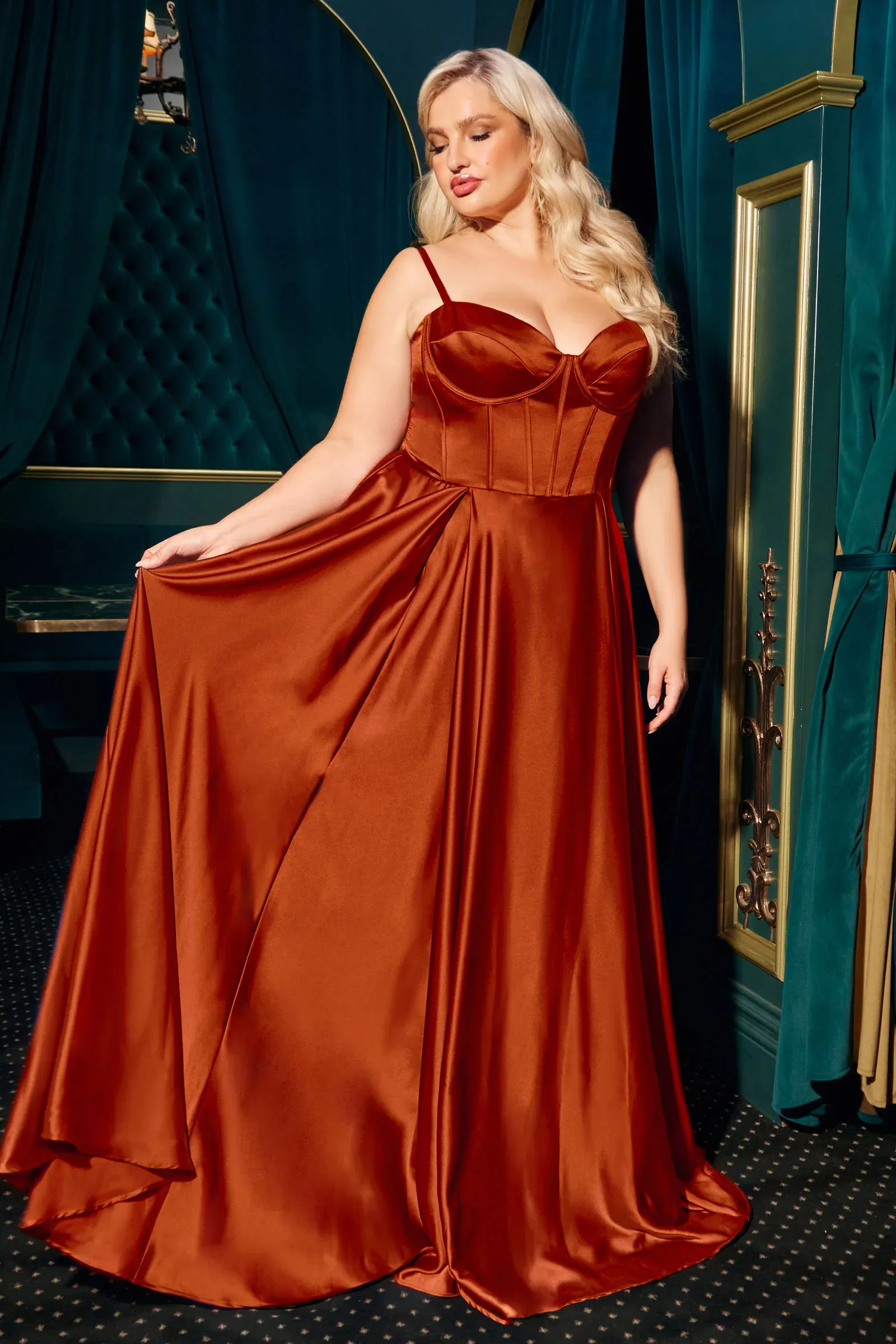
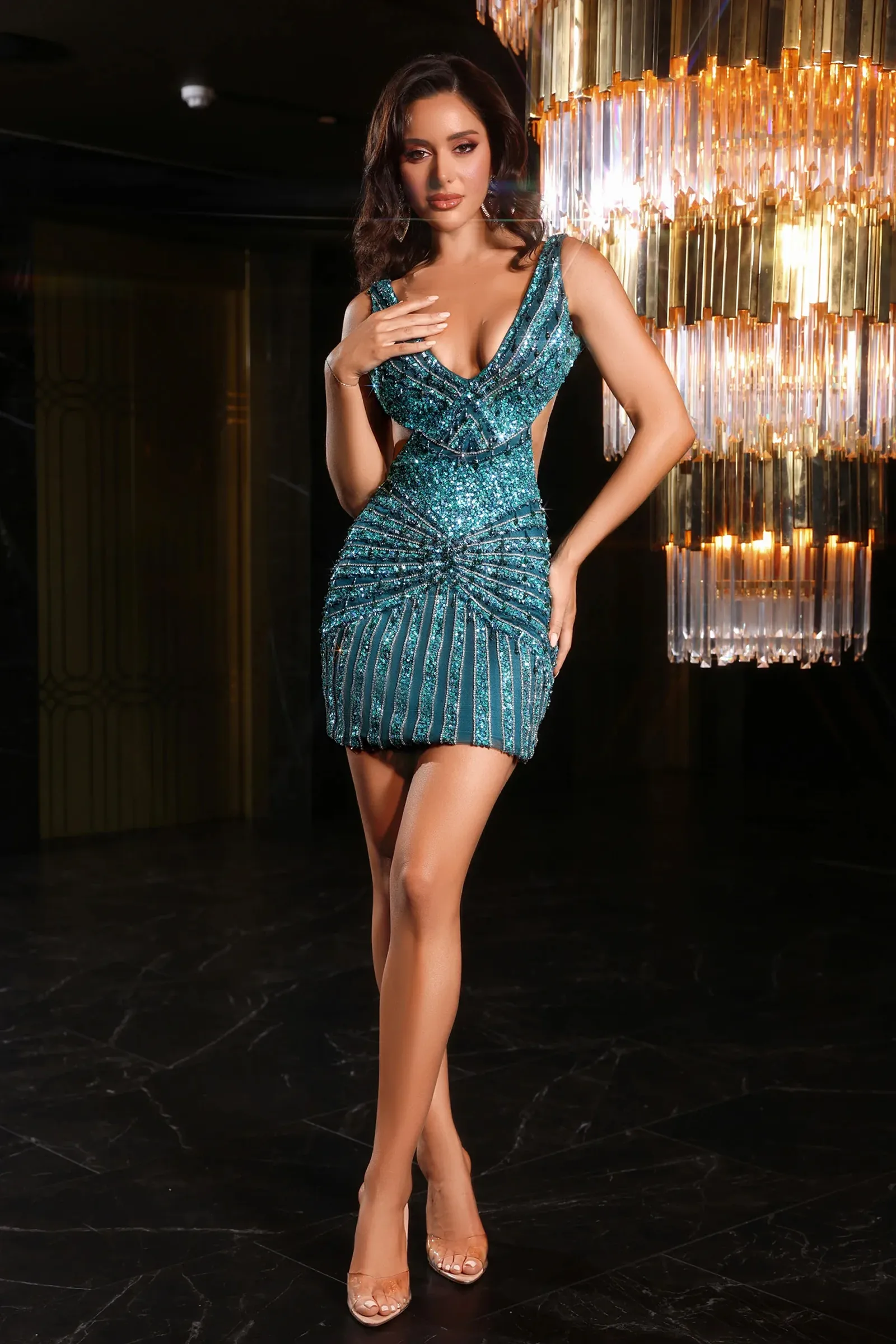
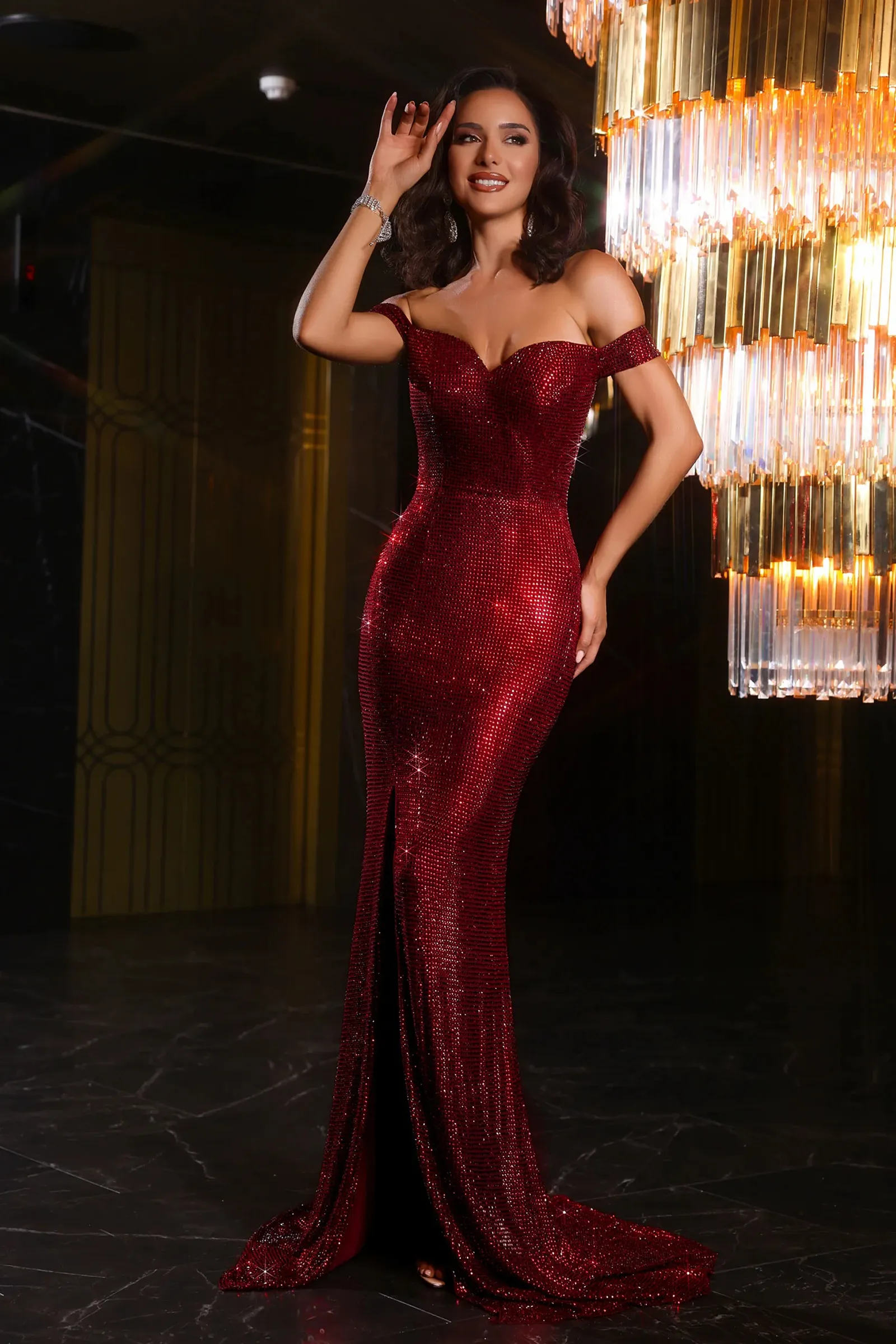
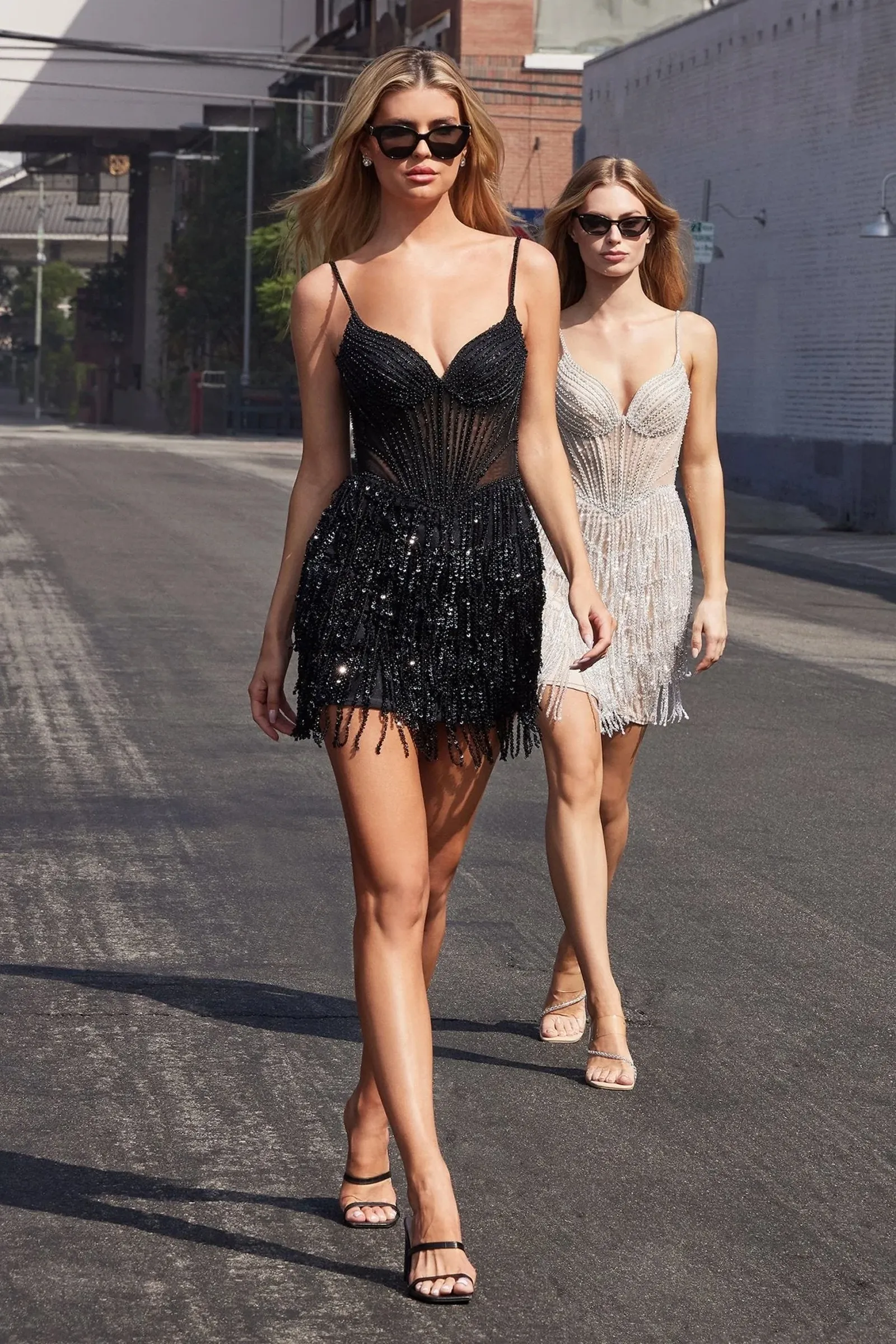
Blush Quinceanera Dresses


Blush Quinceanera Dresses
Say hello to soft, dreamy elegance with our blush quinceanera dresses collection. Blush is one of the most loved colors for a quinceañera because it is romantic, gentle, and perfect for a girl who wants to look like a princess on her big day. This shade sits somewhere between soft pink and warm nude, giving you a look that is sweet, classy, and never too loud.
Blush quinceanera dresses are the softest pink on the spectrum, barely a tint on some gowns and clearly rosy on others. The shade photographs beautifully and flatters nearly everyone, which is why it has become one of the most requested colors. Its only real weakness is that a plain blush gown can look flat, so the decisions worth making are about texture and contrast.
Getting the Most From Blush Quinceanera Dresses
How Much Pink Is Actually in It
Blush covers a surprising range, and the amount of pink decides how the gown behaves.
- Barely-blush is almost a warm cream, with the pink only visible beside something white
- True blush reads softly pink in daylight and holds its color in most photographs
- Rose-blush sits deeper, closer to a dusty rose, and never reads as neutral
- Peachy blush leans warm and orange, which changes the metals that suit it
The paler end is the one to look at carefully. A barely-blush gown can photograph almost white under a flash, which is lovely if that’s the intention and disappointing if  she wanted visible pink. For the deeper versions of the family, Pink Quinceanera Dresses show the full range.
Blush, Champagne and Ivory Side by Side
These three pale neutrals get confused constantly, and the difference matters when you’re coordinating a court or ordering flowers.
Lay all three against a sheet of white paper in daylight:
- Blush pulls pink
- Champagne pulls yellow or gold
- Ivory pulls a soft warm cream with no pink at all
Blush quince dresses sometimes appear in listings beside champagne versions of the same style, so read the exact color name in the description. Compare Champagne Quinceanera Dresses and Ivory Quinceanera Dresses if the undertone is the deciding factor.
Sparkle Is What Keeps Blush From Going Flat
Here’s the thing that separates a blush gown people remember from one that reads as a pale dress.
A soft pink has no inherent drama, so the texture has to provide it. Beading, sequins, crystal scatter or metallic embroidery all give the eye something to catch, and they stop the gown flattening out in photographs taken from a distance.
Where to put it:
- A beaded bodice defines her waist and keeps the top half interesting
- Crystal scattered through the skirt catches light as she turns
- Rose gold or silver embroidery adds contrast without adding a second color
- A fully plain blush gown works when the silhouette is dramatic enough to carry it alone
For the brightest version of this approach, Silver and Pink Quinceanera Dresses and the warmer Rose Gold Quinceanera Dresses show how much a metallic changes a soft pink.
Ombré and Layered Tulle Skirts
Blush suits a graduated skirt better than almost any other shade, because pale pink blends into both white and deeper rose without a hard line.
Two versions to look for:
- Ombré skirts, where the color deepens toward the hem. These photograph as movement and add depth to a pale gown
- Layered tulle in slightly different tones, which creates a cloudy, dimensional effect rather than a gradient
Both hide the flatness problem entirely. Check the lining colour on either, since a white underlayer makes the whole skirt read lighter than the product photograph suggests.
For a lace-led version of the same softness, Lace Quinceanera Dresses add texture without any extra color.
Veils, Capes and Soft Additions
Blush takes sheer add-ons well, and they’re worth knowing about because they change the silhouette without changing the dress.
A sheer blush or ivory cape reads romantic and gives shoulder coverage for a church ceremony. A long veil is unusual at a quinceañera and does appear, usually for the Mass only, and it suits a pale gown more naturally than a bright one. Detachable overskirts in tulle give a dramatic entrance and come off for the dancing.
Match the add-on to the gown’s exact undertone rather than buying a generic blush accessory. Two near-miss pinks beside each other are more noticeable than one clear contrast.
Warm Light Turns Blush Beige
Worth planning for, since most receptions are lit warm.
Under amber uplighting, candlelight or standard indoor bulbs, blush loses its pink and reads as a soft beige or champagne. The dye hasn’t changed; the light has removed the only cool note in the color.
What keeps it pink:
- Neutral or cool white lighting during the formal part of the program
- Daylight portraits, where the shade is at its truest
- A mention to the photographer, who can correct a lot of it with white balance
- Avoiding green or amber uplighting, which both dull it
If the reception runs warm and she wants visible pink in every photo, choose a rose-blush rather than the palest version.
Bouquets and Centerpieces That Show Up
Pale pink and pale flowers cancel each other out, so the arrangements need either depth or contrast.
- White flowers with dense greenery give the clearest contrast
- Burgundy, plum or deep red blooms make a blush gown look lighter and more deliberate
- Gold or rose gold accents in the centerpieces pick up a metallic gown
- Blush flowers against a blush dress disappear, since florist pinks and fabric pinks rarely match
Bring a swatch or a clear daylight photo to the florist, because describing blush over the phone leads somewhere unpredictable.
Why Blush Photographs So Well
 There’s a reason this shade keeps getting chosen, and it isn’t only fashion.
Blush sits close to the warm tones in skin, so it flatters in daylight without the harsh contrast a bright color creates near the face. It also holds up in black-and-white photography, which plenty of photographers use for a few portraits. A pale pink converts to a soft mid-grey, where a strong color can turn almost black and lose all its detail.
Two things that make the most of it:
- Ask the photographer for a few black-and-white frames, since a beaded blush bodice reads beautifully in them
- Keep the makeup warm rather than cool, which keeps her face from looking washed out beside the fabric
It’s also the shade that holds up longest in an album. A blush gown from ten years ago rarely looks dated in the way a trend color does.
Court Colors With a Blush Gown
A pale gown needs the court to carry some weight, or the group photographs as one soft blur.
- Burgundy Dama Dresses are the strongest pairing and make the gown look brighter by contrast
- Champagne Dama Dresses keep the palette soft, so give the damas a shorter hem or a different fabric for separation
- A navy, emerald or black court gives the clearest definition of all in photographs
Chambelanes in black or charcoal with blush ties suit the palette, and a neutral tie avoids the near-miss problem that comes with matching a pastel.
The wider Quinceanera Dresses range and the pieces in Quinceanera Accessories cover the rest of the planning.
FAQ
Will a blush gown look white in photographs?
The palest versions can under a strong flash. A rose-blush or a gown with visible beading keeps the pink readable in every photo.
Is blush the same as nude?
No. Blush is a pale pink with a clear cool note, while nude shades are built around skin tones. On camera a very pale blush can read closer to nude, which beading or a contrast sash prevents.
What metal jewelry suits blush?
Rose gold is the natural match, since both share a warm pink base. Silver keeps it cooler and crisper, and yellow gold suits a peachy blush.
Can the damas wear blush too?
Only with clear separation in depth or fabric. A dusty rose court beside a pale blush gown works, while two similar blushes make the celebrant hard to pick out.
How do we keep a pale hem clean outdoors?
Walk the photo route in advance, bring something to stand on, and have someone lift the skirt over steps and damp ground. Blot any mark and leave the cleaning to a professional.

Follow us


