



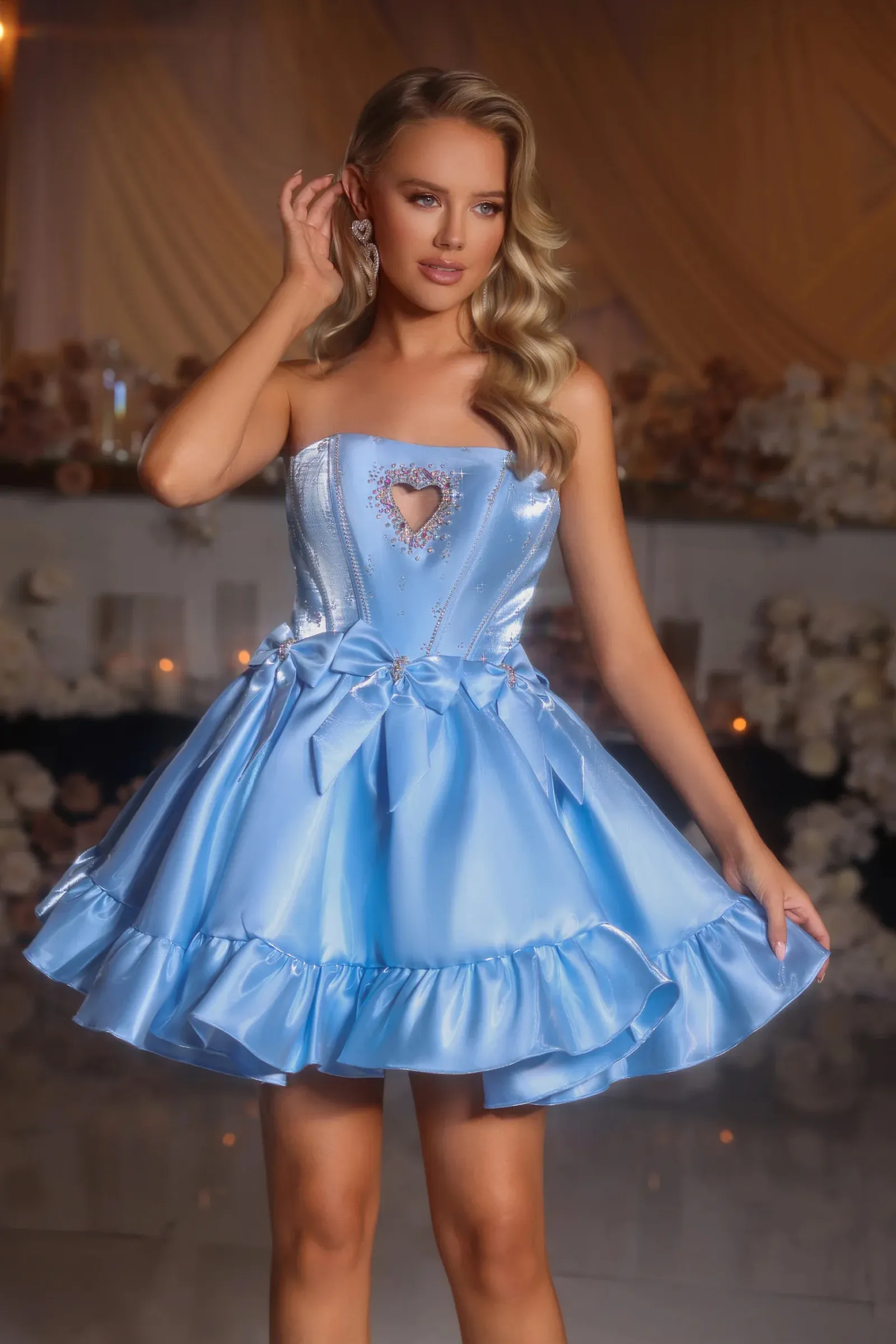
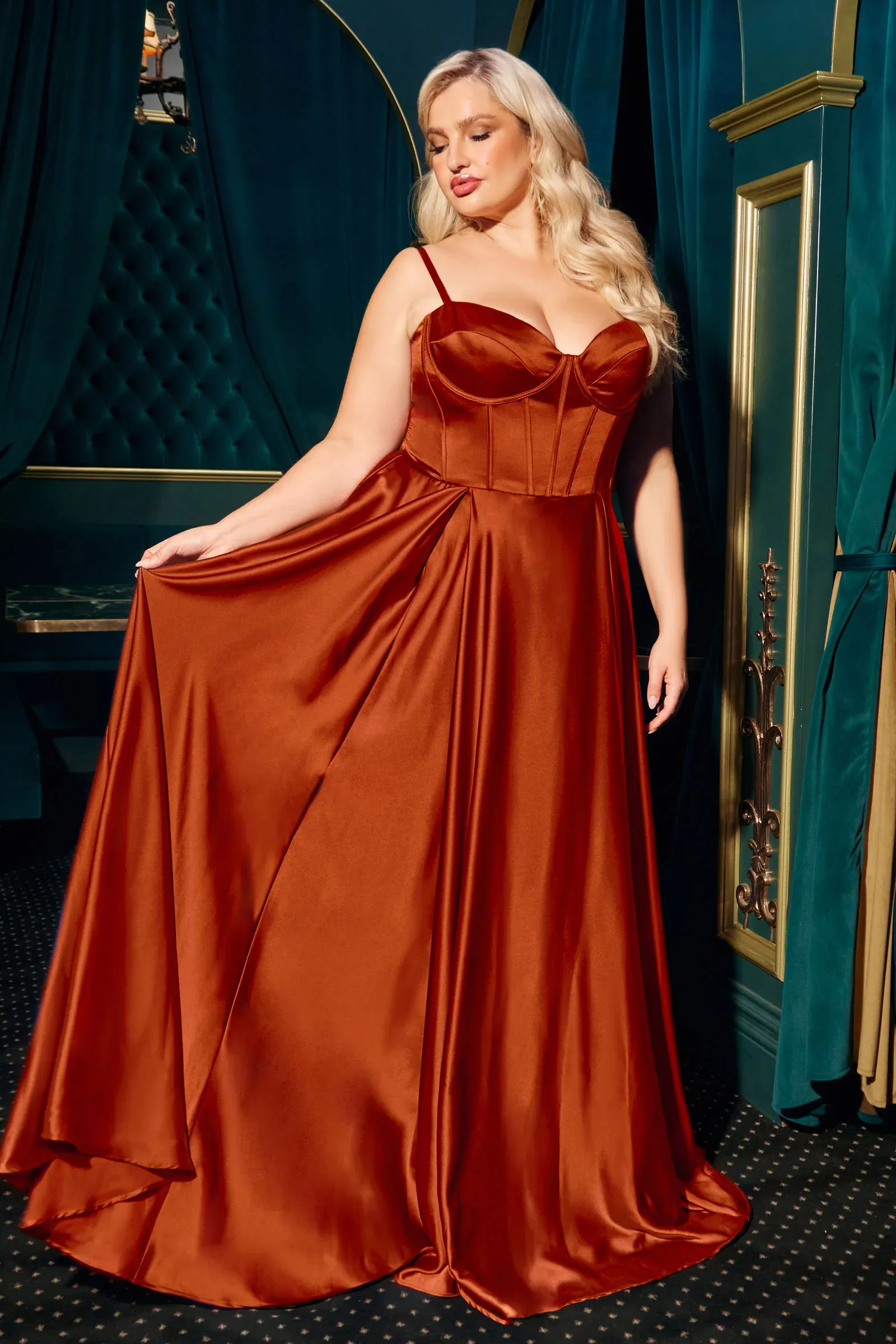
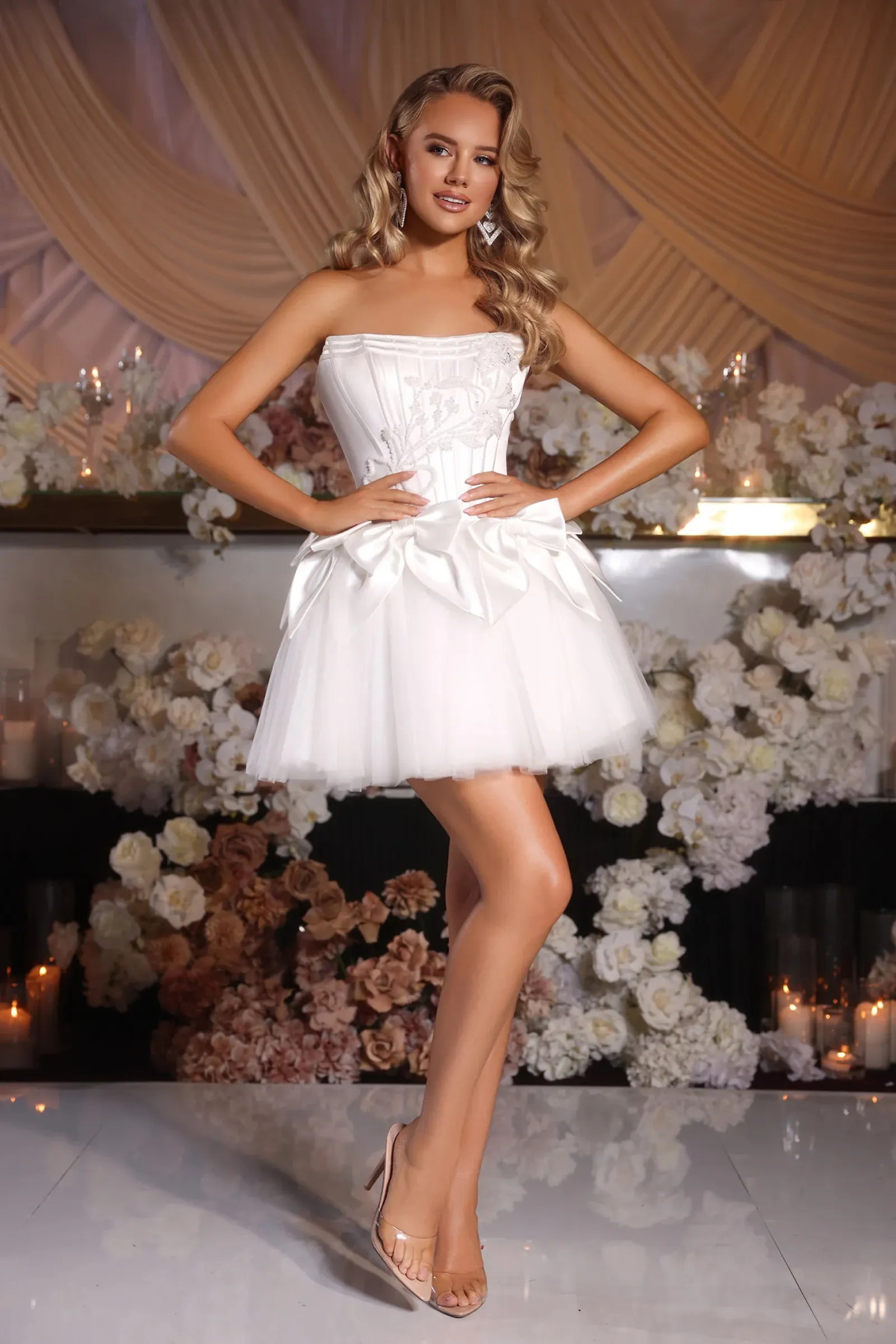
Prom Dresses Under $400


Shop Prom Dresses Under $400 by Fit, Features and Price
Prom dresses under $400 give you a defined spending limit without requiring you to settle on one silhouette or color. Start with the dress features you care about most, whether that is a structured bodice, movement through the skirt, or a particular neckline. A price ceiling makes browsing more focused, but it does not tell you which gown will feel right. Compare the listed price and individual product details as you narrow your options.
A $400 Ceiling Is a Starting Point, Not a Dress Style
A shopper working with a $400 ceiling can still have very different priorities from another shopper at the same limit. One may want a full skirt for a grand entrance; another may prefer a streamlined gown with minimal decoration. The price filter should reduce the number of options you review, not decide your personal style.
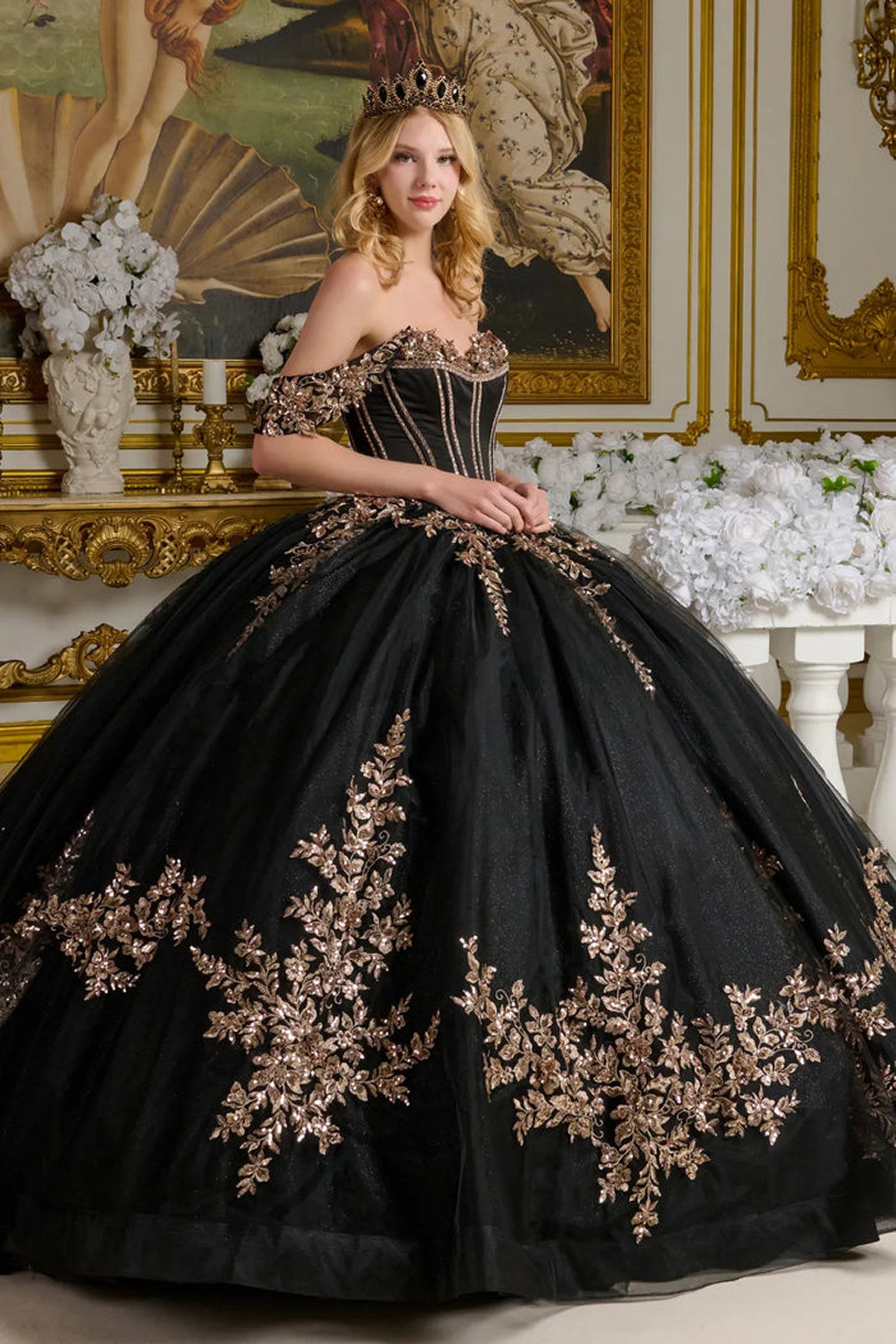
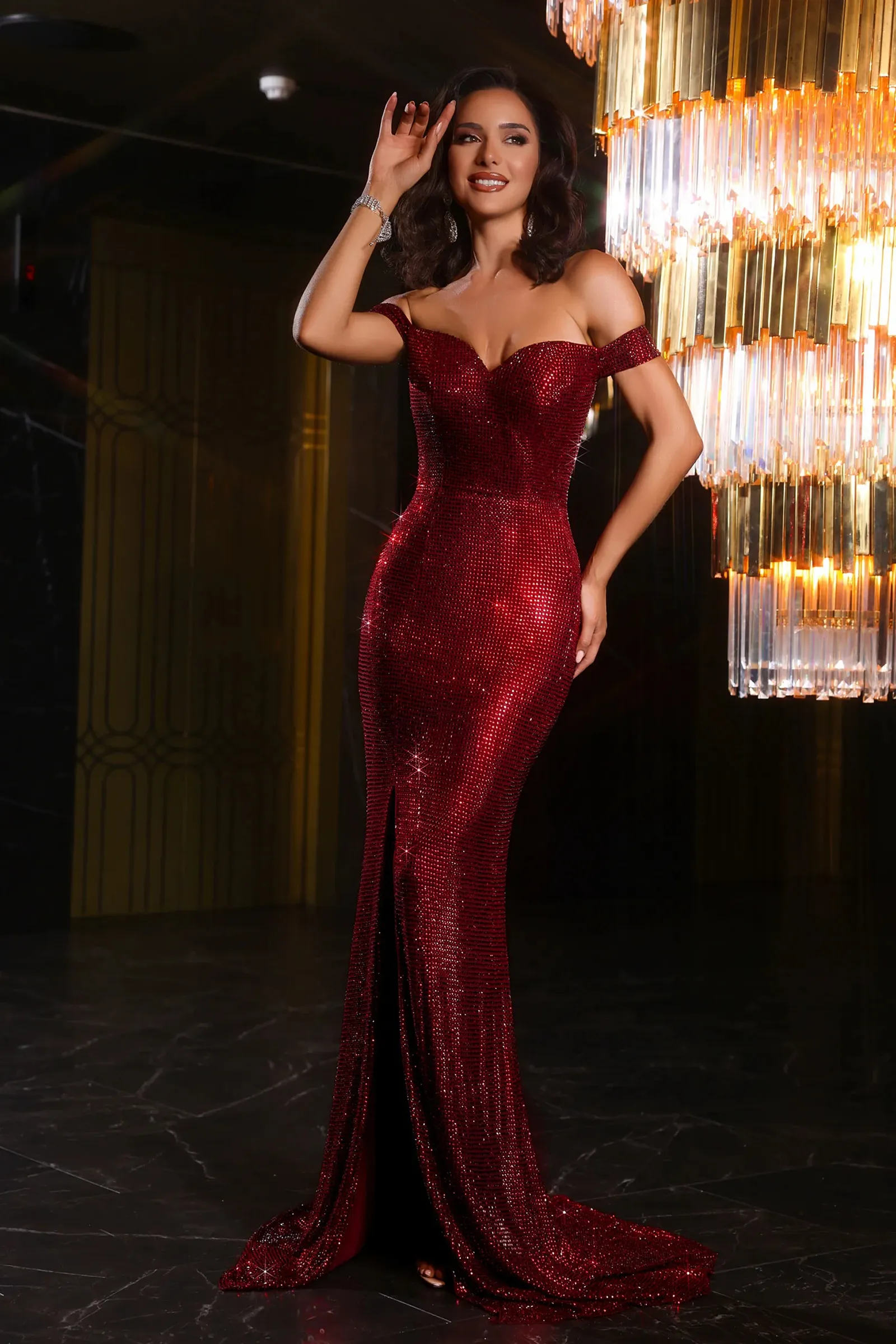
First, choose the category that interests you. A-Line Prom Dresses have skirts that widen below the waist, while Mermaid Prom Dresses concentrate shaping closer to the body. Check individual listings because neither silhouette has a fixed price or a guaranteed level of construction.
· Set your maximum gown price before looking at accessories.
· Select one preferred silhouette and one alternative.
· Compare current product prices rather than assuming every item is available.
A useful starting comparison is to look for the same neckline in two different silhouettes. That removes one variable and reveals how skirt construction changes the appearance. If a dress looks substantially fuller, confirm whether the volume comes from layers or the underlying cut.
What a Detailed Bodice Can Add to the Look
 Some prom shoppers are drawn first to the upper half of a dress. A defined waist seam, shaped cups, or visible boning-inspired lines can give the bodice a stronger outline. These are visual features; they do not prove that a dress provides structural support or adjustable sizing.
If the bodice is your priority, browse Corset Prom Dresses and inspect close-up product photographs. Pay attention to the back closure as well as the front. A decorative lace-up panel may look like an adjustable corset while functioning quite differently. Product-specific construction notes matter more than a category label.
· Examine seam placement around the waist.
· Check whether straps are adjustable or fixed.
· Look at back photographs before choosing a size.
A close-fitting bodice may use a back closure that changes the fit experience. The photograph might reveal the closure placement, but not necessarily its adjustability. Check garment notes and sizing information rather than assuming a laced appearance means custom fitting.
Choosing Decoration Without Overloading the Design
A higher spending ceiling can tempt you to look only at the most detailed gowns. Yet a heavily embellished dress is not automatically a stronger choice. Ask which part of the design should command attention: the neckline, waist, skirt, or fabric surface. A simple gown with a striking silhouette may answer that question better than an elaborate one.
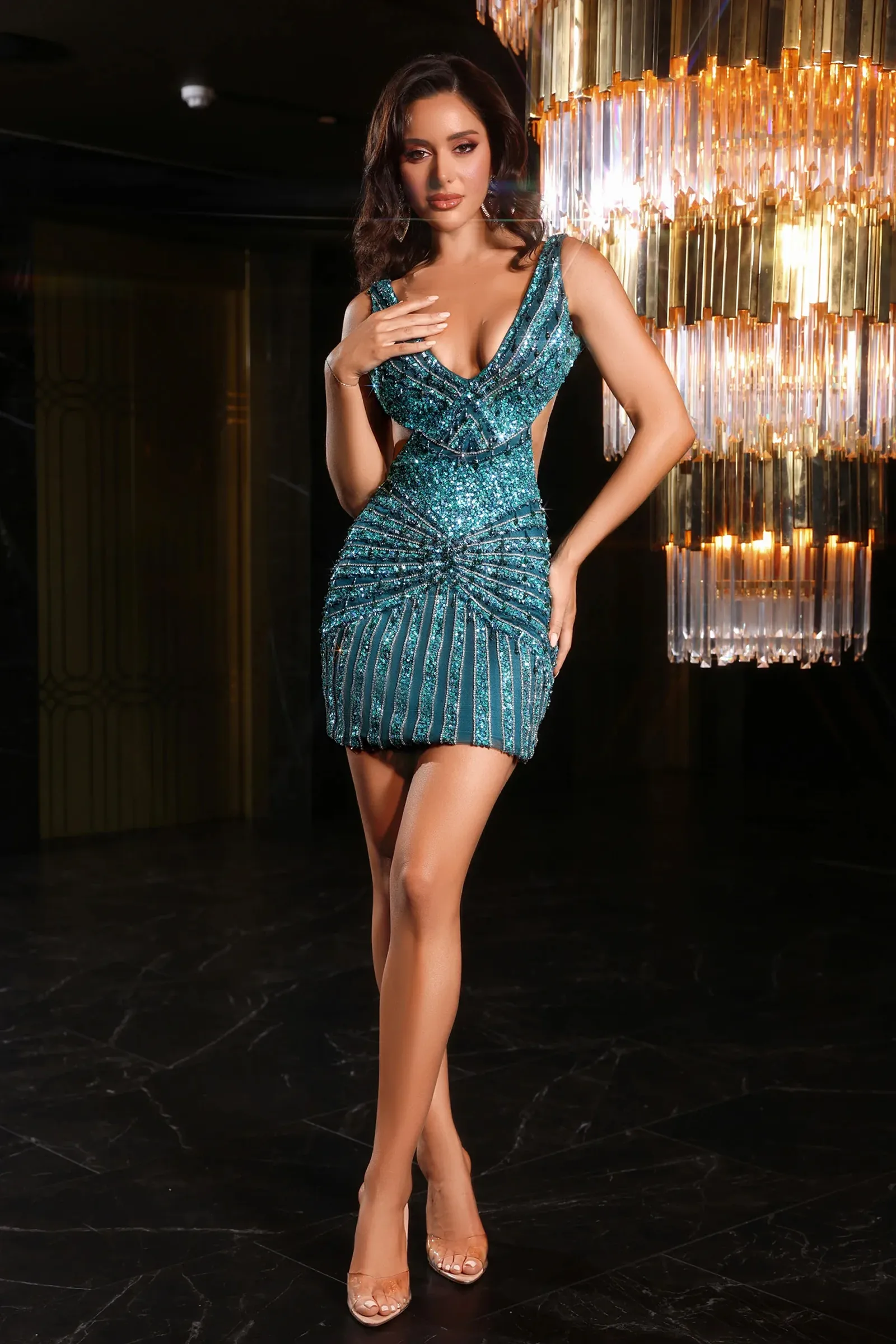
Sequin Prom Dresses reflect light across their surface, while Lace Prom Dresses use pattern and texture. Beading can create localized detail. Those finishes behave differently in photographs, so examine both full-length views and close-ups instead of comparing sparkle alone.
· Choose one dominant design feature.
· Check whether embellishment covers the whole garment or selected panels.
· Compare how decoration affects the visual outline.
If you prefer shine, distinguish reflective fabric from surface decoration. A gown may glisten because of the textile itself or because individual sequins cover it. The distinction matters for the visual effect and for the type of care information you should review.
The Hemline Decision Changes More Than Coverage
A full-length gown can be narrow, flowing, or heavily layered. Its appearance depends on the skirt pattern, not merely on where the hem reaches. A floor-length dress may also need careful length assessment with the shoes you plan to wear. The listed model height is not a substitute for actual measurements.
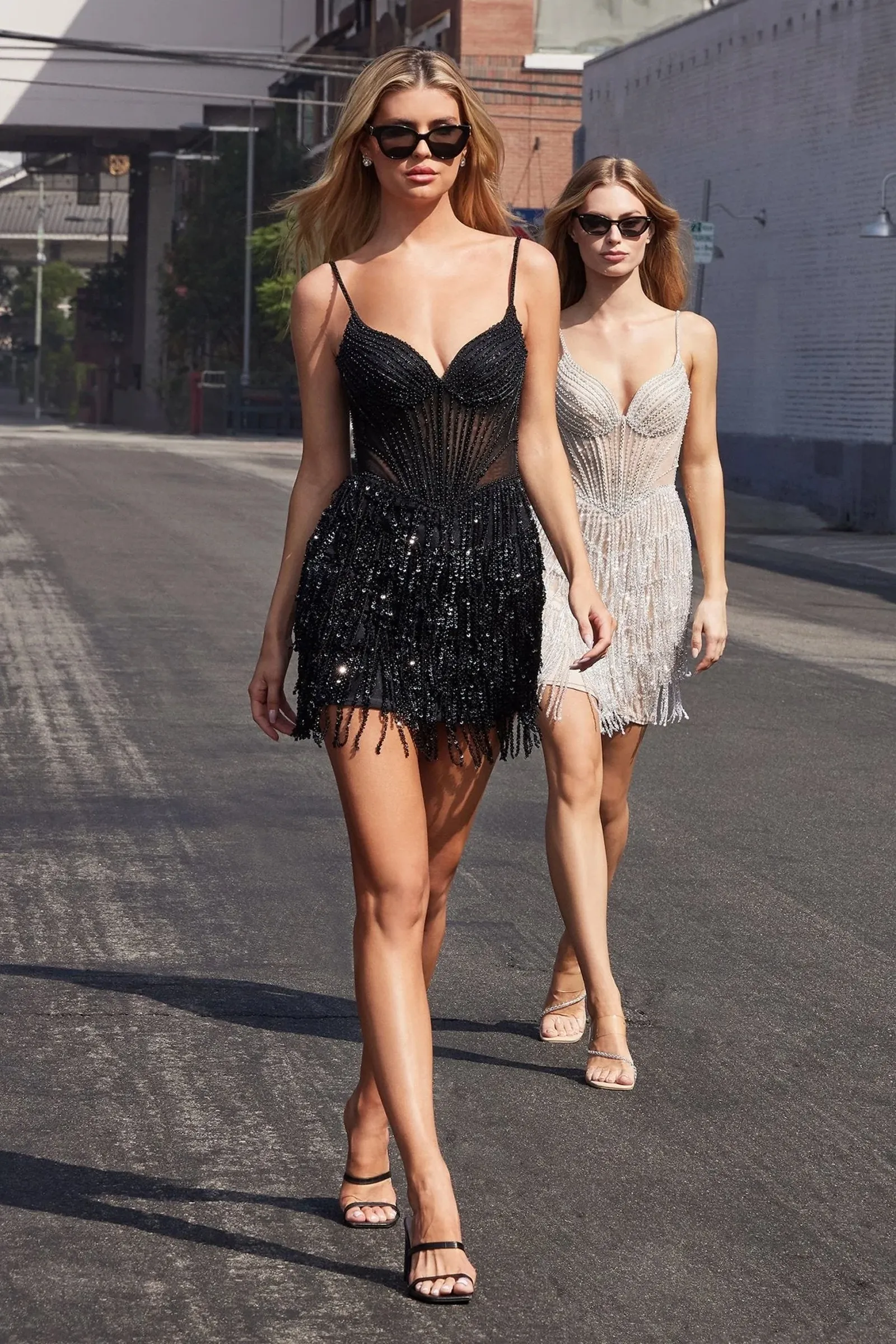
Long Prom Dresses let you compare continuous skirt lines, while Short Prom Dresses draw more attention to footwear and the legs. If you are choosing between them, review both against the event dress code and how much walking and dancing you expect to do.
· Look for hem and train information.
· Review skirt width in side-view photographs.
· Check the school dress code before buying a shorter hem.
The hemline is worth checking in relation to your planned shoes. A floor-length photograph taken on a taller model can make the dress appear shorter than it would on you. Use garment length information whenever available, particularly for styles without an adjustable hem.
Shop the Price Range Without Confusing It With a Sale
An item priced below $400 is not necessarily discounted. A regular-price gown and a markdown can both meet the same spending ceiling, but they answer different shopping questions. The first is about maximum spend; the second is about price reduction relative to a previous or listed price.
If saving on a marked-down gown is a priority, the Prom Dresses on Sale collection serves a different purpose. Shoppers with less flexibility can compare Prom Dresses Under $300. If your upper limit is higher, Prom Dresses Under $500 allows you to examine a wider ceiling without implying that any style is in stock at a particular price.
· Check the current price of the exact size and color.
· Separate dress budget from tailoring and accessory costs.
· Do not assume sale terms or availability without checking the listing.
When comparing the sale and price categories, evaluate the final listed amount rather than the size of any advertised markdown. A bigger percentage reduction does not necessarily create a better match for your budget or a dress you genuinely prefer wearing.
Build a Shortlist That Reveals Real Differences
 Choosing between several similar dresses becomes easier when each finalist earns its place for a different reason. Save one gown for its silhouette, a second for its color, and a third because its neckline or detailing gives you a different look. If all three have nearly identical features, you may not yet be comparing meaningful alternatives.
The parent Prom Dresses collection can help you broaden your search again if your price-filtered shortlist feels repetitive. At Formal Dress Shops, review the individual item page for size availability, measurement guidance, fabric information, and any applicable ordering conditions before making a final decision.
· Keep a clear first choice and two alternatives.
· Compare garments using the same measurement points.
· Prioritize the features you will actually notice while wearing the dress.
A final comparison works best when the candidates differ for concrete reasons. You might keep an understated gown for its neckline, a more decorative one for its bodice, and another for its skirt. Review them together before focusing on individual accessories.
Make Your Spending Limit Part of the Final Comparison
The spending cap is most useful when it remains visible during the final decision. Record the listed gown price alongside any known alteration cost, and keep track of whether shoes and accessories are already included in your total budget. A dress comfortably below the ceiling can leave room for tailoring or another part of the outfit. A dress very close to the ceiling may still be right if its fit and design are what you want. Think carefully about where your money makes the biggest difference to the experience of wearing the garment. Before purchasing, confirm the selected size and color, review the listing for its current price, and read the applicable store policies. Comparing those concrete details helps prevent a decision based only on the most dramatic photograph.
Frequently Asked Questions
Does under $400 mean every dress costs exactly $400?
No. The collection title describes a maximum-price shopping category, not a single fixed price. Individual listing prices can vary, and you should check the displayed amount before purchasing.
Can a dress under $400 have a train?
Train length is a design feature rather than a price category. Check the photographs and descriptions of individual gowns to see whether a train is present and how long it appears.
Should I use my full $400 budget on the gown?
That depends on whether your budget covers the dress alone or your complete outfit. Allow separately for alterations, shoes, and accessories if those expenses are not already accounted for.
Can I shop by both silhouette and budget?
Yes. Decide on the silhouette you prefer and compare the relevant products within your spending range. Checking price and construction together usually gives you a more useful shortlist.

Follow us


