


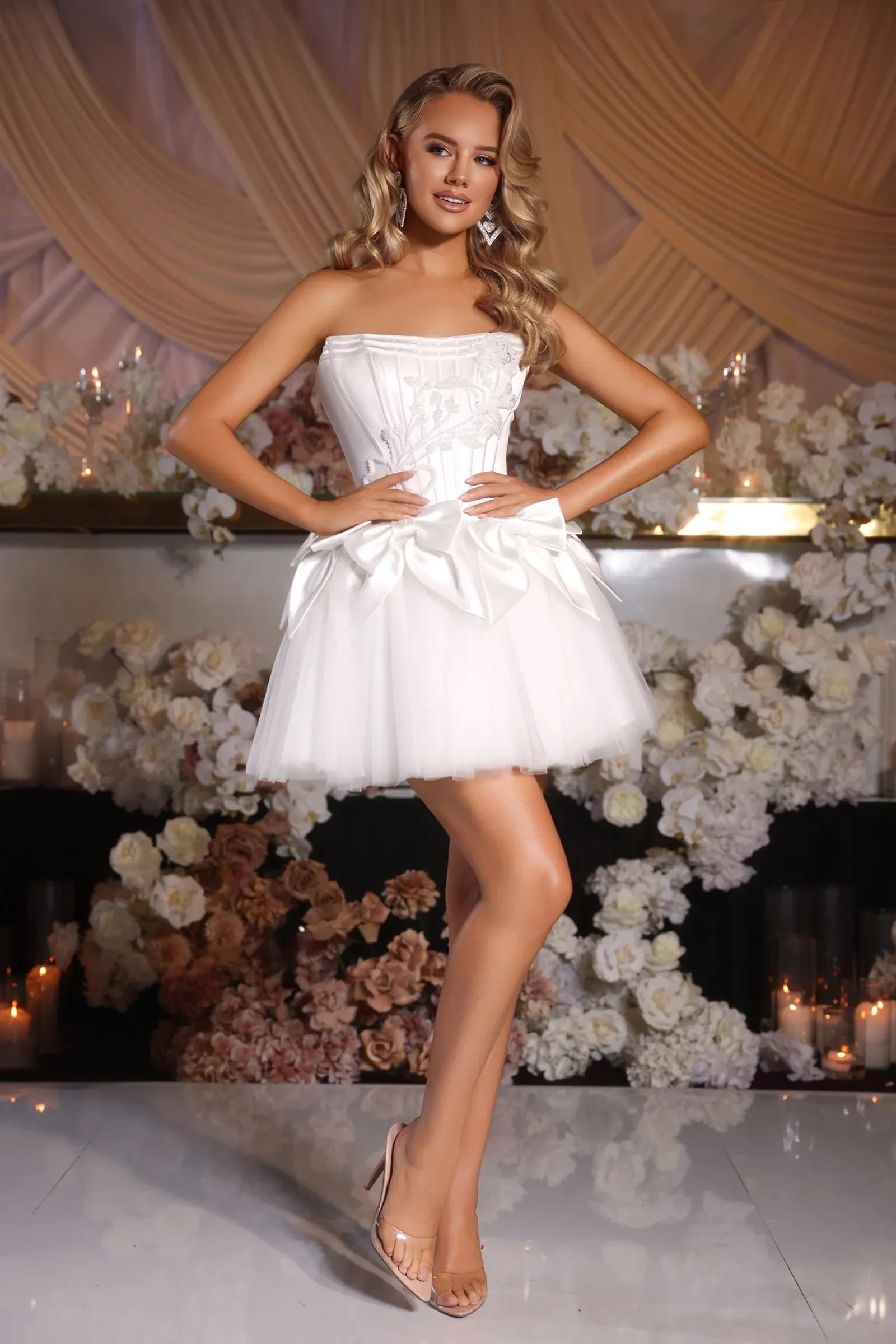
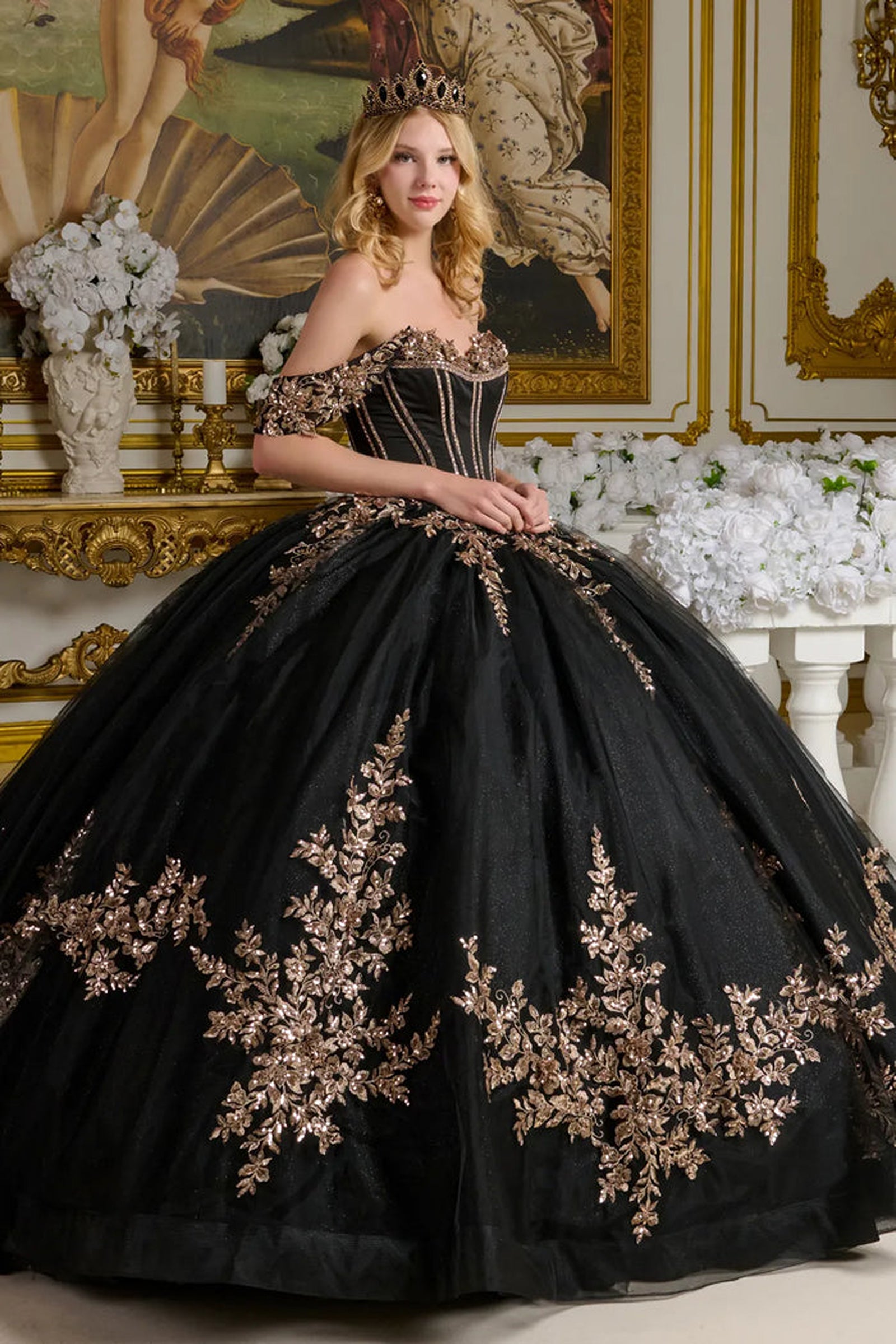

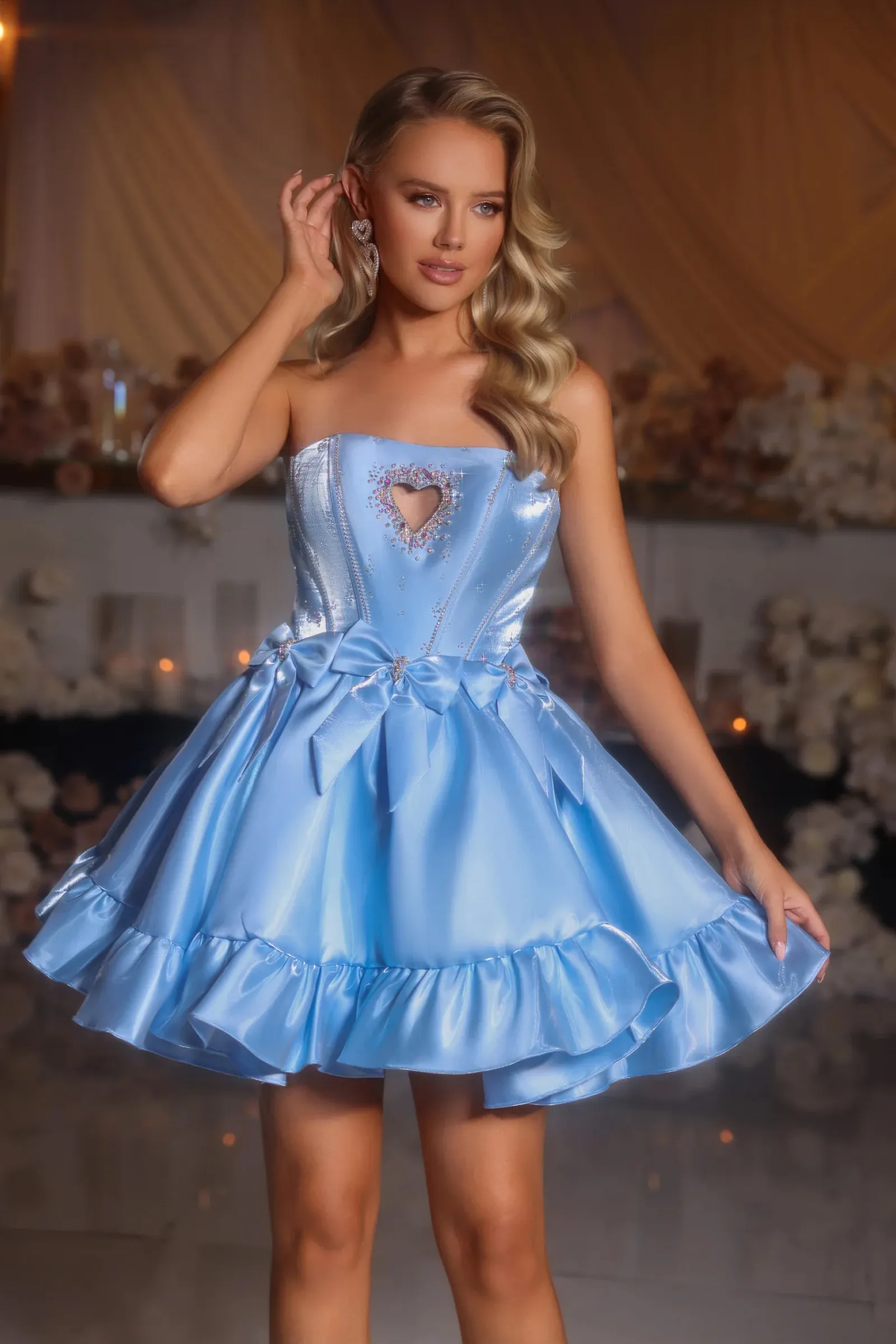
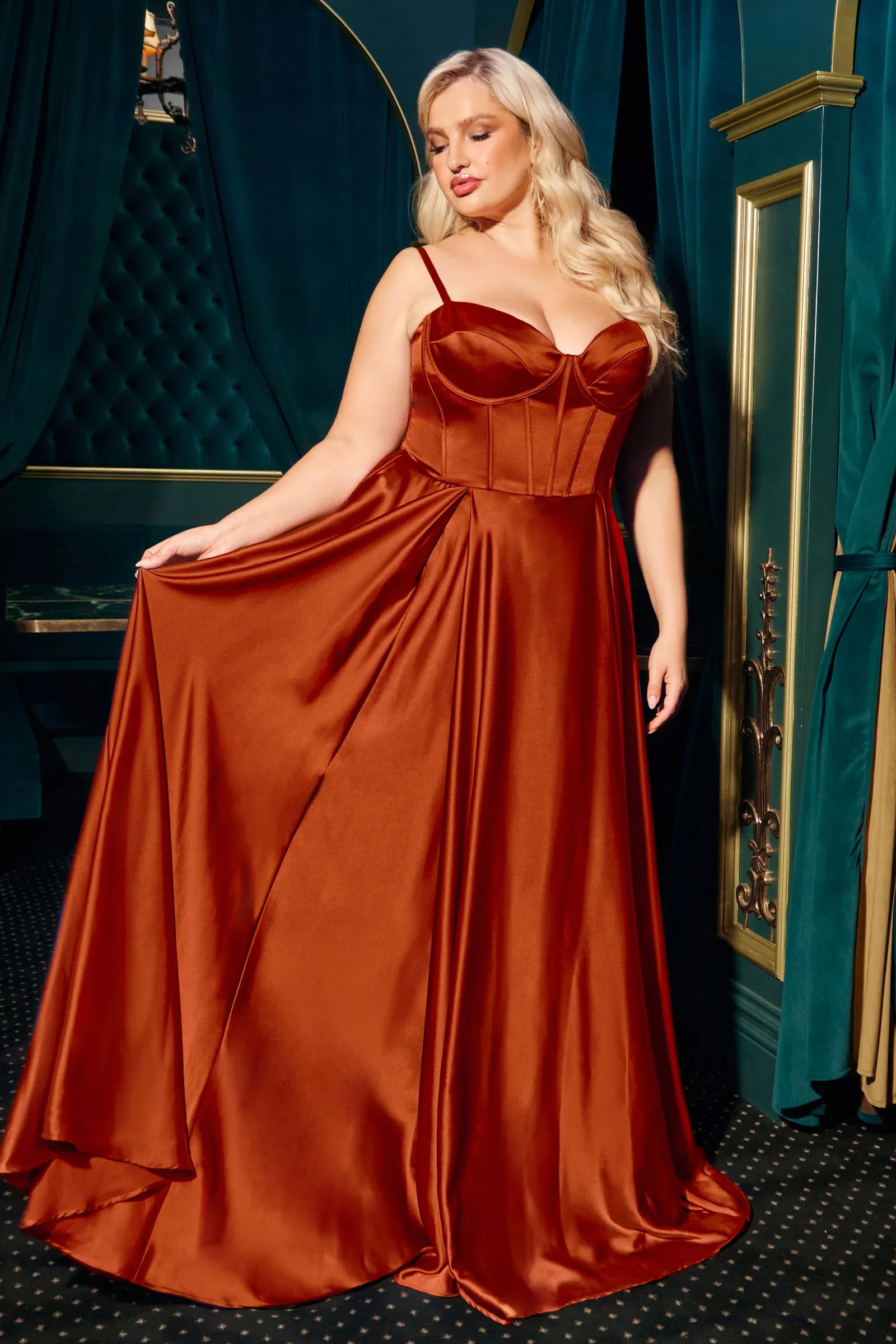
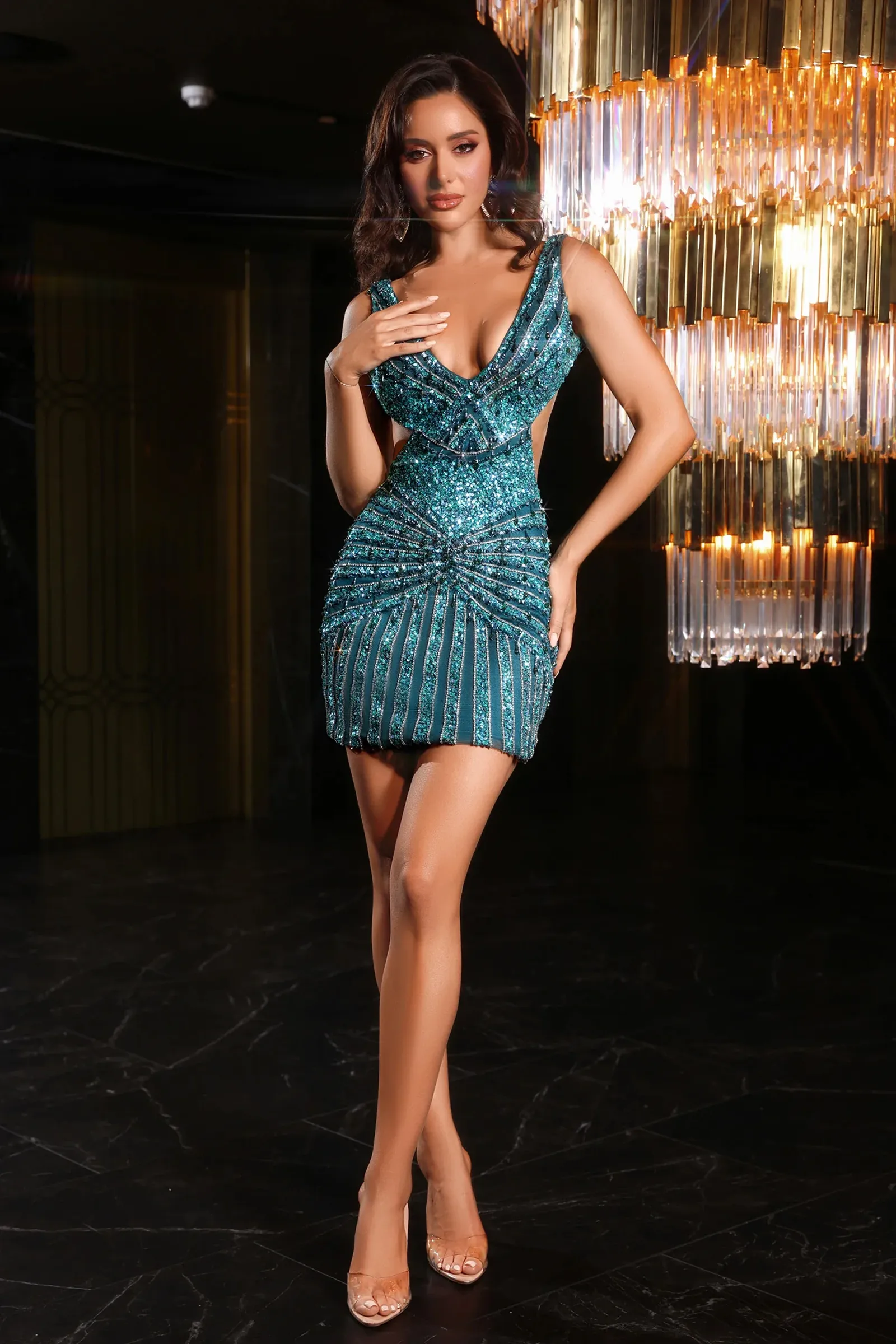
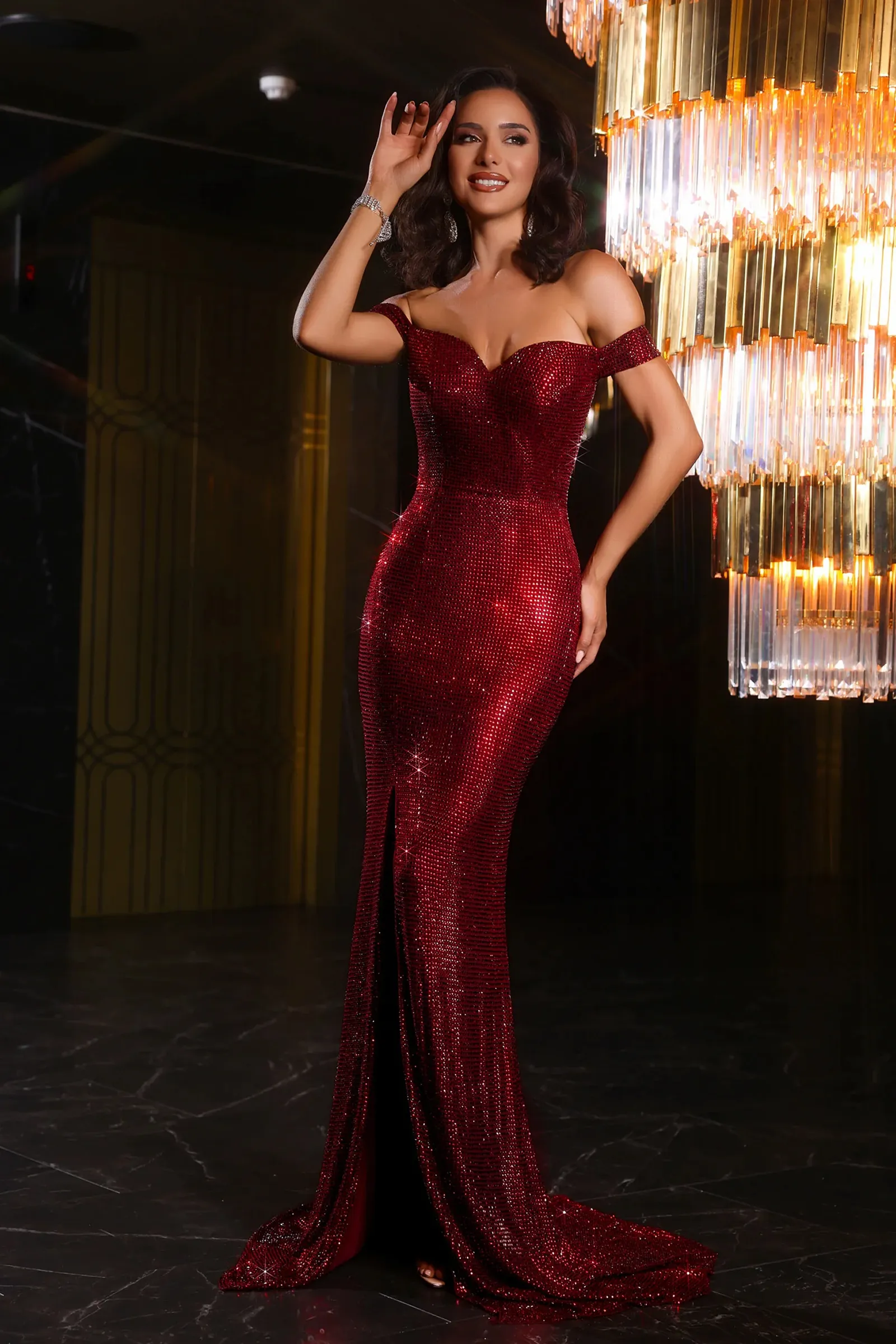
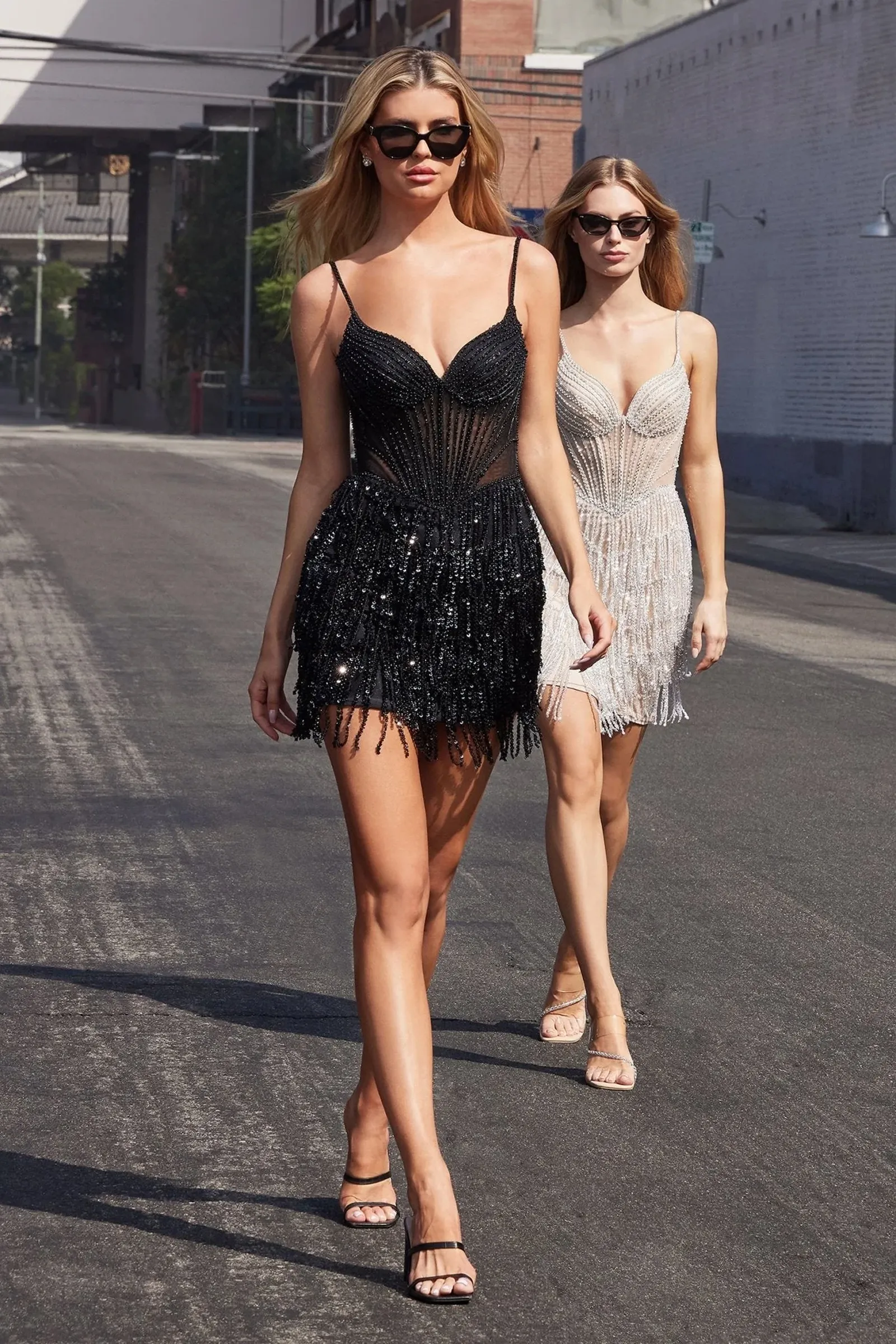
High low dresses combine two different lengths in one silhouette: a shorter front and a longer back. The result gives you some of the ease of a shorter dress while keeping a more dramatic line behind you. High low styles can work for formal events, weddings, parties, prom, and other occasions where you want something different from a standard short or floor-length dress.
Frequently Asked Questions
What is a high low formal dress?
A high low dress has a shorter front hem and a longer back hem. This shape combines a more open leg line with the visual length of a longer formal skirt.
Are high low dresses appropriate for formal events?
They can be, depending on the invitation and the dress's fabric and construction. Always use the event dress code as the starting point.
What shoes should I wear with a high low dress?
Because the front hem is raised, shoes are more visible than with a floor-length gown. Choose a pair that is comfortable and complements the dress.
What should I check before ordering?
Review both the front and back length, size measurements, fabric, lining, closure, shipping timing, and return policy. Check the hem proportions carefully if you want a specific amount of leg coverage.
Why Choose a High Low Dress
The main appeal is movement. The shorter front can make walking and dancing easier, while the longer back adds visual interest. This makes the style useful when you want a dress that feels more distinctive without committing to a full-length skirt.
High Low for Formal Events
The amount of formality depends on the fabric and details. A simple high low dress can work for a party or semi-formal event, while a structured or embellished version can suit a more formal celebration. High Low Formal Dresses can help narrow the search.
Prom and Homecoming
High low silhouettes are also useful for school dances because they combine movement with a more dramatic shape. If you are shopping for prom, High Low Prom Dresses provides a more specific category. For homecoming, look for styles that suit the event's dress code.
Choosing the Right Length
The front length is important because it changes how the legs and shoes are shown. The back length controls the amount of drama. Think about where you will be walking and whether the longer back will be practical for the venue.
Shoes Matter
Because the front of a high low dress shows more of the shoe, footwear becomes part of the outfit. Choose something that complements the dress and is comfortable enough for the event. If you expect to dance, comfort should come before a very high heel.
Details and Fabric
Chiffon creates movement in the skirt, while satin can make the silhouette more structured. Lace, sequins, and beading can make the dress more formal. Choose the fabric based on how much movement and shine you want.
Wedding Guest Options
A high low dress can work for a wedding guest when the length and finish suit the dress code. If you want to compare it with more conventional wedding styles, Short Wedding Guest Dresses and Long Wedding Guest Dresses offer two useful reference points.
Fit and Movement
The unusual hemline makes fit important. Make sure the waist stays secure and the skirt moves naturally. Check the product measurements, especially the front and back lengths, before ordering.
A Different Take on Dress Length
High low dresses are a good choice when you do not want to choose between short and long. The style gives you some of the practicality of a shorter dress while keeping a longer, more formal line behind you. That combination is what makes the silhouette worth considering.
High Low for Different Occasions
A high low dress can work for events where you want something more distinctive than a standard cocktail dress. A lighter version can suit daytime parties, while a formal fabric and embellished bodice can make the same silhouette appropriate for evening.
The Front Hem Matters
The shorter front should be long enough for the setting and comfortable when you sit. Because the back is longer, check how the two lengths work together when you walk. This is particularly important if the event involves stairs or crowded spaces.
Styling the Uneven Hem
Shoes become more visible with a high low dress, so they should be part of the plan rather than an afterthought. A simple shoe works well with a detailed dress. If the dress is plain, footwear can add a little personality.
Before Ordering
Check the front and back measurements, fabric, closure, and size chart. Look at product photographs from different angles if available. The silhouette is unusual enough that seeing how the hem falls can be as important as checking the waist measurement.
A Few Practical Details to Check
Small details can affect whether a dress works well once you are wearing it. Look at the closure, lining, sleeve construction, neckline, and skirt length. If the event is outdoors, consider the weather and the surface you will be walking on. If it is indoors, think about how long you will be sitting or standing. These details may not be the first thing you notice in a product photograph, but they can matter throughout the event.
Keeping the Look Balanced
A polished outfit does not have to contain many different elements. If the dress has a strong color, unusual silhouette, or visible embellishment, let that feature lead. Shoes and jewelry can then stay relatively simple. If the dress is understated, you can use accessories to add more personality. This approach also makes it easier to judge whether you genuinely like the dress itself rather than being distracted by styling in the photograph.
How to Compare Two Dresses
When two dresses seem equally suitable, compare the details that will affect the actual event. Look at the neckline, sleeve coverage, waist placement, skirt movement, fabric weight, and overall length. Then think about the venue and how formal the invitation is. This usually gives you a clearer answer than choosing only by color or by the amount of embellishment. It can also help to imagine the dress with the shoes and accessories you already own. A style that works with pieces you are comfortable wearing may be more useful than one that requires an entirely new outfit.
A Simple Shopping Checklist
Before you place an order, confirm the size measurements, dress length, fabric details, closure, and return information. If the occasion has a fixed date, leave enough time for shipping and any alteration that might be needed. Consider the weather and venue too. Outdoor events can require different footwear and layers from indoor celebrations. Finally, look at the dress as a complete outfit rather than as a product photograph. The most successful choice is usually the one that looks appropriate, feels comfortable, and makes sense for the way you will actually spend the day.

Follow us


