



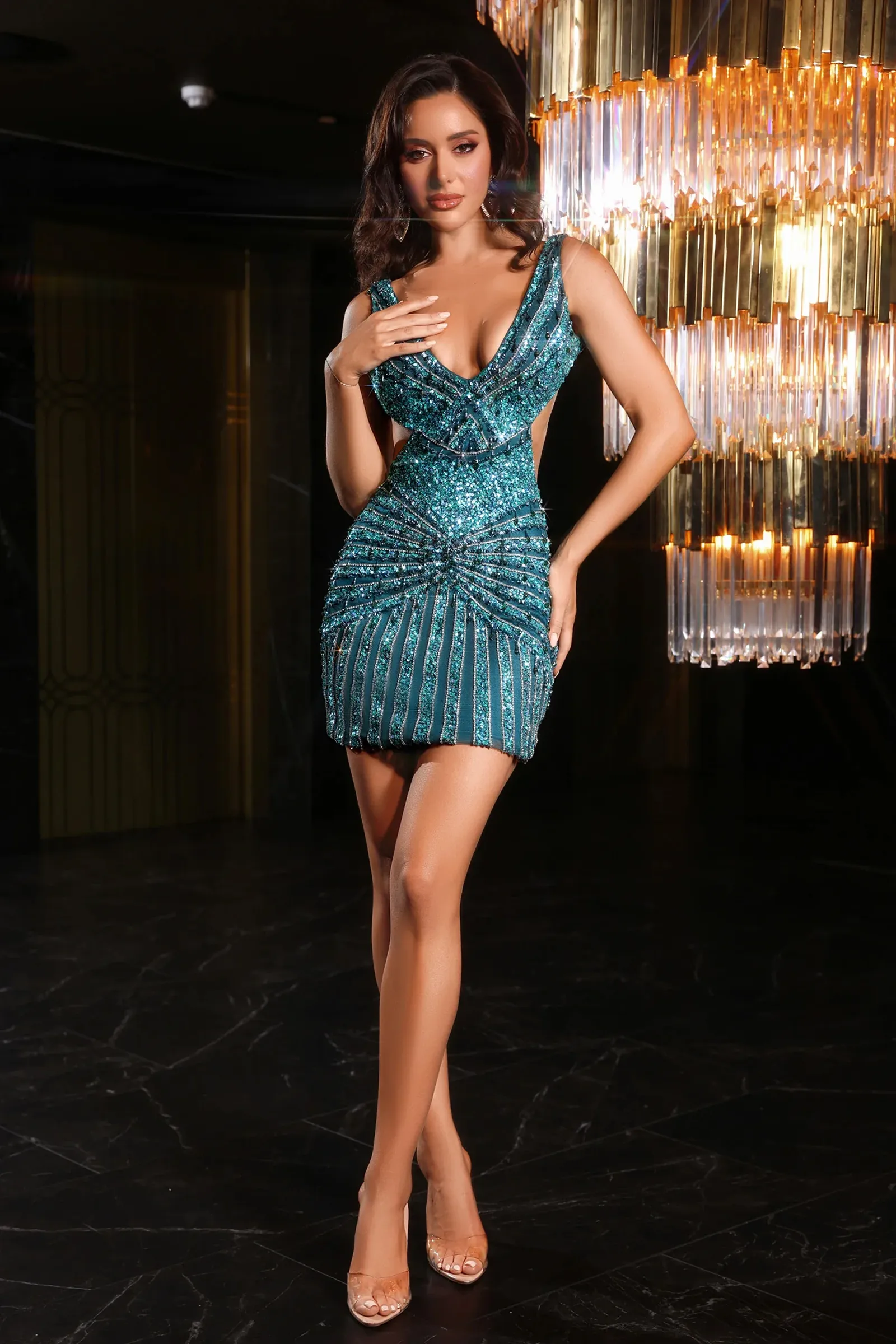
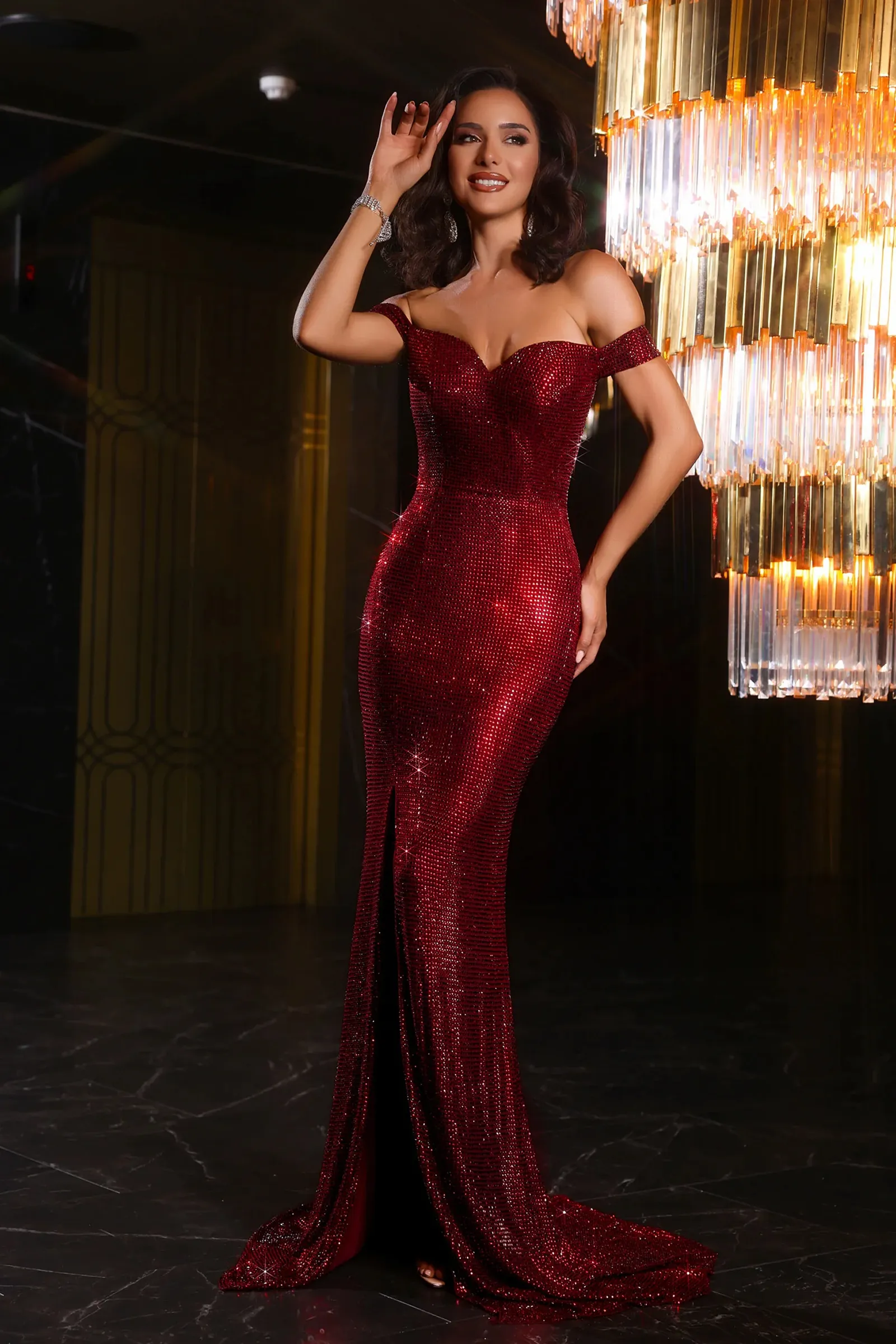
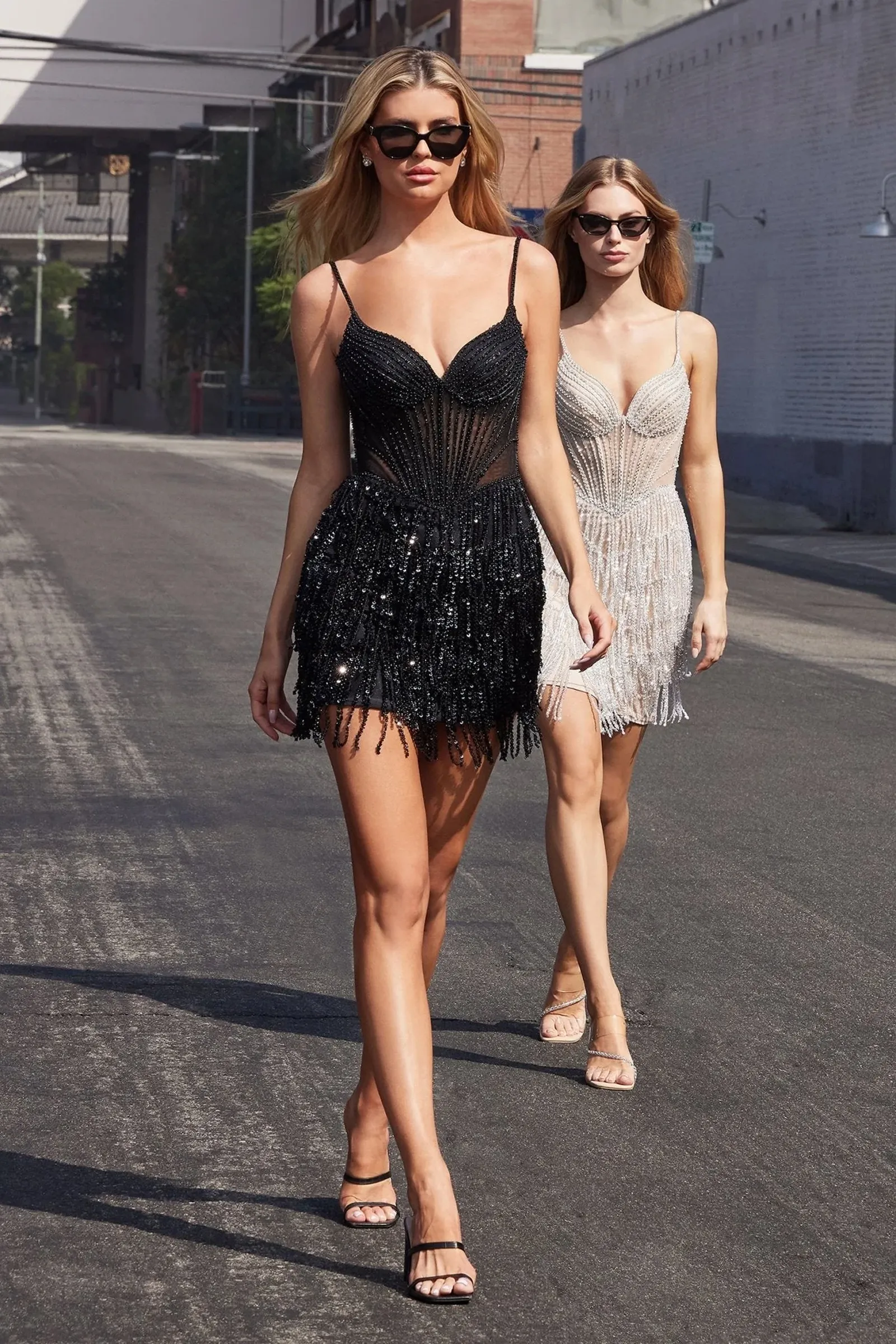
Wedding Dresses


The right wedding dress comes down to four things: where you are getting married, the season, the shape that makes you feel good, and your budget.
This collection covers all four, with bridal gowns in A-line, ball gown, mermaid, sheath, and short styles, made in lace, satin, tulle, and chiffon. It includes long gowns with chapel trains for church and black-tie weddings, light flowing dresses for beach and outdoor vows, and simple short dresses for courthouse ceremonies.
Designers include DeKlaire Bridal, May Queen, Amelia Couture, Lenovia, Tina Holly, and Adora Design, with prices from under $100 to over $1,000.
What Types of Wedding Dresses Are There?
The shape of a dress, also called its silhouette, is the first thing most brides decide. It controls how the dress fits, how it moves, and how formal it looks.
- A-line: fitted at the top, then the skirt widens slowly down to the floor, like the letter A. It suits almost every body type and almost every venue, which is why A-line wedding dresses are the most popular choice.
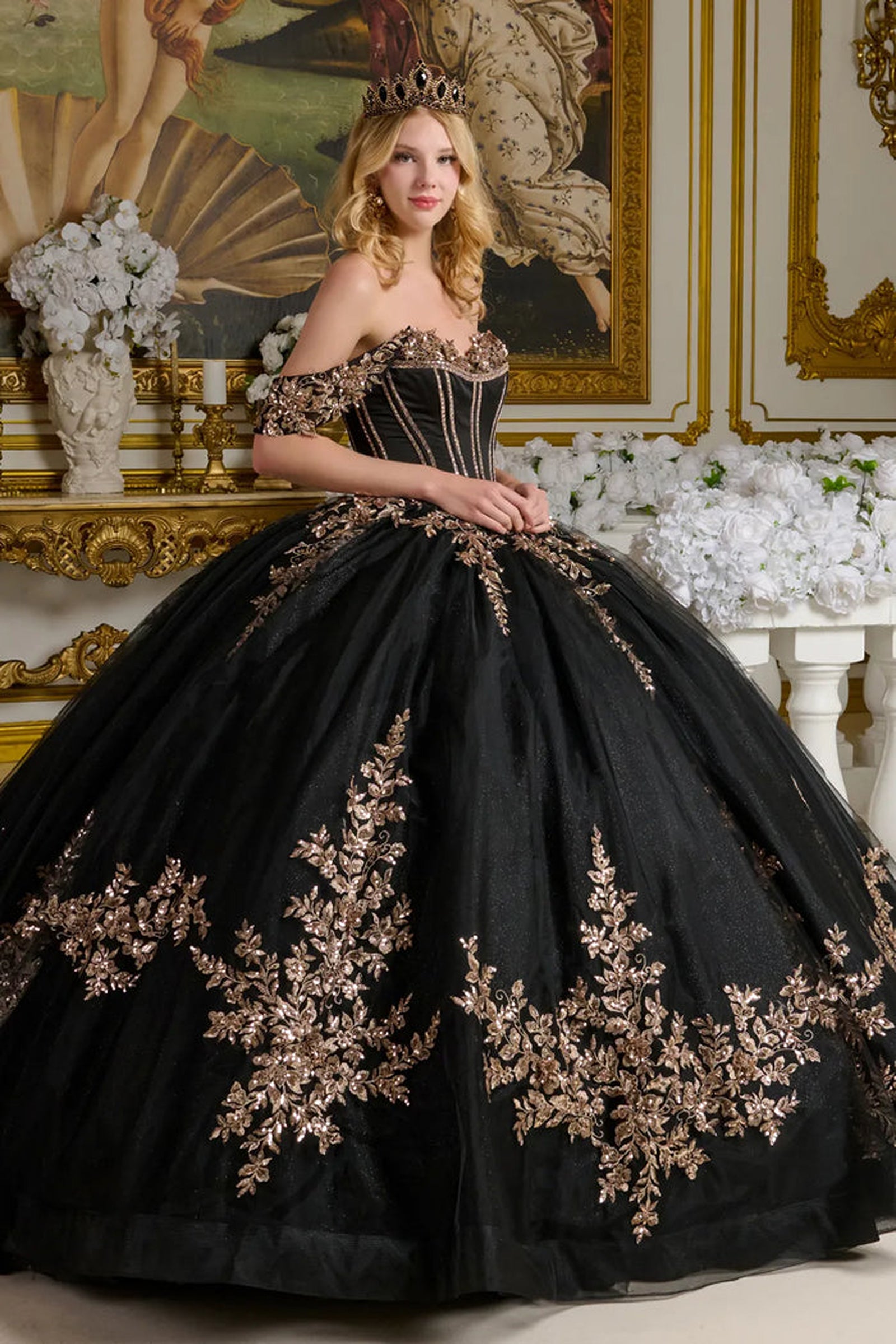
- Ball gown: a fitted top with a very full skirt, often made with layers of tulle. For a grand church wedding or a formal ballroom, ball gown wedding dresses give the classic bridal look.
- Princess: close to a ball gown, but softer and often with sparkle, corset backs, or a sweetheart top. Brides who want a fairy-tale moment usually start with princess wedding dresses.
- Mermaid: tight through the chest, waist, and hips, then flares out at or below the knee. Mermaid wedding dresses show off curves and look dramatic in photos, but they limit leg movement a little.
- Fit-and-flare: hugs the body down to the hips, then flares higher than a mermaid, around mid-thigh. This makes fit-and-flare wedding dresses easier to walk and dance in while still showing shape.
- Sheath: a straight, slim shape that follows the body without a big skirt. Sheath wedding dresses feel light and modern, and they work well for small or warm-weather weddings.
- Empire waist: the waistline sits just under the bust, and the skirt falls loosely from there. It feels comfortable and easy, so empire waist wedding dresses are a good pick for long days and relaxed venues.
- Fitted: any dress that follows the body closely from top to bottom, including bodycon and trumpet shapes. Brides who want a sleek, body-hugging look often choose fitted wedding dresses.
- Two-piece: a separate top and skirt, sometimes with a small gap of skin at the waist. Two-piece wedding dresses feel fresh and modern, and the top can sometimes be worn again later.
How Long Should a Wedding Dress Be?
Length depends on the venue, the dress code, and how much you want to move. A long gown is the traditional choice, but shorter lengths are now common for city halls, receptions, and summer parties.
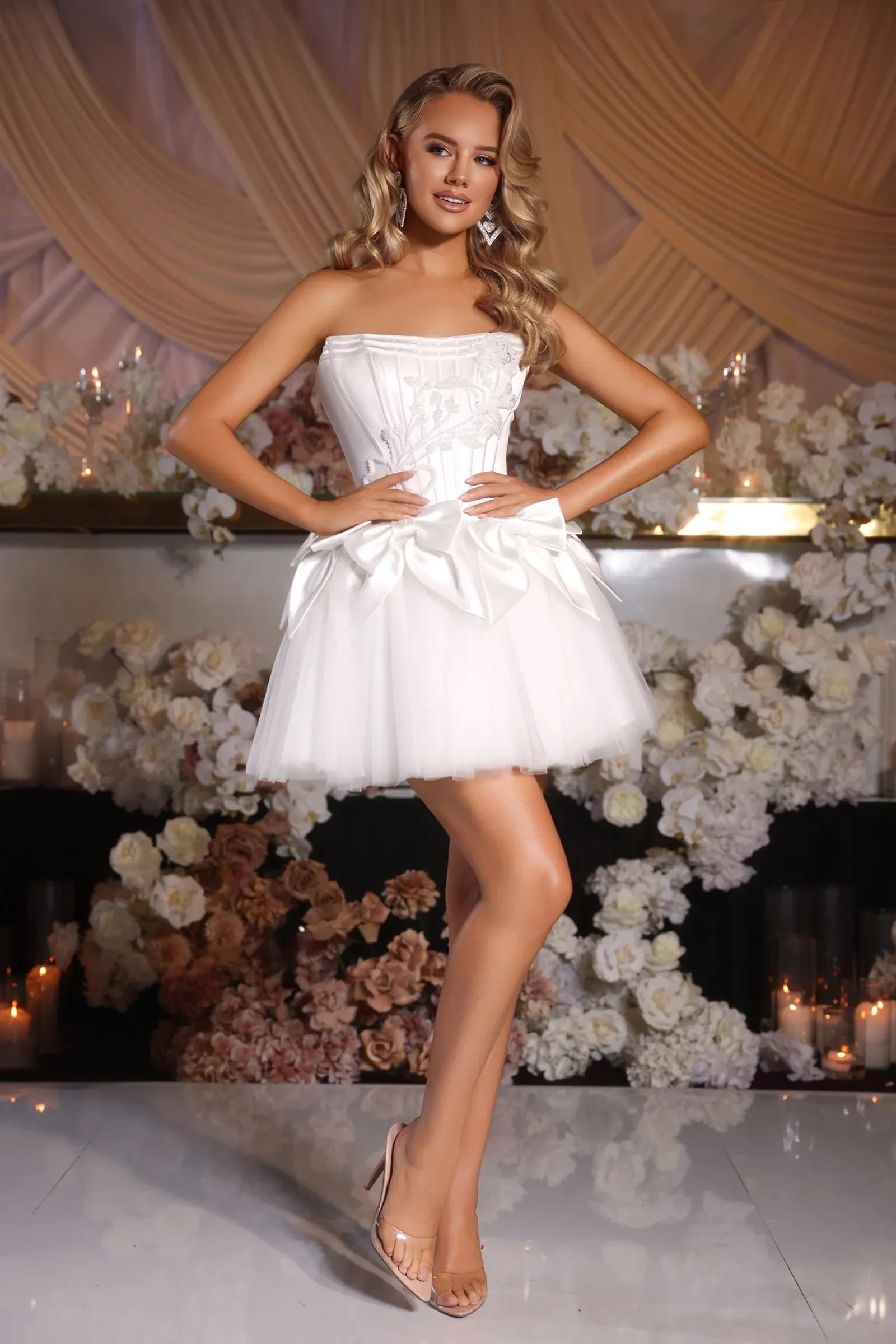
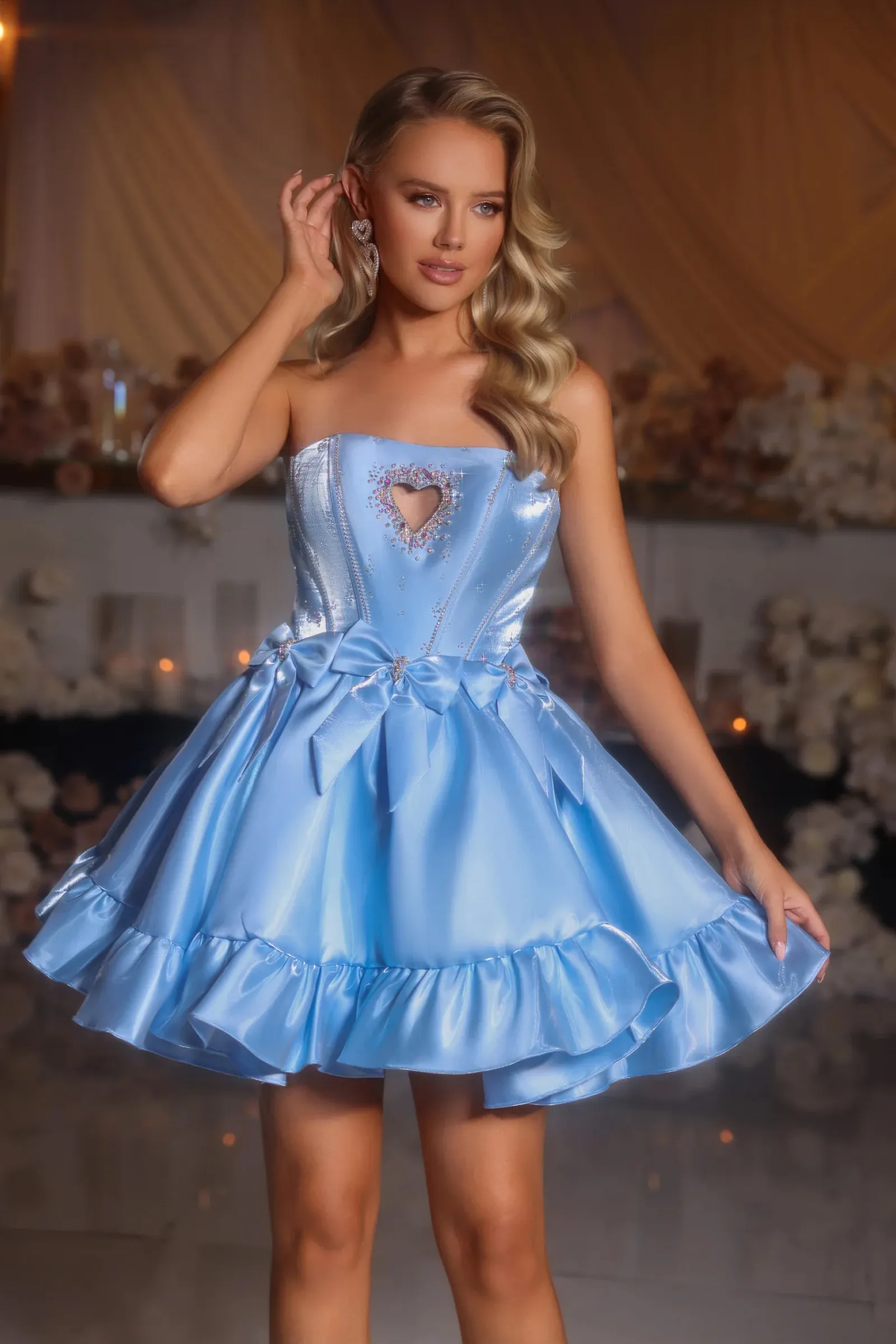
- Short: ends above the knee. Short wedding dresses are fun, easy to dance in, and often cost less, with some styles under $100.
- Knee-length: ends right around the knee. It looks neat and polished, and knee-length wedding dresses suit courthouse ceremonies, rehearsal dinners, and second weddings.
- Tea-length: ends between the knee and the ankle, a look that came from the 1950s. Tea-length wedding dresses feel vintage and show off your shoes.
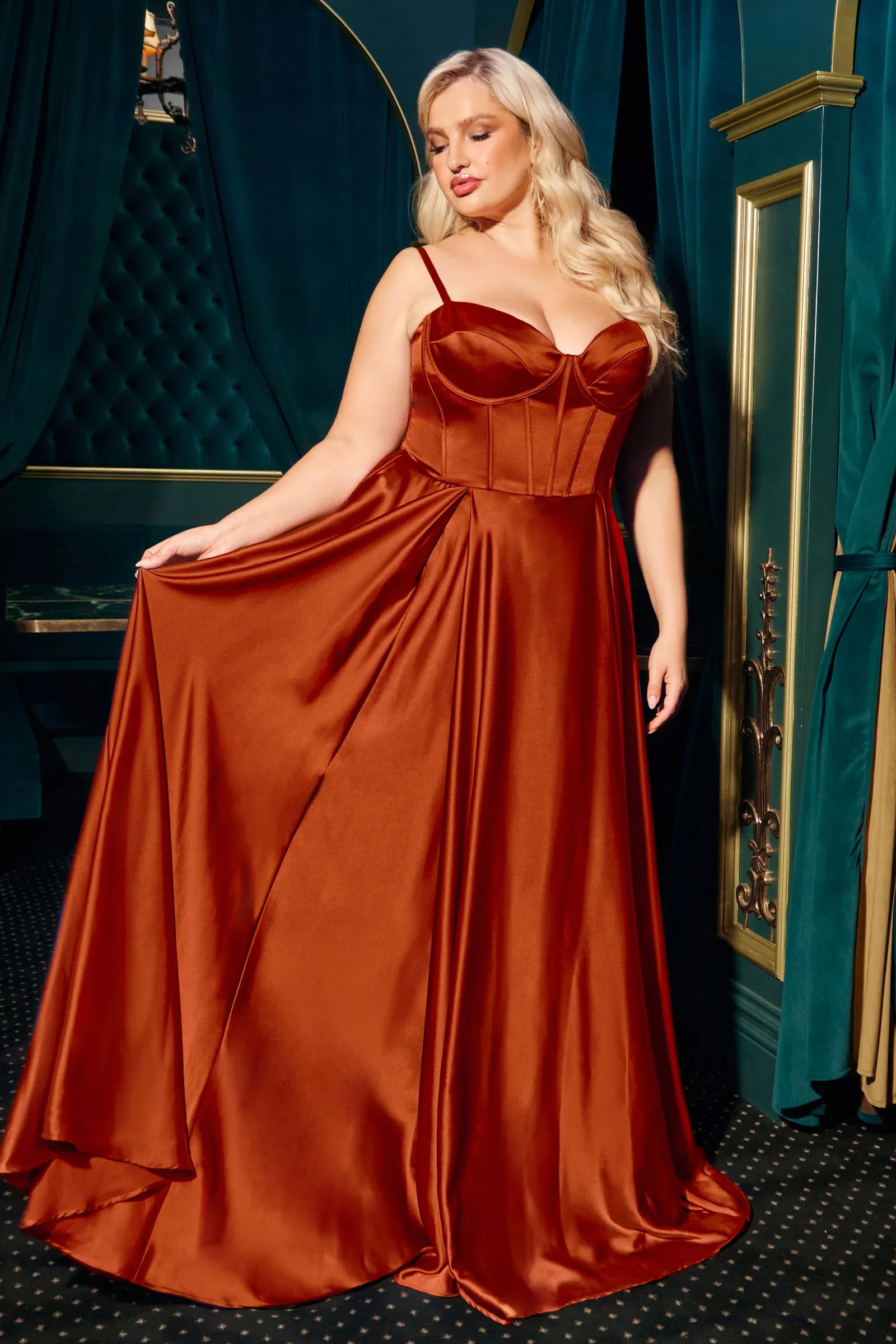
- Long and maxi: reaches the floor or just above it. For a classic ceremony, long and maxi wedding dresses cover every style from flowing chiffon to full ball gowns.
- High-low: short in the front and long in the back. High-low wedding dresses give you the drama of a long skirt while keeping your feet free for walking on grass or sand.
Do You Want a Train?
A train is the extra fabric that trails behind you on the floor. A sweep train just brushes the ground, a chapel train runs a few feet back, and a cathedral train is the longest.
Many gowns in this collection come with a chapel train. If you love the look of a long trail for photos, wedding dresses with a train are the place to start. Most trains can be bustled (pinned or hooked up) after the ceremony so you can dance.
Which Wedding Dress Neckline Should You Choose?
The neckline frames your face and shoulders, and it also decides what kind of bra or support you need. It helps to think of necklines in three groups.
Open Necklines That Show the Shoulders
- Strapless: no straps at all, with the top held up by boning and a good fit. Strapless wedding dresses show off the arms, shoulders, and jewelry.
- Sweetheart: the top is shaped like the top half of a heart, curving over each side of the bust. Most sweetheart wedding dresses are strapless, romantic gowns with a fitted bodice.
- Sweetheart with straps or sleeves: the same heart-shaped line also shows up on dresses with thin straps, lace sleeves, or sheer panels above it. If you like the shape but want more support or coverage, look at sweetheart neckline wedding dresses.
- Off-shoulder: the neckline sits below the shoulders, with the sleeves or straps resting on the upper arms. Off-shoulder wedding dresses look soft and romantic, especially in lace.
- One-shoulder: one strap or sleeve on one side, and the other shoulder bare. One-shoulder wedding dresses are simple and modern, and some come with a cape or draped fabric.
Necklines With Straps
- V-neck: the front dips into a V shape. It makes the neck look longer, and V-neck wedding dresses range from a soft V to a deep plunge.
- Spaghetti strap: very thin straps over the shoulders. Spaghetti strap wedding dresses feel light and easy, which is why they are common for beach and summer weddings.
- Halter: the straps wrap around the back of the neck. Halter wedding dresses show off the shoulders and often have an open back.
- Square neck: a straight line across the chest with straight sides. Square neck wedding dresses look clean and a little vintage.
- Cowl neck: soft fabric that drapes in loose folds at the front. Usually made in satin, cowl neck wedding dresses give a simple, slinky look.
Necklines With More Coverage
- High neck: the fabric comes up close to the neck, often in lace. High neck wedding dresses feel elegant and are a good choice for religious ceremonies.
- Boat neck: a wide, shallow line that runs from shoulder to shoulder. Boat neck wedding dresses look classic and covered without feeling tight at the throat.
- Illusion: a sheer mesh or tulle panel, often with lace on top, that makes it look like the lace is sitting on your skin. Illusion wedding dresses give the look of an open neckline with the support of a covered one.
Which Fabrics and Details Are Used in Wedding Dresses?
Fabric changes how a dress looks, feels, and moves. It also affects how warm or cool you will be on the day.
- Lace: the most traditional bridal fabric, with flower or leaf patterns sewn into fine thread. Lace wedding dresses suit almost every season and venue, from churches to gardens.
- Satin: smooth, thick, and a little shiny. Satin wedding dresses hold their shape well and look clean and formal, especially in plain, simple designs.
- Tulle: a light netting used in layers to build a full skirt. Most ball gowns use it, and tulle wedding dresses feel airy and soft without being heavy.
- Chiffon: thin, light, and flowing, so it moves with the wind. Chiffon wedding dresses are a top choice for hot weather and outdoor ceremonies.
- Beading: small beads, pearls, or crystals sewn by hand onto the bodice, sleeves, or skirt. Beaded wedding dresses catch the light and add detail up close.
- Sequins: small flat discs that cover parts of the dress and shine as you move. Sequin wedding dresses are bold and work well for evening receptions.
- Sparkle and glitter: some gowns use glitter tulle, crystals, or shimmer fabric across the whole dress. For brides who want to shine from every angle, sparkly wedding dresses mix several of these details.
- Floral patterns: flower designs that are printed, embroidered, or stitched into the lace. Floral wedding dresses feel fresh and suit spring and garden weddings.
- 3D flowers: raised fabric flowers sewn onto the dress so they stand out from it, often across the bodice or scattered down the skirt. Flower wedding dresses give a soft, textured, romantic look.
What About the Back of the Dress?
Guests see the back of your dress for the whole ceremony, so it matters as much as the front. Options include corset lace-up backs that let you adjust the fit, rows of buttons, keyhole cutouts, and fully open backs. Backless wedding dresses leave most of the back bare and often use a built-in bra or boning for support.
What Kind of Wedding Dress Suits Your Venue, Season, and Event?
The right dress depends on where and when you are getting married. A heavy satin ball gown that looks perfect in a cathedral can feel too hot on a beach in July.
By Venue and Type of Wedding
- Beach: choose light fabrics, a short or flowing skirt, and little or no train so it does not drag in the sand. Beach wedding dresses are usually chiffon, lace, or soft crepe.
- Destination: if you are flying, pick a dress that packs well and does not crush easily. Destination wedding dresses tend to be lighter, with less layered tulle.
- Outdoor: gardens, vineyards, barns, and parks all have grass, wind, and changing weather. Outdoor wedding dresses often have shorter trains or high-low hems so the skirt stays clean.
- Courthouse: a city hall wedding calls for something simple and easy to wear. Courthouse wedding dresses are usually short, knee-length, or sleek sheath styles.
- Black-tie: a formal evening wedding needs a full-length gown in rich fabric. Black-tie wedding dresses include ball gowns, satin columns, and beaded styles with trains.
- Maternity: pregnant brides need room at the waist and a soft fit. Maternity wedding dresses tend to use empire waists and stretch fabrics.
By Season
- Spring: light lace, soft tulle, and flower details fit the season. Spring wedding dresses often have short sleeves or no sleeves.
- Summer: the main goal is staying cool. Summer wedding dresses use thin fabrics, thin straps, and shorter lengths.
- Fall: cooler weather allows heavier fabrics and longer sleeves. Fall wedding dresses often come in satin or lace, sometimes in warm champagne tones.
- Winter: long sleeves, high necks, and thick satin keep you warm indoors and outdoors. Winter wedding dresses can also be paired with a cape or wrap.
How Do You Pick the Right Wedding Dress?
It is easy to feel lost with so many choices. These steps keep it simple:
- Set your budget first. Prices here range from under $100 to over $1,000. If you want to stay in the middle, wedding dresses under $500 cover many lace, satin, and short styles.
- Know your venue and season. This decides fabric weight, length, and whether a train makes sense.
- Pick a silhouette. Think about how you want to feel: free to move (A-line, sheath), shaped (mermaid, fitted), or grand (ball gown).
- Choose a neckline and sleeves. Think about comfort, support, and any coverage your ceremony needs.
- Check the size chart. Measure your bust, waist, hips, and hollow-to-hem length, and compare them with the chart on each product page. Bridal sizes often run smaller than everyday clothes. For curvier brides, plus size wedding dresses are cut with more room and support.
- Leave time for changes. Order a few months early so a tailor can hem the dress, take in the sides, or add a bustle.
What Colors Do Wedding Dresses Come In?
Most gowns in this collection come in white, ivory, off-white, or champagne. Bright white looks crisp and clean. Ivory is softer and warmer, and it suits most skin tones. Champagne has a light gold or beige tone underneath, which looks lovely in candlelight.
Some styles also come in blush or soft pink for a less traditional look.
Wedding Dress FAQs
What is the most popular wedding dress style?
The A-line is the most popular, because it suits most body types and works at almost every venue.
What wedding dress is best for a hot day?
A short or flowing dress in chiffon or light lace, with thin straps or no sleeves, will keep you coolest.
What should I wear for a courthouse wedding?
A short, knee-length, or simple sheath dress is the most common choice. It looks bridal without being too formal for a small room.
How far ahead should I order my wedding dress?
Order a few months before the wedding so there is time for shipping, fittings, and any changes by a tailor.
Can I wear a wedding dress without a train?
Yes. Many short, tea-length, and sheath styles have no train at all, and they are easier to move in.
Do strapless wedding dresses stay up?
A well-fitted strapless dress with boning and a corset or zip back will stay in place. Getting the bust and waist size right is the key.
Find Your Wedding Dress at Formal Dress Shops
Somewhere in this collection is the dress you will see in your wedding photos for the rest of your life. It might be a lace ball gown with a chapel train, a sleek satin sheath, or a short dress you can dance in all night.
Formal Dress Shops brings these bridal gowns together from DeKlaire Bridal, May Queen, Amelia Couture, Lenovia, Tina Holly, Adora Design, and more, with free shipping on every order.
Not sure about your size, or which style suits your venue? Call toll-free at 888-809-5363, call or text 213-400-7464 (Spanish available), or email info@formaldressshops.com and get help choosing. Find the one, pick your size, and make it yours today.

Follow us


