



Article: How Formal Should the Mother of the Bride Dress Be?
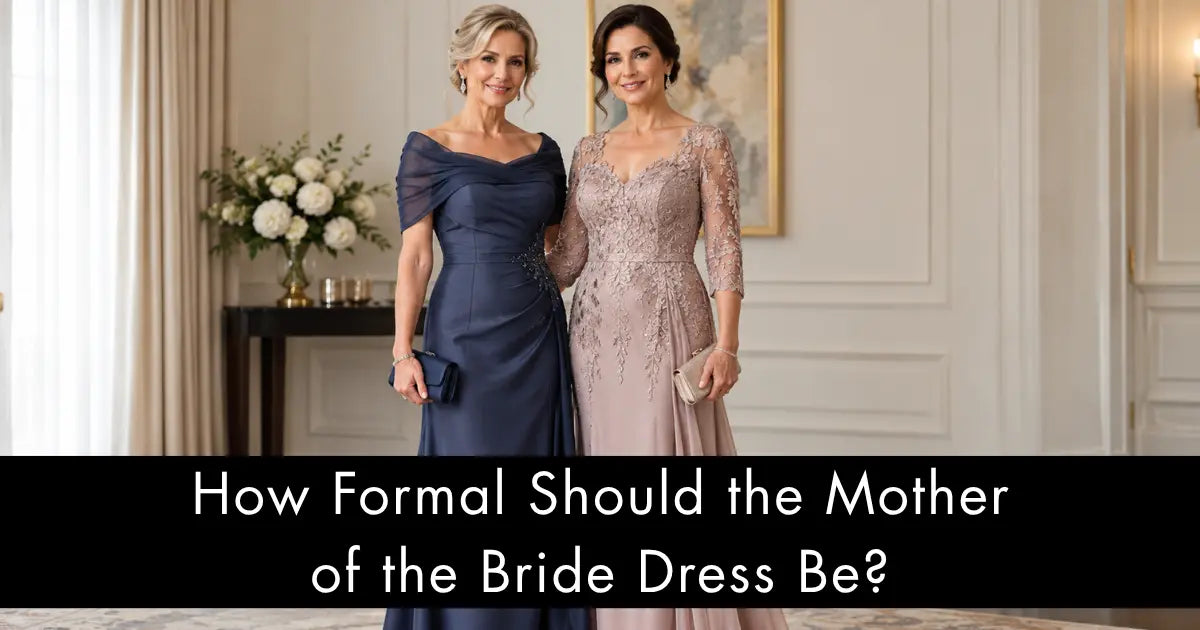
How Formal Should the Mother of the Bride Dress Be?
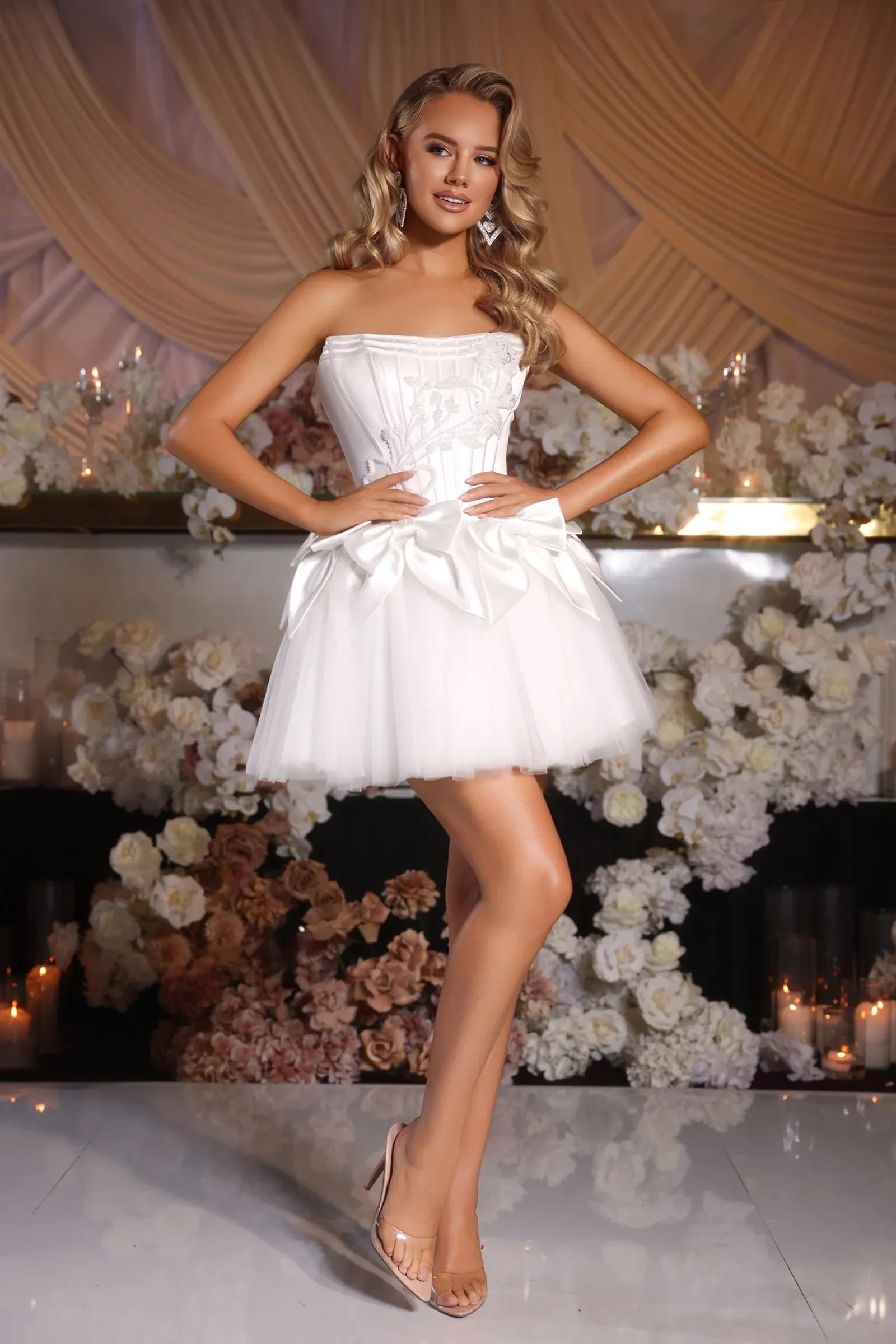
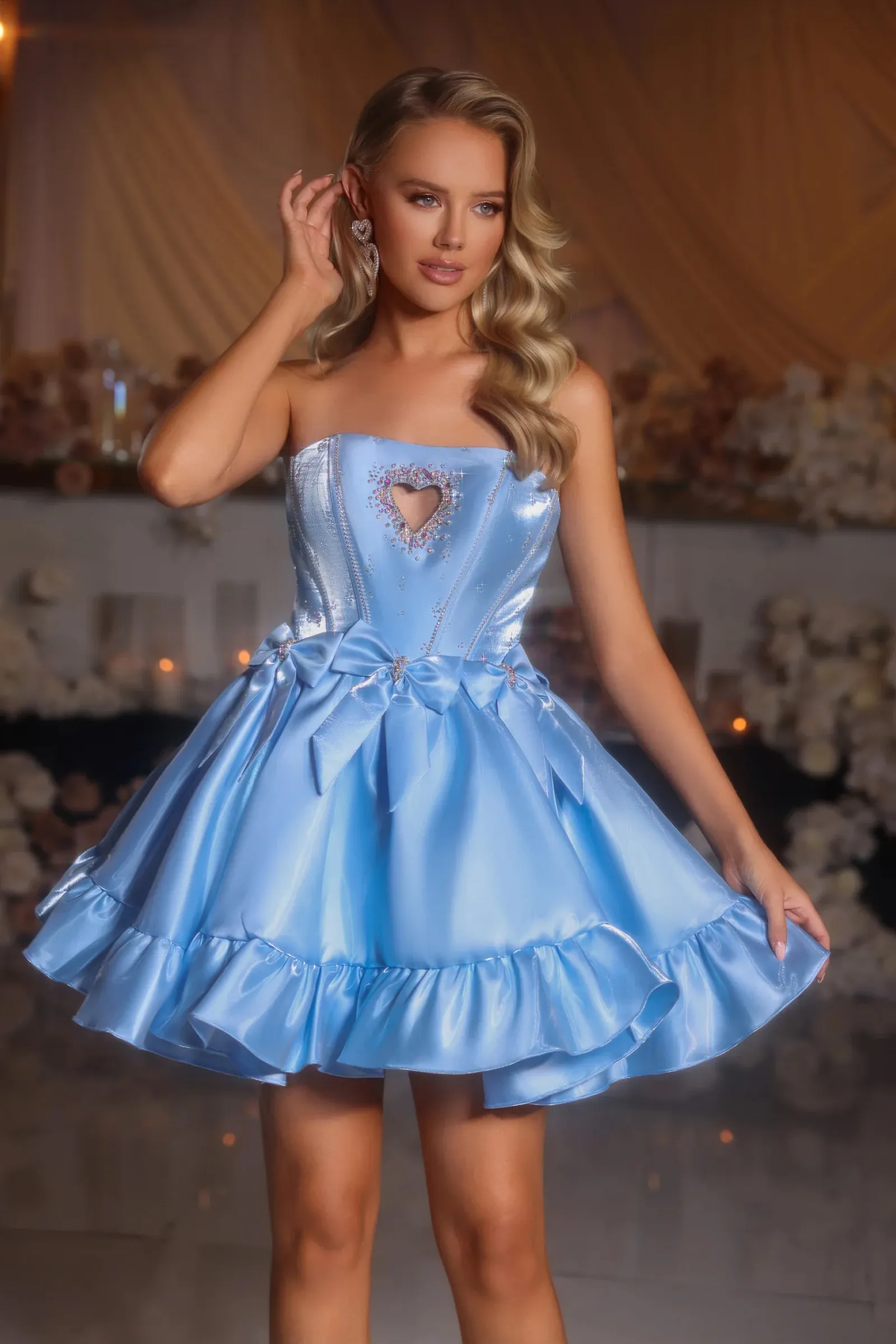
Match the formality of the wedding itself. If the invitation says black tie, wear a floor-length gown. For a formal evening wedding, choose a long or tea length dress. For a semi-formal or daytime wedding, knee length works. For a casual or outdoor wedding, a dressy midi or a tailored pant suit is enough.
The mother of the bride is one of the most photographed people at the wedding, so the outfit needs to look intentional. But being overdressed is just as awkward as being underdressed. The goal is to sit one small step above the average guest, and one clear step below the bride.
This guide explains how to read a dress code, when long beats short, how the mothers coordinate with each other, and the timing mistakes that cost people money. We fit mothers, grandmothers, and stepmothers every week at Formal Dress Shops, and the same confusions come up again and again.
Start With the Venue and the Invitation
Before you look at a single dress, get three pieces of information from the couple. What is the dress code on the invitation? What is the venue? What time does the ceremony start?
Those three answers settle most of the decision. A six o'clock reception in a hotel ballroom calls for something very different than a two o'clock ceremony in a vineyard. Mother of the bride dresses are not a single category with a single rule. They range from beaded floor-length gowns to simple lace midis, and the wedding decides which end of that range is right.
Ask the bride directly. Most brides have a picture in their head and are relieved to be asked. If she has chosen a palette, ask for it. If she wants both mothers in the same length, ask for that too.
Read More: Should the Two Mothers Dresses Match or Coordinate?
How to Read the Dress Code
Dress codes are not decoration on the invitation. They are instructions, and guests read them the same way across the United States.
Black tie
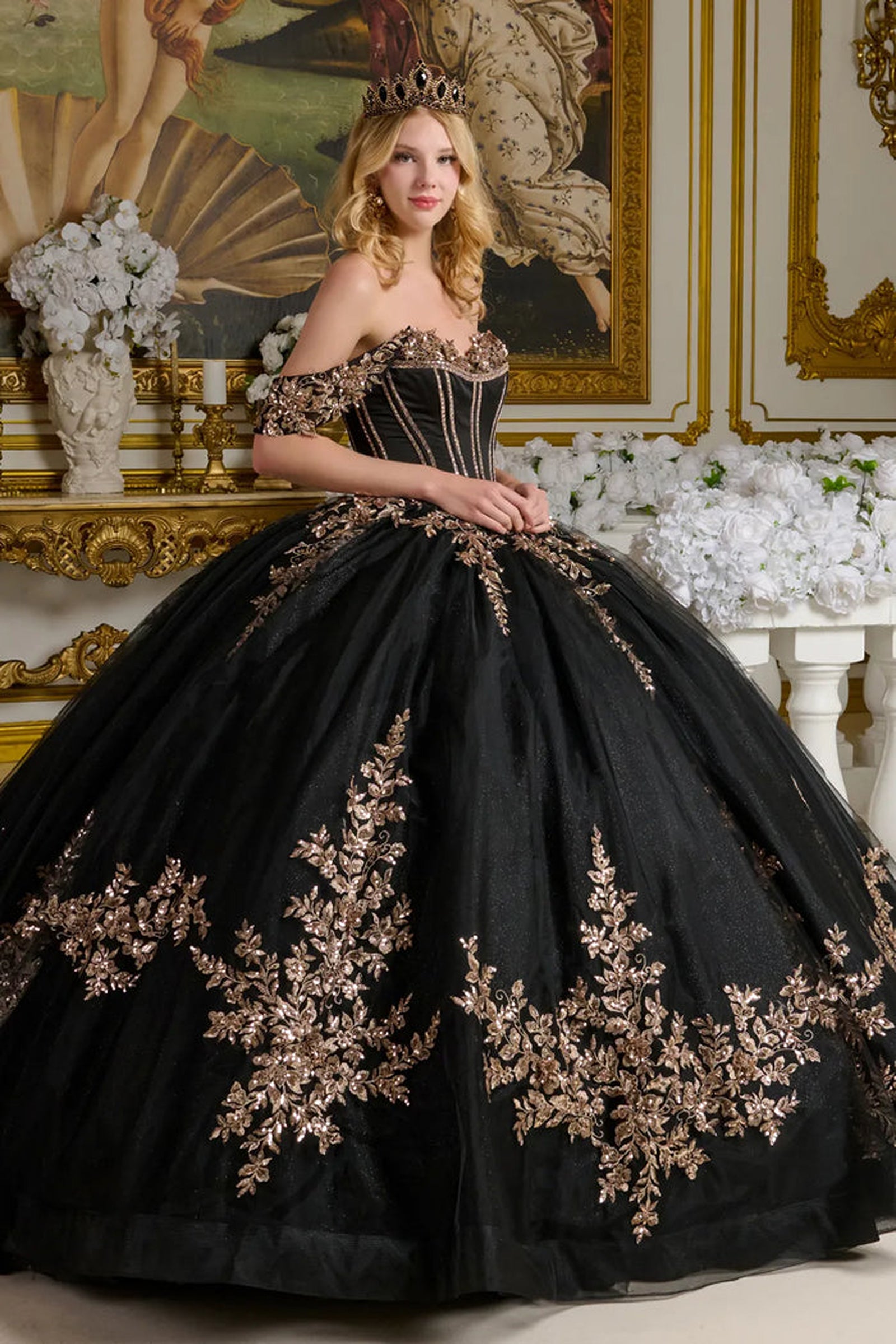
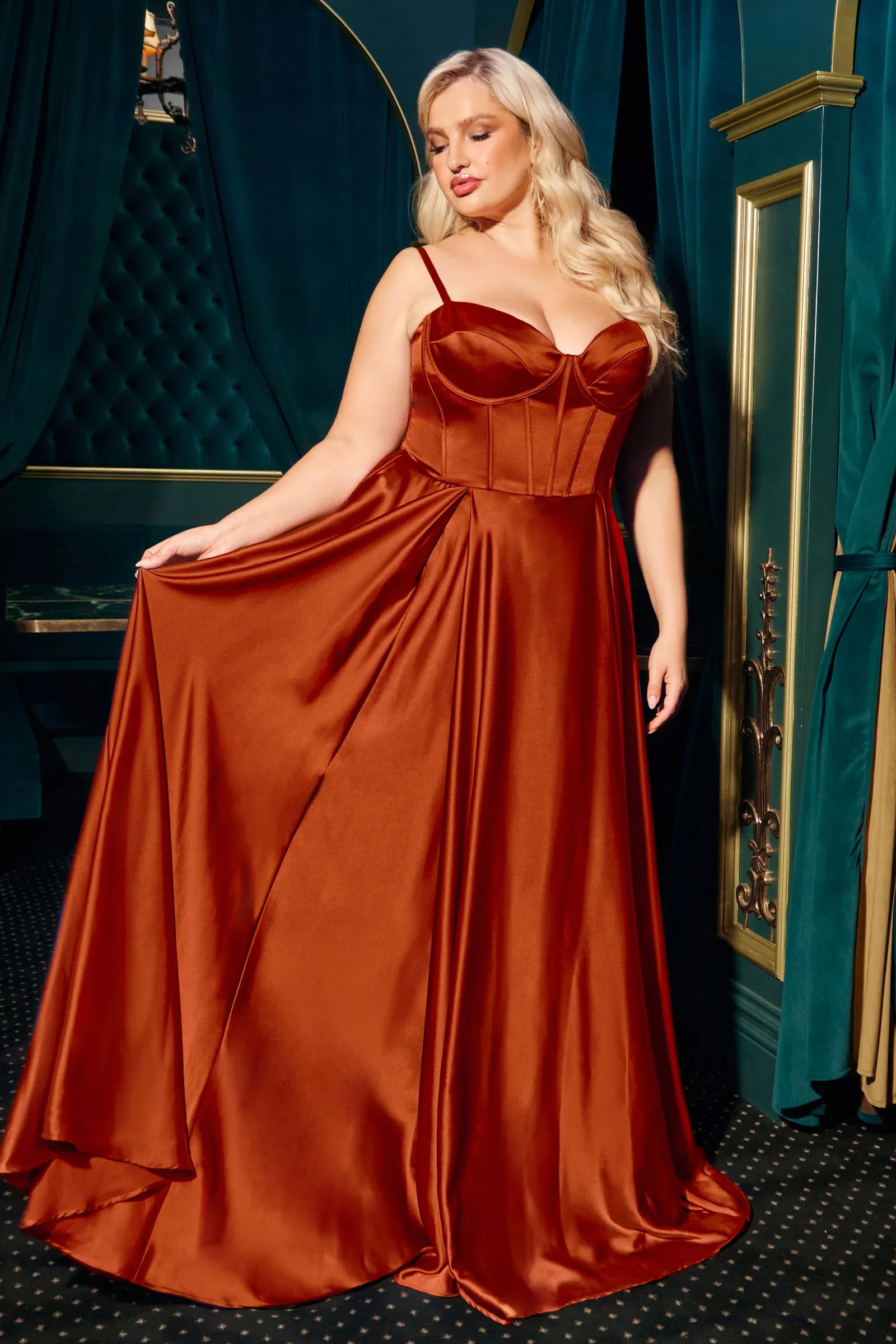
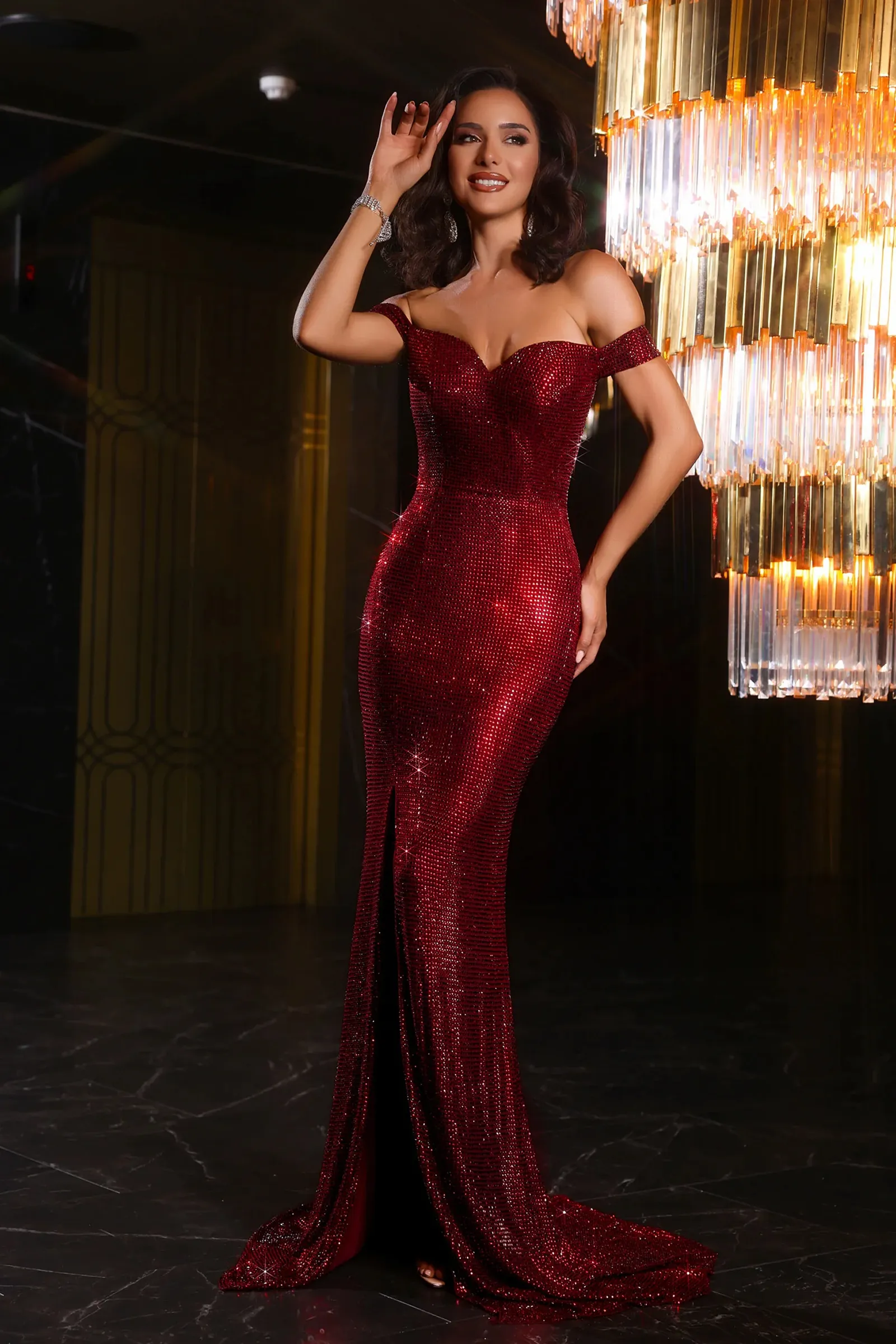
Floor length only. This is the most formal code you will see at a wedding. Long mother of the bride dresses in satin, crepe, chiffon, or beaded mesh are the standard. Add real jewelry and a small clutch.
A full-length gown with a matching jacket or a beaded bolero is a safe and elegant choice here. Knee length is too casual for black tie, no matter how expensive the fabric is.
Black tie optional or formal
Floor length is still the safest pick, but tea length mother of the bride dresses also work well. Tea length falls between the calf and the ankle and reads as formal without the weight of a full gown.
This code is common for evening weddings in hotels, country clubs, and event halls.
Semi-formal or cocktail
Now you have real freedom. Knee length mother of the bride dresses are the natural fit, especially in lace, jacquard, or heavier crepe. A long dress in a simple fabric is also fine, since a floor-length hem is never truly out of place at a wedding.
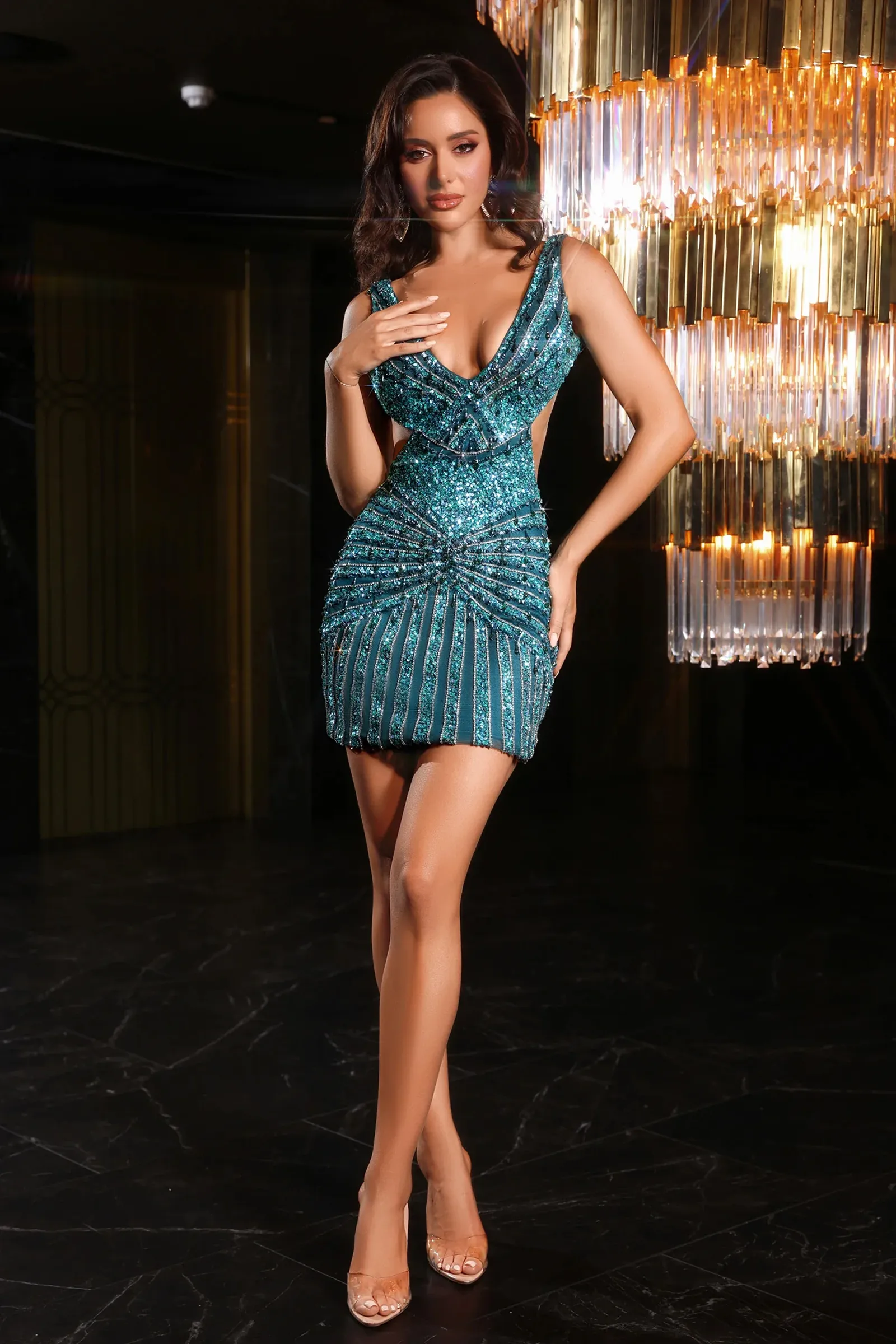
Short mother of the bride dresses work here too as long as the hem sits at or just above the knee, not higher.
Casual, beach, or garden
Think dressy, not fancy. A flowing midi in chiffon, a lace dress with sleeves, or a well-cut pant suit all work. Skip heavy beading, long trains, and stiletto heels on grass or sand. Comfort matters more here because you will be standing, walking, and often helping with setup.
Time of Day Still Guides the Choice
There is a long-standing rule in formalwear that the later the event, the more formal the clothing. It still holds. Morning and early afternoon weddings lean toward lighter colors, softer fabrics, and shorter hems. Evening weddings lean toward richer colors, heavier fabrics, and longer hems.
Season plays a role too. Chiffon, lace, and lighter shades suit spring and summer. Velvet, satin, brocade, and deeper tones suit fall and winter. If the ceremony is outdoors in July, a long-sleeve beaded gown will be uncomfortable for hours, and it will show in the photos.
Choosing a Length You Will Actually Be Happy In
Length is the single biggest decision, so it deserves more than a glance at a size chart.
Long gowns give the most formal look and the most coverage. They hide shapewear lines, they photograph beautifully in a receiving line, and they never look like you tried too little. The trade-off is movement. If you are hosting, greeting, and moving between tables all night, a heavy skirt gets tiring.
Tea length is the most underrated option. It gives a polished, classic look, it shows off your shoes, and it is far easier to walk in than a full-length gown. It also suits older mothers and grandmothers who want coverage without a trailing hem.
Knee length is best for daytime and semi-formal weddings. It is easy to wear again, easy to alter, and easy to travel with.
Short hems above the knee are the one length we usually steer people away from. They tend to read as guest attire rather than family attire, and they date quickly in photos you will look at for decades.
What About Pant Suits and Jumpsuits?
Pant suits are fully accepted at weddings now, and for many mothers they are the more comfortable and more confident choice. Mother of the bride pant suits in satin, crepe, or lace with a longer jacket look formal enough for almost any evening wedding. The key is tailoring. A pant suit only looks formal when the shoulders sit correctly and the hem breaks cleanly over the shoe.
Grandmother of the bride pant suits are popular for the same reason. They are easy to move in, easy to sit in for a long ceremony, and they solve the problem of standing on grass or uneven ground.
If you go this route, choose a dressy fabric rather than a work-suit fabric. Wool crepe and matte office fabrics read as business. Satin, jacquard, beaded knit, and lace read as celebration.
Coordinating With the Mother of the Groom
Traditional etiquette gives the mother of the bride first choice. She shops first, picks her color and length, and then shares those details with the mother of the groom. Mother of the groom dresses then follow in a complementary shade and a matching level of formality.
This is not about one mother outranking the other. It exists so the two of you do not show up in clashing colors or wildly different lengths in the family portraits.
In practice, the easiest approach is to agree on two things. Agree on length so both of you are long, both tea length, or both knee length. Then agree on color families that sit well side by side, such as navy and silver, or champagne and dusty blue. Avoid matching exactly, since identical dresses look like a uniform in photos.
If the two families live far apart, share photos and fabric names in a group chat with the bride. It takes ten minutes and prevents a problem that cannot be fixed on the wedding day.
Grandmothers, Stepmothers, and Other Honored Guests
Grandmother of the bride dresses follow the same formality rules, with a stronger focus on comfort. Look for sleeves or a coordinating jacket, a supportive lining, a hem that does not create a trip risk, and a fabric with a little stretch. Tea length and long sleeve mother of the bride dresses adapted for grandmothers work especially well, since they give coverage without heaviness.
Stepmothers should coordinate with the same palette and length guidance, and the couple should be the ones to communicate it. That keeps the conversation simple and avoids anyone feeling left out of the plan.
Colors to Choose and Colors to Avoid
Three colors are generally off limits unless the couple specifically asks for them. White, ivory, and champagne shades that read as white in photos belong to the bride. Solid black is still debated, and while it is now common at formal evening weddings, some families view it as too somber. Ask first. The bridesmaid color is the third one to avoid, because standing beside the wedding party in their exact shade makes you look like part of the lineup rather than the mother of the bride.
Reliable choices include navy, deep emerald, burgundy, dusty blue, silver, taupe, mauve, and soft gold. Metallics photograph well under warm reception lighting. Very bright neons and busy prints tend to pull attention in group photos, so use them carefully.
Fabric, Sleeves, and Coverage
Sleeves are the fastest way to make a dress feel more formal and more comfortable at the same time. Long sleeve mother of the bride dresses in lace or beaded mesh give coverage on the arms while still looking dressy. Three-quarter sleeves are a good middle ground for warmer weather.
Lace mother of the bride dresses remain a top seller because lace does two useful things at once. It adds texture that reads as formal in photos, and lined lace panels gently smooth the body without shapewear. Beaded and sequined fabrics are the most formal, though they add weight and can be warm.
For fit, A-line dresses for mother of the bride are the most reliable shape. The bodice fits, the waist is defined, and the skirt skims the hips and midsection instead of clinging. Plus size mother of the bride dresses work best in this same A-line shape, ideally with built-in lining, boning at the bodice, and either sleeves or wide straps for support. Empire waists are the second choice, since the fabric releases just above the stomach.
Also Read: How to Coordinate Mother of the Bride and Mother of the Groom Dresses
Sizing, Alterations, and Timing
This is where most of the real stress comes from, and it is completely avoidable.
Formalwear sizing does not match everyday clothing sizing. Brands use their own size charts, and gowns often run smaller than street sizes. Measure your bust, natural waist, and hips, then compare those numbers to the chart on the product page instead of ordering the size you normally wear. When you fall between two sizes, order the larger one. A tailor can take a dress in easily. Letting one out is limited by the seam allowance and is often impossible on a structured bodice.
A realistic timeline looks like this:
- Start looking six to eight months before the wedding, right after the bride chooses her dress.
- Order your dress four to five months out, since many formal gowns are made to order and shipping takes time.
- Book alterations six to eight weeks before the date, and bring your shoes and undergarments to every fitting.
- Have the final fitting one to two weeks out, then hang the dress and leave it alone.
Standard alterations usually take two to three weeks, and busy wedding season runs longer. Hemming should always be done with the exact shoes you plan to wear, since even a half inch of heel height changes where the hem falls.
Answers to the Questions We Hear Most
Can the mother of the bride wear a short dress?
Yes, at semi-formal, daytime, or casual weddings. Knee length is appropriate and easy to wear again. For black tie or evening weddings, choose long or tea length instead.
Should both mothers wear the same length?
Ideally yes. Matching lengths look intentional in family photos. The mother of the bride usually chooses first, then shares her color and length with the mother of the groom.
Is black acceptable for the mother of the bride?
It is common at formal evening weddings and looks elegant, but some families still consider it too somber. Ask the couple before ordering, and consider softening it with metallic jewelry or a lighter jacket.
Can I wear pants instead of a dress?
Absolutely. A well-tailored pant suit in a dressy fabric is appropriate at nearly every wedding, including formal ones. Focus on tailoring and fabric rather than the fact that it is not a dress.
How much should the mother of the bride spend?
There is no set number. Spend based on the formality of the wedding and how much alteration work the dress will need, and remember to budget for tailoring, shoes, and shapewear on top of the dress price.
Bringing It All Together
Formality is not a guessing game. Read the invitation, look at the venue, note the start time, and pick the length that matches. Then choose a fabric and a fit that let you enjoy a long day on your feet.
Browse long, tea length, and knee length options together at Formal Dress Shops, where you can filter by length, sleeve, and size before you commit. If you are stuck between two dresses or coordinating with the mother of the groom, our team can help you match formality, color, and timing so both families look right in every photo.


Leave a comment
This site is protected by hCaptcha and the hCaptcha Privacy Policy and Terms of Service apply.