



Flower Girl Dresses


Shop flower girl dresses by the aisle she’ll walk, the colors she’ll stand beside, and how long she’ll wear the outfit. A knee-length A-line dress is a good starting point for a toddler or an outdoor wedding. For a formal indoor ceremony, consider a tea-length satin dress or a floor-length tulle gown for an older child who can walk easily in it.
Before browsing, write down her chest and waist measurements, the wedding color, and the date she needs the dress. Use those details to narrow your choices, then let her pick a skirt, sleeve, or bow she’s excited to wear.
Shop for the Aisle She’ll Actually Walk
Picture her route from the start of the aisle to her seat. If she’ll carry a basket up steps, cross a lawn, or walk through sand, choose a hem she can manage without holding up the skirt.
- Knee-length for grass, sand, or steps. This is a practical starting point for toddlers and younger girls. The skirt stays away from her shoes, and she can bend to pick up her basket without gathering the fabric.
- Tea-length for a classic wedding look. The hem falls between the knee and ankle, often around mid-calf. It shows the shape of a tulle or satin skirt and can suit both a daytime ceremony and an evening reception.
- Ankle-length for a longer look. The hem sits near the ankle and can leave her shoes visible. Check where it lands on her, since the same dress can sit higher or lower on children of different heights.
- Floor-length for a formal indoor aisle. Have her try a few turns and walk up a step in her wedding shoes. Check the front hem as she moves and see where the back hem lands when she stops.
- High-low for a shorter front hem. Look at the back length as closely as the front. A hem that clears her toes can still catch on a step behind her.
Check the listed dress length before ordering. At the fitting, check the lining and outer layer separately. They can hang at different lengths, especially on a dress with several layers of tulle.
Let Her Choose How the Dress Looks and Moves
A Simple A-Line or Fit-and-Flare
Start with an A-line if she’s used to everyday dresses and wants something easy to move in. The skirt widens gently from the waist. A fit-and-flare gives her a more defined waist and a fuller skirt that swings when she turns.
A plain satin bodice, a bow, or a narrow band of lace works well for a small ceremony. As you browse girls’ formal dresses, use the side photos to see how far the skirt stands from the body. That’s especially helpful if she’ll sit in a narrow chair or walk beside another child.
A Full Tulle Skirt or Princess Ball Gown
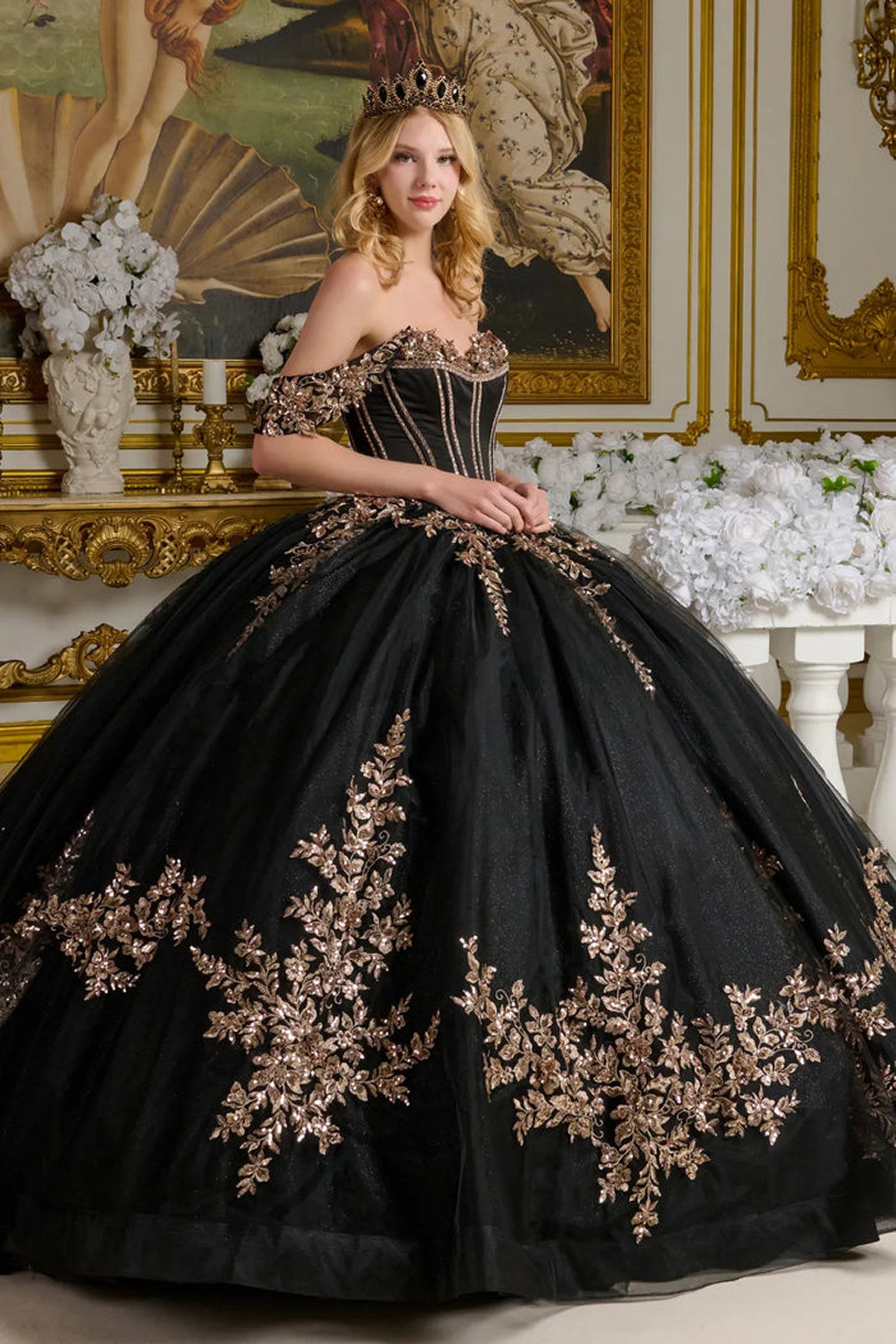
If she wants a princess dress, show her a lightly layered tulle style and a fuller ball gown. Ask which she likes best after she’s tried sitting down. A wide skirt can feel different at a reception table than it does on the aisle.
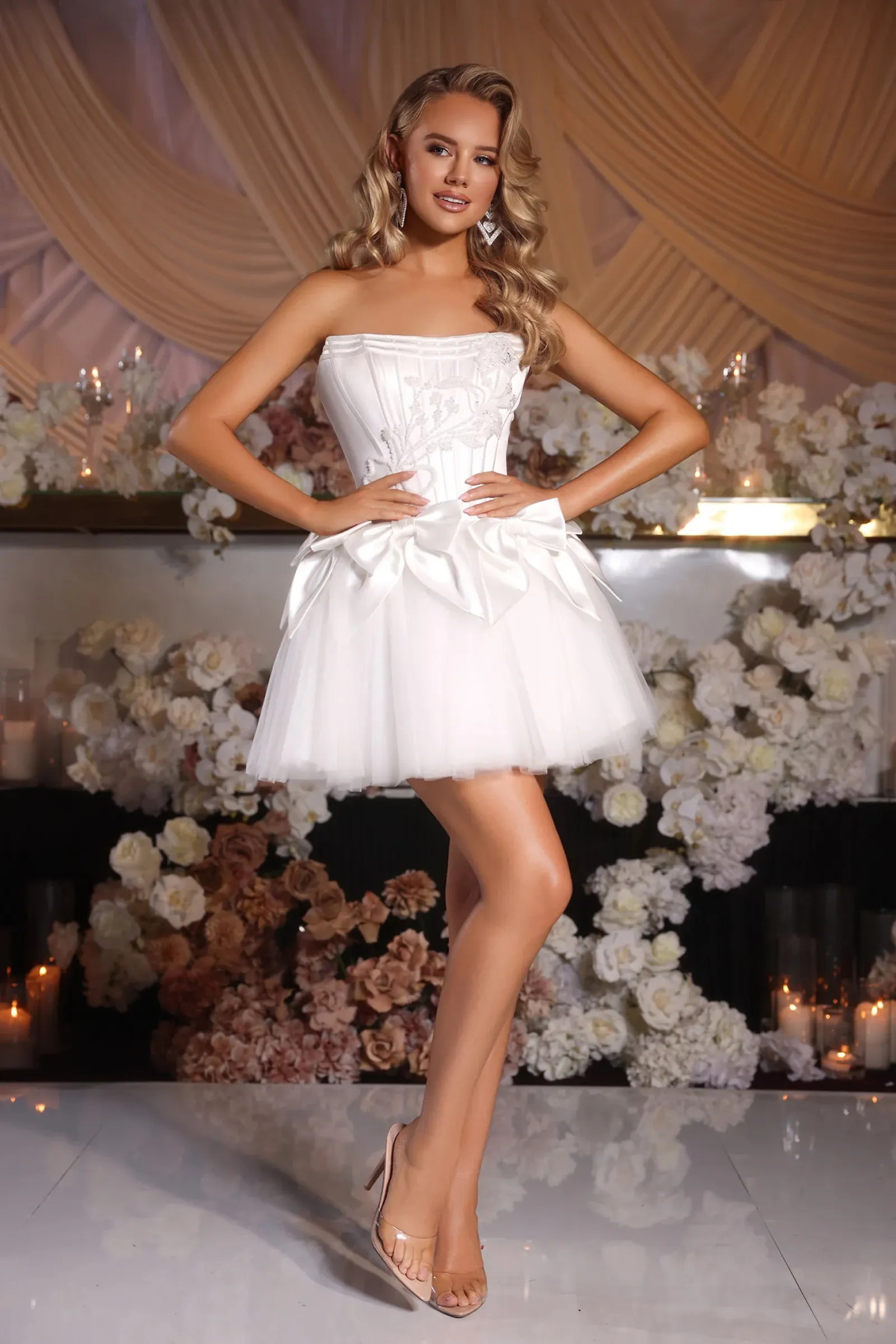
A satin and tulle dress with a back bow gives her a full skirt at tea length. The satin bodice keeps the top simple, and the bow is visible as she walks away.
A Floral Dress for a Garden or Boho Wedding
A scattered floral print carries color across the skirt. Embroidery adds a stitched pattern, and three-dimensional appliqués give petals and leaves a raised shape you can see in close photos.
For an outdoor ceremony with a relaxed dress code, try a soft skirt with embroidered flowers at the waist or a chiffon dress with a floral sash. If the bouquets already have bold colors, a few stitched flowers can pick up the same shades.
Think about where those details sit. Flowers near the neckline show in close photos, and a pattern around the hem shows clearly when she’s standing. If she’ll carry a large basket in front of her, look for details on the sleeves or back that guests can see during the walk.
Check What She’ll Feel When She Puts It On
The outer fabric shapes the dress. The lining, seams, sleeves, and closures are what she’ll feel all day. Use the fabric description to see what touches her skin, then check those areas at the fitting.
- Tulle and organza. Tulle builds volume in layers. Crisp organza holds the shape of puff sleeves, bows, and ruffles. Check for lining beneath a full skirt and feel the edges of any mesh at the neck.
- Satin and chiffon. Satin has a smooth sheen that brings out the shape of a wide sash or pleats. Chiffon falls in softer folds. Look at the skirt in daylight to see how much coverage its lining gives.
- Lace and beading. Both can add detail to a plain bodice. Feel the inside of the armholes, collar, and sleeve cuffs. These are the spots most likely to bother her if she’s sensitive to textured fabrics.
- Cotton blends and velvet. A cotton-blend dress can suit a casual summer wedding. Velvet works for colder months. If she’ll go from outdoor photos to a heated reception, try a cardigan she can take off indoors.
Choose sleeves around the weather and the venue’s dress code. Sleeveless styles leave her arms free to hold a basket. Cap sleeves cover the tops of the shoulders, and puff sleeves add shape. Long sleeves can work for a winter or religious ceremony. Check for a lining if she’ll need the sleeves for warmth.
Look at the closure too. A back zipper makes it easy for an adult to help her change. A removable sash lets you switch colors or take off a bulky bow before dinner. If she’s changing at the venue, pack the dress, sash, cardigan, and shoes together.
Use One Color to Tie Her Outfit to the Wedding Party
White, ivory, and champagne flower girl dresses can look quite different in photos. White usually looks crisp, ivory is warmer, and champagne can lean beige or gold. If you want a close match, compare the fabrics in daylight. You can also pick up a lace pattern, bow, or skirt fabric from the bride’s wedding dress.
For spring or summer, try blush pink, sage, lavender, or dusty blue. For fall or winter, burgundy, navy, and emerald can pick up deeper tones in the flowers. An ivory dress with a sage sash can coordinate with the bridesmaid dresses.
Shopping for two flower girls? You can use one color on a toddler’s knee-length dress and an older child’s longer gown. Compare the fabrics if you want a close match. The same shade can look brighter on shiny satin and softer under layers of tulle.
If you’re choosing between two colors, set the dress beside a bridesmaid’s fabric swatch or a ribbon from the bouquet. If she loves a different shade, check whether it already appears in the flowers or decorations. That gives her some choice within the wedding palette.
Measure First, Then Check the Size Chart
Measure around the fullest part of her chest and around her natural waist, where her body bends to the side. Keep the tape level over light clothing. Follow the product page’s instructions for measuring length, since the starting point can differ by brand.
ASTM International publishes body measurement tables for girls’ apparel in sizes 2 through 20. Clothing makers can use them as a starting point when designing patterns. When you shop, use the chart for the dress you’re considering and see whether it lists body measurements or finished garment measurements.
- Between sizes? Check the chest and waist on a fitted bodice and follow the brand’s guidance. With the dress zipped and the sash loose, see if she can reach forward and sit comfortably.
- Buying for a toddler? Check that the shoulders stay in place when she lifts her arms. Have her take a few steps so you can see whether the neckline shifts or the skirt bunches around her feet.
- Planning alterations? Bring the wedding shoes to the fitting. If several layers need shortening or lace runs along the hem, ask about the cost before choosing the dress.
The Knot suggests shopping about two to three months before the wedding. Check delivery dates early for special orders, group purchases, or dresses that may need tailoring. Include shoes, a cardigan, and alterations when you compare the total cost.
Do a full try-on before the exchange window closes. Ask her to raise her arms, sit at a table, and take a few normal steps. Watch what she adjusts on her own. If she keeps pulling at a sleeve or lifting the skirt, check that spot again before deciding to keep the dress.
Choose the Dress for Her Role in the Wedding
If you’re comparing search results for “flowergirls dresses” and “childrens dresses for wedding,” start with what the child will do on the day. A flower girl’s outfit needs to work for the aisle and fit the wedding colors. A child attending as a guest can start with the invitation’s dress code.
For an older child in the ceremony, compare junior bridesmaid dresses with the wedding party’s outfits. If you’re browsing floral dresses for teens for a guest, use the dress code to decide how much pattern, volume, or sparkle to look for.
Flower Girl Dress FAQs
Do Flower Girl Dresses Have to Match?
Matching is optional. A shared sash, shade, or fabric can tie the outfits together even if the children wear different lengths.
Can a Flower Girl Wear a Color Other Than White?
Yes. Ivory, blush, sage, and dusty blue are all options. Ask the couple which color fits their wedding party or flowers.
What Shoes Should a Flower Girl Wear?
Choose flat shoes with a secure strap, such as Mary Janes. Try them with her wedding socks or tights and check the hem while she walks.
Who Usually Pays for the Dress?
The child’s parent or guardian typically pays. Confirm the budget with the couple before ordering, especially if they’ve requested a specific dress.
Can She Wear the Dress Again?
Yes. A simple satin or tulle dress can work for a birthday, holiday party, or family portrait. A removable sash makes it easy to change the look.
Find the Dress She’ll Be Excited to Put On
Once you’ve narrowed the choices by color and fit, show her two she can picture herself wearing. That might be a tea-length princess skirt with a bow or an A-line dress with embroidered flowers. Let her choose the detail she’s excited to show the family.
A simple way to settle a tie is to think about where she’ll spend most of the day. If she’s wearing the dress through dinner and dancing, pay attention to how the skirt sits in a chair. If the ceremony and photos are outside, give the hem and shoes a closer look.
Browse flower girl dresses at Formal Dress Shops with the wedding date, her measurements, and the couple’s color choice in hand. Compare the front and back photos for the details she cares about, then check the lining, closure, and size chart on her favorite dress. If you’re dressing more than one child, choose the shared color first and check each girl’s size and hem separately. Once you’ve picked the dress, pair it with her shoes and sash so she can try on the whole outfit at once.

Follow us


