


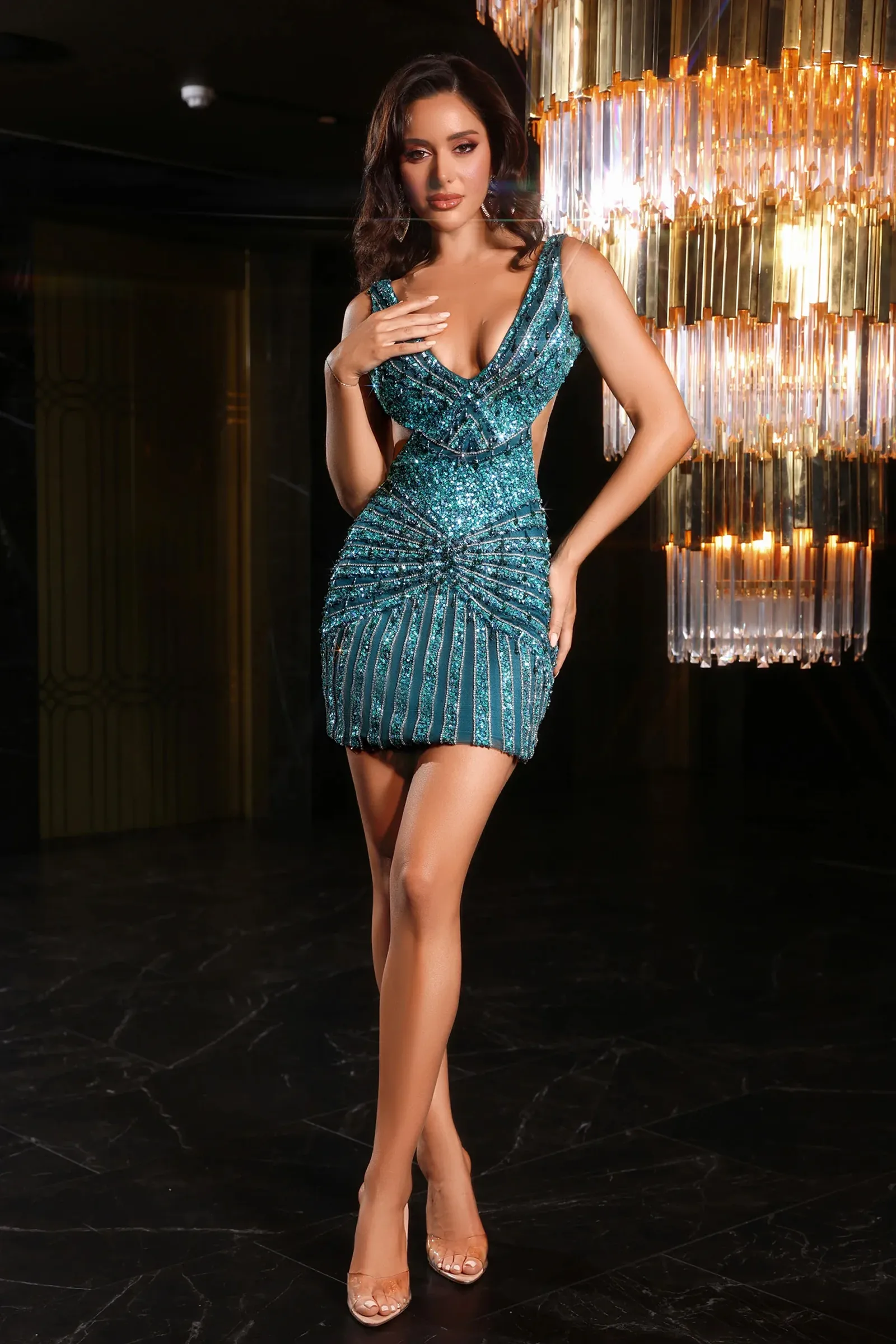
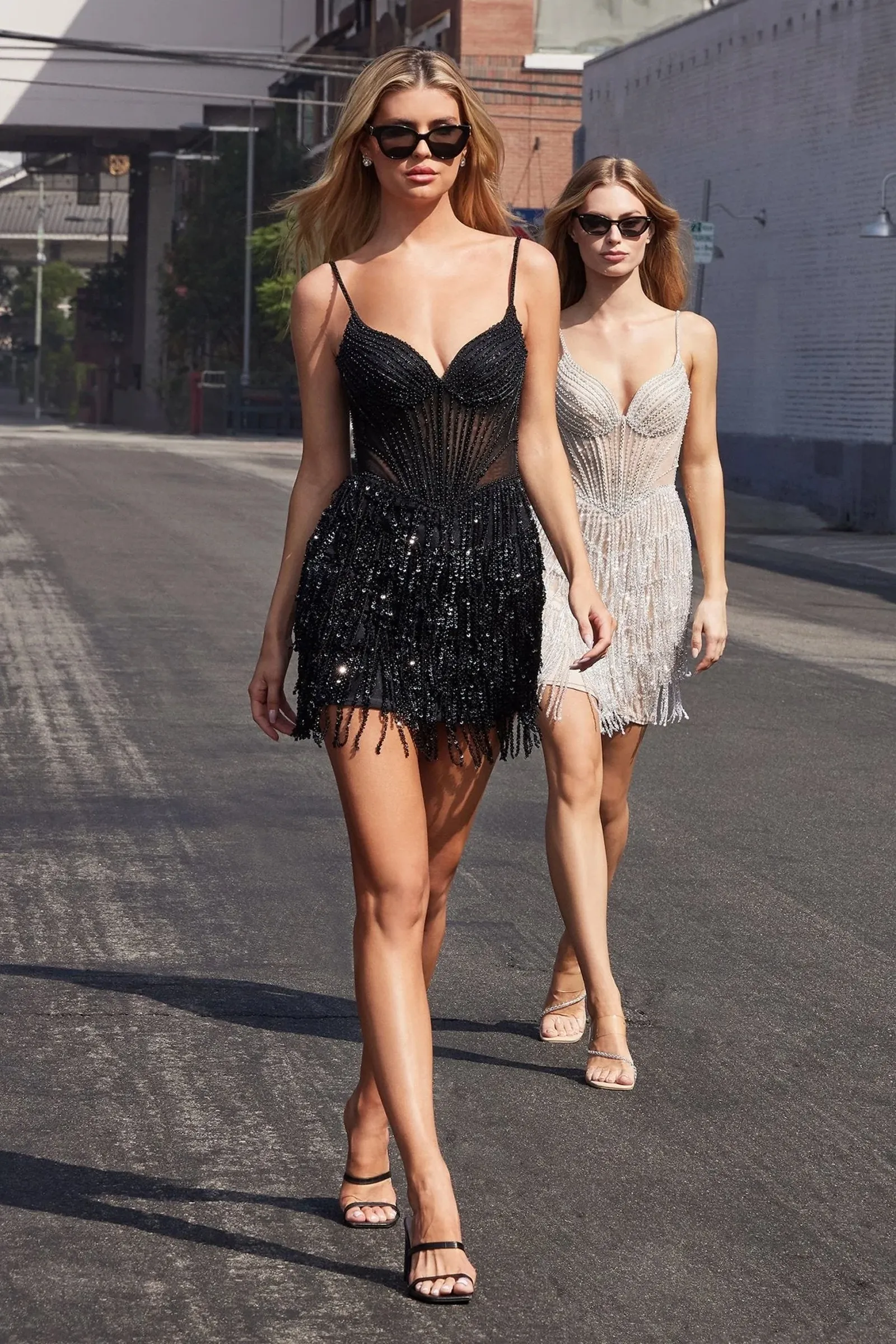
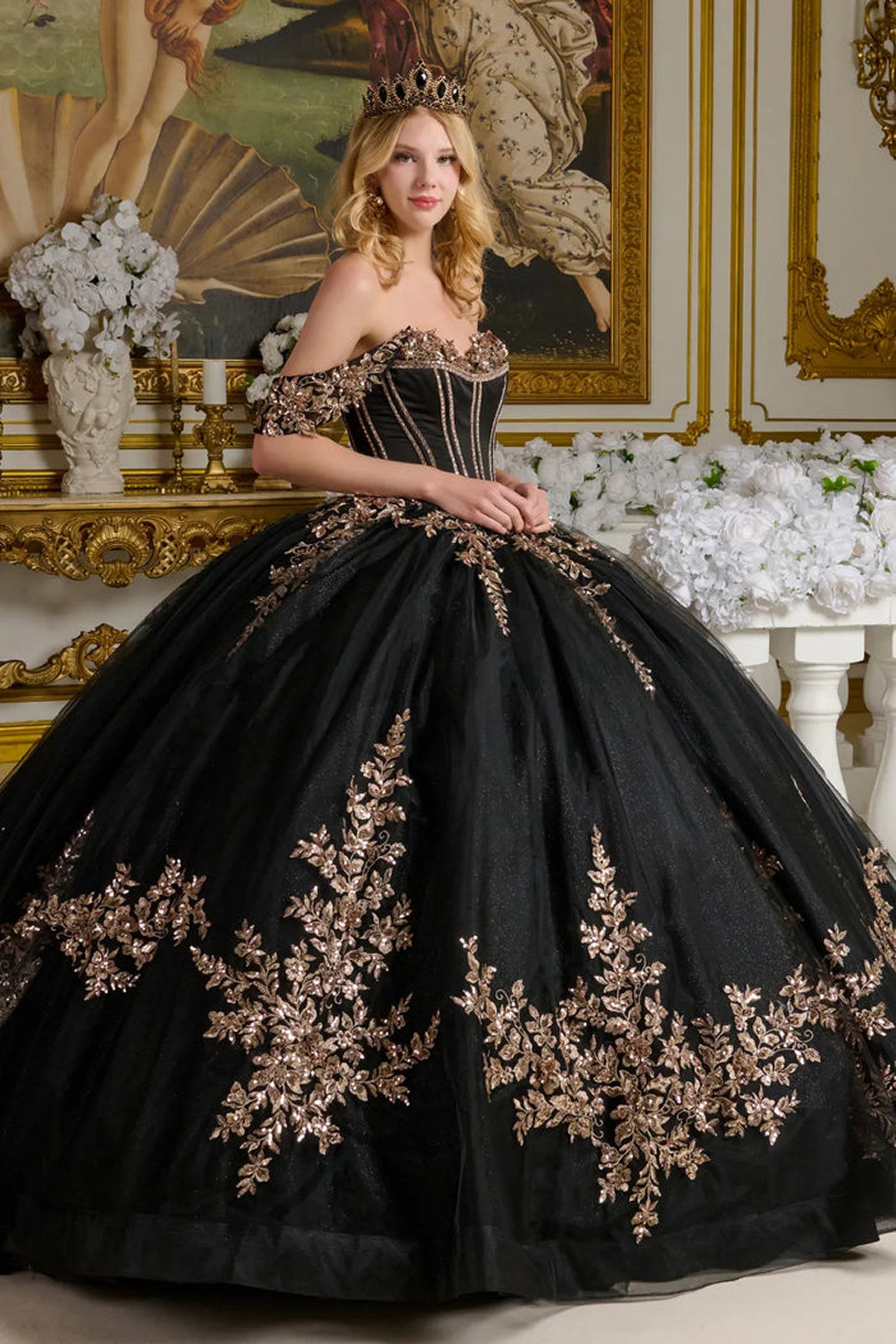

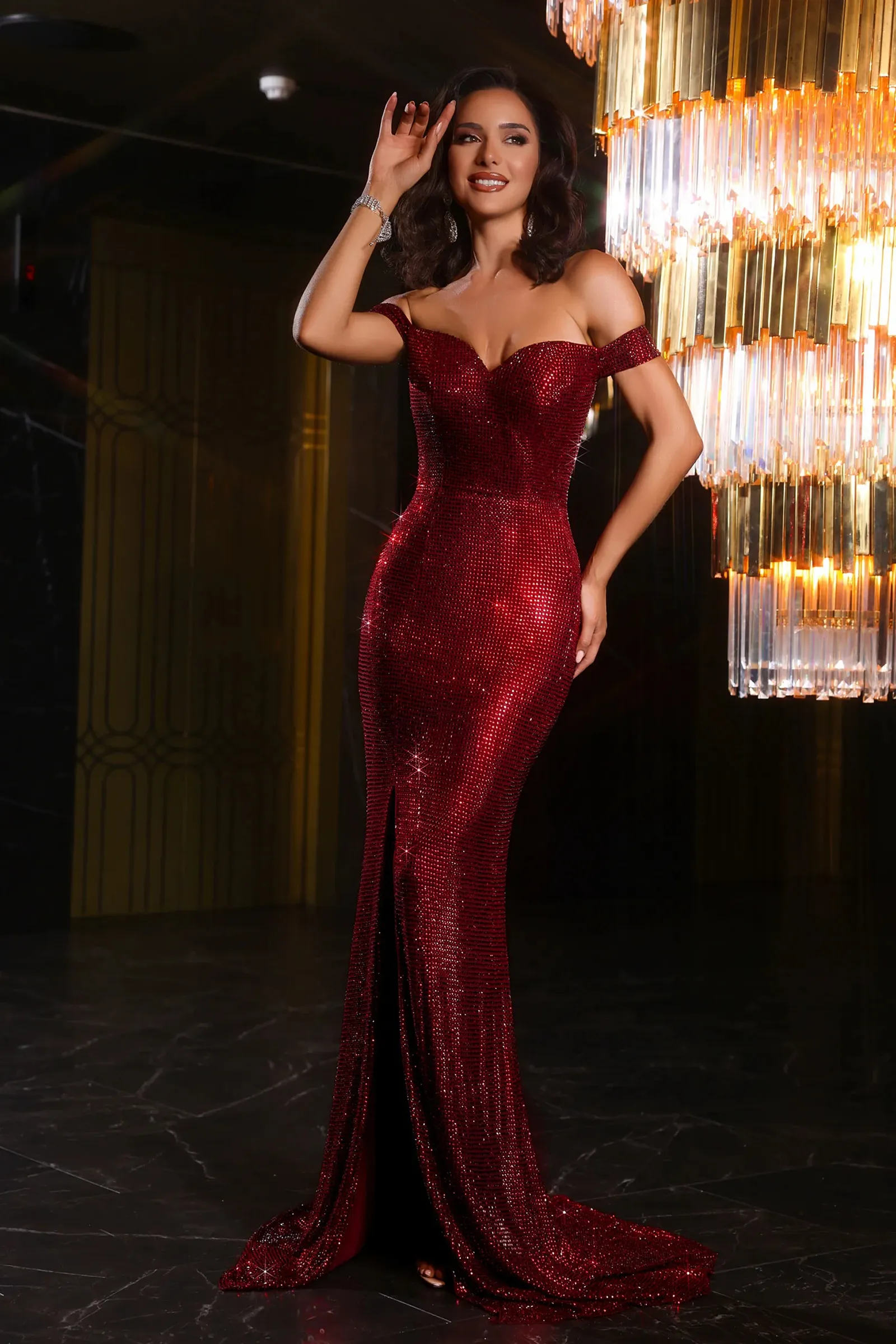
Orange And Black Quinceanera Dresses
Orange and black quinceanera dresses combine warm, vivid color with dark contrast for a dramatic 15th birthday look. Orange may range from bright tangerine to deeper burnt orange, while black adds definition through lace, fabric panels, embroidery, and structured bodices. This color combination suits girls who want a bold gown for a masquerade, autumn-inspired celebration, or formal evening reception.
A dress with an orange skirt and black lace can look rich and decorative, while a black gown with orange accents creates a darker appearance. Compare the color placement, skirt volume, and neckline before choosing. Your dress should create the look you want without making it difficult to sit, walk, or dance.
What Makes Orange and Black Different From Other Two-Tone Gowns?
Orange and black offer a strong contrast because one color is warm and bright while the other is dark and neutral.
Black can create clear outlines around orange fabric, making decorative embroidery and appliqués more noticeable. This is especially useful for large princess skirts, where contrasting details can be seen from a distance.
A bright orange gown with black floral appliqués may create a lively appearance. Burnt orange and black can feel deeper and more formal, particularly when the dress includes satin, velvet, or detailed lace.
The amount of black changes the overall effect. A black corset bodice above an orange skirt creates a defined waist and strong two-tone division. Black embroidery scattered across an orange gown produces a more connected design.
For girls who want a warmer royal-inspired look without dark fabric, compare orange and gold quinceanera dresses. Gold adds metallic warmth, while black creates sharper contrast.
Princess Ball Gowns With Orange and Black Details
A full princess ball gown can make orange and black especially striking.
The fitted bodice creates structure, while the wide skirt provides room for contrasting panels, embroidered designs, and decorative layers. Large black floral patterns on orange fabric can remain visible during the grand entrance.
Some gowns use tulle to create a soft rounded skirt. Others combine tulle with organza or structured lining to create a more defined shape.
A petticoat or hoop skirt may be recommended for certain styles. Check whether the dress requires one rather than assuming it is included.
If you want a dramatic silhouette, browse ball gowns to compare skirt shapes and understand how much volume you prefer.
Remember that a very large skirt may require extra space during transportation and dancing.
A-Line Designs for a More Controlled Silhouette
An A-line gown gradually widens from the waist toward the hem.
This shape gives the colors room to stand out without requiring a very wide skirt. It may be more practical for a smaller venue or a celebration involving frequent movement.
Black embroidery concentrated around an orange bodice can add detail to a simpler skirt, while fabric panels can create a noticeable two-tone effect.
Choosing the Right Orange Shade
Orange can create very different appearances depending on its undertones.
Tangerine is bright and lively. Paired with black, it produces strong contrast that remains noticeable in photographs.
Burnt orange is deeper and more muted, making it attractive for autumn-inspired or formal evening themes.
Terracotta often contains earthy red-brown undertones. It can create a warmer, softer contrast with black than bright orange.
Peach-orange has a lighter appearance and may suit girls who want a more romantic gown.
Fabric changes the color as well. Satin reflects light and may make orange appear brighter, while tulle softens the shade through layered material. Velvet tends to create a deeper finish.
Look at more than one product photograph, particularly if you need the gown to coordinate with decorations.
Black Lace, Floral Embroidery, and Decorative Patterns
Black lace is one of the most effective ways to decorate orange fabric.
Floral appliqués can add romantic detail to a bold color combination. Larger patterns may be placed across the skirt, while fine embroidery around the neckline creates a more delicate appearance.
Black lace over orange satin produces a different texture from black embroidery stitched directly onto tulle.
Rhinestones and beads can add sparkle without changing the two-tone color scheme. However, the strong contrast may provide enough visual detail without extensive embellishment.
Consider where the patterns appear. Decorations concentrated around the waist emphasize the fitted bodice. Large designs across the skirt create a stronger effect during walking and dancing.
If raised appliqués are used, check how they are attached and whether they may need special care during cleaning or alterations.
Choosing a Neckline That Balances Bold Colors
A sweetheart neckline can soften the dramatic orange-and-black contrast.
It works naturally with structured bodices and full princess skirts. Black lace around the curved neckline can highlight the upper body while leaving the orange fabric visible.
Off-the-shoulder designs offer another romantic option. Decorative sleeves may use black lace or draped orange fabric, depending on the gown's style.
Some dresses include corset-style bodices with boning, fitted seams, or lace-up backs.
A corset should remain supportive without restricting breathing. Check how securely the neckline fits when raising your arms.
For more styles featuring decorative sleeves, explore off-the-shoulder quinceanera dresses.
Planning an Orange and Black Quinceanera Theme
Orange and black can support several different celebration ideas.
For an autumn-inspired party, consider burnt orange flowers, black decorative details, ivory linens, and warm lighting. These colors can create a rich atmosphere without making the venue look too dark.
A masquerade theme may include decorative masks, orange floral arrangements, black table accents, and crystal centerpieces.
If you prefer a modern ballroom setting, use white or champagne as a supporting color. This helps balance the strong contrast.
Choose your photography backdrop carefully. A predominantly black gown may blend into a dark background, while a bright orange skirt may look especially noticeable against ivory or soft gray.
The court of honor can wear black, champagne, or another coordinated color. Their outfits should complement rather than compete with the main gown.
Fabric, Fit, and Movement
Tulle is commonly used for full skirts because multiple lightweight layers create volume.
Organza has a crisper structure and can maintain a more defined shape. Satin creates a smooth finish, while lace provides decorative texture.
Check the materials listed for the exact dress because similar-looking gowns may differ in weight and movement.
Measure your bust, natural waist, and hips before selecting a size. Use the gown's size chart rather than everyday clothing sizes.
Some designs also require a hollow-to-floor measurement.
Try walking, sitting, and turning to check that the bodice and skirt feel comfortable. A wide skirt may also require extra space on a crowded dance floor.
For a more flowing alternative, browse A-line quinceanera dresses.
Choosing Shoes and Accessories
Black shoes can coordinate with the darker sections of the gown, while nude or champagne footwear creates a simpler appearance.
A tiara may complement a traditional princess silhouette. Crystal earrings can add sparkle without introducing another strong color.
If the bodice already has extensive black lace, keep additional jewelry minimal.
Neutral makeup can help balance the bright fabric. A warm lip shade may also work, depending on your preferences.
Formal updos can highlight the neckline, while loose curls create a softer look.
Choose shoes that provide stability for dancing and practice walking in them before the celebration.
Frequently Asked Questions About Orange and Black Quinceanera Dresses
Is orange and black appropriate for a quinceanera?
Yes. The combination is suitable for girls who enjoy bold colors and dramatic formalwear. Family traditions may influence the final choice.
What orange shade works best with black?
Tangerine creates strong contrast, while burnt orange and terracotta offer deeper, more muted looks.
What party theme suits orange and black?
Autumn-inspired, masquerade, and modern ballroom themes can complement the colors.
What jewelry should I choose?
Crystal accessories and simple metallic jewelry can work. Consider how heavily the bodice is decorated.
Can I wear a hoop skirt?
Some princess gowns support a compatible hoop skirt or petticoat. Check the exact design first.
How early should I order my gown?
Begin shopping several months before the celebration and allow time for delivery and alterations.
Find an Orange and Black Gown That Matches Your Personality
Orange and black create a strong, memorable appearance through vivid fabric and dark decorative contrast. Compare orange shades, lace patterns, necklines, and skirt volume before choosing your gown.
Explore the available styles at Formal Dress Shops and select a dress that feels comfortable and reflects the celebration you have planned.

Follow us


