


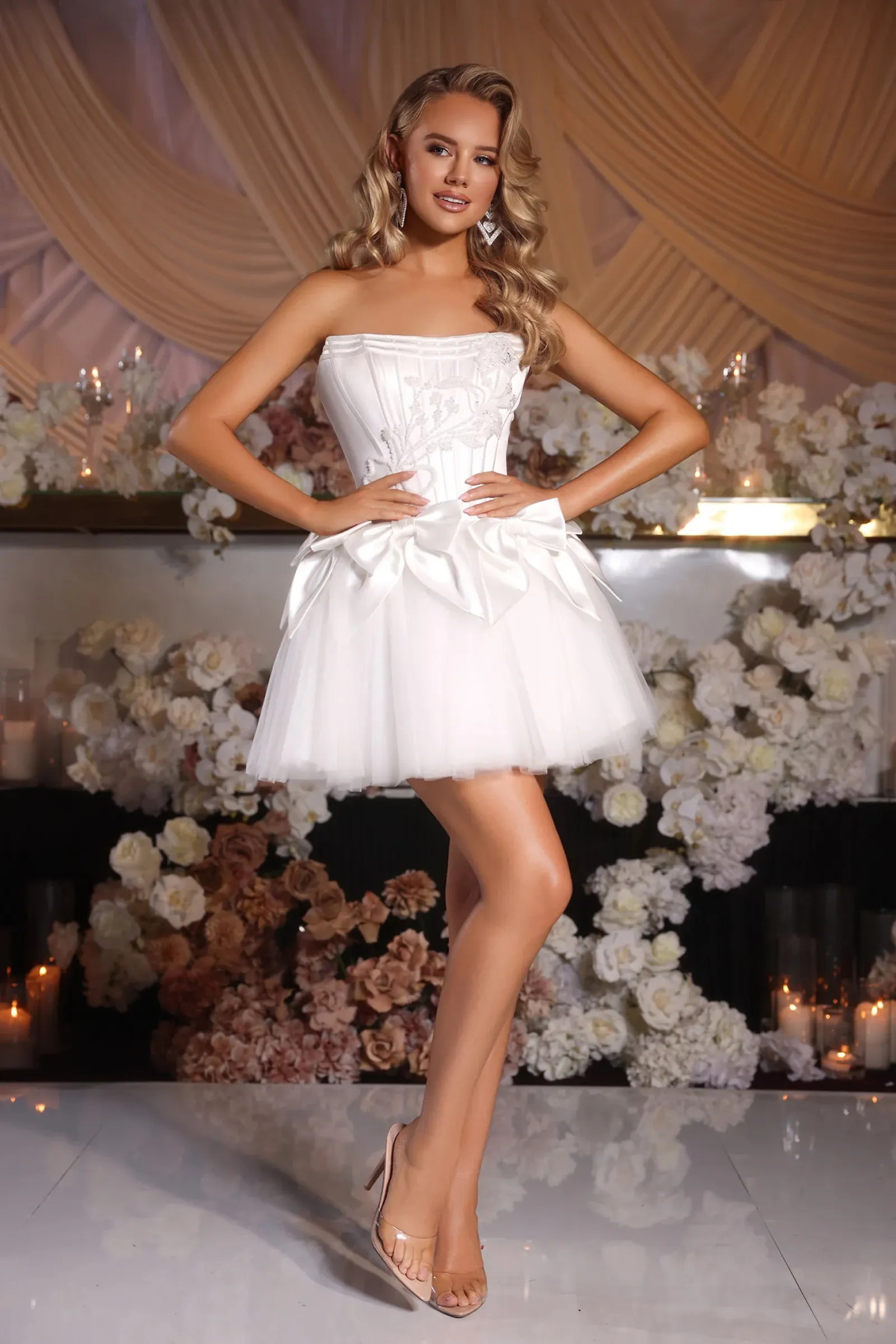
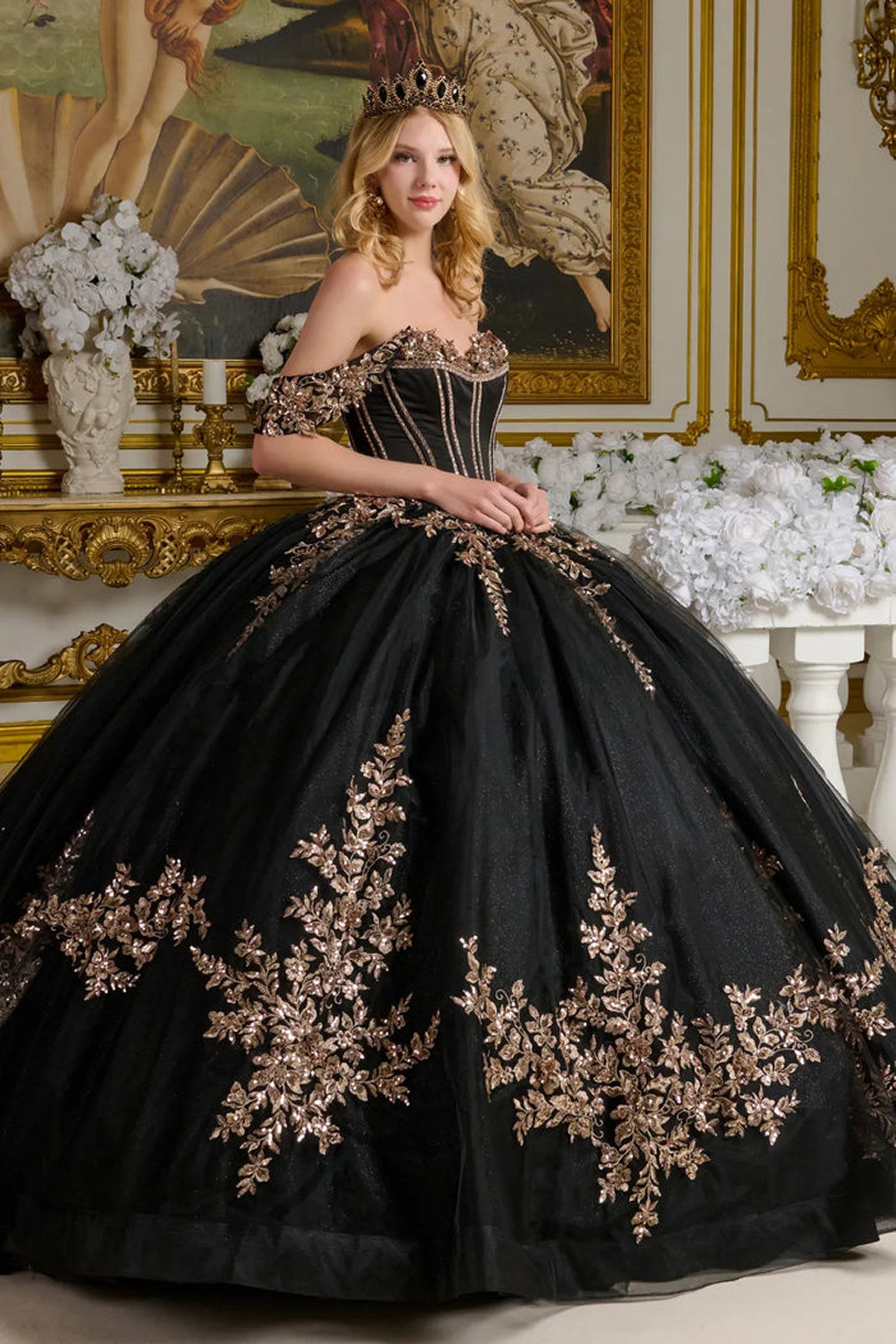

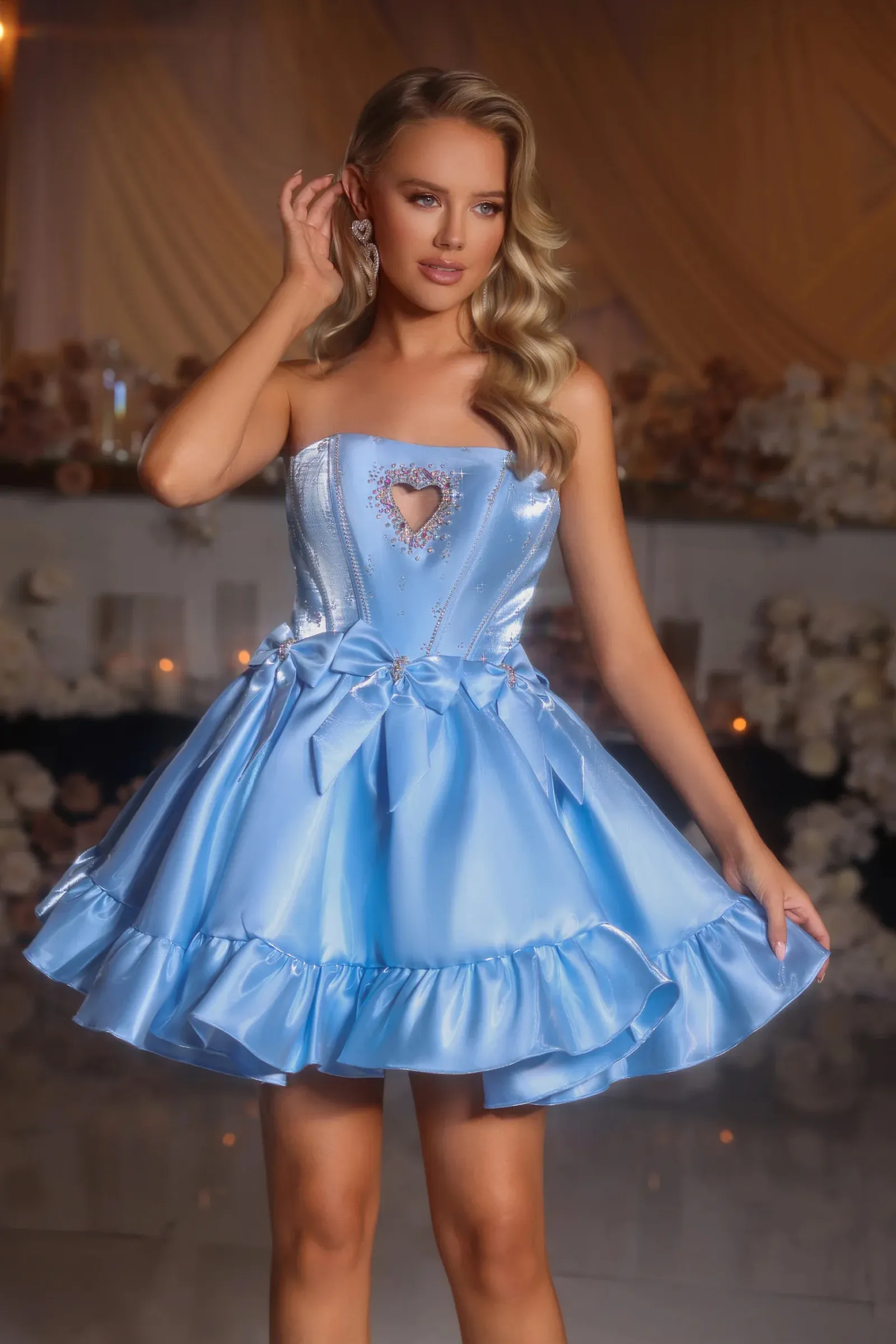
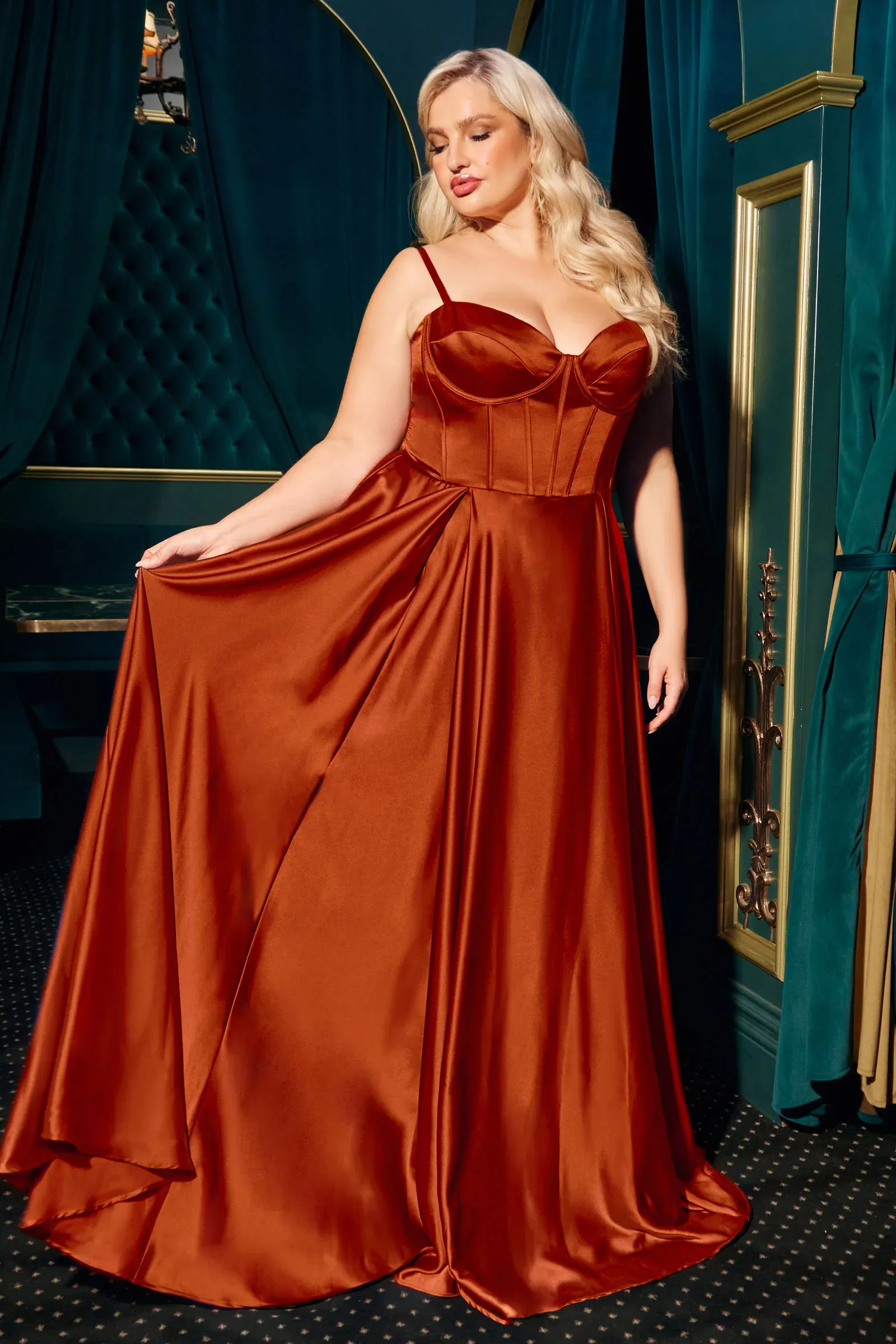
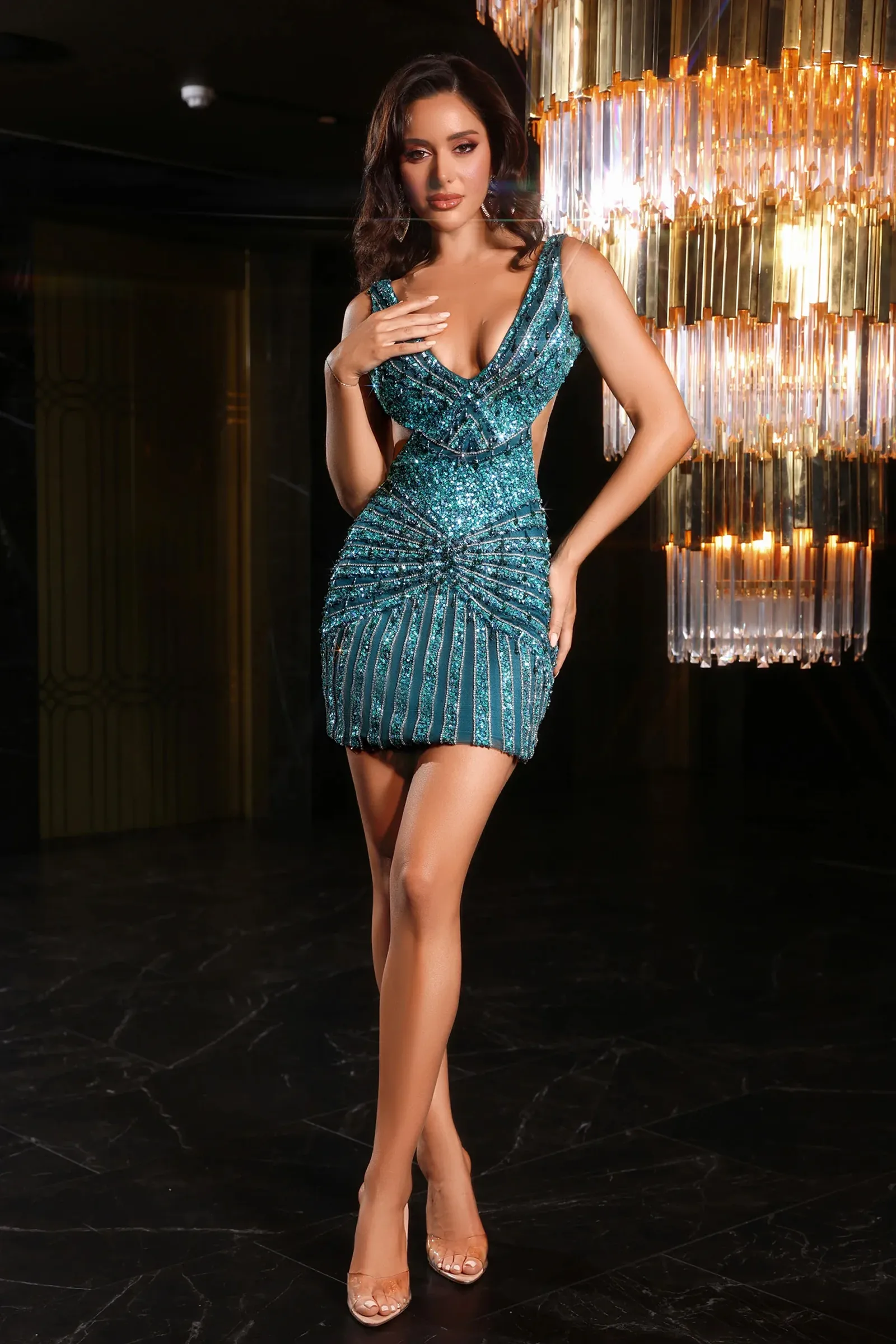
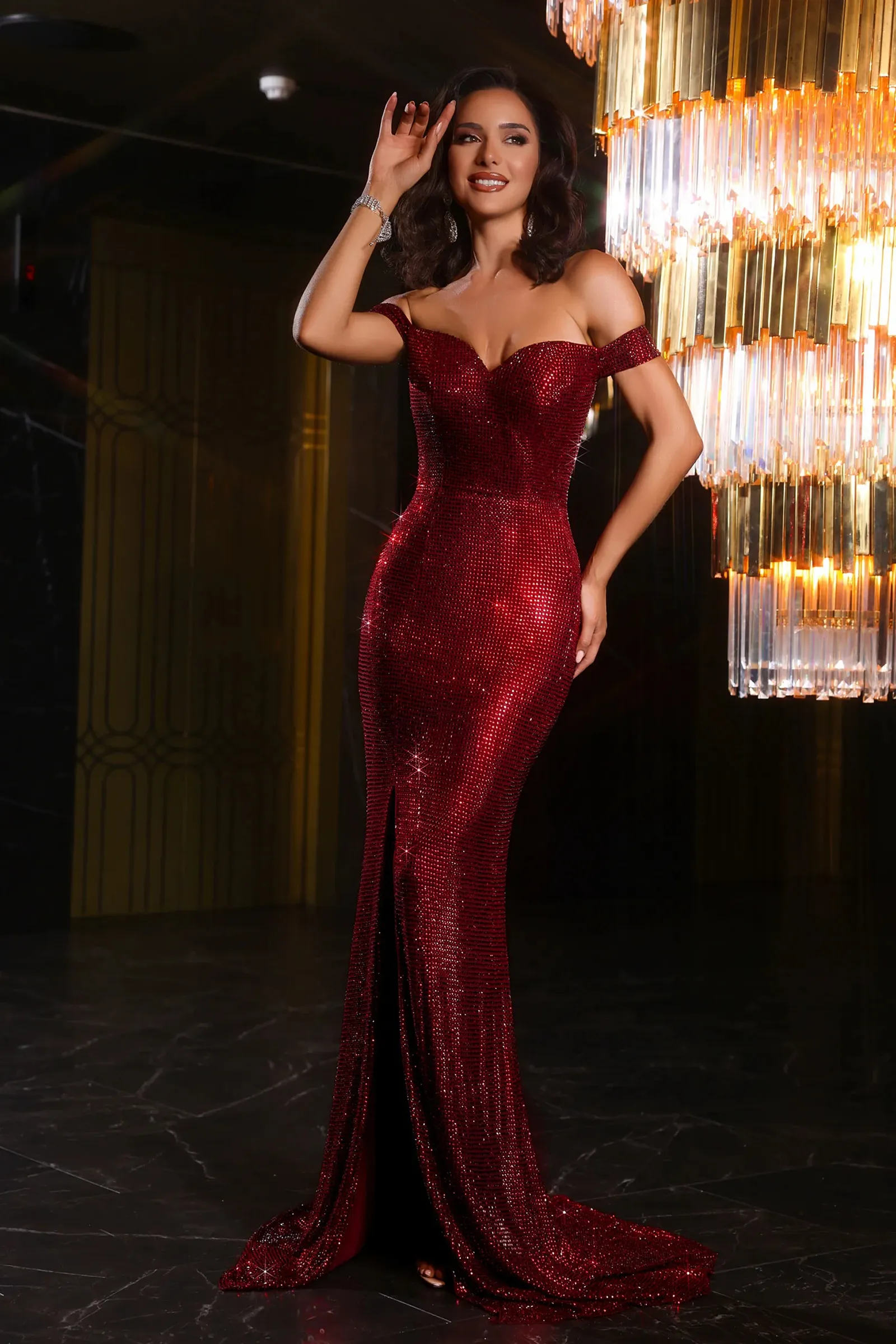
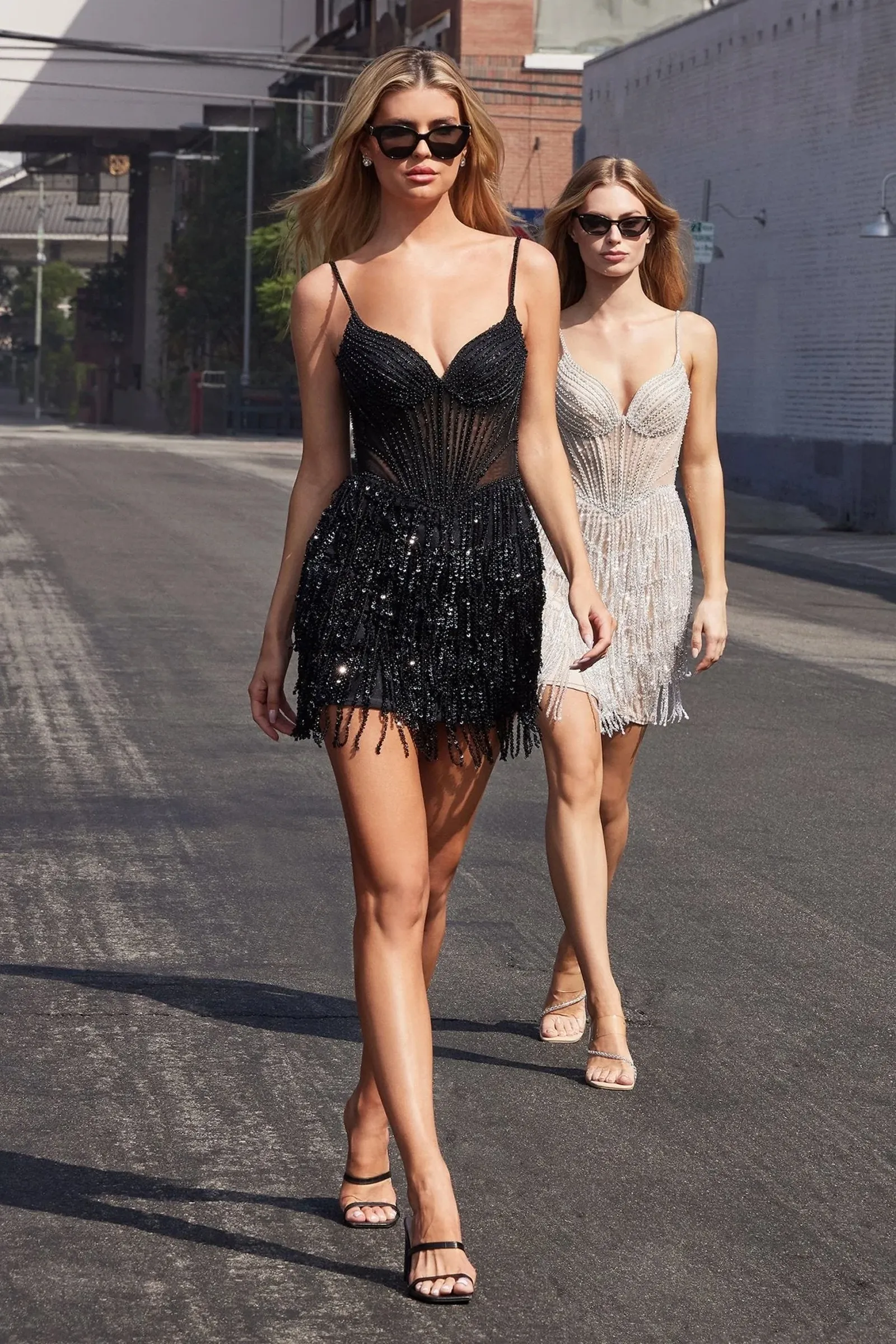
Burgundy Quinceanera Dresses


Burgundy quinceanera dresses trade the brightness of true red for something deeper and warmer, which is why they turn up so often at fall and winter celebrations. The shade covers a wide range, from berry to oxblood, and each version behaves differently once the lights go down. Fabric matters as much as color here, since the same wine tone looks rich in velvet and much lighter in tulle.
Picking Your Shade of Burgundy Quinceanera Dresses
What Sits Underneath the Wine
Every burgundy leans one direction, and spotting it early saves you from mismatched decorations later.
- Berry burgundy has a pink or purple lift and photographs brightest of the three.
- Classic wine holds a balanced red depth and is the safest match for gold accents.
- Oxblood carries a brown base, reads the darkest, and can look almost black in dim rooms.
Shoppers who start out comparing red quince dresses often land here once they see how much deeper wine tones look in evening photos.
A quick way to see it: lay the fabric next to a true red object. The undertone shows up straight away, and you’ll see at once if the gown is purple-leaning or brown-leaning.
If a brighter finish is what she pictured, Red Quinceanera Dresses cover that end. For the darkest version with more drama, Black and Burgundy Quinceanera Dresses push it further.
Burgundy, Maroon or Wine on the Label
These names get used loosely, and two gowns tagged differently can be nearly identical while two tagged the same can be shades apart.
Treat the name as a rough filter and judge from the photographs. Read the product description for the exact color option, since a listing often carries several wine tones under one style.
Collections split the same way. Maroon and Gold Quinceanera Dresses and Maroon and Silver Quinceanera Dresses overlap with this collection more than their names suggest, so look at all three before deciding.
If your search began with a dress for quinceañera red and gradually drifted darker, that’s a common path. Plenty of families arrive at wine after deciding bright red was more than they wanted.
A Dark Gown Needs Light to Be Seen
This is the one thing families underestimate about deep colors. Burgundy absorbs light, so all the embroidery and beading you paid for can vanish in a dimly lit hall.
Ways to keep the detail visible:
- Ask the DJ or venue for a warm white spotlight on the entrance, not a colored wash
- Tell the photographer the gown is dark so they plan their lighting
- Favor designs with beading or contrast trim, which catch light where plain fabric won’t
- Schedule some portraits before sunset while there’s still daylight
Candlelight is kind to wine tones. Deep red and warm flame light flatter each other, which is part of why this shade suits evening parties.
Velvet, Satin and Heavier Fabrics
Burgundy is one of the few shades that shows up regularly in velvet, and the fabric changes the gown completely.
Velvet reads deep and matte, and it looks noticeably richer than satin in the same dye. It’s also warm, so it belongs at a winter party rather than an August afternoon. Satin reflects more light and keeps the color brighter, while layered tulle lightens the whole effect and reads closer to berry.
Ask about the lining if she’s considering a heavy fabric. A breathable lining is what makes a velvet bodice wearable for a long reception.
For a warm fabric in a warm month, a bare-shouldered cut takes some of the heat out of the equation. Sleeveless Quinceanera Dresses show how much difference that makes on a heavier gown.
Gold or Silver Against Wine
Both work, and the choice sets the tone for every accessory and centerpiece afterwards.
Gold warms burgundy and leans traditional. A red gold quince dress combination is one of the most requested for a reason, and Burgundy and Gold Quinceanera Dresses show how the two sit together. Silver cools it down and feels more modern, which Burgundy and Silver Quinceanera Dresses demonstrate on the same base.
Pick one metal and carry it through her jewelry, the tiara and the table decorations. Splitting the two evenly is what makes a palette look undecided.
Skirt Shape Carries More Weight on a Dark Gown
Deep colors flatten detail, so the outline of the skirt does more of the work than the embroidery does.
That changes what to look for:
- A defined waist reads clearly even when the fabric detail doesn’t
- Layered or tiered skirts create visible shadow lines, which gives a dark gown shape
- A train adds drama in photos, since the extra length shows even in low light
- Very smooth, unstructured skirts can read as a dark column in a dim hall
Try the gown under the dimmest light in the shop, not just by the window. That tells you what the reception will do to it.
Fall Palettes and Flowers
Burgundy anchors an autumn color scheme without much help.
- Cream and ivory flowers lift the gown and photograph cleanly against it
- Dusty rose and blush soften the whole palette
- Deep greens and eucalyptus suit a garden or vineyard setting
- Burgundy flowers against a burgundy gown tend to disappear, so keep the bouquet lighter
For a winter date, add warm metallics and candlelight rather than more dark color.
Court Colors That Sit Beside Wine
Burgundy is deep enough that the court can go light without competing.
- Gold Dama Dresses give a warm, celebratory contrast that photographs well indoors
- White Dama Dresses create the cleanest separation in group shots
- A burgundy court in a different fabric can work, though matching wine tones across several orders is harder than it sounds
Chambelanes in black suits with burgundy ties keep the group tidy. Grey suits also sit nicely beside wine if the party leans less formal.
Spills, Lint and Dark Fabric
Dark gowns hide stains, which is a genuine advantage, but they show other things instead.
Watch for these:
- Lint, dust and loose threads, especially on velvet
- Powder makeup and setting spray, which leave pale marks on dark fabric
- Deodorant on the bodice lining
- Hairspray overspray, which dulls satin
A lint roller and a soft brush handle most of it. Keep a dark cloth away from velvet when you blot anything, since rubbing can crush the pile permanently.
When wine isn’t quite the direction she wants, the full Quinceanera Dresses range has every other shade, and Quinceanera Accessories can lift a simpler gown.
FAQ
Burgundy or bright red for a quinceañera?
Burgundy photographs richer in the evening and feels more formal, while bright red stands out in daylight and reads bolder. Think about when your reception starts, since that decides which one gets seen properly.
Will a burgundy gown look black in photos?
An oxblood shade can, particularly under low light with no spotlight on her. A berry or classic wine tone holds its color better, and a photographer who knows the gown is dark will light it accordingly.
Should she wear gold or silver jewelry with burgundy?
Gold is the warmer and more traditional match. Silver works if the gown already has cool-toned beading. Hold both against the bodice in daylight before buying either.
Is velvet too warm for a summer quinceañera?
Usually yes for an outdoor daytime party. In an air-conditioned hall it’s fine, and a velvet bodice with a tulle skirt gives you the look without the full weight.
What color dama dresses go with a burgundy gown?
Gold, blush, cream and champagne all give enough contrast for group photos. If the damas also wear burgundy, order one dress first and compare it against her gown before the rest of the court buys.

Follow us


