


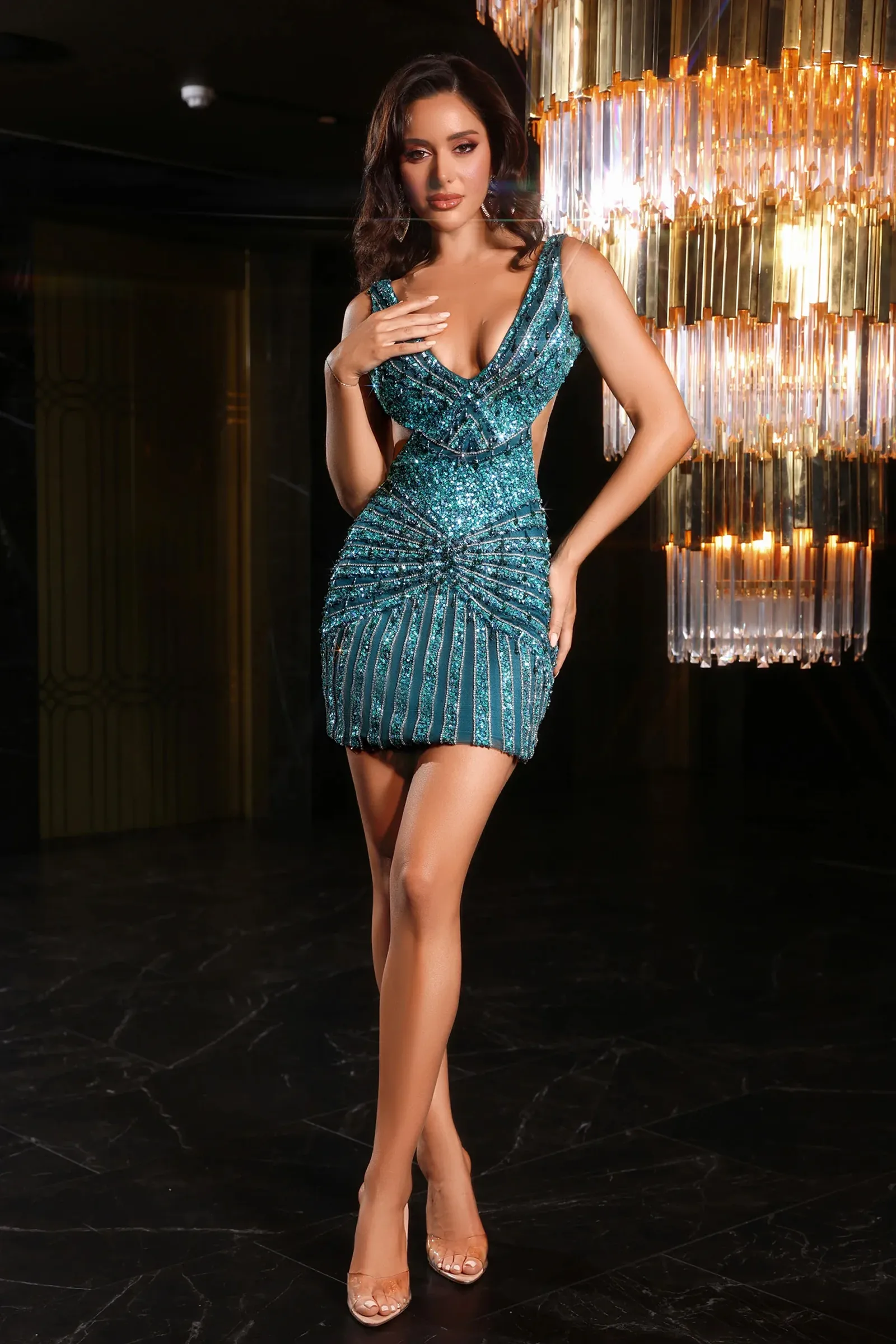

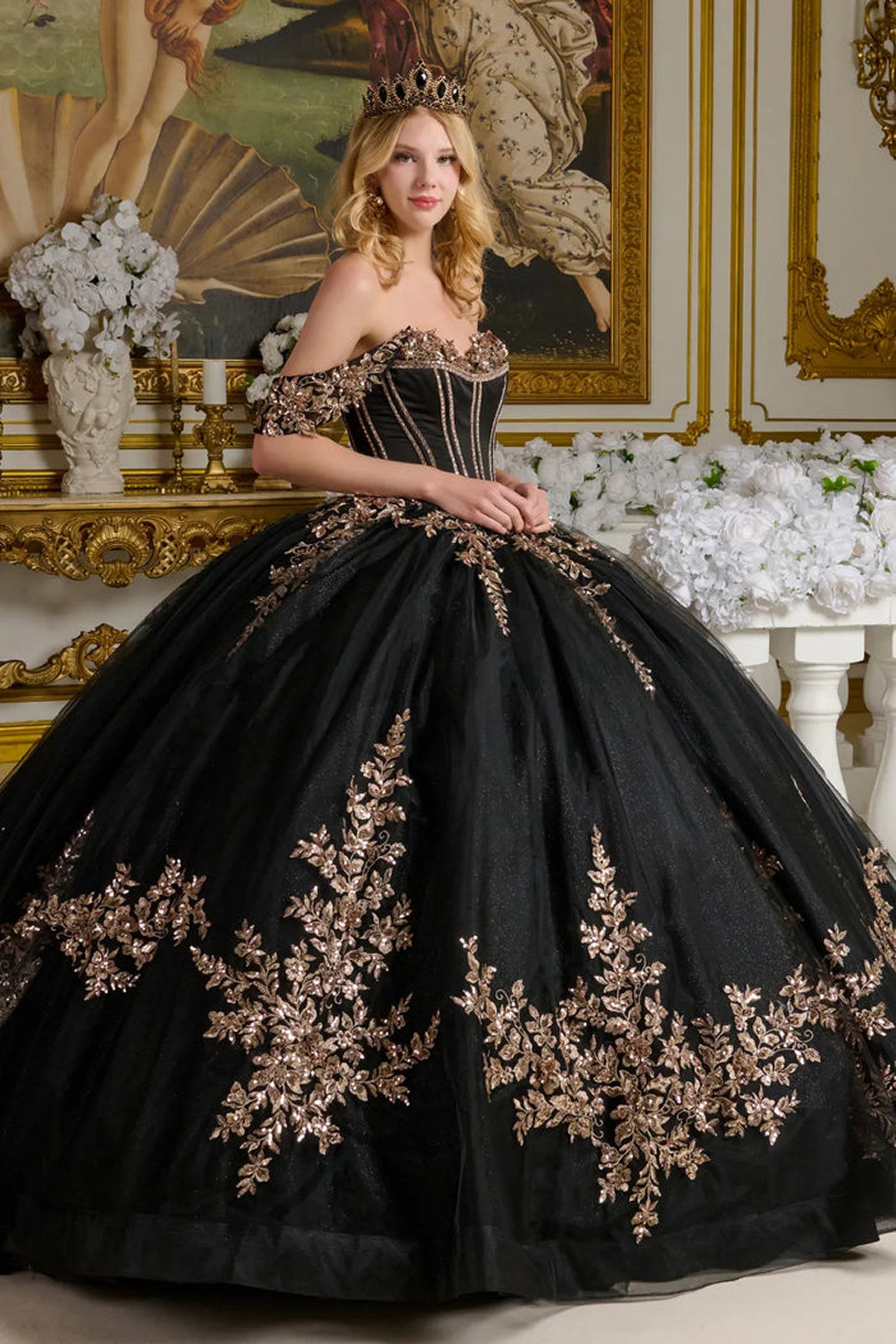


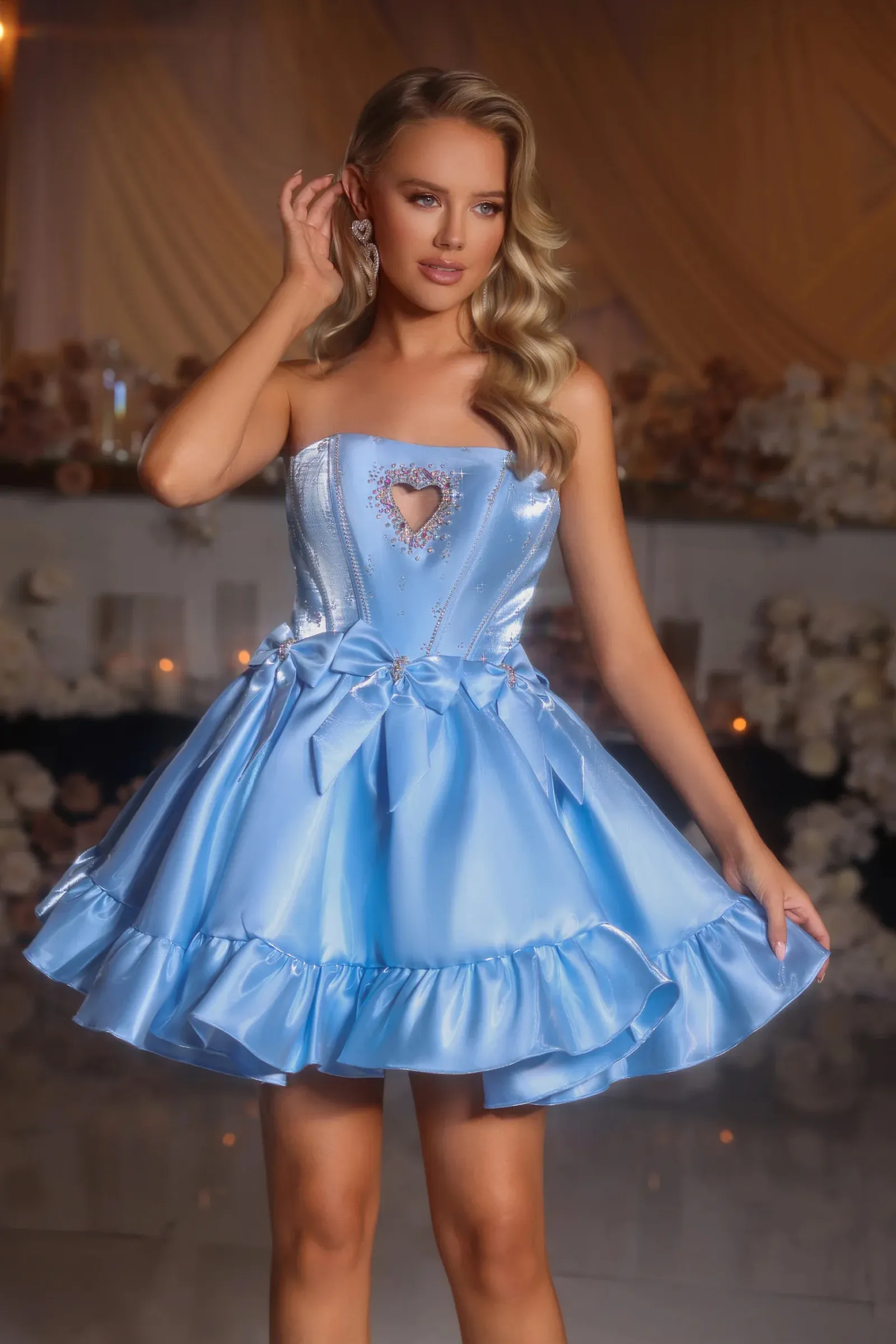
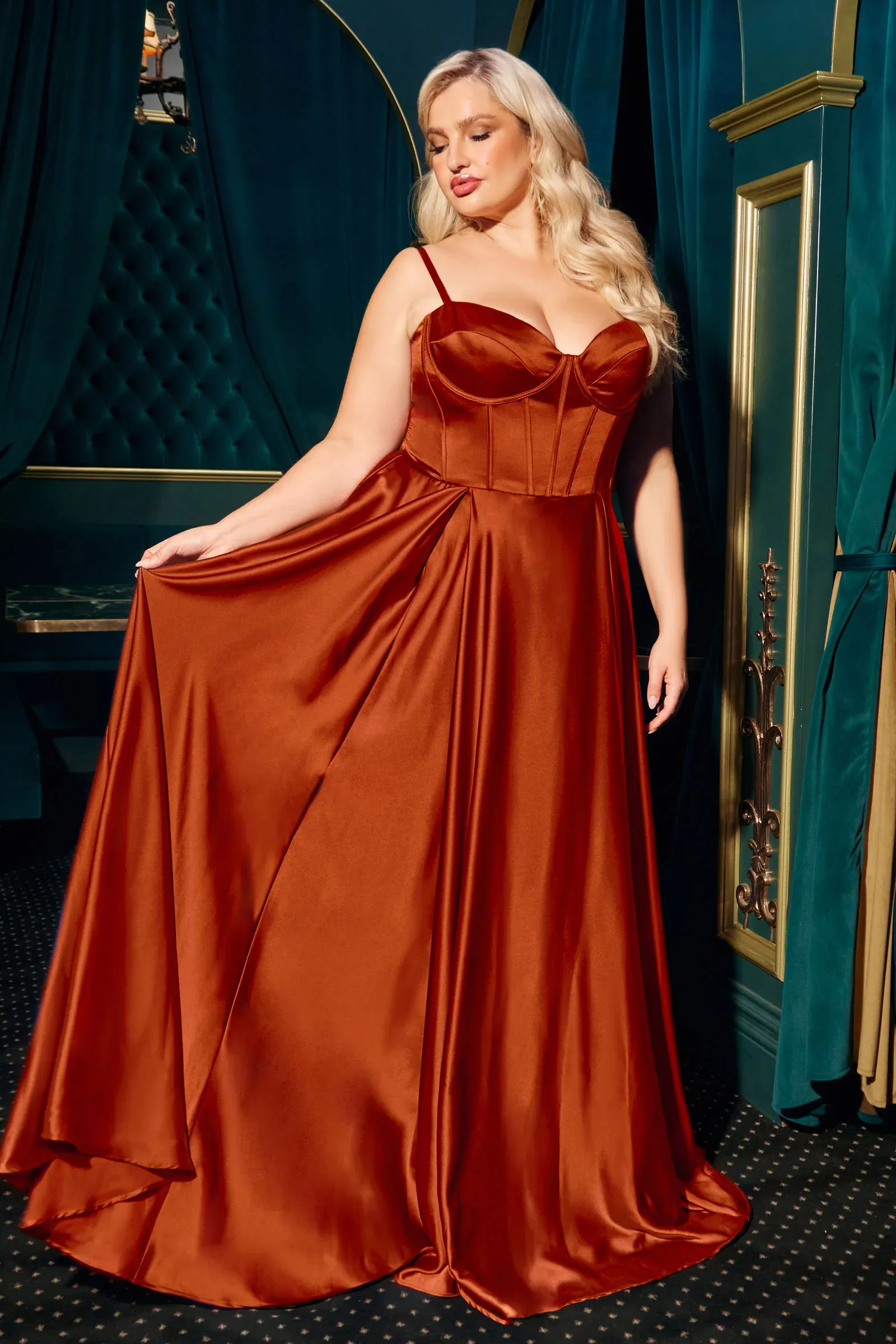
Coral Prom Dresses


Shop Coral Prom Dresses by Color, Style and Details
Coral prom dresses combine pink and orange into a warm, lively shade that differs from pale peach and bright true pink. The balance between those two colors can vary, so one coral gown may look softer and another noticeably stronger. A simple silhouette lets the tone do most of the work, while draping and embellishment introduce additional detail. Focus on the exact coral shade, skirt shape, and neckline as you compare dresses.
Why Coral Does Not Read Like Peach
Coral often contains a stronger, more saturated pink-orange character than peach. That can make a floor-length coral gown visually prominent even when its details are restrained. Some coral fabrics lean pink, while others carry a warmer orange influence.
Compare Peach Prom Dresses for softer pastel variations and Orange Prom Dresses when you prefer stronger orange. Pink Prom Dresses provide another reference for styles with less orange in the mix. Use photographs of the actual dresses since labels cannot guarantee identical hues.
· Pink coral: more noticeable pink influence.
· Orange coral: warmer and more citrus-like.
· Soft coral: lighter saturation with a gentler effect.
Coral can be a particularly variable shopping term because it covers different balances of pink and orange. One product may look close to warm pink while another resembles a light orange. A set of actual dress photos offers a clearer basis than a generic coral swatch.
Choose How Much Color the Silhouette Displays
Because coral has clear saturation, skirt size can influence its visual impact. An A-line skirt creates an expanding field of color below the waist. A narrow fitted style concentrates the hue in a more streamlined shape, while a short cut reveals more of the legs and shoes.
A-Line Prom Dresses are worth comparing with Mermaid Prom Dresses when you want to understand those differences. A mermaid shape may remain close through the hips before widening lower down. The precise flare point is important for both appearance and movement.
· A-line: color spreads across the lower skirt.
· Mermaid: shaped upper skirt with lower flare.
· Short hem: greater contrast with legs and footwear.
A large coral skirt increases the amount of saturated color visible from a distance. A narrow dress creates a smaller but more concentrated line. Compare the shape with the same level of attention you give the shade, especially for a full-length gown.
Strapless Coral and Other Upper-Body Choices
 A strapless neckline creates a clear break between coral fabric and the shoulders. Depending on the bodice shape, the upper edge can appear straight, curved, or sweetheart-inspired. With a saturated color, those lines may be especially noticeable.
Strapless Prom Dresses make this easy to compare. If more shaped bodice detail is your priority, Corset Prom Dresses offer another direction. Check whether visible seams and lace-up panels have a functional purpose or mainly provide decoration.
· Straight necklines create a firm upper boundary.
· Curved necklines produce a softer outline.
· Shoulder straps introduce additional framing.
A strapless coral gown creates a clear color boundary across the chest. A halter or one-shoulder design creates new diagonal or vertical lines. The neckline is part of the overall silhouette, not simply an accessory decision.
When Decoration Works With Coral Rather Than Against It
Coral fabric can support embroidery, sequins, lace, or a simpler uninterrupted finish. Matching decoration creates a textural effect, while contrasting ornament may appear more conspicuous. The placement of details can matter more than the amount: a beaded neckline directs attention upward, and decorated skirt panels widen the visual focus.
Sequin Prom Dresses offer a reflective finish, while Lace Prom Dresses introduce pattern. For a quieter approach, Simple Prom Dresses help you compare gowns where the color and cut remain central.
· Matching embellishment preserves color continuity.
· Contrast trim separates design panels.
· Localized decoration creates a focal area.
Decoration also changes how coral is perceived. A silver-toned detail can add cool highlights, whereas warm gold-toned stones may blend more closely with an orange-leaning coral. Look at the exact dress embellishment before planning jewelry.
Styling Coral Without Losing Its Character
Coral can be paired with accessories that blend into the warmth of the dress or create deliberate contrast. Warm metallic jewelry often creates a different effect from silver-toned pieces. There is no one required choice because the coral shade, gown finish, and any existing stones all influence the balance.
The neckline affects accessory visibility as well. A decorated high neckline may already occupy the area where a necklace would sit, while an open neckline creates more space around the collarbone. Keep the focus on the dress details that initially attracted you.
· Consider the color of existing beads or trim.
· Choose accessories based on desired contrast.
· Account for footwear visibility with your hem length.
Shoes may be almost invisible beneath a long skirt but quite noticeable with a shorter hem or side slit. If contrast is important to your outfit, account for how often the footwear will actually be seen. That avoids choosing accessories in isolation.
Check the Specific Coral Dress Before Buying
Online photographs can shift pink and orange saturation, particularly under artificial lighting. Compare images of the same garment when available and examine the product’s color selection rather than relying entirely on the collection name. Measurements, lining, and closure details are just as important as shade.
If coral no longer matches your goal, the main Prom Dresses collection offers other colors. Formal Dress Shops provides access to additional categories for comparing styles. Save a small shortlist of noticeably different designs, then choose using the garment information rather than which photo looks brightest.
· Compare warmer and pinker coral shades.
· Check front, side, and back photographs.
· Review the exact size, color, and current price.
Coral is color-specific, but purchasing still depends on concrete garment facts. Check measurements, closure, lining, and current availability. A vivid hue can make a dress appealing at first glance, but those practical details determine whether it suits your plans.
A Coral Shortlist Worth Comparing
 For a final coral comparison, choose a few dresses that make distinct offers. One may have a softer pink-leaning shade, another a warmer orange cast, and a third the silhouette you prefer. Place those differences alongside the neckline, skirt width, embellishment, and fabric appearance. This helps separate attraction to the color from attraction to a particular design. A bright shade may seem very different under studio lighting, so examine all available images and the selected product color. If the gown includes a slit or a shorter hem, think about how footwear contributes to the look. Finish by confirming the size measurements, closure, and current listing information. A coral dress should be selected as a complete garment rather than on hue alone. Check whether the way the gown sits at the waist and shoulders suits the look you have in mind, and make time to compare the available back views.
Frequently Asked Questions
Is coral closer to orange or pink?
Coral combines both, and individual shades can lean toward either side. Compare the particular dress photographs to understand its tone.
What is the difference between coral and peach prom dresses?
Peach is usually softer and lighter, while coral often appears more saturated. The actual garment may blur the distinction, so color names are only a starting point.
Can I wear a coral prom dress with silver accessories?
Yes. Silver creates a cooler contrast with many coral shades, while warmer metals produce a different balance. Existing decoration on the gown can help you decide.
Do coral dresses have to be fitted?
No. Coral describes color rather than silhouette. Individual garments can be fitted, A-line, or other shapes depending on their construction.

Follow us


