


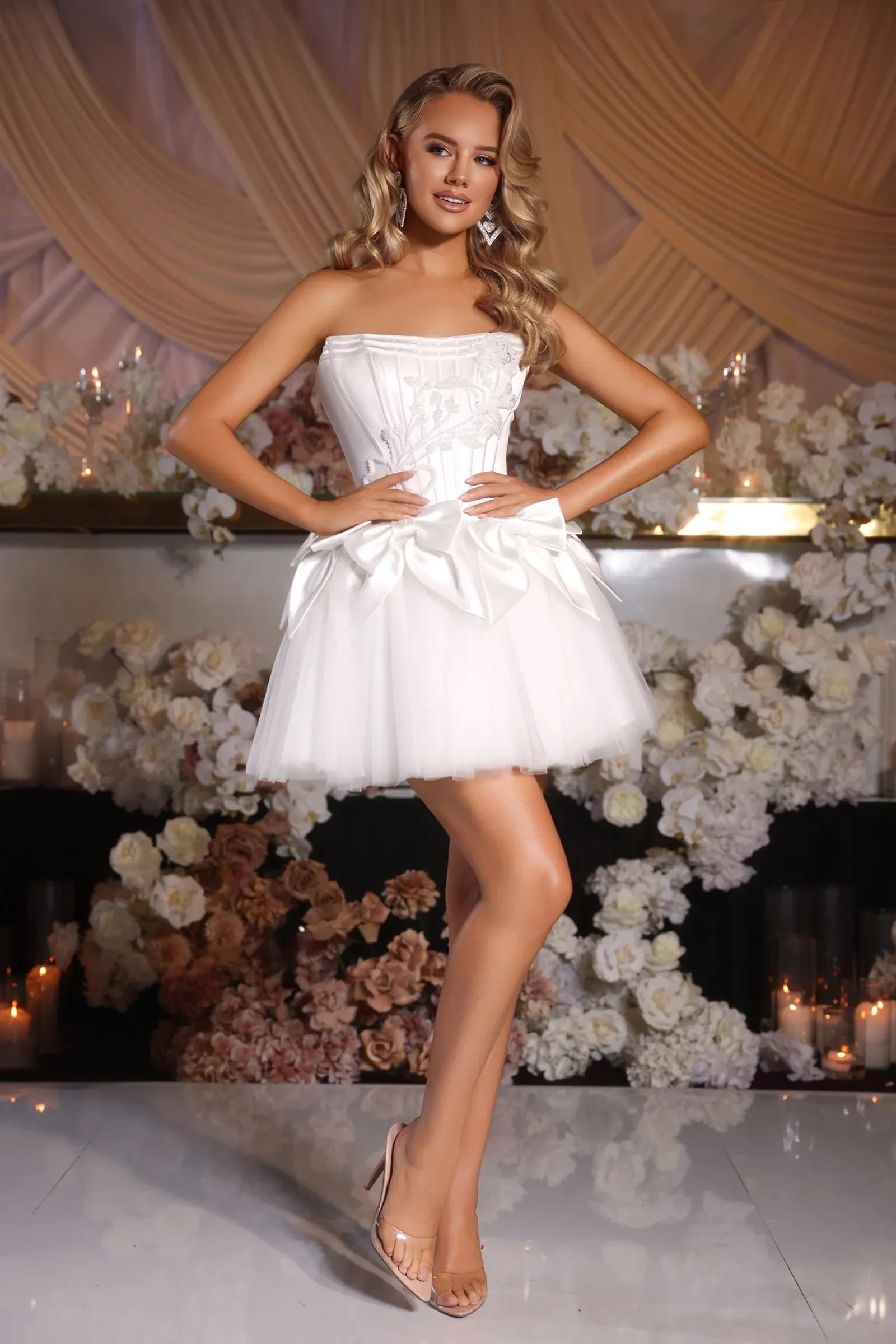
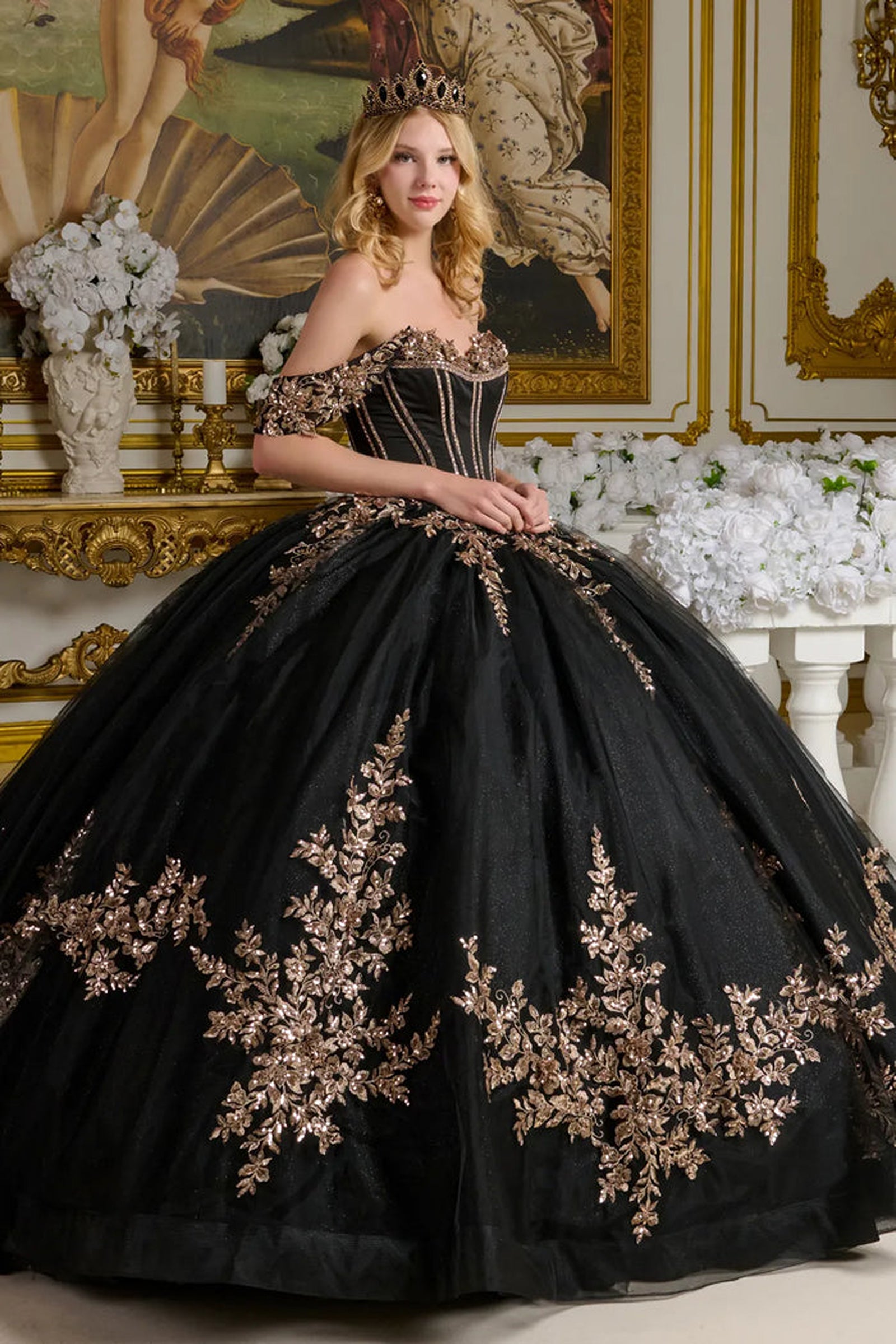

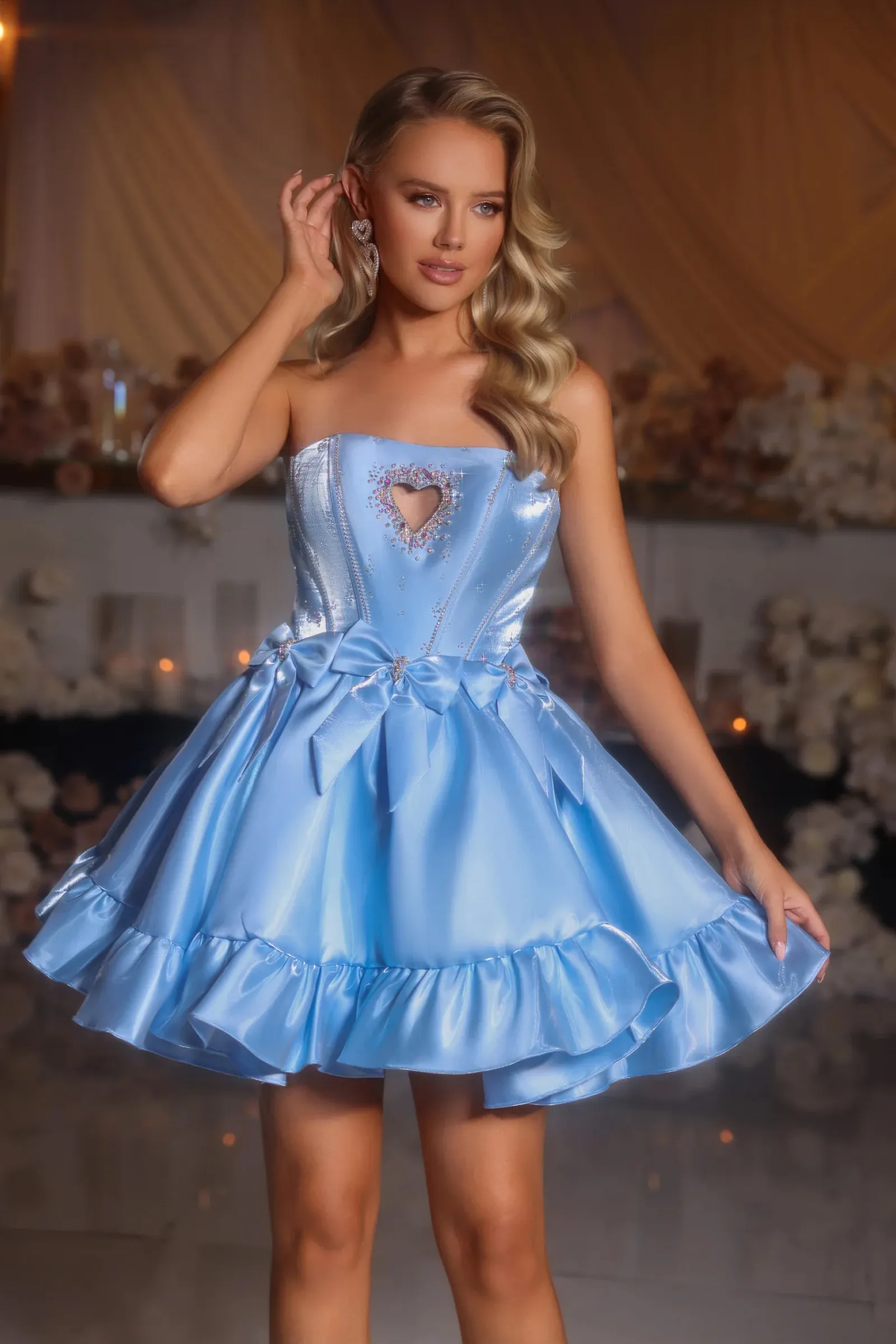
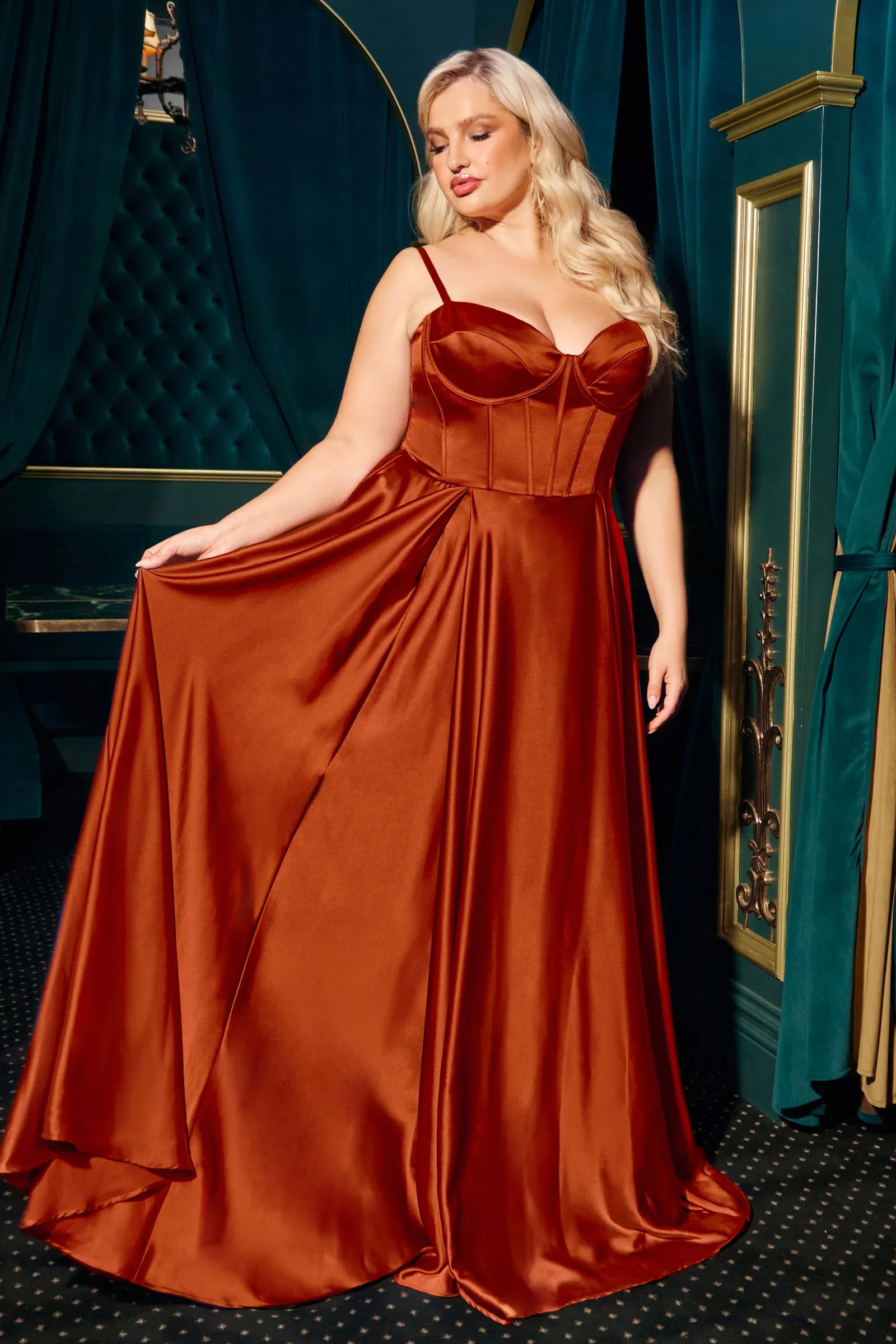
Designer Plus Size Dresses for the Bride’s Mother
- Bridal Dress Outlet – Affordable Designer Wedding Gowns
- Designer Dresses
- Designer Mother Of The Bride Dresses
- Designer Navy Blue Formal Dresses for Women
- Designer Plus Size Dresses for the Bride’s Mother
- Designer Wedding Dress Rentals Near Me
- Designer Wedding Dresses
- Designer Wedding Dresses for Rent
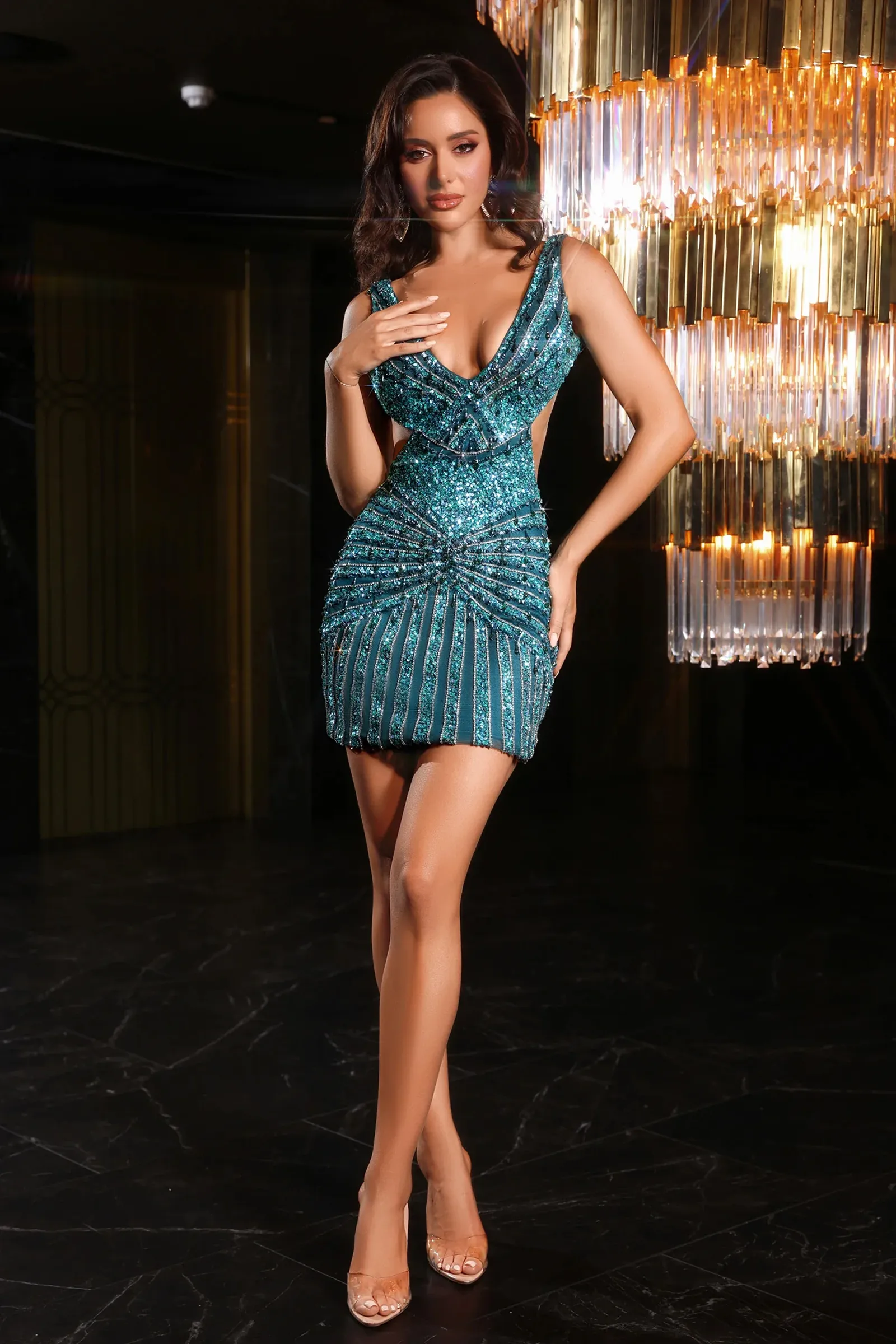
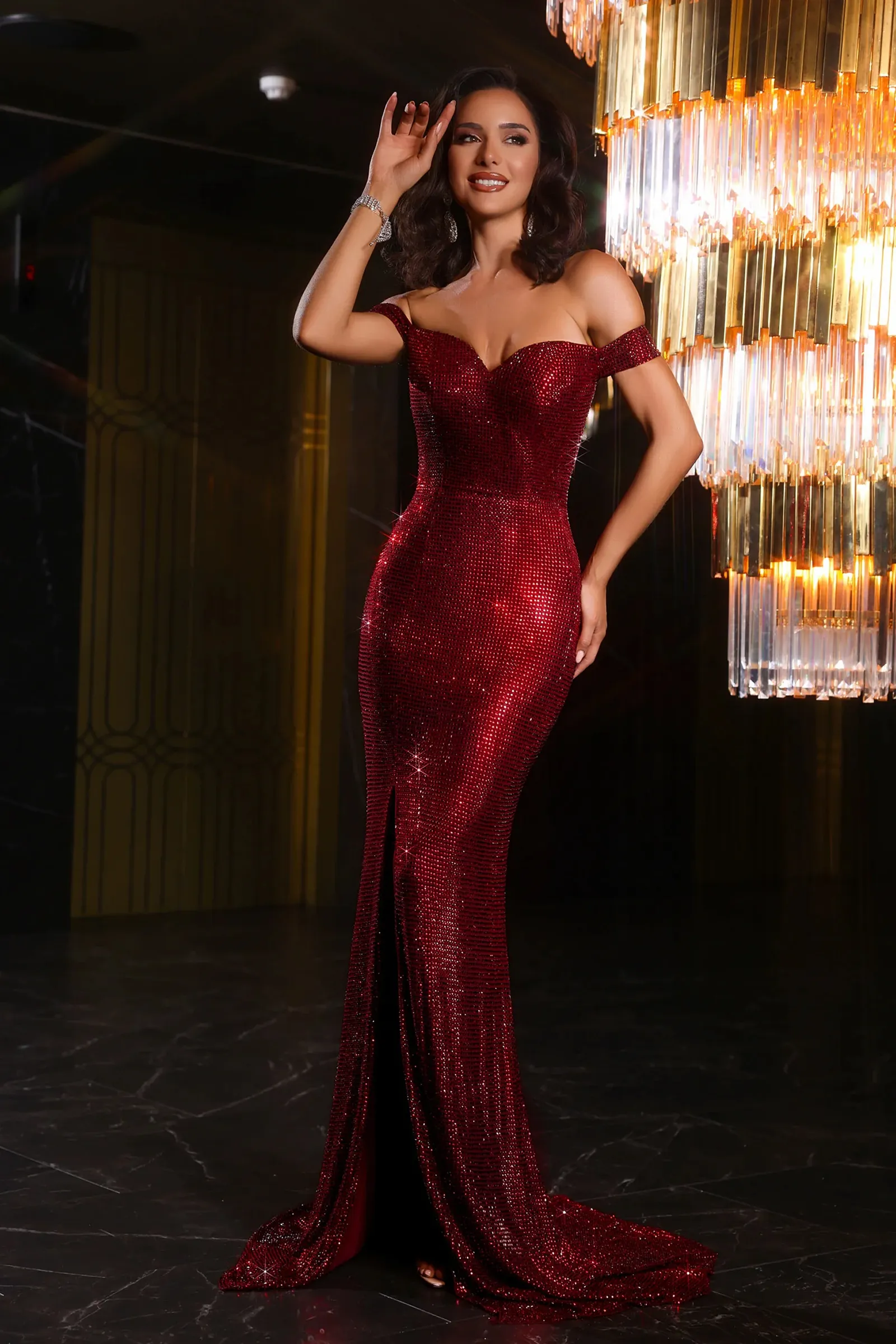
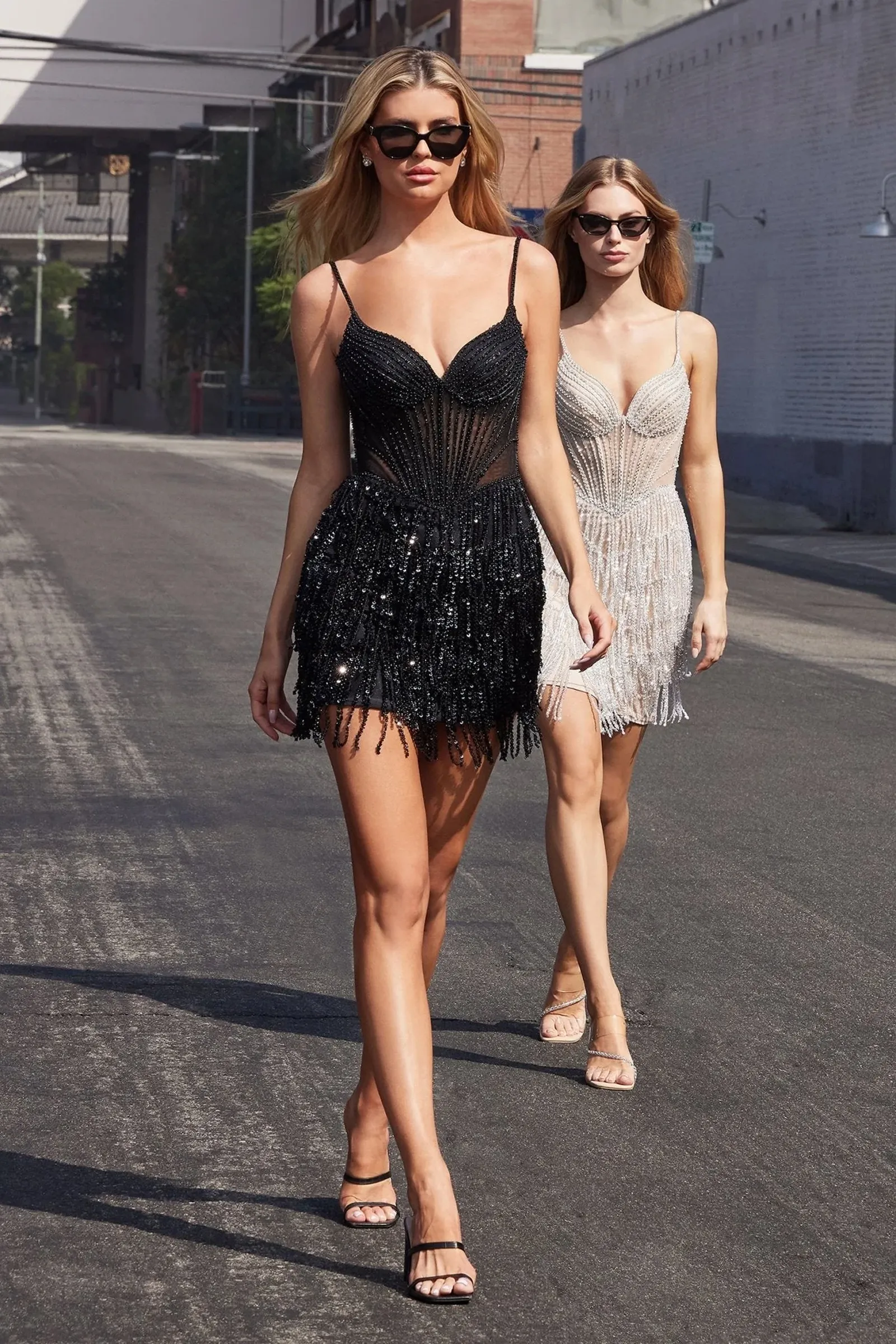
Designer plus size dresses for the bride’s mother combine an elegant formal look with a fit designed to complement fuller figures. From flowing A-line gowns and sophisticated long-sleeve styles to embellished evening dresses, the right dress should feel appropriate for the wedding while still reflecting your personal style.
As the mother of the bride, you are part of many important moments throughout the day. You may be involved in photographs, the ceremony, greetings, dinner, and dancing. Your dress should look polished from every angle while allowing you to sit, walk, and celebrate comfortably.
Explore designer plus size dresses for the bride’s mother in different silhouettes, fabrics, sleeve lengths, necklines, and colors to find a style that works with the wedding setting and your preferred level of formality.
What Should the Mother of the Bride Wear?
The mother of the bride should choose a dress that matches the formality of the wedding without competing with the bridal gown. For a black-tie or formal evening wedding, a floor-length gown is usually an appropriate choice. Midi and tea-length dresses can work well for cocktail, daytime, garden, and semi-formal celebrations.
The season and venue also matter. Chiffon and other flowing fabrics can feel natural at spring and summer weddings, while satin, richer colors, long sleeves, and more structured gowns can suit fall and winter events.
Most importantly, the dress should feel comfortable and fit properly. A beautiful gown is much easier to enjoy when you are not constantly adjusting the neckline, sleeves, waist, or hem.
Plus Size Mother of the Bride Dress Styles
There is no single silhouette that every mother of the bride needs to wear. The best choice depends on the fit you prefer, the wedding dress code, and the features you want to highlight.
A-Line Mother of the Bride Dresses
An A-line gown is fitted through the upper body before gradually widening toward the hem. This classic shape creates a balanced silhouette without fitting closely through the hips and thighs.
A-line dresses work especially well for long ceremonies and receptions because the fuller skirt provides room for comfortable movement. Depending on the fabric and details, the silhouette can work for anything from an outdoor wedding to an elegant ballroom reception.
Mermaid and Trumpet Gowns
Mermaid and trumpet dresses provide a more defined shape. These silhouettes follow the body through the bodice and hips before widening lower on the skirt.
They are a strong option when you prefer a fitted formal look rather than a loose or flowing gown. Stretch fabrics, ruching, supportive bodices, and carefully placed seams can make these silhouettes easier to wear throughout a long event.
Flowing Chiffon Dresses
Chiffon is a popular fabric for mother of the bride dresses because it creates soft movement without making a gown appear overly heavy. Layered chiffon skirts are especially suitable for warm-weather weddings, outdoor venues, and celebrations where a softer formal look is preferred.
Embroidered bodices, pleating, lace details, and embellishments can add more formality while keeping the overall appearance graceful.
Long-Sleeve and Covered-Arm Dresses
Long sleeves, three-quarter sleeves, and other covered-arm designs provide additional coverage without limiting style choices.
Sleeves can be made from the same fabric as the dress or designed with lace, sheer panels, embroidery, or embellishments. This makes them useful for religious ceremonies, cooler seasons, conservative wedding settings, or simply for women who prefer more arm coverage.
Choosing a Flattering Neckline
The neckline changes both the appearance and feel of a formal gown.
V-neck dresses create an open neckline and can visually lengthen the upper body. Boat necks provide more coverage and create a refined, classic appearance. Scoop necklines are versatile and work with many types of jewelry, while off-the-shoulder designs can create a more dramatic evening look.
Rather than choosing a neckline only because it is considered flattering, think about comfort and support. Consider which bra or undergarment you plan to wear and whether you will feel comfortable with the neckline while sitting, moving, and taking photographs.
Fabrics for Designer Plus Size Mother of the Bride Dresses
Fabric affects how a gown falls, moves, and feels against the body.
Chiffon creates light, flowing movement and works particularly well with A-line and layered dresses. Satin has a smooth surface and more noticeable sheen, making it a popular choice for evening and formal weddings. Stretch fabrics can provide a closer fit while allowing easier movement.
Lace, embroidery, sequins, beading, and other decorative details may appear across the entire gown or be concentrated around the bodice, sleeves, neckline, or waist.
For heavily embellished dresses, simple accessories are often enough. With a cleaner gown, jewelry, shoes, and a clutch can play a larger role in completing the outfit.
What Colors Can the Mother of the Bride Wear?
Navy, burgundy, champagne, mauve, dusty rose, hunter green, mocha, purple, and other sophisticated shades are popular choices for mother of the bride gowns.
The wedding color palette can provide direction, but your dress does not usually need to match the bridesmaids exactly. A complementary shade can help the family look coordinated in photographs without making everyone appear to be wearing the same color.
Before buying a white, ivory, or very pale champagne dress, it is wise to check with the bride. Colors that photograph close to bridal white may not be suitable unless they are specifically part of the wedding plan.
Black can also work for many modern formal and evening weddings, particularly when the dress code and couple are comfortable with it.
How to Choose the Right Plus Size
Do not rely only on the size number you normally wear in everyday clothing. Formalwear sizing can vary by designer and style.
Measure your bust, waist, and hips, then compare those measurements with the size chart provided for the specific dress. If your measurements fall across different sizes, pay attention to the part of the gown that will be hardest to alter.
The fabric should also be considered. A structured gown may have less flexibility than a dress made with stretch material or an adjustable closure.
Ordering early gives you more time to check the fit and arrange alterations if necessary. Even a well-selected size may benefit from adjustments to the hem, straps, sleeves, waist, or bust.
How Should a Mother of the Bride Dress Fit?
A good formal dress should follow your shape without restricting normal movement.
Try sitting down, walking, raising your arms, and turning while wearing the dress. The bodice should feel secure, but you should still be able to breathe and move naturally. Sleeves should not pull when you bend your arms, and the skirt should allow a comfortable walking stride.
For a floor-length gown, test the hem while wearing the shoes you plan to use at the wedding. This helps determine whether alterations are needed and reduces the risk of stepping on the dress.
Choosing a Dress for the Wedding Venue
The venue can help narrow your options.
A ballroom or luxury hotel wedding can support floor-length gowns, satin fabrics, beading, sequins, embroidery, and other formal details. A garden or outdoor ceremony may call for softer fabrics and easier movement. Beach weddings generally work better with lightweight gowns that are less difficult to manage outdoors.
For religious ceremonies, consider the venue's expectations regarding neckline, sleeve length, and coverage.
A wedding with multiple venues may require a more versatile dress. In that case, look for a gown that feels appropriate during the ceremony but is comfortable enough for a reception afterward.
How to Style a Plus Size Mother of the Bride Dress
Start with the dress rather than building the outfit around accessories.
An embellished gown usually needs little additional decoration. Simple earrings, a bracelet, an evening bag, and understated shoes may be enough. A dress with minimal detailing gives you more freedom to add statement jewelry.
Choose shoes based on both appearance and comfort. You may spend several hours standing, walking, greeting guests, and dancing. A slightly lower heel or supportive formal shoe can be more practical than footwear you can only tolerate for photographs.
For cooler weather, consider a shawl, wrap, bolero, or coordinating jacket that complements the gown without hiding its main details.
When Should the Mother of the Bride Buy Her Dress?
Shopping several months before the wedding provides the most flexibility. It allows time to compare silhouettes, order the right size, complete alterations, and coordinate your outfit with the overall wedding style.
Traditionally, the mother of the bride selects her dress before the mother of the groom, but modern weddings do not always follow this rule. Clear communication between the bride and both families is more useful than relying on strict traditions.
Knowing the dress code, venue, season, wedding colors, and expected level of formality before shopping can make the decision much easier.
Find a Designer Plus Size Dress for the Bride’s Mother
The right plus size mother of the bride gown should balance style, comfort, fit, and the formality of the wedding. Explore Formal dress shop's designer plus size dresses for the bride’s mother in A-line, mermaid, trumpet, long-sleeve, chiffon, embellished, and other formal styles.
Compare measurements carefully, consider the venue and season, and choose a dress that lets you feel polished and comfortable throughout one of the family’s most memorable celebrations.

Follow us


