


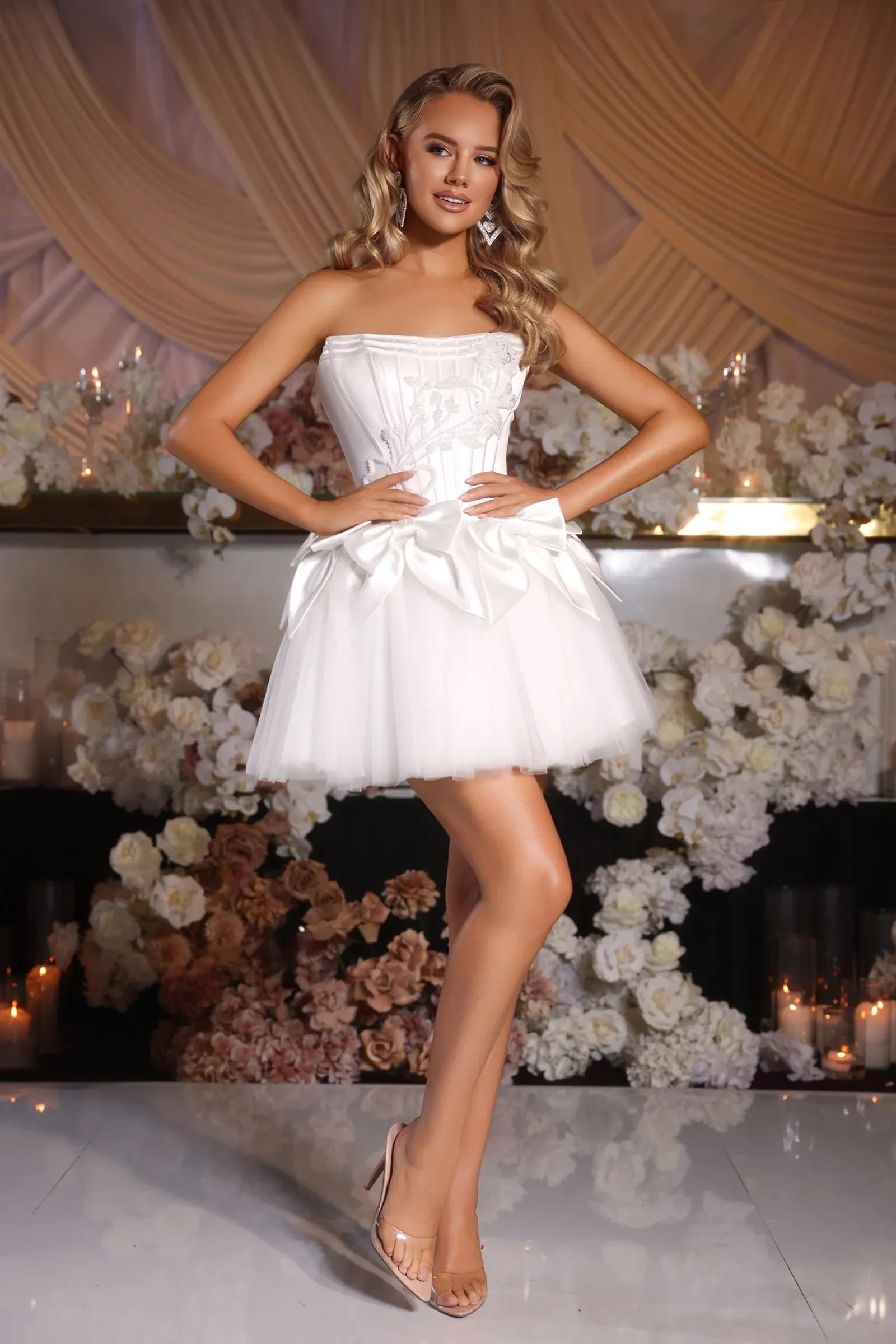
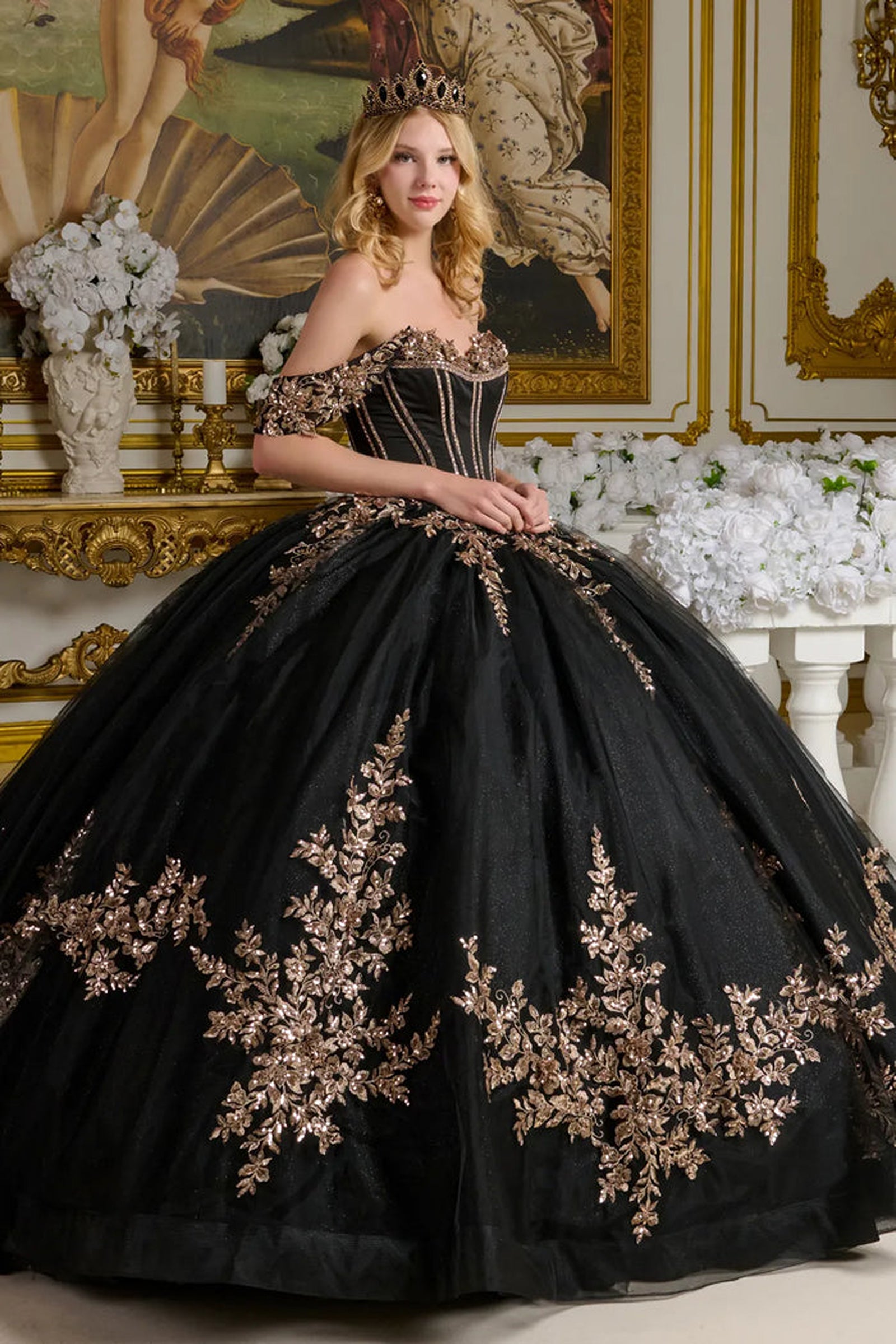

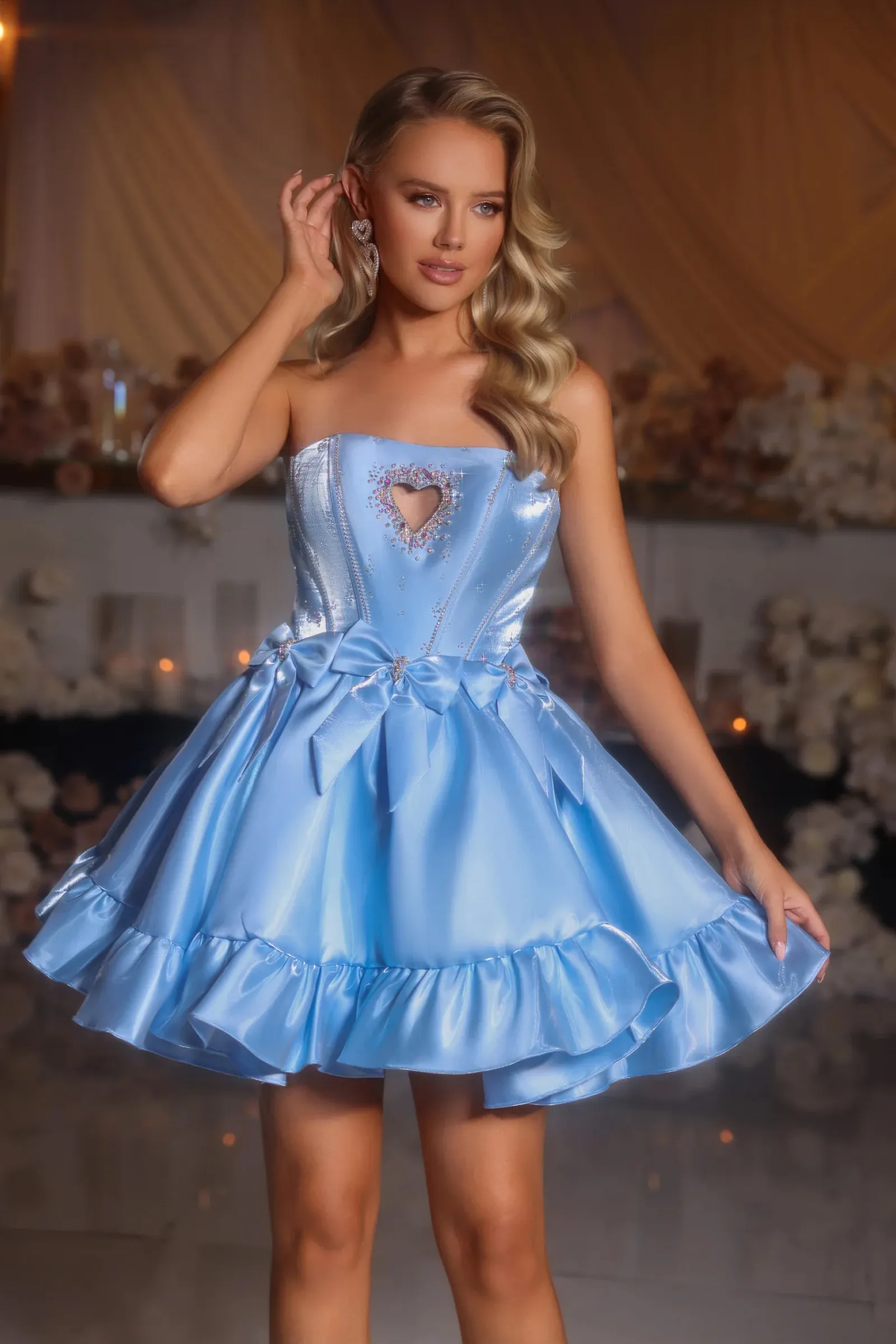
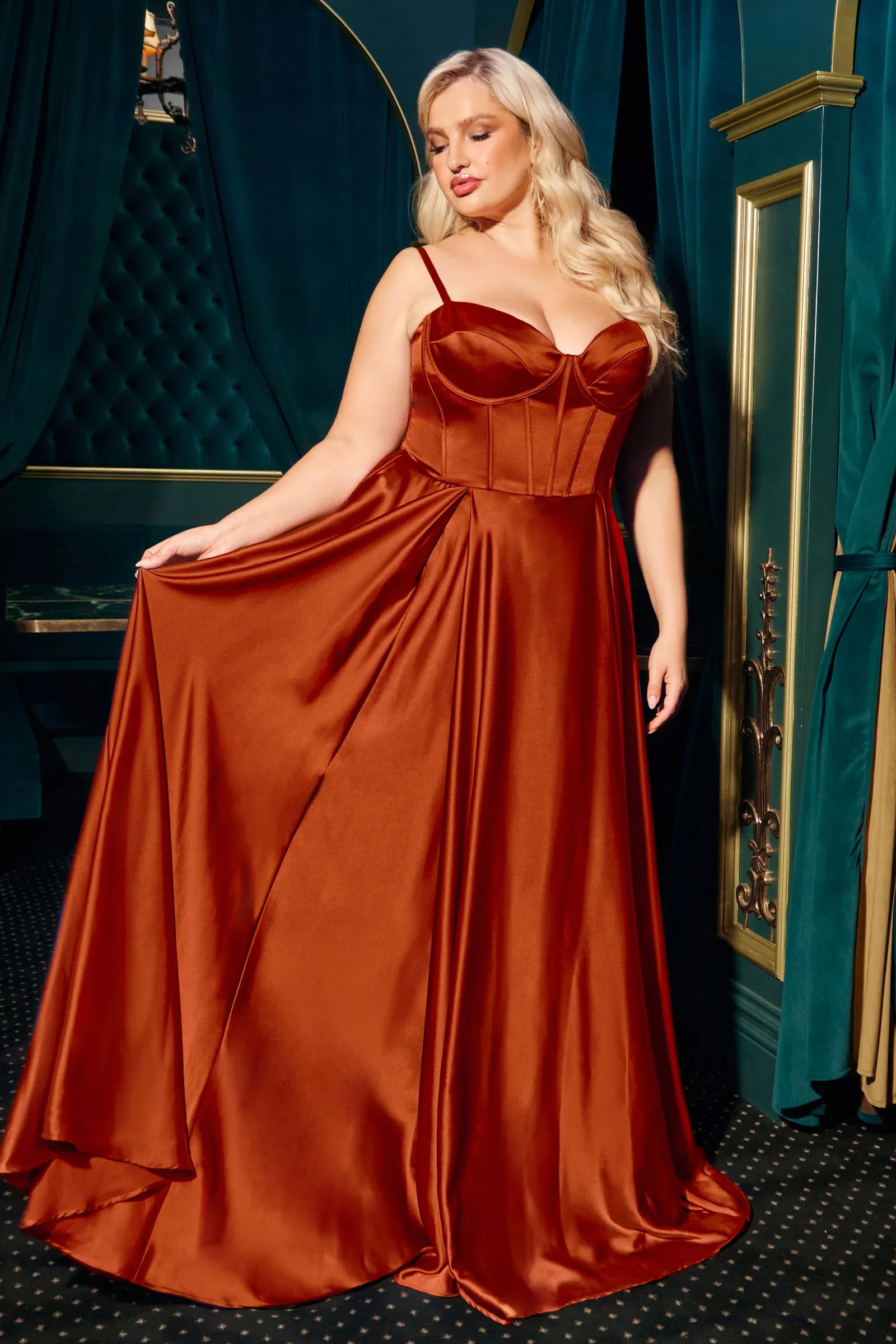
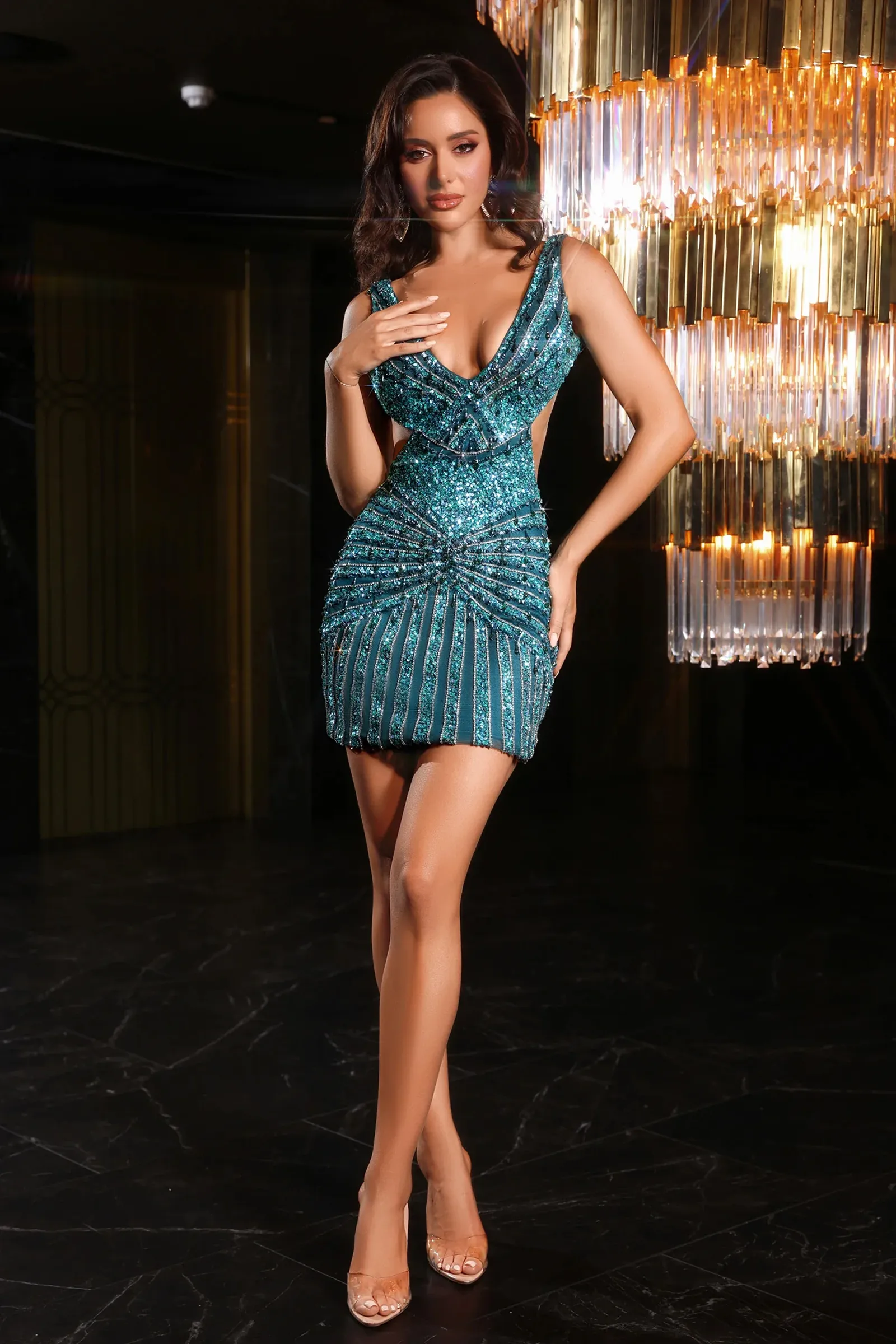
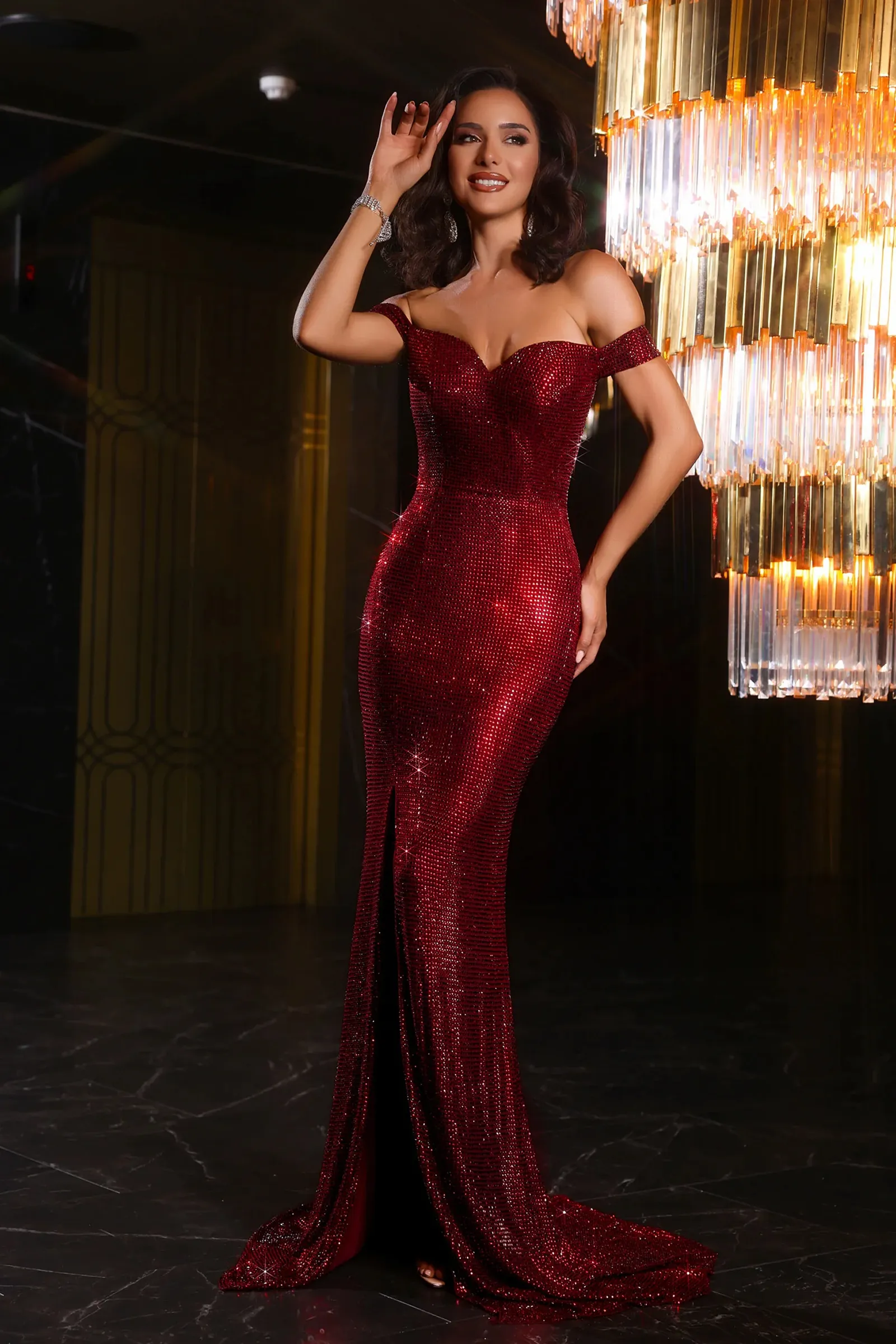
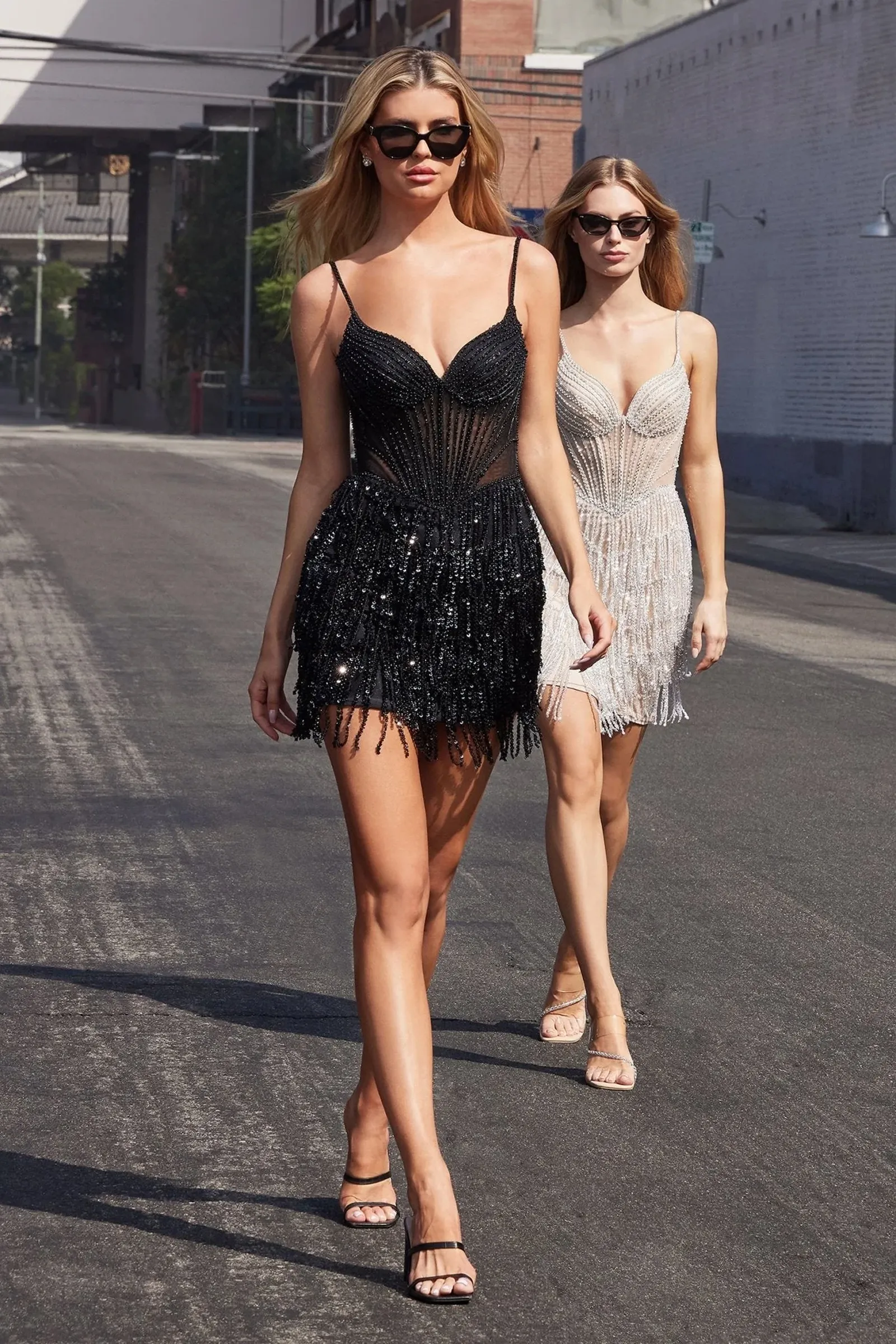
Wholesale Dresses
Wholesale Dresses for Boutiques, Eventwear Sellers, and Retail Buyers
Wholesale dresses give boutiques, online retailers, eventwear businesses, and independent shops a practical way to build an assortment around different customer needs. A useful wholesale women’s clothing collection is about more than having a large number of styles. Buyers need a thoughtful mix of silhouettes, lengths, colors, sizes, and levels of formality that makes sense for the customers they serve.
The right assortment will depend on your target customer, the occasions they shop for, your store’s overall style, and the seasons you are preparing for. A boutique focused on formal events may need a very different collection from a retailer specializing in partywear or prom.
This Wholesale Dresses collection provides a starting point for businesses exploring formal, party, prom, wedding-related, and other occasionwear categories. Your customers may be shopping for weddings, prom, graduation celebrations, cocktail parties, dinners, holiday gatherings, or formal receptions. Some retailers may prefer to focus on one specific eventwear niche, while others may want a broader selection that includes long gowns, shorter dresses, bridesmaid styles, and seasonal partywear.
When planning boutique wholesale clothing, start with the customer instead of building your buying strategy around a single trend. Think about the events your customers regularly attend, the level of formality they usually need, the silhouettes they prefer, and the colors that fit your store. A boutique located near popular wedding venues might give more attention to wedding guest, bridesmaid, mother-of-the-bride, and formal gown categories. A prom-focused retailer may need a mix of long gowns, shorter dresses, statement colors, and different necklines. A shop serving holiday parties and social events may have stronger reasons to focus on cocktail and party dresses.
Choosing Wholesale Women’s Clothing by Customer and Occasion
Having a clear idea of your customer makes wholesale buying much easier. Consider questions that connect directly to the products you plan to stock. Are your customers primarily shopping for prom and graduation? Do they need floor-length gowns, cocktail dresses, or a combination of both? Are there particular color families they regularly request? Do they look for more coverage, plus sizes, or dresses suitable for specific venues?
The answers can help shape your assortment more effectively than simply choosing the styles that look most impressive in isolation.
For retailers concentrating on special occasions, Wholesale Prom Dresses can be evaluated alongside broader formalwear categories. Prom shoppers often have specific preferences concerning length, silhouette, color, neckline, and timing. A prom-focused selection might include fitted gowns, A-line dresses, long styles, shorter options, and a combination of classic and more expressive colors.
Wedding-related shopping also extends beyond bridal gowns. Bridesmaids, wedding guests, mothers of the bride or groom, and guests attending engagement parties or rehearsal dinners may all need occasionwear. For wedding-party inventory, Wholesale Bridesmaid Dresses gives buyers a category-specific place to compare styles. Retailers with a bridal component can also explore Wholesale Wedding Dresses.
If your boutique serves several types of events, consider combining categories rather than concentrating your inventory in one dress length or silhouette. Long gowns can cover formal evening occasions, while cocktail dresses may be useful for receptions, restaurant celebrations, and semi-formal invitations. Party dresses give customers another option for birthdays, holidays, and nights out.
The right mix ultimately depends on your customers, available retail space, seasonal calendar, and the occasions that matter most in your market.
Building a Balanced Boutique Dress Assortment
A well-planned boutique assortment should offer enough choice without becoming difficult for customers to navigate. Occasion, silhouette, color, and price position can all be useful ways to organize your buying strategy. These are planning tools rather than strict formulas. A retailer might build its core collection around dependable formal colors, then introduce seasonal shades or distinctive designs that suit its particular customer base.
Occasion is often the easiest place to start. Wholesale Evening Dresses can be useful for retailers looking for polished styles for formal dinners, receptions, and evening celebrations. Wholesale Cocktail Dresses can cover shorter and semi-formal dressing, while Wholesale Party Dresses can give retailers more options for birthdays, holiday gatherings, and social events.
Within each occasion category, silhouette variety can make the assortment more useful. Some customers prefer a defined waist with room through the skirt, while others feel more comfortable in a fitted or column silhouette. Neckline variety matters too. Depending on the focus of the store, a selection could include V-necks, square necks, halters, off-the-shoulder styles, sleeveless designs, and dresses with sleeves.
The goal is not to carry every possible variation. Instead, aim for meaningful differences that accommodate different fit preferences, levels of coverage, and personal styles.
Dress length is another practical consideration. Floor-length gowns can be important for formal events, prom, and galas. Midi and knee-length dresses may work for cocktail attire, wedding guests, daytime celebrations, and some work-adjacent events. Shorter party dresses can appeal to shoppers looking for a more social or trend-oriented style. Wholesale Evening Gowns can help buyers compare gown-focused inventory with broader wholesale dress categories.
Wholesale Dress Categories to Compare
Wholesale buying works best when you think about how customers actually shop. Someone may begin by asking for a formal gown and then decide that a cocktail dress makes more sense after checking the invitation. A prom shopper might initially want a long gown but later prioritize sleeves, a particular neckline, or a specific color. A wedding guest may want an elegant dress that can also be worn again for dinners or other celebrations.
Your assortment should leave room for these comparisons rather than placing every customer into one category.
Formal occasionwear can serve as an important foundation for many boutiques. Evening & Formal Gowns can help buyers explore more elevated eventwear, while Cocktail Dresses offer shorter alternatives for customers with different dress-code requirements. These categories overlap in some ways, but they should not be treated as identical because the occasions and customer expectations can differ.
Color is another way to create both consistency and variety. Black, navy, champagne, and cream can provide dependable foundations for a formalwear assortment. Jewel tones and deeper shades may work well for evening occasions and colder seasons, while pastels and floral-inspired colors can suit spring celebrations, graduation, and some wedding-related events.
Rather than assuming one color will appeal to every market, consider the preferences you have already observed from your customers and the seasonal direction of your store.
Sizing should also be part of the initial assortment plan. Inclusive sizing is easier to manage when it is considered during buying rather than added later. Plus Size Dresses and Plus Size Formal Dresses offer related categories for retailers evaluating options across a broader size range. Check the actual size information for each product because availability and measurements can differ from one style to another.
Planning Color, Sizing, and Seasonal Selection
A wholesale women’s clothing plan should follow the retail calendar. Prom and graduation may require a different assortment from wedding season, holiday parties, or winter formal events. Give yourself enough time to receive the inventory, prepare it for merchandising, photograph products if you sell online, and place the collection in front of customers during the relevant shopping period.
For boutiques with limited space, a flexible eventwear selection may be more practical than putting too much inventory into one narrow category.
Color planning can also make merchandising easier. A group of complementary colors often creates a more cohesive display than a collection made up of unrelated shades. That does not mean your assortment needs to be entirely neutral. You might combine dependable dark colors with lighter event-ready shades, a few stronger statement colors, and dresses that can work for several types of occasions.
The best combination will depend on your existing collection and the preferences you have seen from your customers.
Sizing decisions should be based on the actual product information available. Before adding a style to your inventory, review its size chart, fit notes, length, and other product details. Avoid assuming that dresses from different styles will have identical fits simply because they share the same listed size.
For online retailers, accurate product information and inventory records are particularly important because customers depend on those details when deciding what to purchase.
What Retail Buyers Should Review Before Ordering
Before placing a wholesale dress order, take the time to review the information provided for each style. Confirm the category, available colors and sizes, product details, pricing, ordering terms, shipping information, return policies, and any other requirements associated with the wholesale process.
Do not assume minimum order quantities, delivery times, fabric composition, or future reorder availability unless those details have been clearly provided.
It is also useful to consider how each dress fits into your existing customer experience. Does the style complement what you already sell? Does it fill a gap in your selection for a particular occasion, size, length, or color? Can you merchandise it alongside appropriate shoes, accessories, or outerwear? Does it make sense for the events on your upcoming retail calendar?
These questions can help you make more deliberate buying decisions and avoid building an assortment that looks appealing but does not have a clear purpose for your customers.
Think about product presentation before the inventory arrives, too. Depending on your store, you might organize dresses by occasion, color, length, trend, or season. Someone shopping for a formal dinner should be able to find several relevant options without sorting through casual dresses or unrelated partywear.
Clear organization can make product discovery easier both online and in a physical boutique.
Wholesale dresses can help boutiques, online retailers, and eventwear businesses build collections around genuine customer needs. From formal gowns and bridesmaid dresses to cocktail and party styles, the right assortment can give shoppers useful options for the occasions they care about.
Explore FormalDressShops to compare wholesale dress categories and develop a selection that fits your customers, event calendar, available space, and overall store direction.
FAQ Section
What types of businesses can shop wholesale dresses?
Boutiques, online retailers, eventwear sellers, and other eligible business buyers can review the available wholesale process and product information to determine which categories fit their needs.
How should a boutique choose wholesale women’s clothing?
Start with your customers and the occasions they shop for. Consider seasonal demand, size requirements, preferred silhouettes, colors, and the formalwear categories that make sense for your store.
Should I stock both formal gowns and cocktail dresses?
If your customers attend a variety of events, carrying both can give them options for formal, semi-formal, evening, and celebration-related occasions. The balance should reflect your actual customer base and available inventory space.
What should I confirm before placing a wholesale dress order?
Review the specific product details, available sizes and colors, pricing, ordering terms, shipping information, return policies, and any other requirements provided as part of the wholesale process.

Follow us


